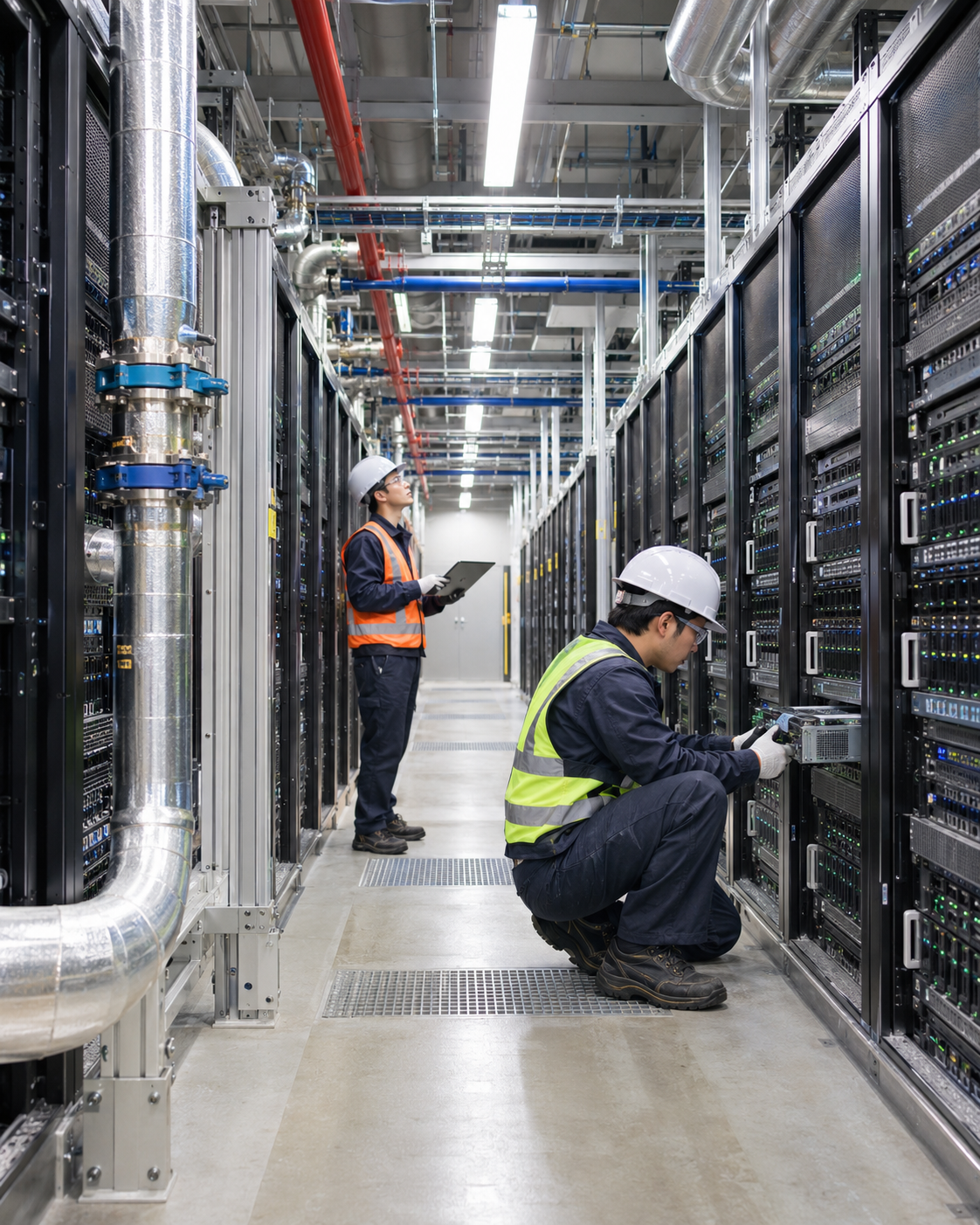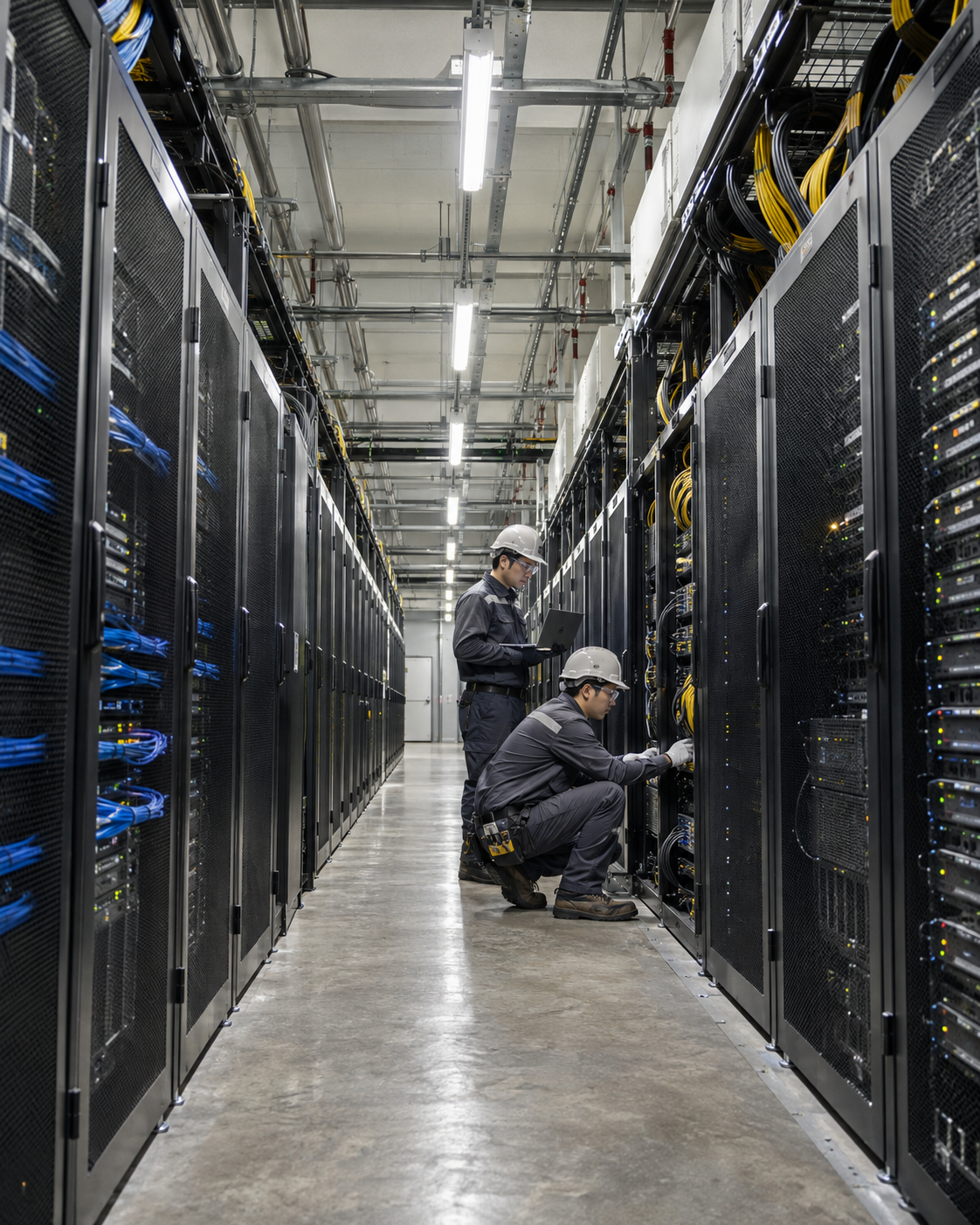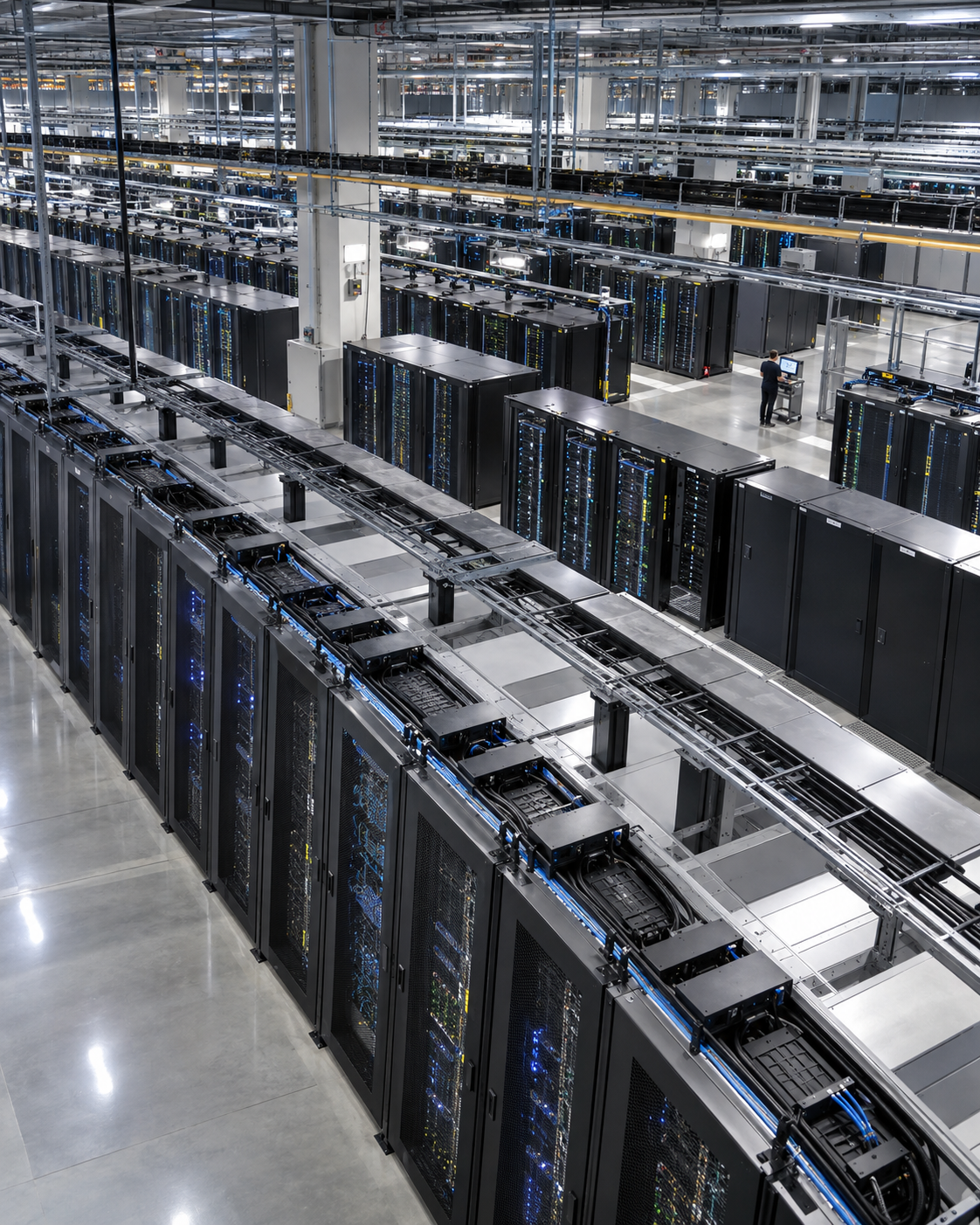
The bottleneck in the competition among AI data centers lies in the computing chips and the interface between the chips and the servers. Data Transferis expanding. A French semiconductor materials company SoitecAs demand for photonic wafers for optical interconnects has been growing rapidly, the company is in the process of negotiating multi-year supply agreements with more than 10 customers.
This contract isn't just a simple purchase order; it's a production capacity reservation agreement that combines a fixed price, a committed volume, and a deposit. It is important to note that, because this structure involves customers committing to actual demand and Soitec securing medium- to long-term supply volumes, investments in AI infrastructure are trickling down to long-term contracts at the materials level.
However, not all contracts have been finalized yet. CEO Laurent Rémont...expected that about 80% of all agreements would be finalized within one to two weeks, and predicted that the remainder would be finalized within a month.
| More than 10 clients
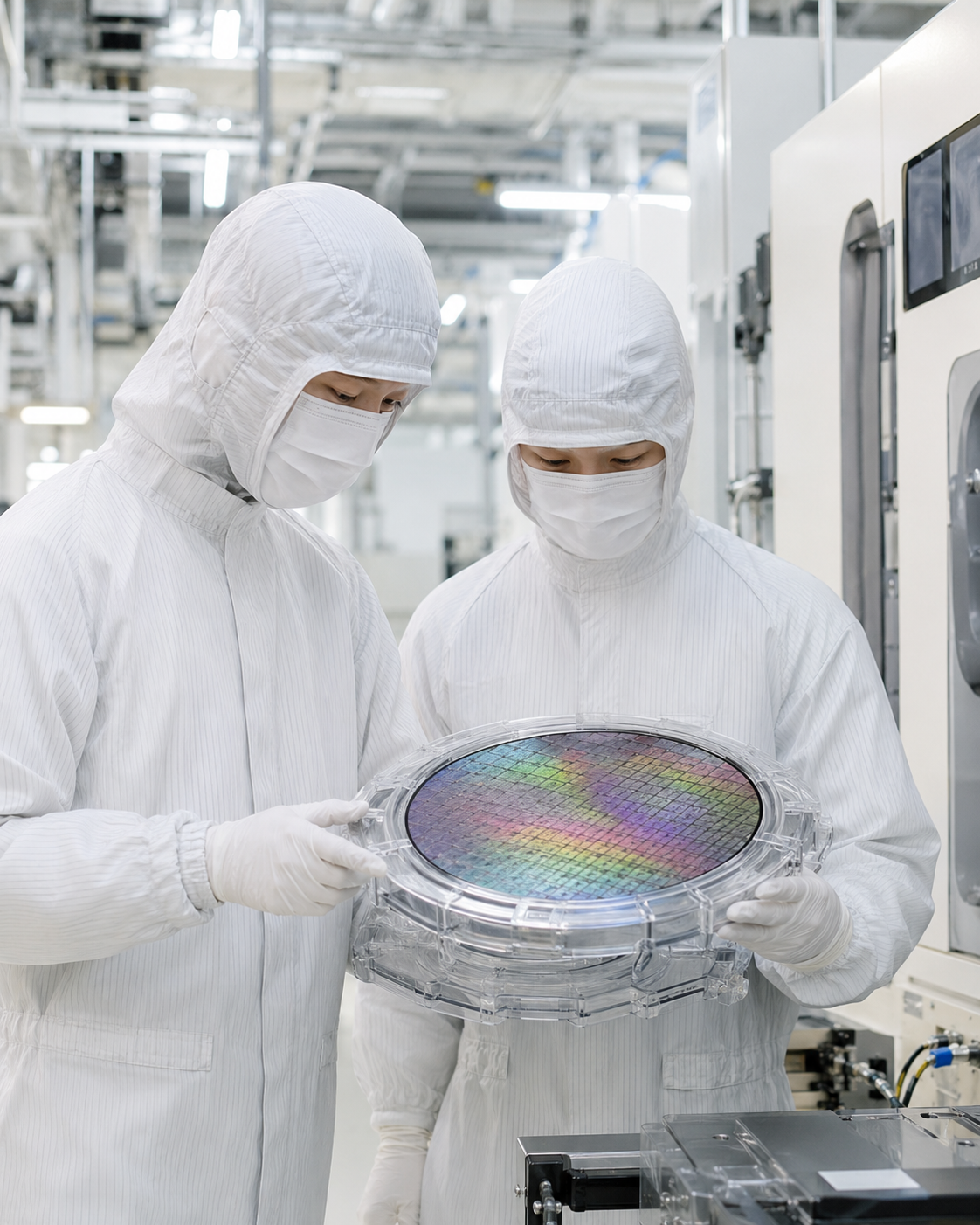
Soitec is pursuing a multi-year partnership with its photonics customers Production Capacity Reservation AgreementWow. With demand for optical components for AI data centers skyrocketing, customers are pre-committing to the wafer volumes they’ll need in the future to secure their supply.
The key figures to note in this announcement are as follows.
|
Category |
Confirmed Information |
|
Scope of the Contract |
More than 10 Photonics customers |
|
Expected to be signed |
About 80% is expected to be completed within 1 to 2 weeks, with the remainder to be finished within a month. |
|
FY27 Photonics-SOI Revenue Forecast |
More than double the amount of just over $100 million in FY26 |
|
Options for Additional Expansion |
Filling Singapore's idle buildings with equipment could add production capacity within 6 to 12 months |
The timing of contract signings and revenue forecasts are based on the company's and CEO's projections, so they may differ from actual results. In particular, we need to keep in mind that this is contingent on there being no major disruptions in the AI market.
| Fixed Price and Security Deposit
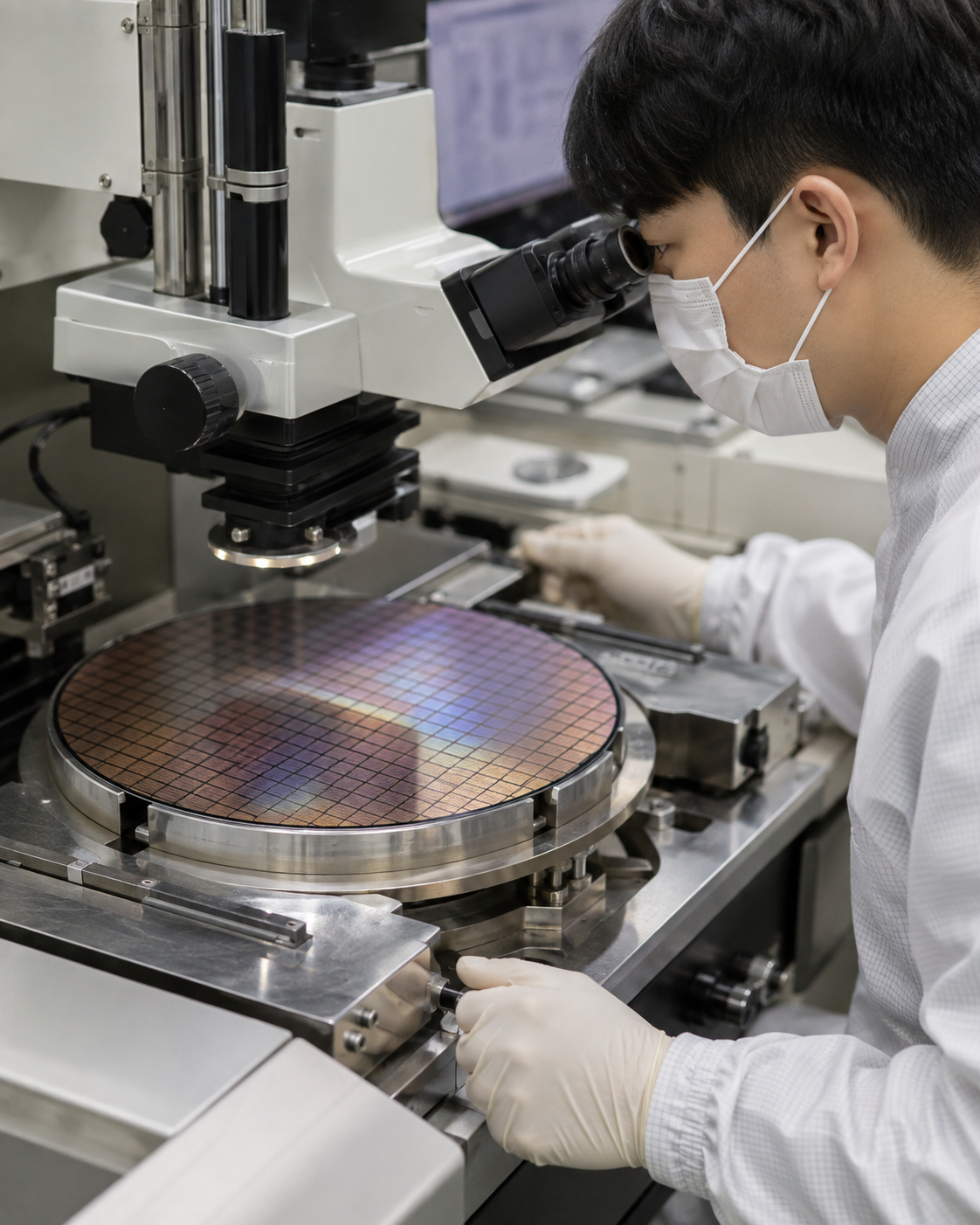
The contract includes the price, the agreed-upon volume, and the customer's deposit. If the customer purchases the agreed-upon volume, the deposit is refunded; however, if the volume is not met, the customer forfeits a portion of the deposit. For any additional volume exceeding the agreed-upon amount, the price is subject to renegotiation.
Customers must also share inventory information with Soitec. This can be seen as a measure designed to reduce instances where customers, concerned about supply shortages, place orders that exceed their actual needs—thereby blocking inventory from competitors—and to align production plans with actual demand.
| Limitations of Copper Connections
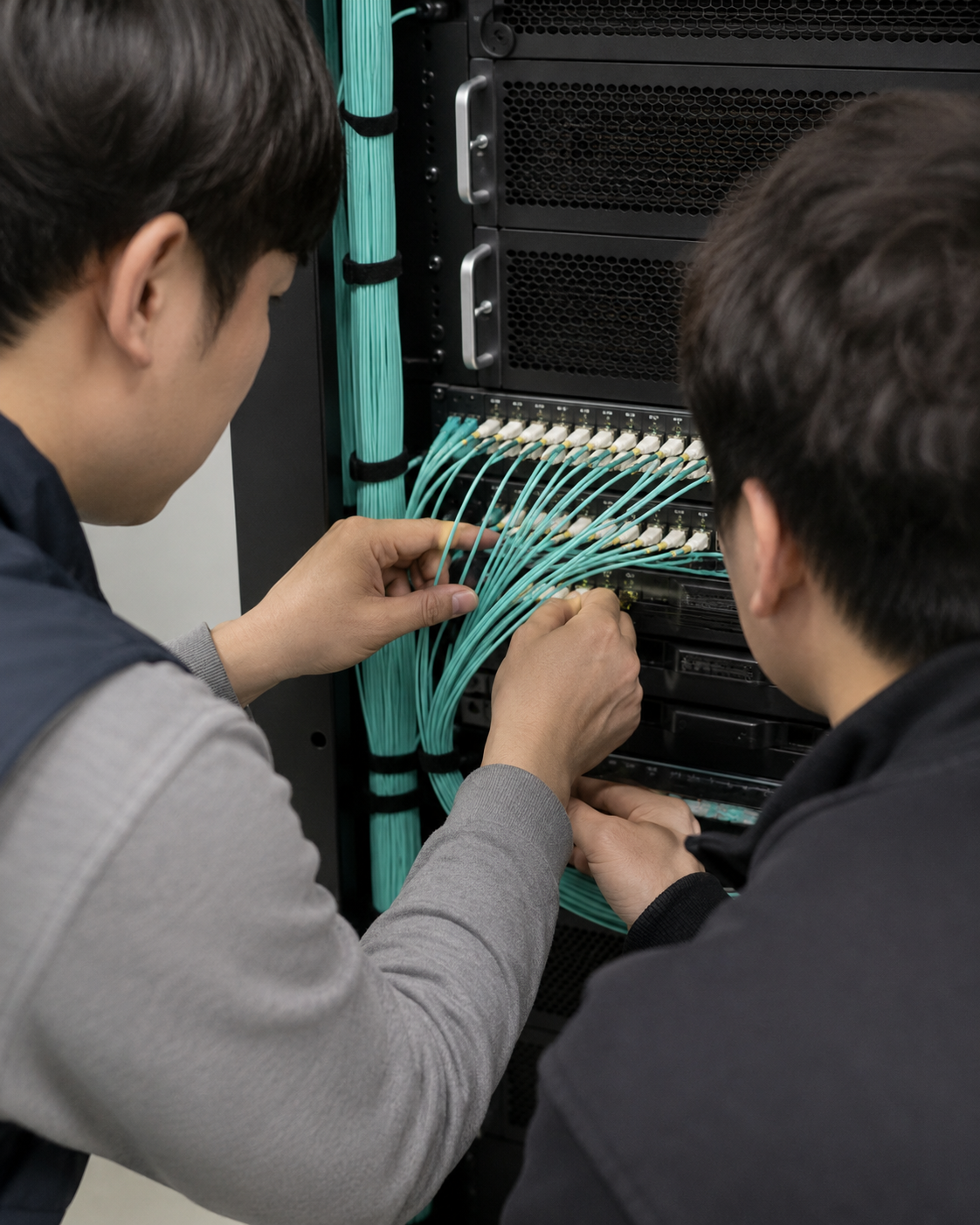
As the amount of data processed by AI servers increases, the ability to quickly transfer information between GPUs and accelerators becomes increasingly important. Conventional copper-based connections can lead to increased power consumption, signal loss, and performance limitations as distances grow and bandwidth increases.
That's why major cloud service providers are increasingly adopting optical connections, which convert electrical signals into light for transmission. As AI data centers grow larger, it’s not just computational performance but also connection speeds and energy efficiency that determine the overall system performance.
| Photonics-SOI
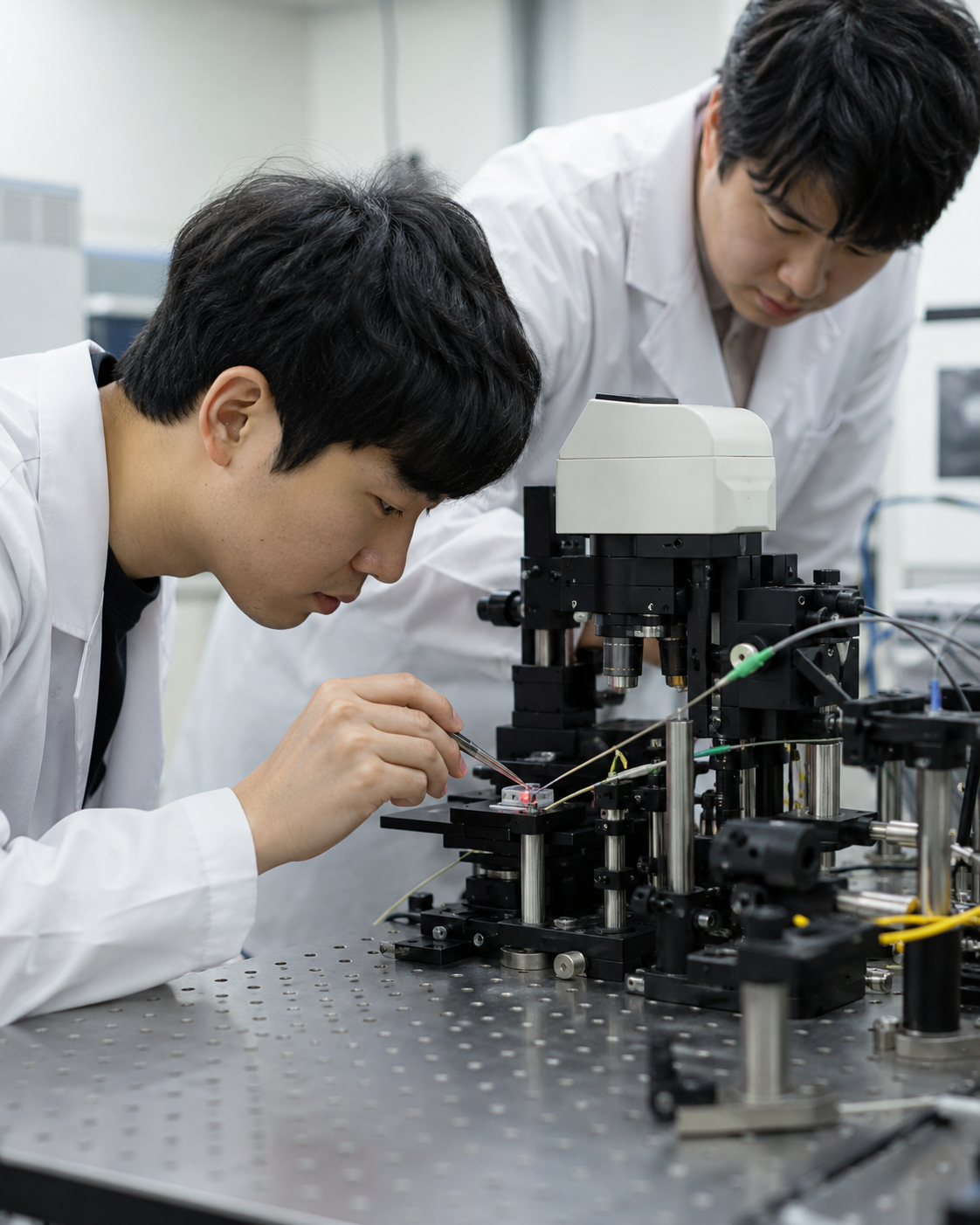
Photonics-SOIIt is a wafer with a thin layer of silicon deposited on top of an insulating layer, and it serves as the foundation for silicon photonic chips that transmit and control light. It serves as the starting point for manufacturing components such as optical transceivers and optical interconnects around packages.
Soitec holds a strong position in this substrate market. According to UBS estimates cited by Reuters, Although silicon photonics substrates account for approximately 95% of the market, this is an estimate by an external organization, not an officially confirmed statistic.
| $200 million
Soitec announced last July that Revenue from Photonics-SOI in FY27 is projected to more than double from the slightly over $100 million recorded in FY26. Based on a simple calculation, the total exceeds $200 million, but Rémont’s CEO said in this interview that $200 million is effectively the lower limitThey reached that conclusion.
This acceleration in demand was also reflected in the official financial results. In the first quarter of FY27, Photonics-SOI revenue doubled year-over-year, and the company’s total revenue reached 113 million euros—a 23% increase when adjusted for currency exchange rates and business scope.
However, this outlook is based on the assumption that investment in AI data centers will continue and that customer certification and production expansion will proceed as planned. Actual sales may vary depending on the order date and the customer's mass production schedule.
| Utilizing Existing Facilities
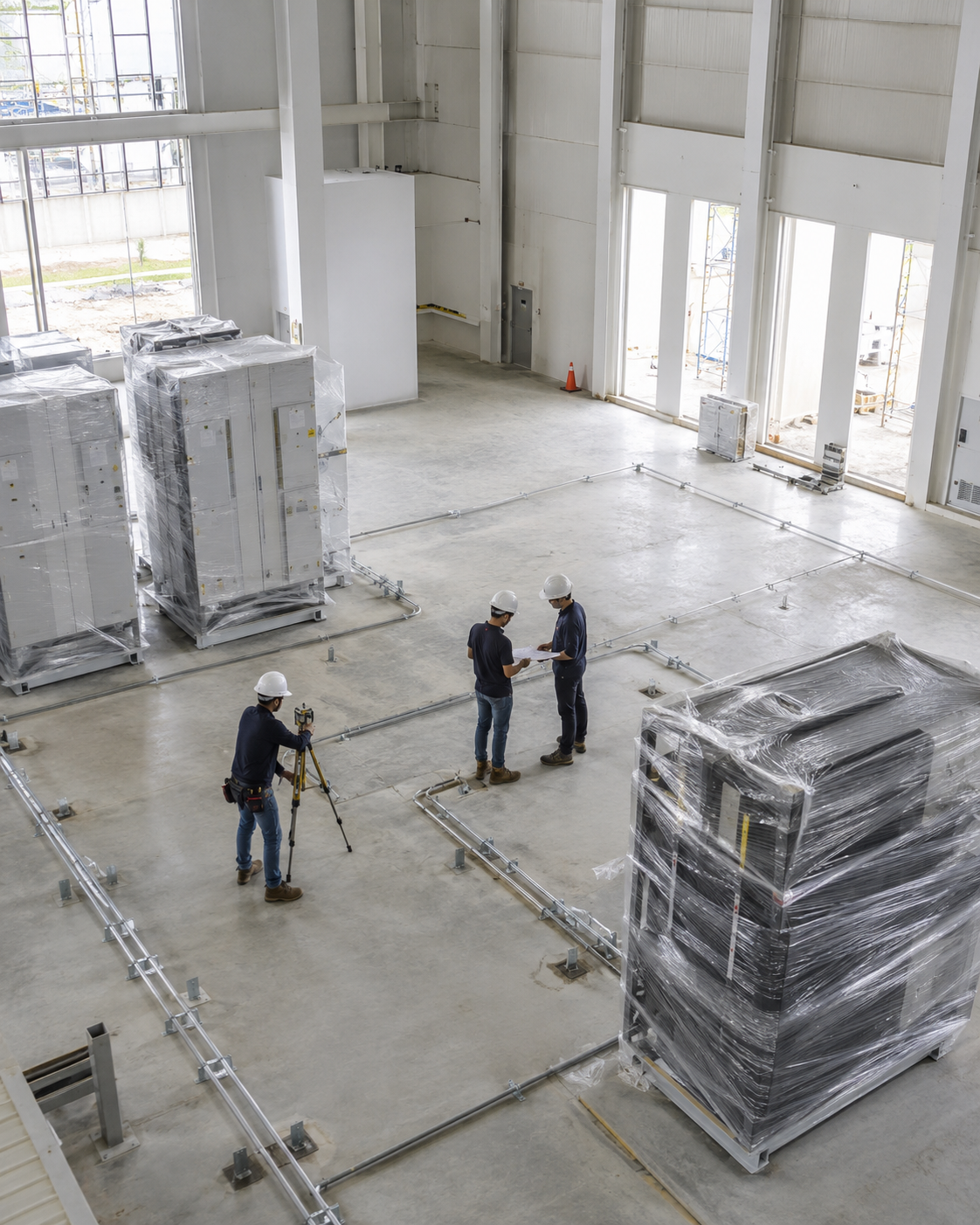
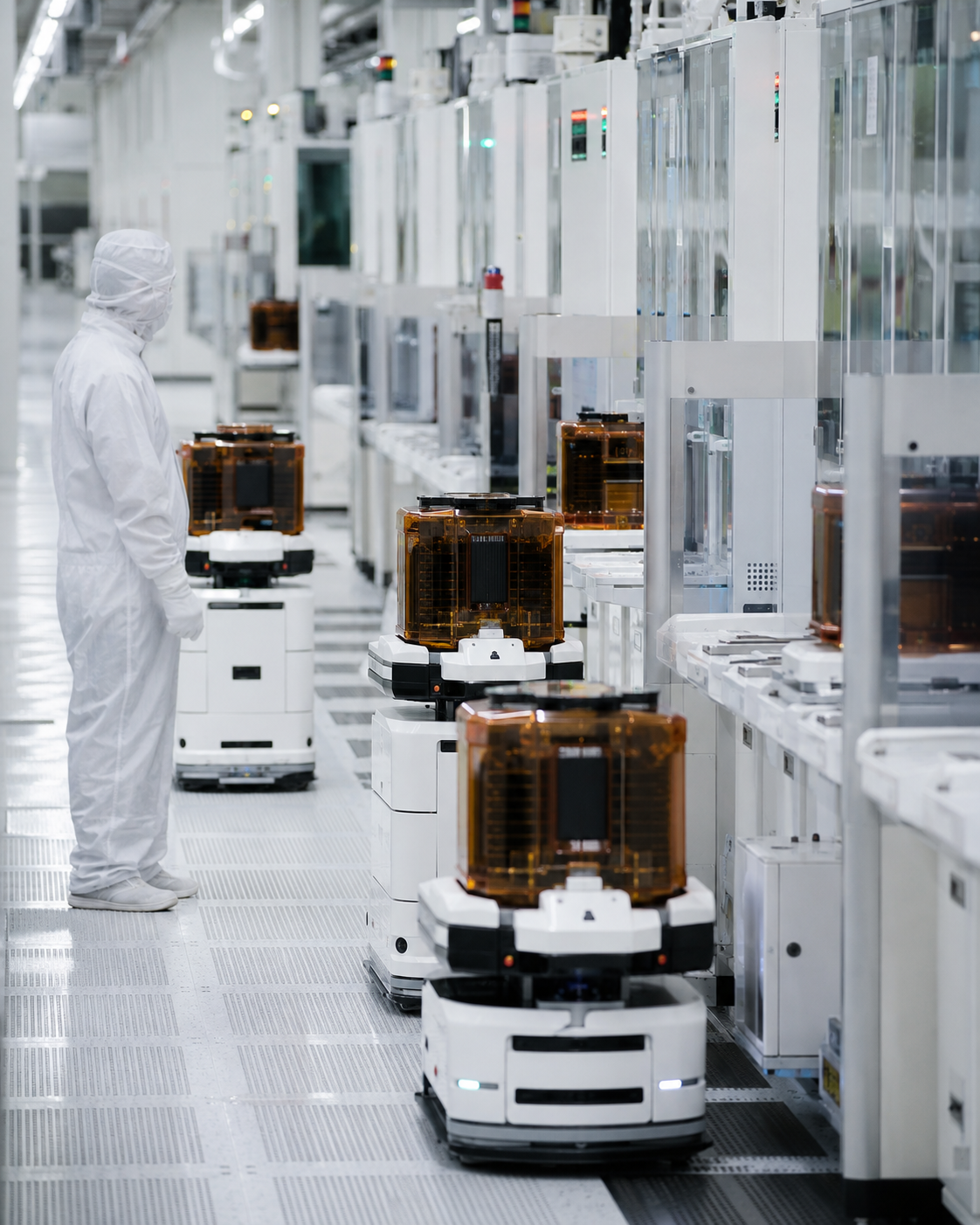
Soitec believes it can meet demand this year and next by utilizing its existing facilities in France and Singapore more efficiently and adding equipment to spare cleanrooms. The 300mm SOI production facility in Singapore has already received mass production certification for photonics-SOI from its first customers.
If demand increases further, we can add production capacity within 6 to 12 months by utilizing a building in Singapore that has not yet been equipped. We do not anticipate needing a completely new factory until around 2029, and for now, a U.S. factory is not a priority for consideration.
| Long-term contract
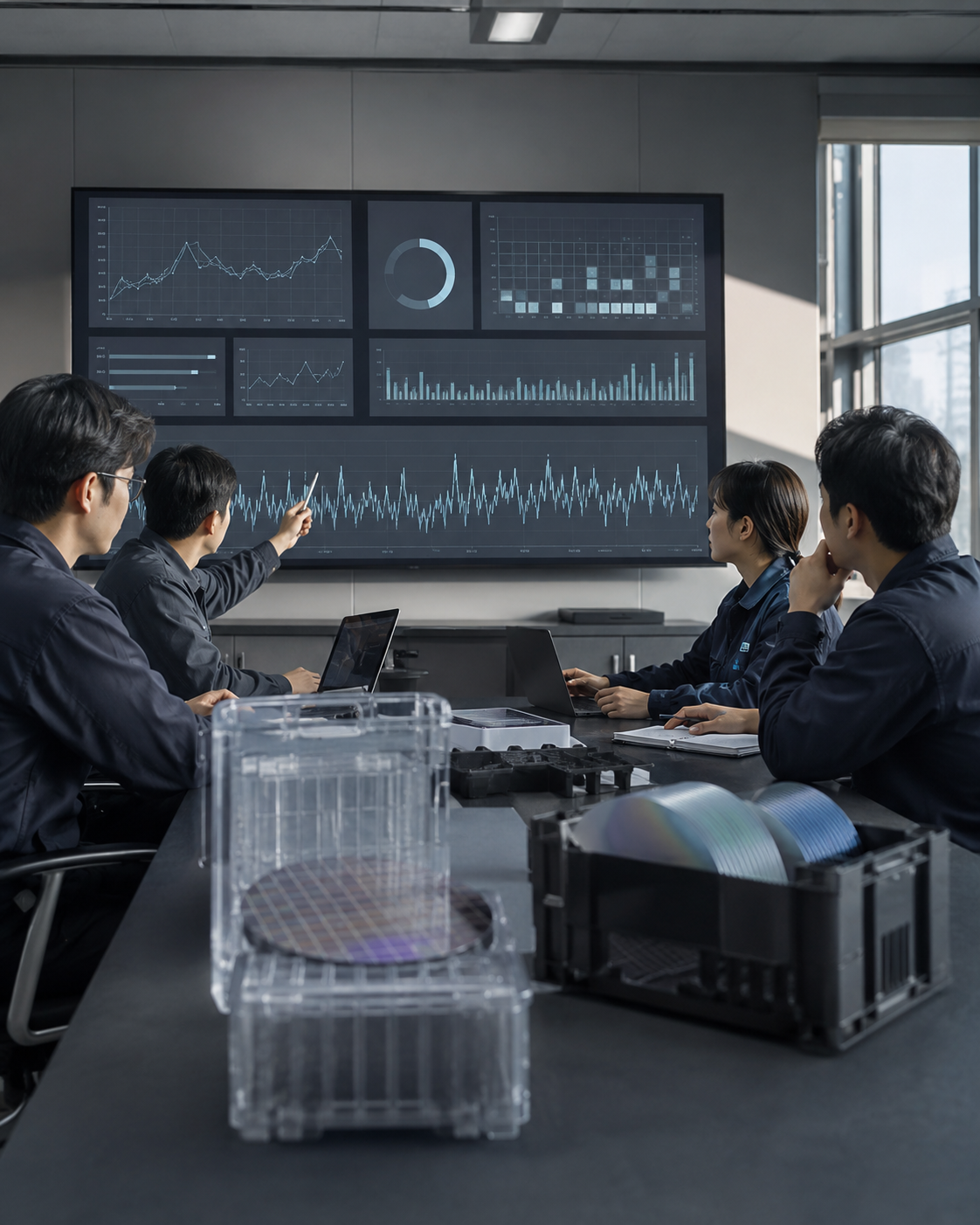
From Soitec's perspective, long-term agreements allow the company to confirm demand before investing in production facilities and enhance its bargaining power. Customers can also secure the key substrates needed for optical component production in advance, thereby reducing the risk of delays in data center expansion schedules.
Conversely, if investment in AI infrastructure slows more than expected, customers will be burdened with contracted volumes and security deposits. Soitec is also becoming increasingly dependent on a few key markets, and if customer certifications or equipment installations are delayed, it may not be able to recognize revenue as quickly as stipulated in its contracts.
| Competition in Optical Connectivity
This contract expansion demonstrates that the competitive landscape for AI infrastructure cannot be defined solely by the number of GPUs. To integrate large-scale computing devices into a single system, there must be a sufficient supply of optical transceivers, photonic chips, and even the wafers on which they are based.
Going forward, we need to confirm whether the planned contracts are actually signed, by how much FY27 revenue exceeds $200 million, and whether the additional expansion in Singapore goes ahead. These figures will reveal whether the long-term agreements are a response to a temporary supply shortage or a sign of structural growth in the photonics-SOI market.
References
Tags
#Soitec #PhotonicsSOI #Silicon Photonics #AI Data Center #Optical Interconnect #Optical Transceiver #Semiconductor Wafer #Semiconductor Materials #Data Center Infrastructure #Cloud Infrastructure #SingaporeFab #AI Semiconductors