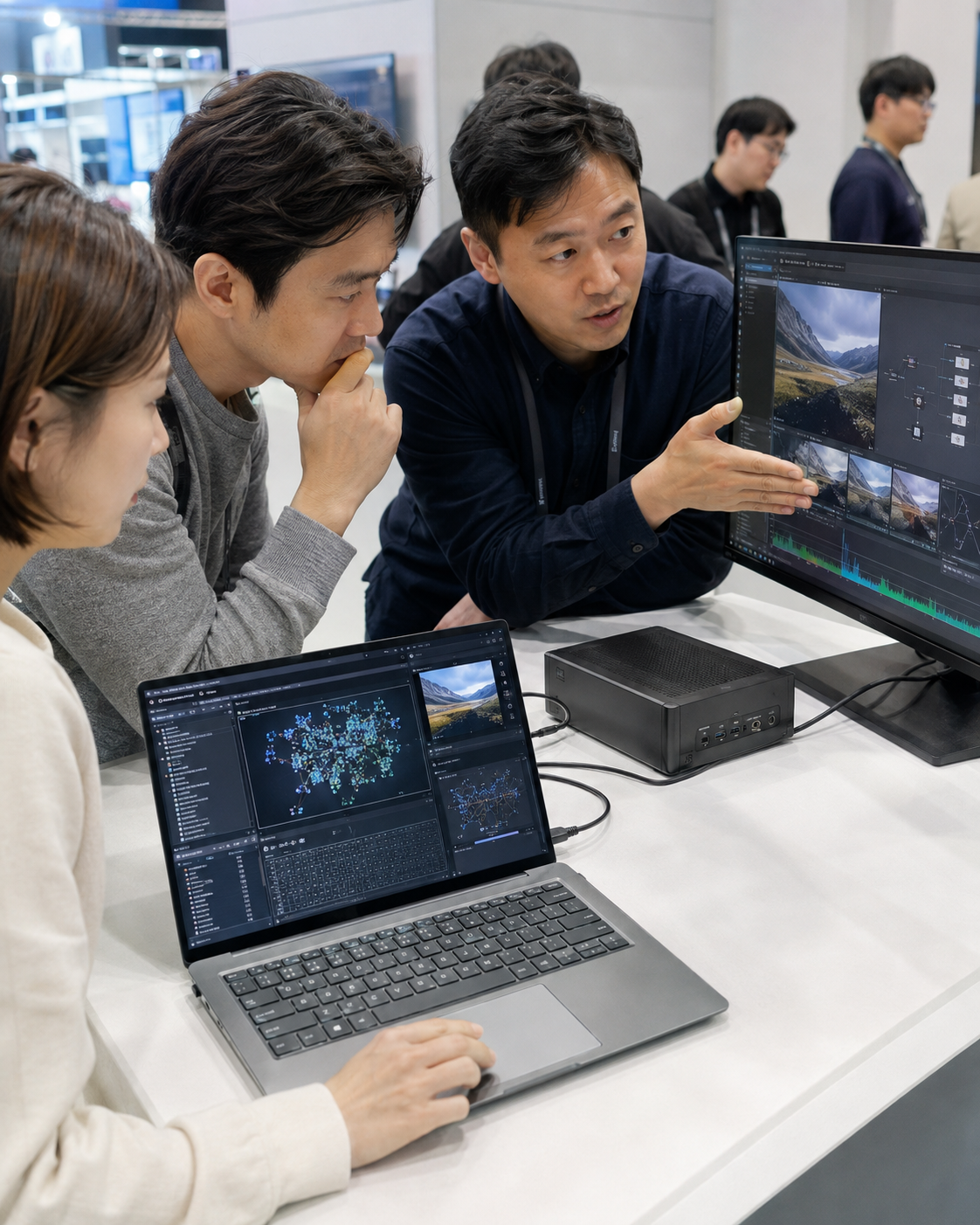
NVIDIA has RTX Spark The companies announced that they will begin releasing Windows AI PCs equipped with the chip starting in October 2026. Lenovo will join the first wave of launches with thin laptops and 2-in-1 devices, while Acer will introduce a compact desktop concept.
The goal of RTX Spark is to move away from the traditional model of sending requests to the cloud and receiving results, and instead run large AI models and agents directly on personal computers. The ability to improve response speed, privacy protection, and long-term usage costs is cited as a key advantage of on-device AI.
However, just because the October release date has been confirmed doesn't mean the actual price, battery life, noise level, and long-term performance of the product have been verified. The next key point to watch is how the announced chip specifications will be implemented in thin laptops and small desktops.
| Available on Windows PCs starting in October
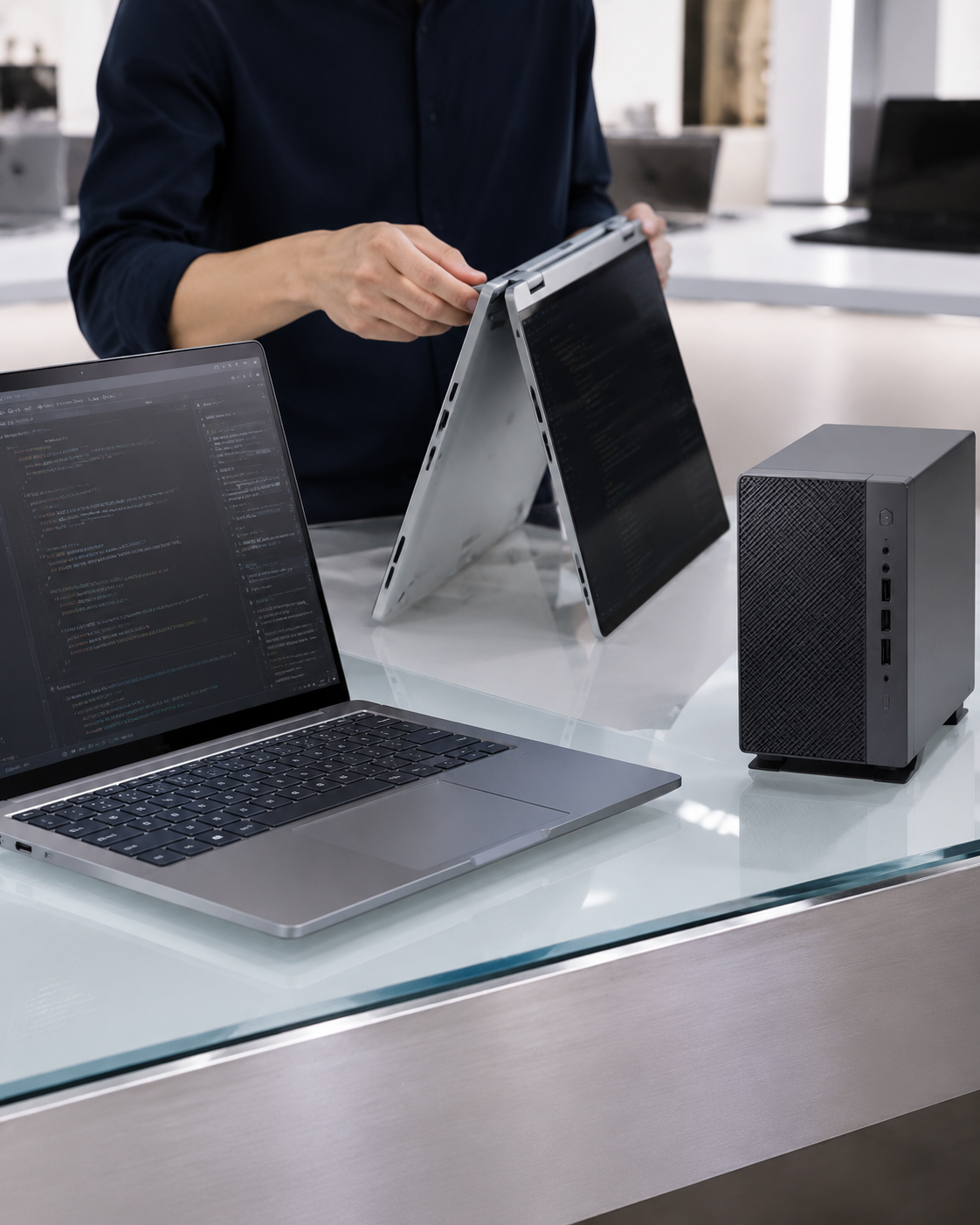
In its announcement at IFA 2026, NVIDIA stated that RTX Spark-based PCs will OctoberI've confirmed that it will be released on [date]. Lenovo has Yoga Pro 9nand Yoga 9n 2-in-1...was announced, and Acer unveiled a compact desktop design.
It's not just these two companies. NVIDIA has announced that products from several other manufacturers—including ASUS, Dell, HP, Microsoft Surface, and MSI—are also set for release this fall. Specific release dates and regions of availability may vary by manufacturer and model.
| Blackwell GPU and Grace CPU on a single chip
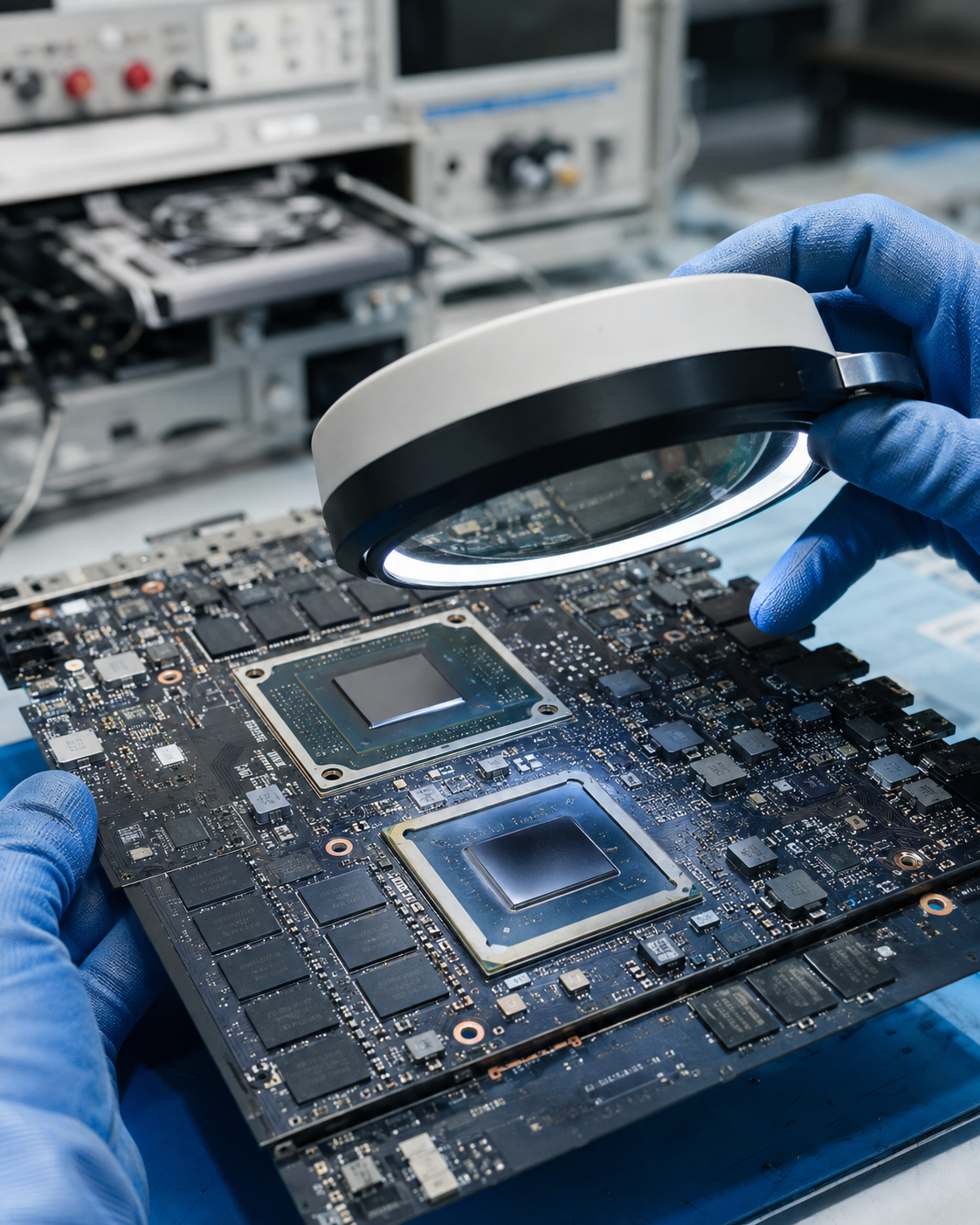
RTX Spark is Blackwell-based RTX GPUWow 20-core Grace CPUIt's a "superchip" made up of chips connected via high-speed links. NVIDIA offers up to 1 petaflop of AI computing powerand 128 GB integrated memory...explained that it supports [...].
Unified memory is a architecture that allows the CPU and GPU to share a single large memory space, reducing the burden of data movement when handling large models or complex content. NVIDIA has set a goal of running language models with up to 120 billion parameters and a context size of up to 1 million tokens, but actual performance will vary depending on the model format, precision, and cooling design.
| A personal AI agent that runs continuously on your PC

RTX Spark is designed for personal AI agents that continuously perform multi-step tasks, rather than simply answering a single question. It's designed to handle tasks involving the user's local data—such as file organization, code analysis, document review, and schedule management—right on the PC.
Microsoft and NVIDIA are also jointly developing a platform for Windows that manages agent permissions at the operating system level. Since the agent is always running and has access to files and apps, it’s important to have mechanisms in place to control not only speed but also which data and features are available.
| Three Benefits of On-Device AI

The first one is reaction speed. Performing inference locally, without going through the network, makes it less susceptible to connectivity issues and reduces latency in iterative tasks. And second, it allows you to process sensitive documents and photos without sending them to an external server.
Third, there's the potential to reduce cloud costs, which increase based on usage. On the other hand, the initial cost of purchasing a high-performance PC, along with its power consumption and the effort required to manage model updates, can create new burdens, so a local setup isn't always the more economical option for every task.
| Targeting both laptops and small desktop computers
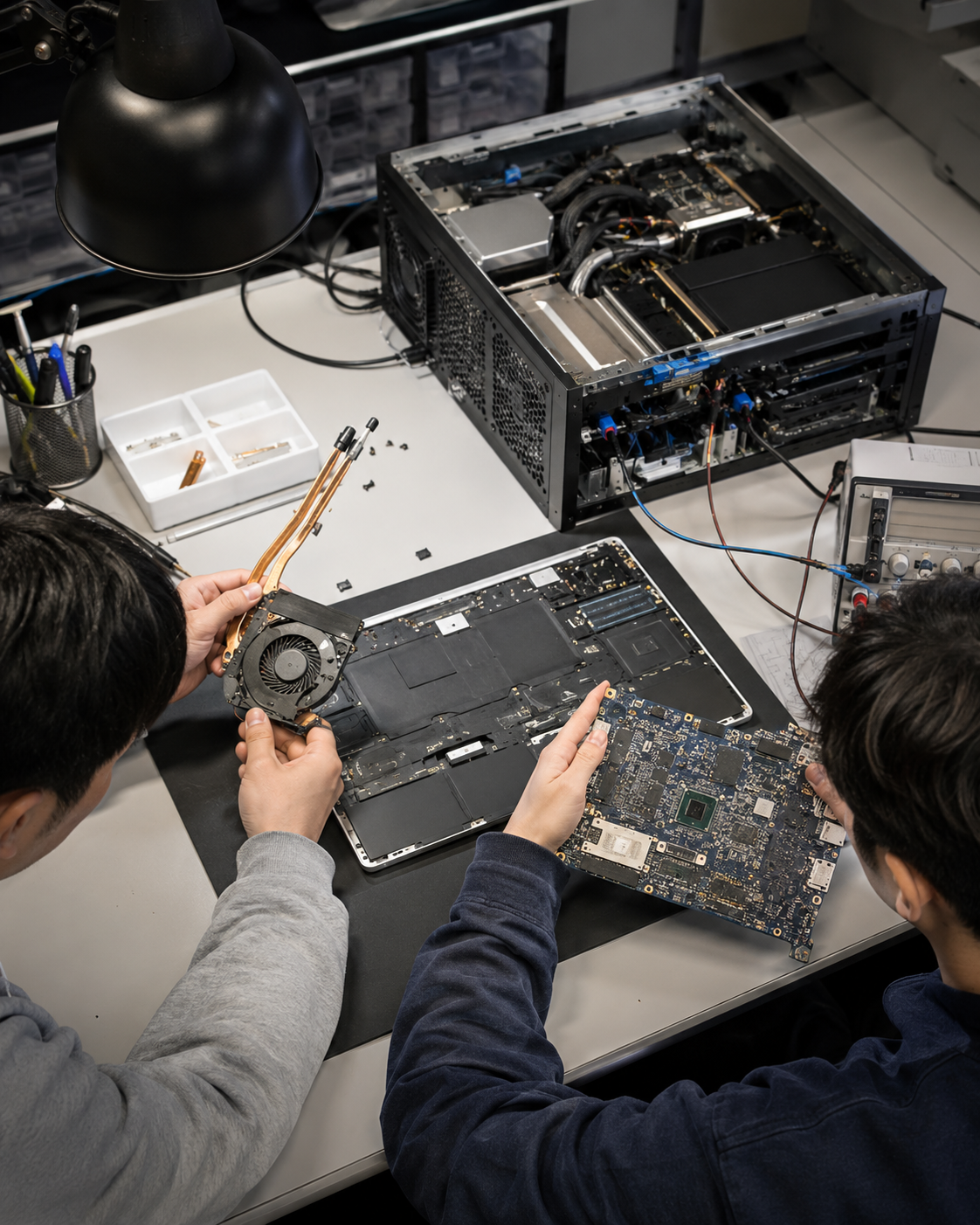
NVIDIA aims to integrate RTX Spark into both thin laptops that can be used all day and small, energy-efficient desktops. This strategy targets AI developers, creators, gamers, and general business users all at once with a single platform.
Laptops face significant battery and heat limitations, while cooling and expandability are important for small desktop computers. Even when using the same chip, perceived performance can vary significantly depending on the manufacturer's power settings, memory configuration, and cooling method.
| Expanding the Local AI Software Ecosystem
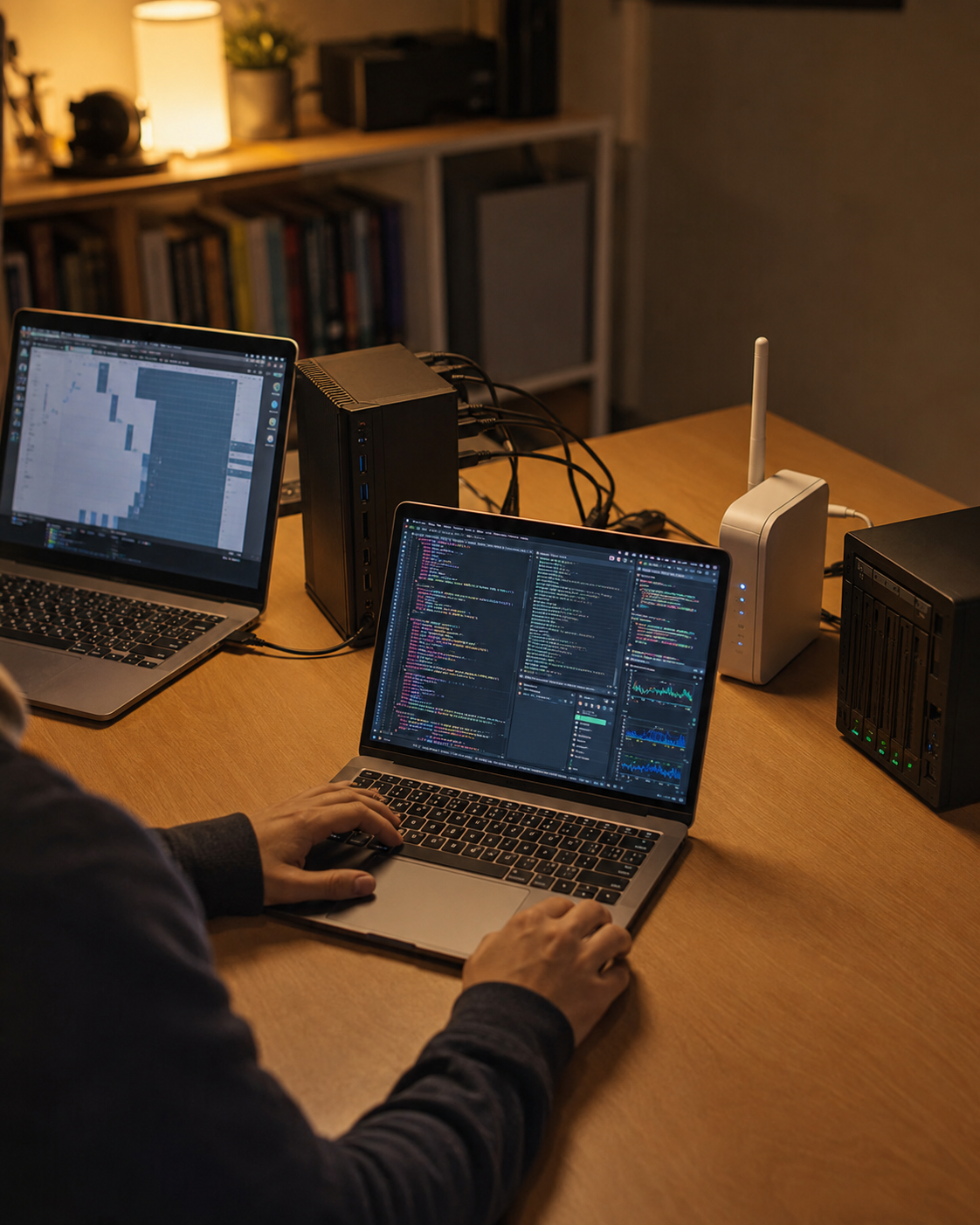
NVIDIA is also working to simplify the installation of local agents such as Hermes Agent, OpenClaw, and Perplexity Portable Computer, as well as to improve the inference performance of llama.cpp and vLLM. The company stated that the benefits of these optimizations can also be leveraged in tools like LM Studio and Ollama.
An open-source tool that pools the unused computing power of multiple PCs to distribute tasks NVIDIA PAIRIt was also released. It appears the company believes that the AI PC market can only grow if it not only releases hardware but also reduces the difficulties ordinary users face in installing and operating local models.
| Things to Check on the Actual Product
RTX Spark is an effort to bring NVIDIA's GPU and software technologies—developed in AI data centers—to personal Windows PCs. If users can run large models and agents locally, it could open up new options in the cloud-centric AI market.
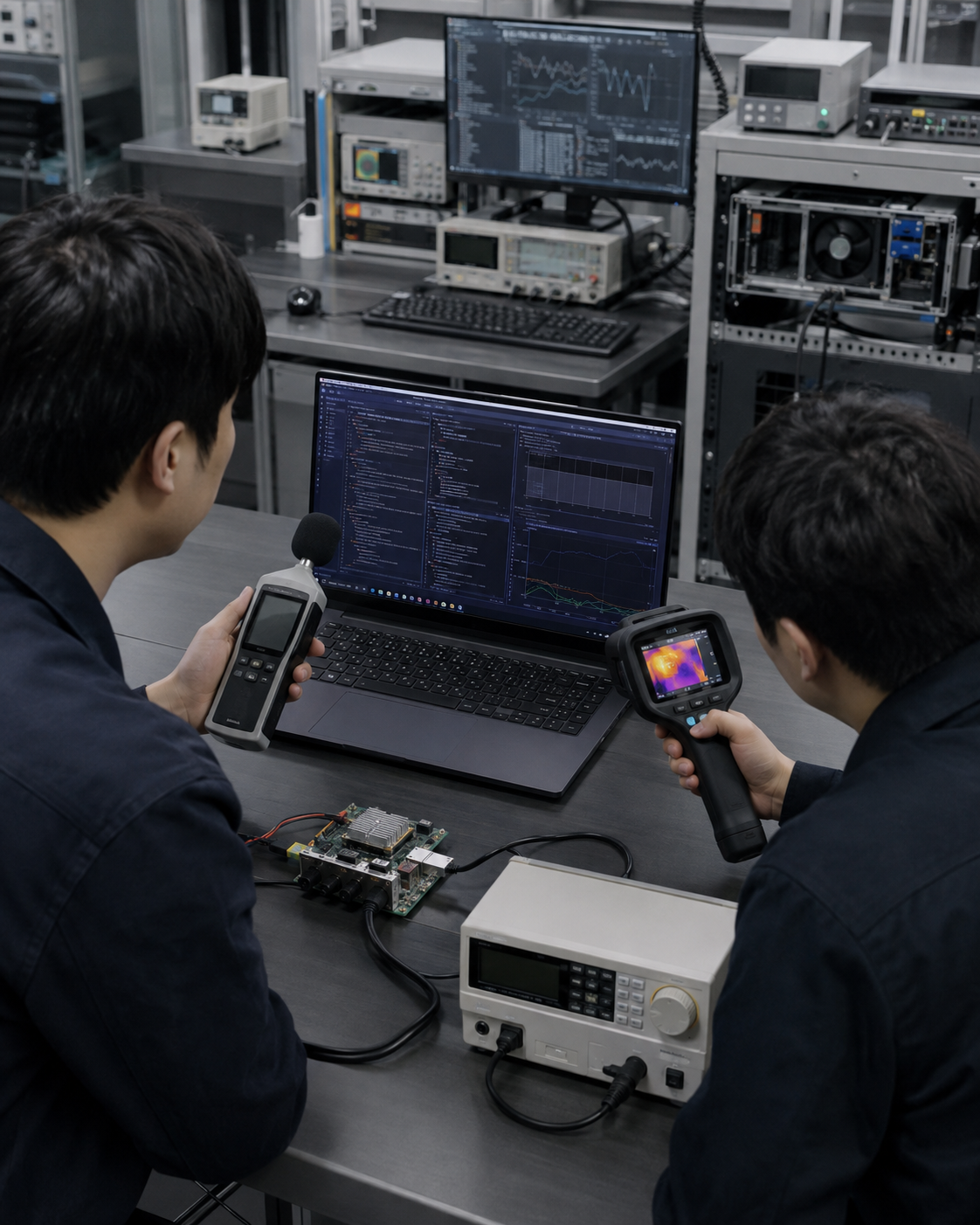
However, the announced figures are close to the chip's maximum capabilities. In October, we'll learn the actual retail price, models available by country, battery life, You need to check for noise and heat generation, sustained performance during long AI tasks, and the stability of the supporting software. In particular, an independent review is needed to determine whether the “All-Day Battery” feature and the large-screen model can actually perform under the same conditions.
Tags
#NVIDIA #NVIDIA #RTXSpark #AIPC #On-Device AI #Local AI #WindowsPC #Blackwell #GraceCPU #Lenovo #Acer #AI Agent #Integrated Memory