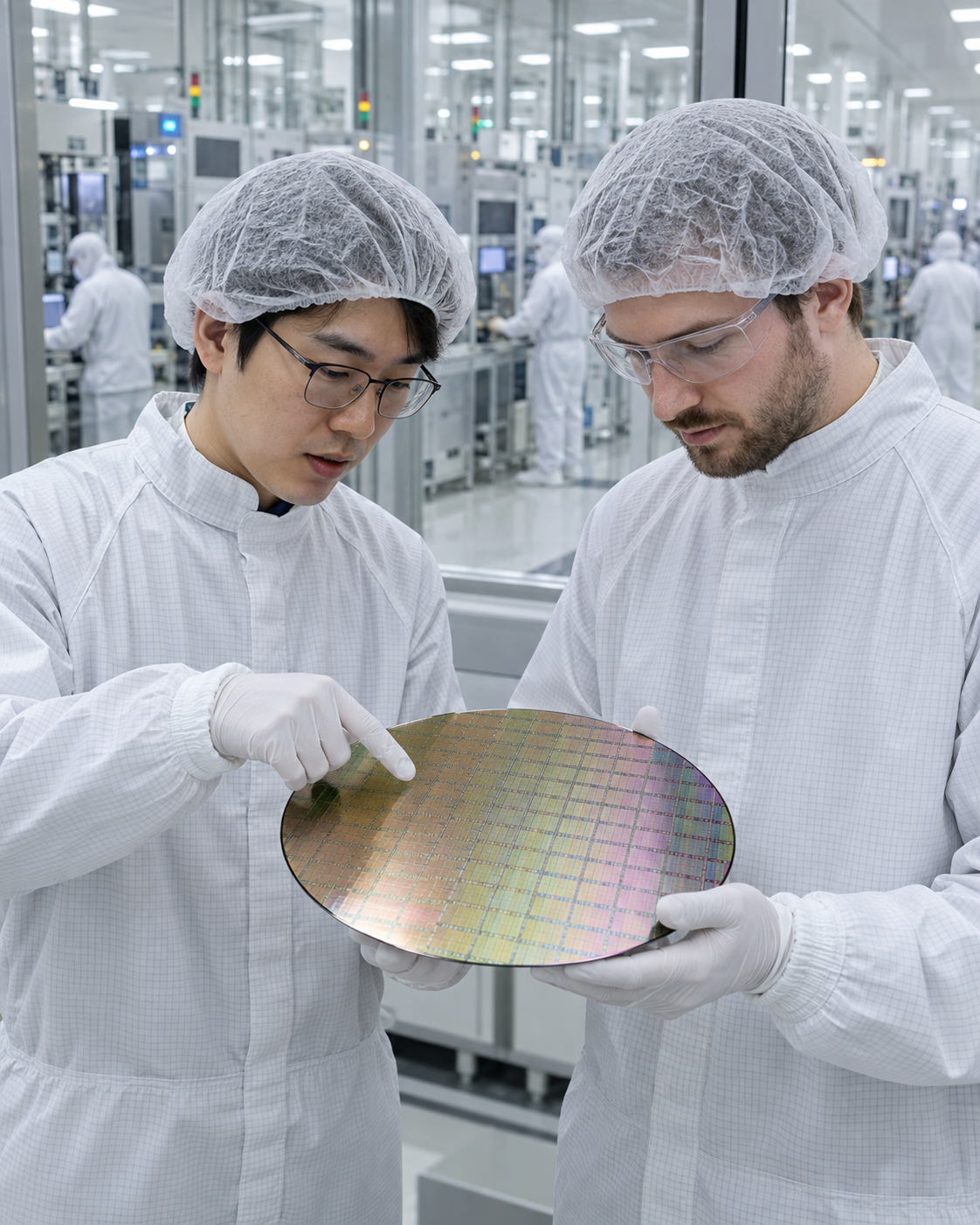
As OpenAI develops its own AI chip, They have publicly confirmed that they are collaborating with Samsung Electronics on joint research and production of next-generation semiconductors. This is significant because it goes beyond a simple memory procurement relationship to involve cooperation in chip design and production.
Harrison Kim, Head of OpenAI Korea, explained at a press conference in Seoul on September 9 that one of the areas where OpenAI has made the most progress with Samsung Electronics is the joint production and research of the next-generation chips OpenAI is developing. However, he did not disclose which chips would be produced using which manufacturing process, nor did he reveal the contract volume or schedule.
Therefore, it is accurate to view this announcement as confirmation that the two companies' collaboration on next-generation chips is indeed underway. It is not yet time to conclude that Samsung Electronics has been confirmed as the final contract manufacturer for OpenAI's proprietary chip or that it has already signed a mass production contract.
| Key points officially announced by OpenAI Korea

The key point of this statement is The relationship between OpenAI and Samsung Electronics extends beyond the adoption of enterprise AI services The fact that it is expanding into the areas of joint semiconductor research and productionWow. It has once again become clear that OpenAI views the development of its own chips as a key pillar of its long-term competitiveness.
Although OpenAI Korea did not disclose specific technical specifications, it assessed that next-generation chips are one of the areas where the most significant progress has been made through its collaboration with Samsung Electronics. While this statement goes a step beyond simply exploring possibilities, it is important to distinguish between the scope of joint development and responsibility for mass production.
Samsung Electronics has stated that it cannot confirm any customer-related information. While OpenAI, one of the parties to the agreement, has mentioned the collaboration, it remains unclear whether Samsung Electronics has separately confirmed the products to be manufactured or the customer relationships.
| OpenAI's in-house chip strategy and Samsung's role still need to be clarified
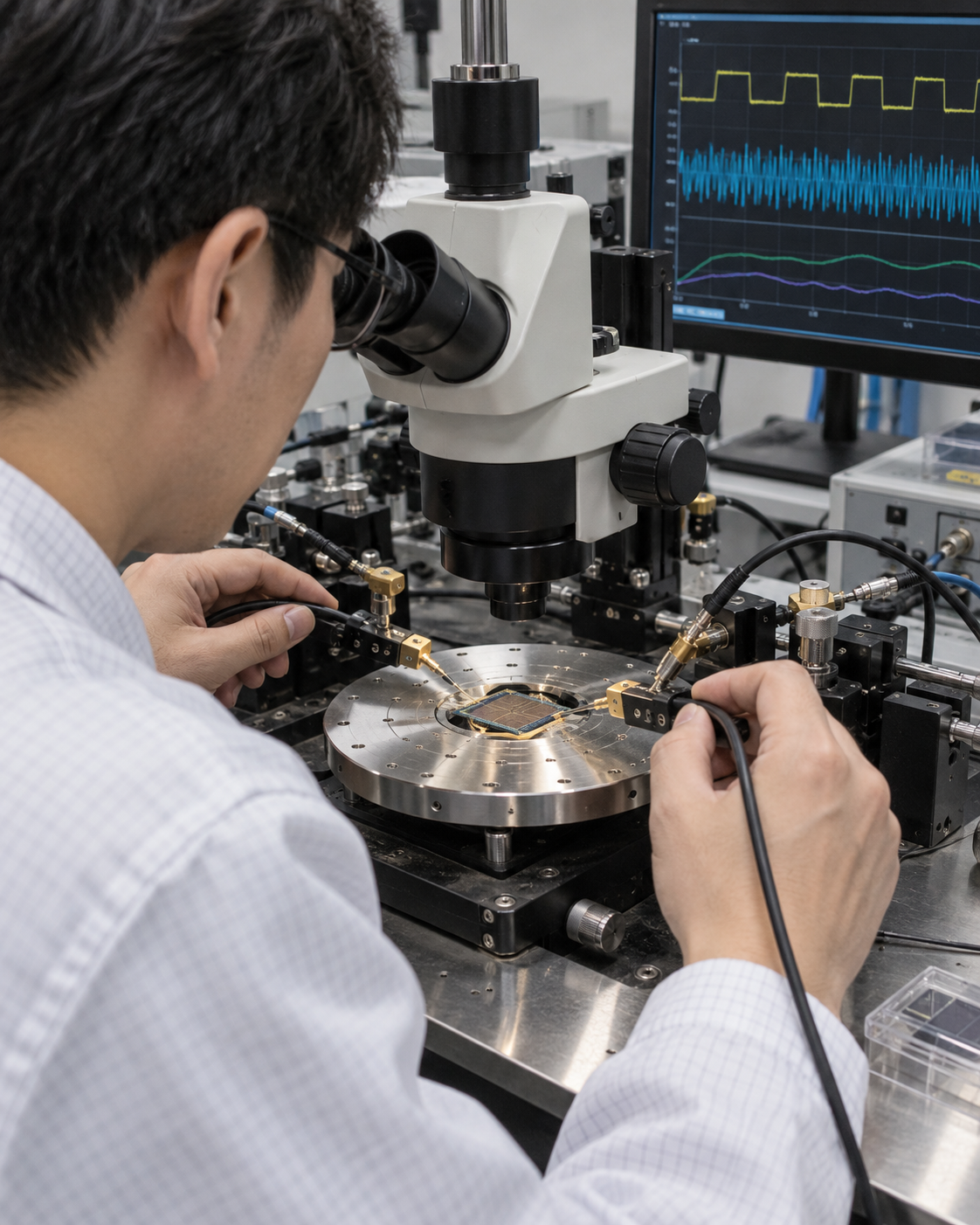
OpenAI will release its first in-house AI inference chip, designed in collaboration with Broadcom, in June 2026 JalapenoThey unveiled it, and at the time, they revealed that TSMC was the manufacturer. Inference is the process by which an AI model that has already completed training answers a user's questions or generates results.
It has not been disclosed whether this collaboration with Samsung Electronics pertains to the next generation of Jalapeno, a separate project involving memory and advanced packaging, or a structure in which the two companies share responsibility for certain production processes. Therefore, You shouldn't assume that the existing production handled by TSMC will immediately shift to Samsung Electronics.
However, if OpenAI is planning to develop several generations of its own chips, Samsung Electronics’ comprehensive semiconductor capabilities—which allow it to provide a wide range of services, including foundry, memory, and packaging, all under one roof—could be an attractive option.
| Stargate Memory Partnership and the Resulting Supply Chain
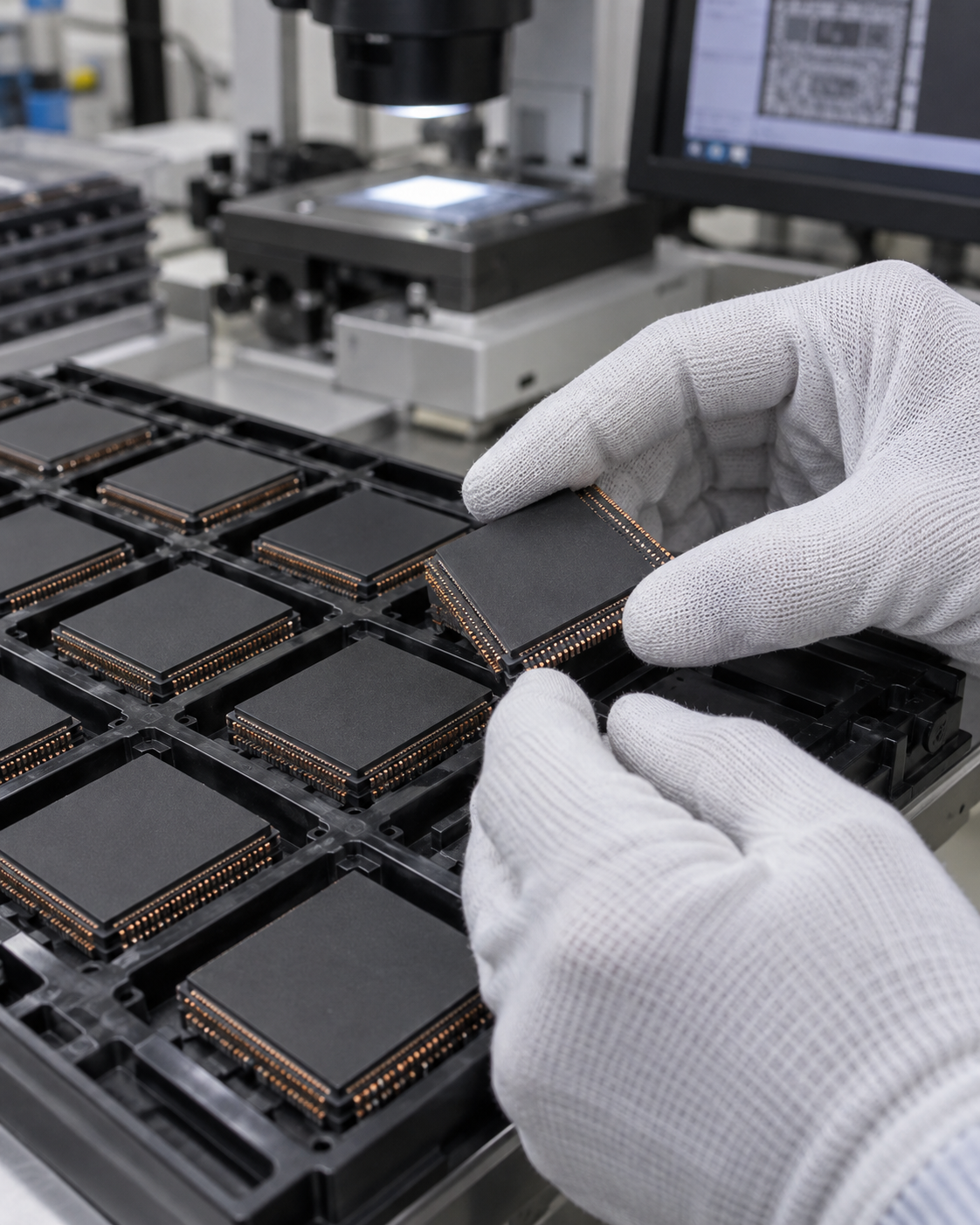
In October 2025, OpenAI announced a partnership with Samsung Electronics and SK Hynix to supply the advanced memory required for the Stargate infrastructure. At the time, the two companies agreed to supply up to A production capacity of 900,000 DRAM wafersThey set a goal to expand it in phases.
This collaboration was more in the nature of a strategic partnership and a letter of intent aimed at preparing for expanded supply than a final supply contract guaranteeing a fixed purchase volume. Still, it was clear that a South Korean memory manufacturer had emerged as a key contender for OpenAI’s data center plans.
With the recent announcement regarding joint research and production of next-generation chips, there is now a possibility that the scope of the partnership will expand from the supply of memory, such as HBM, to collaboration on custom computing chips and manufacturing.
| Samsung Electronics is able to offer both memory and foundry services
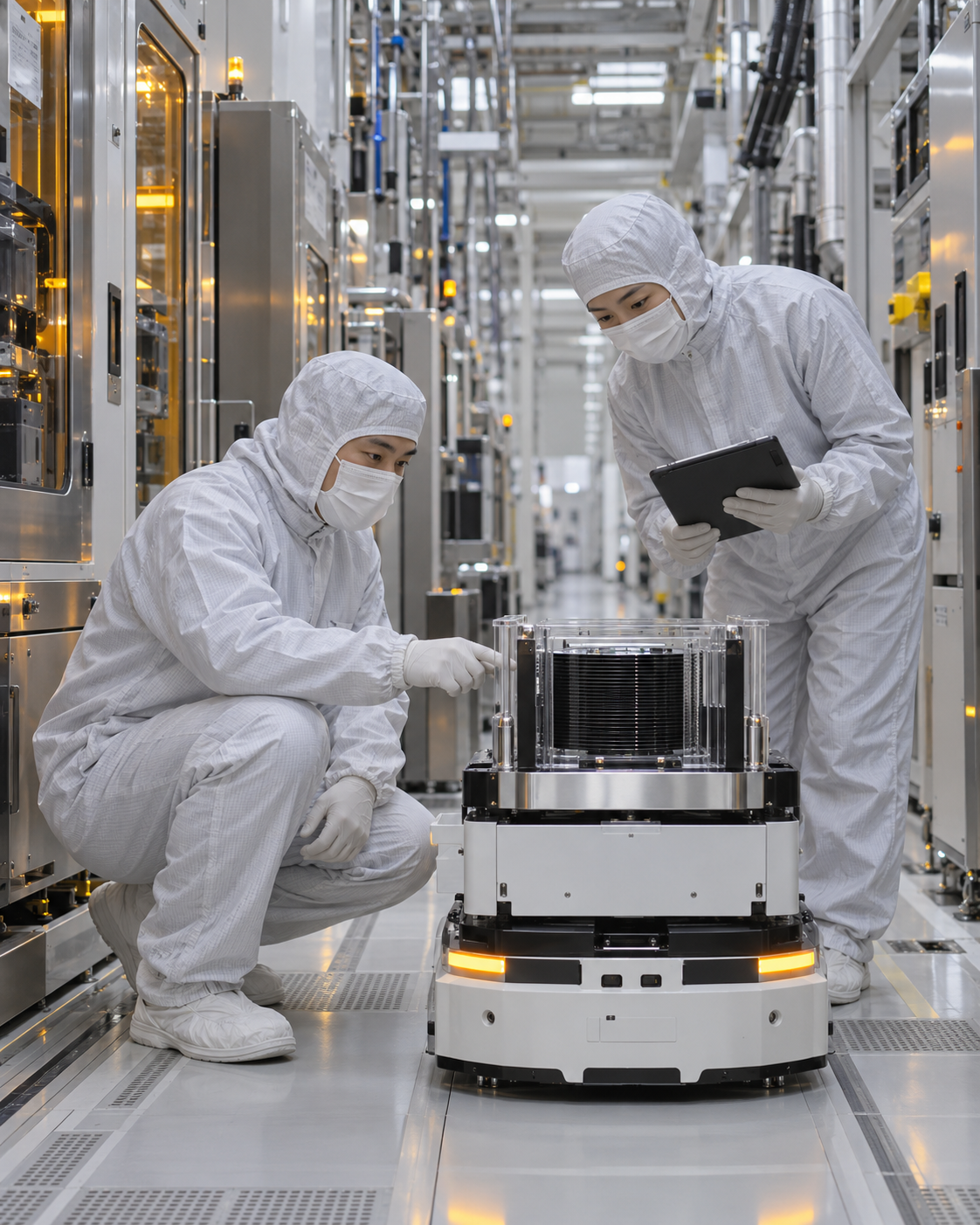
An AI accelerator isn't just a computational chip. To process large-scale models quickly, high-bandwidth memory—including HBM—advanced packaging, and reliable foundry processes must all work together seamlessly.
Samsung Electronics is one of the few companies that possesses all three capabilities: memory semiconductors, foundry services, and packaging. If its collaboration with OpenAI takes shape, the company will be able to go beyond supplying individual components and instead offer integrated solutions that combine the various elements needed for a single system.
However, actual competitiveness is determined by yield, power efficiency, production schedules, and costs. The announcement of a partnership alone does not guarantee large-scale sales or a final order; it must be followed by customer validation and mass-production reliability.
| Ties between the South Korean semiconductor industry and OpenAI are growing closer

From OpenAI's perspective, using its own chips allows it to reduce its reliance on external AI accelerators and design performance and cost structures tailored to the characteristics of its models. At the same time, incorporating Samsung Electronics and SK Hynix into its memory supply chain broadens its procurement options for large-scale data center expansion.
From the perspective of Korean companies, this is an opportunity to become more deeply involved in the trend where the focus of the AI industry is shifting from general-purpose GPUs to customer-tailored chips. In particular, collaborating with a model company from the early design stages increases the likelihood of jointly optimizing memory specifications and packaging structures.
This announcement can be seen as an example of how South Korea can expand its role beyond that of a mere parts manufacturing base to become a partner that bridges AI system design and manufacturing.
| Collaboration on ChatGPT for businesses is also expanding at the same time
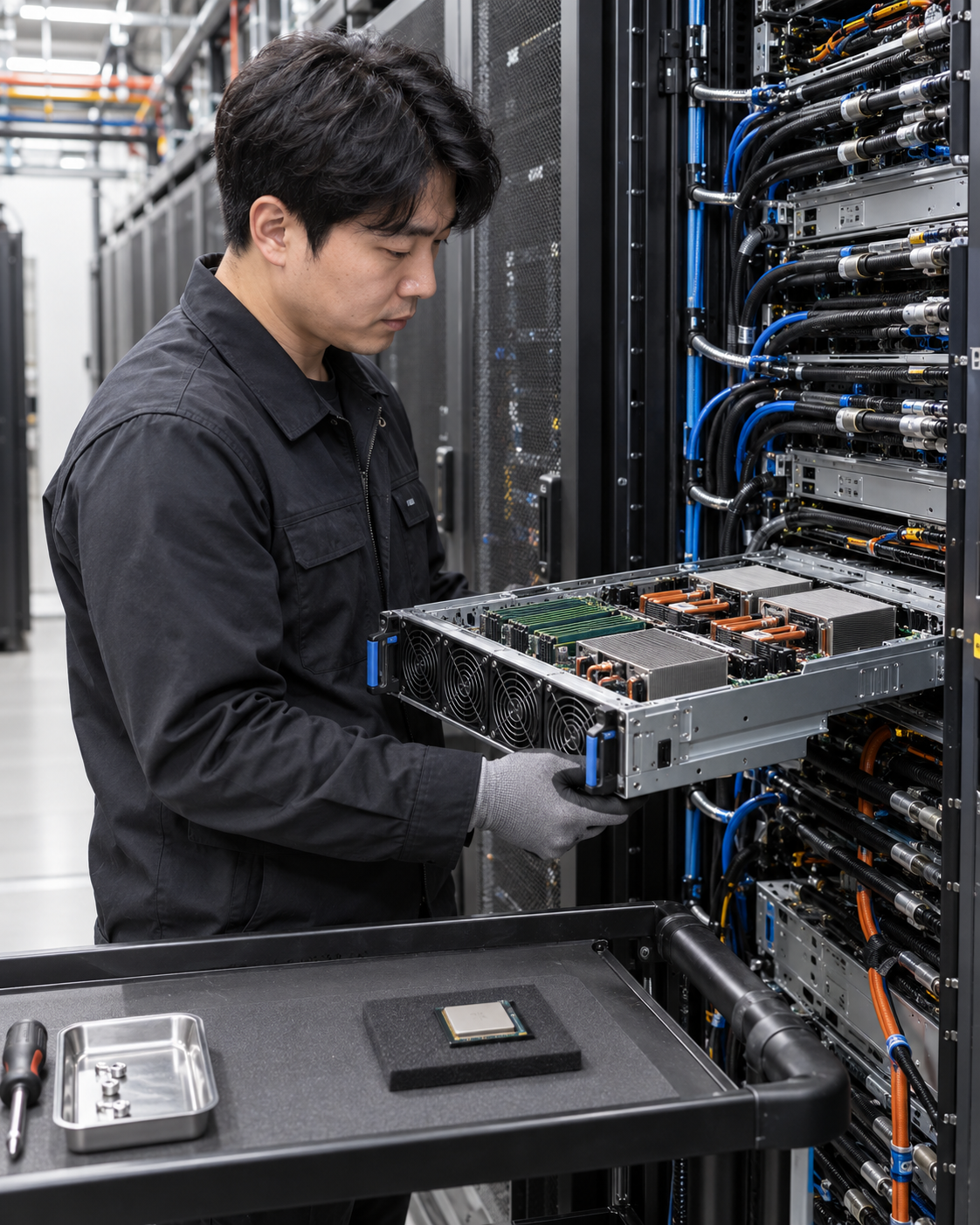
OpenAI explained that Samsung Electronics is one of the world’s largest corporate customers using ChatGPT for various tasks, including research and development, marketing, and sales. This means that semiconductor collaboration and the adoption of enterprise AI are proceeding simultaneously.
According to OpenAI, the number of ChatGPT Enterprise users among South Korean companies and institutions as of the end of August 2026 was approximately 28 times It has increased. Although the market size cannot be calculated directly because the exact number of users has never been disclosed, we can confirm the trend that domestic companies are adopting the service at a faster pace.
As both hardware supply and the use of in-house AI increase, the scope of collaboration between the two companies could also expand. However, Since the enterprise service contract and the joint semiconductor development project are separate business ventures, there is no need to interpret them as a single, unified contract.
| The next things to check are the chip type and the actual mass production schedule.
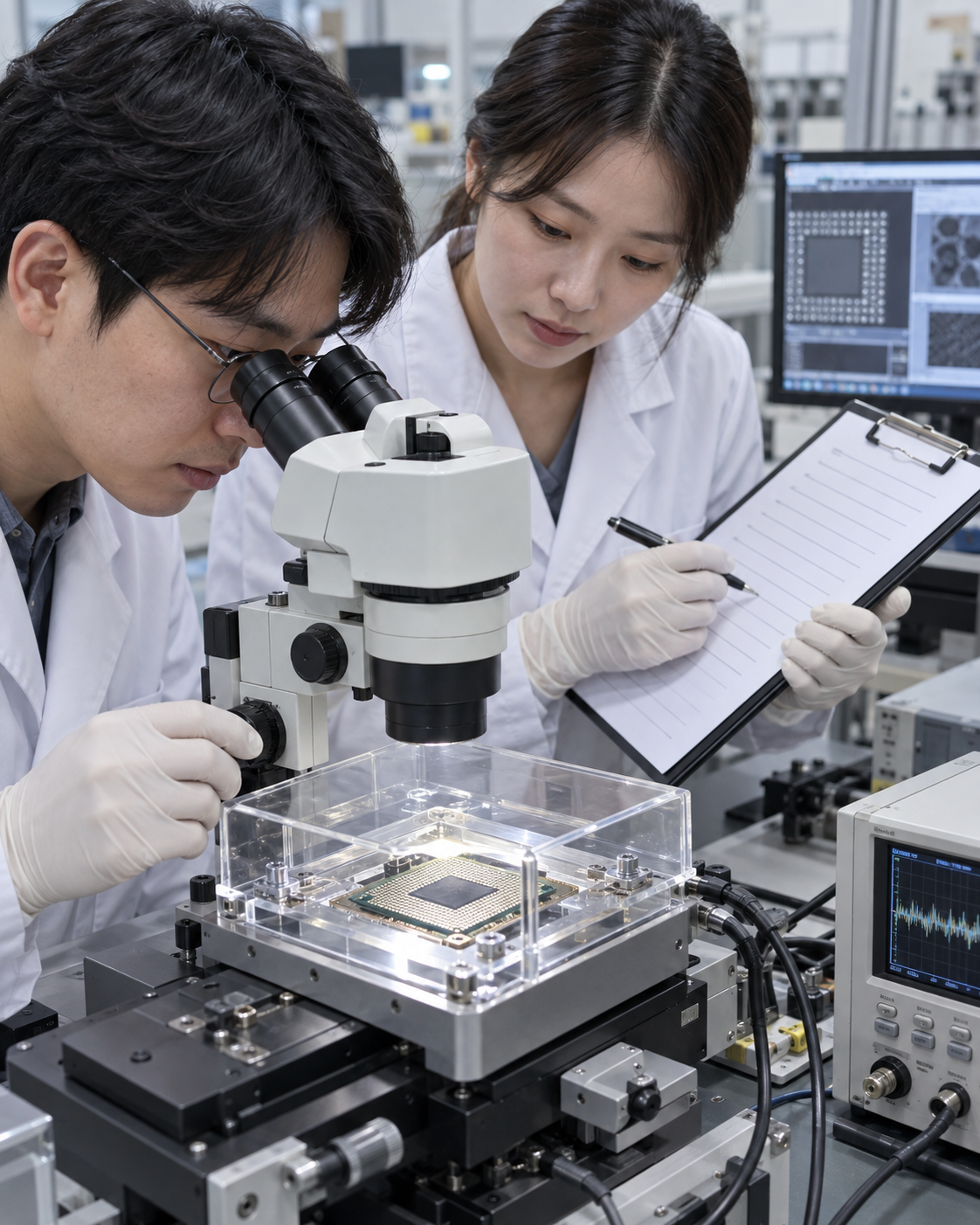
The most important piece of information that remains unclear is what role Samsung Electronics will play. The business implications vary significantly depending on whether it involves foundry production of next-generation computing chips, the supply of HBM and advanced packaging, or joint design research.
The process nodes, production start dates, projected volumes, yield verification, and the division of roles with TSMC and Broadcom must also be disclosed. We’ll also need to keep an eye on whether the Stargate memory letter of intent actually leads to long-term supply contracts and shipments.
At this stage, the one definite change is that OpenAI has directly confirmed its collaboration with Samsung Electronics on the joint research and production of next-generation chips. However, Until the details of the contract are made public, it’s best to clearly distinguish between “ongoing collaboration” and “confirmed large-scale mass production orders.”
Tags
#OpenAI #Samsung Electronics #AI Chip #Next-Generation Semiconductors #In-House Chip #Foundry #HBM #Stargate #SK Hynix #Semiconductor Infrastructure #AI Data Center #Advanced Packaging