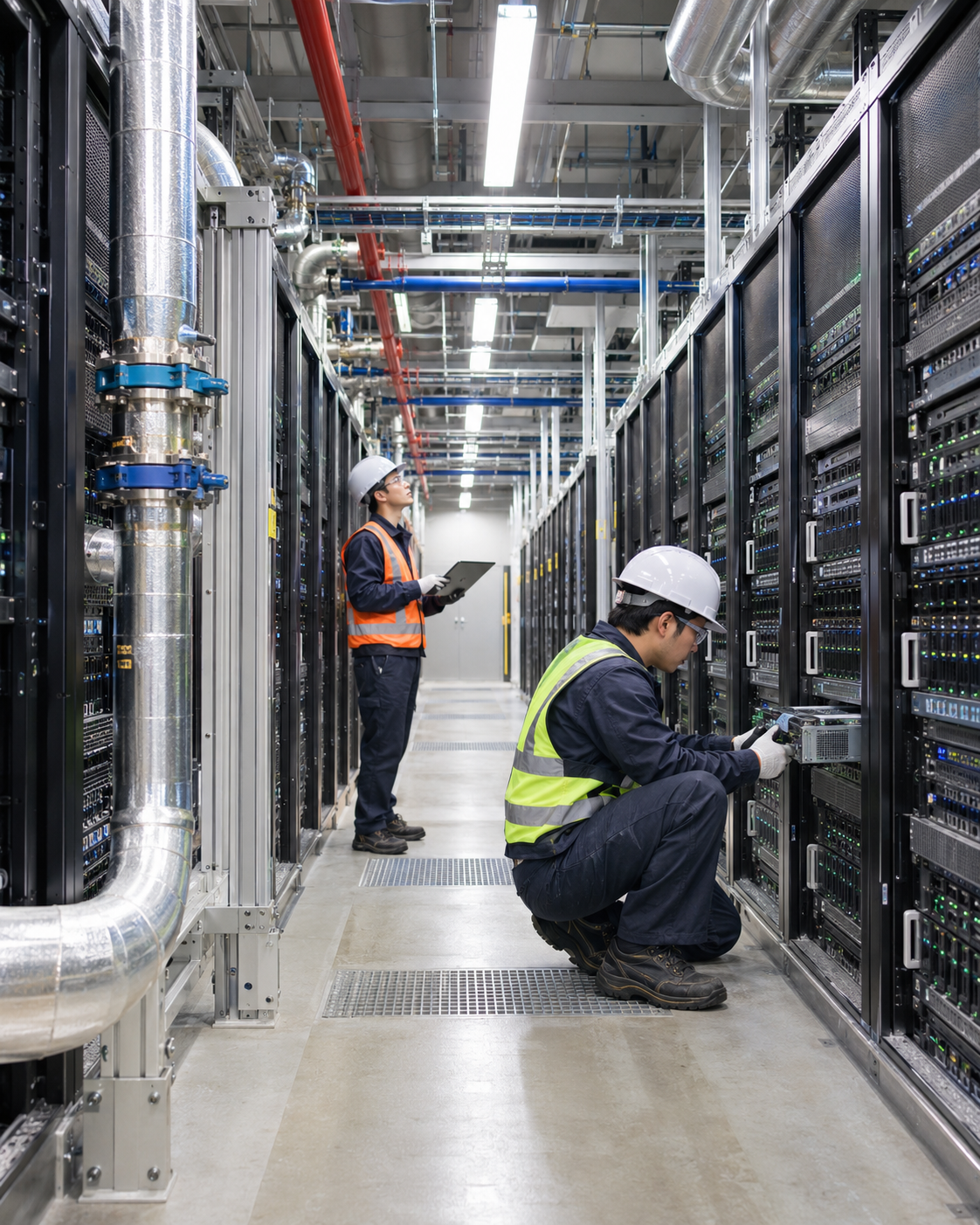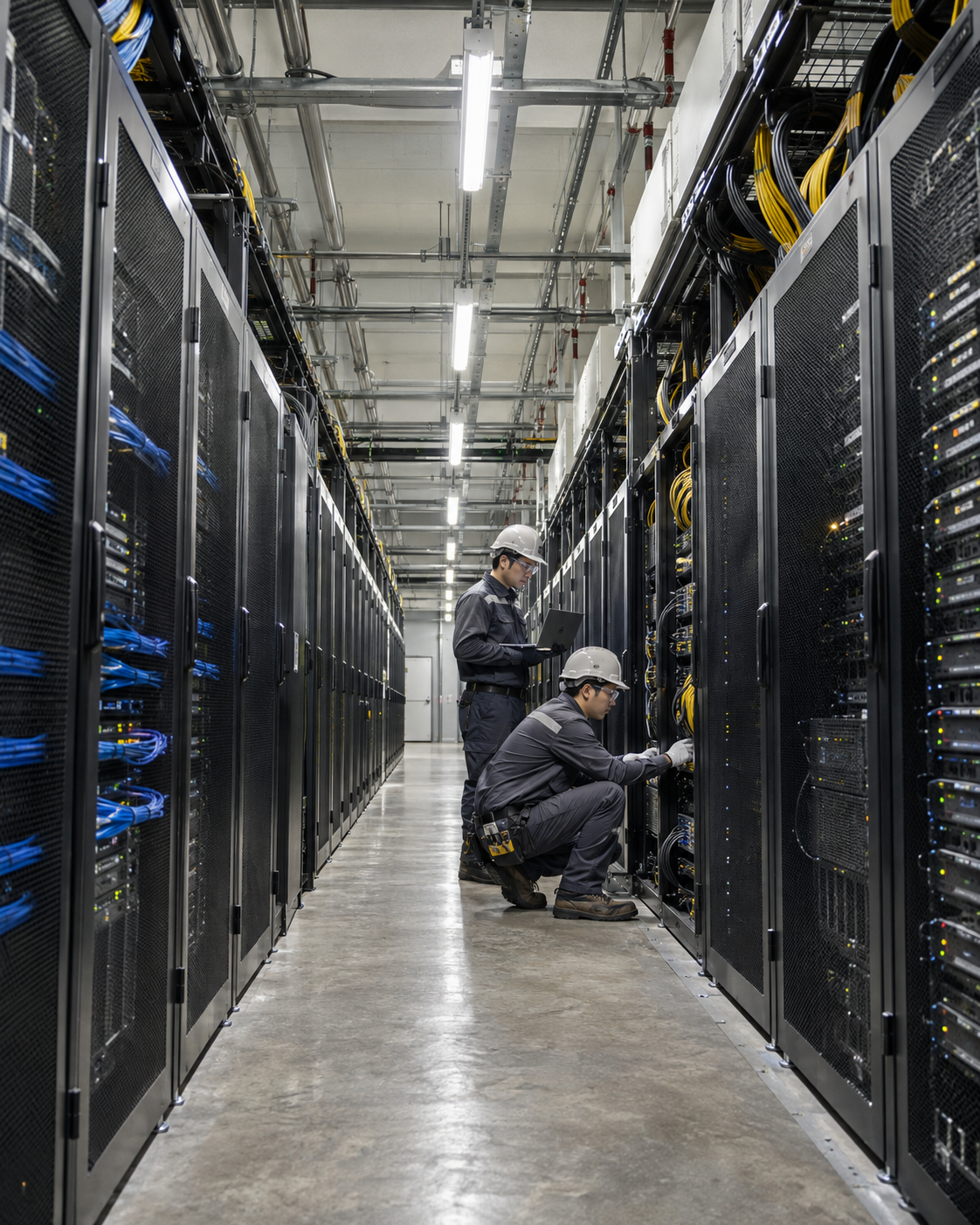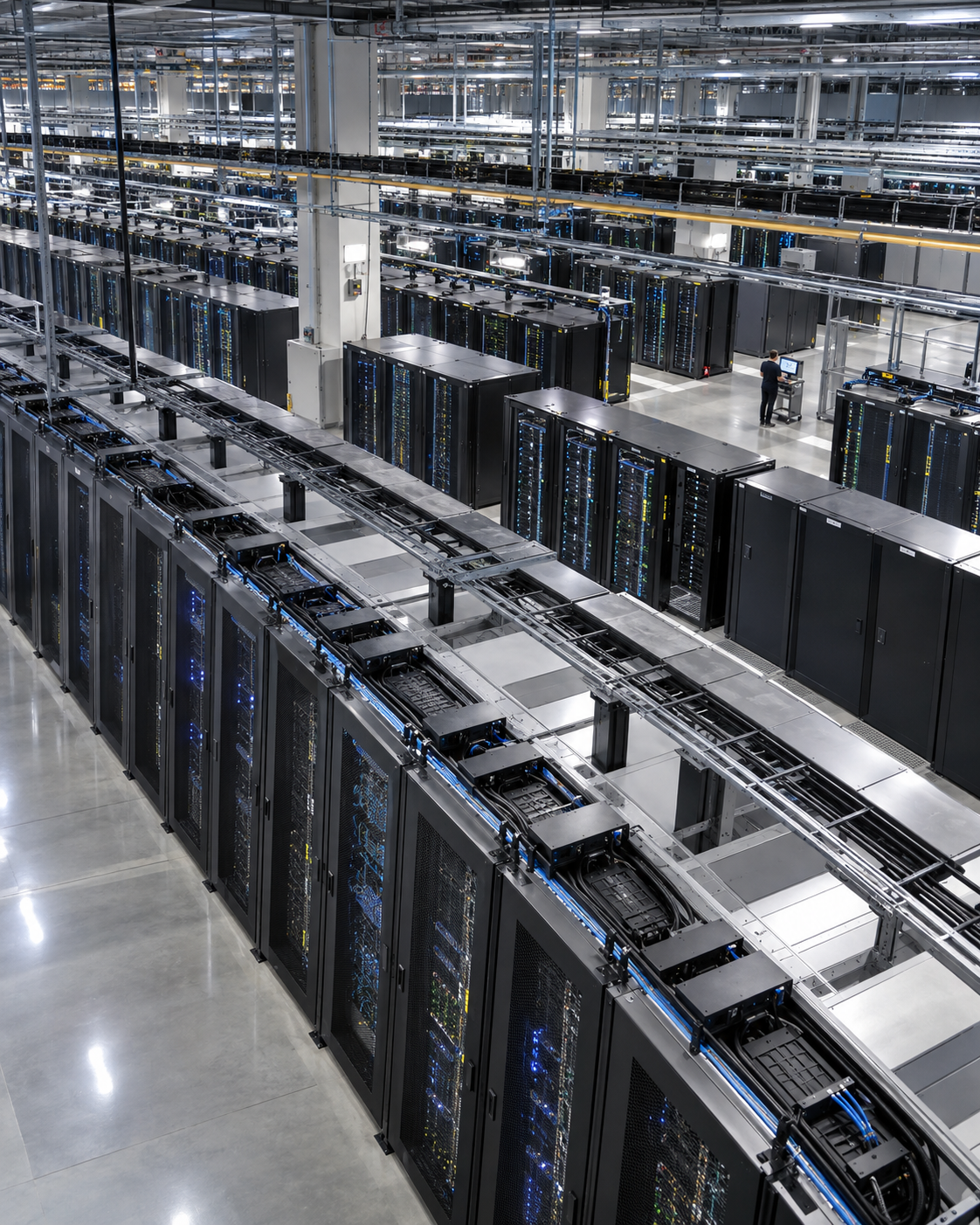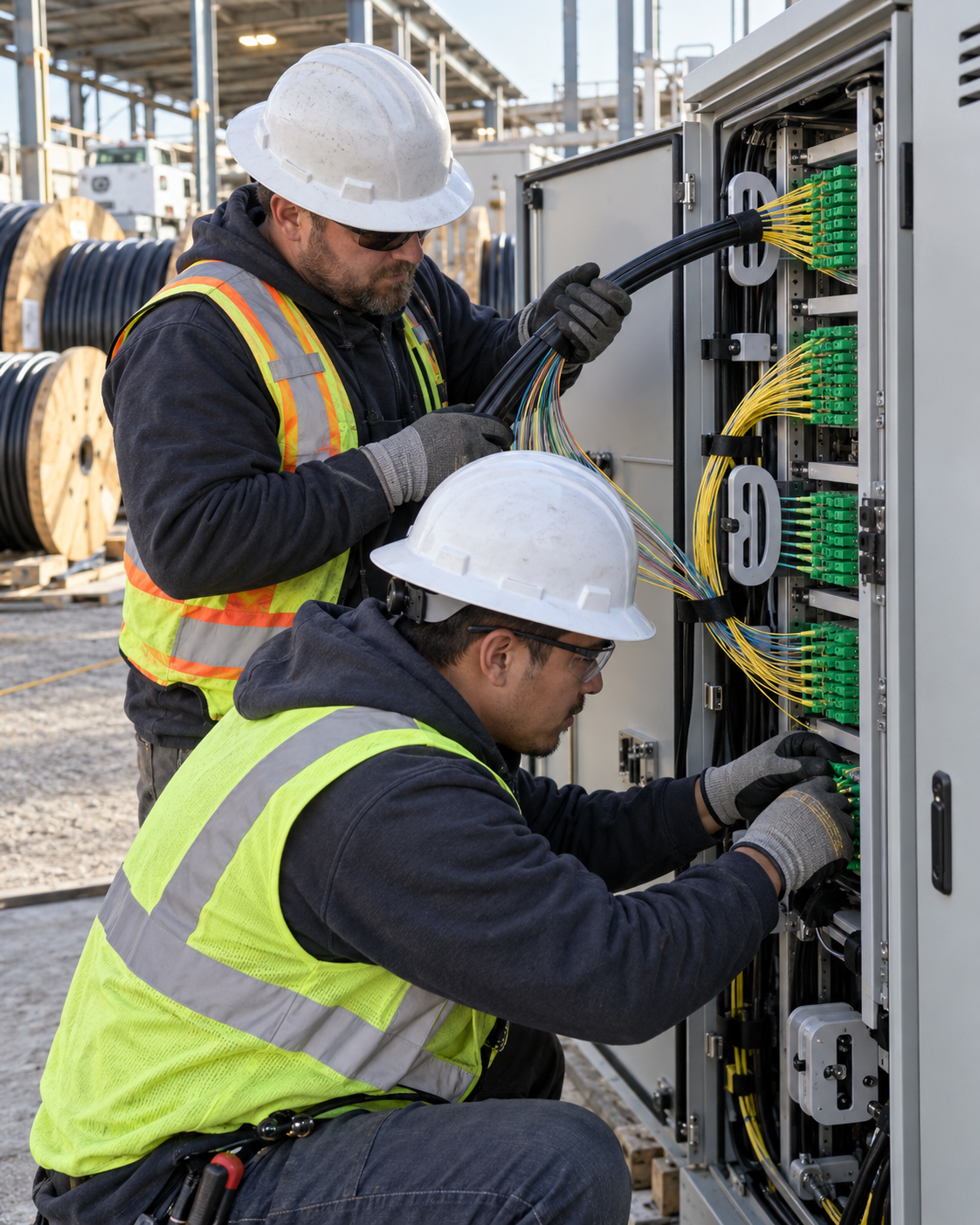
U.S. telecommunications company Verizon and fiber-optic manufacturer Corning A long-term supply contract worth billions of dollarsThey signed an agreement. This is an example of how investment in AI infrastructure is rapidly expanding beyond servers and semiconductors to include long-distance communication networks that connect data centers.
Corning will supply Verizon from 2027 through 2032 More than 80 million milesWe plan to supply high-density optical fibers and connectivity solutions. These will be used not only to expand ultra-high-speed internet access for households and businesses but also in the U.S. long-haul backbone network connecting AI hyperscalers' data centers.
The exact amount of the contract has not been disclosed. Since the two companies have officially described it as “billions of dollars,” it is not possible to determine a specific amount or its equivalent in Korean won.
| It's a long-term contract covering the period from 2027 to 2032.
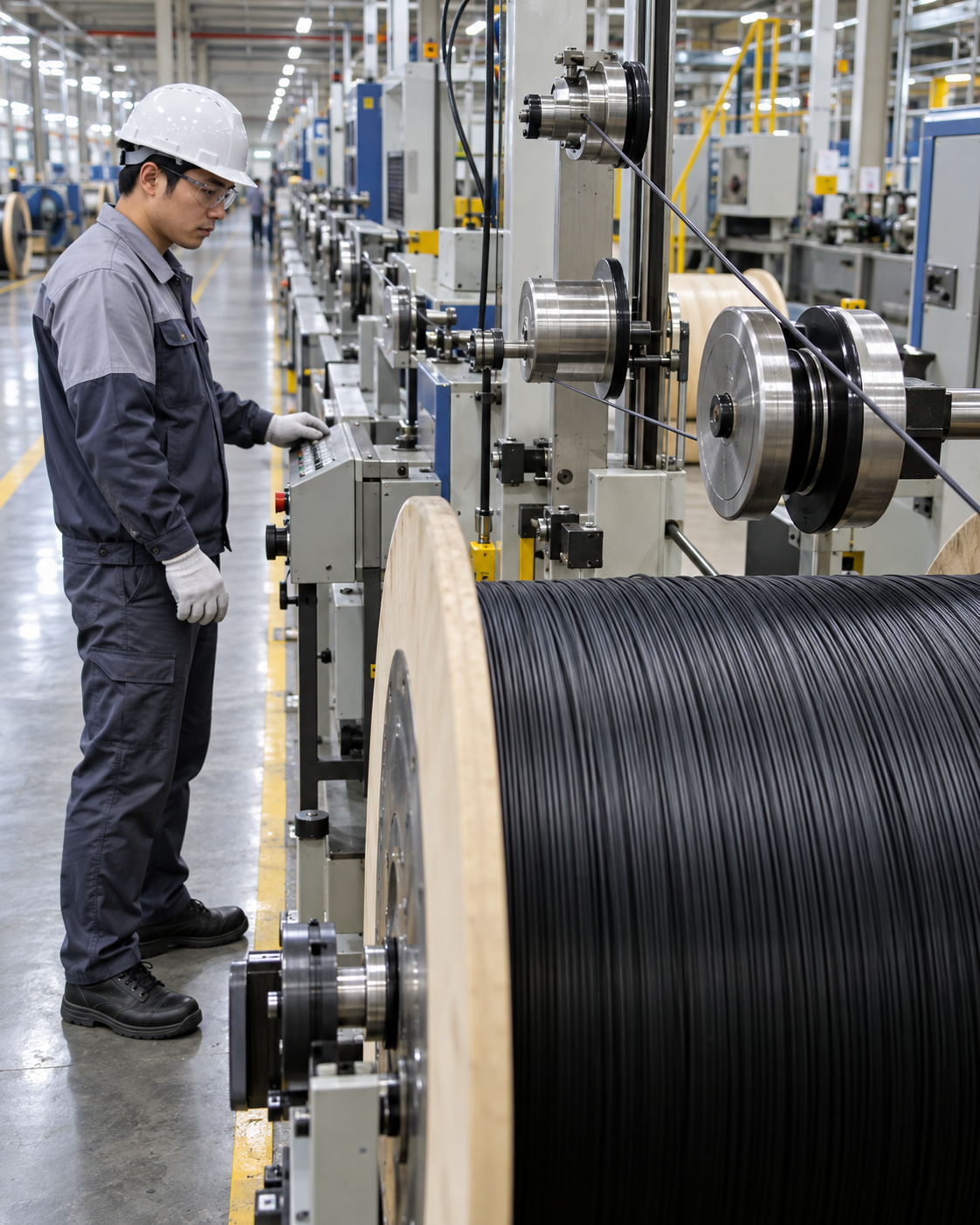
This agreement is structured to ensure a stable supply of optical fiber, cables, and connectivity equipment over a six-year period. It allows Verizon to reduce supply uncertainties for key materials needed to expand its nationwide network, while Corning secures long-term production volumes.
The two companies have been collaborating for about 30 years. This agreement signifies an expansion of their existing business relationship into the era of AI and ultra-high-density networks.
Telecommunications networks take a long time to plan, obtain permits, manufacture, and install. The fact that they finalized the contract—which begins in 2027—now can be seen as a sign that they believe the demand for AI data center connectivity is not just a short-term trend but will continue for several years.
| 80 million miles is the cumulative length of the fiber-optic strands.
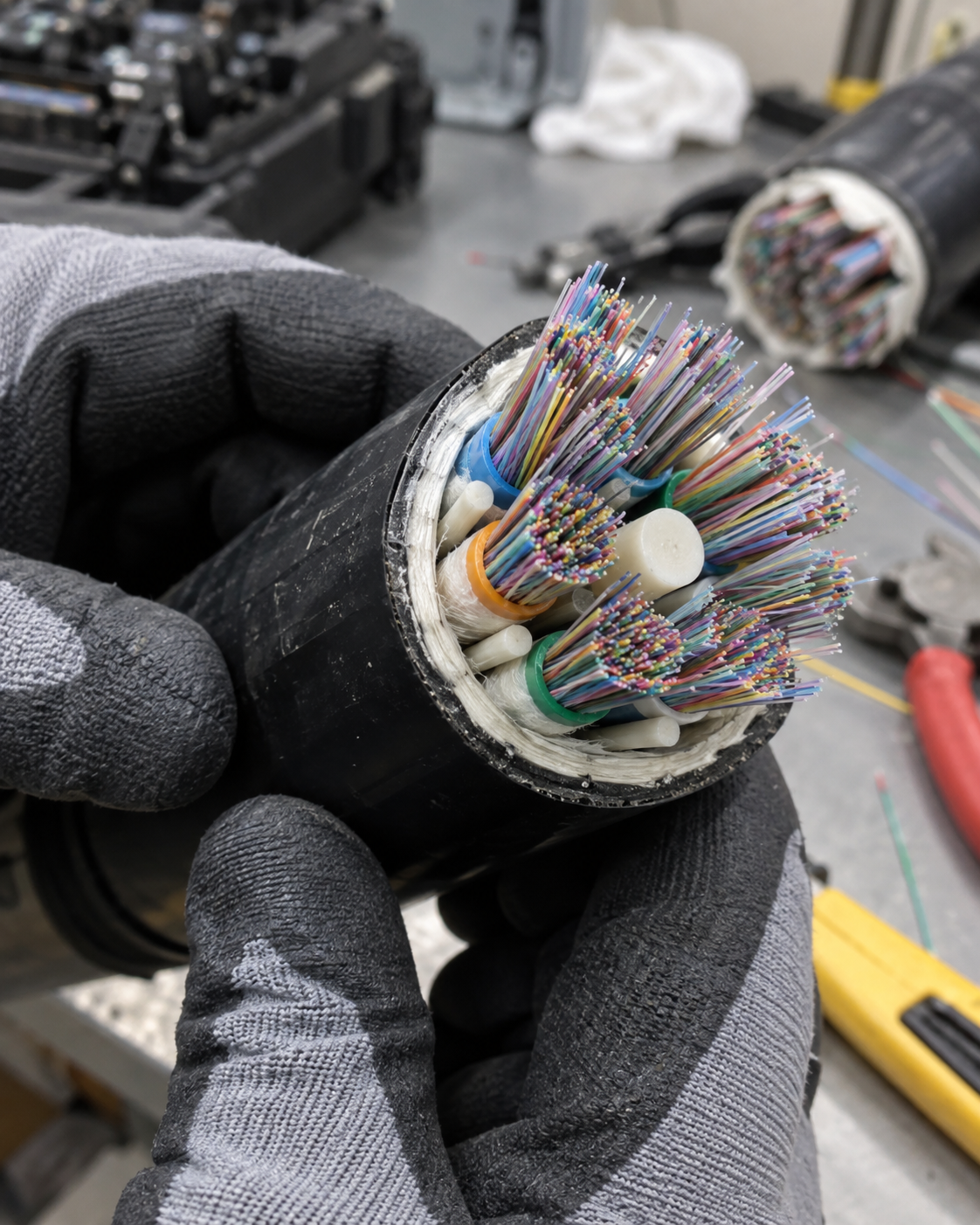
The supply is More than 80 million milesIt was announced as... However, it’s important to understand that this figure does not represent the length of the road section where the cable will be installed, but rather the cumulative length of the numerous optical fiber strands inside the cable.
Since a single high-density cable contains many optical fibers bundled together, the actual installation route is much shorter than the figures announced. Nevertheless, the fact remains that the supply is substantial enough to build large-scale networks across multiple regions and over long distances.
The official announcement did not disclose the specific quantities by region or the annual delivery schedule. We'll have to see how quickly these overall figures translate into actual installations and activations.
| Integrating home internet and the AI backbone into a single network
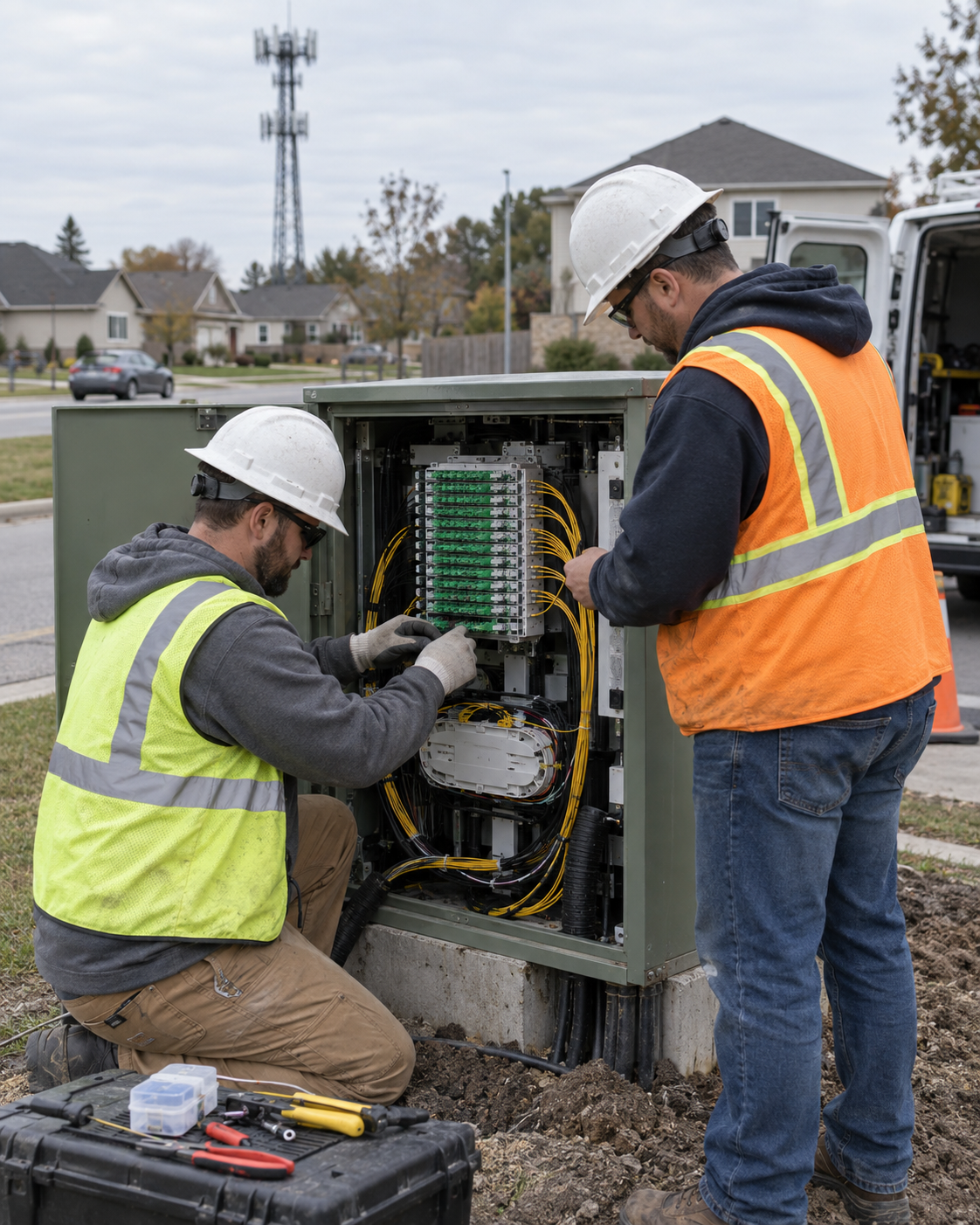
Verizon plans to use this fiber-optic network to connect homes and businesses to high-speed internet, mobile communication base stations, enterprise data centers, and AI data centers. The company is pursuing an integrated architecture that handles traffic from various sources on a single, high-capacity backbone network.
Based on its fiber-optic supply, the company aims to expand broadband network coverage to households and businesses 40 to 50 million locationsThey set a goal of expanding it to [...]. In essence, the plan is designed so that investments in expanding the regional access network and long-distance AI connectivity will create synergies within the same infrastructure.
However, the timeline for achieving the goals and the pace of deployment by region cannot be determined based solely on the contracts that have been made public. The actual scale of the expansion may vary depending on permits, construction costs, local demand, and network investment plans.
| AI data centers require low latency and high bandwidth
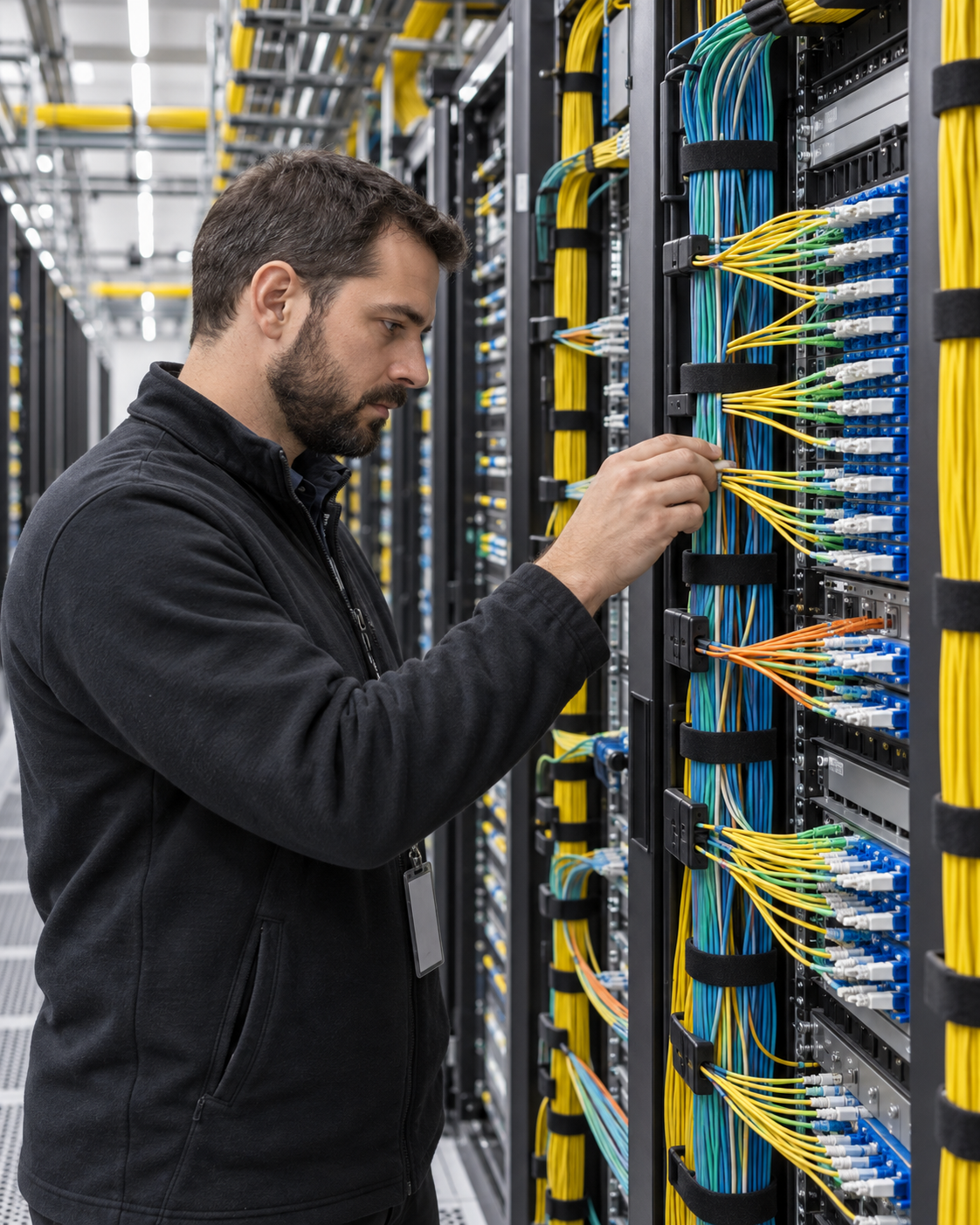
When operating large AI models, it’s difficult to handle all the processing with just one data center. You need to connect computing resources and storage across different regions and quickly exchange massive amounts of data.
Fiber optics transmit data using light instead of electrical signals, providing high bandwidth and low latency even over long distances. That's why it's a key component not only for connecting servers within data centers but also for backbone networks that span cities and states.
Through its AI Connect strategy, Verizon aims to install ultra-high-density cables along key long-haul routes and directly connect to hyperscaler data centers. This reflects a trend in which the role of telecommunications carriers in the AI infrastructure race is expanding beyond simple Internet connections to include dedicated high-speed networks.
| Corning's high-density cables make better use of existing conduits
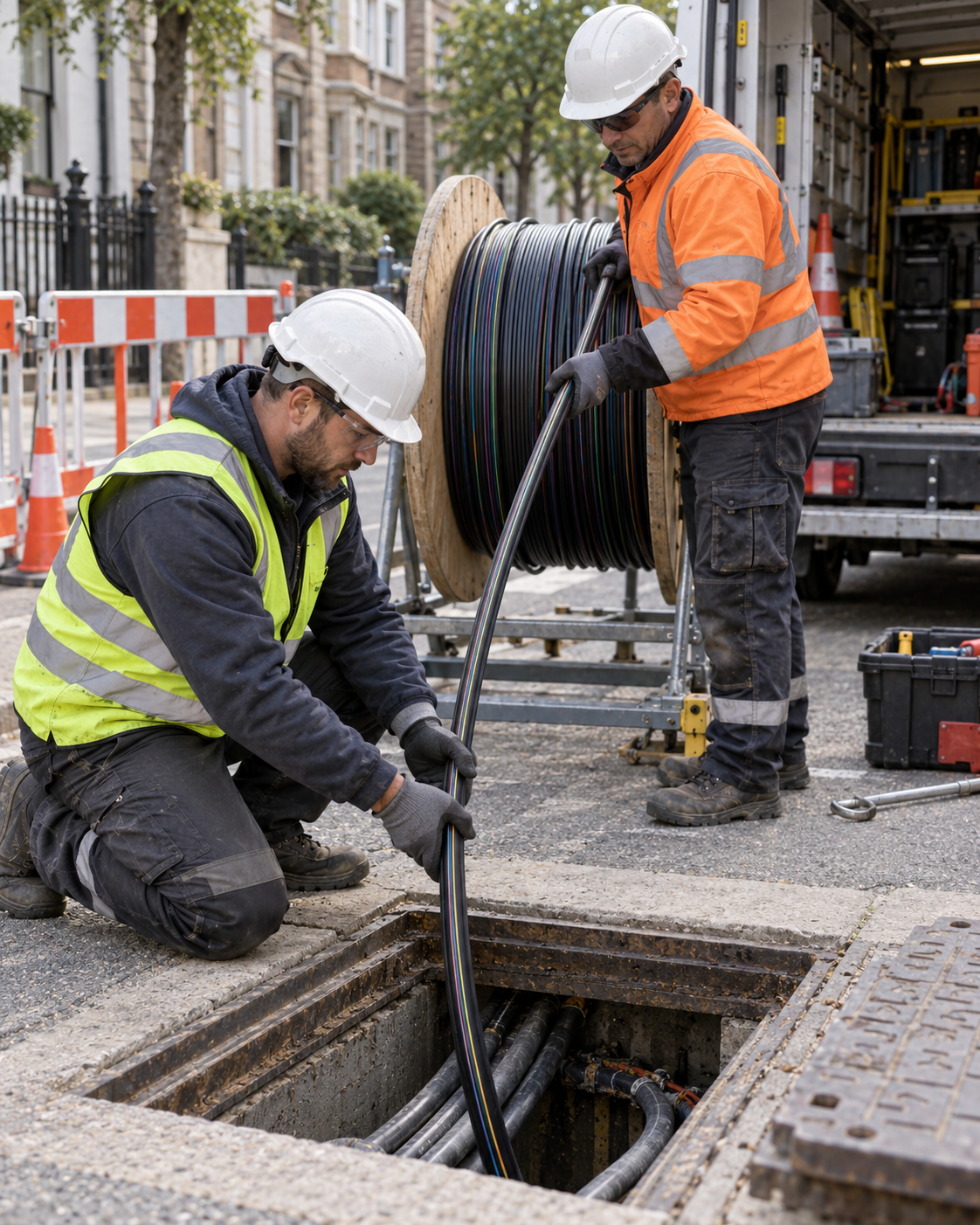
Products supplied include Corning Contour Flow Cable It includes the same flexible ribbon-type optical cable. This product is designed to increase capacity by fitting more optical fibers into a limited amount of conduit.
In urban areas, the cost and time required to build new pipelines are very high. If we can install higher-density cables in existing conduits, it opens up the possibility of expanding network capacity while reducing the scope of construction.
Corning explained that this contract will allow it to continue expanding its production base in the United States. However, the announcement did not include specific details regarding the investment amount for the new plant or the extent of the increase in production capacity.
| The benefits of AI investment are spreading to the optical communications supply chain
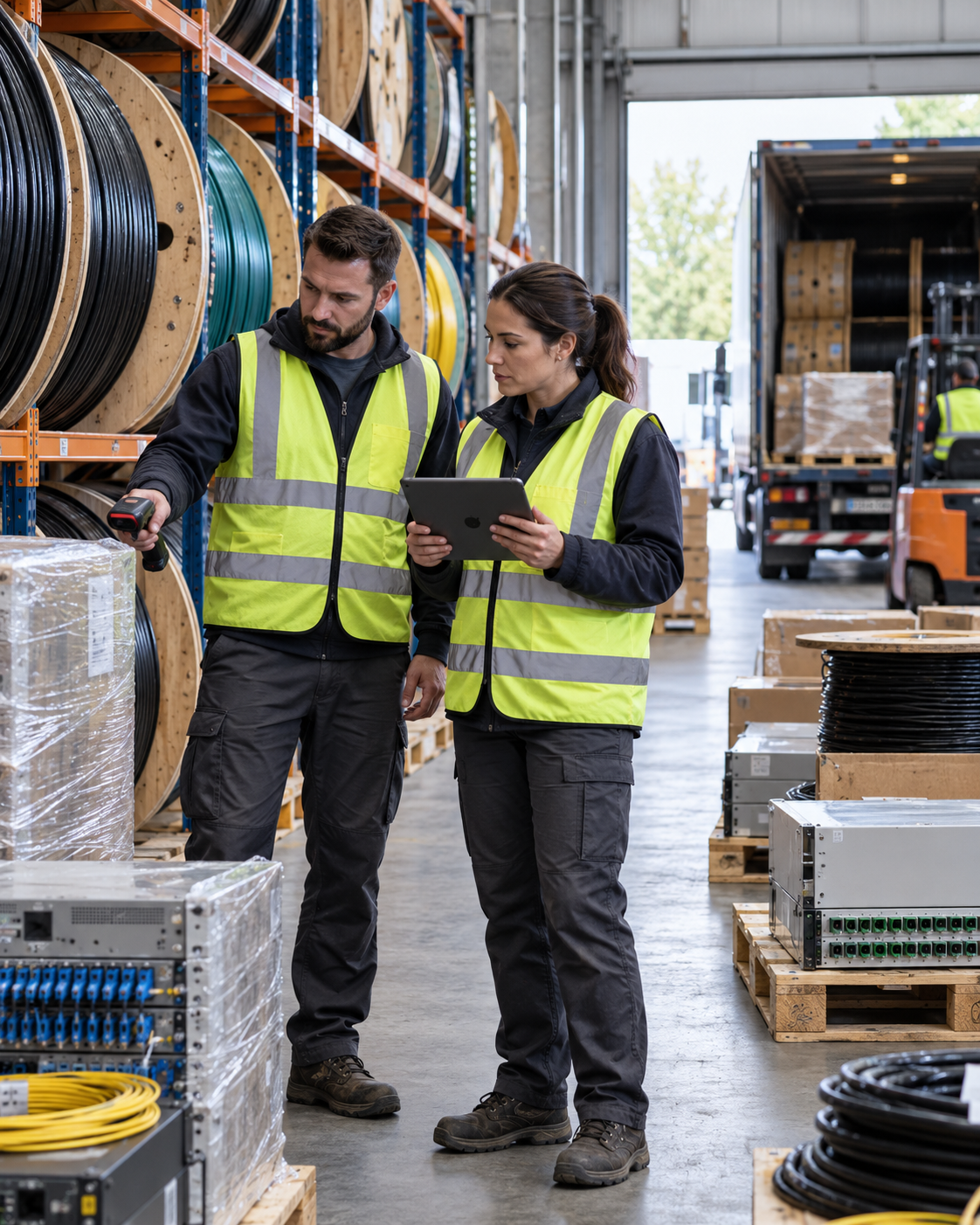
While investment in AI data centers appears to be focused on GPUs, memory, power, and cooling, actual services also require a network infrastructure. As computing resources become more distributed across multiple facilities, the importance of fiber optics, optical transceivers, and cabling equipment grows.
This contract is notable because the telecom carrier is simultaneously expanding its general subscriber network and building an AI data center backbone. Materials and components companies like Corning are also emerging as long-term beneficiaries of spending on AI infrastructure.
That said, the announced supply volume doesn't necessarily translate directly into sales and profits of the same magnitude. Since the unit price, product mix, production costs, and actual installation schedule have not been disclosed, it is difficult to accurately assess profitability.
| We'll have to keep an eye on the actual connection speeds and contract prices
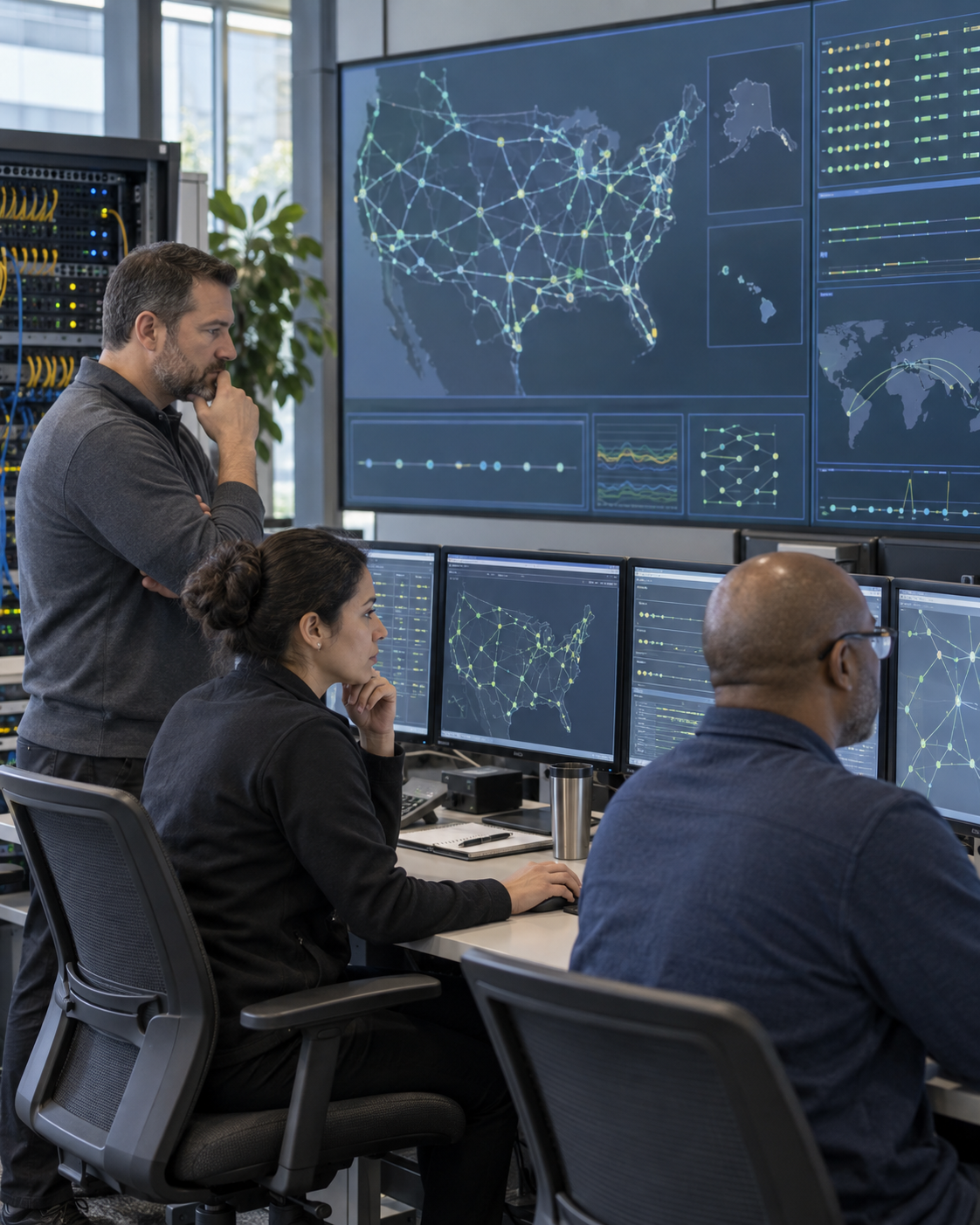
Verizon has secured a long-term supply, laying the groundwork to rapidly build the high-capacity, low-latency networks required by AI hyperscalers. Corning can establish stable production plans based on this large-scale demand.
The details we need to confirm going forward are the exact contract amount, annual delivery volumes, major long-distance routes, and the actual launch date. It is also important to consider the timeframe within which the goal of reaching 40 to 50 million broadband subscribers will be achieved.
The significance of this agreement lies in the fact that the bottleneck in AI infrastructure isn't limited to a single computing chip. As the number of servers increases, the physical fiber-optic infrastructure connecting data centers and regional networks must also expand, and that investment is already taking shape through multi-year supply contracts.
References
Tags
#Verizon #Corning #Fiber Optics #Fiber Optic Cable #AI Data Center #AI Infrastructure #Backbone Network #Ultra-High-Speed Internet #Hyperscaler #Optical Communications #Network Infrastructure #AIConnect #Data Center Connectivity