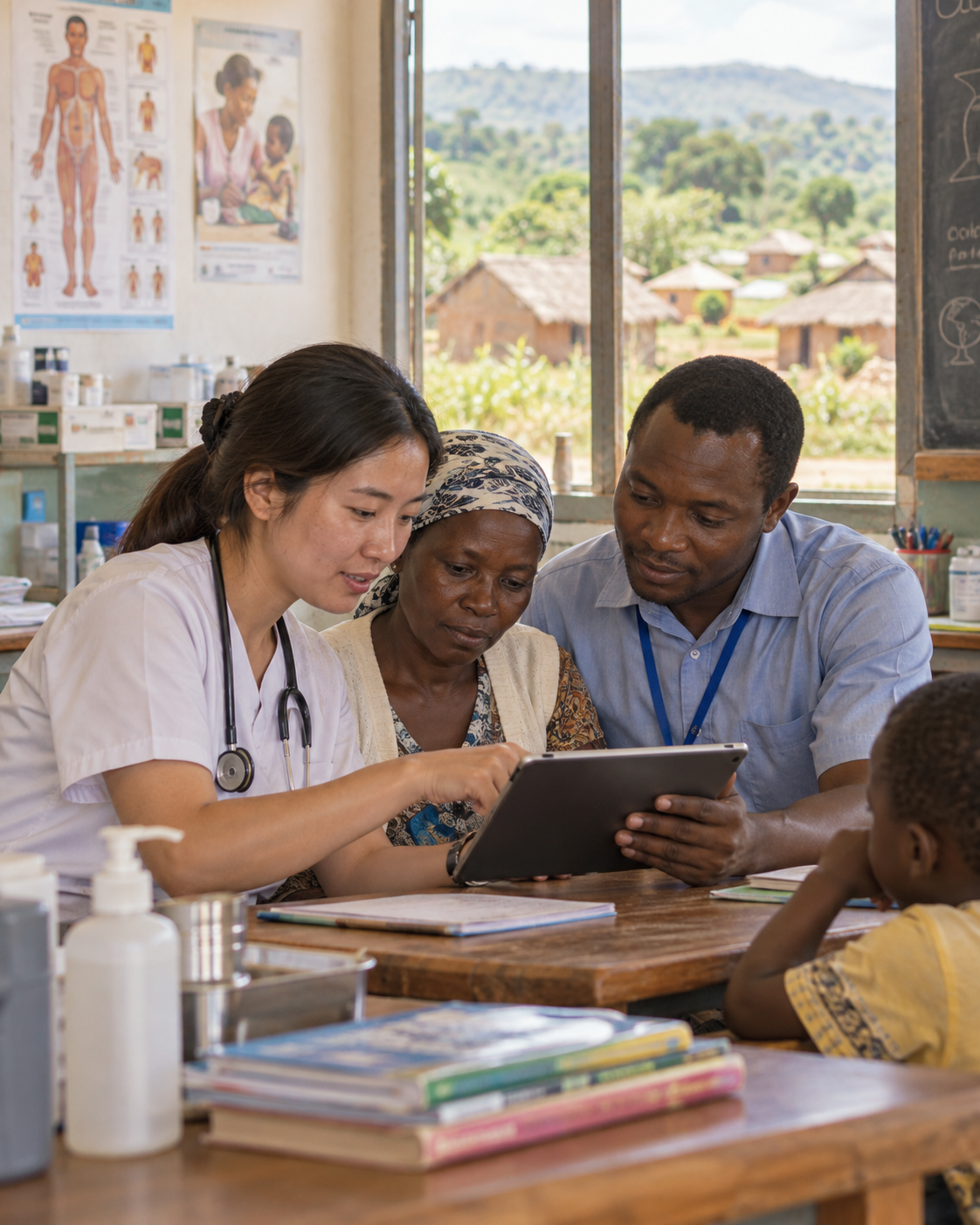
The Gates Foundation announced plans to invest at least $1 billion over the next two years to ensure equitable access to and use of artificial intelligence. The initiative aims to support the fields of health, education, agriculture, and local-language data to ensure that the benefits of AI are not concentrated solely among tech companies and high-income countries.
Bill Gates believed that while AI has great potential to transform productivity and public services, it could also have a significant impact on jobs, security, and social institutions. In particular, he assessed that governments around the world were not sufficiently prepared for the pace of change and identified narrowing the technology access gap as a priority for the foundation.
The $1 billion will be allocated as part of the foundation's previously announced annual spending plan. Therefore, rather than assuming that the entire amount is new funding added to the existing budget, it is more accurate to understand it as a commitment to allocate at least that much to AI-related goals over the next two years.
| The Focus of Investment: AI Equity
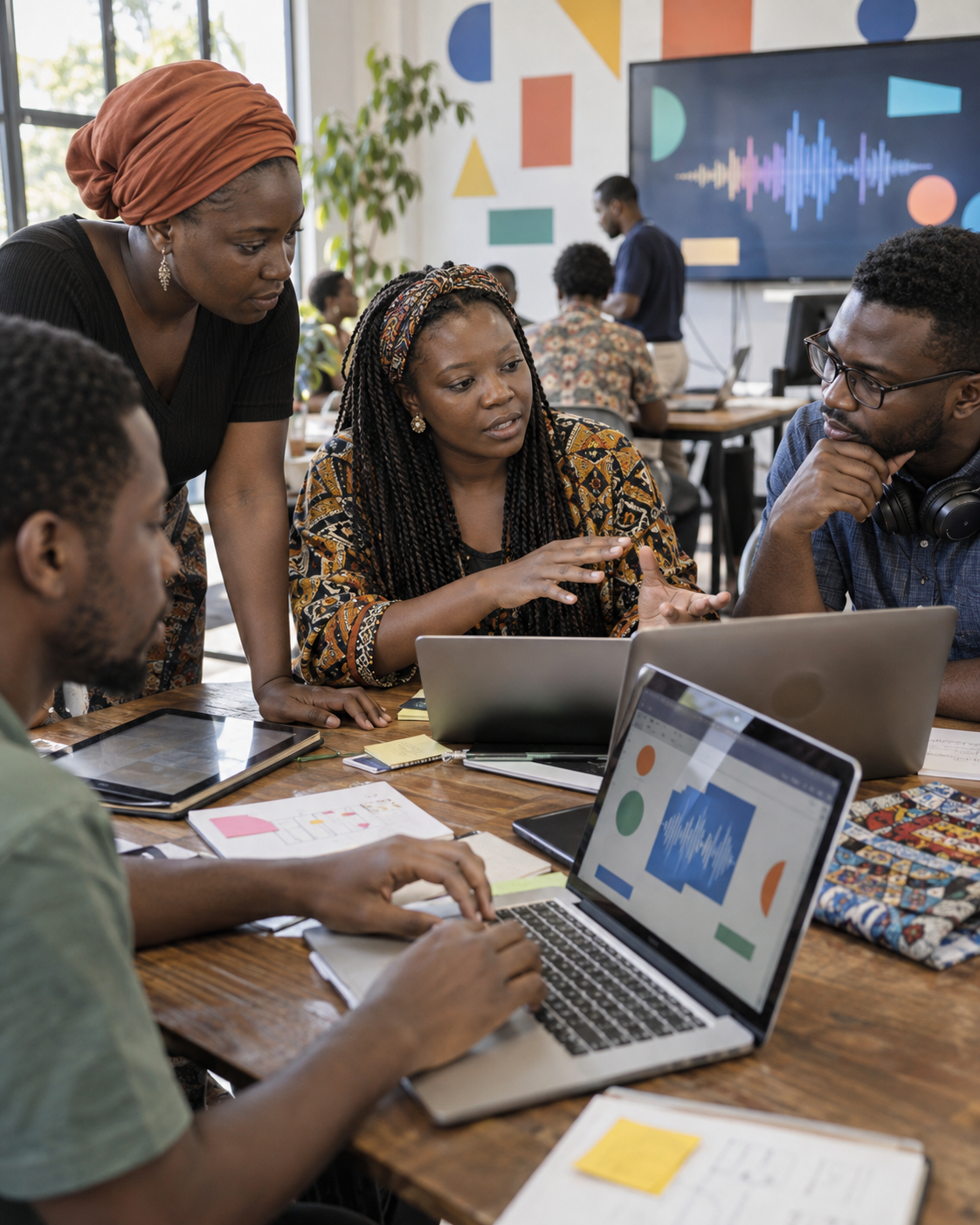
The foundation’s definition of accessibility goes beyond simply providing a chatbot account. Data that reflects the language and realities of low-income areas, the capacity of local organizations to operate the system directly, and tools tailored to public services such as healthcare and education must all come together to translate into tangible benefits.
If AI models do not sufficiently understand the local language or are not designed to operate in environments with unreliable internet and power supplies, the areas that need help the most could once again be left out. This investment focuses on bridging the gap between technological capabilities and social infrastructure.
| A strong emphasis on education and health

In the plan that was announced, the education and healthcare sectors play a major role. In education, the plan calls for the use of AI to support teachers and adapt learning materials to local conditions, while in healthcare, it outlines ways to help frontline medical staff handle patient care and administrative tasks more efficiently.
Because errors can have a significant impact in this field, verification and human oversight are more important than simple automation. Local teachers and health care workers must be able to review and revise the results, and a system to protect sensitive student and patient data must be established alongside the investment.
| Support for Agriculture and Local Language Data

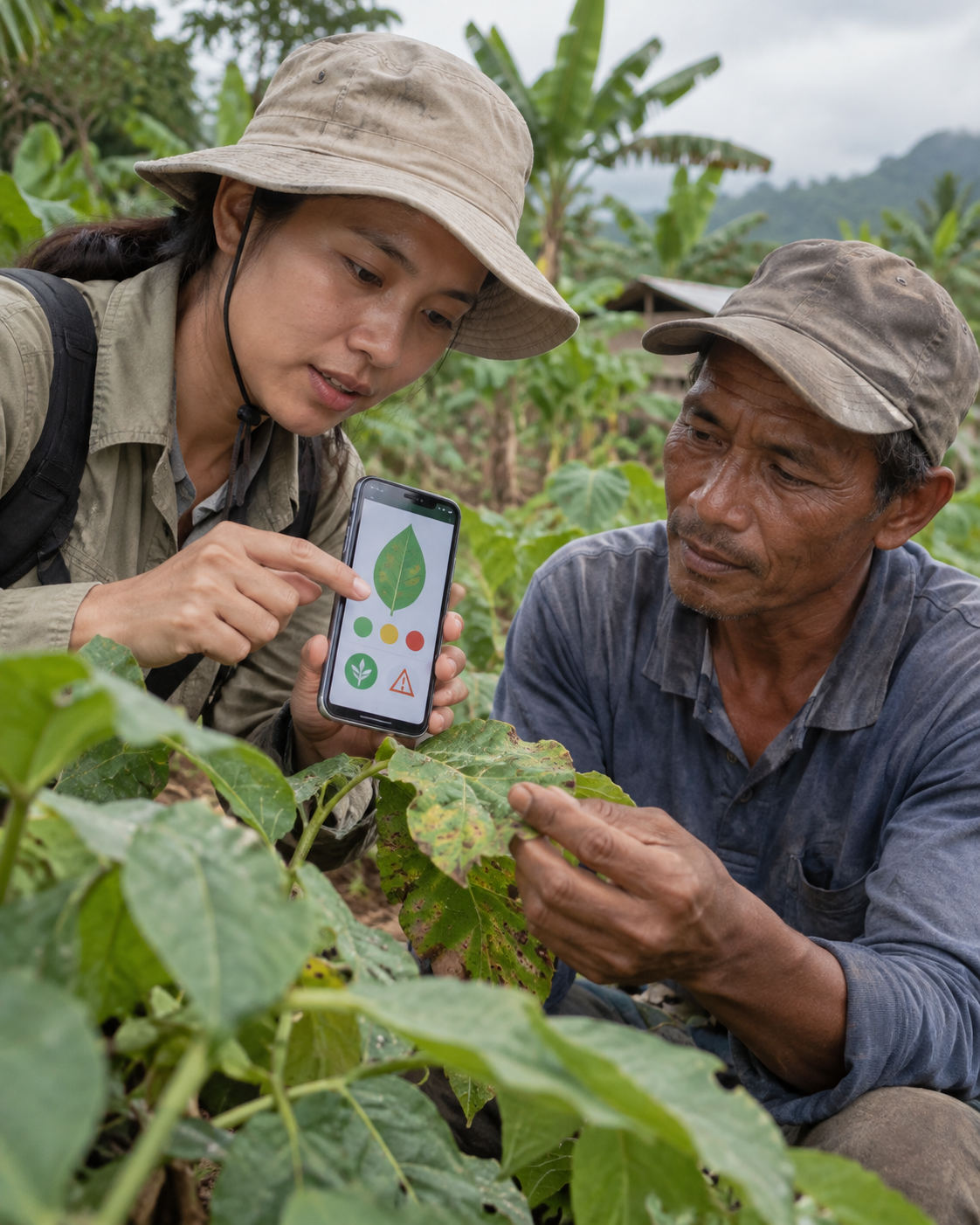
Small-scale farmers often have difficulty quickly accessing information on weather, pests and diseases, soil conditions, and market trends. If AI tools that operate in local languages were provided based on accurate regional data, they could assist in decision-making.
To that end, the foundation plans to allocate funds toward building language datasets for underrepresented languages. It’s important to have a structure that not only increases the volume of data but also allows local communities to determine the conditions for its collection and use, minimizes bias and privacy violations, and ensures that the resulting resources are maintained over the long term.
| Warning About the Government's Lack of Preparedness
Bill Gates pointed out that even though AI is rapidly impacting jobs, security, education, and public administration, the government is lagging behind in its preparations. He highlighted the concern that there is a gap between the pace of new technology adoption and existing laws and systems, support for career transitions, and the expertise of public institutions.
Foundation investments cannot replace the government's role. The government must establish public budgets, regulations, procurement standards, data protection measures, and accountability frameworks. While private funding can support experimentation and initial expansion, long-term public services can only be sustained if they are integrated into local institutions and financial systems.
| Results should be measured by the changes on the ground rather than by the amount invested

While $1 billion is a large sum, the actual impact depends on where and how the money is spent. Instead of simply counting the number of users of a tool, we need to measure concrete outcomes such as learning outcomes, access to medical care, reduced work hours, and improved decision-making among farmers.
It is also important to strengthen the technical capabilities and data control of local organizations so they are not dependent on systems developed by outside companies for an extended period. Only by transparently disclosing even cases of failure and side effects can we prevent other regions from repeating the same mistakes.
| Confirmed Plans and What to Look Forward To

According to confirmed reports, the Gates Foundation plans to invest at least $1 billion over the next two years to expand access to AI, with a focus on education, health, agriculture, and data in local languages. Specific projects will be carried out in collaboration with various companies and local organizations.
Going forward, we’ll need to verify the allocation amounts by country and project, the beneficiary regions, the evaluation metrics, and the conditions regarding data ownership and personal information protection. We can only determine whether the goal of AI equity has actually been achieved by examining whether investment goes beyond merely disseminating technology to actually increasing choice and operational capacity in low-income areas.
References
Gates Foundation — 2026 Goalkeepers Report: AI, Equity, and the Choice We Can’t Delay
Gates Notes — The turbulent AI era is here. The choices we make now are critical
AP — Gates Foundation commits $1 billion to expand equitable access to AI
Reuters — Governments worldwide way behind on AI, Bill Gates says
Tags
#GatesFoundation #BillGates #AI Accessibility #AI Equity #Digital Divide #GlobalHealth #Education AI #Agricultural AI #Local Language Data #AIPolicy #Public-Interest Technology