Delos Data, founded by former Intel engineers, has raised more than $100 million to develop network chips and software for AI data centers. Reuters reported the investment amount as $100 million, while the company’s official announcement stated it exceeded $100 million.
Investors in this round included Matrix Partners, Playground Global, Socratic Partners, Capricorn’s Technology Impact Fund, Matter Venture Partners, and IAG. Playground Global, which counts former Intel CEO Pat Gelsinger as a partner, also participated in this round.
The problem Delos Data is addressing is not the computational speed of AI chips themselves, but rather It's about how quickly and reliably data can be transferred between multiple GPUs, accelerators, CPUs, and memory.
| They identified the network as the next bottleneck in AI data centers
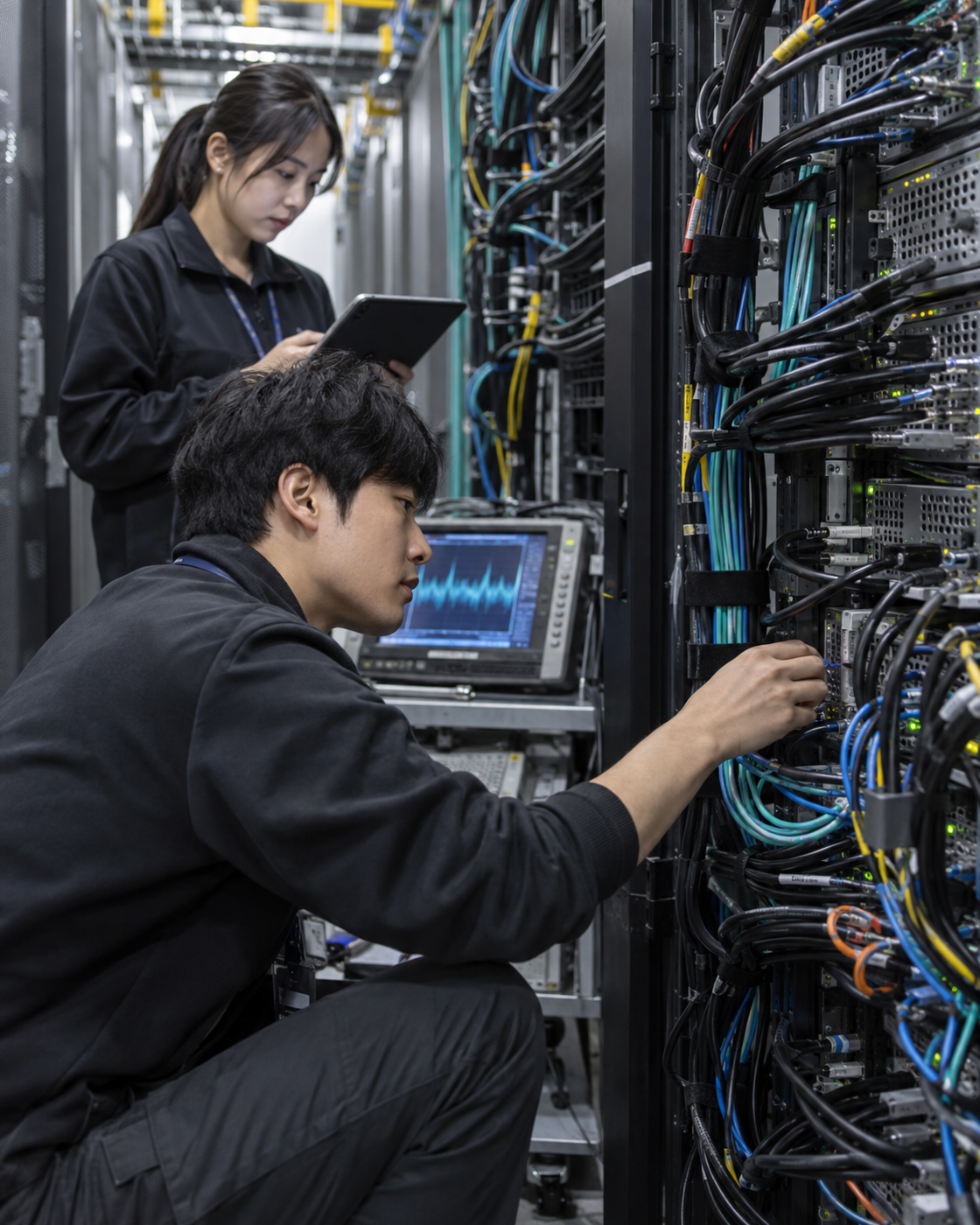
AI servers don't run on a single chip. They process a single task by having numerous GPUs, dedicated accelerators, CPUs, memory, and storage devices exchange data. Even if the computing units are fast, if the necessary data arrives late, the expensive chips end up idling.
Delos Data believes that agent-based AI inference will exacerbate this problem. This is because, instead of processing a single short request and stopping there, it continuously performs lengthy tasks by switching between multiple tools and models, which increases the communication load between chips and servers and the need for fault tolerance.
The company argues that, along with power, memory, and computing power, the network has become a key factor determining the cost and performance of AI infrastructure. This investment will be used to develop products for this data transfer layer and to expand the software and hardware teams.
| Attempting to connect different AI chips within a single system
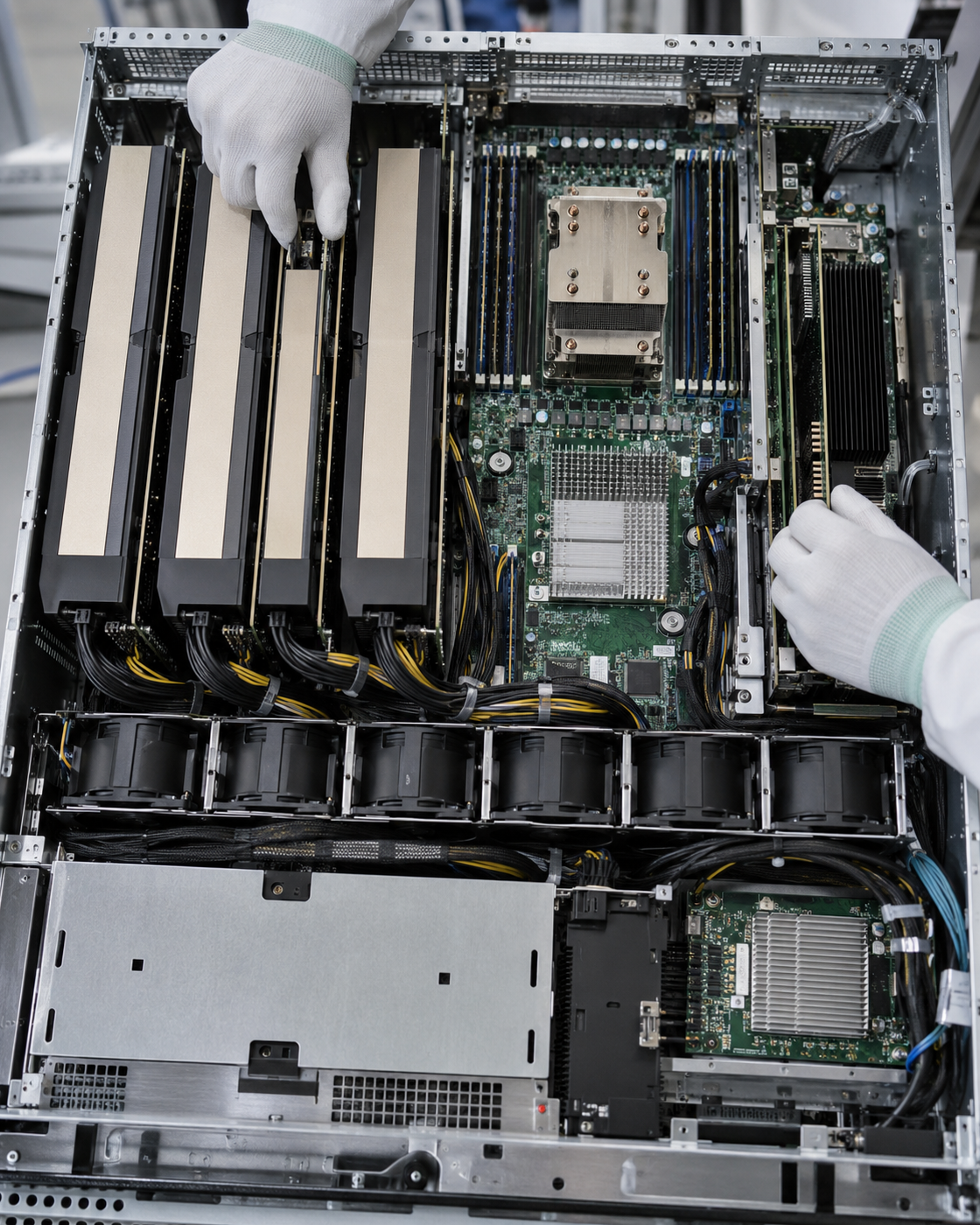
Early large-scale AI data centers were often built around NVIDIA GPUs and NVIDIA's networking technology. Recently, however, there has been growing demand for a mixed deployment of AMD accelerators, specialized systems like Cerebras, and a variety of CPUs and custom-designed chips.
Delos Data's goal is to connect various types of devices within a single data domain without being tied to any specific computing chip. The strategy is to allow customers to flexibly configure not only the chips they currently use but also any accelerators and storage devices they may add in the future.
While such a heterogeneous environment can expand options, it also complicates connectivity standards, software compatibility, and fault handling. The reason Delos Data develops both chips and software is that it's difficult to solve the entire problem with hardware links alone.
| We also unveiled the Nonstop AI product line
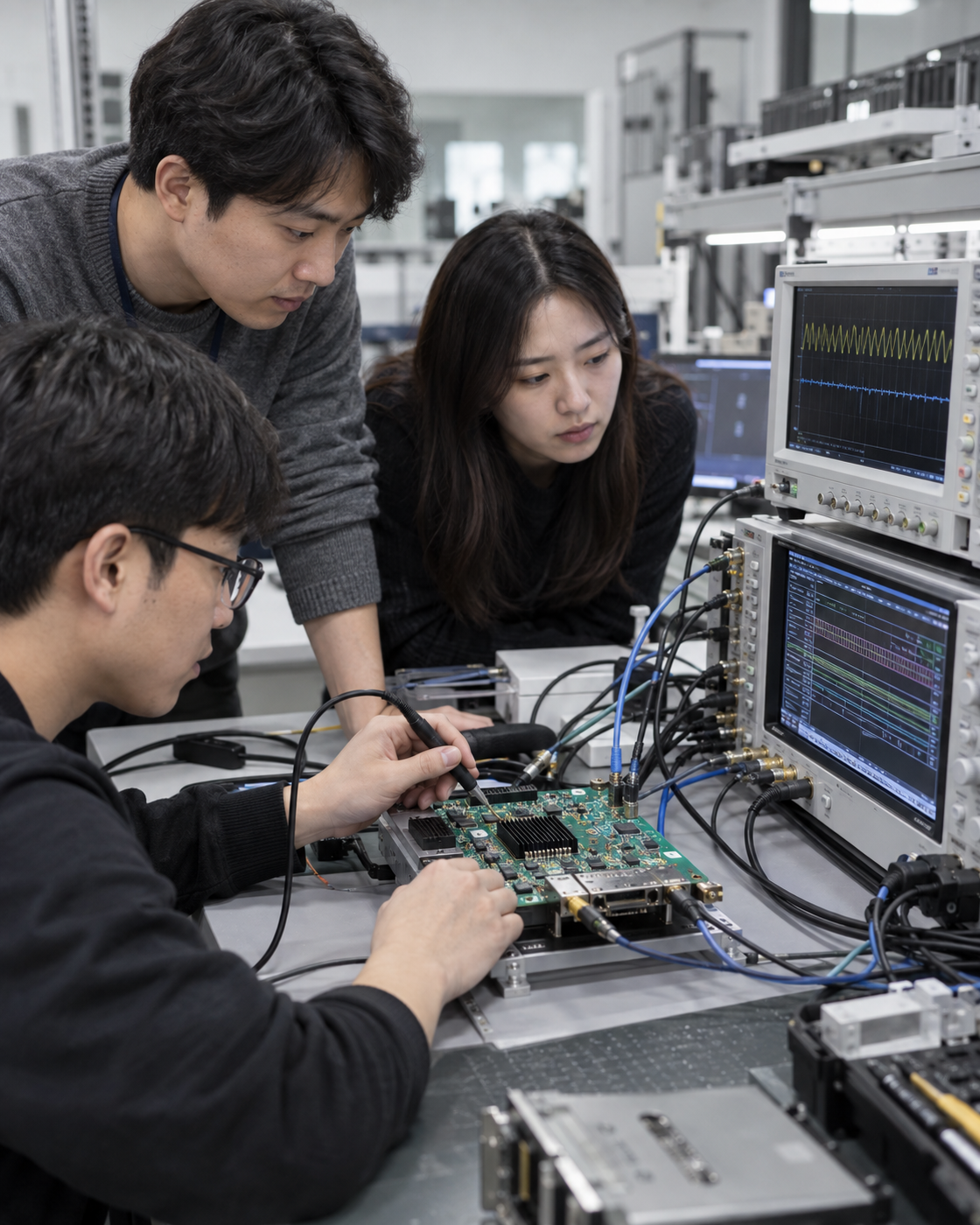
Along with this investment announcement, the company introduced the Nonstop AI Reference Architecture and the Nonstop AI Data Interface. The plan is to offer the data center’s connectivity infrastructure—including the previously announced clusters and servers—as a single product family.
The Data Interface is expected to be available in various forms, such as I/O chiplets, optical connections, and expansion cards. The company is also emphasizing its resilience, ensuring that inference operations do not stop even if some failures occur while connecting various devices.
Delos Data stated that its data interface can reduce latency to one-tenth of the current level and increase efficiency tenfold. However, these are merely the performance targets and explanations provided by the company; no independent verification results—based on standardized comparison criteria and test conditions—have been released.
| The value of networks is increasing as AI inference expands
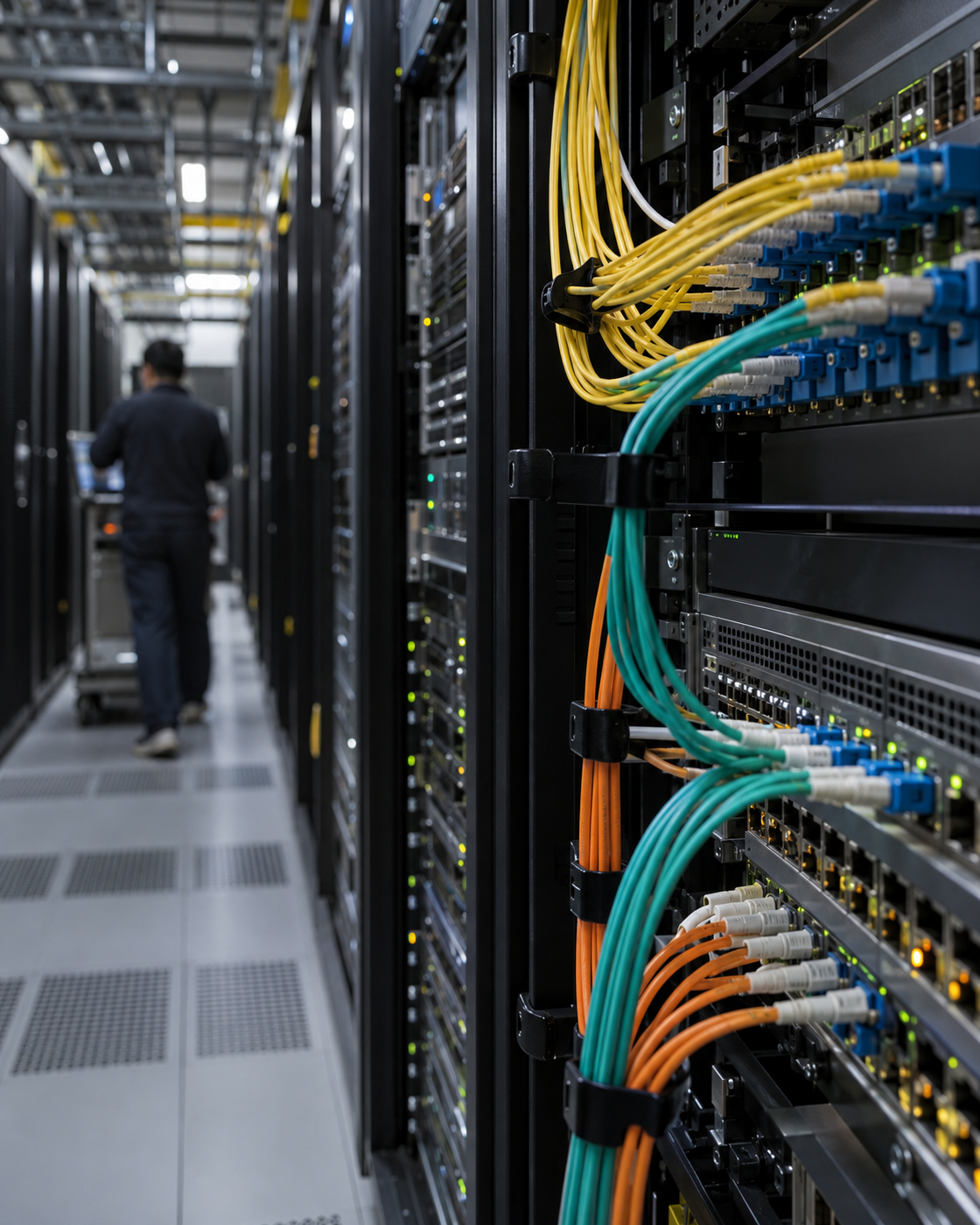
For a long time, investment in AI infrastructure has focused on acquiring more GPUs. However, during the inference phase—when actual services are running—user requests are irregular, systems must switch between multiple models and data stores, and response latency must be kept low.
If the network is slow or fault recovery is unreliable at this point, you may not be able to fully utilize the performance of the added accelerator. Server operators look at the number of tokens processed by the entire system, along with power consumption and uptime, rather than just the peak performance of a single chip.
Delos Data's funding round is an example of how the AI semiconductor competition is expanding beyond GPU design to include interconnect chips, optical communications, switches, and software. Technologies that reduce or accelerate data movement are becoming a key driver of cost savings in data centers.
| We need to overcome the established players and the actual barriers to deployment
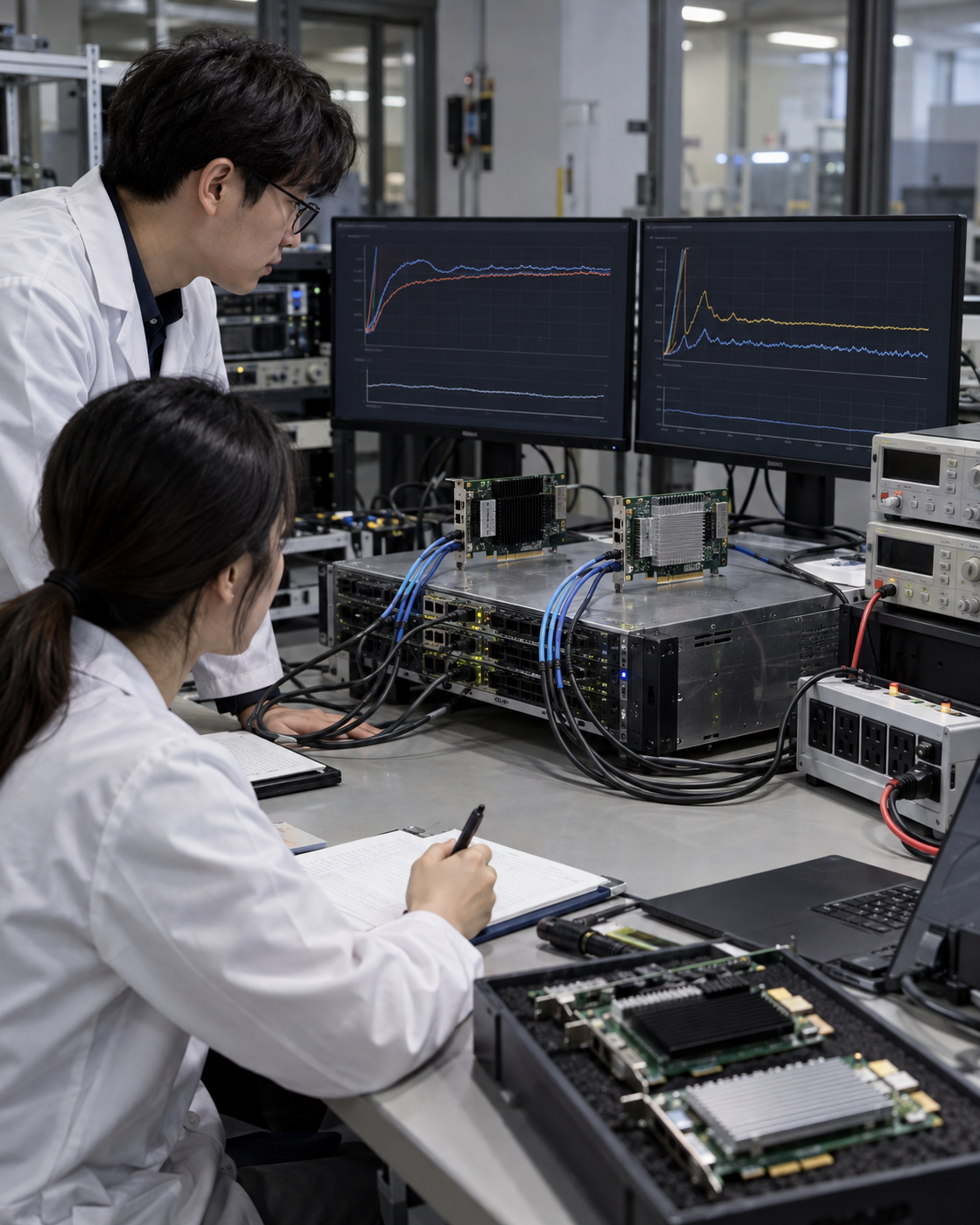
The AI networking market is already crowded with competitors such as NVIDIA, Broadcom, Marvell, and various optical communications and switching companies. For a new interface to be adopted, it must support existing servers and standards while demonstrating superior performance, reliability, and cost-effectiveness.
Data center operators do not readily replace the core networks they intend to operate for the long term. It’s one thing for a prototype to work well, but it’s another matter entirely to run it on thousands of servers without any issues; customer validation and mass production capabilities are also necessary.
The company did not disclose specific customer contracts, product shipment dates, or sales figures. The forecast that demand for AI inference will increase significantly by 2030 is also just a market projection—not a confirmed order.
| The next step is validating the product in the market, not securing investment.
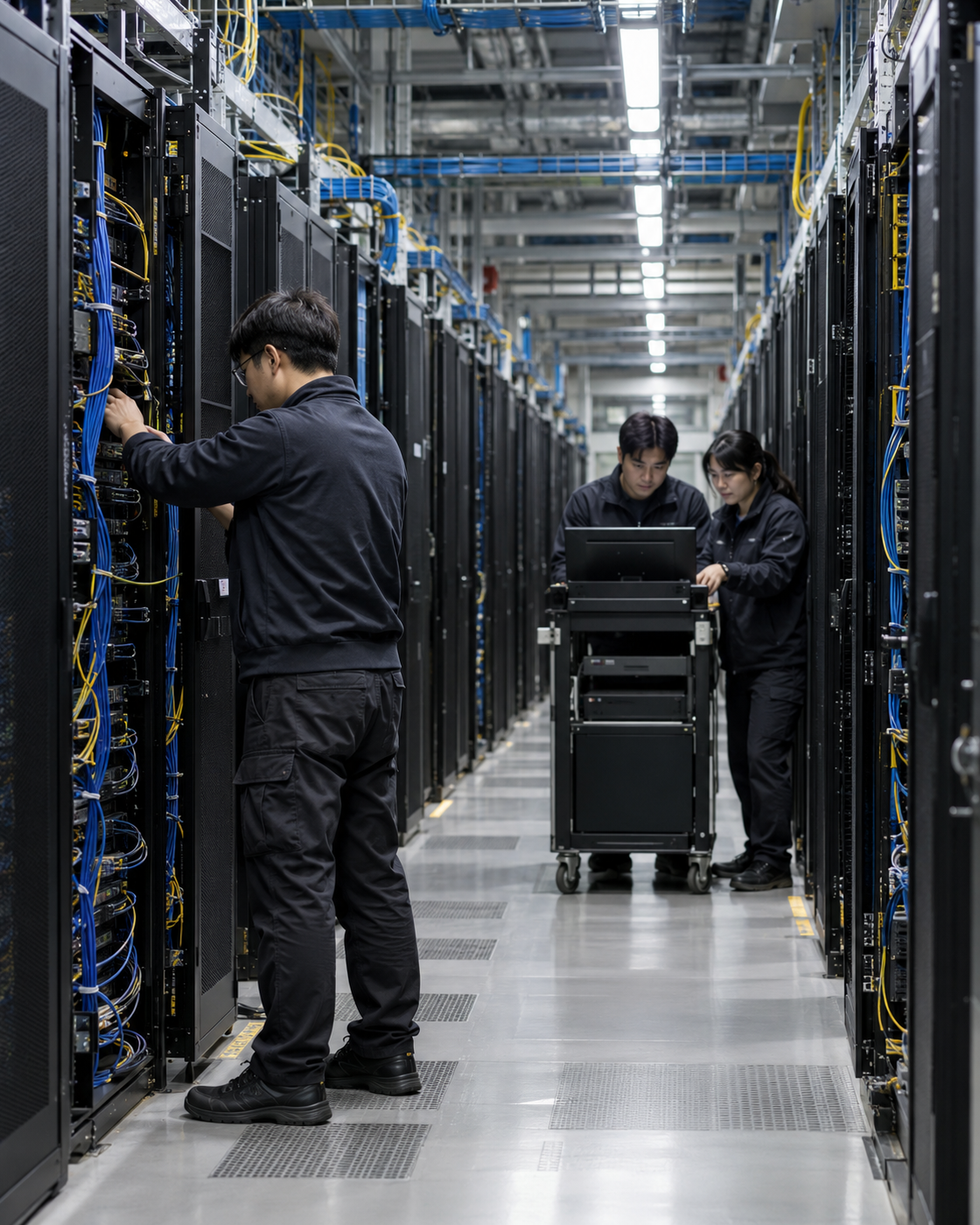
This announcement confirms that Delos Data has raised over $100 million and is developing network chips and software for heterogeneous AI infrastructure. The 10x performance claim made by the company will need to be verified in an independent setting.
Going forward, we need to examine the actual specifications of the data interface, its compliance with standards, the customer’s test results, the mass production schedule, and its fault recovery performance in large-scale clusters. Commercial success isn't guaranteed just because a company has invested in the project.
If the benchmark for competition among AI data centers shifts from the number of computing chips to overall system efficiency, the field Delos Data has chosen could become even more important. Ultimately, success or failure depends on how quickly and reliably we can integrate various chips into real-world applications.
Tags
#DelosData #AI Semiconductors #Data Center #AI Network #Network Chip #AI Accelerator #GPU #AI Inference #Former Intel Employee #Fundraising #Semiconductor Infrastructure #Heterogeneous Computing