Dutch AI semiconductor startup Axelera AI announced that it has launched its second-generation AI inference architecture, Europa, and has signed several AI factory supply agreements. Products based on Europa are currently shipping and are available in validated configurations on select Dell and Supermicro servers.
The company explained that it has distributed its products to more than 600 customers worldwide and that the value of its signed contracts amounts to tens of millions of dollars. The company stated that it is currently pursuing potential sales opportunities totaling more than $1.5 billion, but this amount does not represent confirmed orders or revenue.
Europa's primary goal is to handle heavier enterprise and server-level AI inference workloads than the first-generation Metis, which focused on on-site equipment such as factories and cameras.
| Europa focused more on reasoning than on learning
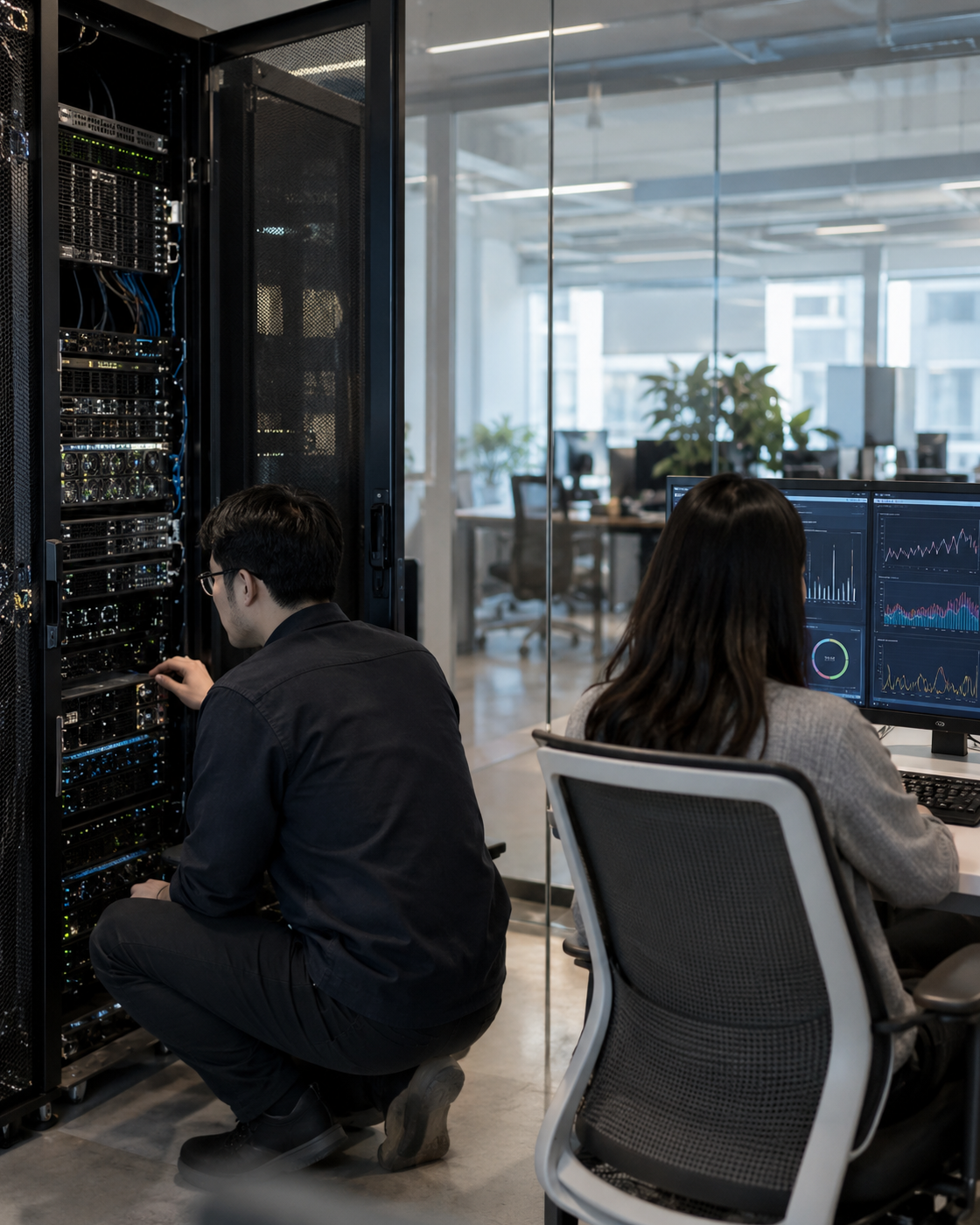
The role of AI chips can be broadly divided into training—the process of building models—and inference—the process of applying those models to actual requests. Europa is more akin to an inference accelerator that allows companies to run AI services on their own servers than a chip designed to train massive models from scratch.
It is designed to support agent systems, vision language models, generative AI, and machine vision and computer vision tasks. The strategy is to enable companies to process all tasks on their own premises rather than sending them to the public cloud.
In sectors such as finance, healthcare, law, defense, and the public sector—where it is difficult to transfer data externally—the ability to control not only performance but also data location and operating costs is crucial. Axelera AI views this niche as a key market for Europa.
| Available with a chip and two types of PCIe cards
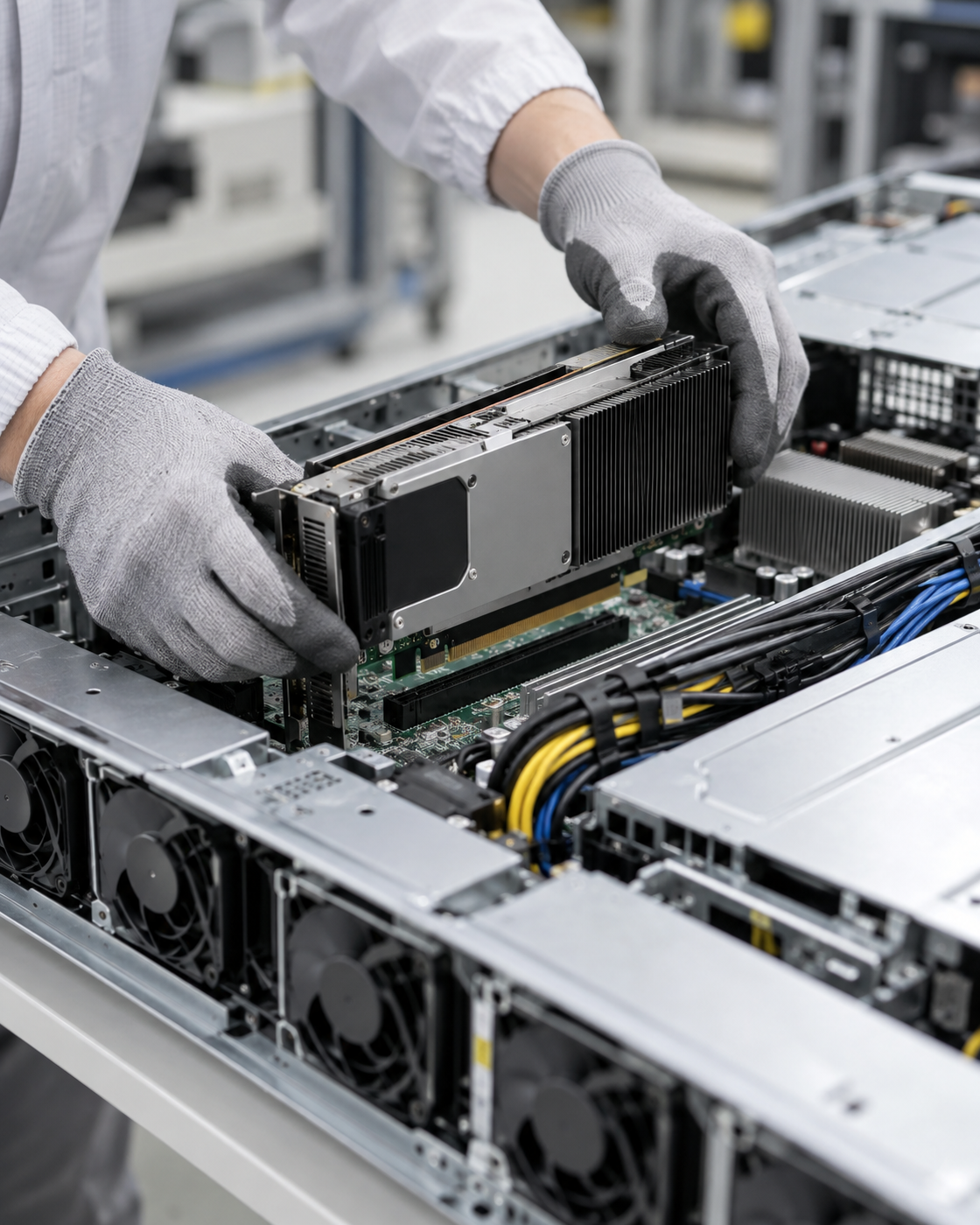
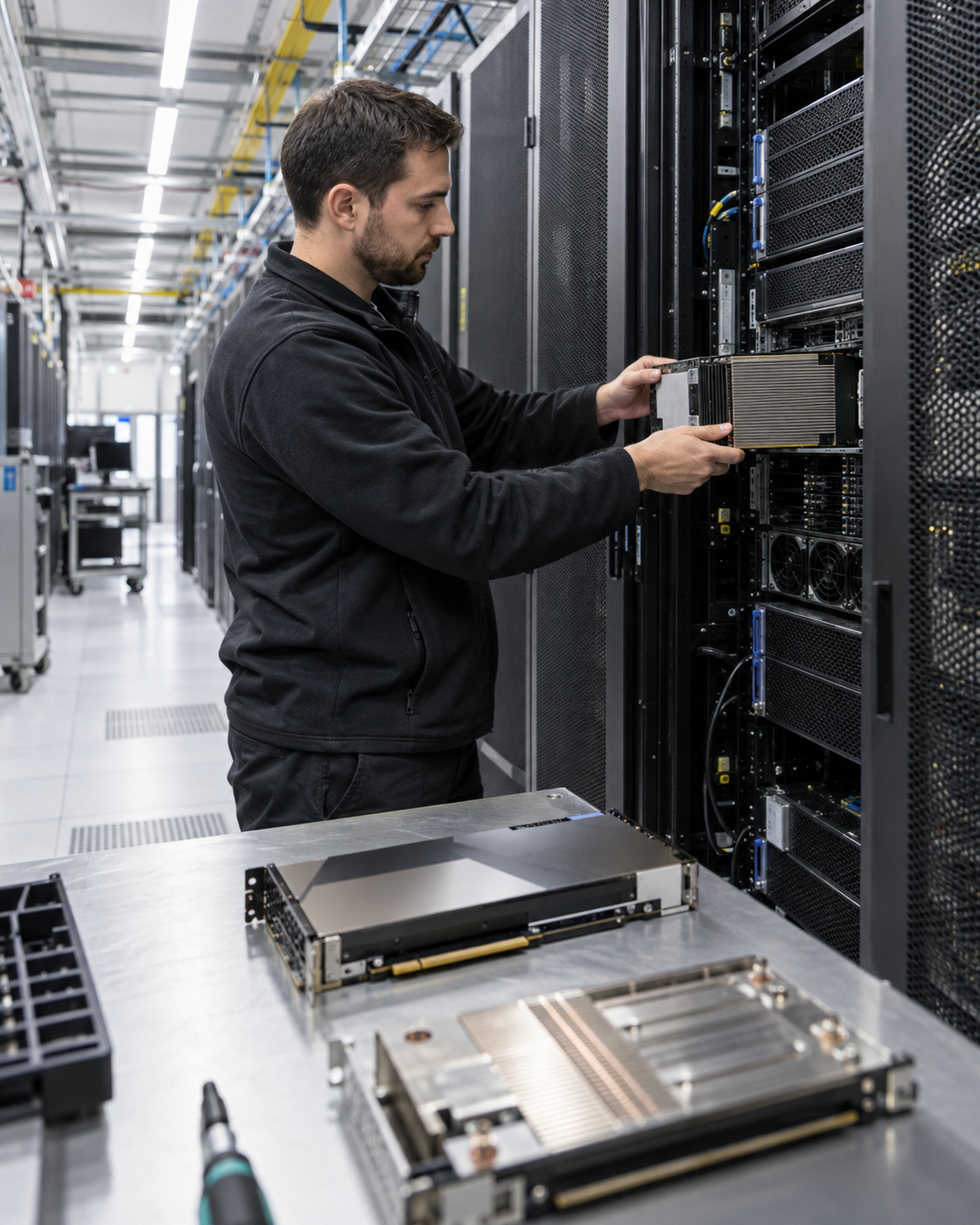
Europa is available in both a chip form factor, which allows customers to design their own boards, and as a PCIe card that can be installed in a server. The lineup includes the half-height, half-length Axelera Edge 232p and the full-height, full-length Axelera Server 250p.
Using the standard PCIe form factor allows enterprises to add inference capacity without having to convert the entire server into a dedicated system. You could say it's a design intended to lower the barriers to entry.
On the software side, the Voyager Toolchain supports model optimization and deployment. Even if an AI accelerator has excellent chip performance, it is difficult to utilize if there is a lack of supported models and development tools; therefore, the software ecosystem determines actual adoption.
| Tested on Dell and Supermicro systems
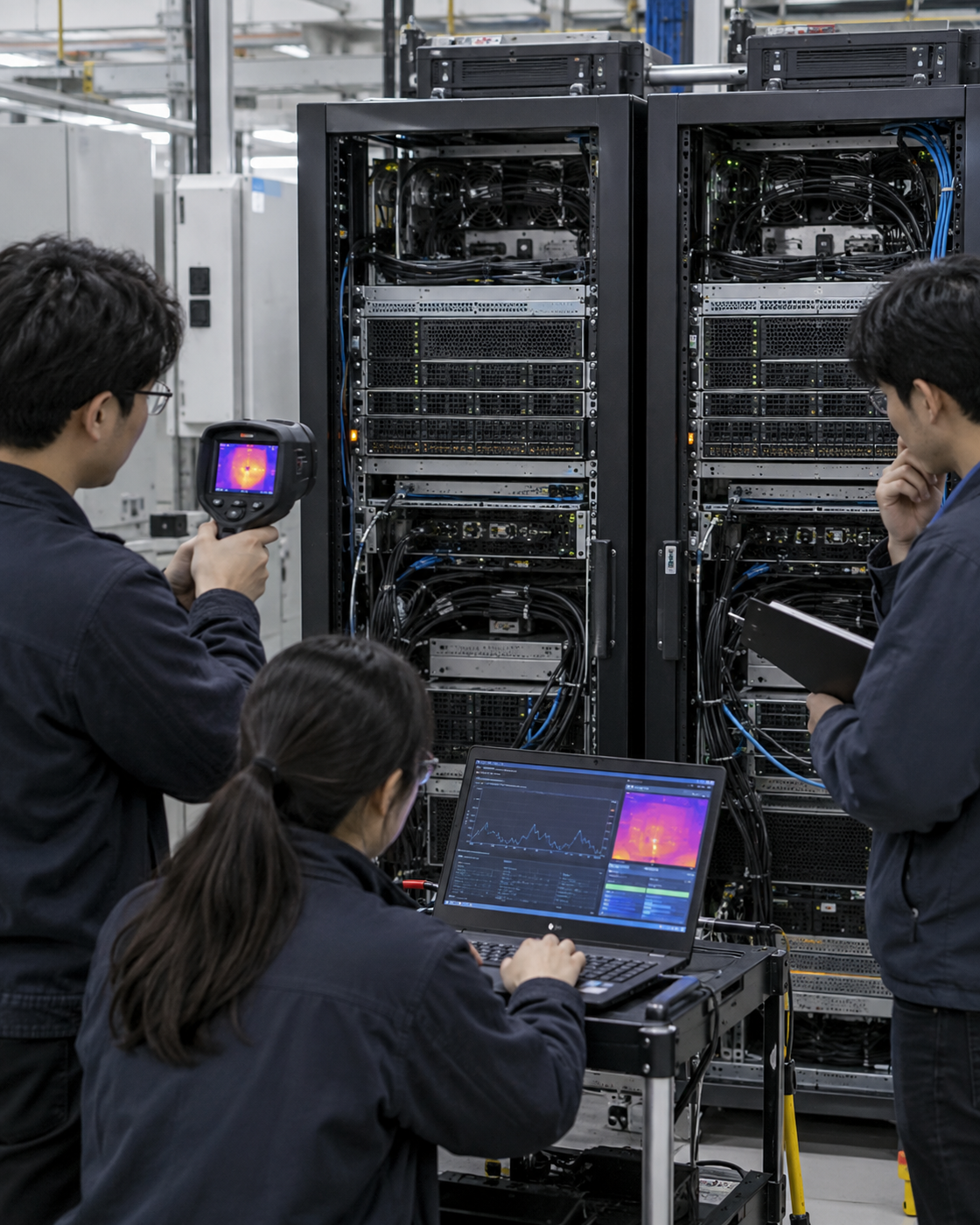
The Axelera Edge 232p is available in configurations validated on Dell XE5 and Supermicro 111AD systems. Together with Dell and E4 Computer Engineering, it is also participating in European AI factory projects such as IT4LIA in Italy and MeluXina in Luxembourg.
An "AI factory" refers to a data center or scientific computing facility built for training and inference of AI models. The European Union is seeking to expand its existing supercomputing facilities into AI factories to reduce its reliance on the United States and China for computing power.
Verification by a well-known server provider means that the startup's chip will be integrated into a complete system that customers can purchase. However, it's important to distinguish between being included on the list of verified products and having large-scale sales confirmed.
| A contract worth tens of millions of dollars is different from a $1.5 billion pipeline
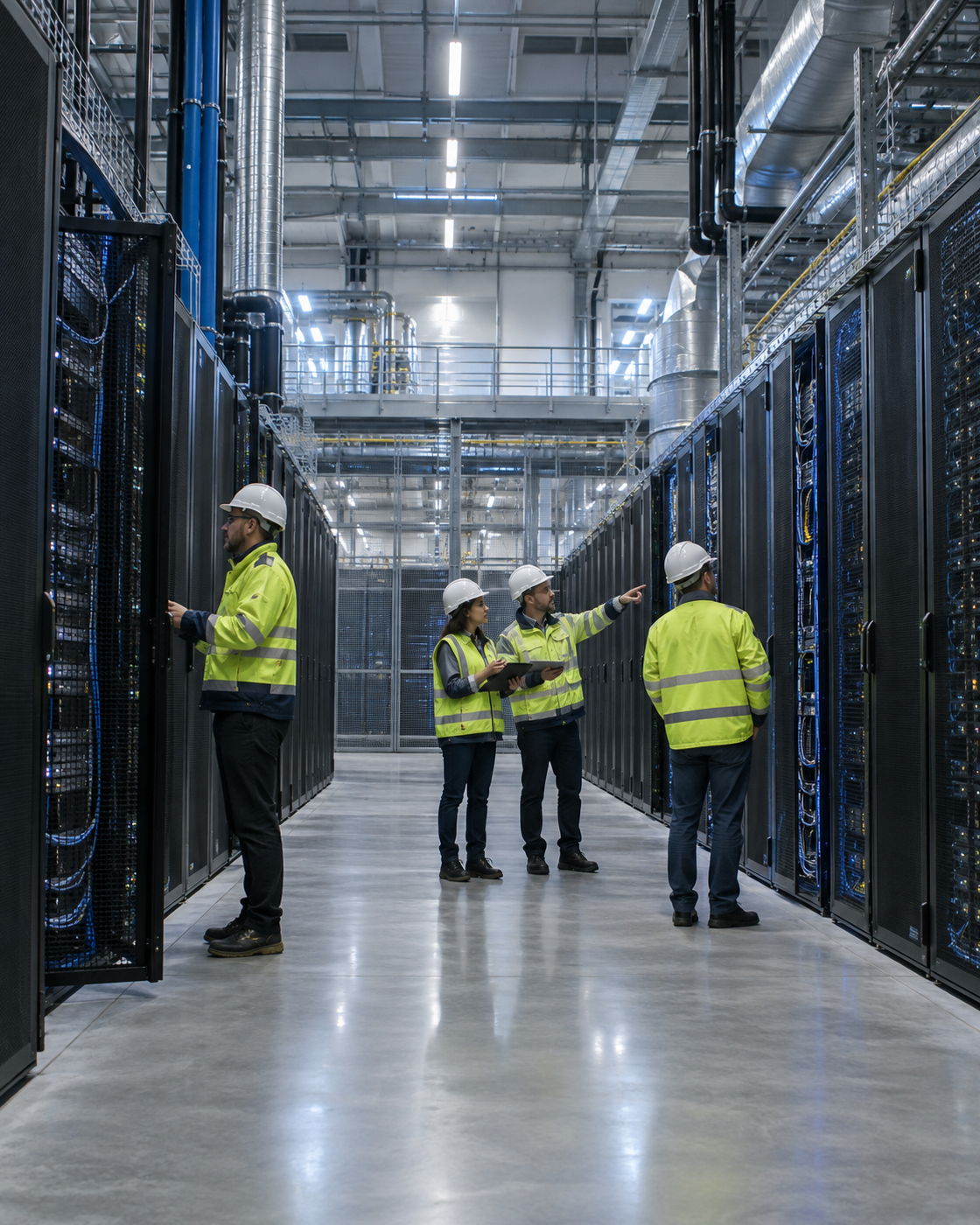
Fabrizio Del Maffeo, CEO of Axelera AI, told Reuters that the contracts signed are worth tens of millions of dollars. He did not disclose the specific names of the customers, the amounts for each contract, or the delivery schedules.
The more than $1.5 billion cited by the company represents the sales pipeline—potential sales opportunities currently being pursued. Since this figure includes all projects currently under negotiation, it should not be calculated based on contracts, orders, or recognized revenue.
Even the figure of "more than 600 customers" could vary widely depending on the scale of use. We will need shipment volume and revenue data in the future to distinguish between small-scale trials for evaluation and large-scale production deployments.
| Power efficiency figures require independent verification

Axelera AI claims that its Europa-based Edge 232p delivers up to six times higher token throughput per watt than competing GPU solutions. This is a critical metric for data centers, where power and cooling costs are rising.
However, according to the company's explanation, these results are based on a comparison of Axelera's internal tests with publicly available data from competitors. Since this was not an independent test conducted under identical conditions—including model, precision, batch size, latency, and software optimization—the maximum value should not be taken as indicative of a general performance difference.
Actual customers compare not only throughput but also response latency, support models, accuracy, card prices, and software stability and maintenance. Third-party benchmarks released after launch are more important for assessing Europa's competitiveness.
| This could serve as a test case for the European AI semiconductor ecosystem
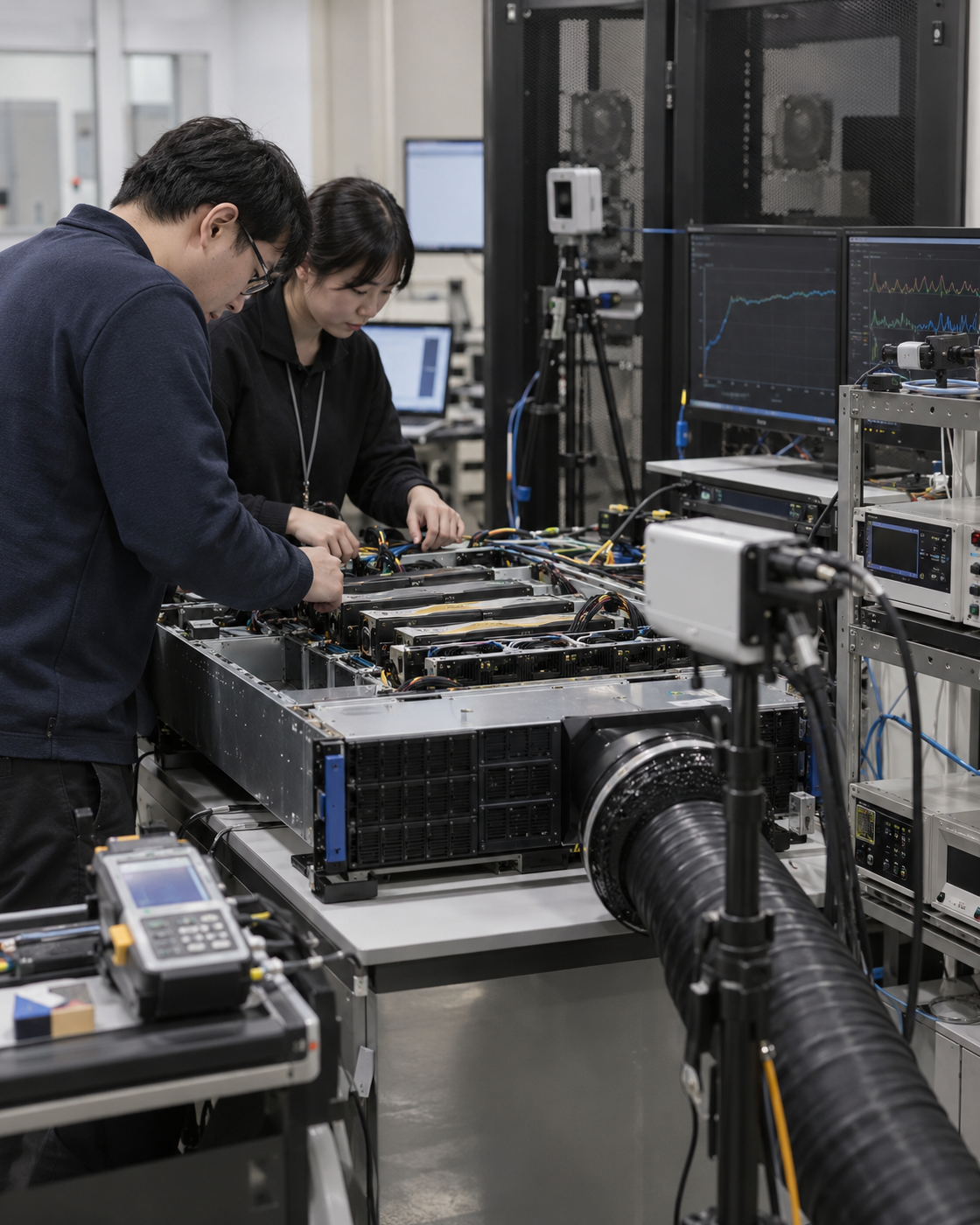
Although NVIDIA wields significant influence in the AI accelerator market, the growing diversity of inference tasks is creating opportunities for alternatives specialized in low power consumption and on-premises deployment. In Europe, companies such as VSORA, Fractile, Semidynamics, and Euclyd are competing alongside Axelera AI.
After targeting the edge market with Metis, Axelera AI expanded its reach to enterprise servers with Europa. Going forward, the company plans to target the data center and supercomputer markets more directly with its Titania chiplet architecture.
What was finalized in this announcement was the launch and shipment of Europa, the validation of certain server systems, and multiple supply contracts. Going forward, we need to verify actual shipment volumes, contract revenue, independent performance evaluations, and the range of models supported by the Voyager software. Whether the $1.5 billion pipeline converts into actual orders will be the most important commercialization metric.
Tags
#AxeleraAI #Europa #AI Semiconductors #AI Inference #AI Accelerator #AI Factory #Dell #Supermicro #European Semiconductors #Data Center #Edge AI #Semiconductor Infrastructure