Huawei has announced a schedule to sequentially release two next-generation AI chips in 2027. The company aims to launch the Ascend 960DT in the first quarter of 2027 and the Ascend 960PR in the third quarter of the same year.
It’s not just the individual chips that stand out in this announcement. Huawei also unveiled its UnifiedBus technology, which bundles multiple AI processors together like a single massive computing system, as well as its Supercluster concept, which can connect up to 1 million processors.
However, the figure of 1 million does not represent the actual operational performance of a single system that has been fully installed, but rather the scale of structural support provided by Huawei. The product release schedule, actual performance, power efficiency, and software compatibility will need to be verified separately after the product is released in 2027.
| Chip Release Schedule for 2027, Divided into Two Phases
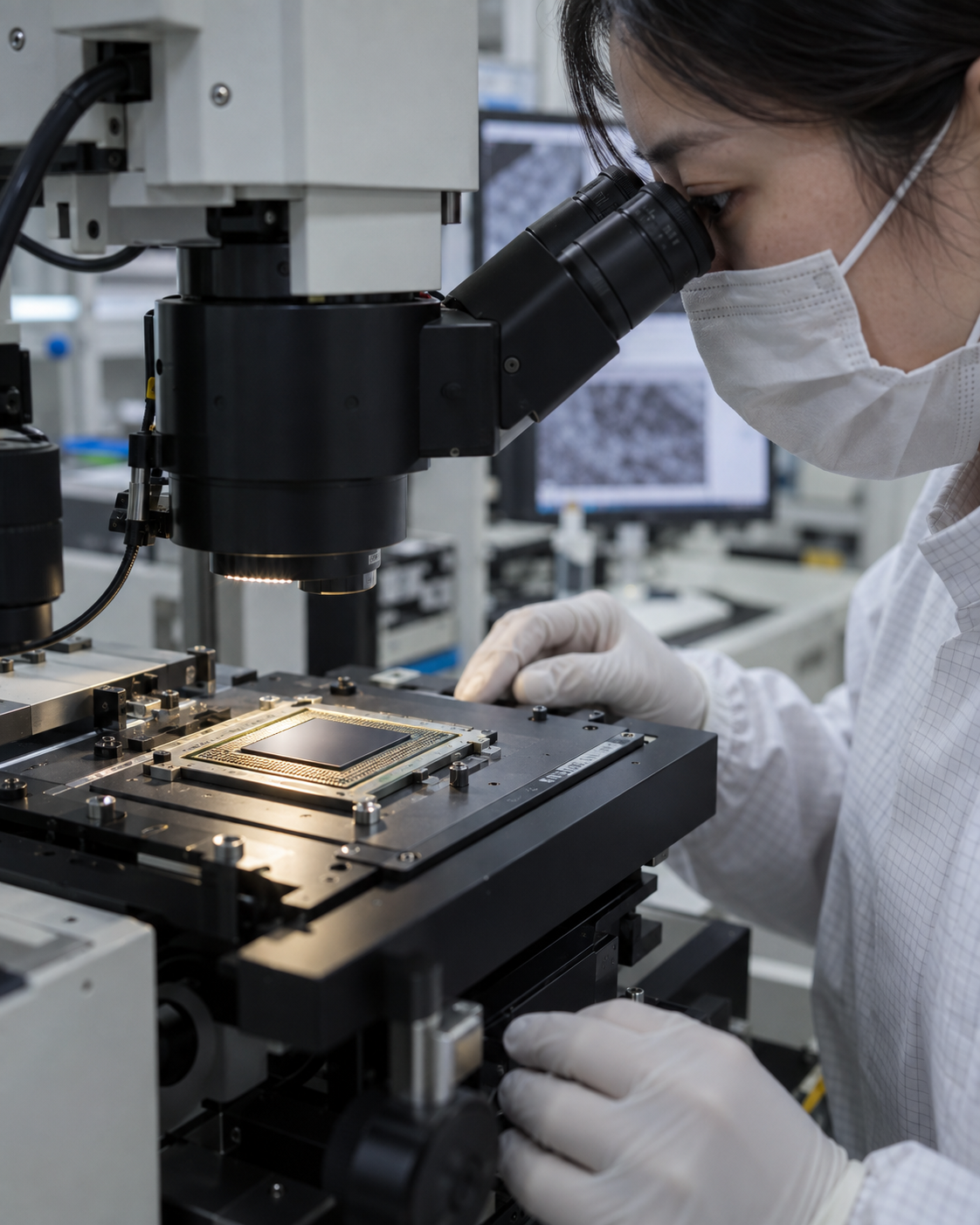
David Wang, Huawei’s Rotating Chairman, announced at a company event in Shanghai that the company plans to launch the Ascend 960DT in the first quarter of 2027 and the Ascend 960PR in the third quarter. This schedule appears to be part of a strategy to gradually expand the AI computing product lineup by introducing the two products at different times.
Based on the current announcement alone, it is difficult to confirm detailed specifications such as the manufacturing process, memory configuration, computational performance, and power consumption. Therefore, there isn't enough information yet to directly compare its performance to NVIDIA's latest accelerator.
The key point is that Huawei didn't just announce a one-off product; it provided a specific release schedule extending through 2027. One can also see an intention to provide AI infrastructure customers in China with a framework for developing long-term implementation plans.
| The Role of UnifiedBus
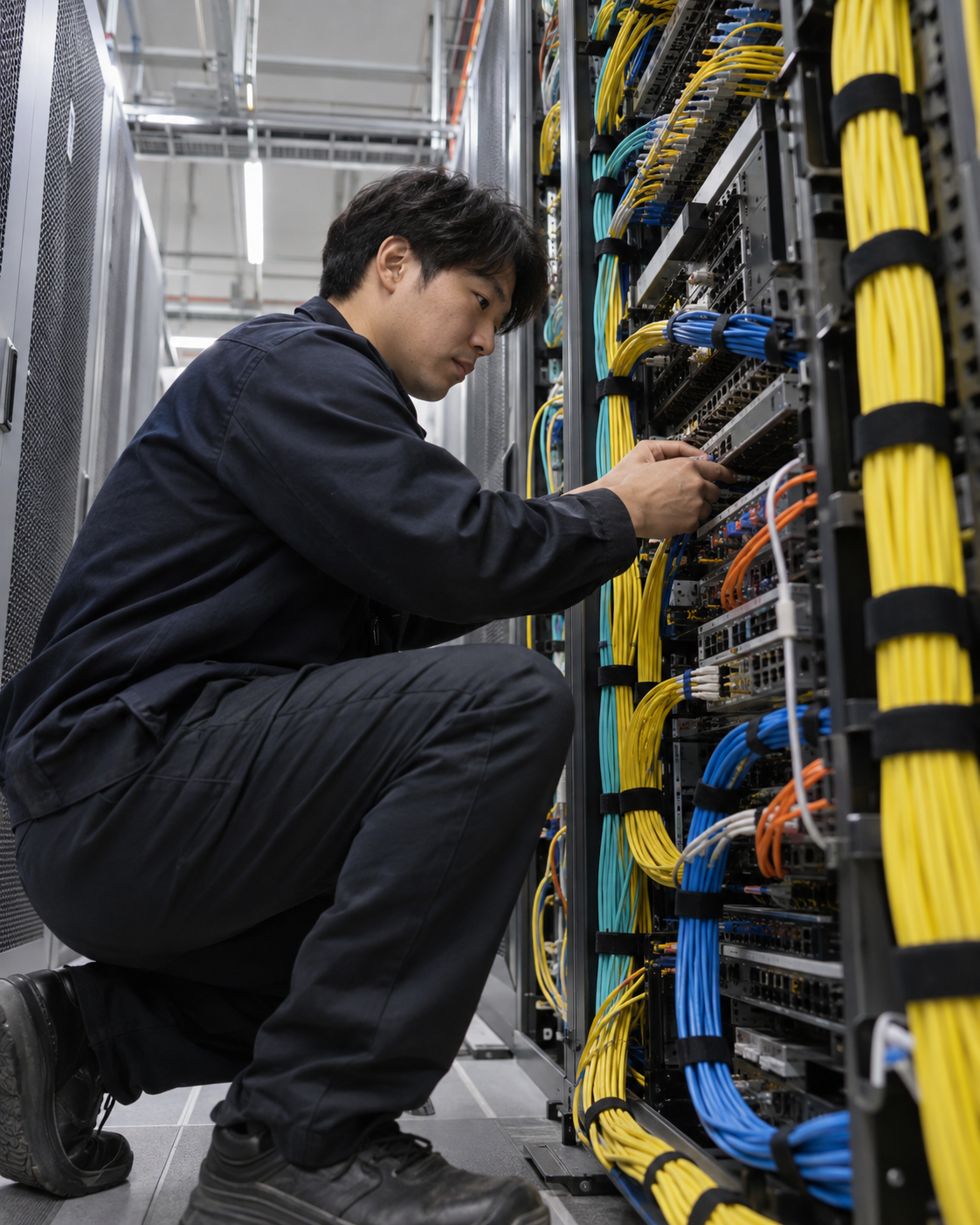
To train or run large AI models, numerous accelerators must exchange data rapidly. If the connection speed is insufficient during this process, the overall system efficiency may decline even if the number of chips is increased significantly.
Huawei described UnifiedBus as the core interconnect technology for next-generation large-scale AI systems. According to the company, it is designed to connect various types of chips and system resources at high speeds, enabling many processors to work together as a single computing resource.
Huawei announced that it has developed 11 types of semiconductors based on this technology. However, specific metrics used to assess the quality of large-scale networks—such as actual throughput, latency, and fault tolerance—were not disclosed in this report.
| Vision for a Supercluster with Up to 1 Million Processors
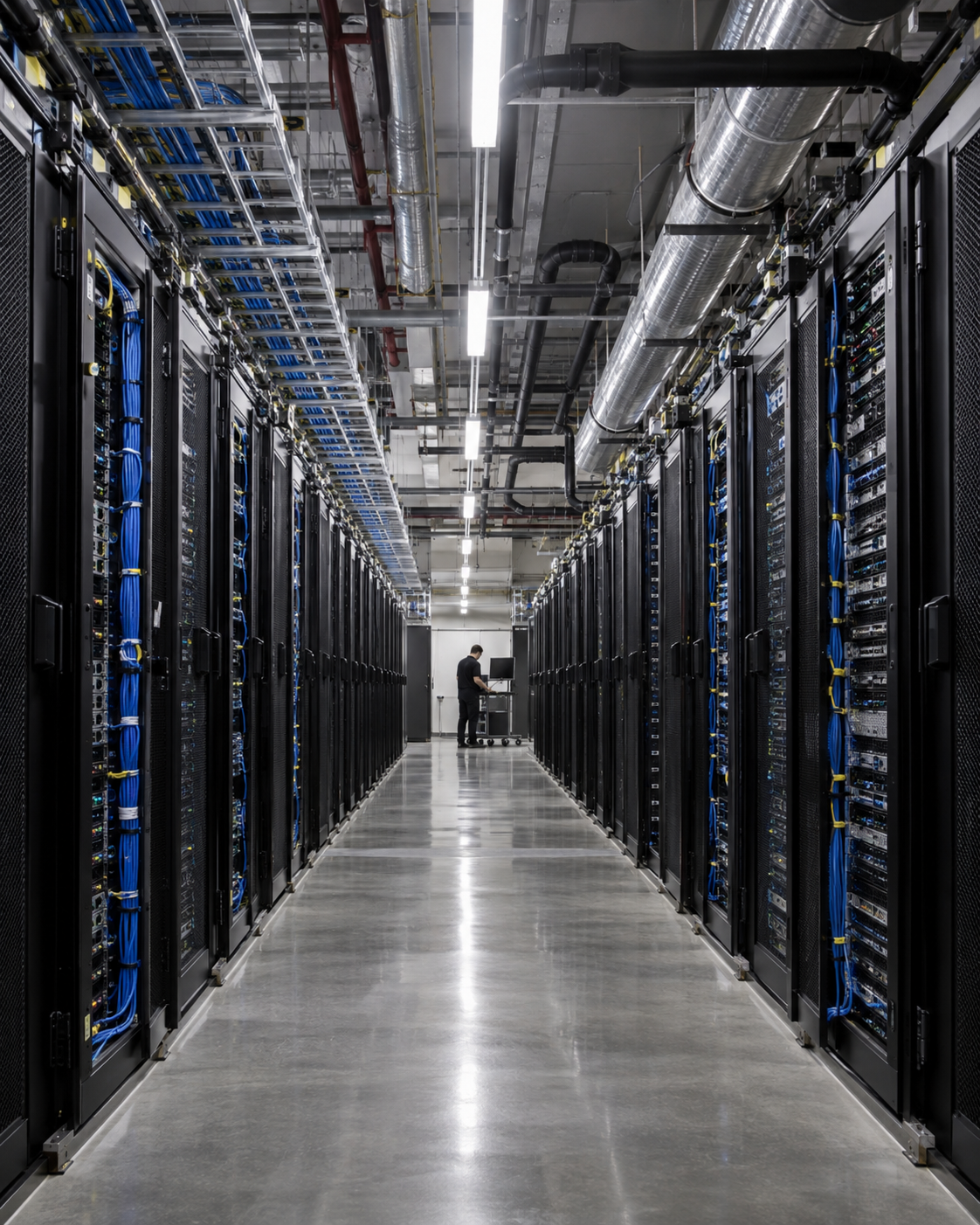
Huawei explained that its largest supercluster architecture can support up to 1 million AI processors. Rather than simply increasing the performance of a single chip, the strategy is to bundle a large number of chips on a massive scale to boost overall computing power.
With this type of scaling, not only network bandwidth but also power supply, cooling, fault management, and workload distribution software become equally important. Just because the maximum number of connections is large doesn't mean that the processing speed of actual AI tasks increases at the same rate.
Therefore, moving forward, we need to verify not only the scale of the physical system but also the training time, inference throughput, energy efficiency, and long-term operational stability. While the figure of 1 million provides some indication of the direction, actual competitiveness will likely be determined by the validation of the entire system.
| Supernodes Already Deployed and Customer Base
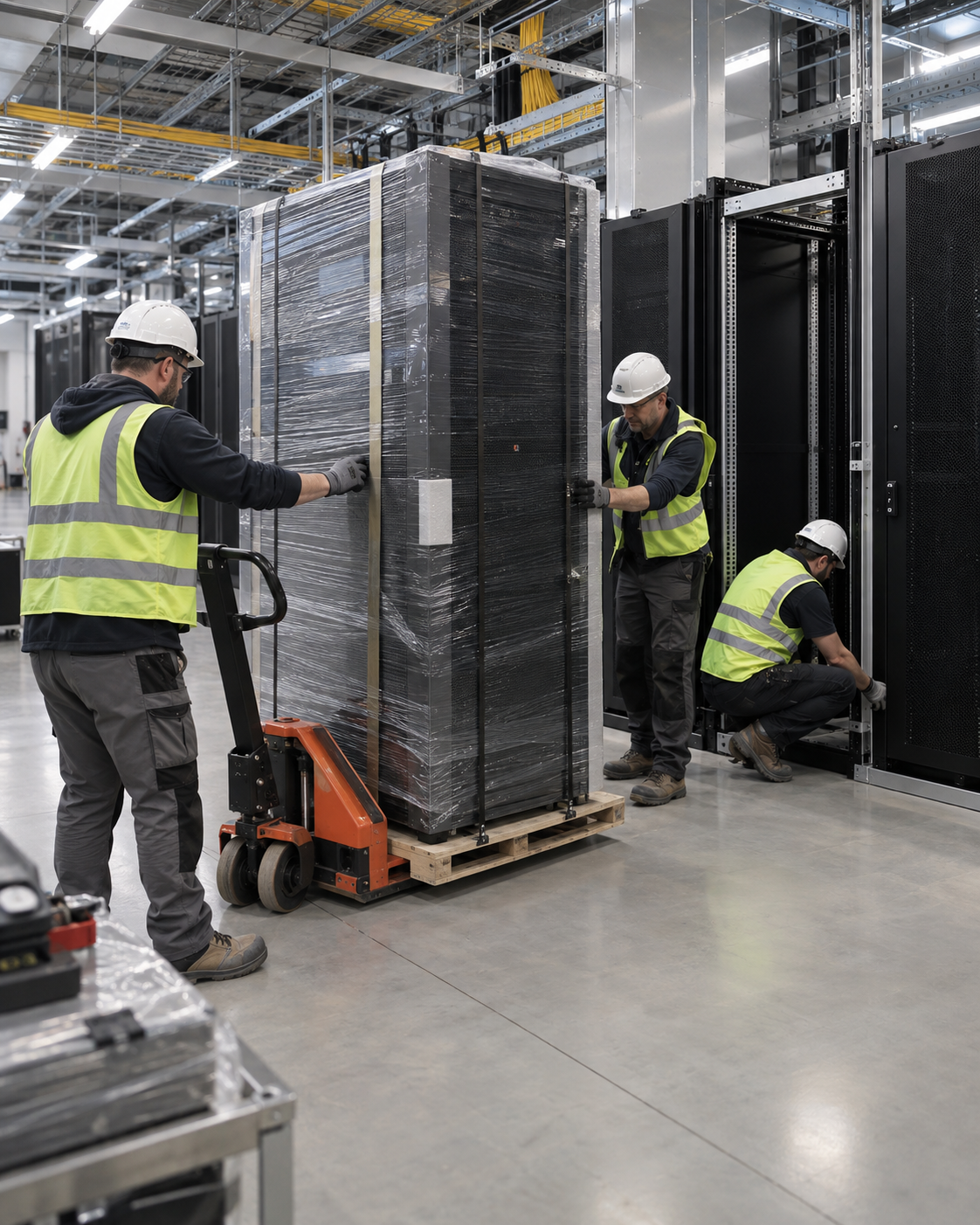
Huawei announced that it has supplied more than 1,000 supernodes to over 370 customers to date. A supernode is a relatively small system in which multiple AI chips are closely interconnected to work on a single task.
The company also stated that it has 5,270 monthly active developers. While this is part of an effort to grow the developer ecosystem alongside hardware supply, the company did not disclose its customer list, the quantity supplied to each customer, or the number of chips included in each supernode.
For this reason, it is difficult to determine the actual scale of use or utilization rate based solely on shipment volume. We’ll need to see specific details on customer case studies, software tools, and compatibility with existing AI frameworks before we can assess the depth of the ecosystem.
| Competing with NVIDIA in a Different Way

NVIDIA's strength lies not only in its accelerator performance but also in its vast ecosystem of development tools and user base centered around CUDA. Even if Huawei supplies the hardware, How easily developers can migrate their existing work is bound to be a key factor in the competition.
Another factor behind Huawei's strategy is the fact that U.S. export controls have made it difficult for Chinese companies to access certain advanced AI chips and manufacturing equipment. If it is difficult to freely obtain the most advanced single chips, the importance of connecting more of its own chips to secure the necessary computing power increases.
However, as the number of chips increases, communication bottlenecks and power costs may also rise. We need to see the actual performance and operating costs of UnifiedBus before we can determine whether Huawei's approach is economically competitive.
| What Has Been Confirmed So Far and What's to Come
What has been definitively revealed this time are the target launch quarters for the two chips, the connectivity strategy centered on UnifiedBus, and Huawei’s reported Supernode shipment figures. However, detailed specifications, pricing, and the actual customer deployment schedule for the 2027 products have not yet been announced.
Support for up to 1 million processors does not imply the completion of an actual commercial cluster or the validation of its performance. It is important to note that this design scale is based on Huawei's own description.
Going forward, the key points to watch will be whether product launches proceed according to schedule, whether communication efficiency and stability are maintained in large-scale systems, and how easily developers can migrate their existing AI workloads.
Tags
#Huawei #Huawei #Ascend960DT #Ascend960PR #UnifiedBus #AI Semiconductors #AI Accelerator #Supercluster #Data Center #Semiconductor Infrastructure #NVIDIA #Chinese Semiconductors