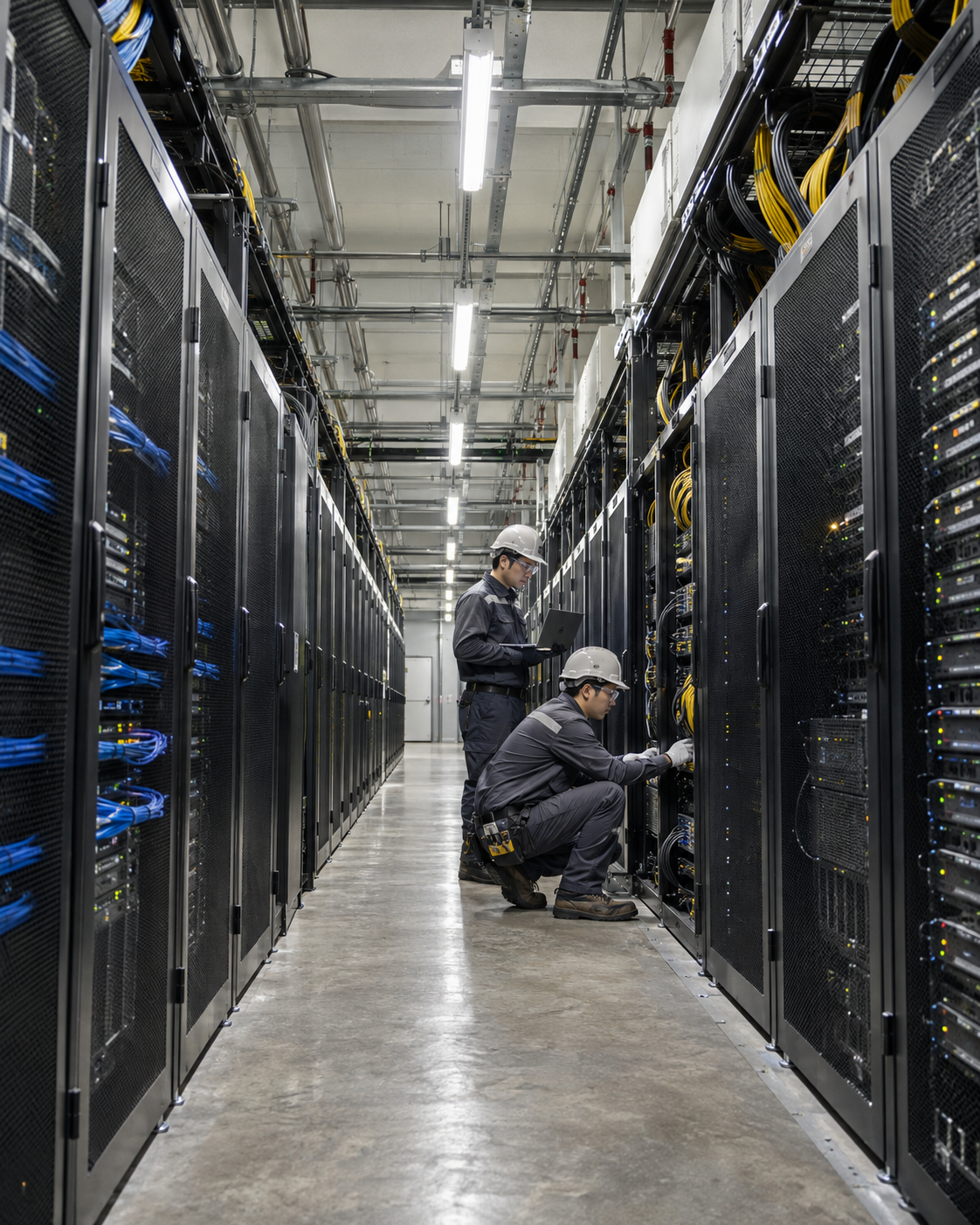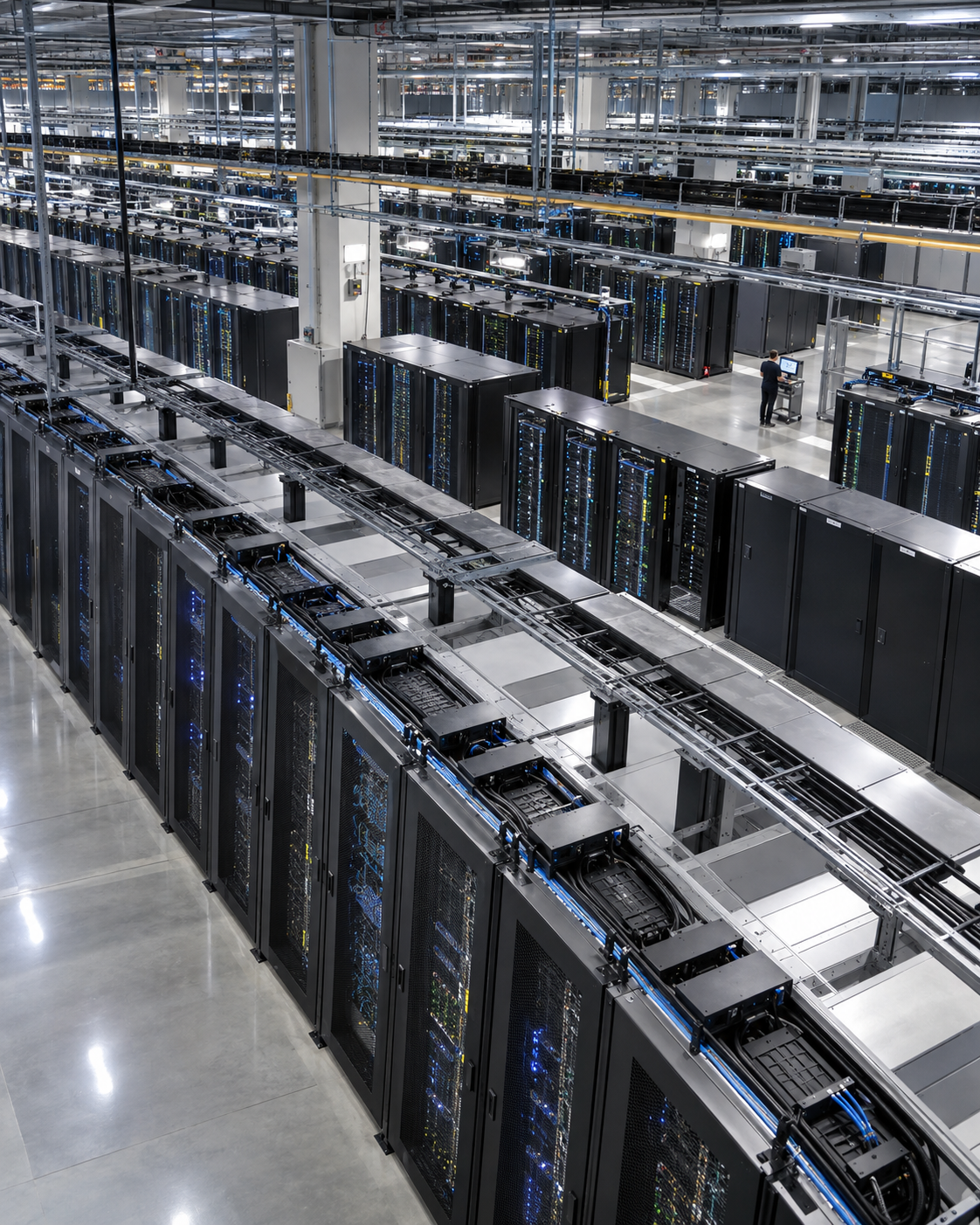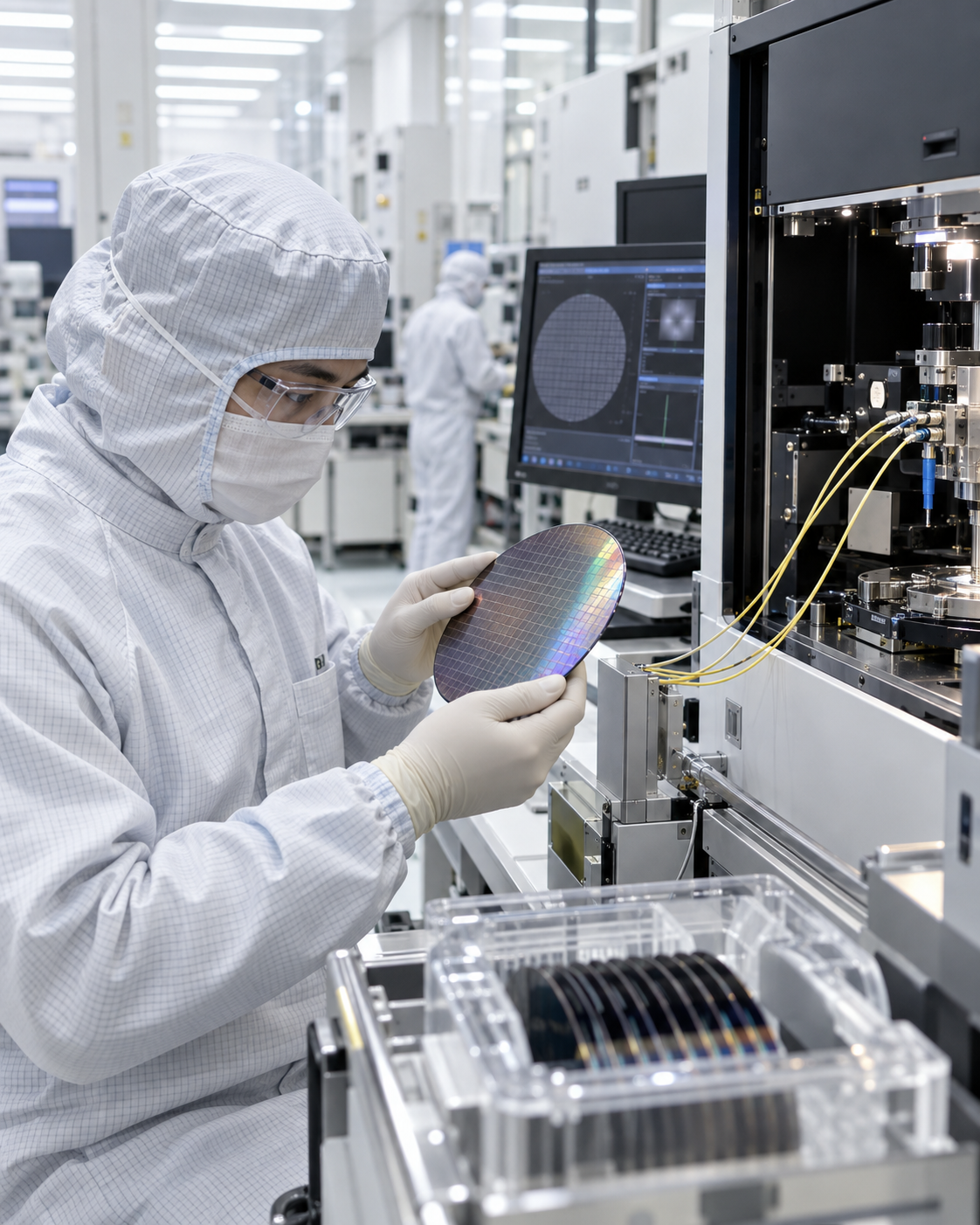
GlobalFoundries and Marvell have signed a multi-year agreement to expand production capacity for high-speed optical interconnect semiconductors for AI data centers. Production expansion is scheduled to take place at the GlobalFoundries plant in Burlington, Vermont.
The technology in question is silicon germanium (SiGe), a semiconductor made by combining silicon and germanium. It enables fast and power-efficient signal processing even at high frequencies, making it suitable for use in optical transceivers and next-generation optical interconnect devices.
This is significant because the competition in AI infrastructure is expanding beyond just GPU performance to include how quickly data can be transferred between accelerators and servers. However, the two companies did not disclose the investment amount, the additional production volume, or the completion date for the expansion.
| Turning Over a Decade of Collaboration into an Agreement to Expand Production
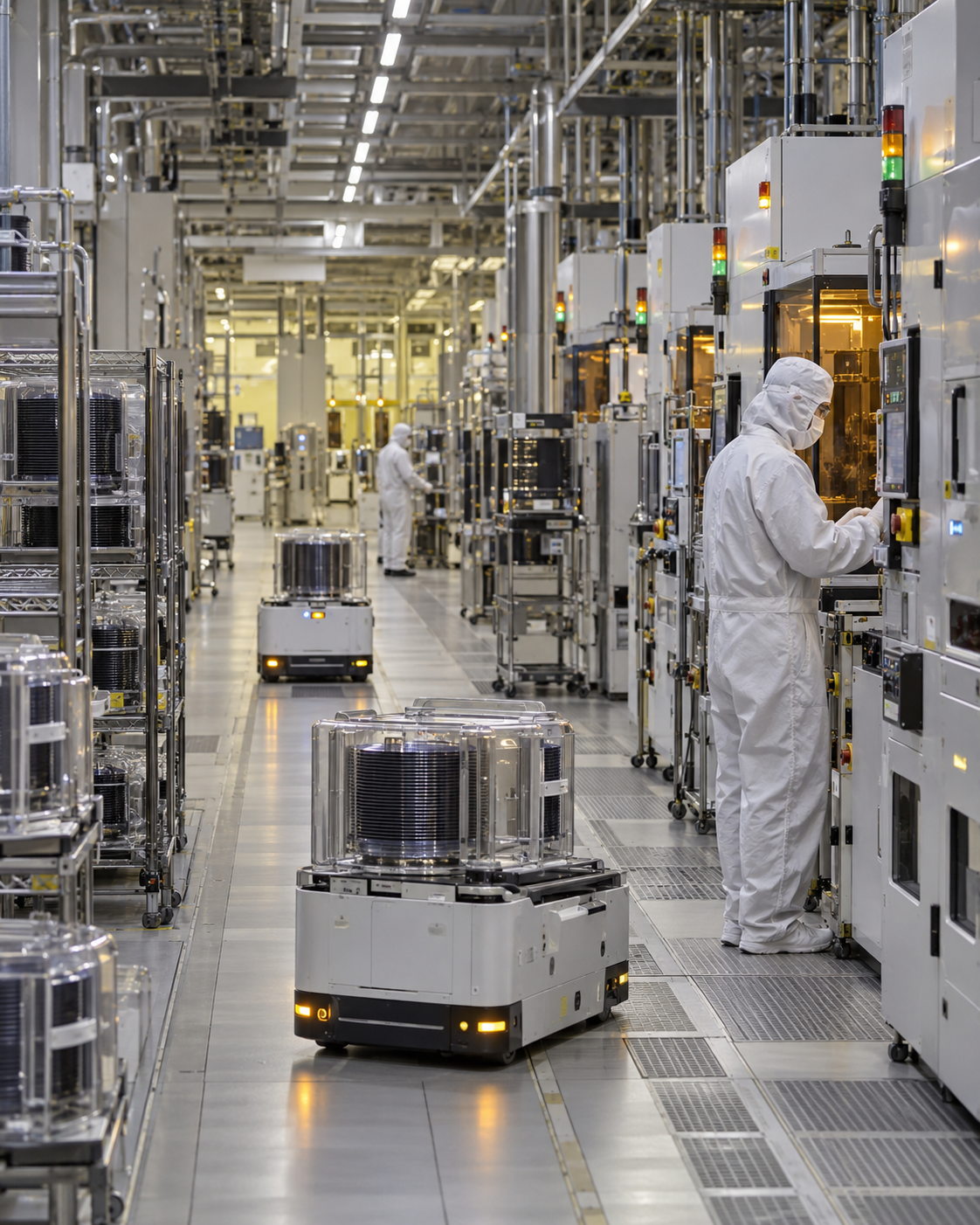
This agreement expands the partnership between GlobalFoundries and Marvell, which has been in place for more than 10 years. It is structured to gradually increase the SiGe production capacity needed for the optical networking semiconductors designed by Marvell over the coming years.
GlobalFoundries operates a SiGe process at its Vermont plant, and Marvell plans to use it to meet demand for products such as pluggable optical transceivers, NPOs, and CPOs. Securing long-term production capacity can help ensure a stable supply of chips when customer orders increase.
However, while the fact that it is a multi-year contract has been disclosed, the purchase volume, minimum supply obligations, and pricing terms remain unknown. The actual scale of the expansion and the financial impact on both companies will need to be confirmed through future investment plans or production results.
| Why SiGe Is Used in Optical Communications
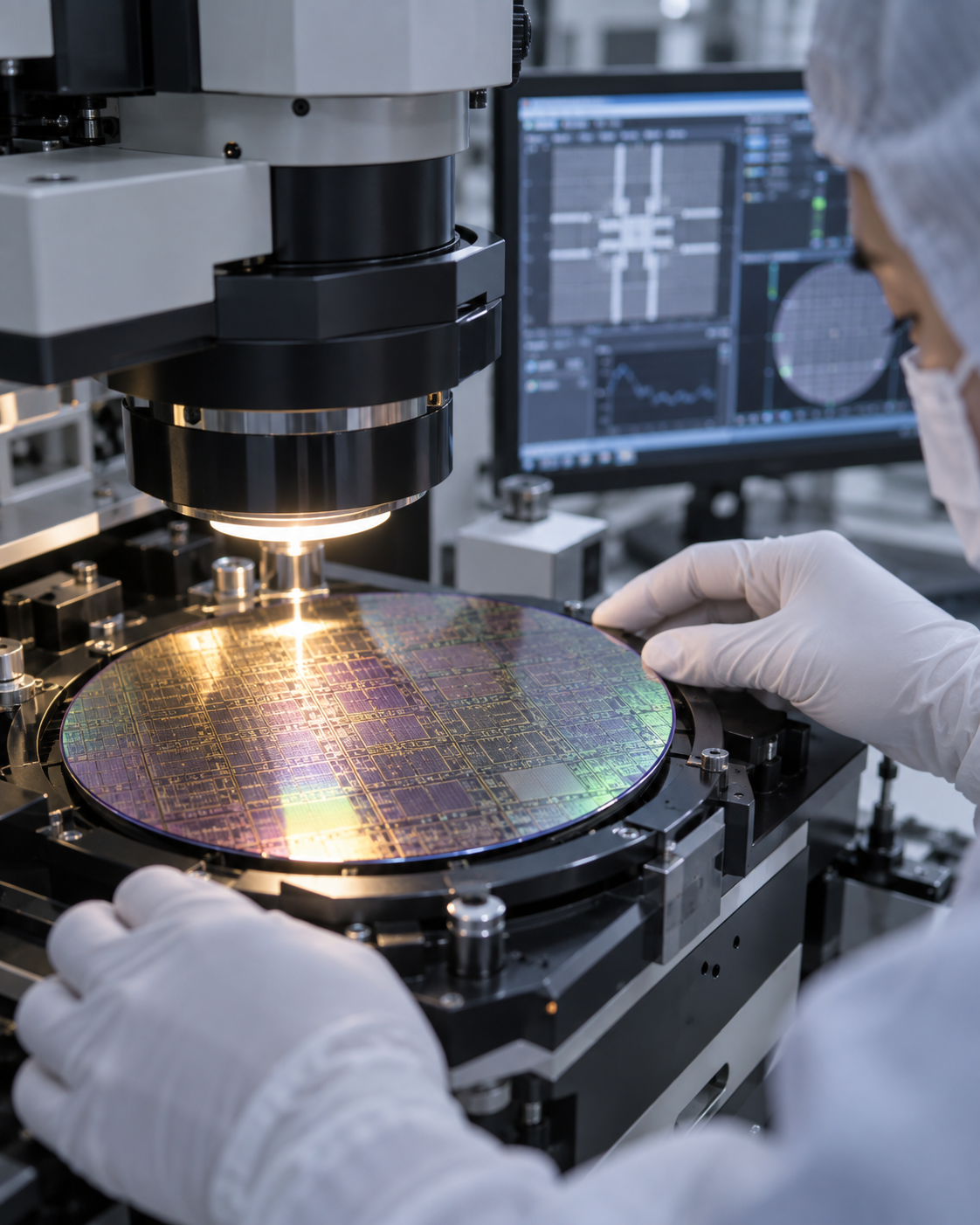
SiGe is a technology that combines germanium with conventional silicon processes to enhance electron mobility and high-frequency performance. It is advantageous for ensuring signal quality and power efficiency in optical communication transceiver circuits that handle very high-speed electrical signals.
Even though fiber optics transmit data as light, electrical and optical signals must be converted back and forth inside servers and switches. If the components used in this conversion process—such as drivers and amplifiers—are slow or consume a lot of power, overall network performance can suffer.
GlobalFoundries has announced that its current SiGe technology supports optical interconnects at speeds of up to 200 Gbps per lane. While the company is developing a technology roadmap to support future generations with even higher speeds, no specific mass production schedule has been disclosed.
| The Shift from Plugable to NPO and CPO

A pluggable optical transceiver is a replaceable optical module that is inserted into a slot on the front of network equipment. While they are easy to maintain and widely used, power loss can increase as data speeds rise due to the transmission of electrical signals between the switch chip and the module.
NPO stands for Near-Packaged Optics, which refers to placing optical components close to the switch chip. CPO stands for Co-Packaged Optics, which refers to integrating optical components even closer—at the package level—with computing or switch chips.
Bringing optical devices closer to the chip reduces the distance that high-speed electrical signals must travel, thereby lowering power consumption and signal loss. However, since thermal management, packaging, and repair and replacement procedures become more complex, there are still many variables regarding which architecture data center operators will adopt and how quickly they will do so.
| As GPUs get faster, the load on the network also increases
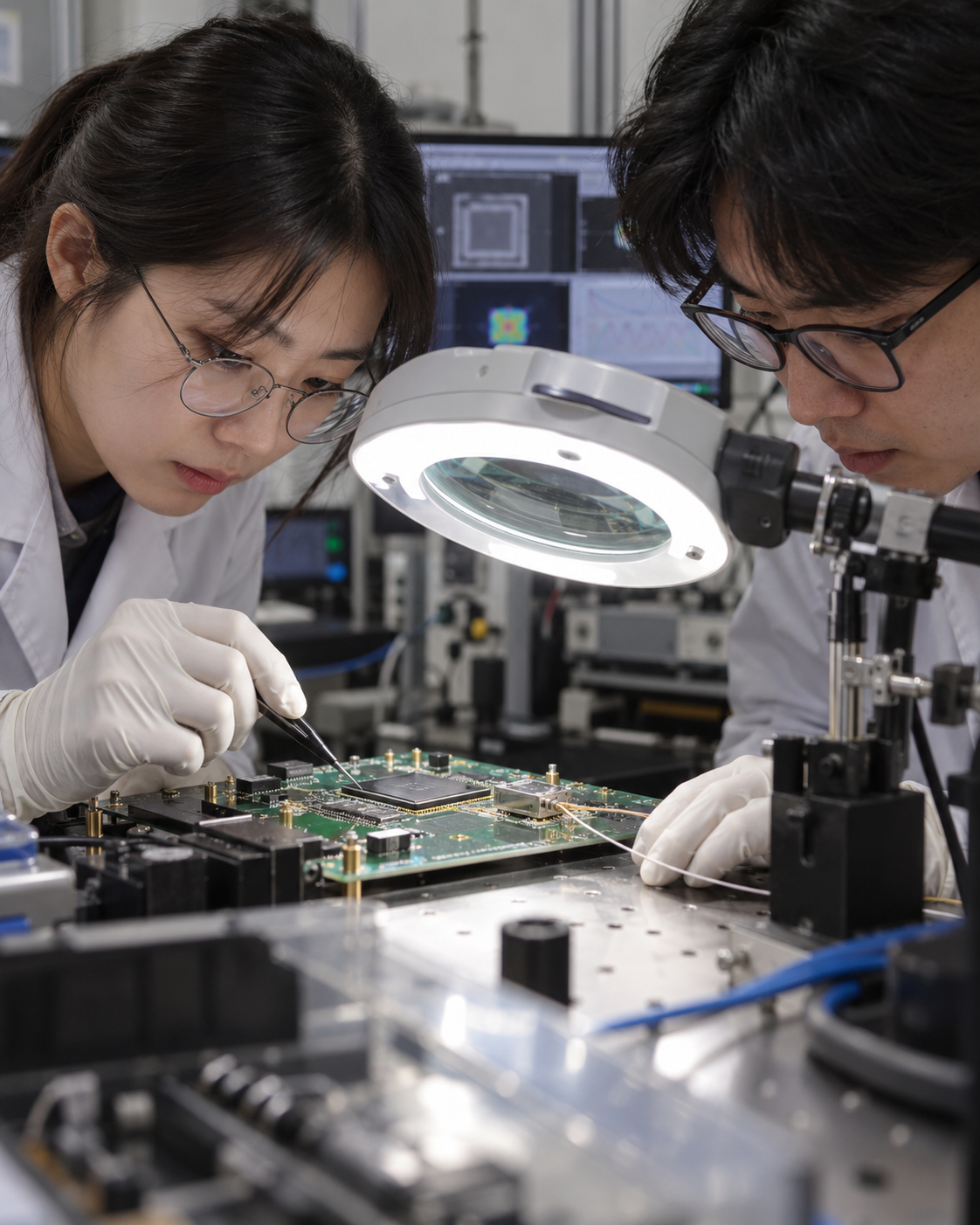
In the training of large-scale AI models, thousands or more accelerators divide up a single task and process it together. Even if one device finishes its calculations, if it cannot quickly exchange results with other devices, the GPU ends up waiting for data, resulting in increased idle time.
For this reason, Along with accelerator performance, switch bandwidth, optical link speed, and network latency determine the overall efficiency of the AI system. That's why performance doesn't increase proportionally just by adding more GPUs.
The agreement between Marvell and GlobalFoundries is aimed at addressing this connectivity bottleneck. It illustrates a trend in which the focus of AI investment is expanding beyond accelerators to include optical semiconductors, packaging, and network equipment.
| The Significance of Expanding Production Capacity in the United States
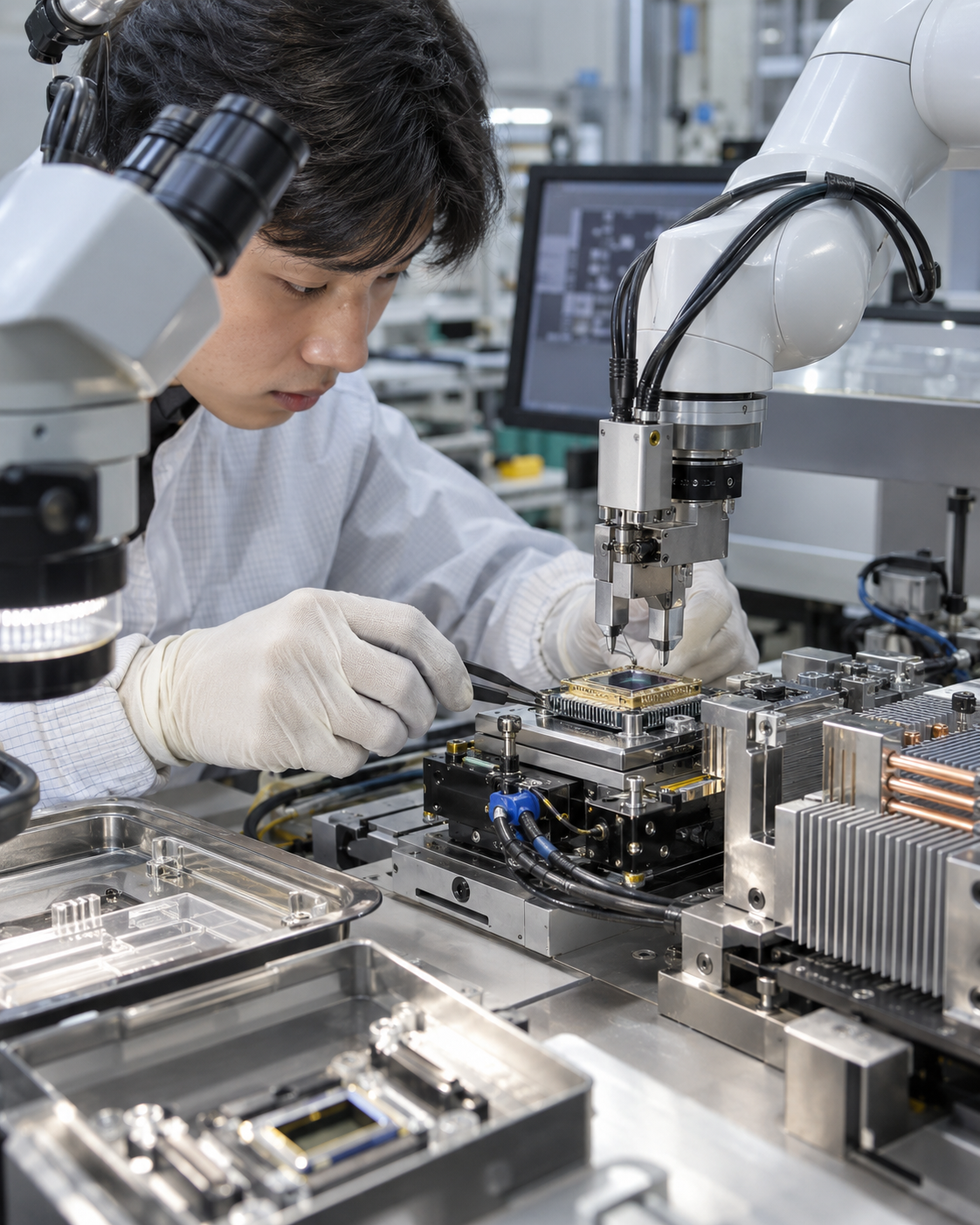
The Burlington plant, where production takes place, is located in the United States. The ability to expand the supply chain for key data center components within the U.S. could offer major cloud customers advantages in terms of procurement stability and policy compliance.
Although SiGe is a specialized process that differs from cutting-edge logic chips, it plays an important role in the fields of optical communications and radio frequency. Not all competition in the semiconductor industry hinges solely on the smallest process nodes; processes optimized for specific applications and long-term mass production experience can also be competitive advantages.
However, The fact that it's made in the U.S. doesn't automatically guarantee lower costs. Only by meeting customer demand and yield targets while covering the costs of equipment investment, labor, and electricity can a company achieve true competitive advantage in supply.
| Uncertainties That Remain Despite Market Expansion
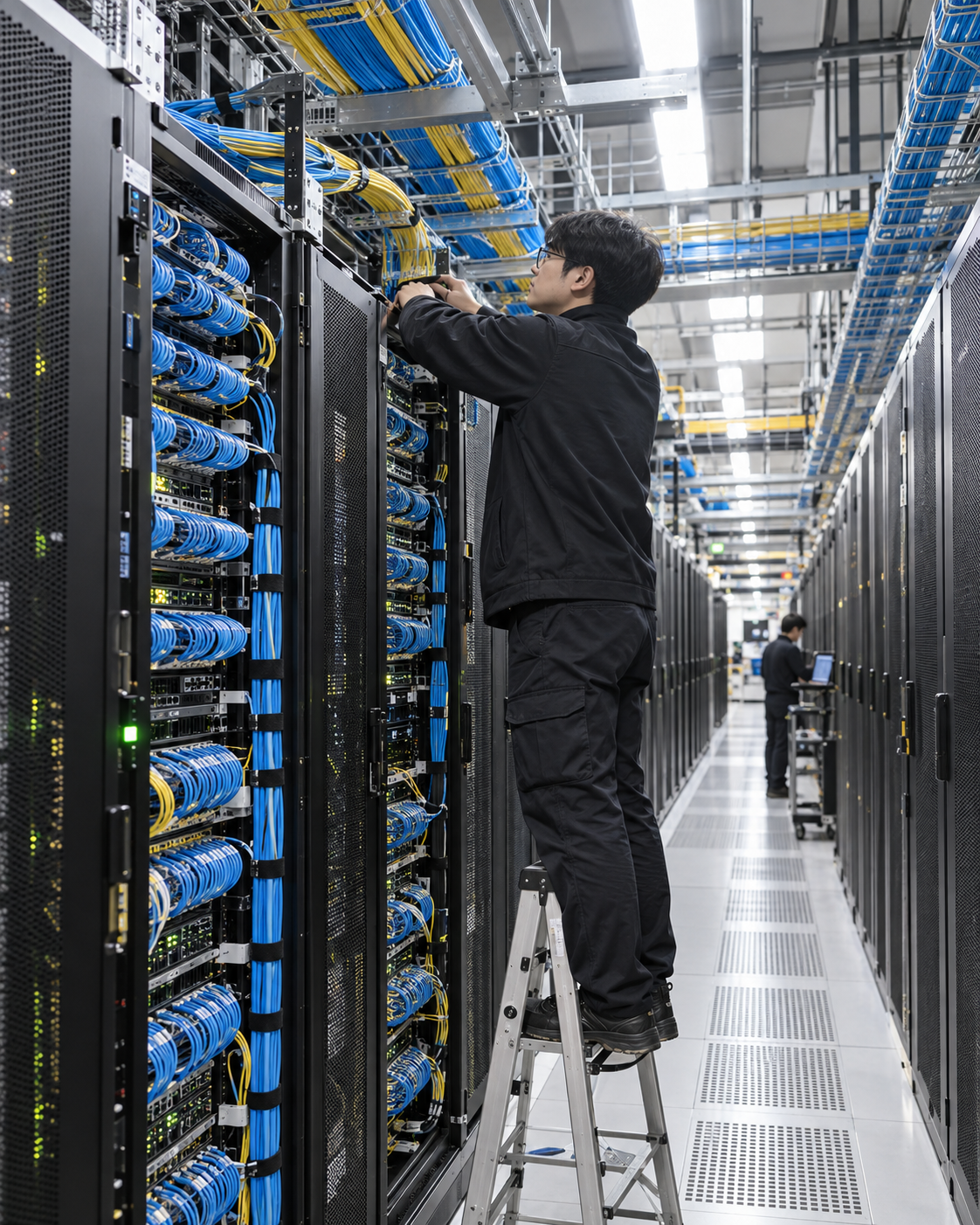
Both companies anticipate that demand for bandwidth in AI and cloud data centers will continue to grow. However, the pace at which NPO and CPO replace existing pluggable architectures may vary depending on the choices made by equipment manufacturers and data center operators.
While the new optical design can improve power efficiency, it must address package thermal issues, component repairability, standardization, and overall system cost. It is difficult to conclude that technical advantages will automatically lead to widespread adoption.
Another limitation of this contract is that the extent of the increase in production capacity and the customer shipment schedule have not been disclosed. Going forward, we need to verify the actual wafer input volume, sales of optical communication products, and the start date for mass production of post-200 Gbps-per-lane generations.
| A Contract That Shows Where the Bottlenecks Are Shifting in the Age of AI

This announcement confirms that the two companies will expand SiGe production capacity at the Vermont plant over the next several years to support demand for Marvell's next-generation optical networking products. The investment amount, production volume, and completion date have not yet been disclosed.
The importance of the contract lies in the fact that the performance of an AI system cannot be explained solely by the number of accelerators. If the optical interconnects used to transfer data between computing units are slow or consume too much power, expensive GPUs cannot be fully utilized.
Going forward, we need to keep an eye on the actual adoption rates of NPO and CPO, GlobalFoundries’ capacity expansion progress, and the increase in Marvell’s optical communication product shipments. This will serve as an indicator of how quickly the competition for AI infrastructure investment is shifting from computing to connectivity and packaging.
Tags
#GlobalFoundries #Marvell #SiGe #Silicon-Germanium #Optical Communications #Data Center #AI Infrastructure #Optical Transceiver #NPO #CPO #Semiconductors #Network #U.S. Semiconductors