Dutch semiconductor company Nexperia and India's Tata Electronics have announced a strategic partnership covering everything from wafer manufacturing to assembly and testing, as well as technology development. The key is that it brings together both the front-end and back-end of the semiconductor supply chain under a single collaborative framework.
The two companies plan to lay the groundwork for manufacturing Nexperia’s MOSFET product line at the 300mm semiconductor fab that Tata Electronics is building in Dholera, Gujarat, India. They will also collaborate on the assembly and testing of Nexperia’s individual semiconductors at the packaging facility in Jagroad, Assam.
Tata Electronics is investing a total of $14 billion in the two facilities. However, this figure represents the total amount of existing investment in the Dolea fab and the Jagroad facility; the specific contract amount for this new partnership with Nexperia has not been disclosed.
| Covering the three areas of the semiconductor supply chain together
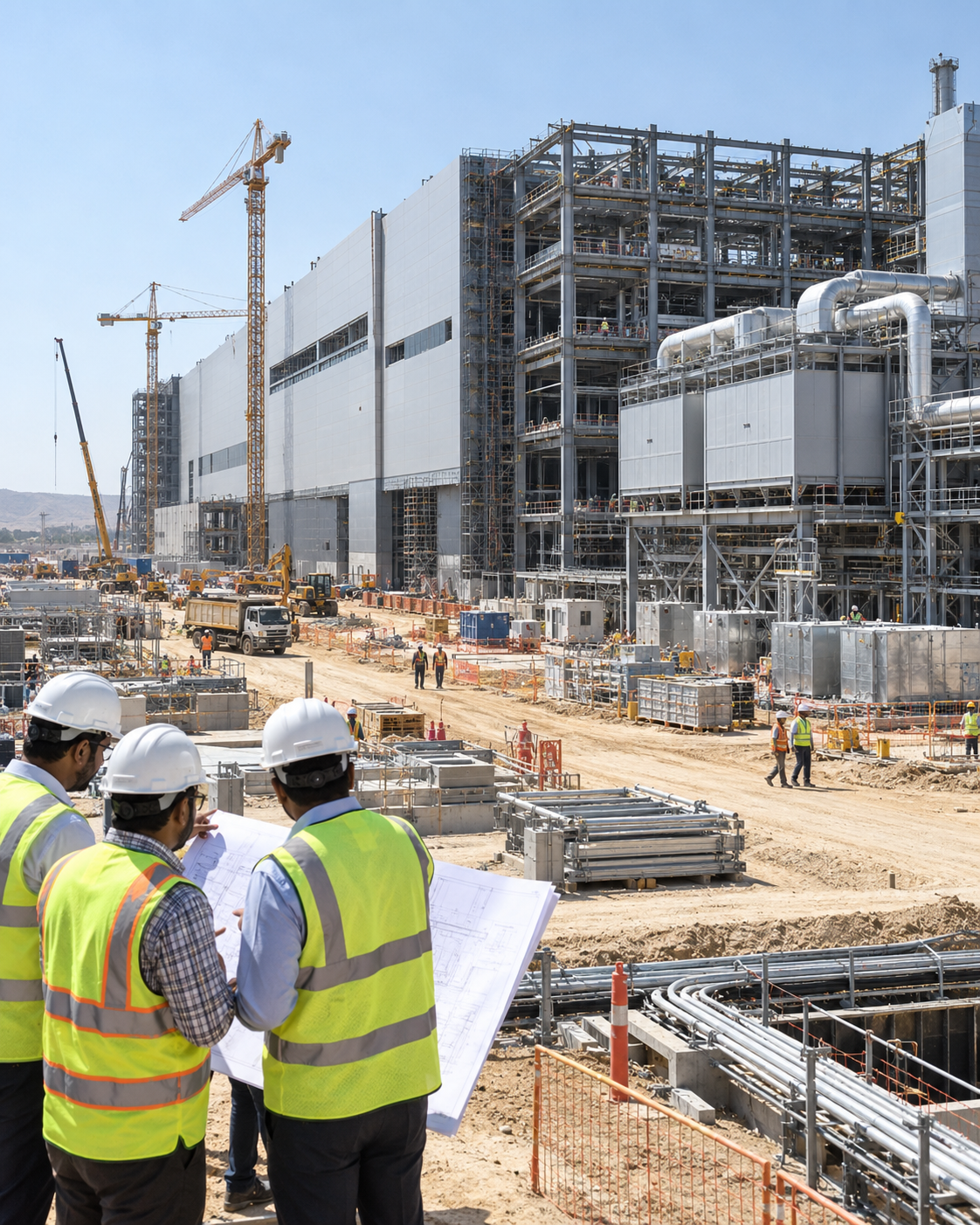
This collaboration is divided into three areas: front-end wafer manufacturing, back-end assembly and testing, and technology and ecosystem development. It has a broader scope than a single contract for the contract manufacturing of a specific product.
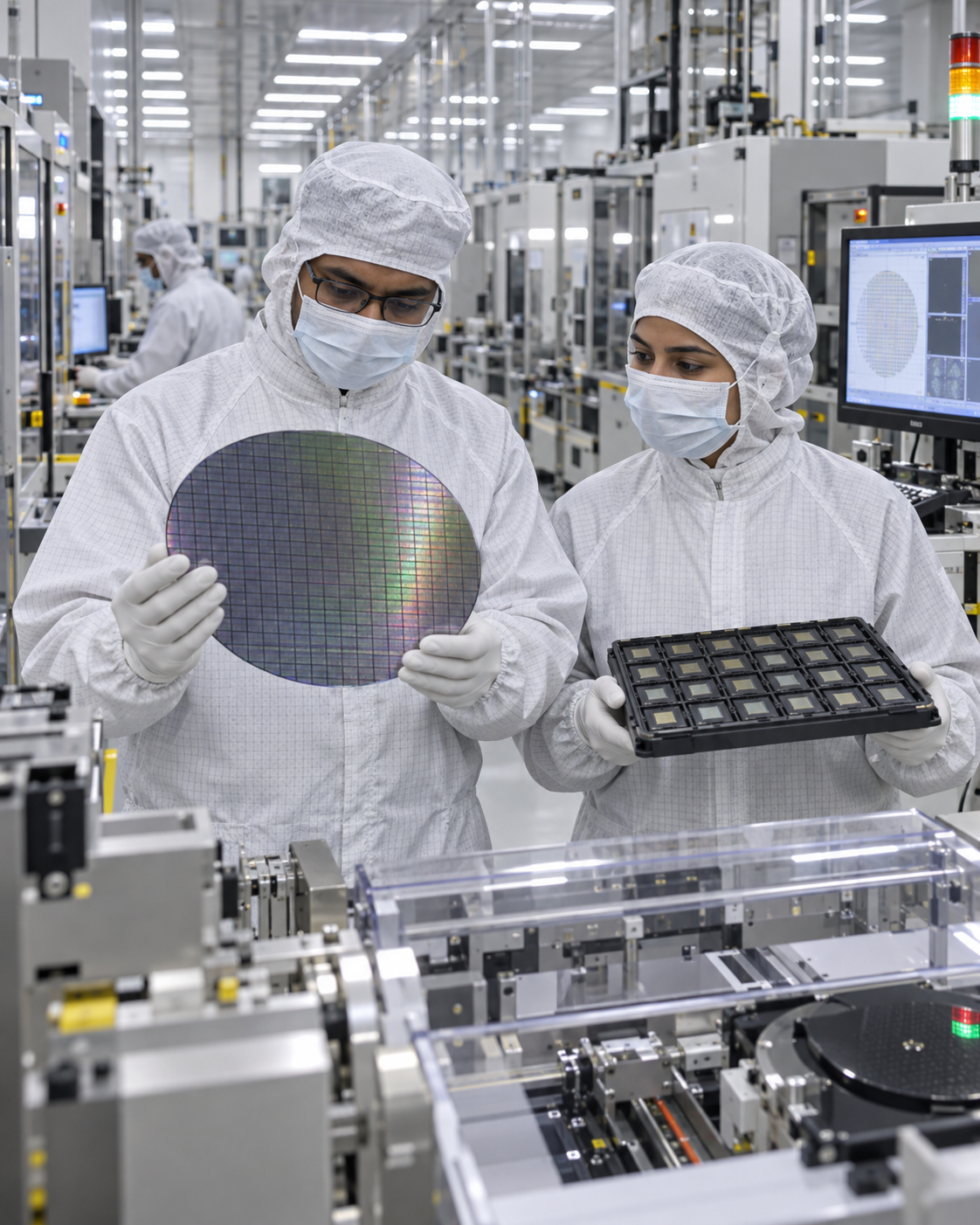
Wafer manufacturing involves the process of creating circuits and devices on silicon wafers. During the assembly and testing stages, chips cut from the wafers are placed into packages, and their electrical performance and reliability are tested to produce the final product.
Technology development and research, as well as the creation of a supplier ecosystem in India, are also part of the scope of the long-term partnership. However, the official announcement merely outlined the framework for the partnership, and They did not disclose the quantities, production start dates, or pricing terms for each product.
| Plans to Produce MOSFETs at the Dolea 300mm Fab
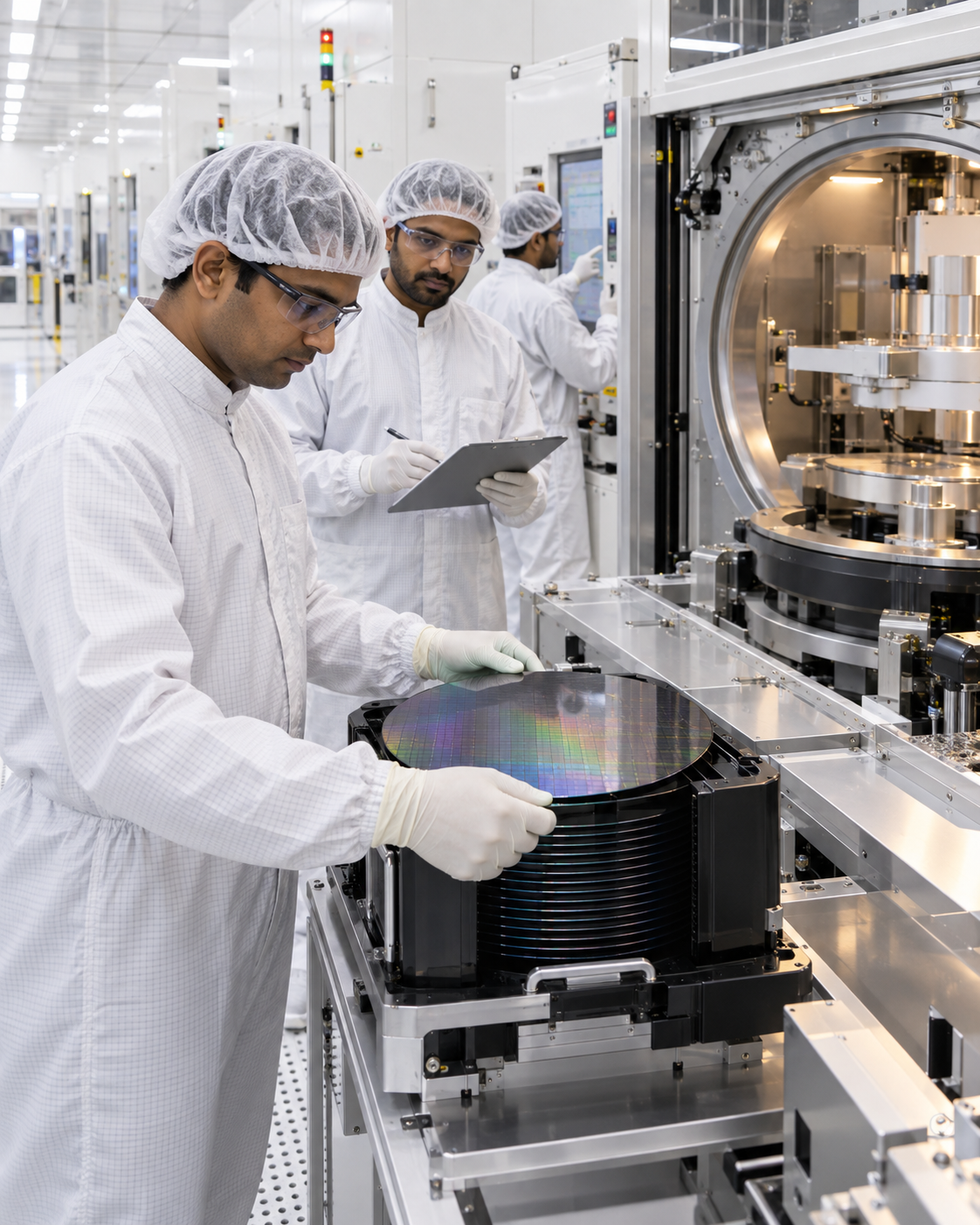
The key to this front-end collaboration is to establish the foundation for manufacturing Nexperia’s MOSFET product line at Doleara’s 300mm fab. MOSFETs are semiconductors widely used to switch current on and off or control power, and they are found in automobiles, industrial equipment, power supplies, and home appliances.
"300mm" refers to the diameter of a circular wafer. Since more chips can be produced from a single 300mm wafer than from a 200mm wafer, it offers advantages in achieving economies of scale in mass production, but it also requires a larger initial investment in factories and equipment.
The official announcement stated that the two companies are laying the groundwork for production. Since the Dolea plant is still under construction, This does not mean that Nexperia products will go into mass production immediately; they must first undergo process certification, yield verification, and customer approval.
| Collaboration on assembly and testing at Jigaroad
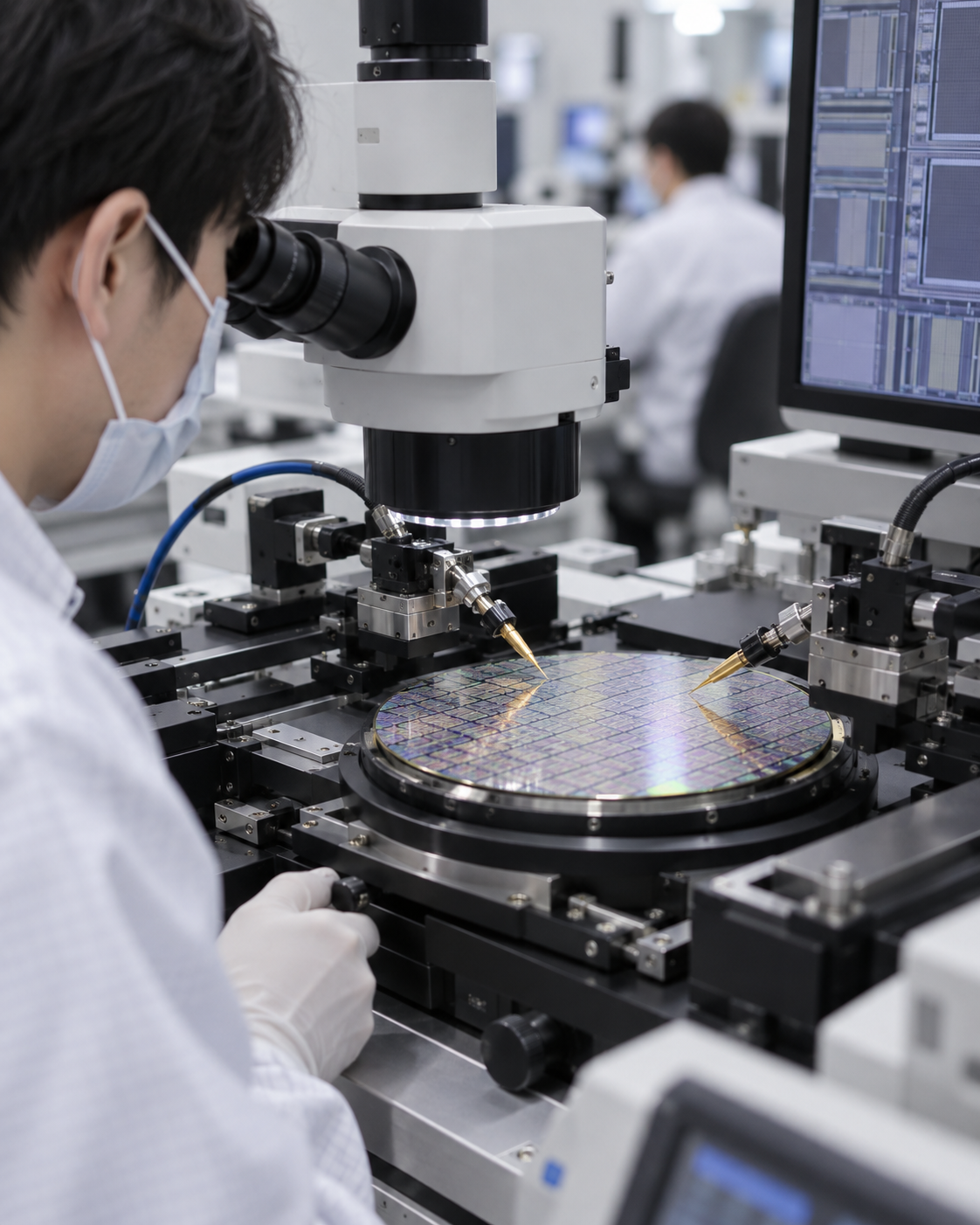
Behind the scenes, Tata Electronics plans to assemble and test Nexperia’s individual semiconductors at a facility it is building in Jagarhade, Assam. The goal is to establish a structure that integrates all processes—from wafer production to packaging—within India.
Packaging isn't just about wrapping a chip. It involves electrical connections, heat dissipation, protection against external impacts, and determining the size of the finished product; in fields that require high reliability—such as automotive products—strict quality control is essential.
Operating both the front and back ends together can reduce logistics movements and dependence on production facilities in specific countries. On the other hand, since both the stabilization of production processes and staff training at the two new facilities must occur simultaneously, it is crucial to determine whether mass production can be achieved as planned.
| $14 billion is not the amount of this contract
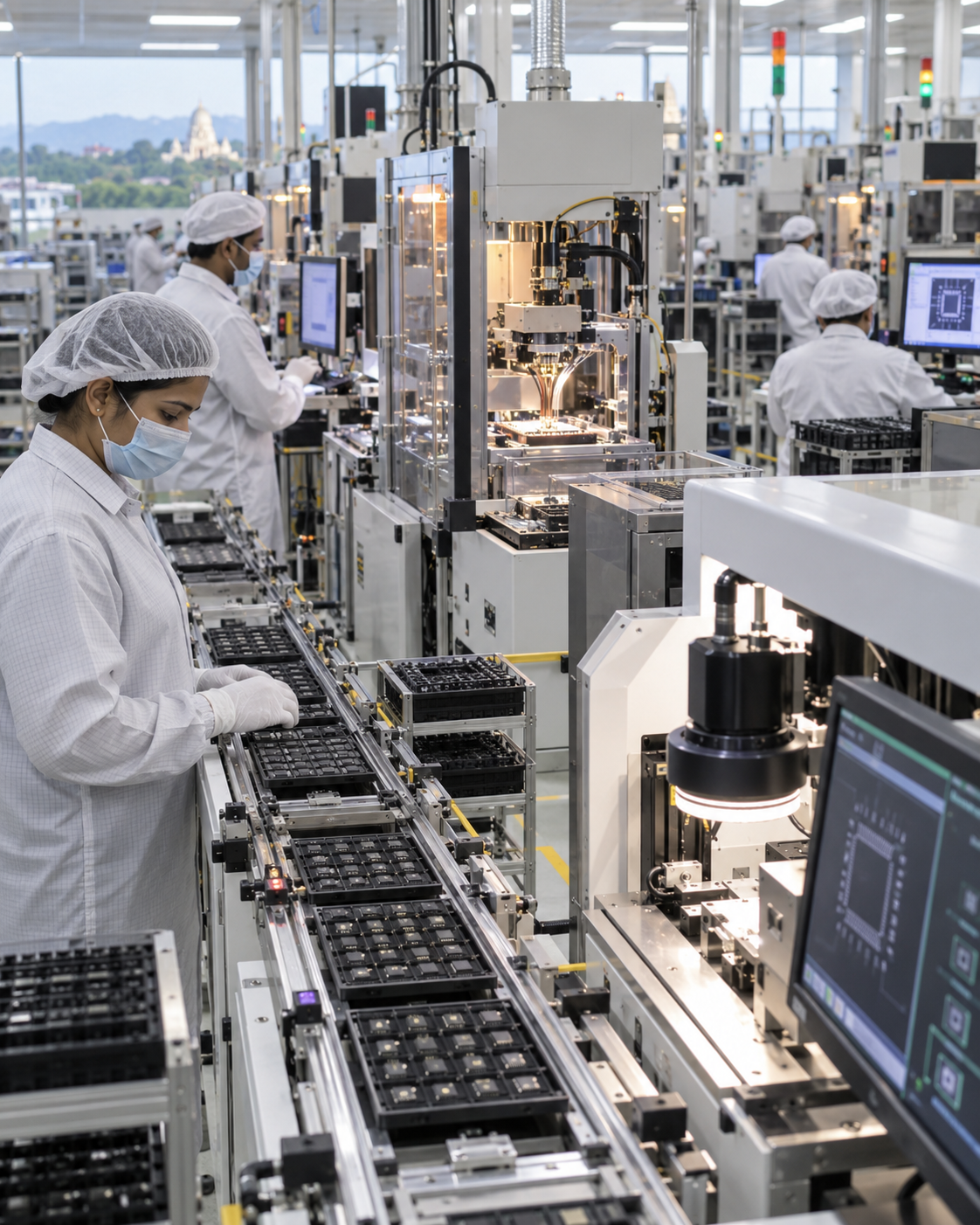
Tata Electronics is building India's first commercial semiconductor fab in Doleara and a domestic assembly and testing facility in Jairoad. The total investment in the two projects amounts to $14 billion.
According to a Reuters report, the Dolea fab is reportedly valued at approximately $11 billion, while the Zygroad packaging facility is valued at approximately $3 billion. These figures represent Tata's total investment in its manufacturing base, which will serve multiple customers and products.
Nexperia and Tata did not disclose the specific financial terms of this partnership. Therefore, It would be incorrect to say that a new contract worth $14 billion was signed, and...This should be understood as a plan to utilize part of the production capacity of the $14 billion facility for future collaboration.
| Supply chain diversification is particularly important for Nexperia
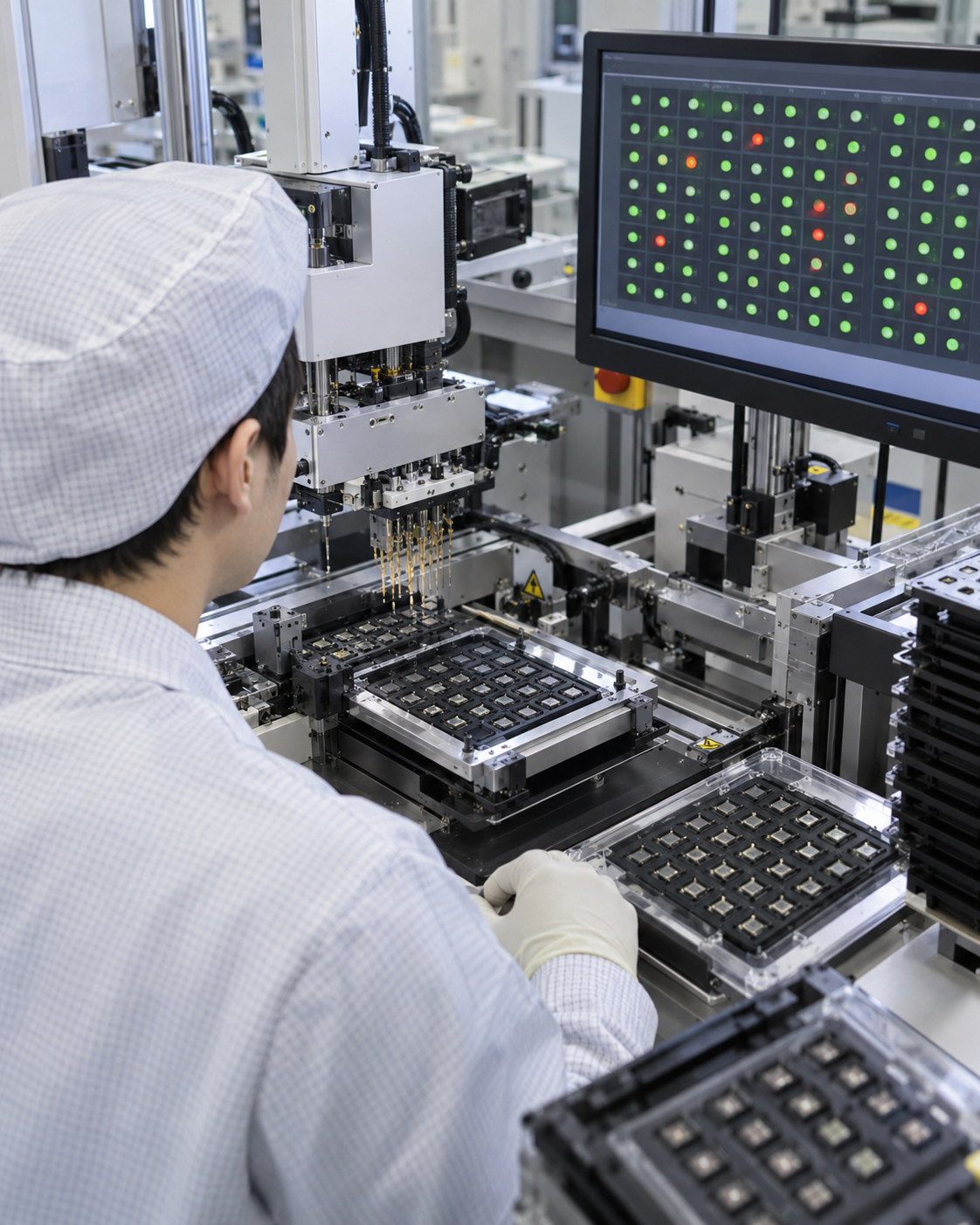
Nexperia supplies discrete, power, and analog semiconductors used in automotive, industrial, and consumer electronics applications on a large scale. With annual shipments exceeding 100 billion units, disruptions in specific assembly regions or logistics routes could impact customer production.
Reuters reported that this partnership was announced amid a situation where Nexperia’s supply chain had become fragmented by country following a control dispute with its Chinese parent company, Wingtech. In 2025, government measures and export restrictions continued, causing uncertainty regarding automakers’ chip procurement.
The production base in India could be an option for Nexperia to create a more regionally balanced manufacturing network. However, it has not yet been disclosed to what extent the new plant will replace existing production facilities or which customer products will be moved first.
| India offers opportunities to expand the manufacturing ecosystem rather than just design
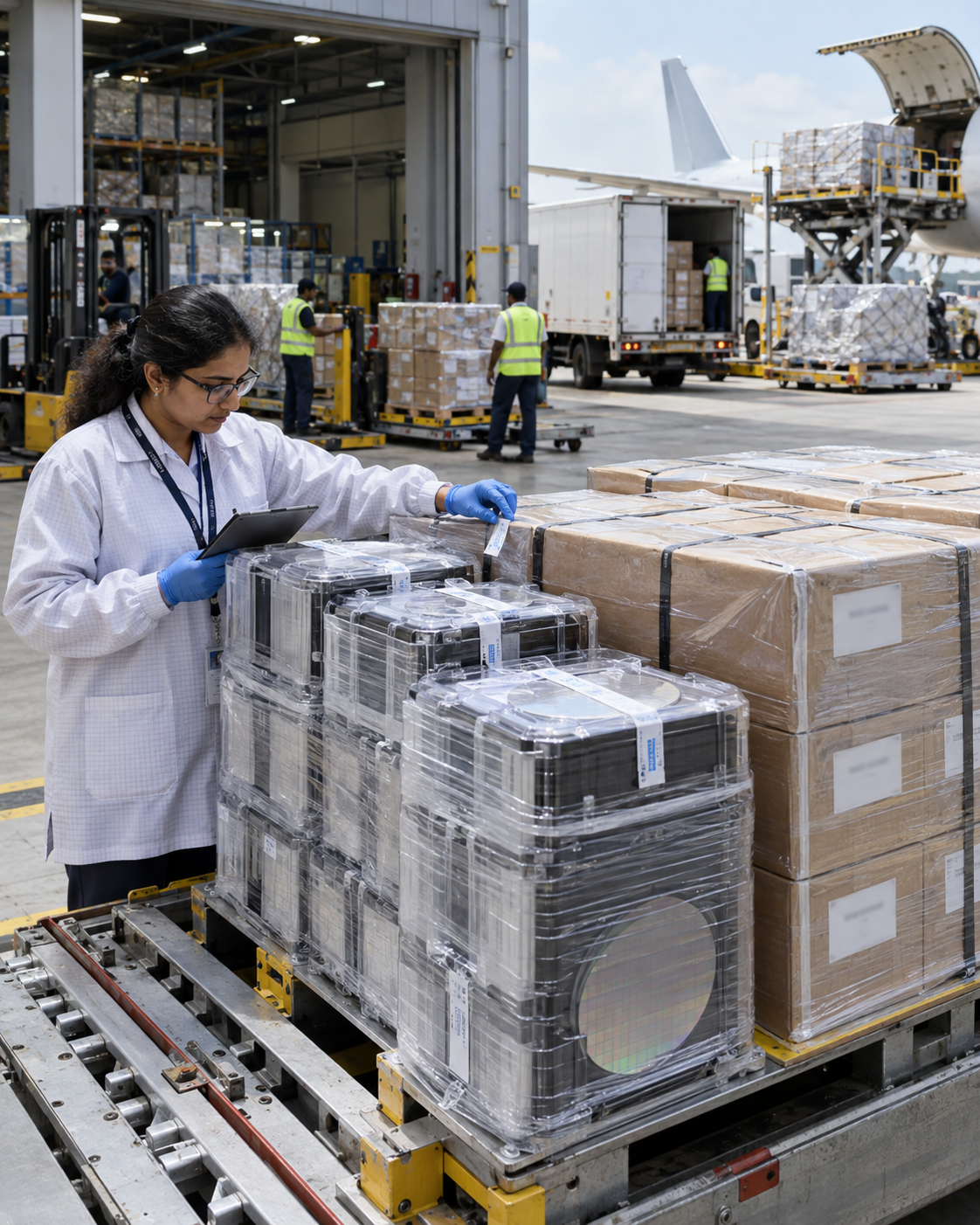
While India has an abundance of talent in semiconductor design and software, its large-scale commercial wafer manufacturing infrastructure has been relatively limited. Tata’s Doleara fab and Jagroad facility are prime examples of projects aimed at establishing both front-end and back-end operations domestically.
The partnership with Nexperia doesn't end with just building a factory; it can also help ensure that actual mass-produced products meet quality standards. It could also serve as an opportunity to bring together local companies specializing in equipment, materials, components, logistics, and workforce training.
However, Completing the factory and stabilizing mass production are two different matters. Achieving high yields, consistent quality, and customer certification takes time, and success cannot be guaranteed by government support and announced investment figures alone.
| Production Schedule to Confirm After the Announcement

What was confirmed in this announcement is that the two companies have established a framework for cooperation covering wafer manufacturing, assembly and testing, and technology development. Doleara plans to prepare a production base for Nexperia MOSFETs, while Magiroad plans to collaborate on individual semiconductor packaging.
What has not yet been confirmed are the mass production start date, production volume, specific manufacturing processes, and the amount of the separate contract. Since both facilities are still under construction, this announcement should not be taken as current production figures.
From now on, we'll need to keep an eye on the trial production, process certification, customer approval, and the actual shipment date. Whether this collaboration will lead to long-term supply chain diversification and strengthen India's semiconductor manufacturing capabilities will depend on yield and quality once the factory begins operations.
Tags
#Nexperia #TataElectronics #Indian Semiconductors #Semiconductor Supply Chain #MOSFET #Wafer #300mm fab #Semiconductor Packaging #Doleara #Self-Love #Power Semiconductors #Supply Chain Diversification