AI cloud company Nebius will, starting October 1, 2026, We've decided to raise the pay-as-you-go pricing for some NVIDIA GPUs by 17–21%. This is the second price increase in just three months, and as demand for AI computing rapidly grows, the cost burden of readily available GPU capacity is increasing.
The price increase isn't limited to GPUs. Some AMD- and Intel-based CPU-only instances are set to rise by up to 25%, and memory products by approximately 41%. Not all customers will see the same percentage increase across all products; the increase applies only to select pay-as-you-go products.
Customers who reserve large-scale clusters for extended periods are eligible for a separate contract discount. This change is likely to widen the price gap between pay-as-you-go plans—where you pay only for what you use—and contract-based plans, which require you to commit to a certain data allowance for several months or more.
| Effective October 1 for selected pay-as-you-go products
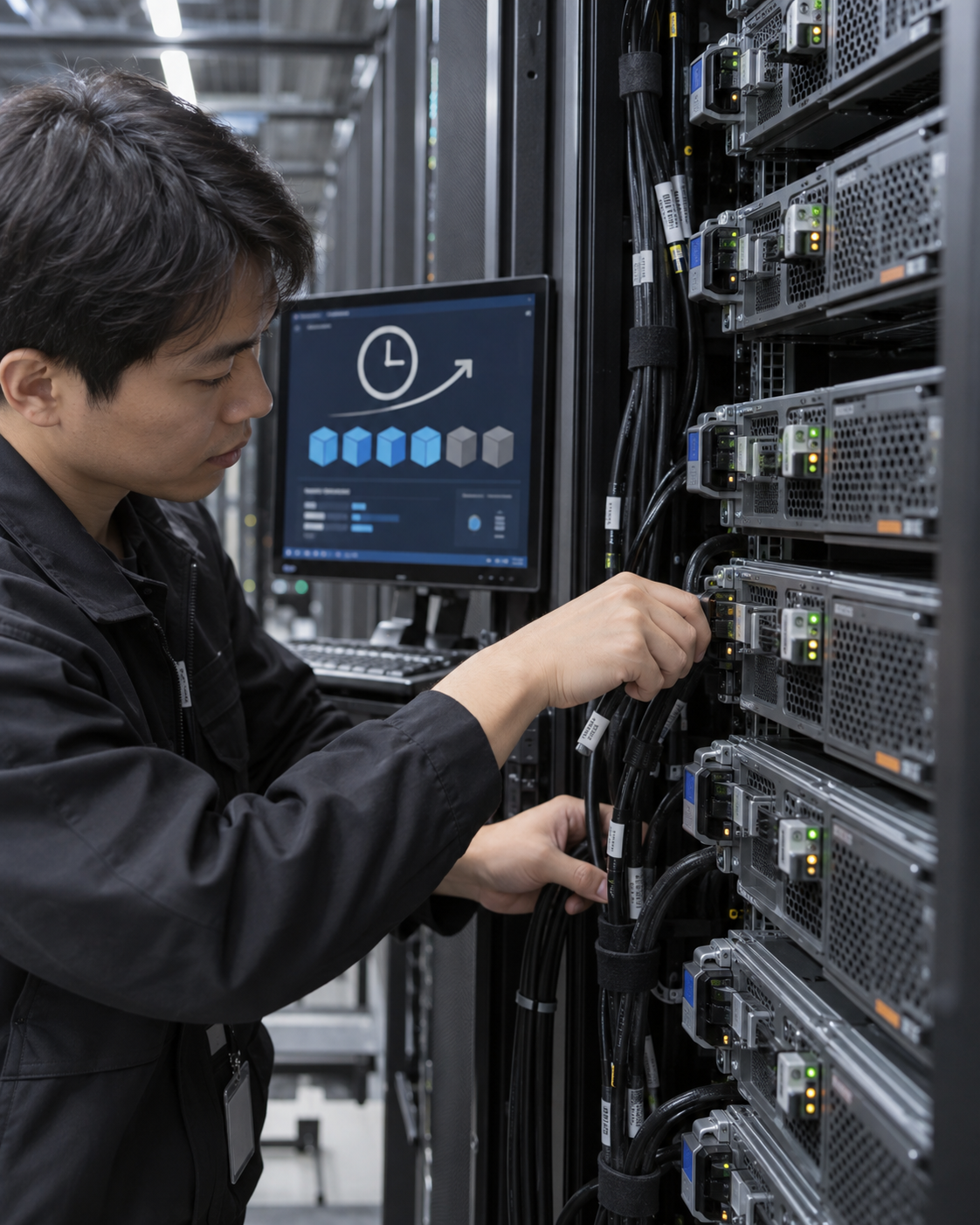
Nebius is announcing pay-as-you-go pricing for renting certain NVIDIA GPUs by the hour. Depending on the GPU model, price increases range from 17% to 21%, and prices for some CPU and memory products are also being adjusted.
Pay-as-you-go plans allow you to use resources for as long as you need without a long-term contract, making them ideal for experiments and short-term projects. Instead, it's a system where customers bear the brunt of price fluctuations more directly when there's a supply shortage.
Will customers who have previously reserved long-term capacity or have individually negotiated contracts see their rates increase under the same terms? We can't draw any conclusions based solely on the information that has been released. This announcement should not be interpreted to mean that all Nebius customer contracts have been uniformly increased by 17–21 percent.
| Costs for CPUs and memory are rising, not just for GPUs
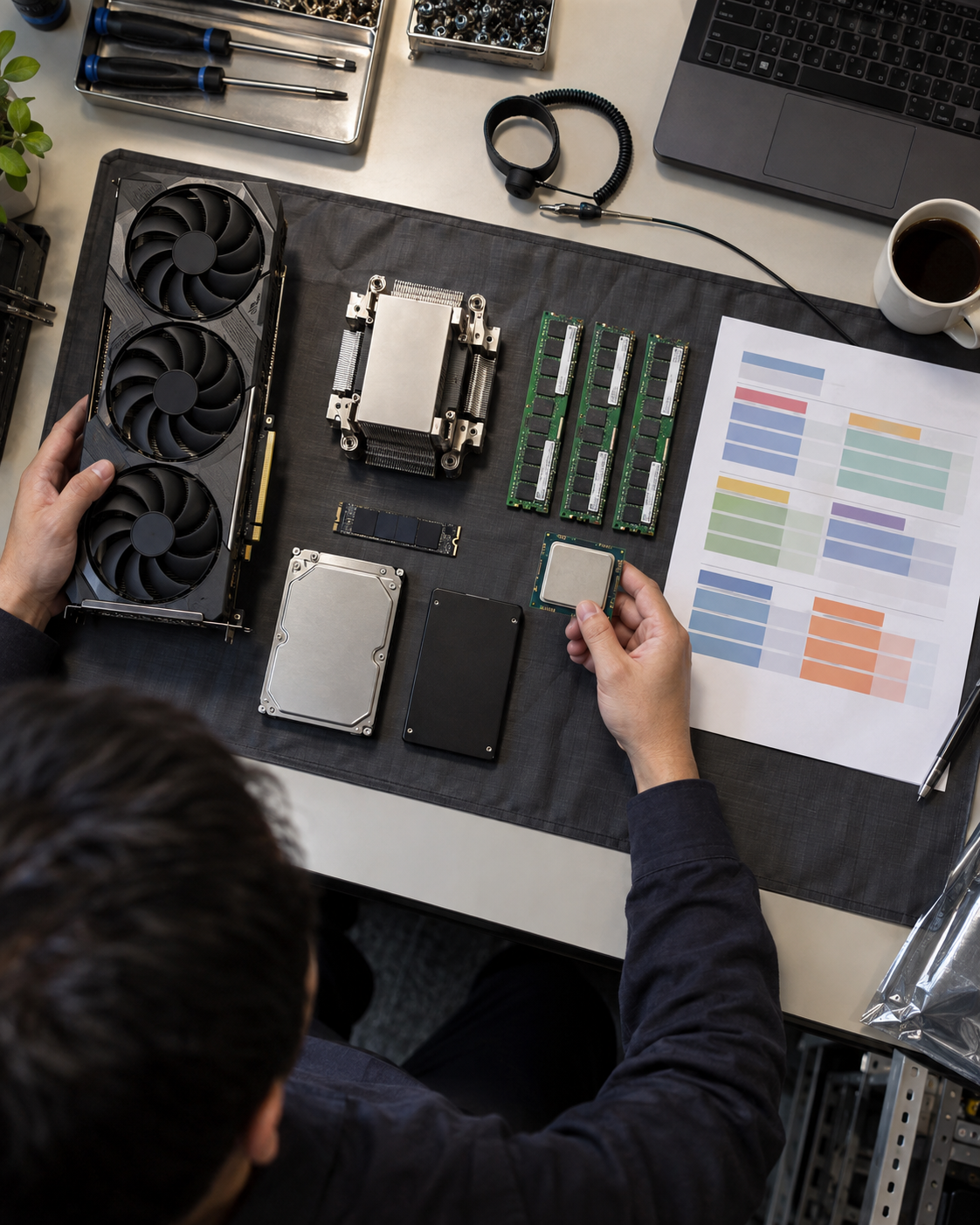
While GPUs are the most noticeable component in AI training costs, actual operations also require CPUs, memory, storage, and network resources. Data preprocessing, preparing model inputs, and task management all require significant amounts of CPU power and large amounts of memory.
A price increase of up to 25% for some CPU-specific instances and approximately 41% for memory products means that the total project cost could be affected more significantly than by GPU prices. Depending on their workload configuration, customers with a high proportion of non-GPU resources may be more significantly impacted.
Rather than just calculating the time it takes to train a model, companies need to recalculate the total cost, including data preparation, downtime, storage, and transmission. If you compare the costs of specific GPU providers based solely on the rate increase, there may be a discrepancy between that and the actual amount billed.
| A pricing structure designed to encourage long-term contracts
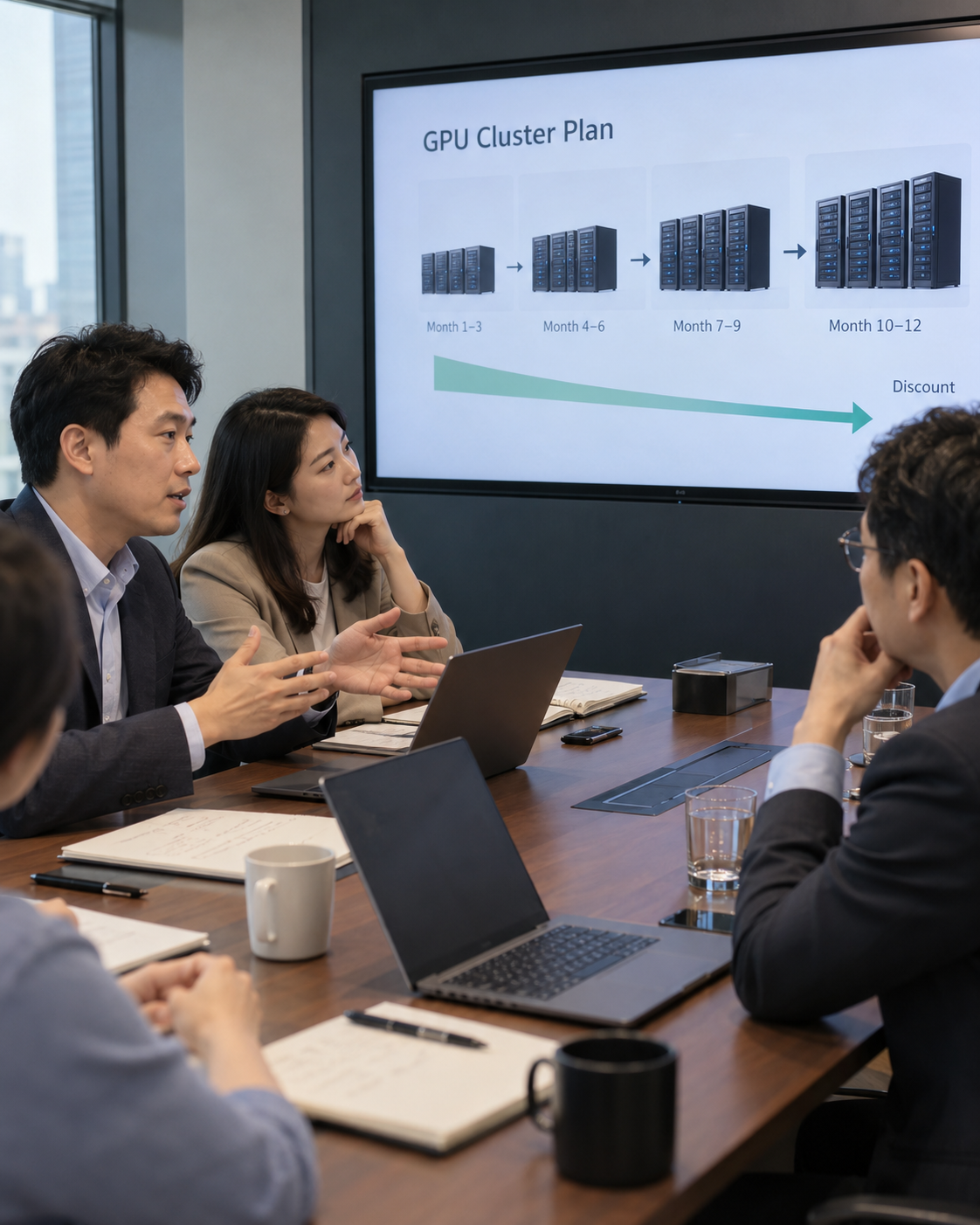
The official Nebius pricing page states that customers can receive a commitment discount of up to 35% off pay-as-you-go rates when reserving large clusters for several months. Long-term reservations may be more advantageous for businesses with stable usage.
From Nebius's perspective, if customers commit to a usage period in advance, it makes it easier to plan for the return on investment in data centers and GPUs. In a situation where supply is limited, this could also result in capacity being allocated first to customers with long-term contracts.
There is a risk of opposition from customers. If model efficiency improves rapidly or the project is scaled back, you may not be able to fully utilize the contracted GPUs, and you could remain bound by the existing contract even after better next-generation equipment becomes available.
| Demand for AI computing continues to put pressure on supply
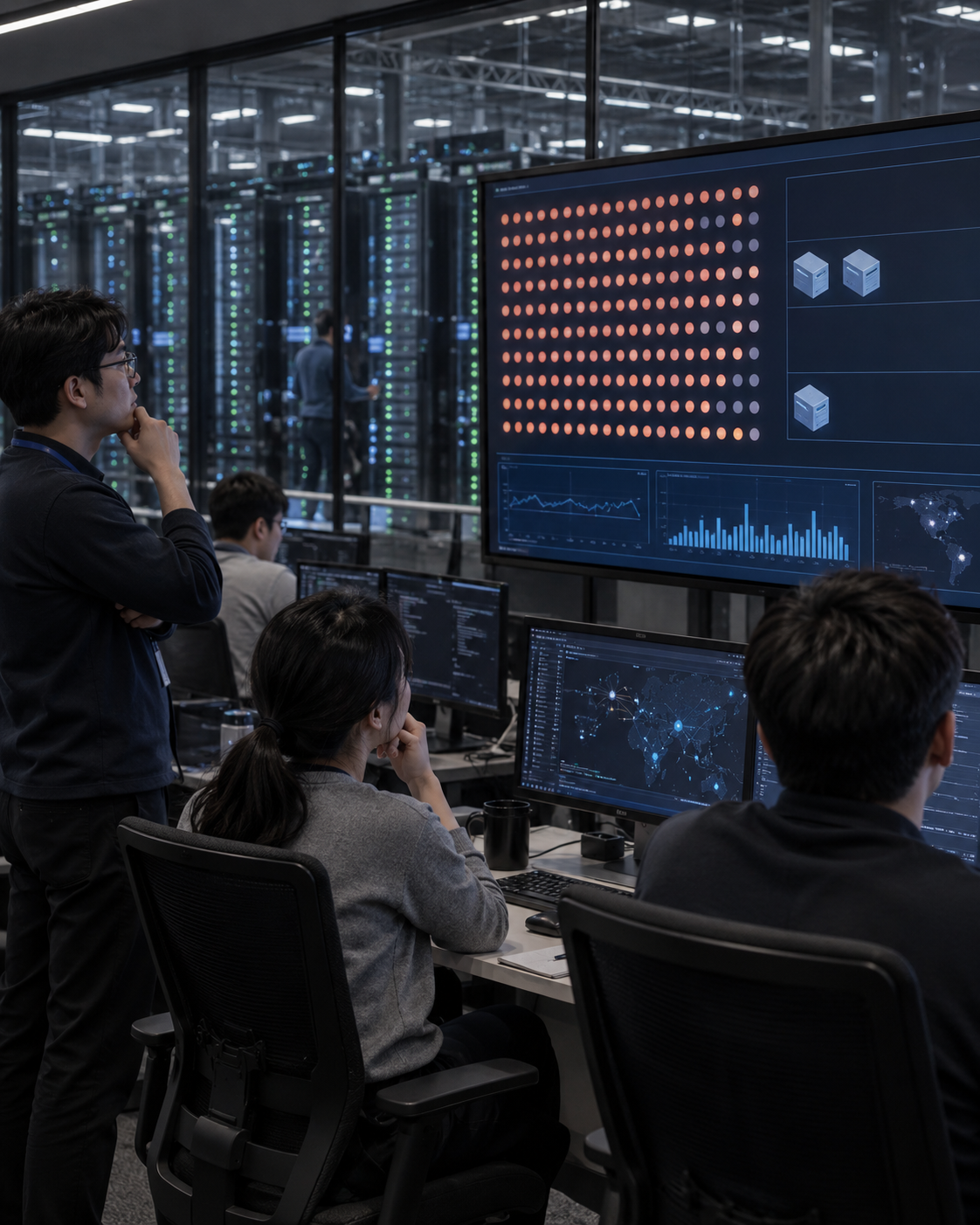
As not only the training of large models but also inference services, AI agents, and video generation services continue to grow, GPUs remain essential even during the operational phase following their launch. This is not a one-time training requirement; computational costs are incurred every time a user accesses the service.
Nebius announced that it signed four customer contracts worth an average of over $1 billion each in the most recent quarter. If contract demand builds up quickly, pay-as-you-go capacity could become even scarcer before new data centers and GPUs are ready.
Competitor CoreWeave has also revealed that it is signing short-term contracts at higher prices, confirming the pressure on demand across the AI cloud sector. However, A price increase by a single company doesn't mean it applies equally to all GPU products in the entire market.
| This may feel even more significant to startups and research teams

While large companies can negotiate discounts through long-term contracts and bulk purchases, startups and research teams—which often find it difficult to predict their usage—tend to opt for pay-as-you-go plans. As a result, even the same rate increase can place a more direct burden on smaller customers.
Teams with a fixed budget can reduce the number of experiments, consider using smaller models or preemptible instances, or explore other cloud providers. The value of software optimization—such as model compression, training data cleanup, and improved GPU utilization—is also growing.
But it's hard to decide on a ride based solely on the lowest hourly rate. You need to factor in GPU availability, network performance, storage costs, and even the time required to migrate the development environment to accurately assess the actual cost savings.
| The Challenges Facing NeoCloud, as Revealed by Second Impressions

NeoCloud, a specialized AI cloud platform, highlights its ability to provide the latest GPUs faster than major cloud providers and to configure networks optimized for AI workloads. On the other hand, the capital burden is very high because it requires purchasing data centers and chips upfront.
While price increases reflect strong demand, they can also be seen as a way of passing on facility investment costs to customers. If prices change repeatedly, it becomes difficult for companies to predict the long-term costs of AI services, and the risk of relying on a single provider also increases.
Nebius’s decision to raise pay-as-you-go prices while maintaining contract discounts aligns with its strategy to secure stable, long-term customers. Going forward, it will be important to see whether prices stabilize once sufficient new capacity is supplied, or whether supply shortages persist, leading to further price increases.
| You should look at the total cost and supply terms rather than the rate of increase

What has been confirmed so far is that Nebius will raise prices for select NVIDIA GPU pay-as-you-go plans by 17–21% starting October 1 and will also adjust the prices of some CPUs and memory. The same rate increase doesn't apply to all products and long-term contracts.
While this change is an example of strong demand for AI computing, it does not automatically prove the extent of the GPU shortage or Nebius’s profitability. This is because investments in new data centers, electricity costs, and equipment depreciation may all increase as a result.
Users need to compare these factors again, including the actual instance configuration, commitment period, GPU availability, and storage and network costs. In the market, it is necessary to monitor further price changes for Nebius, the supply of new capacity, and how competitors' pay-as-you-go prices are moving.
Tags
#Nebius #NVIDIA #GPU Cloud #AI Cloud #GPU Prices #Cloud Costs #AI Infrastructure #NeoCloud #Data Center #Pay-as-You-Throw #Computing Demand #Artificial Intelligence