It has been reported that OpenAI expects a cumulative negative free cash flow of $278 billion from 2026 to 2030, according to internal projections. The Financial Times reported this after reviewing the company’s presentation, and Reuters followed up with a report.
The same report also includes projections of approximately $856 billion in computing and infrastructure spending by 2030 and approximately $350 billion in revenue in 2030. These are all internal estimates based on future projections and are not official results announced by OpenAI, nor are they guaranteed targets.
| $278 billion does not mean the same thing as the loss amount

Free cash flow is the amount remaining after subtracting necessary expenditures—such as capital expenditures—from cash generated by operations. A cumulative negative free cash flow of $278 billion means that, over the next five years, the company expects cash outflows to exceed cash inflows by that amount.
It's calculated differently from a net loss for accounting purposes, and it's not an expense that has already been incurred. First, it is important to note that these are projections based on assumptions regarding business growth, pricing, usage, and infrastructure contracts from 2026 to 2030.
| Computing spending exceeds revenue growth

According to data reviewed by the FT, OpenAI projected that its revenue would grow approximately tenfold, from $36 billion in 2026 to $350 billion in 2030. The cumulative revenue forecast for the five-year period is $840 billion.
|
Outlook Items |
Figures presented in internal documents |
|
Cumulative Revenue for 2026–2030 |
Approximately $840 billion |
|
Revenue in 2030 |
Approximately $350 billion |
|
Computing and Infrastructure Spending Through 2030 |
Approximately $856 billion |
|
Cumulative negative free cash flow for 2026–2030 |
Approximately $278 billion |
Even if revenue grows rapidly, cash flow could remain negative if the costs of GPUs, data centers, power, and networks—required for model training and service operations—rise even faster.
| Scale of AI Services

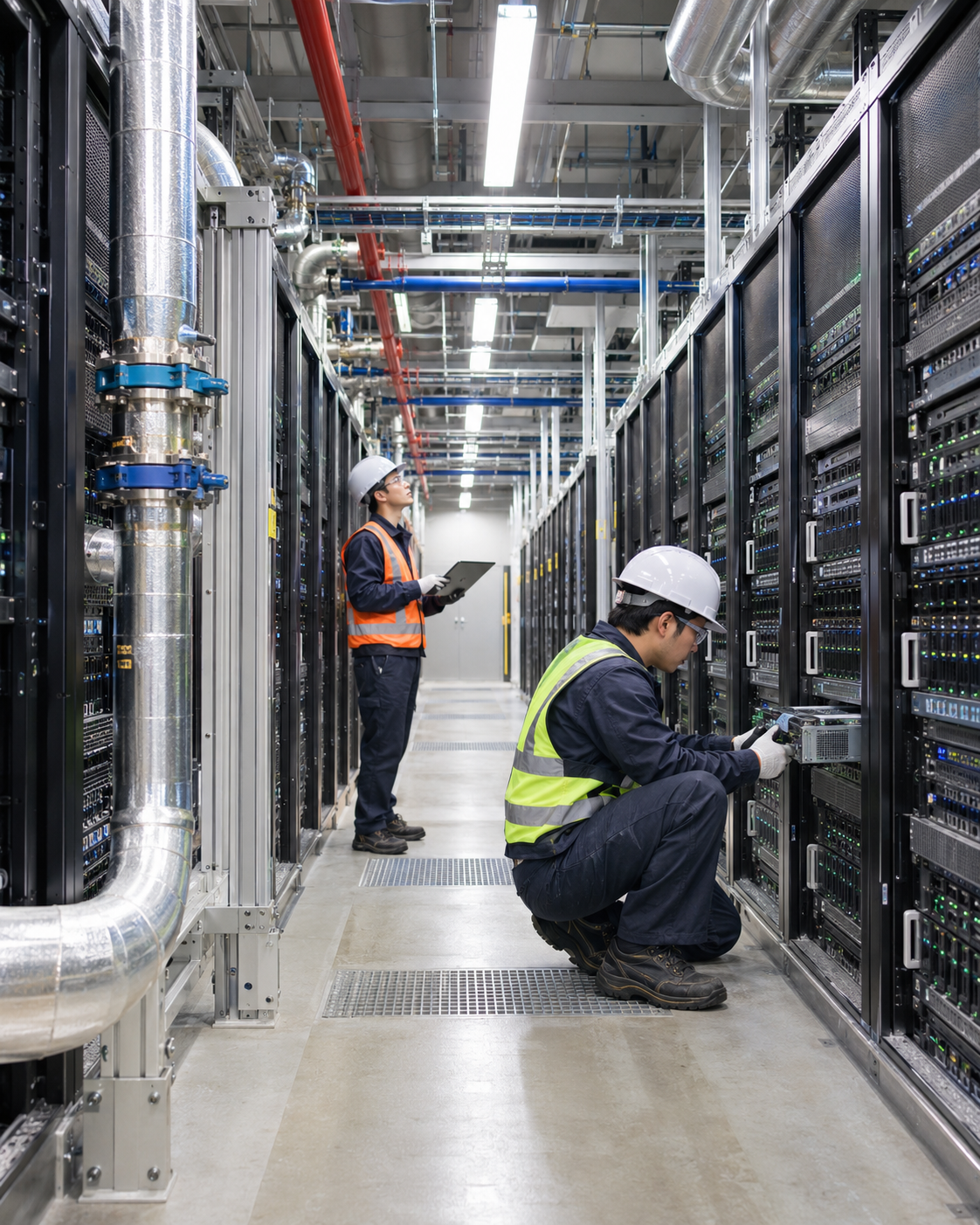
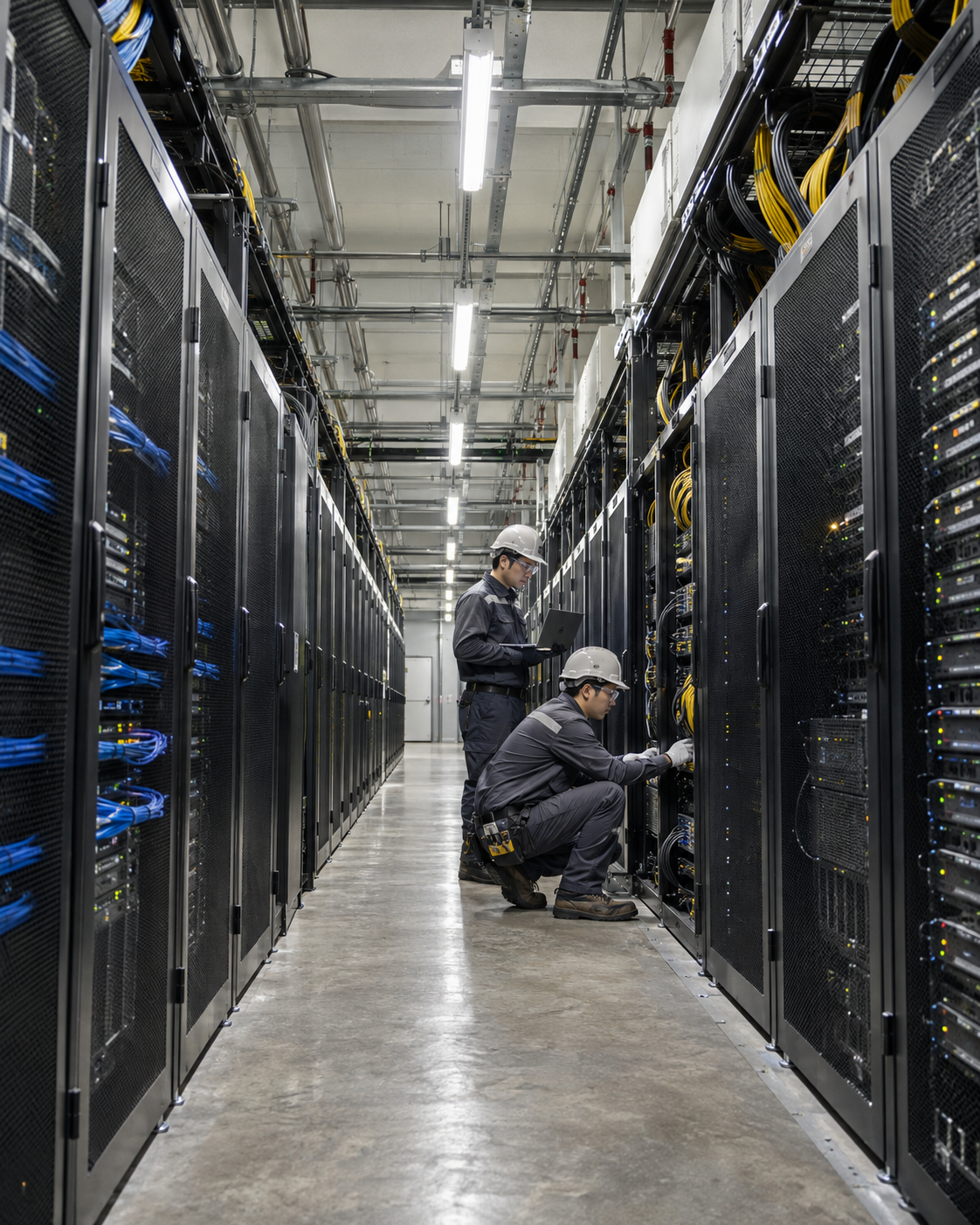
Unlike companies that only sell software, generative AI companies incur significant computational costs every time a user asks a question. Not only are there costs associated with training larger models, but there are also ongoing inference costs involved in processing requests from a large number of users.
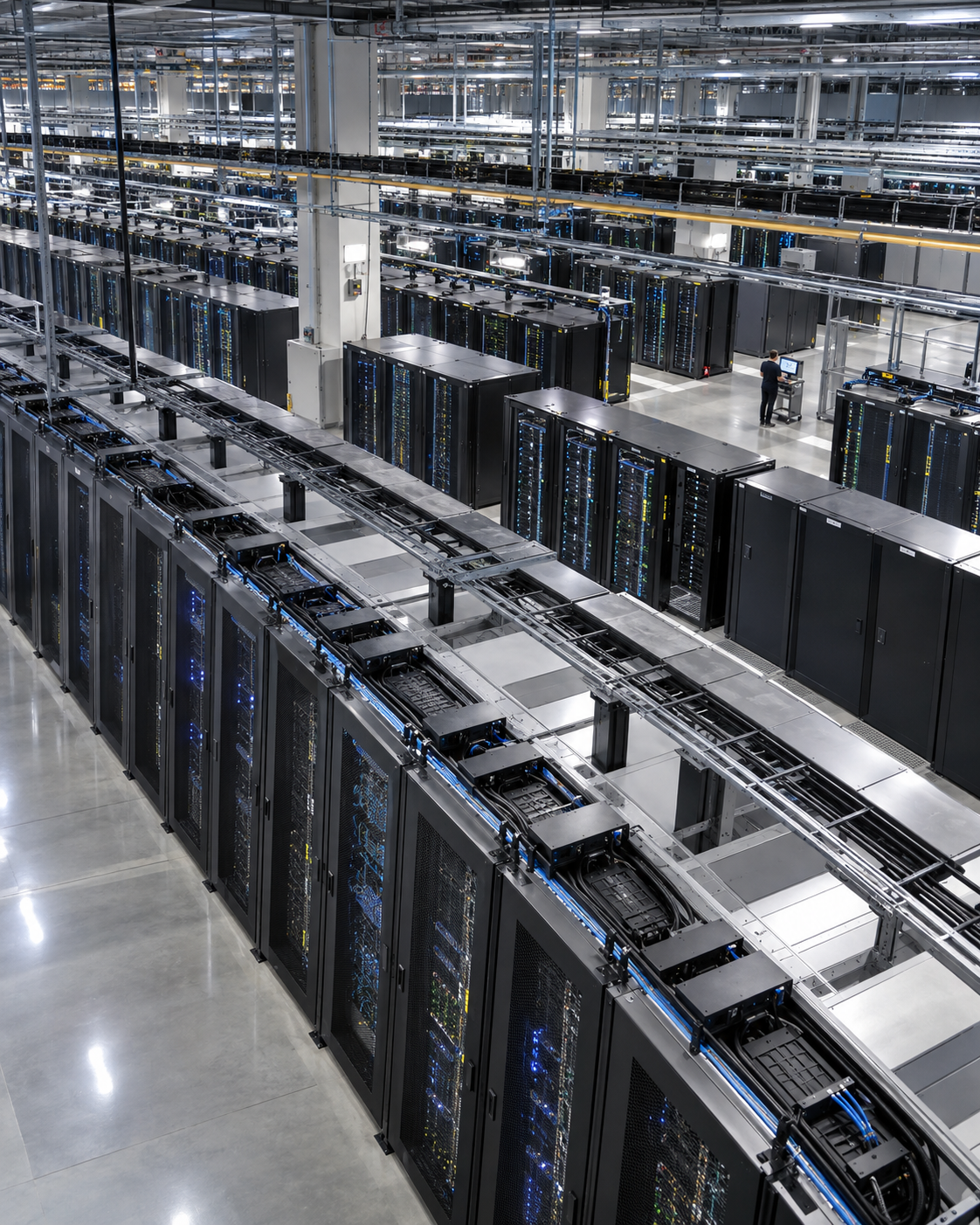
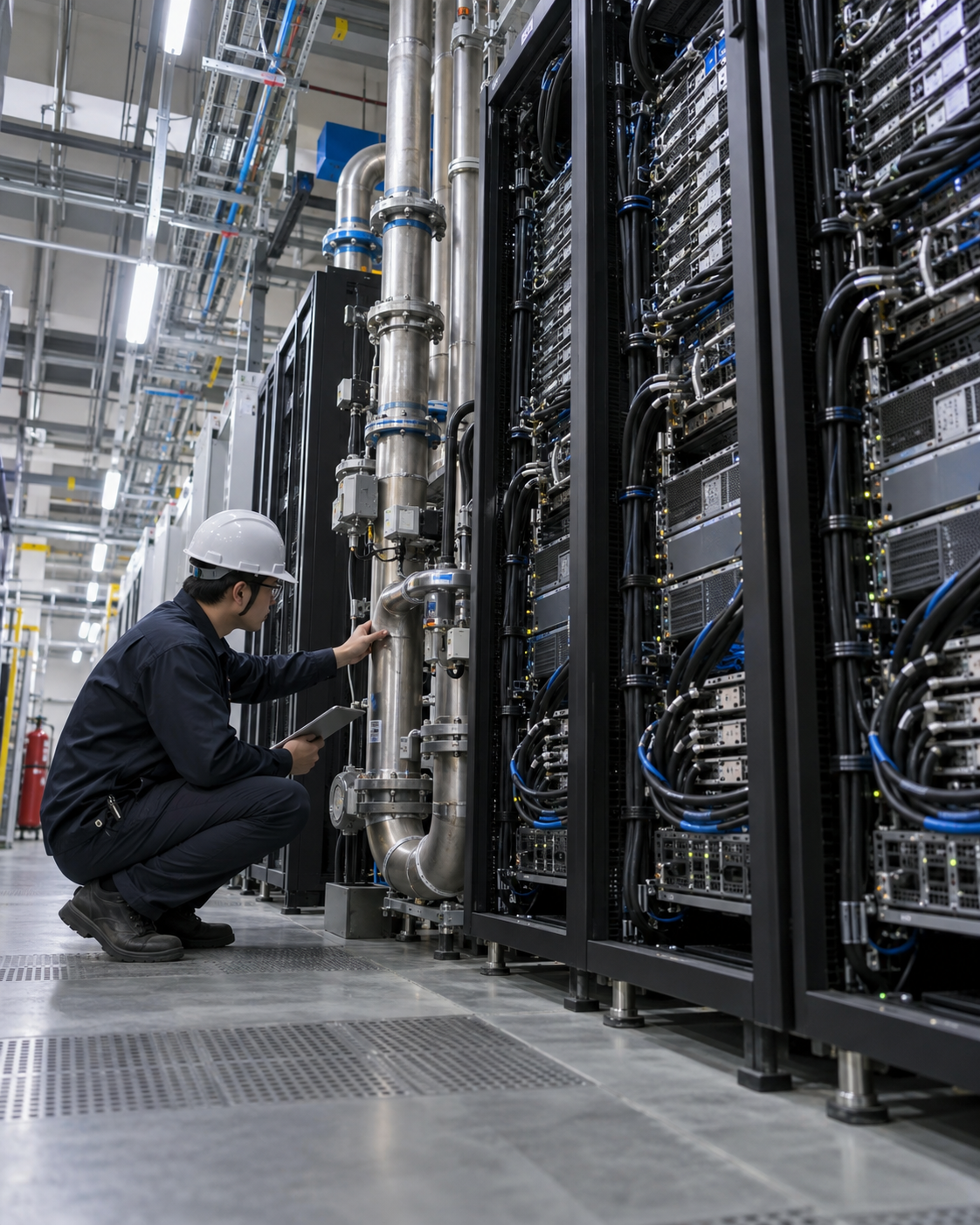
OpenAI's estimate of $856 billion in computing and infrastructure spending may include contracts aimed at securing long-term capacity in advance. Actual spending could vary significantly depending on chip efficiency, model architecture, usage, and the balance between in-house facilities and external cloud services.
| Funding is not just an issue for OpenAI
If the forecast of running out of cash comes to pass, OpenAI will need to continue raising funds through additional equity investments, debt, or strategic partnerships. According to an FT report, the company raised $122 billion in March 2026 and was valued at $852 billion at the time.
OpenAI's long-term contracts are also linked to the revenue outlooks and investment plans of its infrastructure partners, including NVIDIA, Oracle, and SoftBank. Therefore, any changes in OpenAI's funding conditions could affect the entire AI chip and data center supply chain.
| Interior Views

To reach $350 billion in revenue by 2030, the number of paying users, enterprise contracts, and new services will need to grow very rapidly. Intensifying competition, price cuts, regulatory changes, and the pace of model performance improvements could also alter the revenue outlook.
On the cost side, if more efficient chips and models become available, we’ll be able to provide the same service with fewer computations; however, the increase in usage could outweigh the efficiency gains. Years later, it’s more important to track how assumptions change than to view the figures as a definitive result.
| Official Confirmation from the Company

As of the time of the Reuters report, OpenAI had not immediately responded to those figures. Since the specific assumptions and calculation methods underlying the data have not been fully disclosed, it is difficult for outside parties to independently verify the accuracy of the projections.
This figure doesn't mean that OpenAI has lost $278 billion so far, nor is it a definitive plan stating that it will definitely spend that same amount by 2030. You need to consider both the source—that the report is based on internal planning documents—and its limitations in the context of the headline and the body of the article.
| The Heart of the AI Race
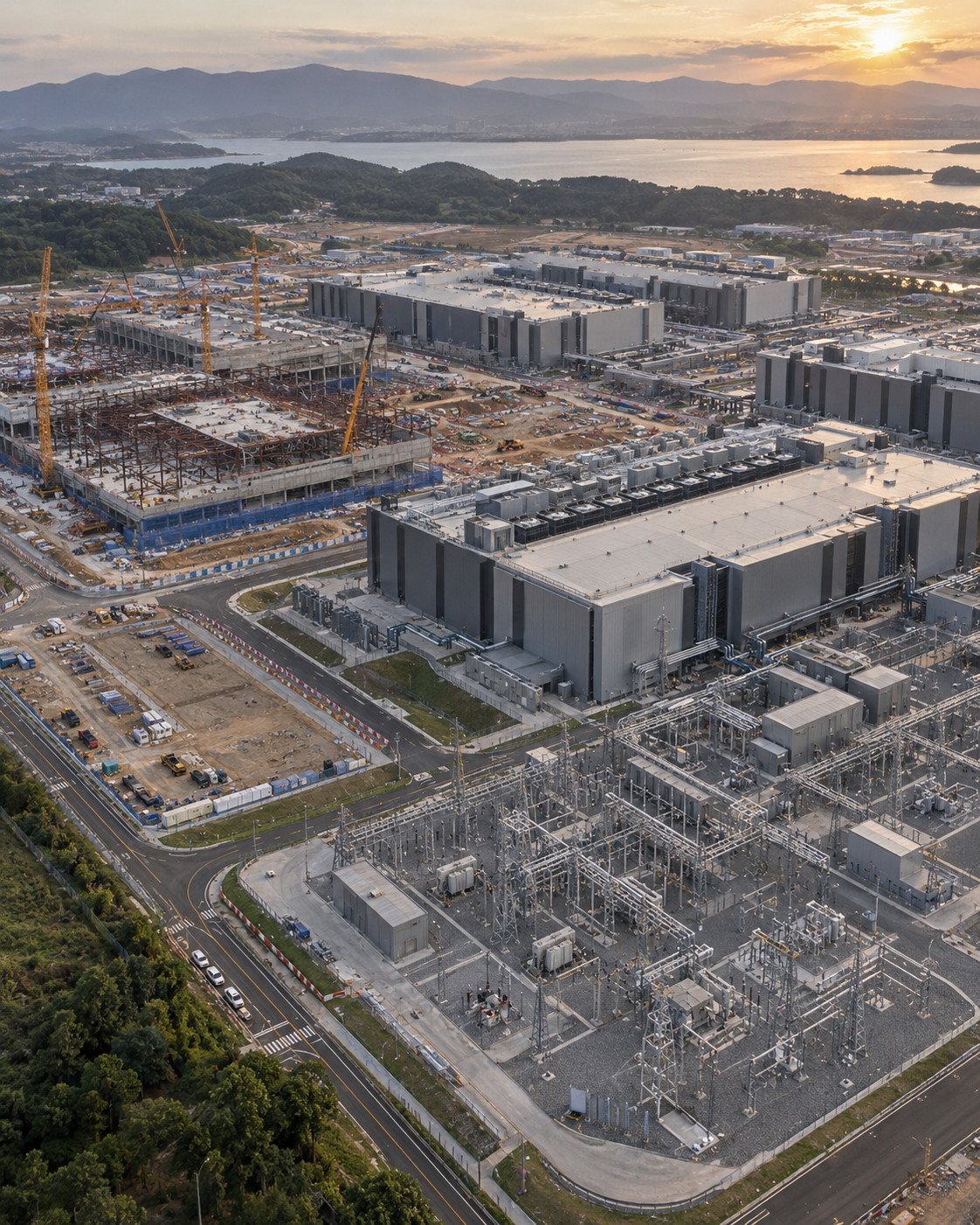
This report shows that the race for cutting-edge AI hinges not only on model performance but also on the ability to sustain computational infrastructure worth hundreds of trillions of won over the long term. The key point is that high sales targets and the prospect of greater cash burn exist simultaneously.
Going forward, we'll need to monitor actual annual revenue and cash flow, the pace of execution of computing contracts, and the terms of any additional funding. Depending on how closely internal projections align with reality, not only OpenAI but also the sustainability of the current boom in AI infrastructure investment will be evaluated.
Tags
#OpenAI #ChatGPT #AI Infrastructure #Cash Flow #Computing Costs #Data Center #GPU #AI Investing #Fundraising #Cloud #NVIDIA #Oracle #SoftBank