Firmus, an Australian AI data center company, plans to begin its initial public offering (IPO) on October 6, 2026, to raise 7 billion Australian dollars, or approximately 5 billion U.S. dollars. If the over-allotment option is fully exercised, the amount raised in U.S. dollars could increase to a maximum of 5.5 billion.
If everything proceeds as scheduled, it will be the second-largest IPO in Australian history, following Telstra’s 1997 listing. According to Dealogic, it is projected to be the fourth-largest IPO worldwide so far in 2026. Market interest is high because expectations for AI computing demand have propelled data center operators into the ranks of potential mega-IPOs.
However, the documents released this time are the terms and conditions distributed to investors. The final prospectus is scheduled to be filed on October 8, and the offering price, company valuation, and detailed financial information have not yet been finalized. At this stage, we should not state that the IPO has been completed or that the funds have been secured.
| Listing Schedule: October 6–22

According to the terms sheet reviewed by Reuters, the institutional investor bookbuilding is scheduled to begin on October 6 and close on October 7. Firmus plans to file its prospectus on October 8, and the retail investor subscription period is set to run from October 12 to 19.
The stock is scheduled to begin trading on the Australian Securities Exchange on October 22. The process moves quickly, spanning about two weeks from the institutional bookbuilding phase to the listing. The schedule and offering terms are subject to change depending on market conditions and regulatory procedures.
The base fundraising target is A$7 billion. The greenshoe option is a mechanism that allows the underwriters to allocate additional shares or conduct market stabilization trades if the stock price fluctuates significantly immediately after the IPO. If this option is fully exercised, an additional $500 million will be added to the base amount of $5 billion, bringing the total to a maximum of $5.5 billion.
| The second-largest IPO in Australian history

If this offering goes as planned, it will be the second-largest Australian IPO after Telstra's approximately A$10 billion listing in 1997. It’s on a scale that goes beyond a typical tech startup IPO—it’s large enough to make history in the nation’s capital markets.
Firmus was co-founded in 2019 by Oliver Curtis, Tim Rosenfield, and Jonathan Levee. The company positions itself as an “AI factory” operator that designs power, cooling, accelerated computing systems, networks, and software together—as opposed to providers that merely offer data center facilities.
The fact that a company has a large market capitalization doesn't in itself prove its business value. In fact, the market will take a much closer look at whether Firmus can complete the promised facilities on time and convert the contracted computing capacity into actual revenue and cash flow.
| Two locations currently in operation and five under development
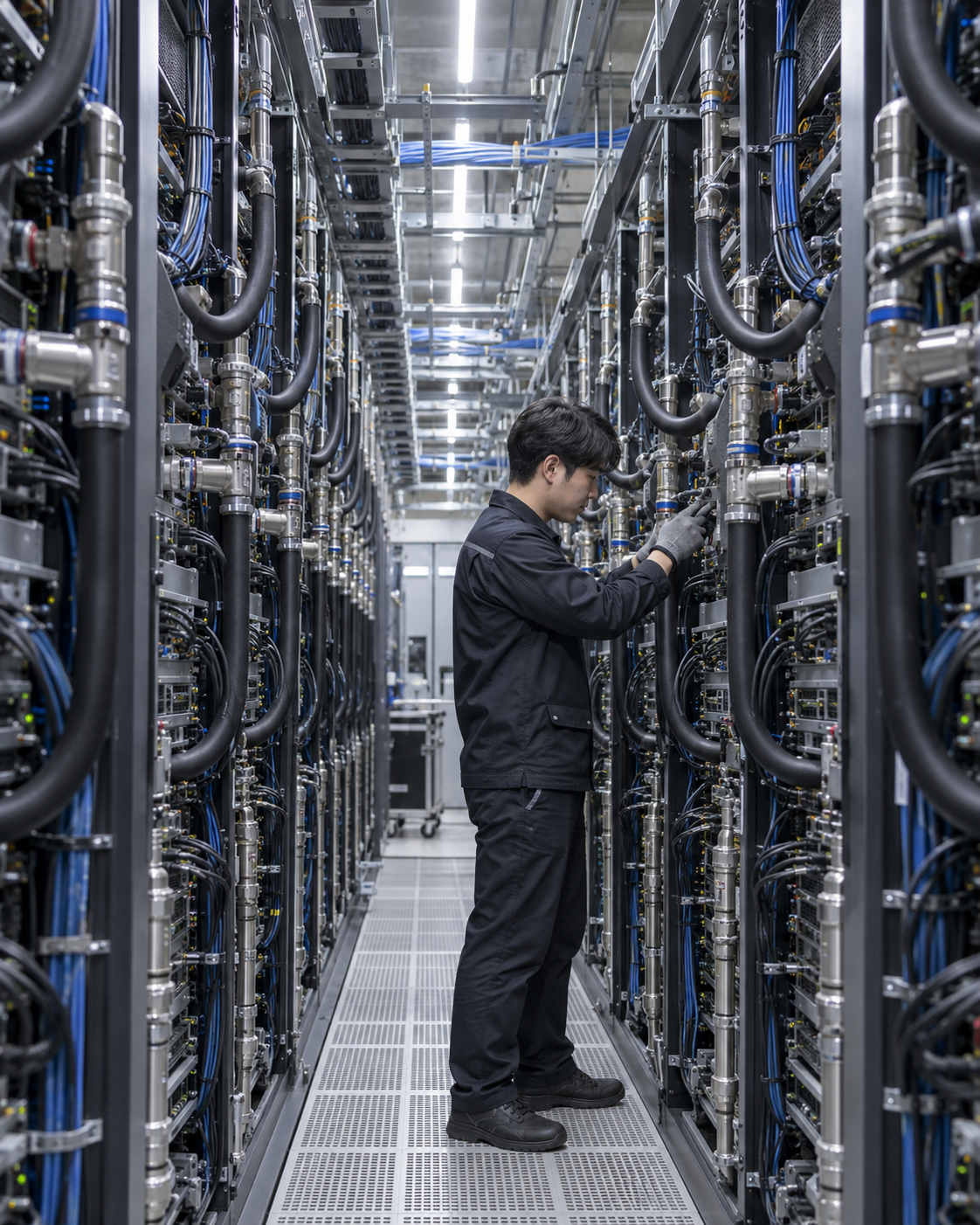
Firmus announced that it currently operates two AI data centers—one each in Australia and Singapore. Its total portfolio, spanning Australia, Singapore, Indonesia, and Malaysia, consists of seven locations, with the remaining five currently in the development stage.
The company aims to have the facility currently under development up and running within the next 24 months. This distinction is important. The capacity specified in a contract or development plan is not the same as the capacity of servers already in operation; actual revenue can only be generated once construction, power connection, equipment procurement, and customer acceptance testing are all complete.
Firmus claims that its liquid cooling and modular design for high-density AI servers can reduce power, water, and space consumption, as well as construction costs. While this efficiency is a key competitive advantage touted by the company, operational data is needed to verify whether the same performance and cost levels can be maintained in large-scale new facilities.
| 900 MW Contracted Capacity and OpenAI Customer Contracts

In an official announcement on September 8, Firmus revealed that its total contracted capacity across all customers had exceeded 900 MW. In the same announcement, the company explained that OpenAI had become a key customer by signing a multi-year contract to use dedicated computing capacity at two Firmus AI factories in Malaysia.
900 MW is a fairly large figure, but it doesn't mean that's the current operating capacity. Since this is based on the contract portfolio—which includes two facilities currently in operation and five facilities to be built in the future—development risks remain until power is actually supplied, GPUs are installed, and customer workloads are running.
While this contract may serve as evidence of future demand, it is difficult to verify the revenue figures, minimum purchase obligations, and contract termination conditions based solely on publicly available information. Investors should review the final prospectus to verify the timing of revenue recognition, customer concentration, and capital expenditures by facility.
| The massive capital required to expand AI data centers
Firmus announced in August 2026 that it had secured a strategic equity investment of $2 billion from Nvidia, Coatue, funds affiliated with Blackstone, Jane Street, and others. According to the company, it has raised over $3 billion in new equity funding over the past year, and its post-investment valuation at that time exceeded $10.5 billion.
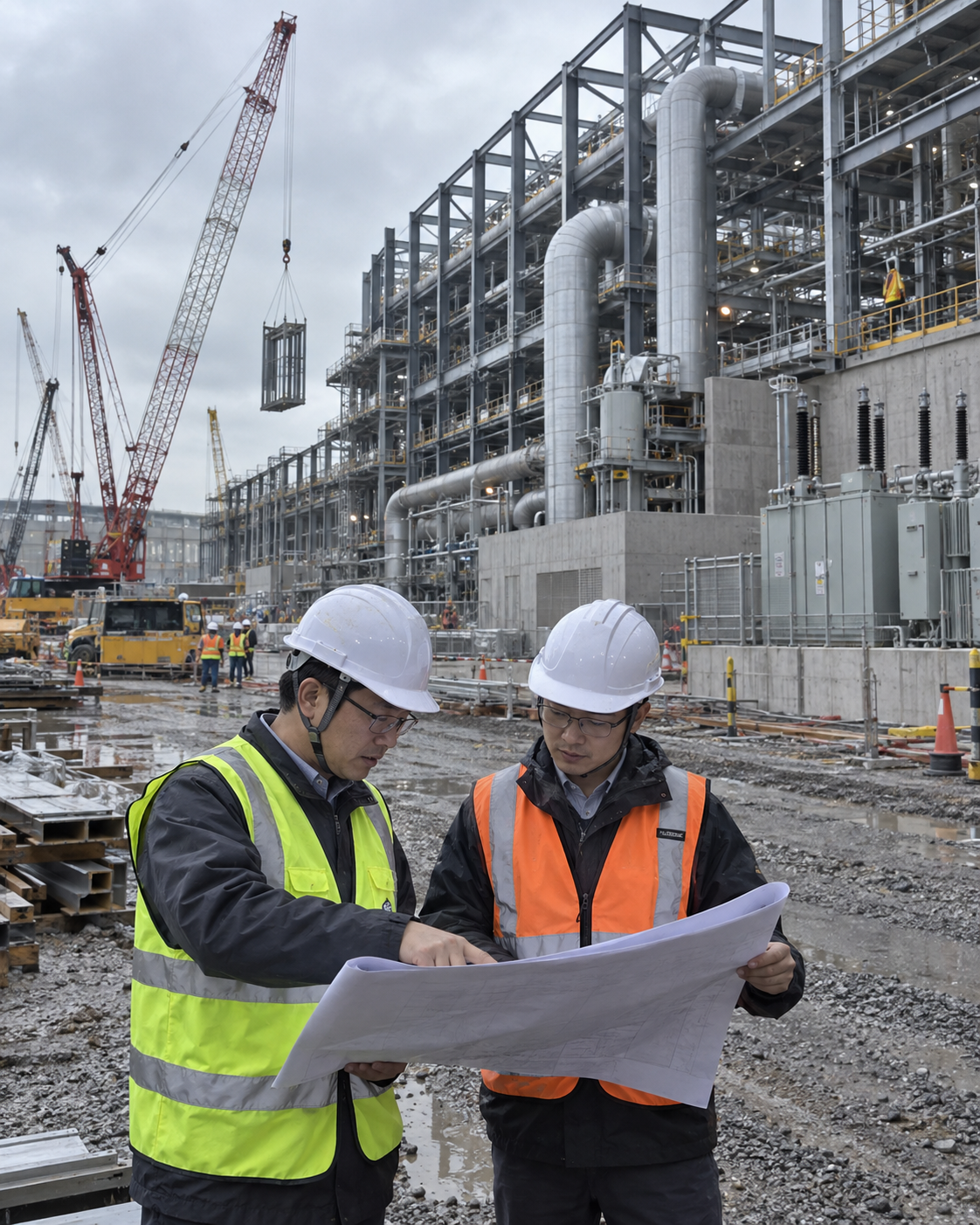
The fact that the company is now planning another IPO worth approximately $5 billion demonstrates just how capital-intensive the expansion of AI data centers is. That's because it requires upfront investment not only in the site and buildings but also in power grid connections, substation equipment, cooling systems, and numerous AI accelerators and high-speed networks.
If there are sufficient funds, facilities can be built simultaneously in multiple regions, but the operational burden also increases. If construction costs rise, GPU delivery delays occur, power connections are delayed, or customer demand changes, the planned revenue generation timeline may be pushed back.
| Electricity, water, and community acceptance are the key factors
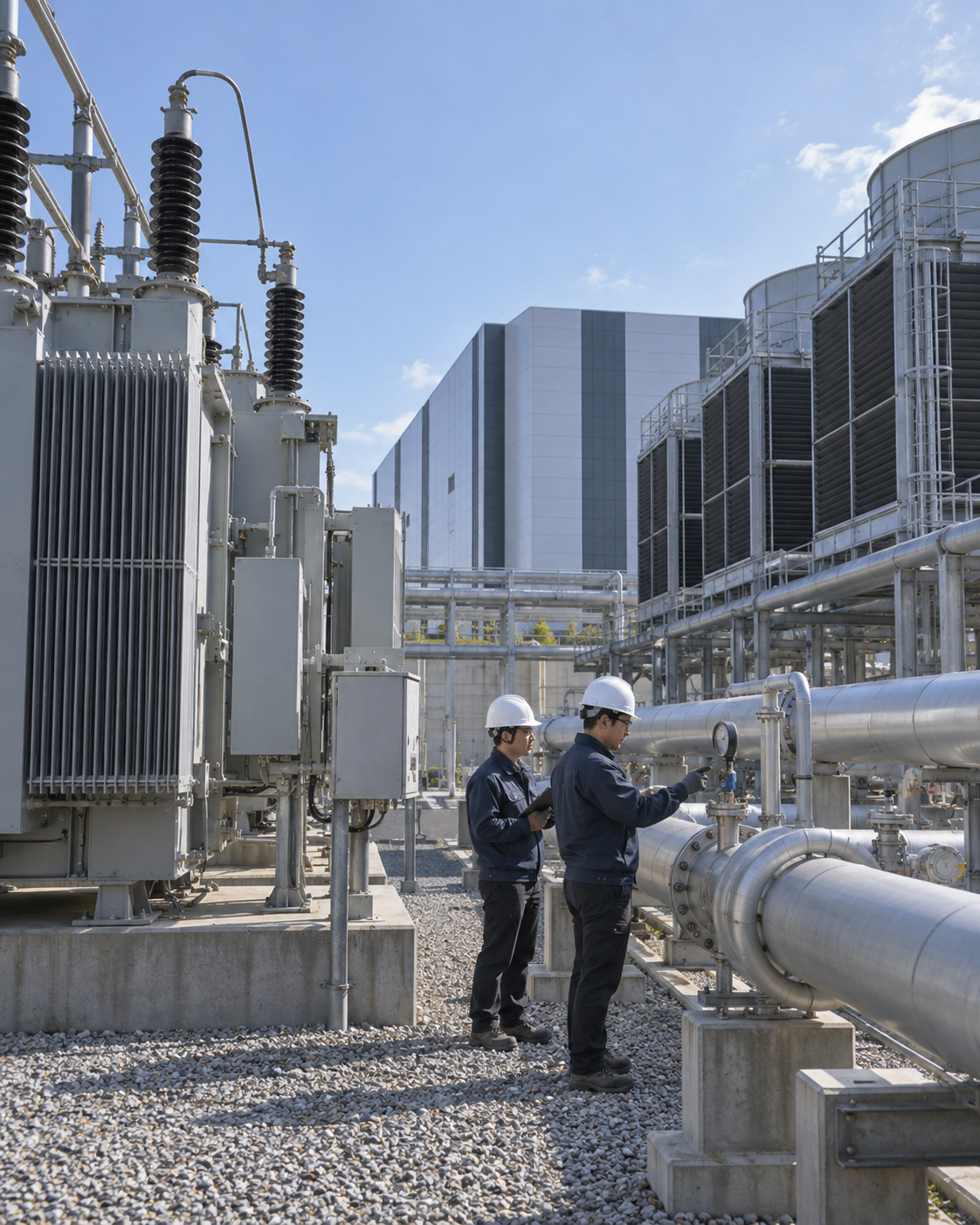
Due to their massive power demands, AI data centers require grid upgrades and new power generation sources. Depending on the cooling method, water usage and heat emissions can also become issues for local communities. Reuters reported that opposition to data centers’ power and water usage is growing in Australia, and that Firmus’s plans have also faced local opposition.
While Firmus explains that it reduces resource consumption through liquid cooling and its own infrastructure design, a distinction must be made between the company’s technical descriptions and the actual environmental impact assessments for each region. Information on power supply contracts by facility, the share of renewable energy, water usage, permit conditions, and the results of local consultations must be disclosed in order to make comparisons.
This issue goes beyond just environmental concerns. Delays in securing power and obtaining permits could lead to a chain reaction of delays—from the completion of the data center to the launch of customer services and revenue recognition—which could directly impact earnings following the IPO.
| What This IPO Is Testing
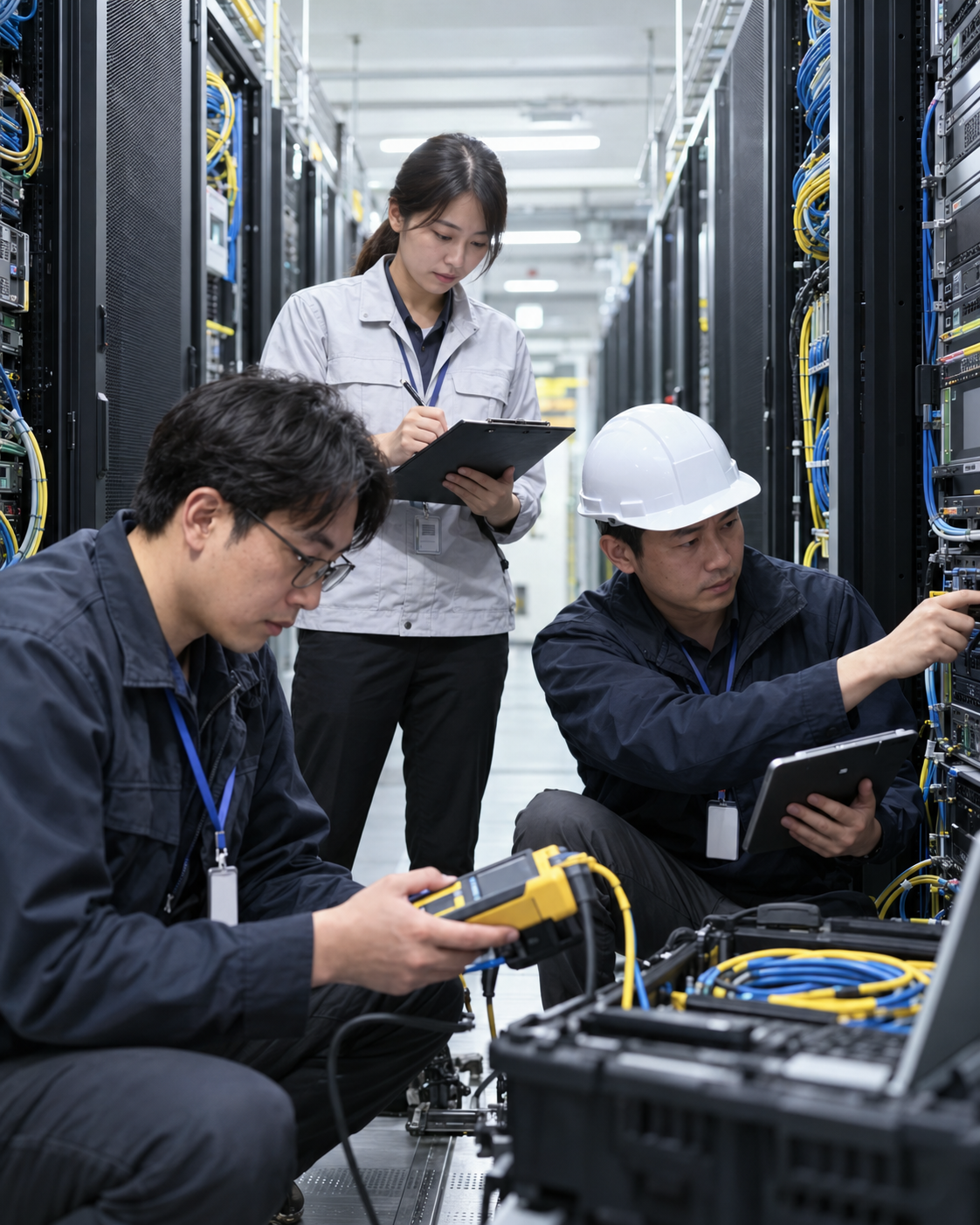
Firmus's IPO is a test of how much value the capital markets will place on a company that provides the power and computing infrastructure to run AI models, rather than on the AI model companies themselves. If successful, it could serve as a catalyst for attracting more funding to the development of AI data centers in the Asia-Pacific region.
The only things that have been finalized so far are the target fundraising amount and the schedule outlined in the terms sheet. For details on the offering price, post-listing market capitalization, number of shares, projected financial metrics, and the specific use of proceeds, please refer to the final prospectus and the results of the bookbuilding process. The maximum amount of $5.5 billion—including the over-allotment option—is merely an upper limit and does not represent the final amount to be raised.
Going forward, you’ll need to first check the prospectus and the results of the institutional bookbuilding on October 8, and then confirm whether the company will actually go public on October 22. Going forward, the key indicators that will validate the company’s value will be the completion rates of the five facilities currently under development, the transition to full operation of the 900 MW of contracted capacity, customer concentration, and the securing of power and water supplies, as well as cash flow.
References
Tags
#Firmus #Australian IPO #Data Center #AI Infrastructure #AI Factory #OpenAI #Nvidia #Australian Securities Exchange #Asia-Pacific #GPU #Liquid Cooling #Semiconductor Infrastructure #Cloud Computing