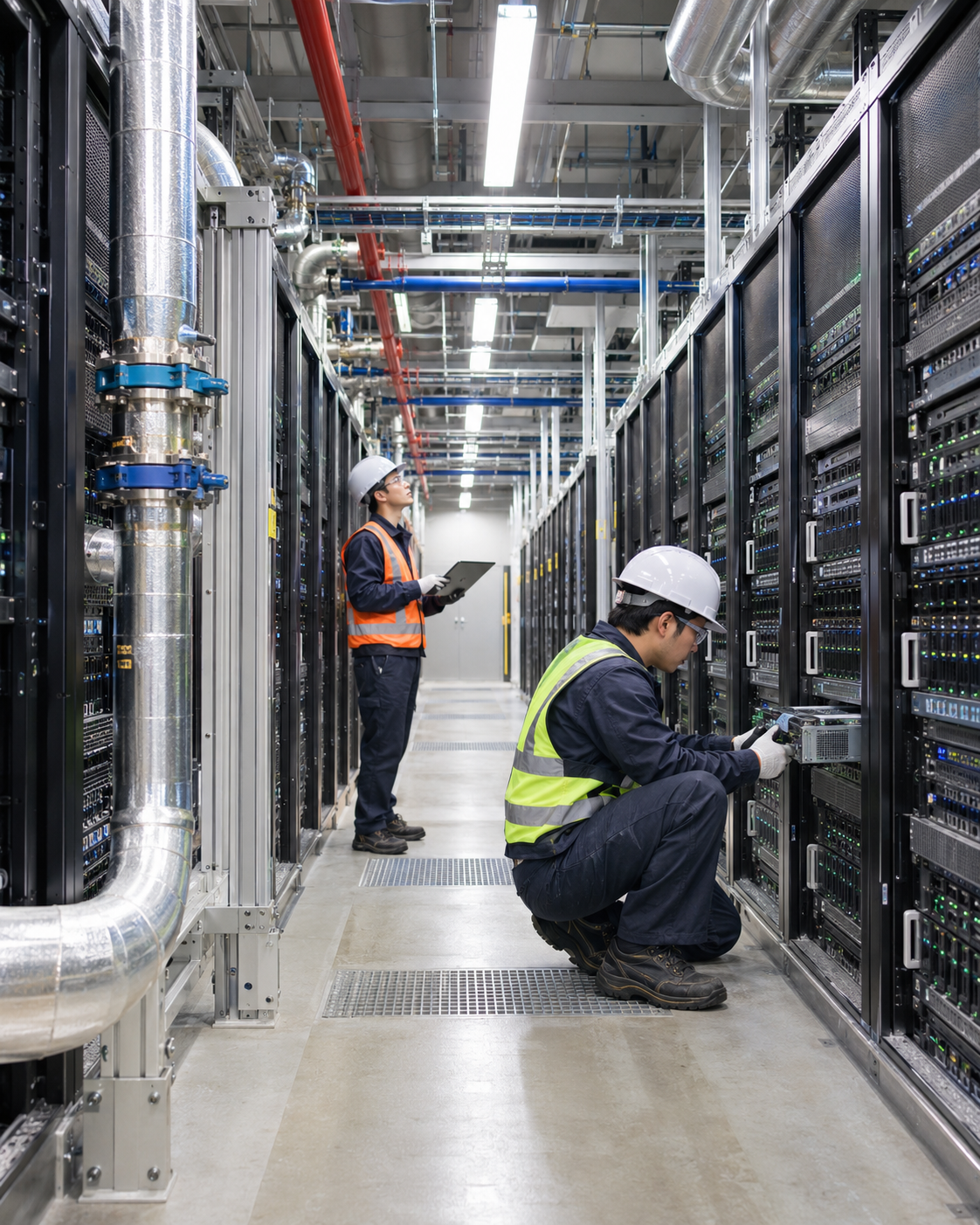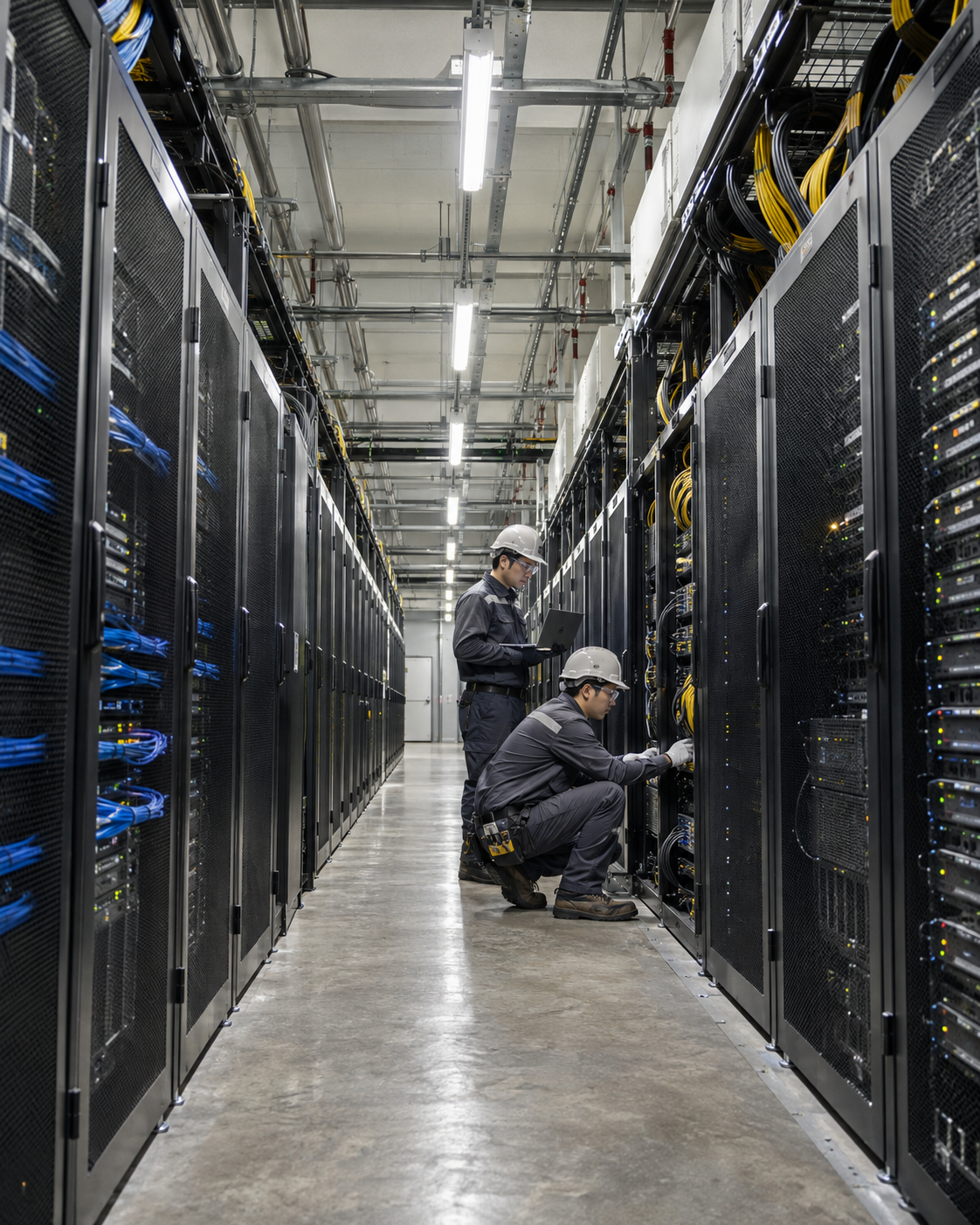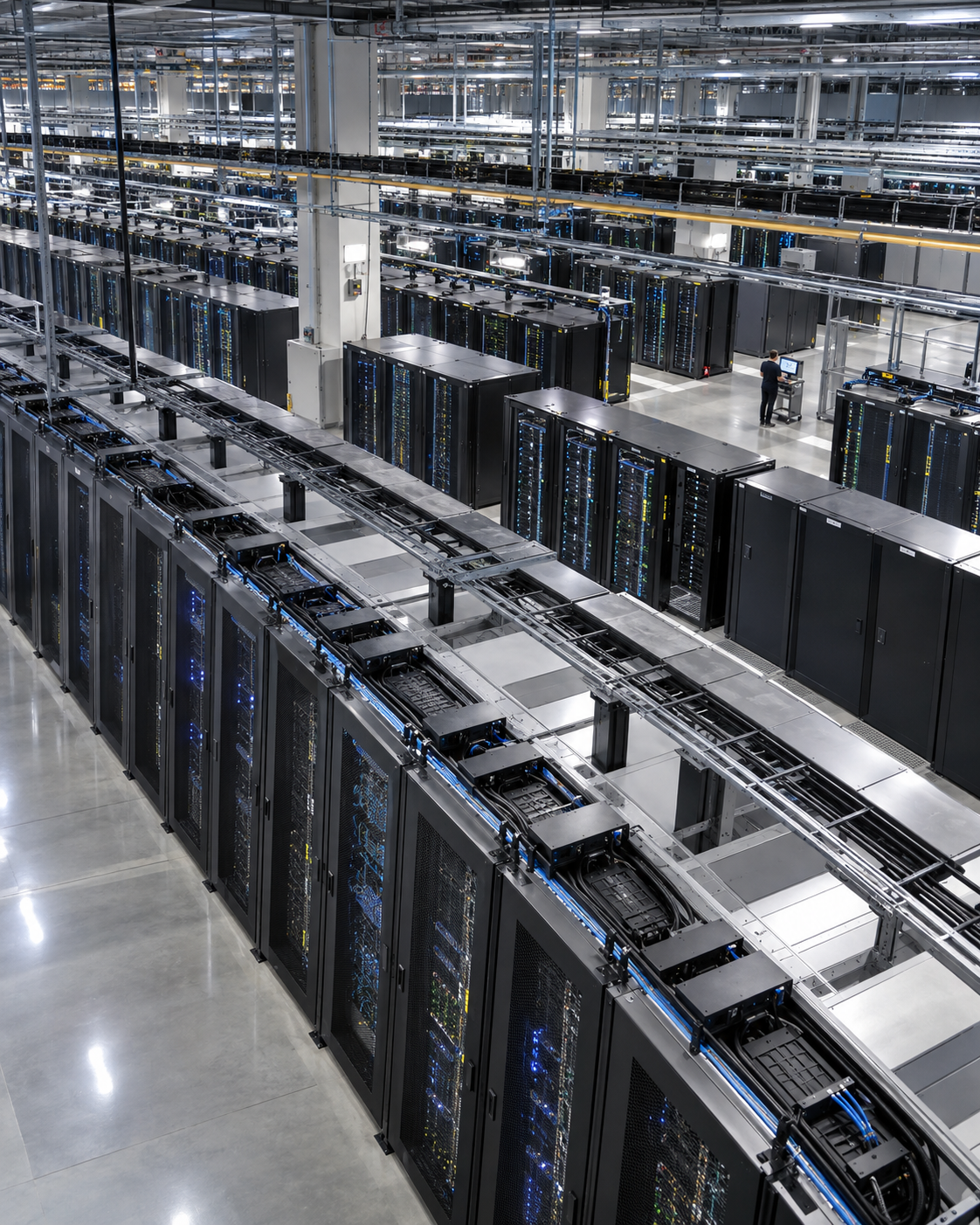
Increased investment in AI data centers is completely transforming the memory industry. Micron announced that its revenue for the fourth quarter of fiscal year 2026 reached $54.23 billion, approximately 4.8 times the $11.32 billion reported in the same quarter of the previous year. The company also reported that the value of its long-term supply agreements rose from $22 billion in June to $32 billion.
The important thing isn't simply that the company posted strong results for a single quarter. Customers are increasing their contracts to secure the memory they'll need over the long term, and Micron explained that it has secured supply agreements for most of its 2027 production. This illustrates that the bottleneck in the AI infrastructure race is shifting from GPUs to memory supply, including HBM.
| “Pre-orders” Are More Important Than a Surge in Sales
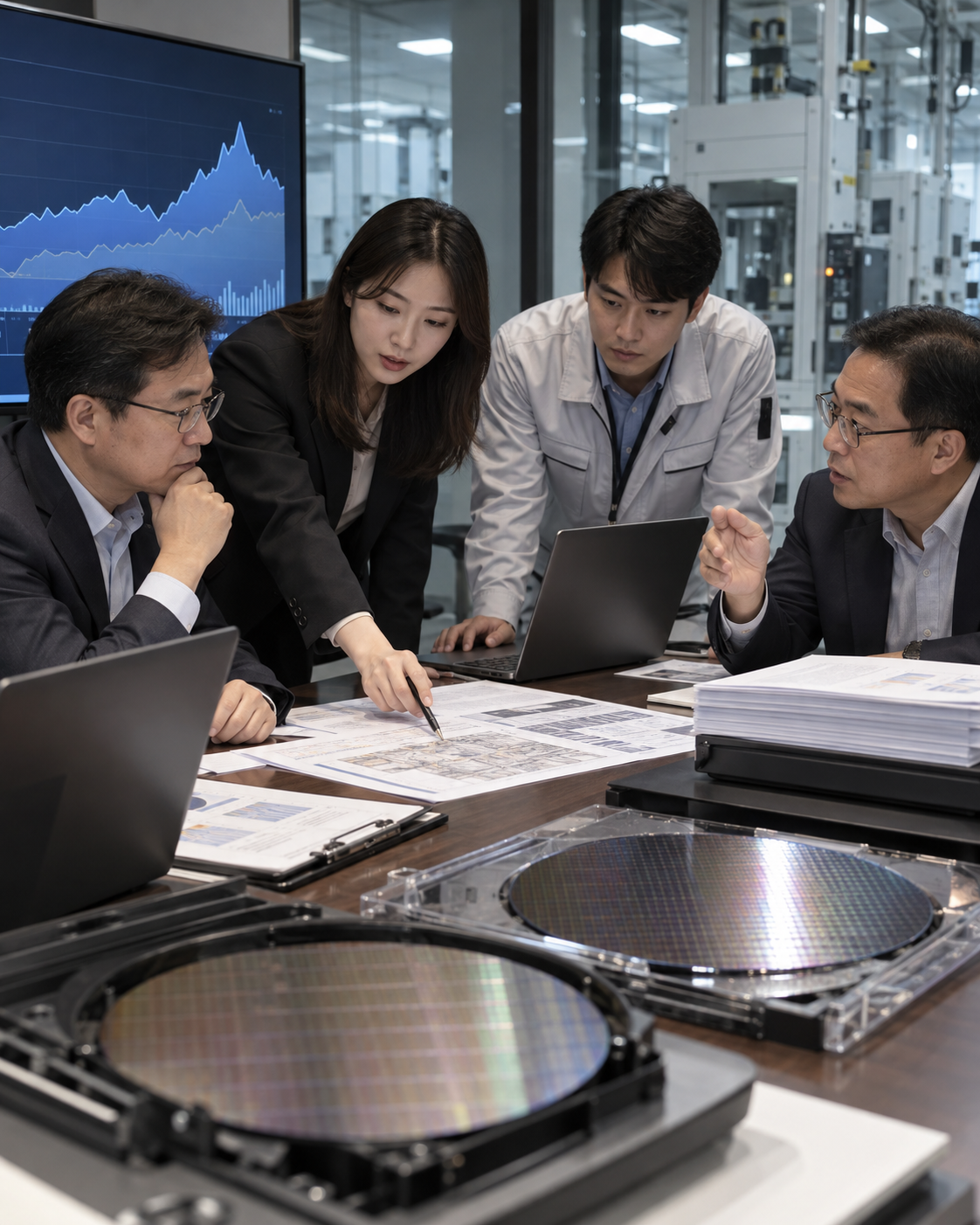
Micron's revenue for the fourth quarter of its fiscal year was $54.23 billion, significantly higher than the previous quarter's $41.46 billion and the same period last year's $11.32 billion. Annual revenue also rose significantly to $133.19 billion, up from $37.38 billion the previous year. Looking at the numbers alone, it’s clear that the AI memory boom has already had a strong impact on the company’s financial results.
However, what the market is paying more attention to is long-term contracts. According to Reuters, financial commitments related to long-term supply contracts rose from $22 billion in June to $32 billion, and the remaining performance obligations—which indicate future contract revenue—also increased from approximately $100 billion to $150 billion. This means that customers are securing volumes on a multi-year basis rather than making short-term purchases.
| Why HBM Has Become a Key Bottleneck in AI Infrastructure
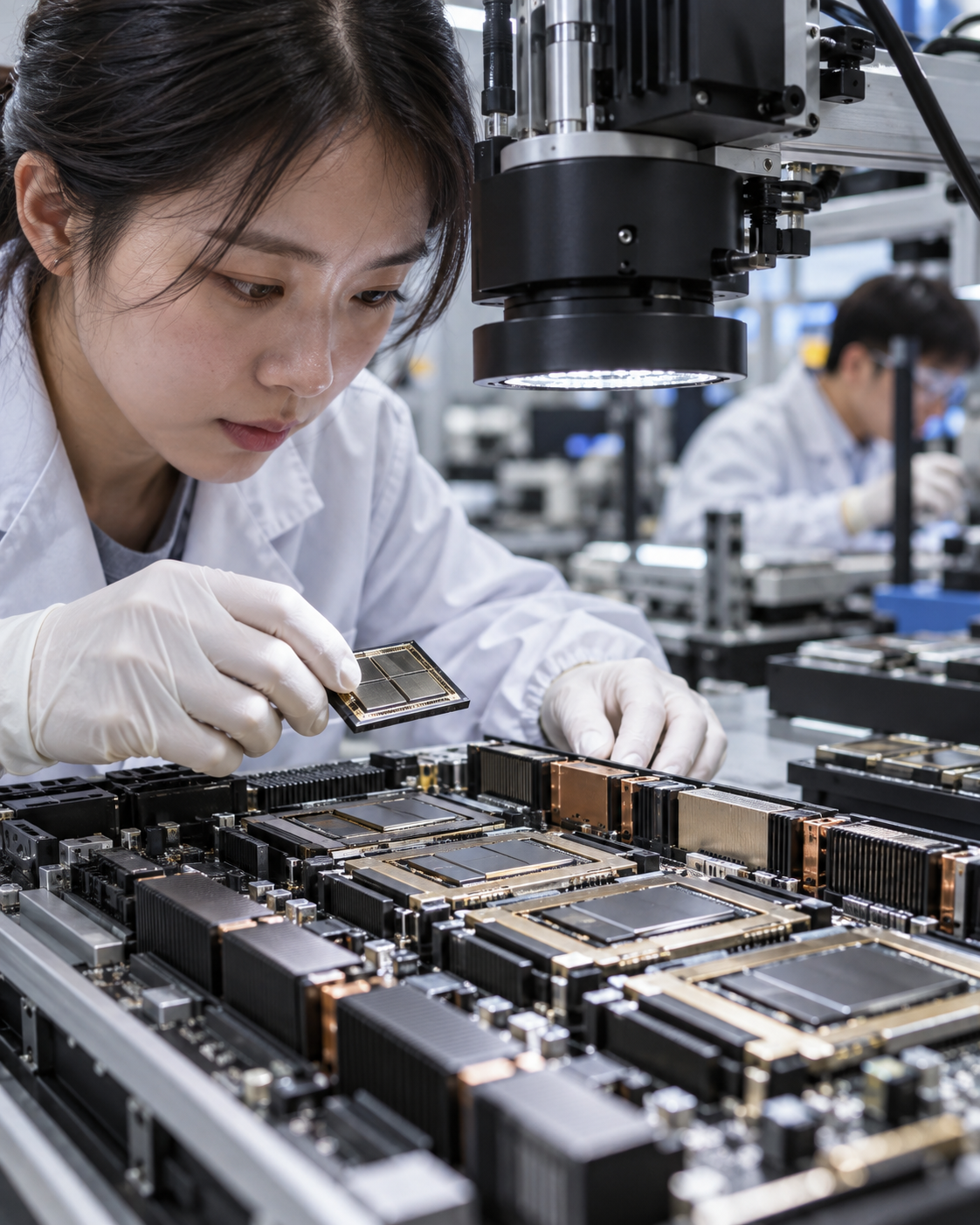
An AI accelerator doesn't deliver good performance just because it's fast at computations. To quickly exchange large amounts of model parameters and intermediate data, HBM is needed to deliver massive amounts of data to the GPU at very high bandwidth. Therefore, as GPU shipments increase, demand for HBM grows accordingly, and memory supply capacity could end up limiting the overall production volume of AI servers.
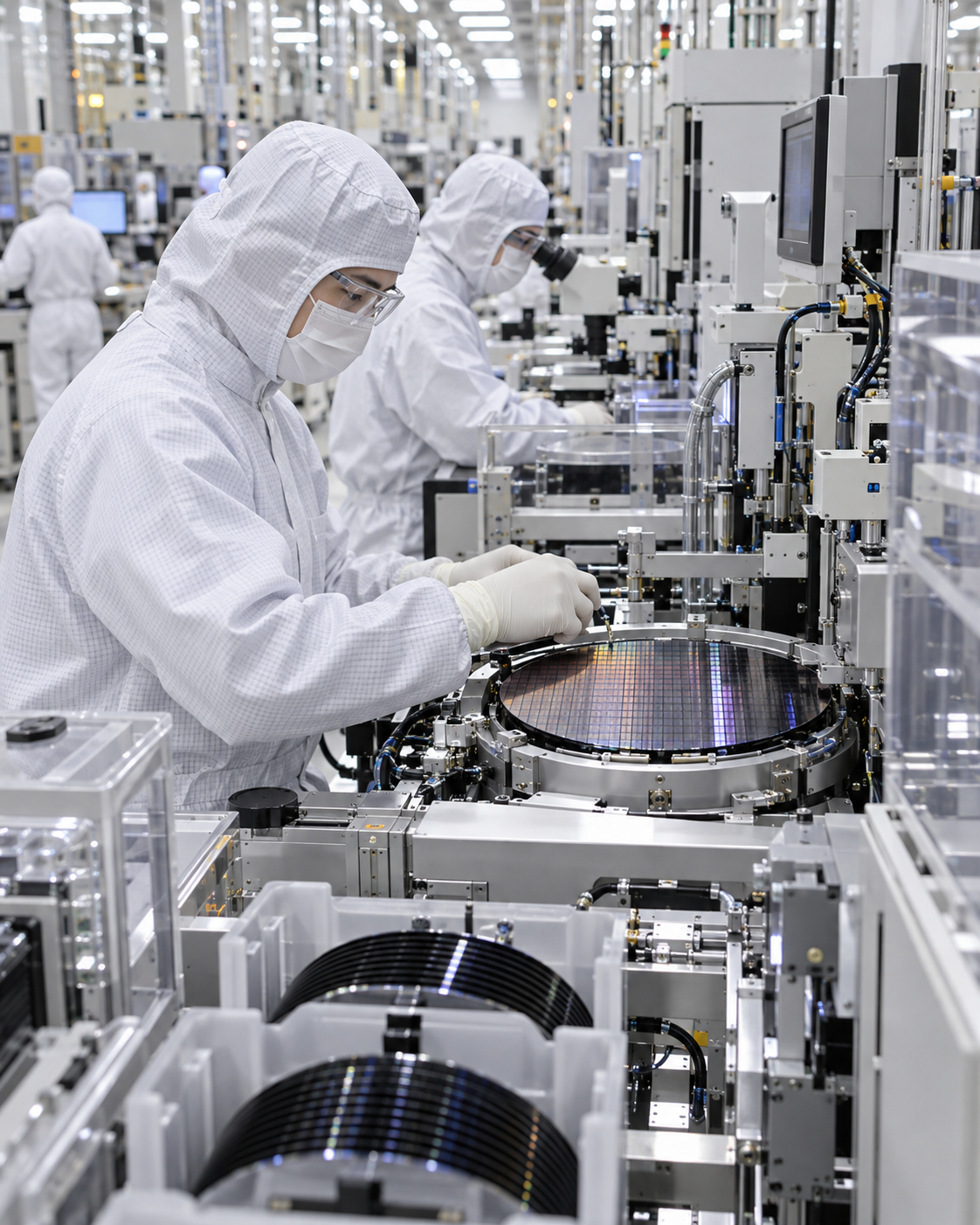
HBM is characterized by the fact that it is more difficult to manufacture than standard DRAM and involves a more complex packaging process, making it difficult to significantly increase production volume in the short term. From the customer's perspective, they tend to prefer long-term contracts to reduce the risk of not receiving the necessary supply when needed, and this makes it easier for memory manufacturers to decide on large-scale capital investments based on those contracts.
| A Market Where 2027 Supply Is Already Being Locked Up
Micron announced that it has secured supply agreements for most of its 2027 production. This is a sign that the transaction structure in the memory industry is changing from the typical cycles of the past. The memory industry has traditionally been highly volatile, with prices plummeting at the slightest increase in supply and skyrocketing when there is a shortage.
As the proportion of long-term contracts increases, manufacturers can improve their sales visibility, and customers can reduce the risk of supply shortages. However, just because there are many contracts doesn’t mean the cyclical risk disappears. Since the composition of demand can change if the pace of AI investment slows more than expected or if customers alter their in-house chip strategies, you need to examine the contract terms—including duration, pricing, and cancellation clauses—to assess actual stability.
| The company also presented a strong outlook for the first quarter

Micron forecasts first-quarter revenue for fiscal year 2027 to be $61.5 billion ± $1.5 billion. Even just looking at the midpoint of the range provided by the company, revenue is higher than in the previous quarter. The company expects fiscal year 2027 to be another record-breaking year and anticipates that supply and demand will remain tight in 2027 and 2028.
It is important to note that this outlook is based on Micron's own projections. Earnings could change if actual investments in AI data centers, client server launch schedules, HBM certification timelines, or competitors’ supply expansions differ from expectations. Still, the current scale of contracts and production bookings is at a level that cannot be explained by short-term optimism alone.
| The competitive landscape must be viewed in the context of Samsung and SK hynix
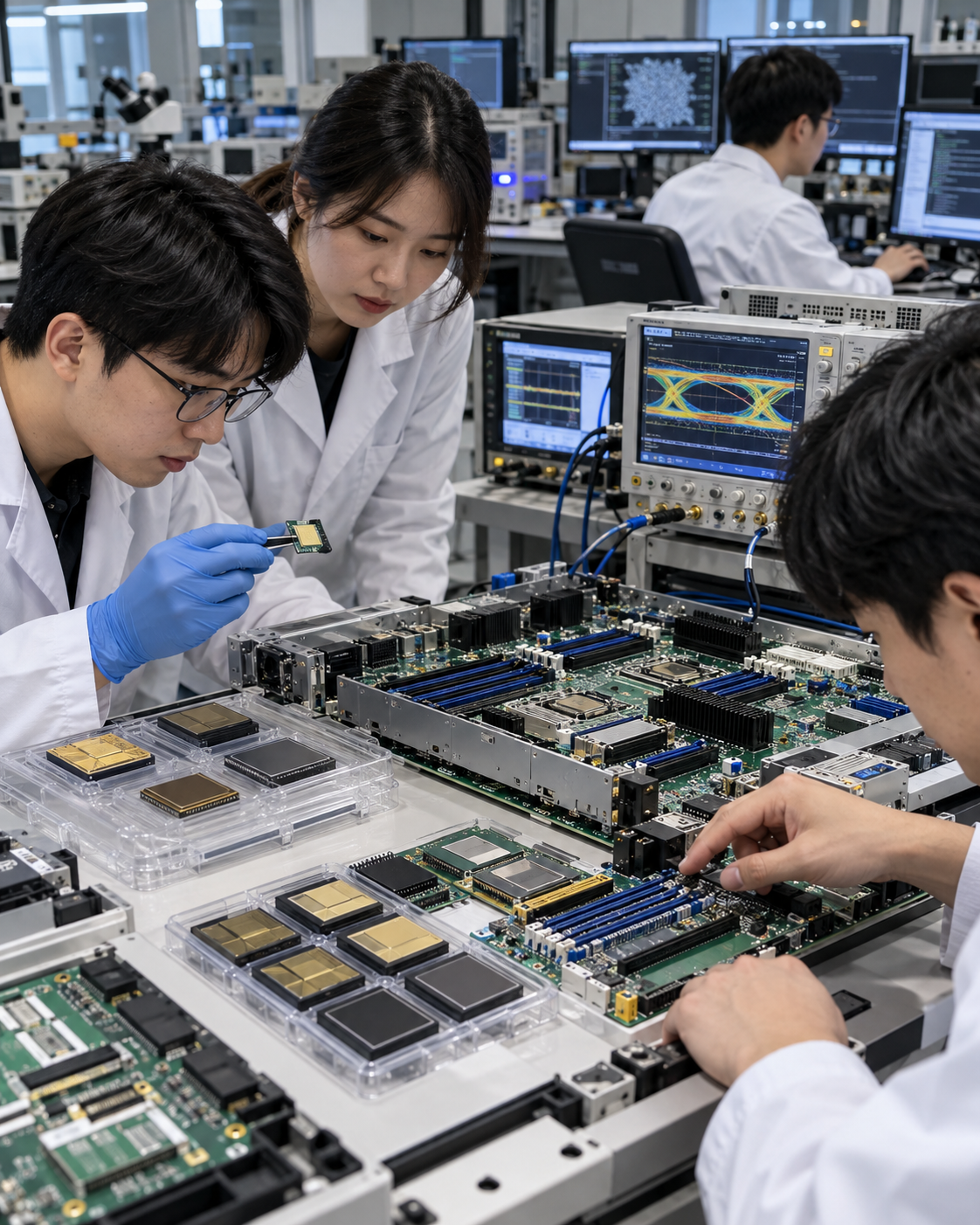
The high-bandwidth memory market isn’t just a competition among Micron. Samsung Electronics and SK hynix are also continuing to make large-scale investments in HBM and next-generation DRAM. As AI accelerator companies seek to diversify their supply chains, securing certifications from major customers and improving yield have become critical for all three companies.
In this market, the speed of generational transition—rather than mere production capacity—determines competitiveness. This is because they need to secure higher bandwidth, lower power consumption, and stable packaging yields in order to be included in next-generation accelerator platforms. As the number of long-term contracts increases, the likelihood of deeper joint development relationships between customers and memory manufacturers also grows.
| This is linked to a $250 billion investment plan in the U.S.

Micron has announced plans to invest more than $250 billion in U.S. manufacturing and research and development by 2035. As confidence grows that demand for AI memory will persist over the long term, the economic viability of such large-scale capacity expansion increases. Conversely, because memory fabs take a long time to build and equip, investment decisions made today will determine supply levels several years from now.
Therefore, the $32 billion contract agreement is not merely a sales figure but also serves as the basis for decisions regarding investment in production facilities. If a company commits to long-term supply volumes with a customer, it gives the company a justification for incurring massive capital expenditures, while the customer can secure future supplies.
| Risks That Are Easy to Overlook When You Only Look at the Positive Numbers
Even if the AI memory market remains strong, risks remain. First, if current high prices and profitability spur competitors to expand production, supply could increase rapidly in a few years. Second, changes in AI models and accelerator architectures could alter the types and capacities of memory required. Third, large-scale factory expansions may not proceed as planned due to issues with power, equipment, permits, and labor.
Also, not all of the specific pricing terms of the long-term supply agreement announced by Micron have been disclosed. Just because the contract amount is large doesn't necessarily mean that high margins will be guaranteed over the long term, so the quality of the contract must be assessed based on future performance.
| A New Indicator for Gauging the AI Investment Boom
The most significant indicator in these earnings results is the size of the contracts that secure future volume in advance, rather than short-term revenue. This is because it shows that investment in AI infrastructure is shifting from one- or two-quarter orders to a competition to secure supply over several years. If there are simultaneous shortages of not only GPUs but also HBM, DRAM, packaging, and power infrastructure, the expansion pace of AI data centers will inevitably be limited by the slowest component.
Going forward, we need to keep an eye on Micron’s HBM generation transition and actual shipment volumes, the fulfillment of its 2027 customer contracts, and the pace at which Samsung and SK hynix expand their supply. Whether the current strong order numbers translate into actual revenue and cash flow will be key to determining the sustainability of the AI memory boom.
In particular, as contract sizes increase, it’s important to also consider customer concentration. This is because the investment plans of a few large AI customers can have a significant impact on overall demand.
Tags
#Micron #Micron #HBM #DRAM #AIMemory #Semiconductors #AI Infrastructure #Data Center #Memory Semiconductors #SK Hynix #Samsung Electronics #SemiconductorInvestment