South Korea's September exports shattered records, driven by demand for AI infrastructure. According to the Ministry of Trade, Industry and Energy’s September 2026 import and export trends report, total exports reached $120.94 billion, an 83.5% increase from the same month last year, and surpassed $120 billion for the first time on a monthly basis.
Semiconductors played the biggest role. Semiconductor exports totaled $60.3 billion, a 262.8% increase from the same month last year, marking the first time a single product category has surpassed $60 billion. Computer exports also rose 435.3% to $7 billion. Just looking at the numbers, it’s immediately clear how much AI-related hardware has grown as a share of South Korea’s export structure.
| A single semiconductor product accounted for nearly half of total exports
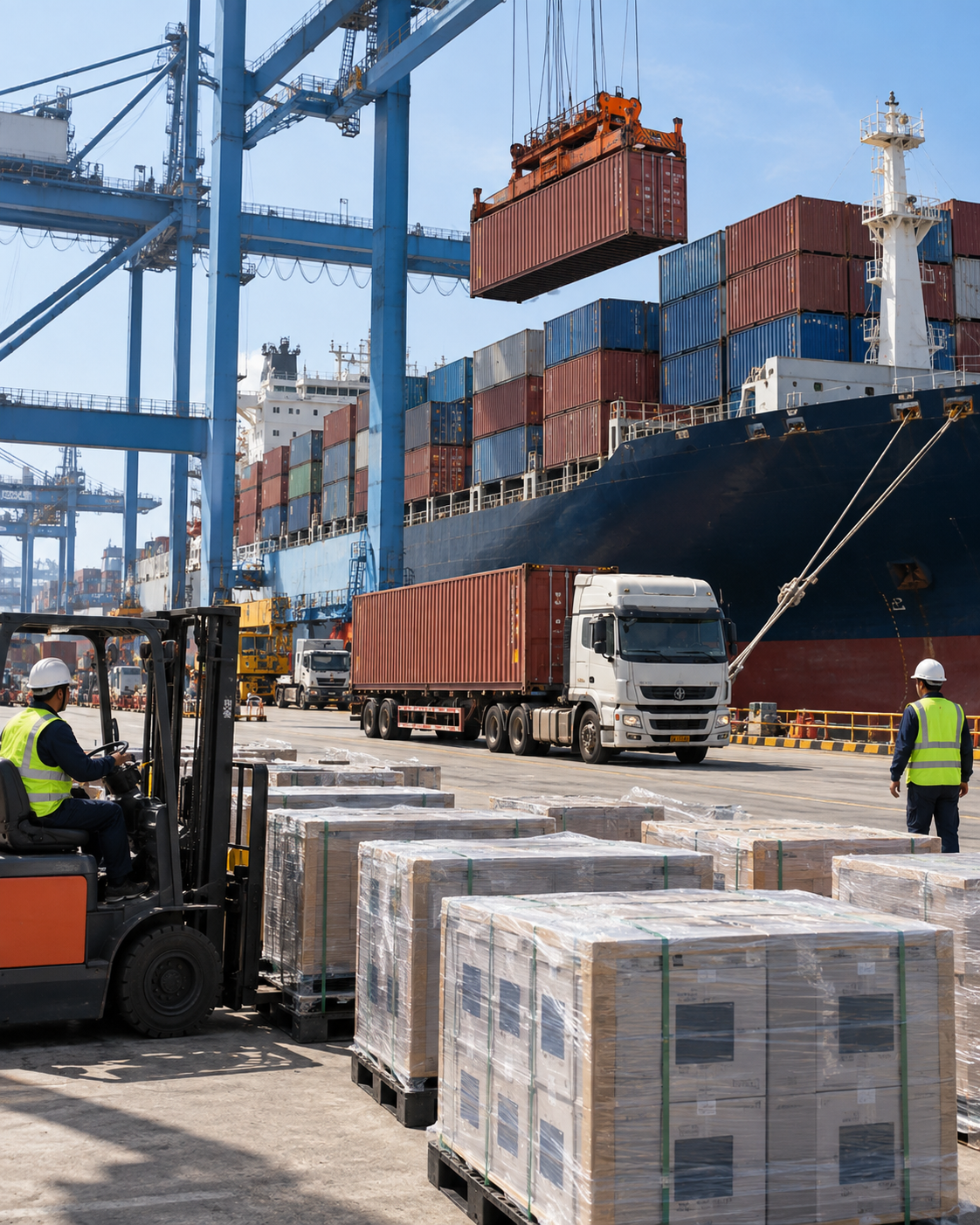
Semiconductor exports in September totaled $60.3 billion, accounting for nearly half of the total exports of $120.94 billion. According to government data, the previous monthly record was $46.7 billion in August 2026, but that record was significantly surpassed in just one month. Semiconductor exports alone rose 262.8% compared to the same month last year.
A proportion like this is This means that South Korea's strong export performance was driven primarily by specific products—mainly AI and memory chips—rather than being the result of broad-based growth across the entire industry. In fact, among the top 20 export items, 11 saw an increase, while others, such as automobiles, saw a decrease.
Average daily exports, adjusted for the number of business days in September, also rose to $5.63 billion, a 104.9% increase from the previous year. This means that the monthly figure didn’t just increase because there were more business days; it also indicates that export momentum has significantly strengthened on a daily average basis.
| Memory prices and shipment volumes rose simultaneously
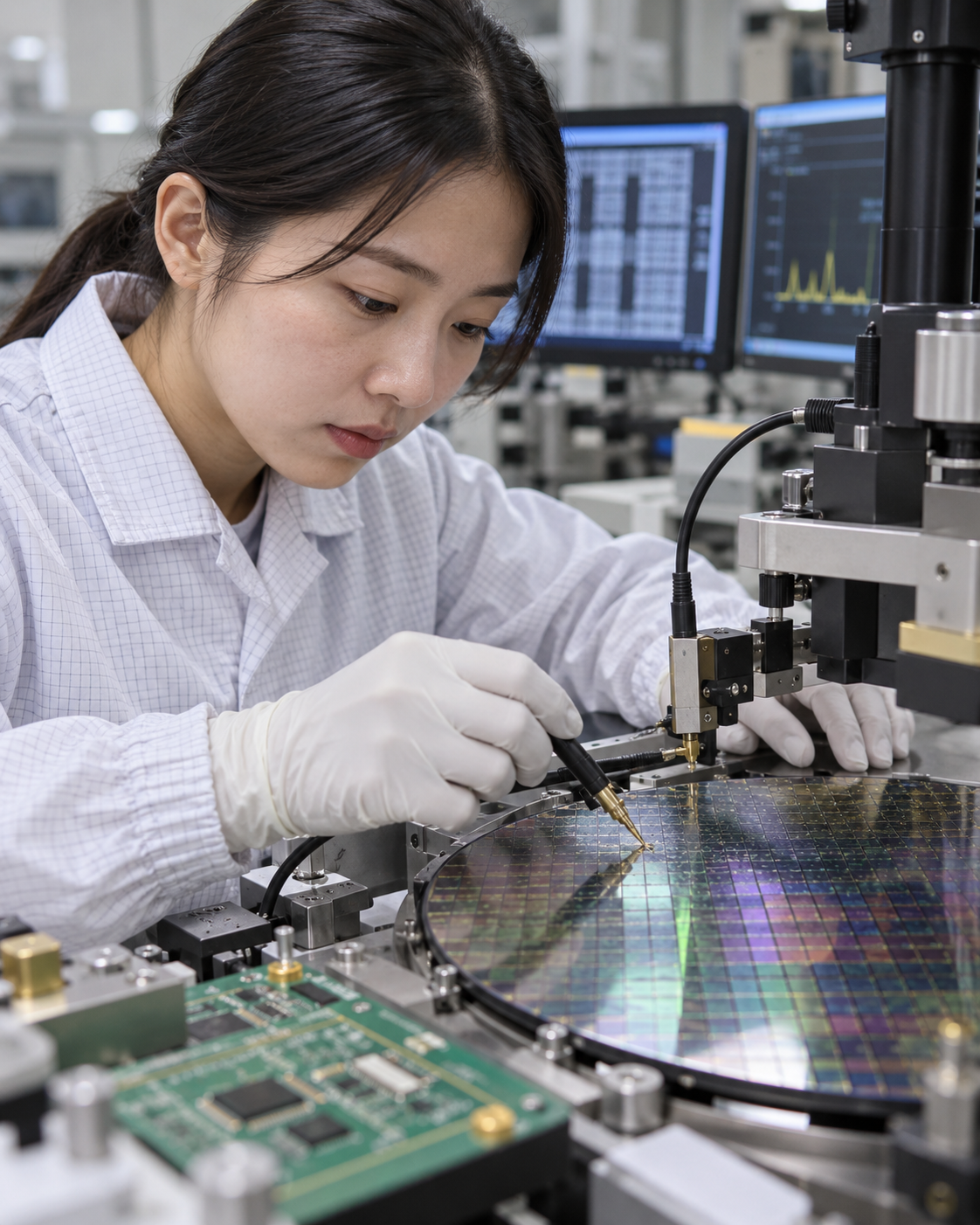
The government cited rising memory demand, increased export volumes, and higher fixed prices as the reasons behind the surge in semiconductor exports. The fixed price for 16Gb DDR5 rose from $37.50 in May to $48 in September, and the price for 128Gb NAND also increased from $26.50 to $30.60 during the same period.
In the memory industry, revenue grows rapidly when both sales volume and prices rise simultaneously. AI servers use more HBM and high-capacity DRAM than standard servers, and increased investment in data centers is driving up demand for memory used in existing servers as well, thereby stimulating overall demand.
If the proportion of high-unit-price products, such as HBM, increases here, the total value of exports can grow more rapidly even if the volume remains the same. Therefore, Going forward, we need to look not only at export value but also at the product mix and actual shipment volumes.
| The 435% increase in computer exports follows the same trend.
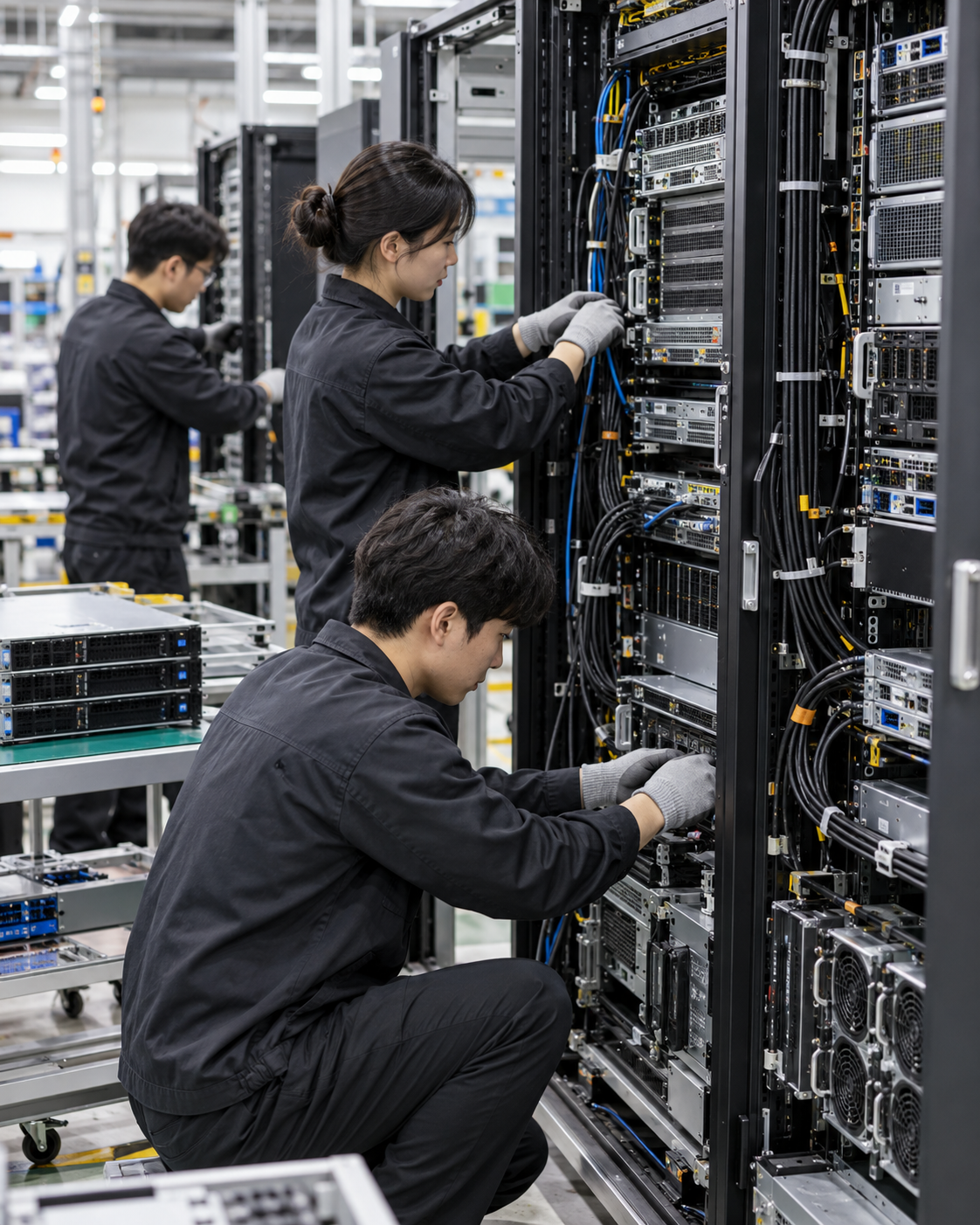
Computer exports in September totaled $7 billion, a 435.3% increase from the previous year. The government attributed this to the continued spread of agentic AI and rising demand for AI infrastructure. This means that not only semiconductors but also exports of servers, storage devices, and related systems are being driven by AI investment.
The reason this metric is important is It shows that demand for AI isn't concentrated on just one specific type of memory chip. When the various hardware components that make up a data center—such as accelerators, servers, networks, and storage—work together, the positive impact on exports can be even more widespread.
| Total exports also exceeded $120 billion for the first time
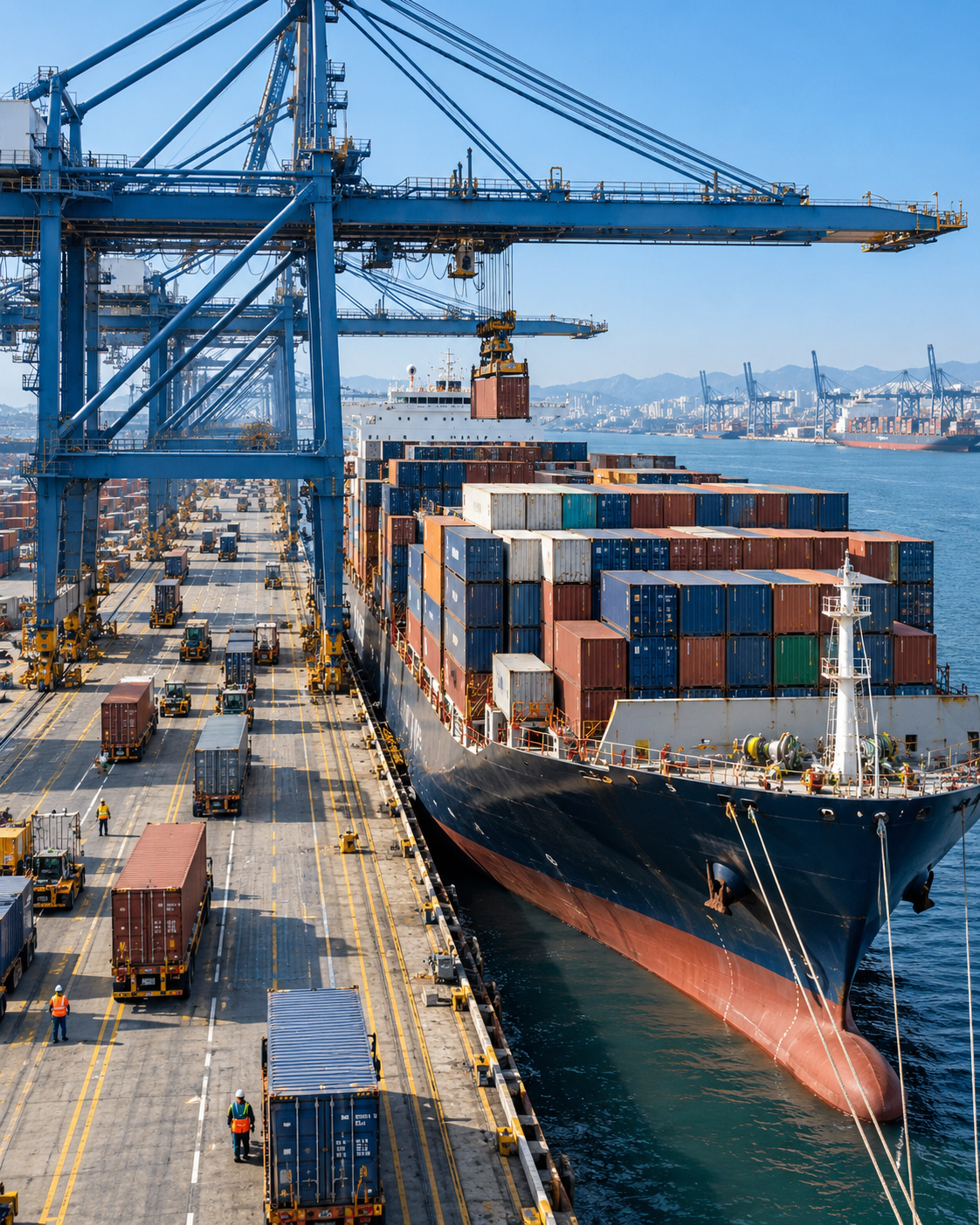
Total exports in September reached a record high of $120.94 billion, while imports totaled $71.09 billion. The trade balance recorded a surplus of $49.85 billion. Cumulative exports from January through September also reached $814.5 billion, surpassing the $800 billion mark for the first time, and the government assessed that the likelihood of achieving $1 trillion in annual exports has increased.
However, the semiconductor industry’s abnormally high growth rate had a major impact on these figures. Therefore, Rather than simply extrapolating that annual exports will continue to grow at the same rate, we need to consider both memory prices and the AI investment cycle together.
| Demand for high-tech industries was strong in the U.S., China, and ASEAN (Association of Southeast Asian Nations) alike
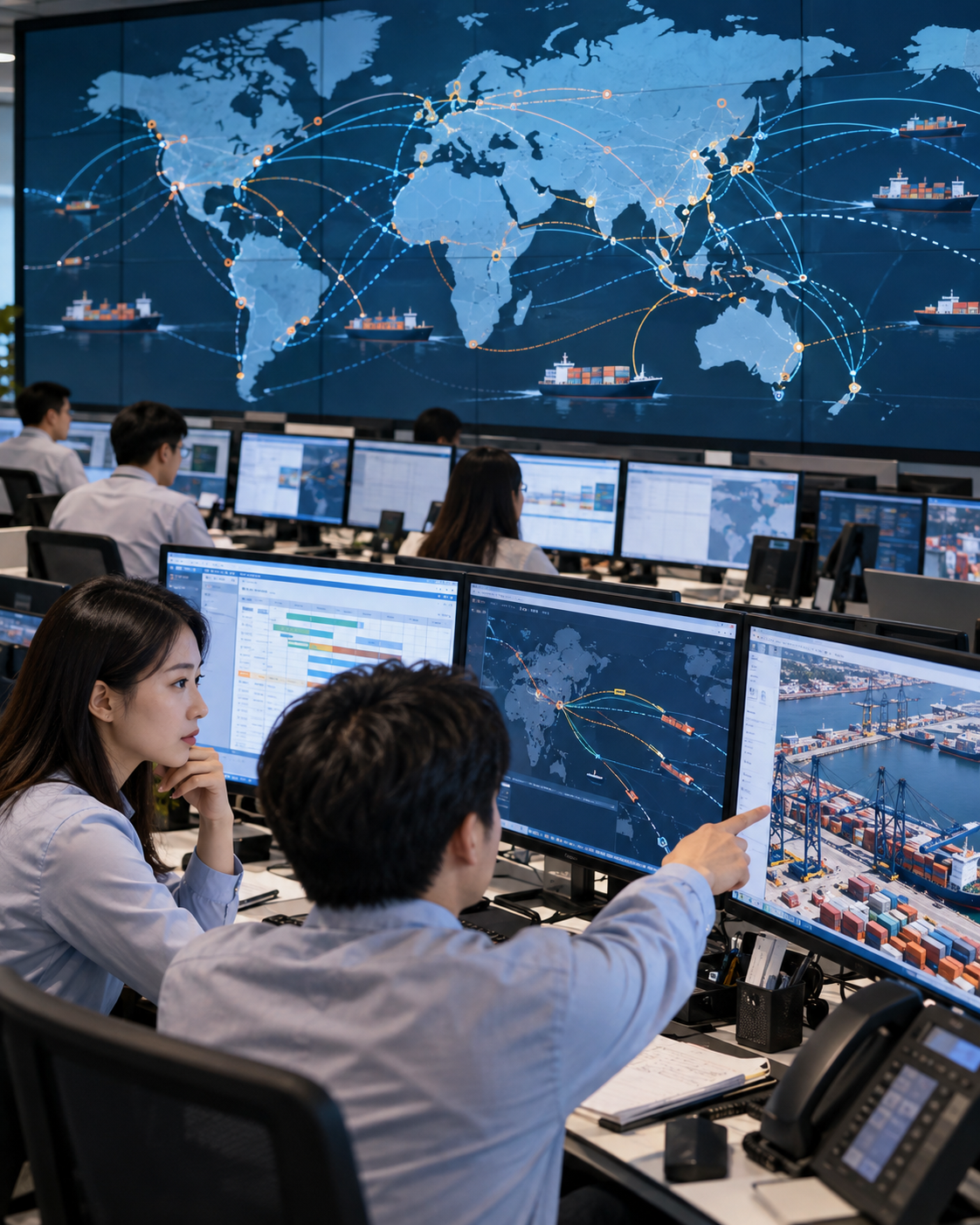
By region, exports to China rose 122.7% to $26.01 billion, exports to the U.S. rose 137.0% to $24.33 billion, and exports to ASEAN rose 92.6% to $21.29 billion. Government data indicates that high-tech industrial goods, including semiconductors, performed strongly in China, the U.S., and ASEAN.
It’s a positive sign that this record wasn’t achieved by relying on just one market, but rather that demand for AI and semiconductors grew simultaneously across major markets. On the other hand, This also means that if global investment in AI infrastructure slows down simultaneously, exports from various regions could be affected as well.
Since ASEAN has many hubs for semiconductor back-end processes and electronics manufacturing, there could be significant intermediate demand for Korean-made memory and components. The structure of global supply chains, in which final consumption markets and production hubs are located in different regions, also affects export figures by region.
| This directly reflects the competitiveness of South Korean memory companies
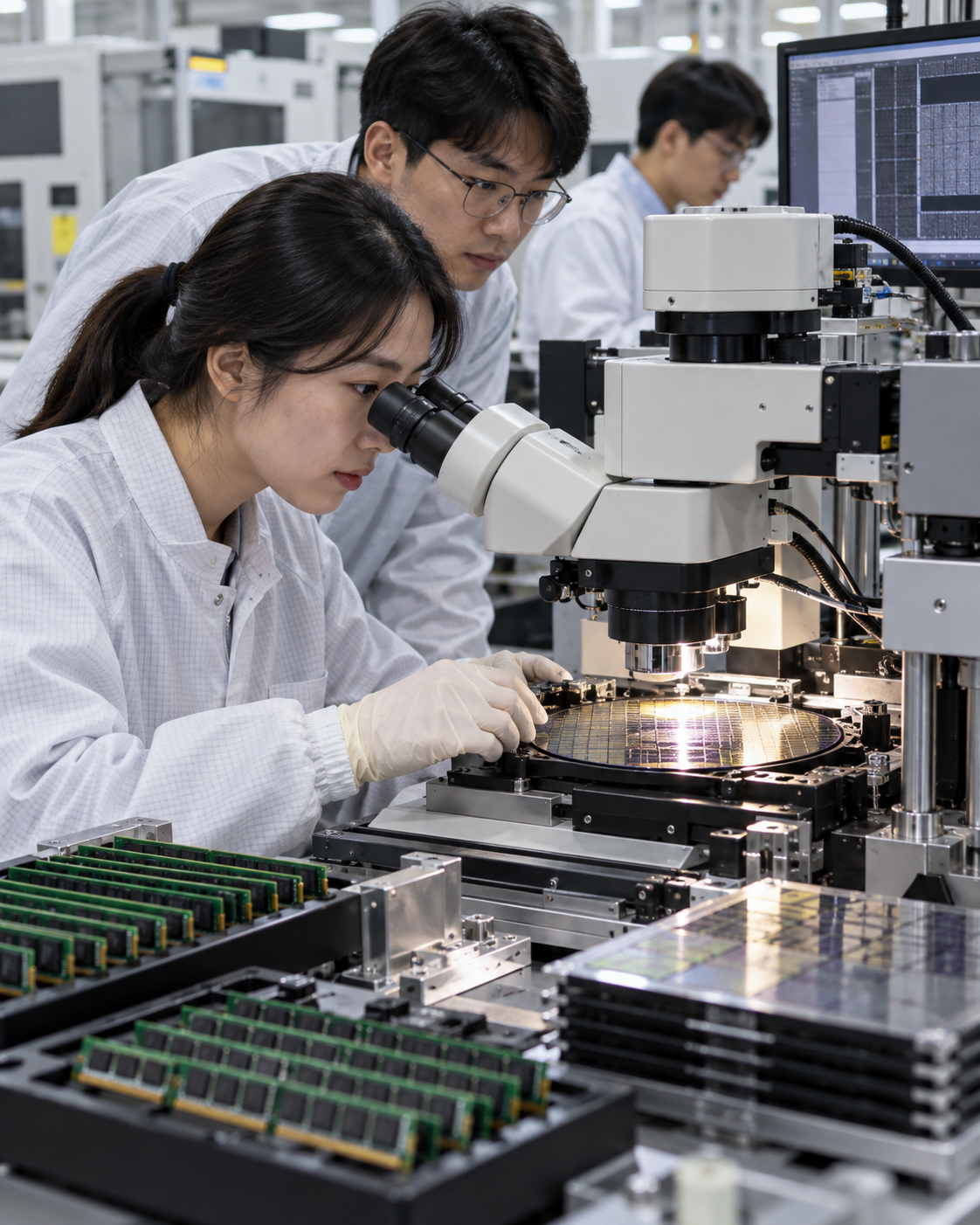
South Korea accounts for a significant share of DRAM and HBM production, led by Samsung Electronics and SK hynix. As demand for AI accelerators has grown, the importance of high-value-added HBM has increased, and upward pressure has emerged on prices for general-purpose server memory as well. This industry structure is directly reflected in the latest export statistics.
In particular, For HBM, advanced packaging and customer certification are just as important as simple memory production capacity. For export growth to continue going forward, the pace of the transition to next-generation HBM, yield rates, and the ability to supply key AI accelerator customers will all become critical factors.
| Despite setting a record high, risks remain
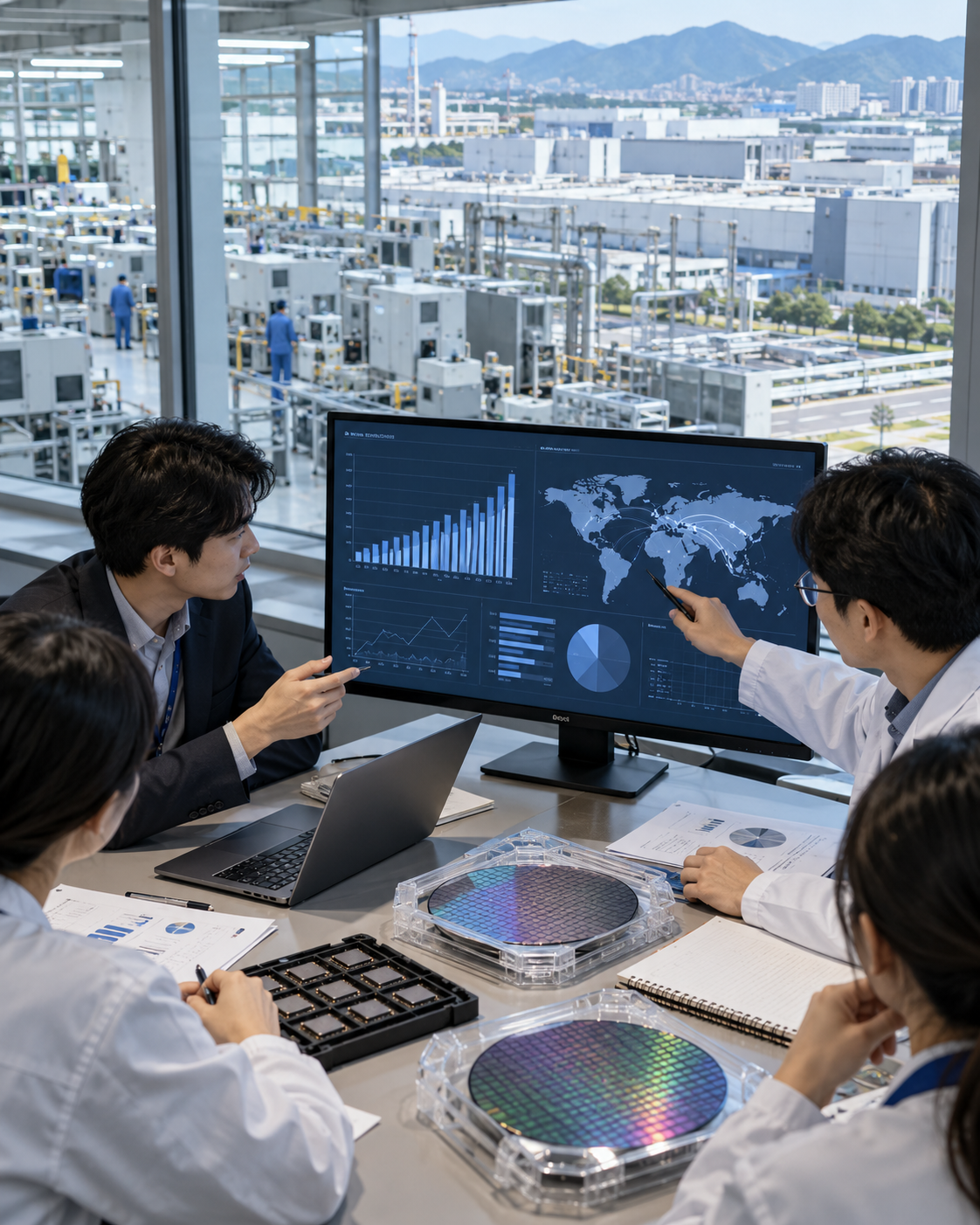
As dependence on semiconductor exports increases, overall export volatility may rise when memory prices fall. In the past, South Korean exports have often been significantly affected when the memory market shifted from a boom to an oversupply. While demand for AI is strong right now, the pace of capacity expansion by competitors and investment by customers could change simultaneously.
The government also mentioned the possibility of reaching $1 trillion in annual exports, while pointing out variables such as the rise of global protectionism and the situation in the Middle East. Since logistics costs, energy prices, and trade regulations could all affect export items other than semiconductors, we must also consider the overall quality of exports.
Furthermore, the high proportion of the semiconductor industry can rapidly transmit the effects of exchange rates and global investment cycles to the entire domestic manufacturing sector. This means that while the growth effects are significant during boom periods, the adverse impacts can also be substantial during downturns.
| From now on, “what comes after $60.3 billion” is more important
The September figures clearly demonstrate that AI infrastructure has become a central pillar of South Korea’s exports. The figures—$60.3 billion in semiconductors and $7 billion in computers—reflect how increased investment in AI data centers has translated into actual national export statistics. At the same time, this is a sign that the economy has become significantly more concentrated in specific industries.
The key indicators to watch going forward are whether semiconductor exports maintain a certain level after October, whether HBM and standard DRAM prices continue to rise, and whether AI capital expenditures in major countries continue. More important than the record-high monthly figures is how long this demand will last and whether Korean companies can maintain their market position with next-generation products.
In particular, when looking at quarterly data—including export value, actual memory shipment volume, average selling price, and the share of high-value-added products—it is possible to more accurately assess the sustainability of these records.
References
Tags
#South Korean Exports #SemiconductorExports #AI Semiconductors #HBM #Memory Semiconductors #SK Hynix #Samsung Electronics #AI Infrastructure #Data Center #Import and Export Trends #Semiconductors #Computer Exports