In the competition among AI data centers, what matters most is not the announced power capacity, but how quickly the computing capacity that customers can actually use becomes available. Even if you plan a campus with a capacity of hundreds of megawatts, that power isn't computing infrastructure that generates revenue until the substation equipment, cooling systems, power distribution, and server room commissioning are all complete.
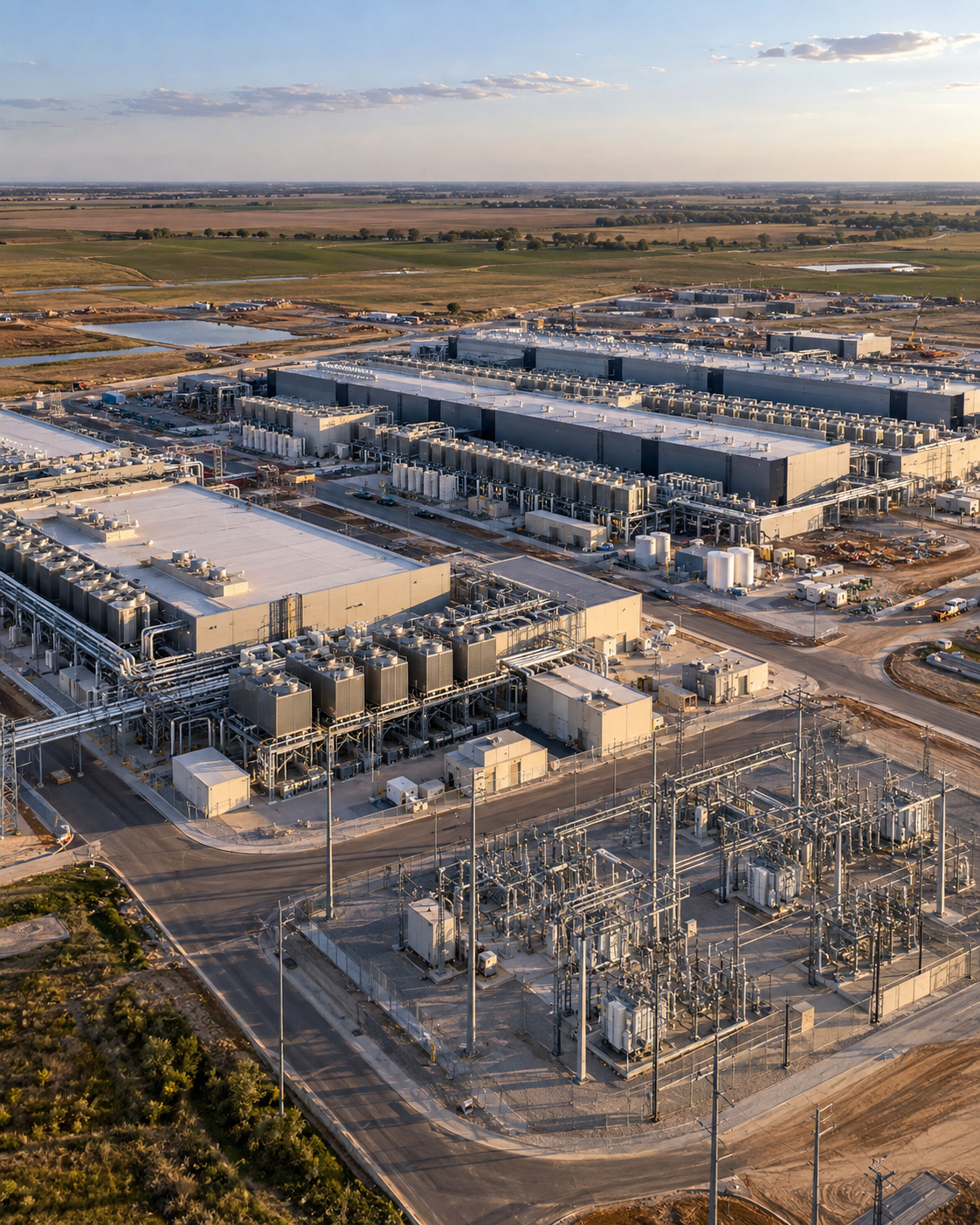
This is why the news that Applied Digital has brought an additional 75 MW online at Polaris Forge 1 in Ellen Dale, North Dakota, is drawing attention. The phase that has now been brought online is the second phase of Building 2, comprising three 25-MW data halls. According to the company’s official announcement, this brings the fully operational critical IT load at Polaris Forge 1 to 250MW.
This announcement is less a news story about a new data center plan and more a report on the actual implementation of a large-scale AI infrastructure project that has already been contracted and is now moving into the operational phase. This can be seen as a sign that the AI infrastructure market is shifting from focusing on “how large a facility will be built” to evaluating “how quickly power can be converted into actual computing capacity.”
| What the Additional 75 MW of Capacity Means
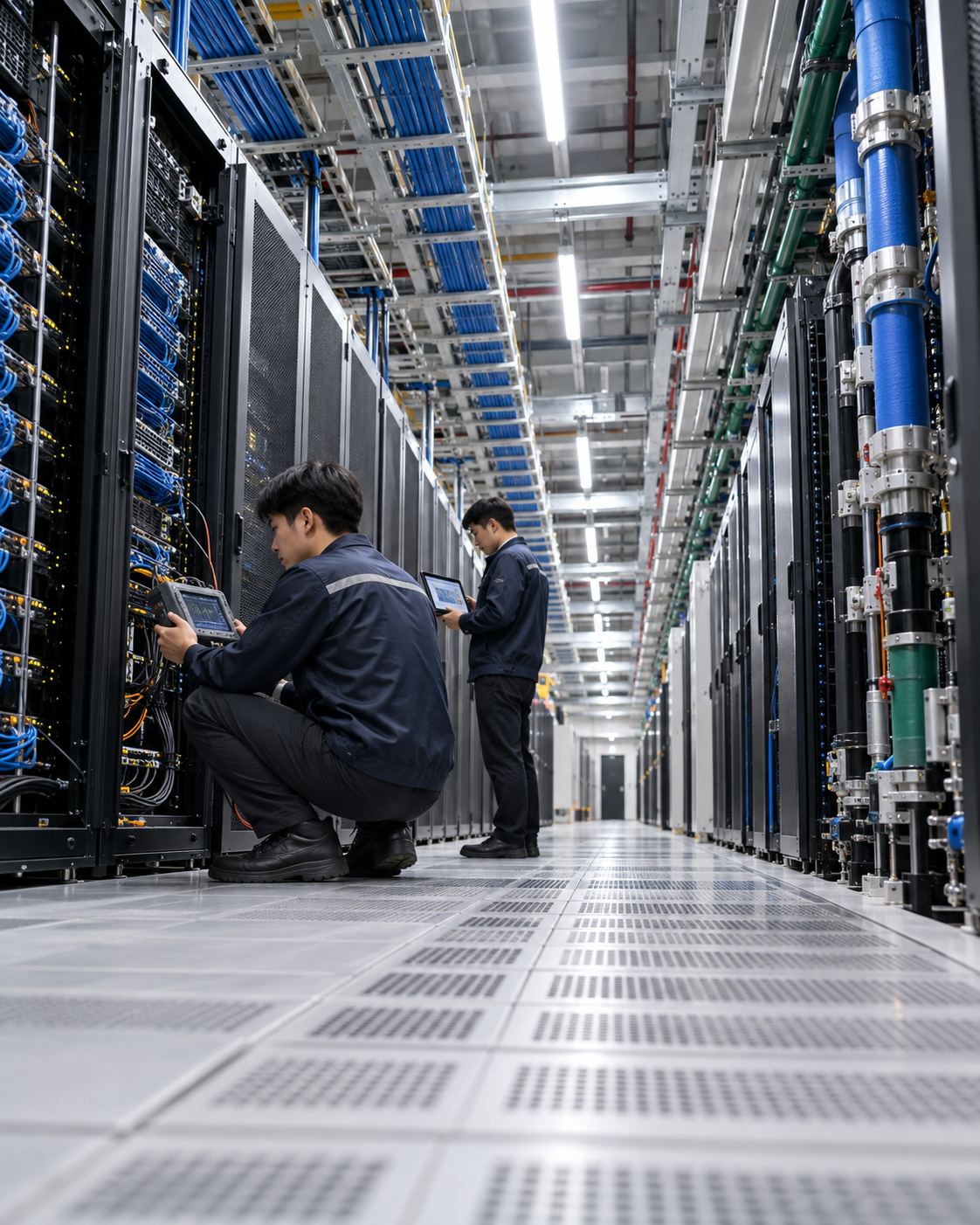
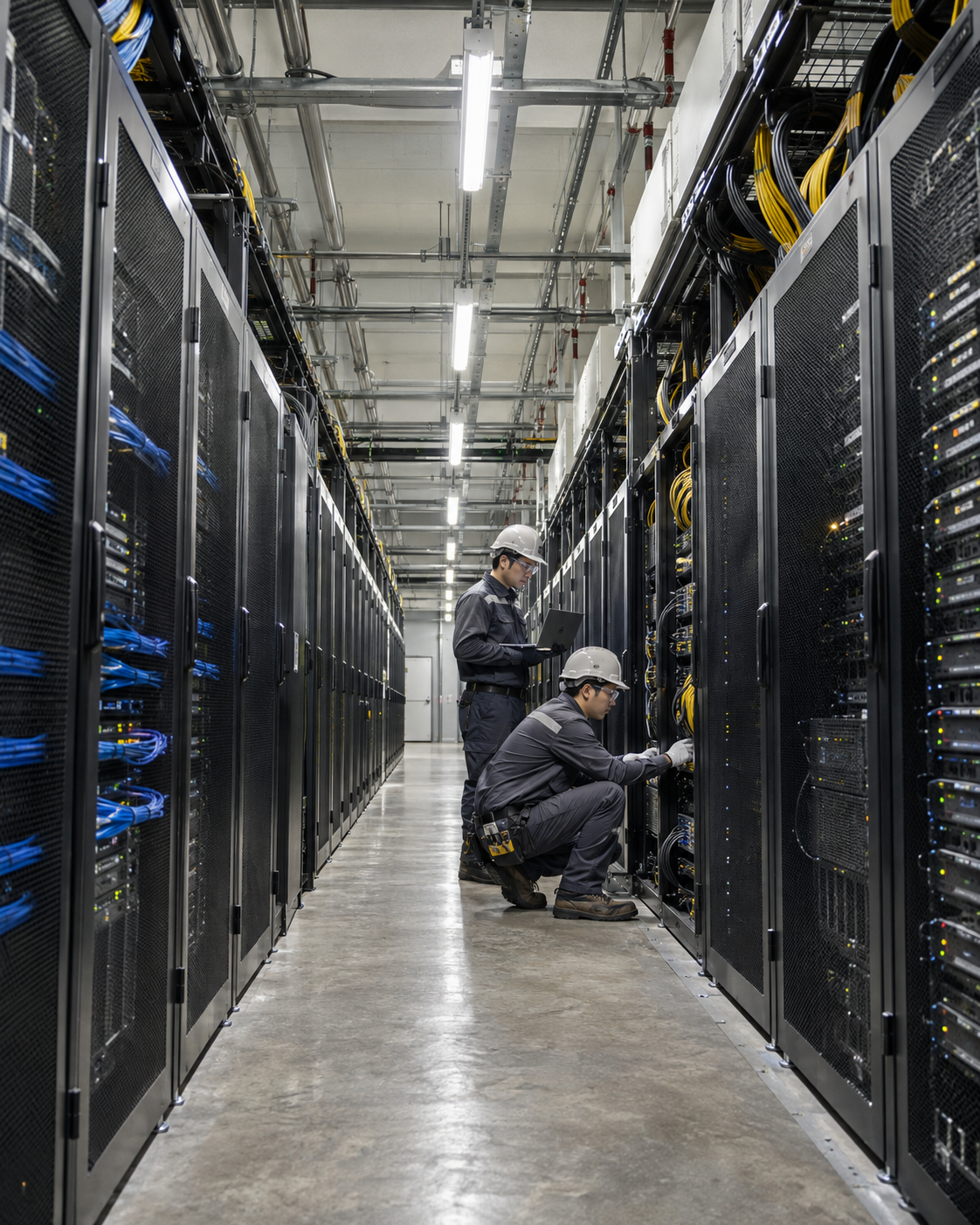
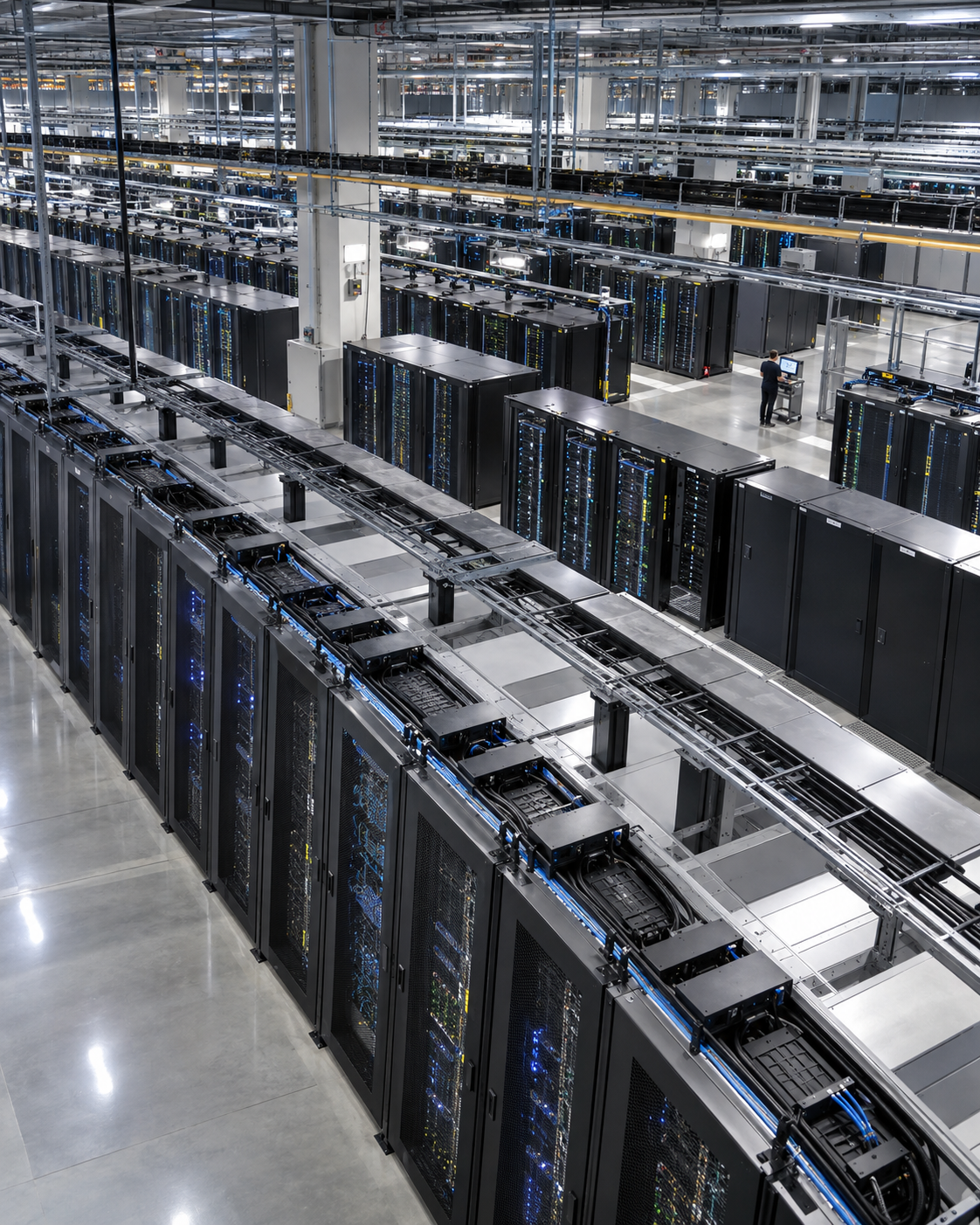
On October 2, Applied Digital announced that three 25MW data halls in Phase 2 of Building 2 had reached "Ready for Service" status. This adds a total of 75 MW of critical IT load. Critical IT load refers not to the building’s total power consumption, but to the power capacity that can be supplied to actual IT equipment, such as servers and network devices. In the data center industry, this figure is one of the key metrics linked to actual computing processing power.
The company’s announcement describes this 75 MW capacity not merely as a construction milestone, but as operational AI and HPC infrastructure. Therefore, it is one step further along than the land acquisition or power contract phases. However, “Ready for Service” does not mean that all servers are already installed and running at maximum capacity. Customer acceptance, equipment deployment, and an increase in actual utilization rates will need to be verified separately during the subsequent operational phase.
| Building 2: A total of 150 MW is ready

With the completion of this phase, the entire critical IT load of 150 MW in Building 2 is now operational. Previously, Applied Digital announced that it had brought the first phase—75 MW—to "Ready for Service" status in July 2026, noting that the campus's live capacity had increased to 175 MW at that time. With the addition of this latest 75 MW, the total capacity now stands at 250 MW.
In terms of capacity, the first building is 100 MW, Phase 1 of Building 2 is 75 MW, and this Phase 2 is 75 MW. This demonstrates that large data centers are not commissioned all at once—400 MW at a time—but rather expand through a process of repeated commissioning and handover on a building-by-building and data hall-by-data hall basis. From the operator’s perspective, this phased handover helps spread construction risks, while allowing customers to begin using a portion of the capacity as soon as they need it.
| Of the 400 MW under contract, 250 MW have entered the operational phase
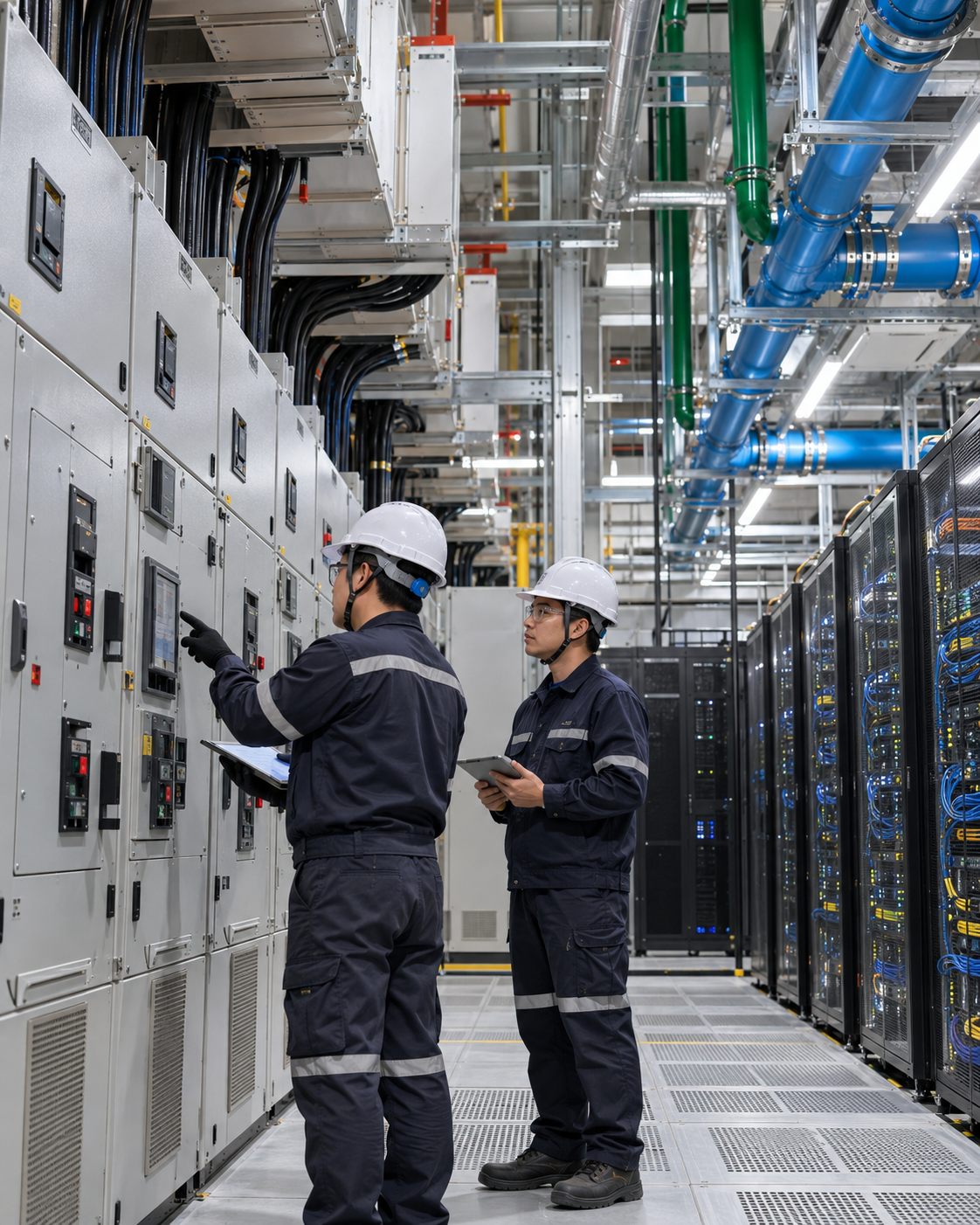
The final contracted capacity for Polaris Forge 1 is 400 MW. Applied Digital explained that the entire campus has already been leased and is under contract to supply 400 MW of critical IT load upon completion. The current operational capacity of 250 MW represents 62.5% of the final contracted capacity.
This figure is important because it allows us to distinguish between “contracted future capacity” and “currently available capacity.” In the AI data center market, long-term lease agreements and projected revenue in the billions of dollars are typically announced first, but actual revenue recognition and customer service don’t really get underway until the buildings are delivered. This news confirms that a significant portion of the 400MW long-term plan has now been translated into physical infrastructure.
| The hardest part isn't securing power—it's converting that power into computing power
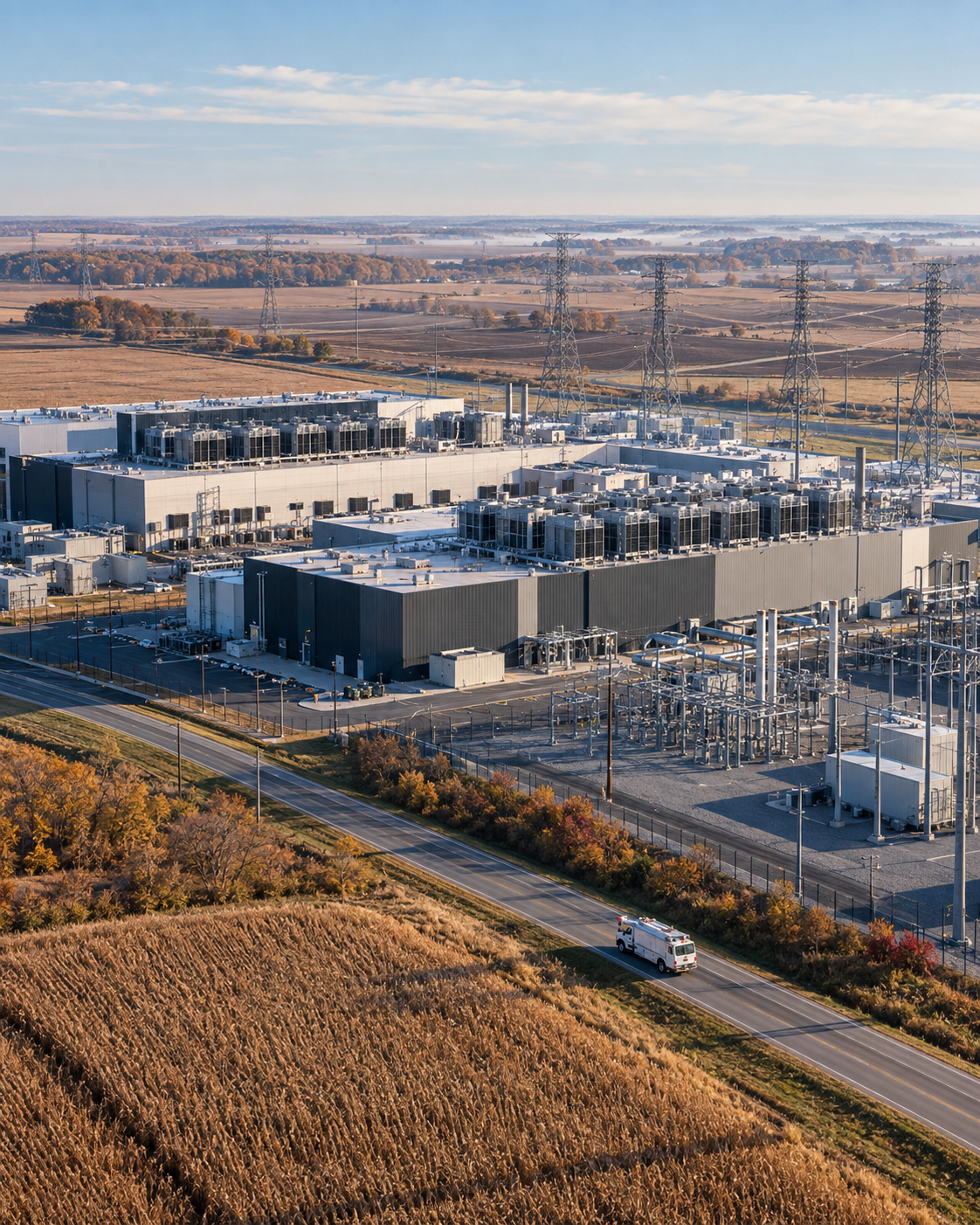
In this announcement, Wes Cummins, CEO of Applied Digital, emphasized that securing power is just the starting point, and that the real core competency lies in the process of transforming that power into infrastructure that customers can use—through design, construction, commissioning, and operation. This means that the bottleneck in the AI data center market isn’t simply a shortage of power generation.
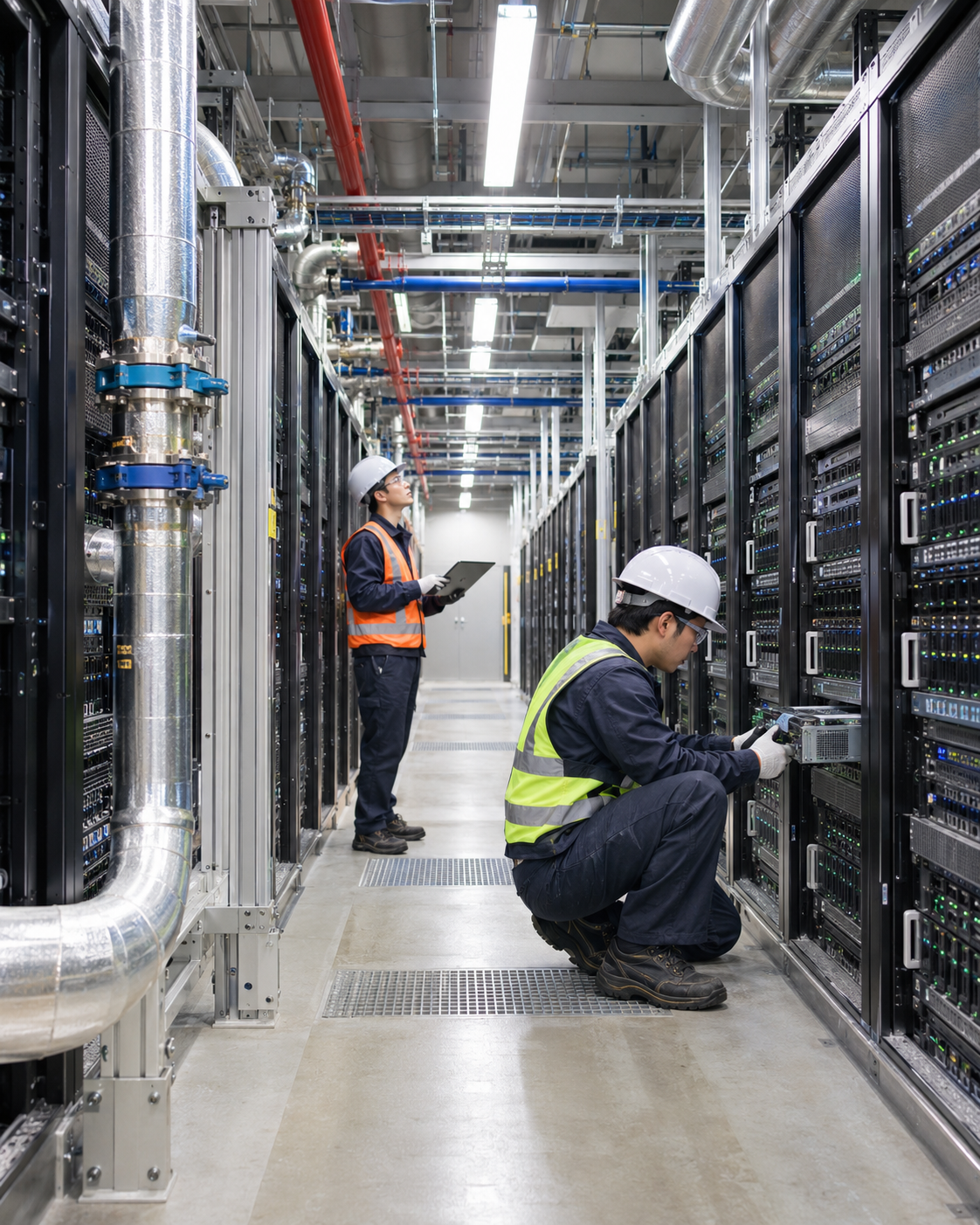
Large GPU clusters require high power density, high cooling performance, stable power distribution, and network connectivity all at the same time. Even if the same 100 MW of capacity has been secured, the actual date of service commencement can vary significantly depending on factors such as plant design, cooling methods, and the pace of commissioning. Therefore, it will become increasingly important to get into the habit of looking not only at announcements stating “how many GW have been secured” but also separately at “how many MW have entered the ‘Ready for Service’ phase.”
| Why North Dakota Is Becoming a Hub for AI Infrastructure
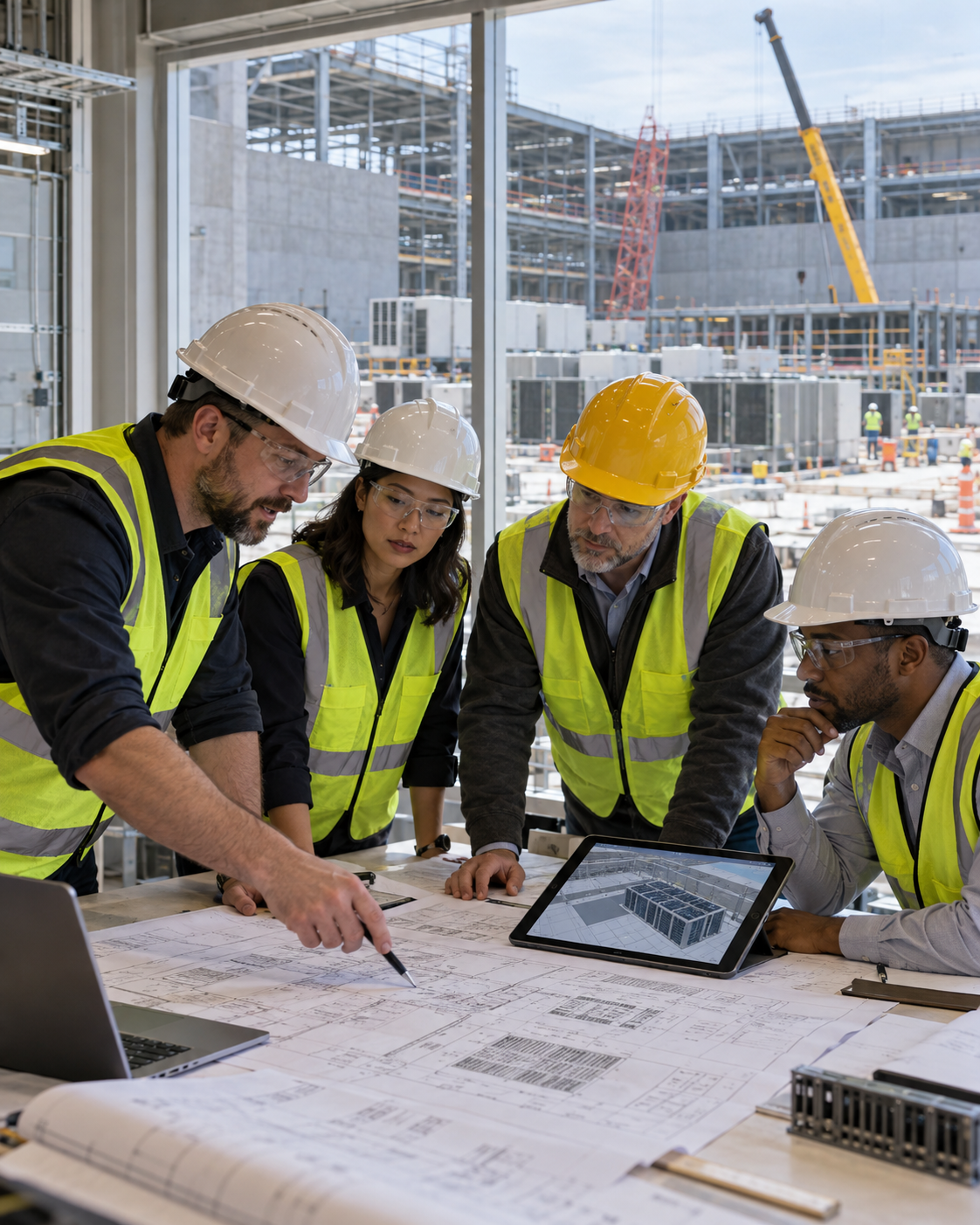
Polaris Forge 1 is located in Ellen Dale, North Dakota, and Applied Digital stated that it has been operating in the area since 2021. Large-scale AI data centers require not only affordable land but also access to the power grid, long-term power supply agreements, suitable cooling conditions, a fast permitting process, and strong community relations. Regions with existing operational experience offer the advantage of not having to rebuild this infrastructure from scratch when expanding with subsequent facilities.
The trend of AI infrastructure investment shifting away from major U.S. metropolitan areas toward regions where it is easier to secure power and land continues. However, as large-scale loads are added to local power grids, issues such as the need to expand transmission networks, secure power generation sources, and the cost burden on local residents may also increase. Expanding data center capacity does not necessarily mean that it can be done without placing a burden on local infrastructure.
| Applied Digital's business model has also entered the validation phase
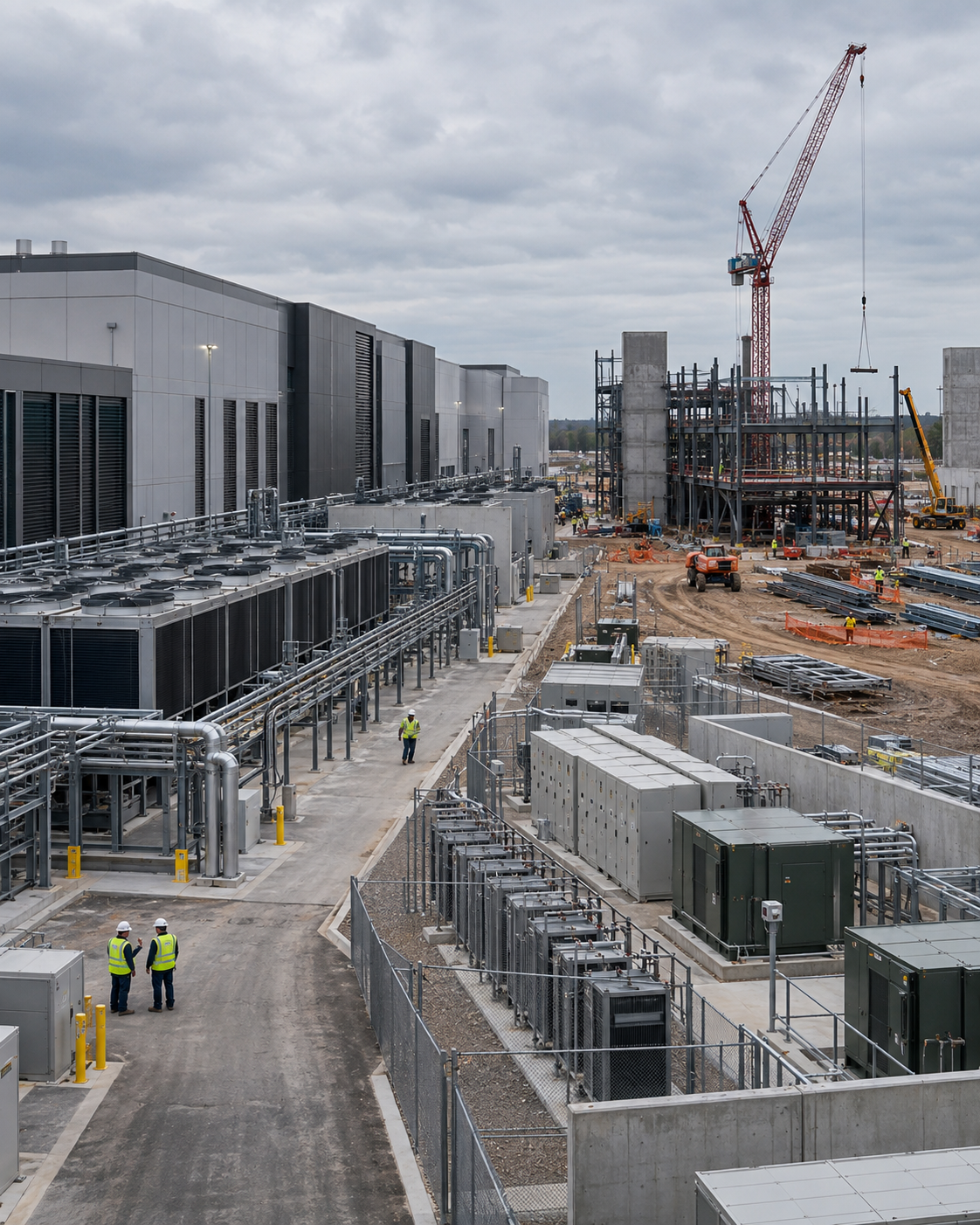
Applied Digital describes itself as a developer and operator of “AI Factory” data centers. Rather than simply building and selling facilities, this model involves securing large-scale power and infrastructure through long-term lease agreements to provide an environment where customers can operate high-performance computing equipment. The company has reported that, as of the end of May 2026, it has significantly increased its long-term contracted capacity across multiple campuses.
The strength of this model is that revenue visibility can improve as contracts extend over the long term; however, on the flip side, the burden of construction costs, financing expenses, and investments in power infrastructure also increases. Therefore, from an investor’s perspective, one must look not only at the contract size but also at the actual delivery schedule, financing terms, the customer’s creditworthiness, and whether rental income is generated as planned after the facility becomes operational. This 75 MW delivery marks the addition of another positive performance indicator in that validation process. I can see it.
| The rules of the game in the AI data center competition are changing
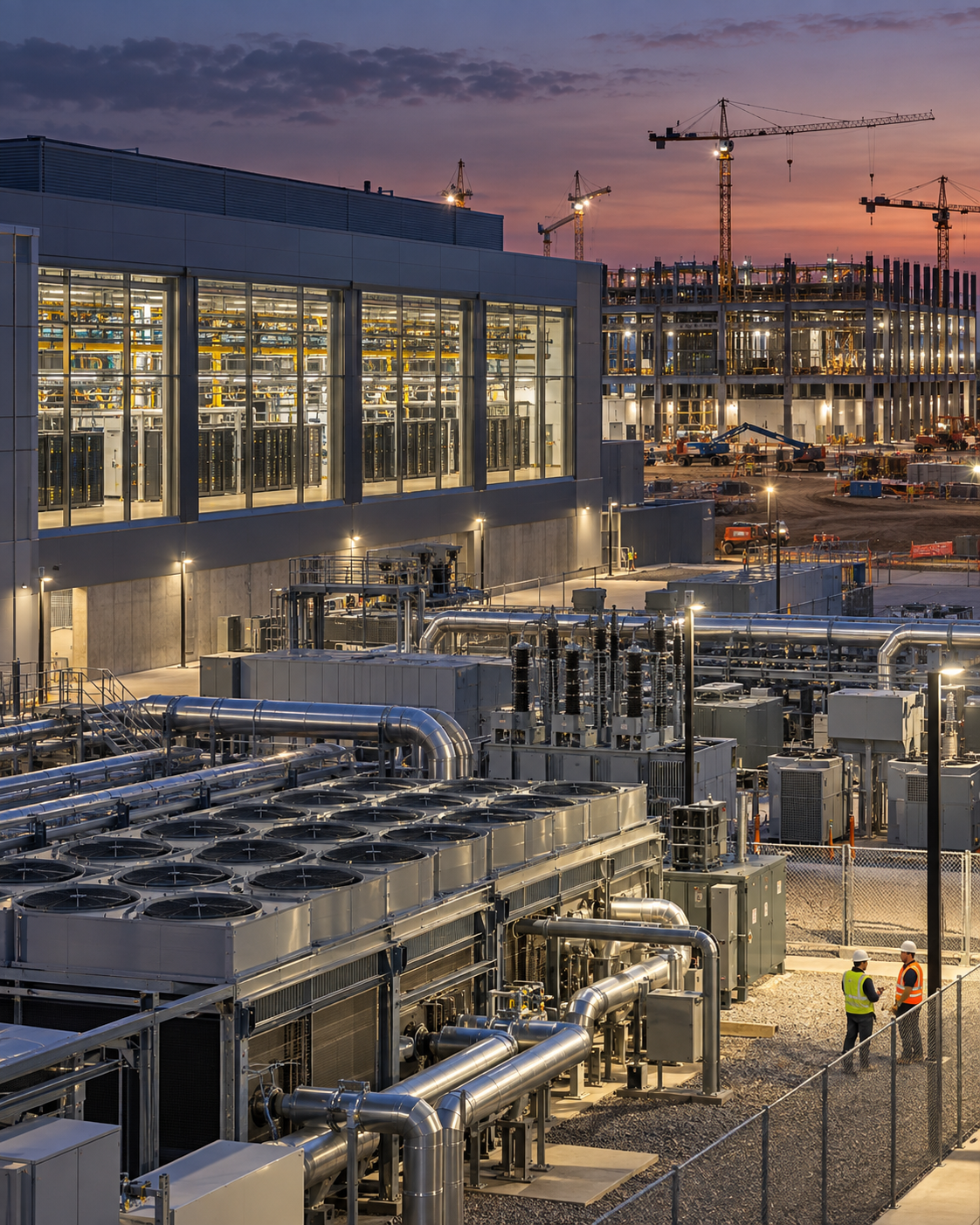
In the AI infrastructure market these days, projects ranging from hundreds of MW to GWs have become commonplace. However, as the number of large-scale announcements increases, the key differentiator shifts from the sheer scale to the speed of execution. Securing land and power contracts, raising funds, completing the building, and actually delivering IT capacity are all different stages.
Applied Digital’s latest announcement demonstrates “expansion of available capacity,” which is nearing the final stage of the process. In particular, the increase from 175 MW to 250 MW is a development that confirms the company’s ability to consistently execute its plans. It appears increasingly likely that competitors will be evaluated in the future based on metrics such as RFS, customer delivery, server installation, and actual utilization rates, rather than simply on their plans.
| The next points to check are the remaining 150 MW and the actual utilization rate
Since a contract has been signed for a total of 400 MW from Polaris Forge 1, there are still 150 MW remaining to be delivered. Going forward, the key points to monitor are whether construction and commissioning of the remaining buildings proceed as planned, how quickly customer equipment is deployed, and whether the operational capacity translates into actual rental revenue and cash flow.
This news carries more specific implications than the general observation that demand for AI data centers is strong. This is because it has been confirmed that an additional 75 MW at a campus already under contract has entered the operational phase, bringing the total operational capacity to 250 MW. However, the full 400MW has not yet been completed, and the RFS does not equate to the actual maximum utilization rate. Going forward, the delivery of the remaining 150MW, customer usage, and the operational stability of power and cooling will be key factors for Polaris Forge. This will be the next evaluation criterion for 1.
Tags
#AppliedDigital #PolarisForge1 #AI Data Center #Data Center #AI Infrastructure #HPC #North Dakota #Power Infrastructure #Cloud Infrastructure #Semiconductor Infrastructure #GPU Infrastructure #DataCenterInvestment