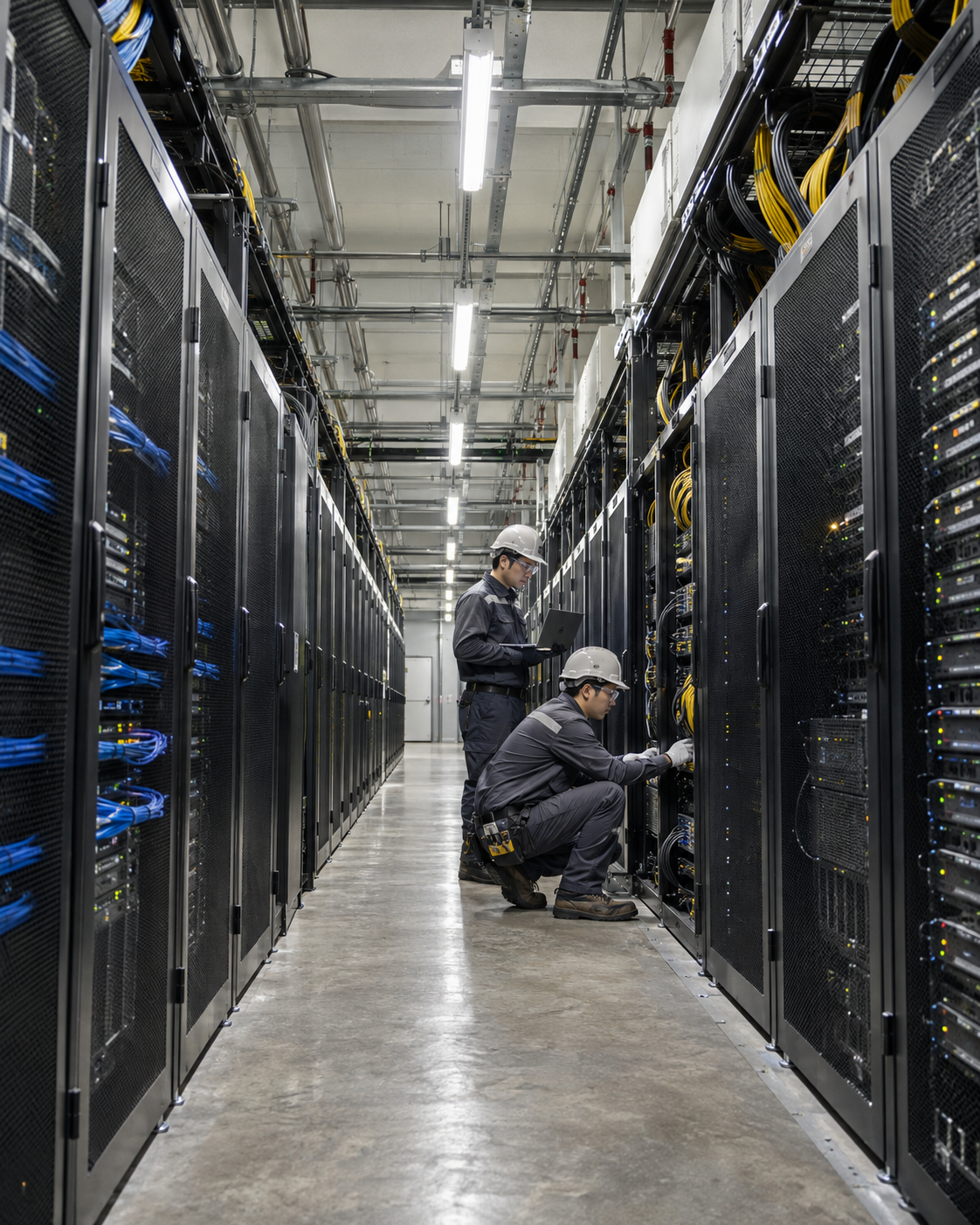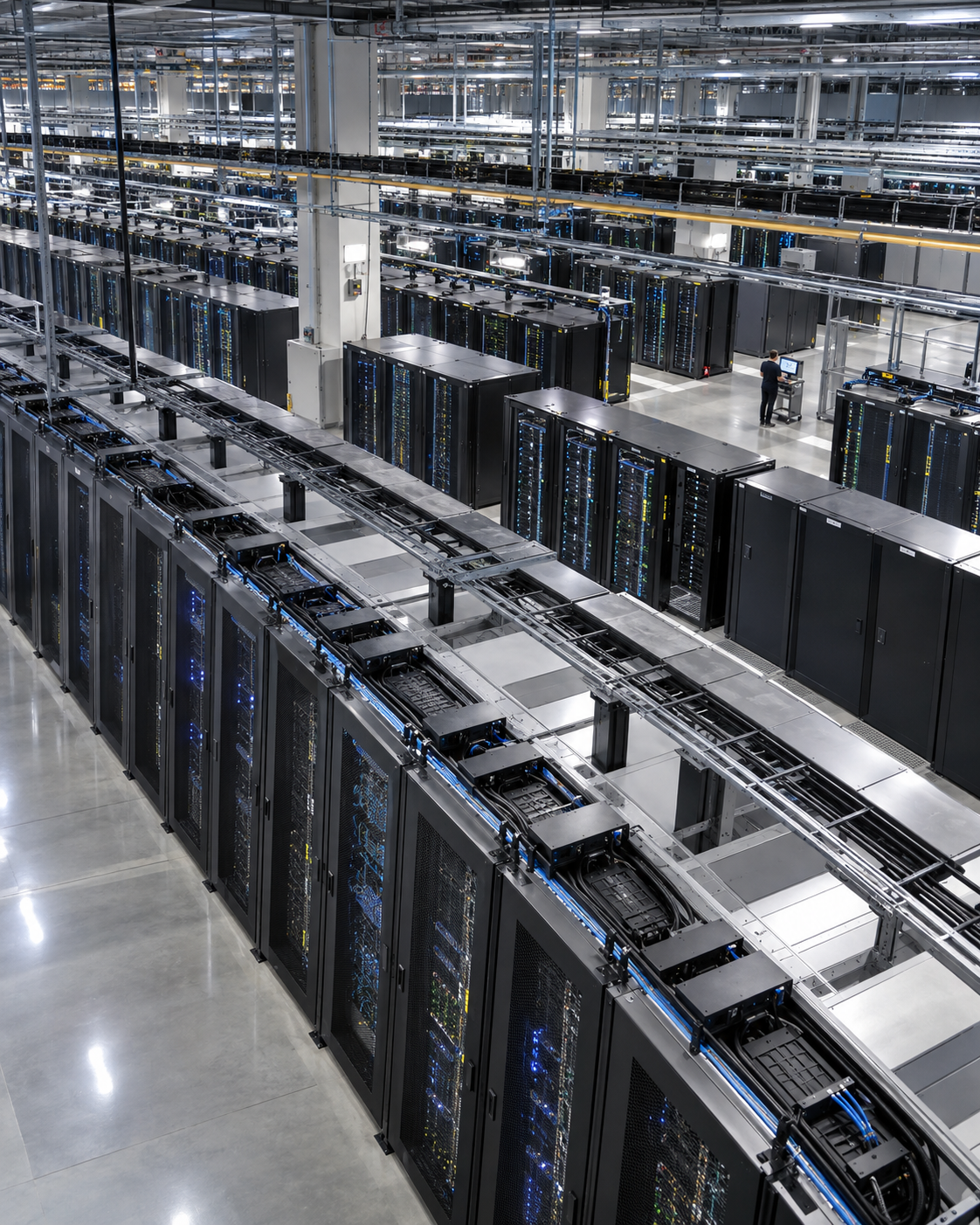
As AI coding tools begin to create applications in place of humans, the way databases are used is also changing. Whereas it used to be common for a single service to operate a few long-term databases, there is now a rapidly growing trend where AI agents create and use independent databases for each task, user, or sandbox in a short amount of time.
Supabase’s announcement of a $150 million funding round and its acquisition of Turso is a direct response to this shift. According to Supabase’s official announcement, the investment was led by GIC, with participation from CapitalG, IronArc, and SquarePeg. On the same day, the company announced the acquisition of Turso, though it did not disclose the acquisition price or the company’s valuation for this funding round.
The key lies in product strategy rather than simply raising funds. While maintaining its Postgres-centric development platform, Supabase aims to address environments where agents instantly create numerous independent databases by combining it with the lightweight SQLite-based architecture that Turso has developed. This approach is based on the assessment that bottlenecks in the era of AI agents are shifting from model invocation costs to data storage, isolation, and database creation costs.
| Why We Raised Another $150 Million

On October 2, Supabase announced a new investment of $150 million. The round was led by GIC, with participation from CapitalG—Alphabet’s independent growth investment arm—as well as IronArc and SquarePeg. The company explained that it will use these funds to accelerate the development of its agent-centric database products and support employee retention.
What stands out is the timing. Supabase announced a $500 million Series F funding round just four months ago, on June 4. At that time, the pre-money valuation was $10 billion, and GIC also led that investment. This latest $150 million is additional funding raised since then, but the company has not disclosed the valuation for this new round or the purchase price for the Turso acquisition. Therefore, while the investment amount can be confirmed, it cannot be concluded that the company’s valuation has risen again.
| The key to the Turso acquisition is a structure that creates “a huge number of small databases”

Turso is a company focused on quickly creating and managing numerous small databases based on SQLite. Turso explained that it rewrote the database engine to address the limitations of the existing SQLite server environment and has been developing an architecture that supports concurrent writes and cloud operations.
What matters for AI agents isn't just providing a single massive database. Each time an agent creates a workspace, it may require its own independent database, and a separate environment may be created for each user. In this case, if the cost per database creation and the startup time are high, costs will skyrocket as the number of agents increases. The “many-database architecture” that Turso has been emphasizing directly addresses this issue.
| At Supabase, the role of creating databases is already shifting from humans to agents

Supabase reported that it is currently adding more than 1 million users per month and creating approximately 4 million new databases. An even more significant statistic is that about 70% of these new databases are created not by human intervention but by bots or AI-powered tools. On a weekly basis, this translates to roughly 1 million databases being created.
Since these figures are based on the company's own statistics, they cannot be considered representative of the market as a whole. Still, this is a clear sign that the nature of demand within the Supabase platform has changed significantly. We’ve moved to a stage where, when designing database products, we need to prioritize how quickly automated agents can create and terminate instances over the number of clicks made by a single developer.
| Treating Postgres and SQLite as a hierarchy rather than competitors
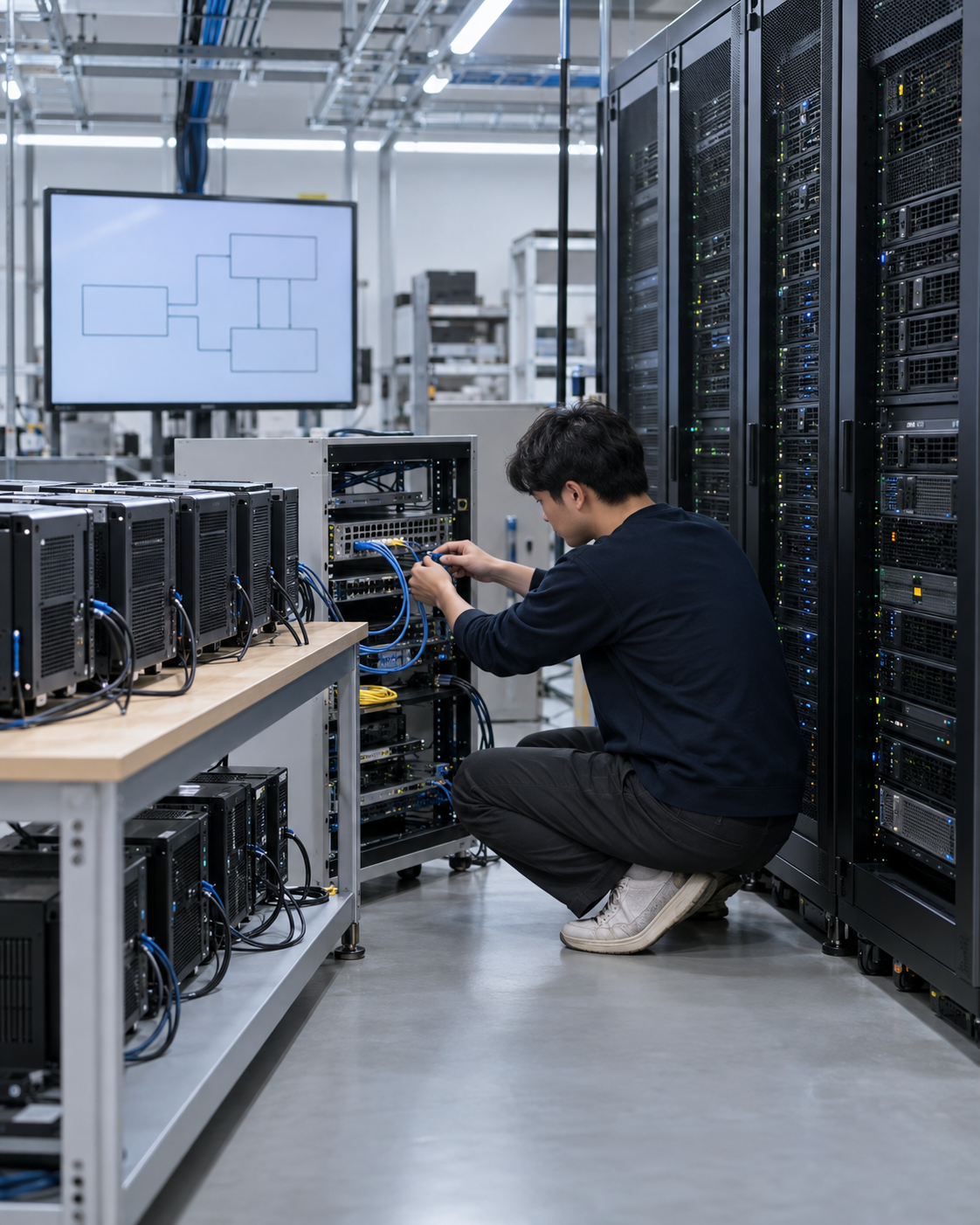
What's interesting about this acquisition is that Supabase isn't abandoning Postgres in favor of SQLite. Supabase announced that it will continue developing its existing Postgres-centric products, while Turso also plans to continue advancing SQLite-based technologies. The goal is to integrate the two architectures based on their intended use.
Turso is well-suited for light workloads or agent-specific isolated databases, and it offers a path to migrate to Supabase’s Postgres ecosystem as applications grow and require more complex features and large-scale scalability. Turso describes this as a “graduation path” that leads from a small database to standard Postgres and, ultimately, to the large-scale Postgres scaling technology currently under development by Supabase.
| Competition among AI coding tools is extending down to the data layer

Recently, AI coding tools have gone beyond simply writing code to automating the entire process—from project creation and authentication setup to connecting to data stores and deployment. In this process, the backend infrastructure is no longer a set of resources prepared in advance by humans, but rather a set of components that agents call upon as needed. There is a growing demand for databases to be created instantly and managed automatically, just like APIs.
Supabase has already been strengthening its integration with AI development tools, and this acquisition can be seen as an extension of that strategy to the database architecture level. Going forward, in the competition among agent platforms, a key differentiator will likely be not only model quality but also how easily peripheral infrastructure—such as authentication, databases, storage, and observability—can be provided in an automated form.
| Why Cost Structure Matters

In an environment where agents generate large volumes of data, the traditional “fixed cost per project” can be a significant burden. While a monthly fixed cost may be acceptable when a single person is developing a single service, this approach becomes economically unfeasible when a single agent creates dozens or hundreds of temporary projects.
Turso has long argued that, based on its own experience, a structure that separates databases by user or task can significantly reduce costs. However, since these cost-saving figures may vary depending on specific customer cases and workloads, they should not be generalized. It remains to be seen exactly how Supabase will integrate Turso's technology into its pricing structure and product offerings.
| Existing services will continue to be provided even after the acquisition
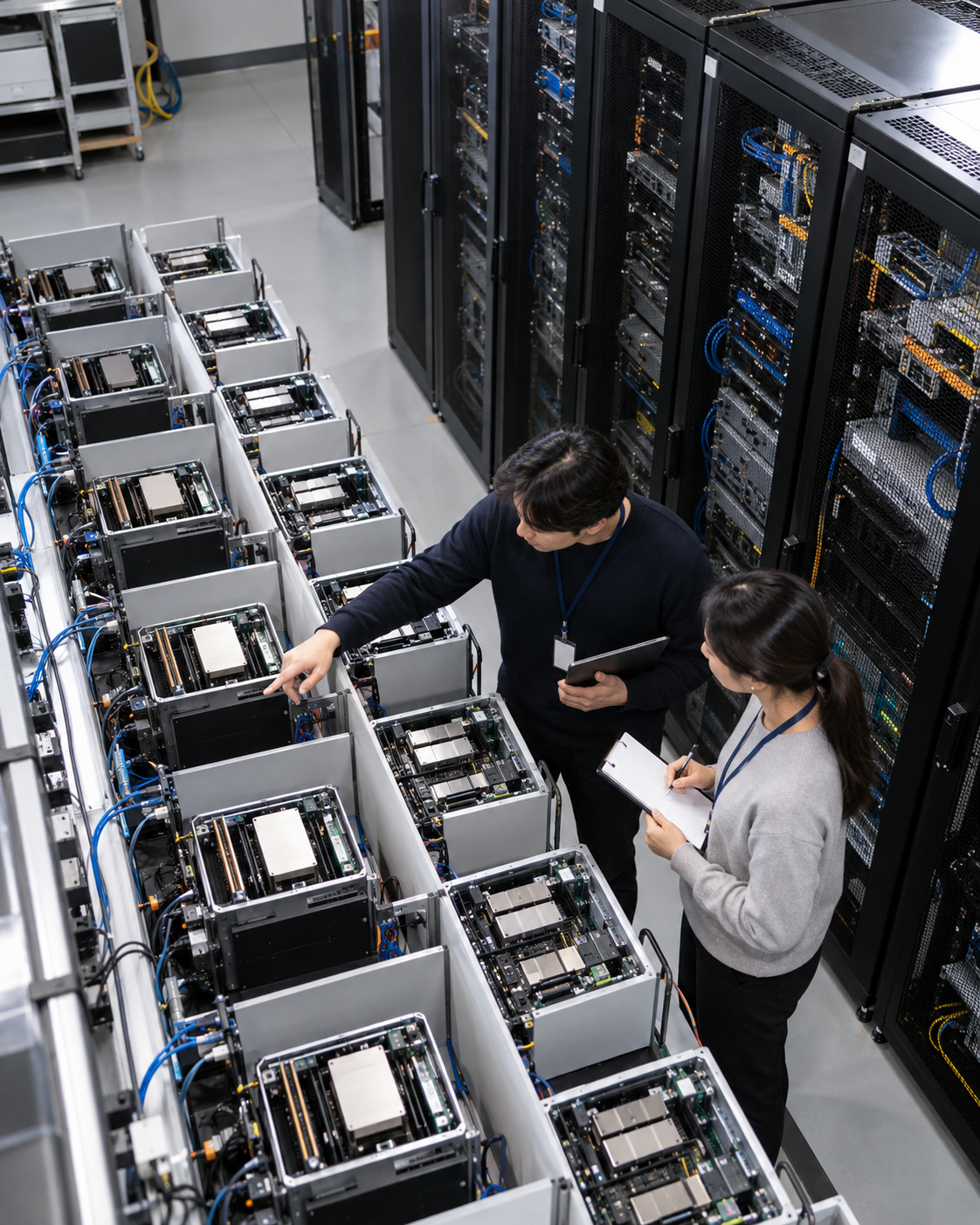
In its acquisition announcement, Turso stated that its existing database, API, and workflows will continue to operate and that open-source development will also continue. Co-founder Glauber Costa is joining Supabase as Head of Agentic Services, and co-founder Pekka Enberg and the existing team will also be moving over to help with the integration.
This is important for existing customers. Just because the acquisition has been announced doesn’t mean the Turso service will immediately be absorbed into Supabase’s product lineup and disappear. At this stage, the two companies have announced their plans to merge, and deeper product integration is scheduled to take place in the future. Therefore, rather than stating that “the integrated product has already been launched,” it is more accurate to distinguish between the announcement of the acquisition and the future integration plans.
| The next challenge is whether “one database per agent” will actually become the standard
Supabase's latest investment and acquisition are based on the assumption that AI agents will continue to produce an increasing amount of software. If that assumption is correct, the database market could shift, at least in part, from a model of managing a small number of long-running instances to one of rapidly creating, isolating, and terminating millions of lightweight instances.
However, there are still many details to be clarified. The 70% figure for agent-generated traffic is an internal Supabase statistic, and not all applications need to separate their databases by task. The acquisition price and the company’s valuation for this new funding round have not been disclosed, and it remains to be determined when and to what extent Turso and Supabase products will be integrated. Moving forward, we’ll need to look at the actual launch date of the integrated product, its pricing and performance, as well as the migration experience between Postgres and Turso, And security and lifecycle management of the large-scale database created by the agent will be key points to monitor.
Tags
#Supabase #Turso #AI Agent #Database #Postgres #SQLite #AI Infrastructure #Developer Infrastructure #Agentic AI #GIC #CapitalG #CloudDatabase #Open Source