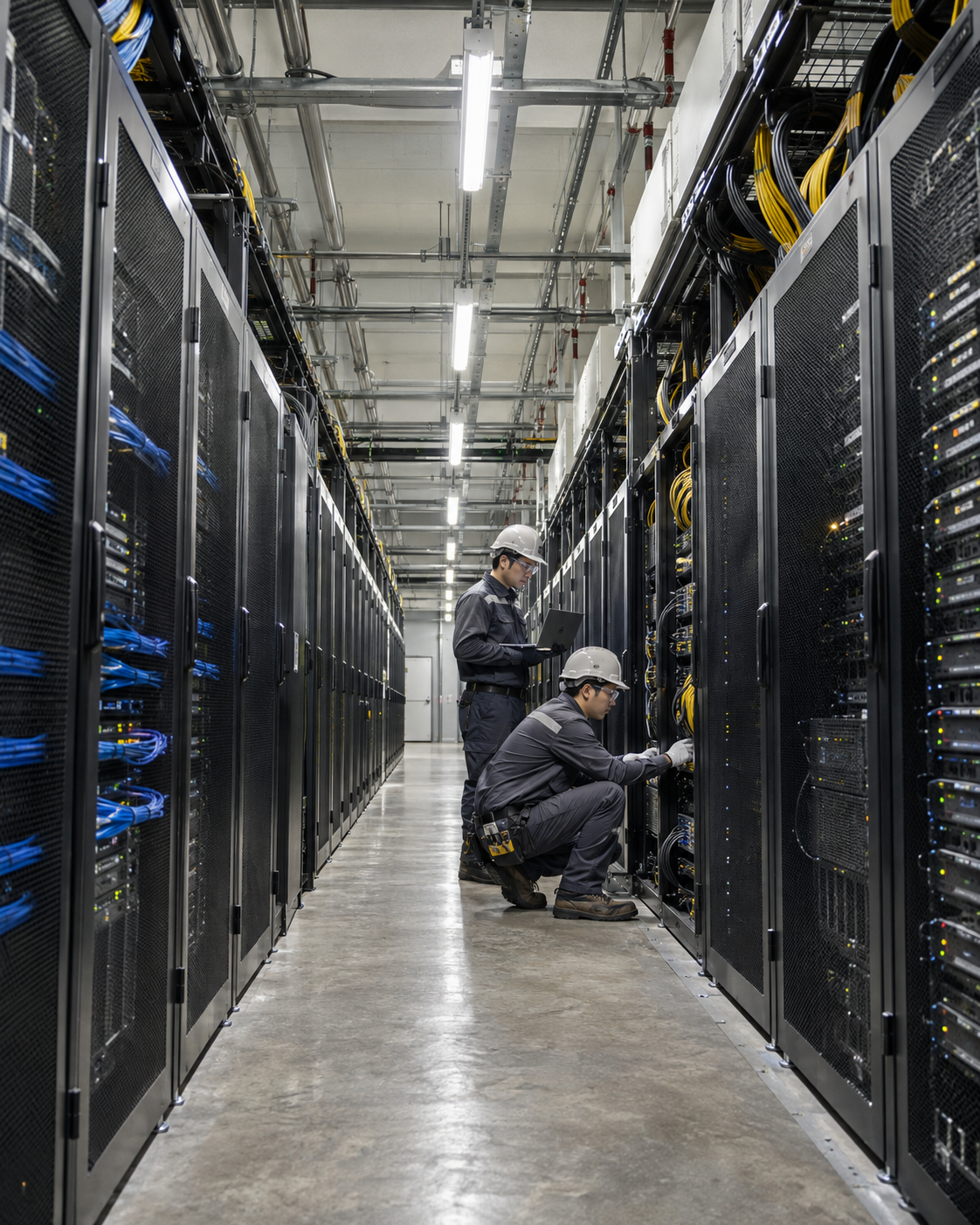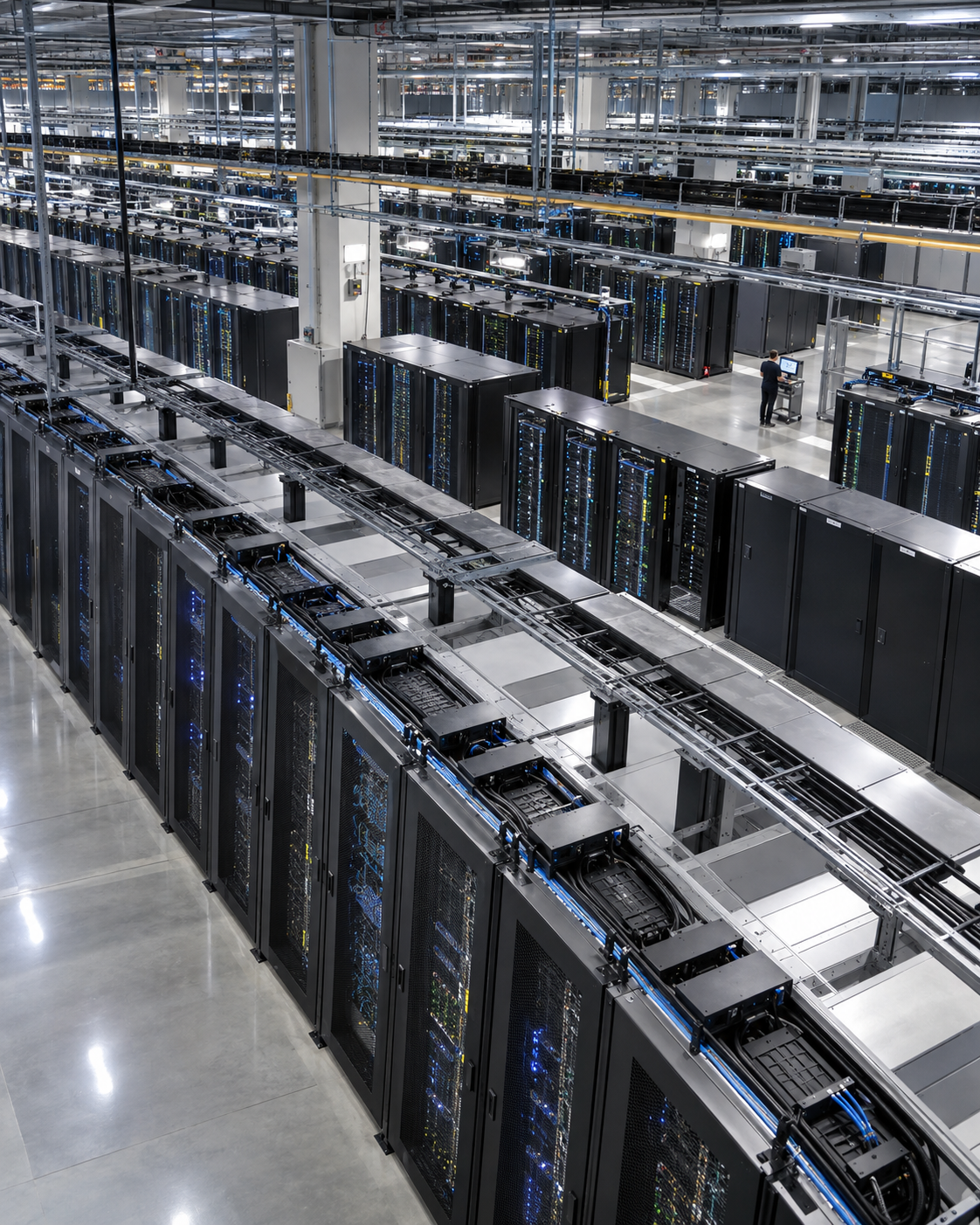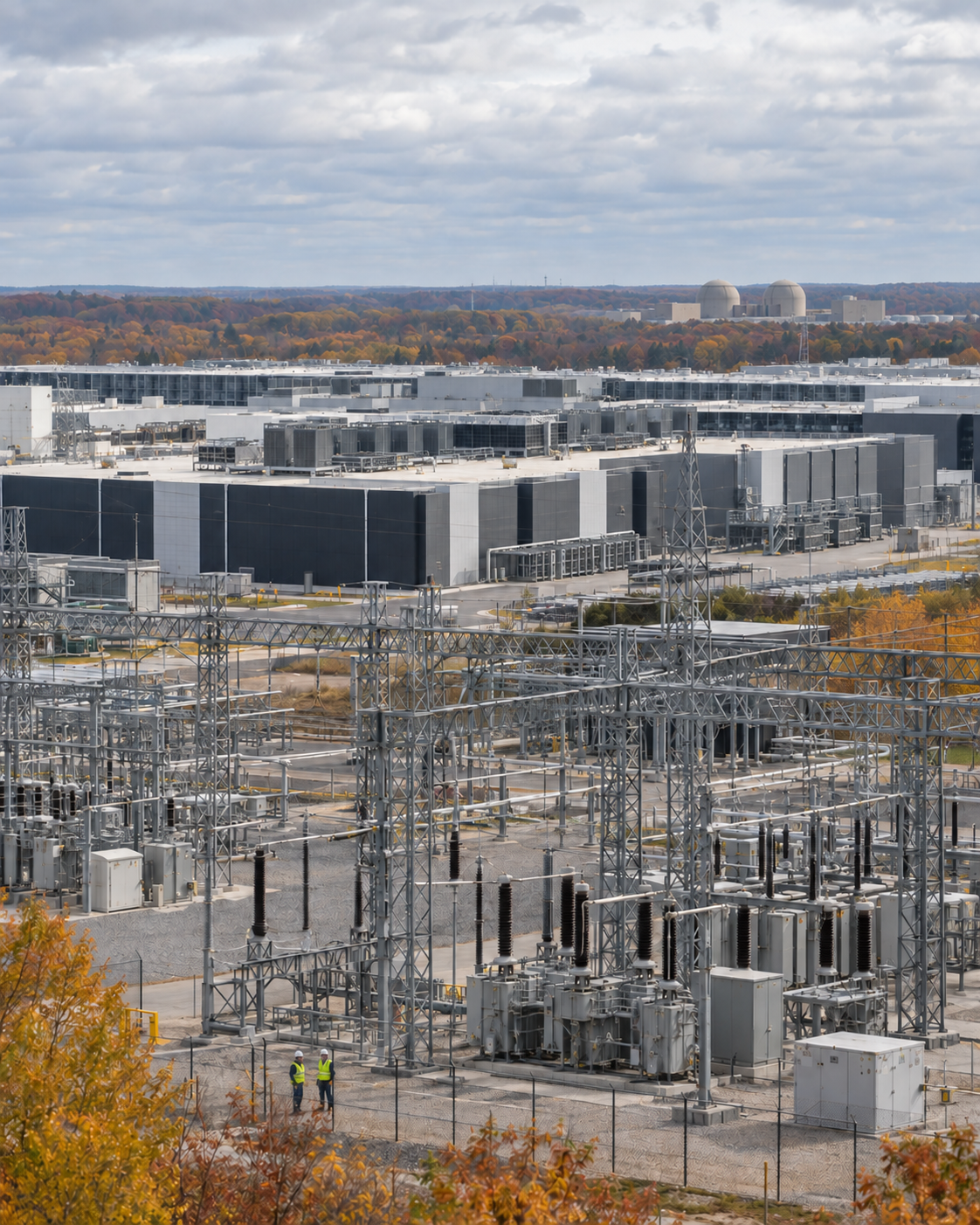
As the expansion of AI data centers accelerates, the focus of power-related issues is shifting. While the key concern initially was whether sufficient power could be secured, it has now become a major point of contention for local communities and regulatory agencies: who will bear the costs of increased investment in the power grid and higher power generation expenses resulting from large-scale data centers.
Oracle’s announcement that it will participate in a power purchase arrangement in which it takes over part of the electricity production from the existing Point Beach nuclear power plant in Wisconsin and bear the resulting cost increase of approximately $300 million is an example of this trend. Oracle expects this move to help alleviate the pressure of rising fuel costs on more than 1 million electricity customers in Wisconsin.
However, this plan has not yet reached the final implementation stage. Oracle’s participation in the Point Beach power purchase arrangement must be approved by the Wisconsin Public Service Commission. Therefore, it would be an overstatement to say that “Oracle has already begun receiving nuclear power directly.” At present, the company has officially announced its intention to bear the costs and participate in the power purchase, and the regulatory approval process is still pending.
| The Nature of the $300 Million Pledged by Oracle

Oracle announced that it would participate by purchasing a portion of the existing electricity generated by the Point Beach Nuclear Plant. According to the company, this is expected to reduce the increase in fuel costs that Wisconsin electricity customers would otherwise have to bear by approximately $300 million. Oracle described this move as a measure to absorb “rising energy costs.”
The important thing is that the $300 million isn't an investment to build a new nuclear power plant, nor is it the cost for Oracle to acquire the entire plant. This is an approach in which Oracle assumes part of the existing Point Beach power purchase structure to reduce costs that might otherwise be passed on to general electricity customers. The exact contract structure and cost recovery method will need to be clarified in more detail during the regulatory approval process.
| Why the Point Beach Nuclear Power Plant Is Connected to a Data Center
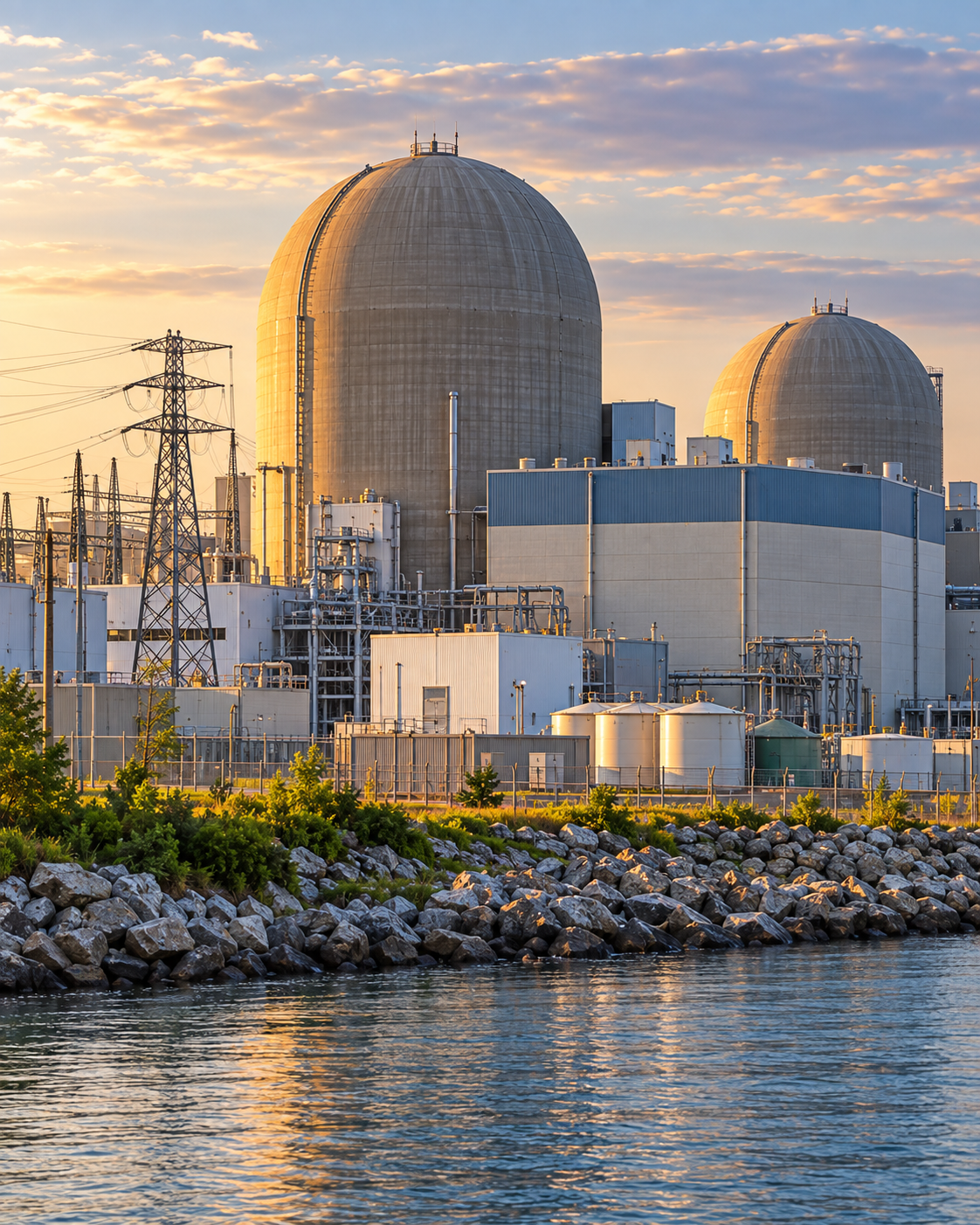
Point Beach is a long-standing nuclear power plant in Wisconsin, and Oracle explained that it has been providing stable, carbon-free baseload power for over 50 years. Since AI data centers require a large amount of power continuously, 24 hours a day, it is difficult to operate them using only highly volatile power sources, and the value of power sources that can provide a constant supply—such as nuclear power plants—is once again gaining attention.
That said, We shouldn't oversimplify this announcement by saying that "the Oracle data center receives a direct, dedicated power supply from Point Beach." The key point of the official announcement is that Oracle will participate in a purchase agreement for a portion of the existing power generation and bear the associated costs. Since the actual flow of electricity may differ from the contractual settlement, this should not be interpreted to mean that a dedicated power line connects the nuclear power plant to the data center.
| The Electricity Bill Debate Linked to Project Lighthouse
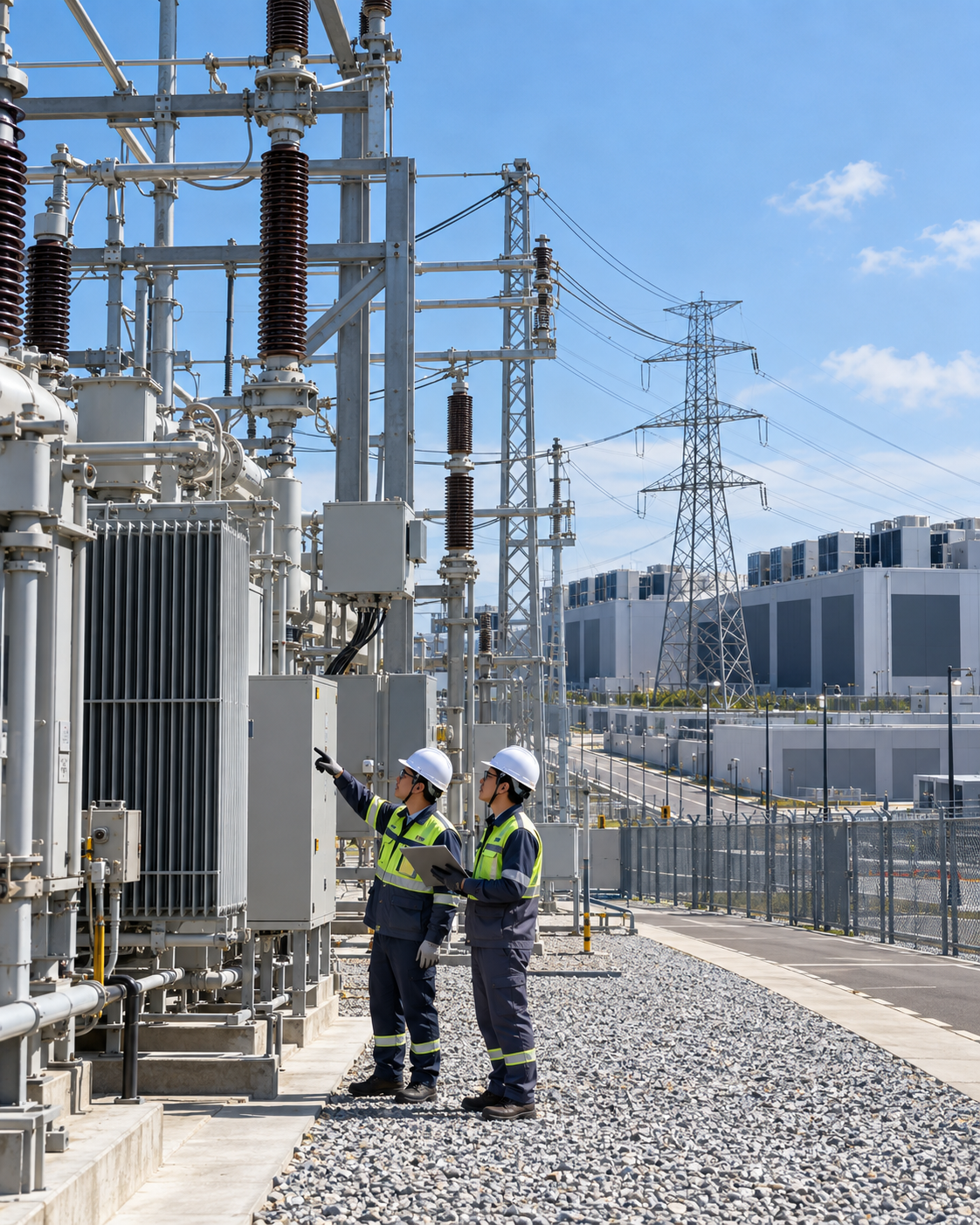
Oracle's latest announcement is linked to the development of the Project Lighthouse data center currently underway in Port Washington. Oracle has repeatedly stated that it will cover the project's energy costs in full to ensure that the expenses are not passed on to local electricity rates. In an official statement released in September, the company also announced its policy that the project will bear the costs of the necessary electricity and related infrastructure.
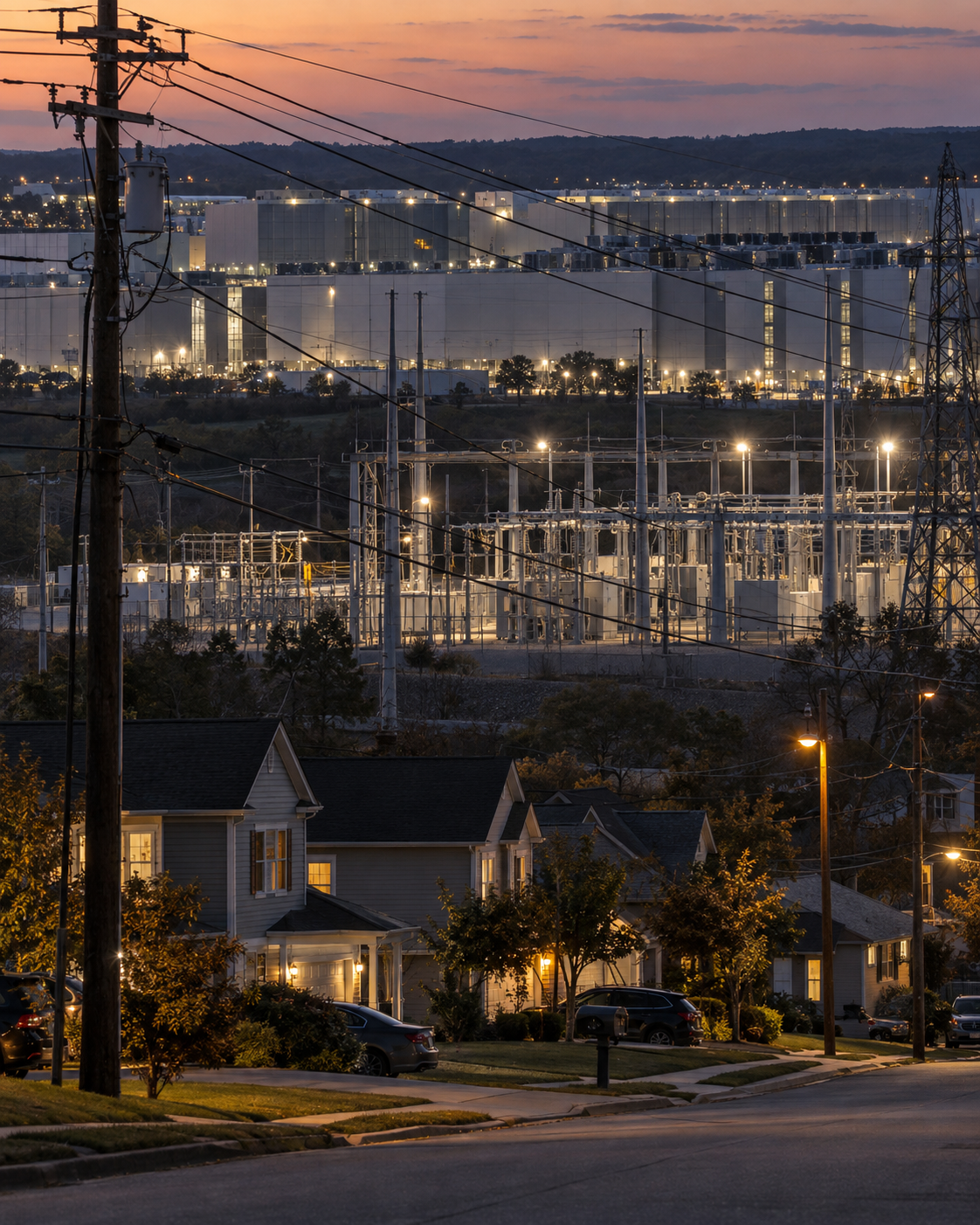
When a large-scale AI data center is established in a region, the costs of expanding transmission lines, building substations, and securing new power generation sources may become a bigger point of contention than the data center’s actual electricity consumption. Even if the data center generates tax revenue and creates jobs in the long term, there could be significant backlash if ordinary customers are forced to bear the initial infrastructure costs. Oracle’s pledge to cover $300 million in costs appears to be a preemptive move to alleviate such concerns.
| A model in which data center operators bear the electricity costs themselves
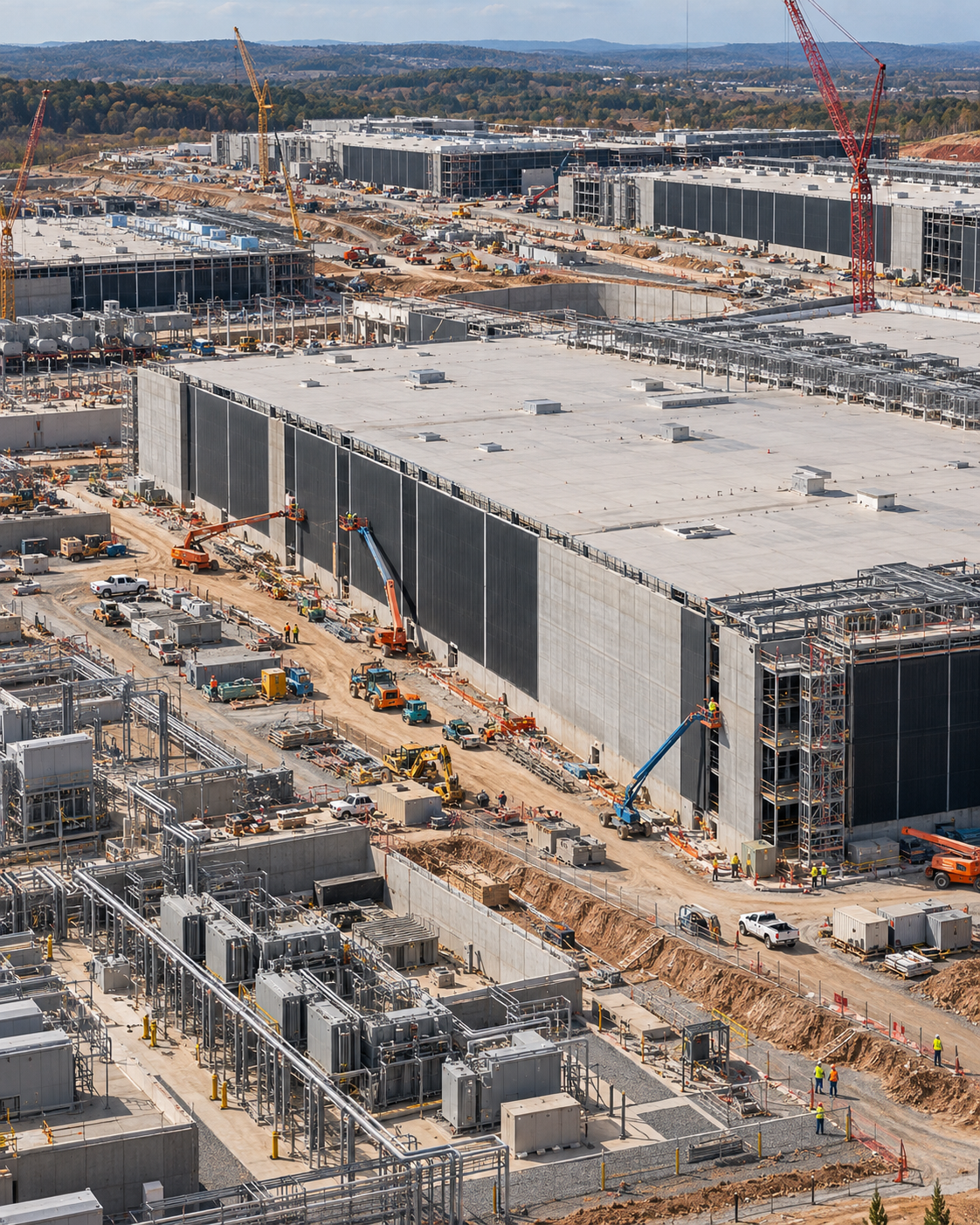
As the development of AI data centers expands across the United States, the question of “how much of the cost should large-load customers bear themselves” is emerging as a key regulatory principle. From the perspective of electric utilities, the problem is that they may have to build large-scale infrastructure first to attract data centers, and those costs are likely to be passed on to residential and commercial customers through their bills.
Oracle has publicly stated its policy regarding data center power infrastructure: it will either bear the cost of necessary power grid upgrades itself or secure its own power generation sources to prevent rate increases for neighboring customers. The Point Beach agreement in Wisconsin can be seen as an example of how this principle has been extended to address the issue of cost allocation for existing power generation sources. It is likely that similar cost-sharing models will be required for other large-scale data center projects in the future.
| We also need to consider the scale of Project Lighthouse
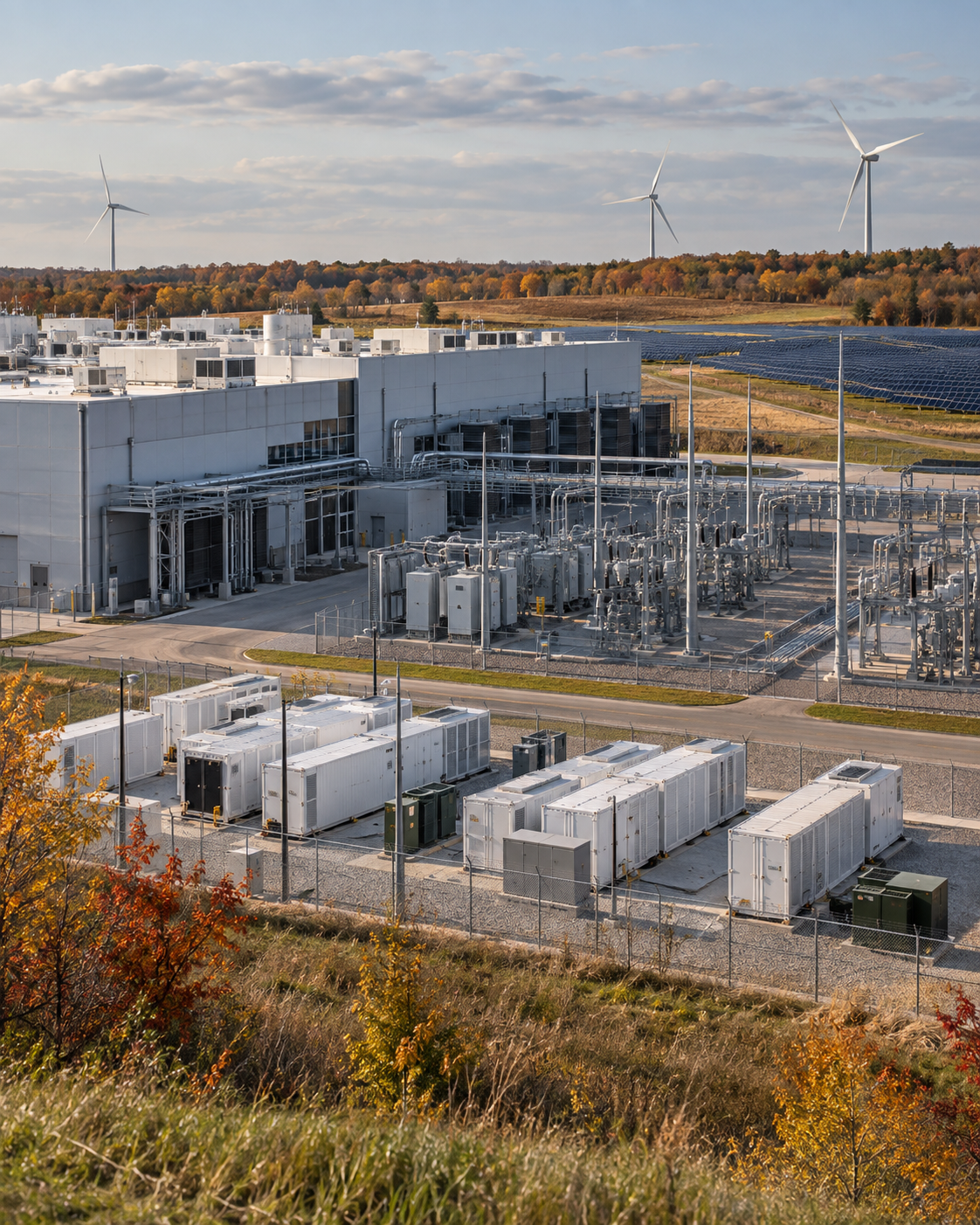
Oracle estimates that Project Lighthouse will have an economic impact of more than $11 billion on the Wisconsin region and will support more than 4,000 skilled construction jobs and 1,000 permanent jobs over a three-year period. The company also announced plans to invest $175 million in infrastructure upgrades in the Port Washington area.
Oracle’s current data center information page outlines plans to construct four buildings on 500 acres of the campus’s total 672-acre site and to source 70% of its energy from zero-emission sources such as wind, solar, and batteries. Since these figures represent the company’s plans and projections, they should be distinguished from actual operational performance once the project is completed. Nevertheless, this commitment to cover the costs of the nuclear power plant is not a standalone measure but part of a larger campus-wide power strategy’s It's clear that it's just a part of it.
| The Background Behind the Growing Integration of Nuclear Power Plants and AI Data Centers
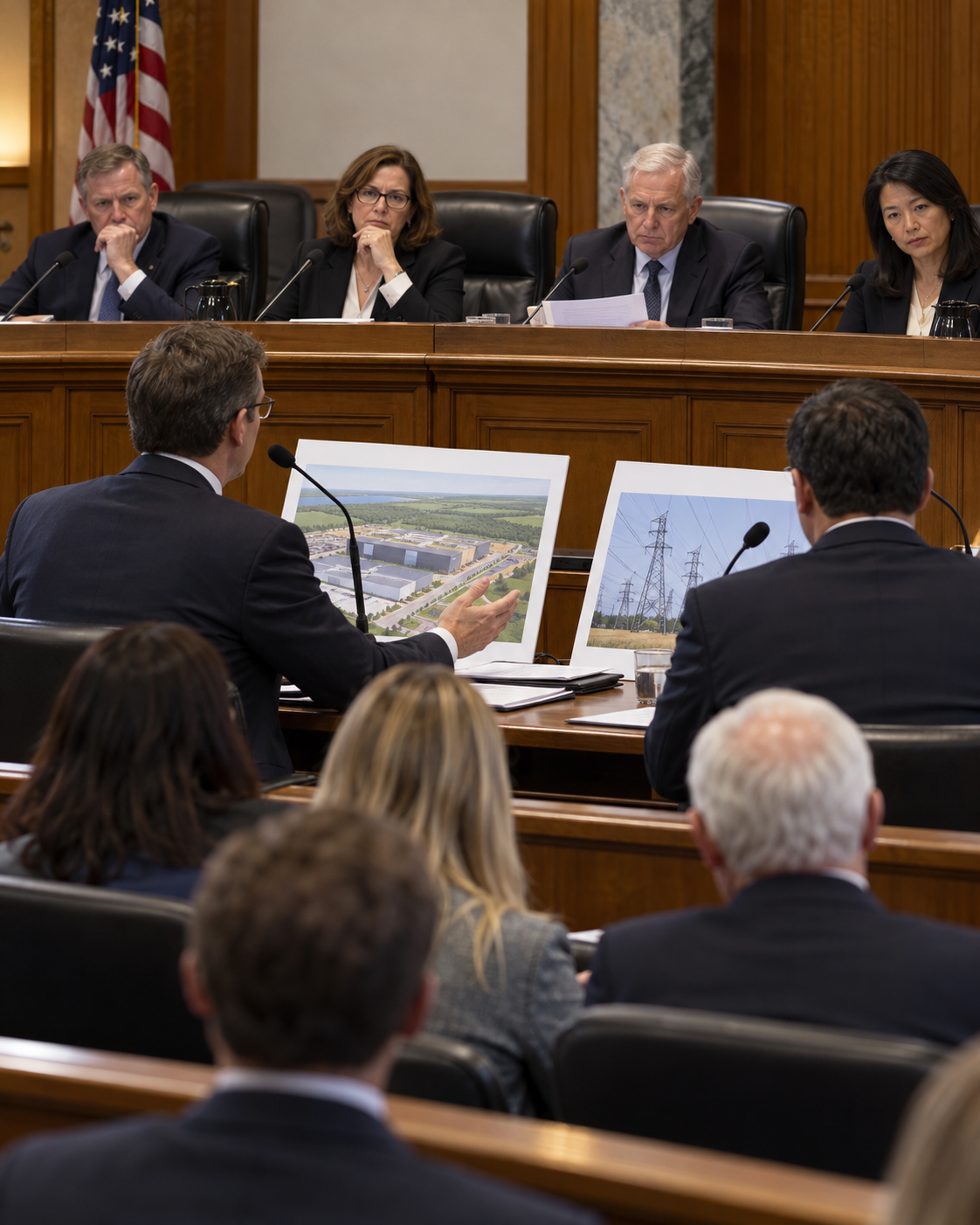
As demand for AI computing grows rapidly, data center operators must secure a long-term, stable power supply. Nuclear power plants are well-suited to these conditions due to their high capacity factor and carbon-free electricity, but a new issue has emerged regarding how the massive consumption of electricity from existing nuclear plants by data centers will affect local electricity prices and supply capacity.
Therefore, the cost allocation structure is becoming more important than the simple fact that “AI companies use nuclear power.” If data center operators directly bear the rising costs of power generation and transmission, they can reduce backlash from local customers; however, whether these costs are actually fully separated depends on tariff design and regulatory decisions. This is why the review by the Wisconsin regulatory agency is so important.
| Regulatory approval is still pending
Oracle has made it clear that its plans for part of the Point Beach power purchase agreement must be approved by the Wisconsin Public Service Commission. Therefore, this announcement is not news of final approval, but rather the official announcement of the cost-sharing and power purchase plans that are subject to approval.
Regulatory agencies can generally examine whether contracts with large customers impose costs that are disadvantageous to existing customers, what impact they have on grid reliability, and whether the contract terms are fair. Oracle’s projected savings of approximately $300 million may also vary depending on the approval process, actual energy prices, and the outcome of contract execution. It is important not to treat the company’s projections as guaranteed savings.
| What to Watch for Next: Approval Conditions and the Impact on Actual Rates
The significance of this announcement lies not so much in the fact that AI data centers consume a lot of power, but rather in the fact that the operator has provided specific figures on how the electricity costs will be shared with the local community. Oracle announced that it will cover approximately $300 million in additional costs related to Point Beach and will also bear the full cost of its own energy consumption for Project Lighthouse.
However, final regulatory approval is still pending, and the $300 million represents the cost savings the company expects its customers to realize. Going forward, we’ll need to see under what conditions the Wisconsin Public Service Commission grants approval, whether the costs are actually passed on to electricity rates, and whether Project Lighthouse’s power procurement plan is implemented in line with the construction schedule. This case is particularly significant because the competition in AI infrastructure is shifting beyond the race to secure power to a policy issue: “Who will bear the costs of the power grid?”
Tags
#Oracle #ProjectLighthouse #PointBeach #AI Data Center #Data Center Power #Nuclear Power Plant #AI Infrastructure #Wisconsin #Power Grid #Cloud Infrastructure #Energy Policy #Data Center #Electricity Bills