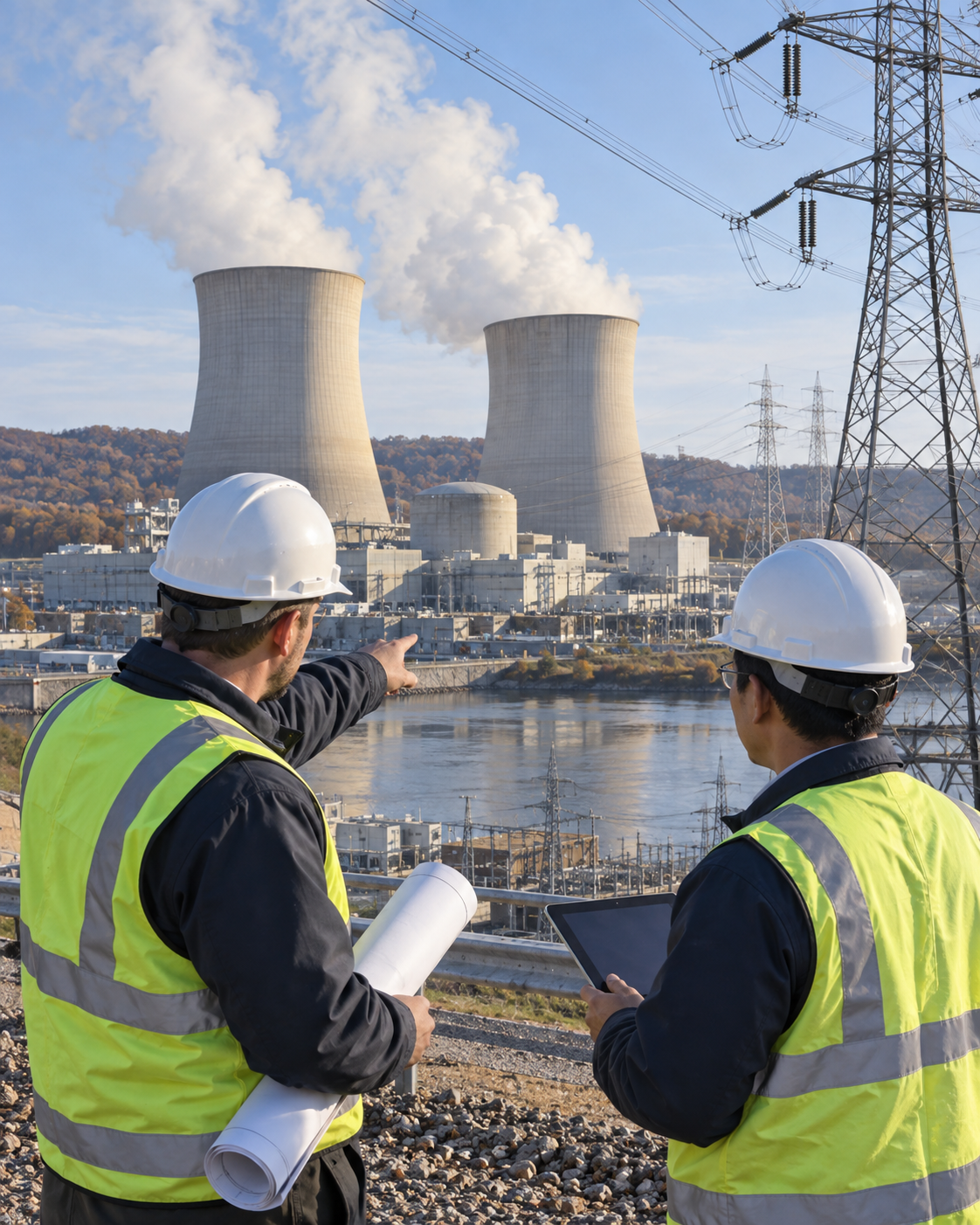
Google has signed a long-term power purchase agreement with Constellation Energy, one of the largest nuclear power plant operators in the U.S., to increase the output of existing reactors and add 890 MW of new nuclear generation capacity to the PJM power grid. The key to this project is the “uprate” approach—improving existing reactors and facilities to increase efficiency and output—rather than building new nuclear power plants from scratch.
This contract can be seen as an example of how the power demand from AI data centers is changing the way investments are made in the power grid. Constellation plans to invest more than $4.3 billion to upgrade 11 nuclear power plant units and other facilities, with the first additional generating capacity scheduled to come online in 2028. When combined with the 2,700 MW of additional power that Google secured in the PJM market through a separate 15-year contract, the total contract volume amounts to 3,590 MW.
| The key is not building new nuclear power plants, but increasing the output of existing ones.
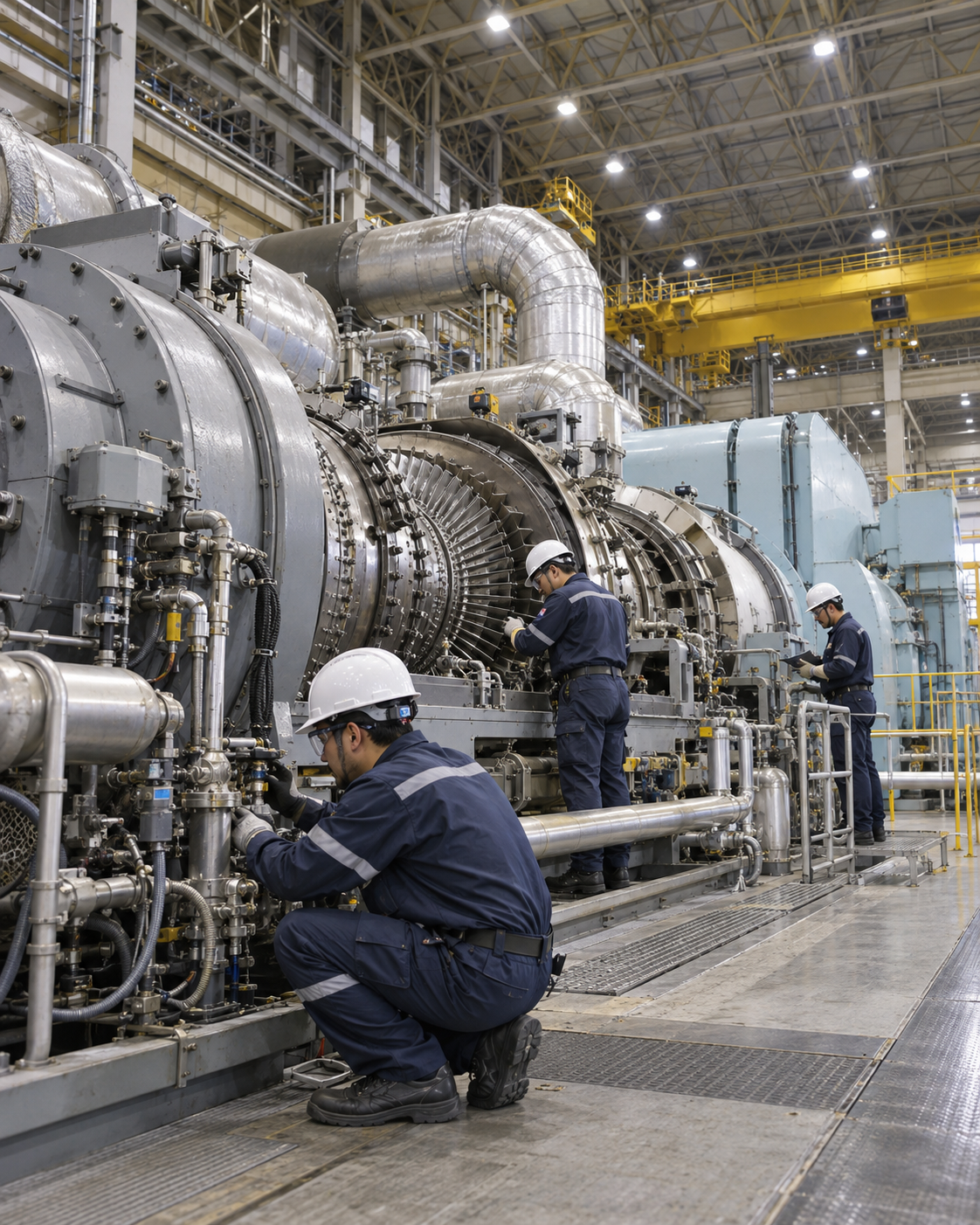
Although 890 MW is close to the output of a single large nuclear power plant, this plan does not involve the construction of new reactors. Instead, Constellation plans to improve the equipment and technology at 11 nuclear reactor units across six sites in Illinois, Pennsylvania, and New Jersey to increase thermal and electrical efficiency. The key feature of this plan is that it secures additional power by utilizing assets that are already in operation.
While new nuclear power plants involve significant uncertainties regarding site selection, permitting, construction timelines, and costs, capacity expansion allows for a relatively rapid increase in capacity by leveraging existing grid connections and operational infrastructure. Google’s decision to improve the performance of its existing power generation assets rather than wait for the electricity needed to expand its AI data centers can also be viewed as a strategy to accelerate the timeline for power supply.
| A 20-year PPA served as the foundation for a $4.3 billion investment

The 20-year power purchase agreement (PPA) signed between Google and Constellation serves to guarantee long-term demand for 890 MW of additional nuclear power capacity. Based on this agreement, Constellation plans to make more than $4.3 billion in new investments. For power generators to commit to major capital investments, they need customers willing to purchase electricity over the long term, and Google’s model ensures price stability and a reliable supply through long-term contracts.
According to the official announcement, this project is expected to preserve approximately 4,400 existing jobs and create about 7,200 jobs during the construction period. However, since these are economic impact projections provided by the company, the actual scale of employment may vary depending on the construction schedule and the details of investment execution. The expansion of power generation capacity will also proceed in phases, with the first power supply scheduled for 2028.
| If you include the separate 2,700 MW contract, that comes to 3.59 GW.
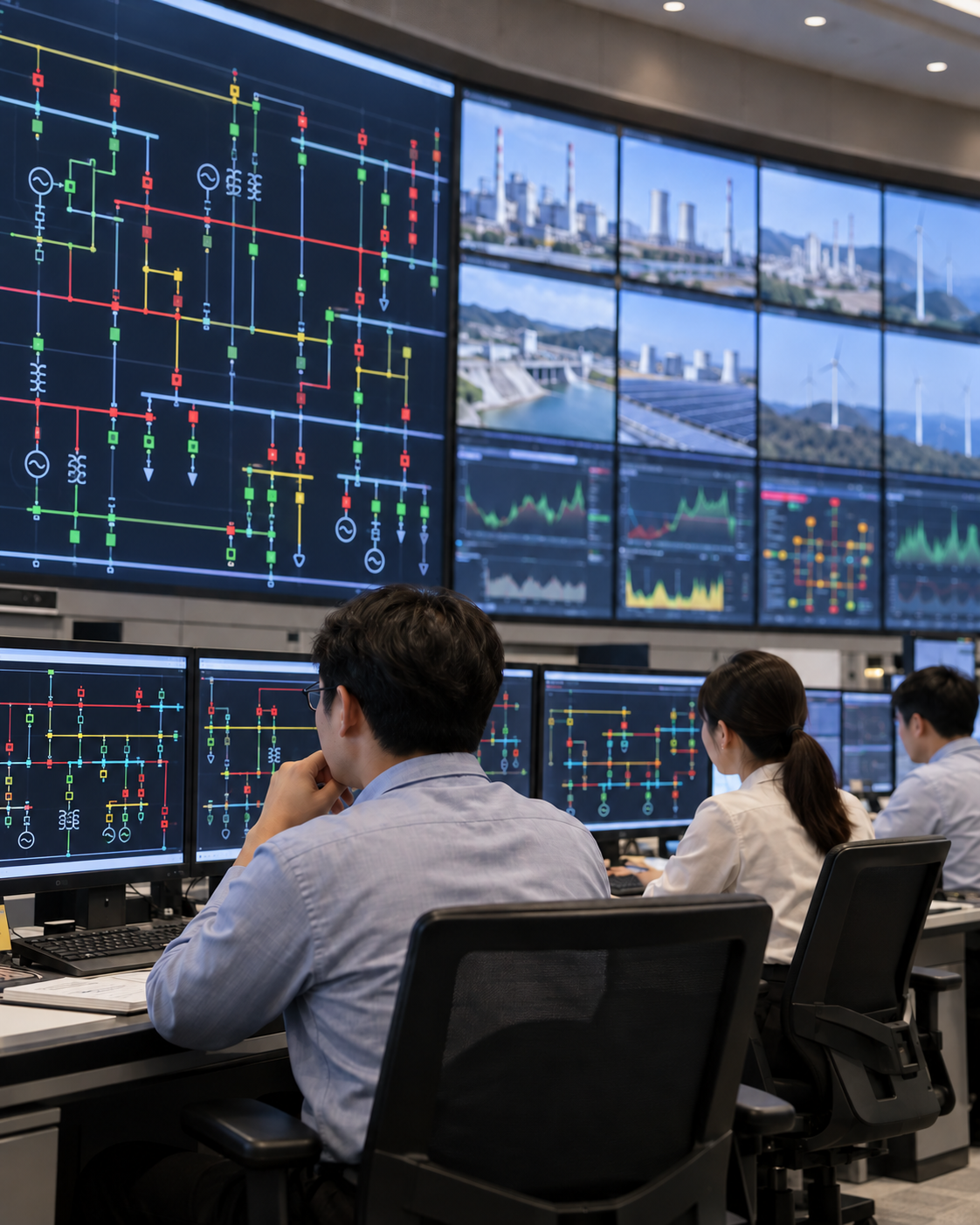
One point that’s easy to confuse in this announcement is that the 890 MW and 2,700 MW are of different natures. The 890 MW represents new generating capacity created through the output expansion of existing nuclear power plants and is subject to a 20-year contract. In contrast, the separately signed 15-year contract stipulates that Constellation will supply up to 2,700 MW of electricity to Google in the PJM market.
Therefore, it would be inaccurate to refer to the entire 3,590 MW as “new nuclear power capacity.” The additional capacity from the new nuclear power plant is 890 MW, while the 2,700 MW comes from a broader power supply agreement. Rather than relying on a single contract to solve its data center power needs, Google has structured its supply portfolio to combine long-term investments in nuclear power with the procurement of large-scale market power.
| PJM's power shortage is driving the growth of Big Tech contracts
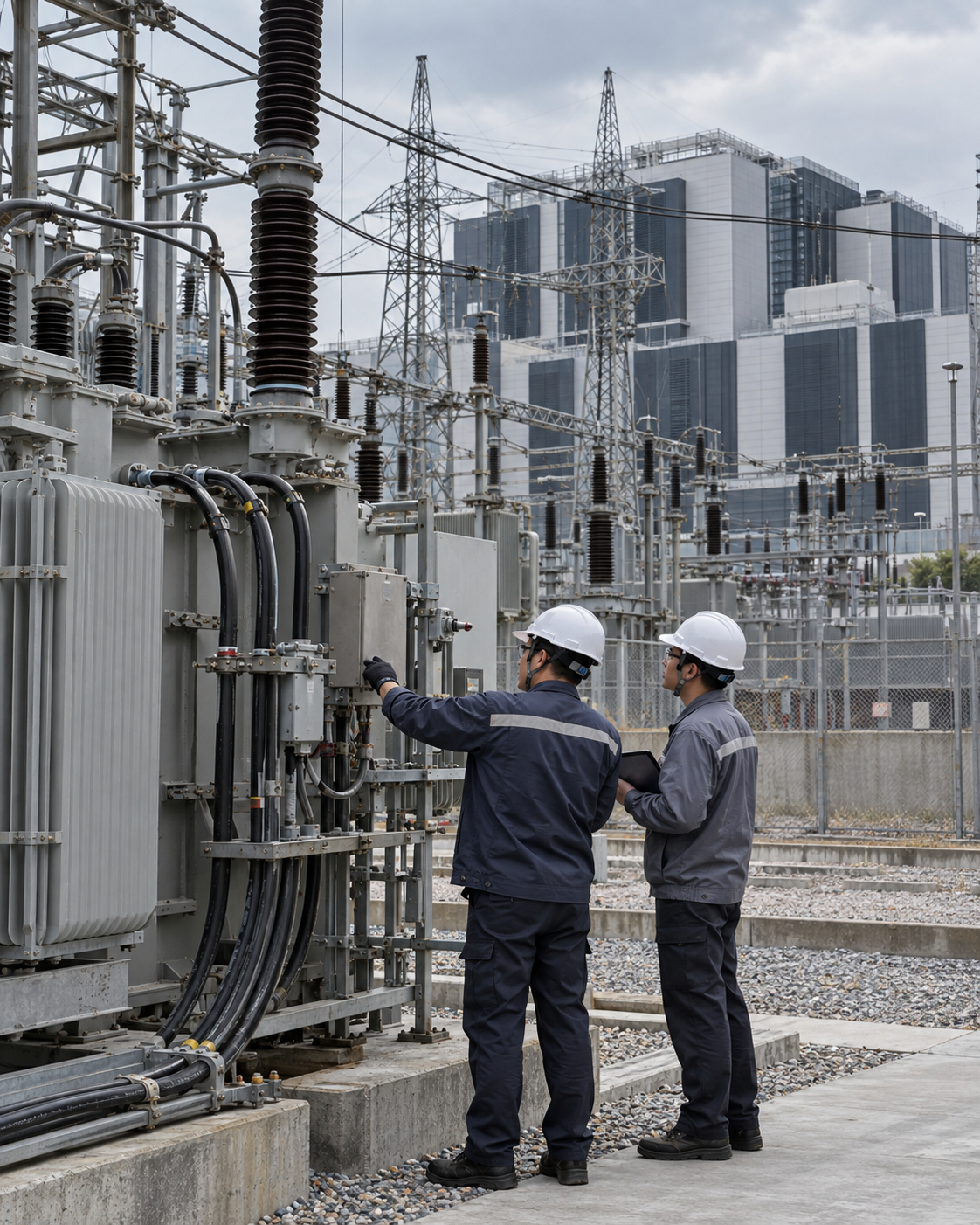
PJM Interconnection is a large power grid spanning 13 states in the central and eastern United States, as well as Washington, D.C. Recently, concerns about future power supply and demand as well as grid stability have grown in this region due to the combination of an increase in data centers and the retirement of existing power generation facilities. In particular, AI data centers require power connections in the hundreds of megawatts within a short period of time, which often conflicts with the pace of existing grid planning.
This agreement differs from the simple structure in which Google draws power directly from a power plant solely for its own data centers. The additional 890 MW of generation will feed into the PJM power grid, increasing the overall supply, while Google, as a long-term buyer, provides the financial backing for the investment. This model is significant because it allows data center companies to directly signal their capital commitment to expanding new supply on the power grid.
| Nuclear power aligns well with the “always-on power” that AI data centers require
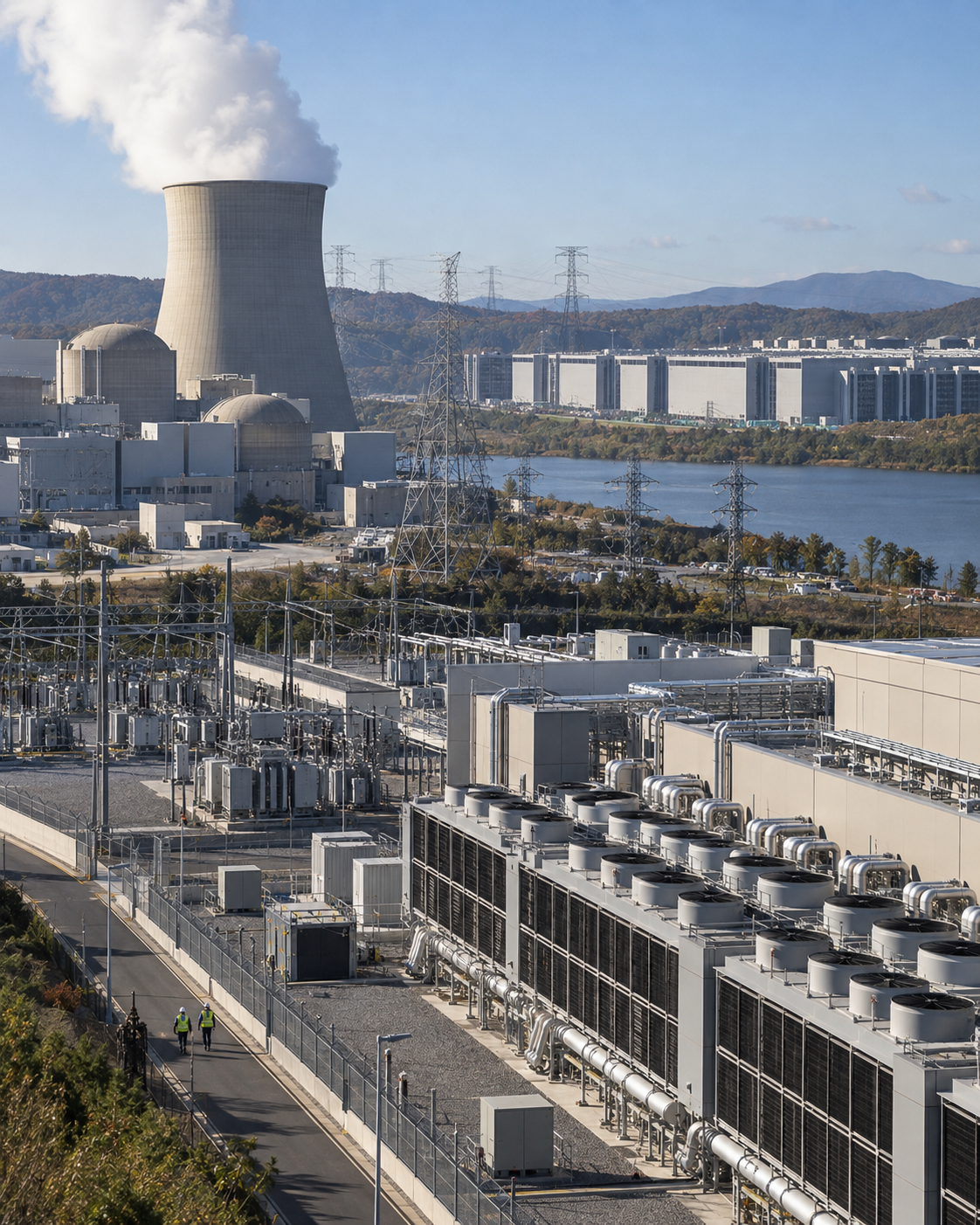
Data centers used for AI computing often operate 24 hours a day under heavy loads, so a stable power supply is crucial. Nuclear power plants are well-suited to meet this demand because their output fluctuates relatively little depending on weather conditions and they can operate for long periods at high capacity factors. In addition to Google, companies such as Microsoft, Meta, and Amazon have also recently begun securing power through the restart of nuclear power plants or long-term power purchase agreements.
However, nuclear power plants aren’t a solution to every problem. Facility upgrades require regulatory approval and maintenance schedules, and if the local transmission grid is insufficient, even an increase in power generation could create a bottleneck in delivering that power to meet the actual demand of data centers. Therefore, this partnership includes not only the expansion of nuclear power but also the potential for collaboration on other resources in the future, such as conventional power generation, battery storage, and demand response.
| Google is trying to integrate Gemini into its power operations
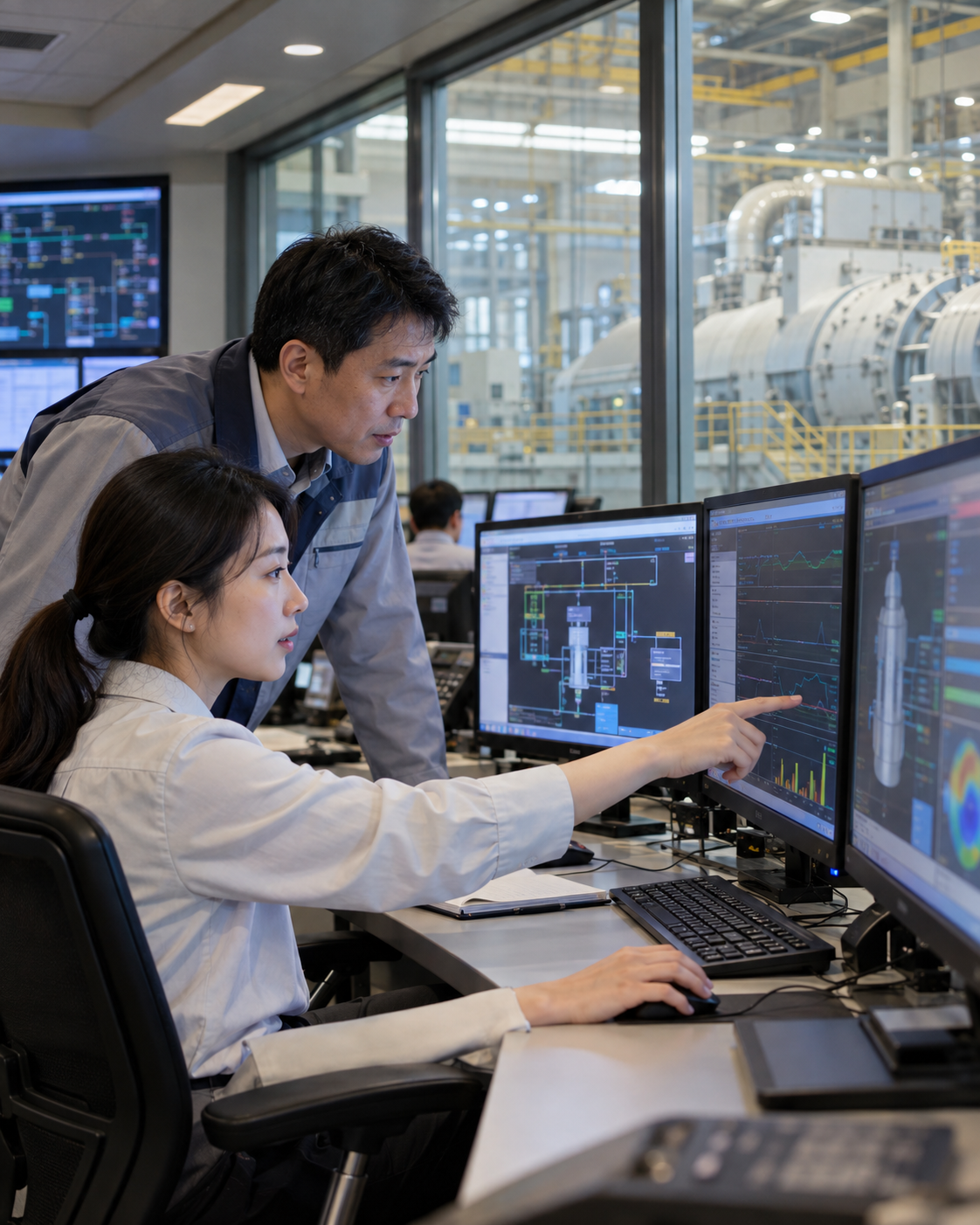
The two companies have agreed to go beyond simply purchasing electricity and to develop an “AI for Energy” roadmap using Google Cloud and Gemini Enterprise. The goal is to apply AI to nuclear power plant operations and grid management to reduce costs and improve operational efficiency and reliability. In essence, they are testing a model in which AI data centers consume electricity while simultaneously using AI to optimize the operation of the power infrastructure.
However, unlike power purchase agreements, which involve already confirmed generation capacity, this is a cooperation plan whose future implementation and results remain to be seen. Since nuclear power plant operations are subject to very strict safety regulations, we should not interpret this to mean that AI will directly take over core control functions. In fact, the key evaluation criteria going forward will be which tasks Gemini is applied to and the extent to which it achieves cost savings or operational improvements.
| We must also continue to monitor consumer rates and the burden on the power grid
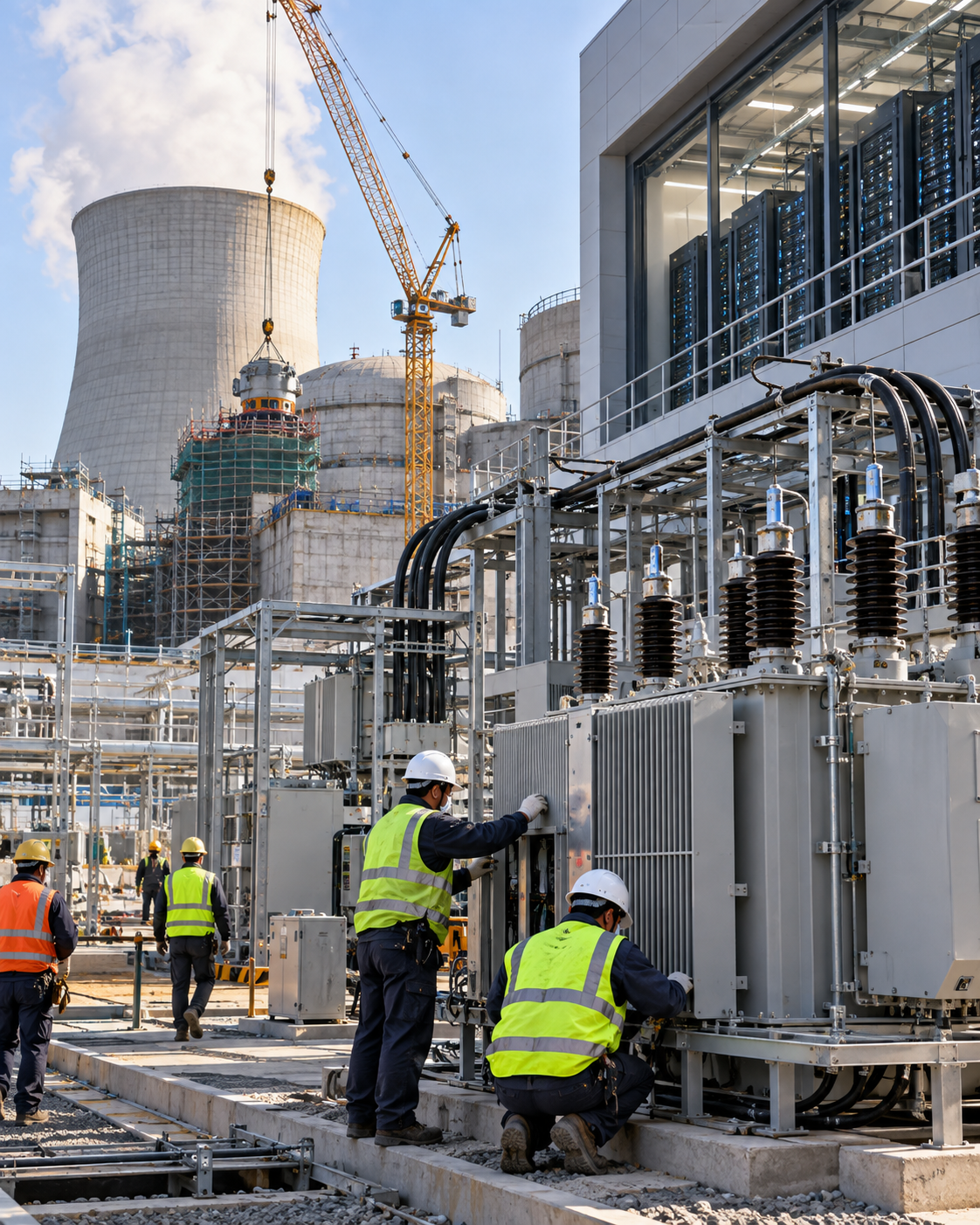
While Big Tech’s signing of large-scale, long-term contracts can accelerate investment in power generation, the impact on grid expansion costs and local electricity rates must be considered separately. This is because in regions where demand for data centers is surging, costs related to transmission lines, substations, and securing reserve capacity may also increase. The mere fact that power generation contracts have grown does not automatically resolve grid bottlenecks.
This Constellation contract is structured to inject additional capacity from existing nuclear power plants into the market, which has the advantage of increasing new supply. However, considering that supply will be phased in starting in 2028, this is not a means of immediately resolving short-term power shortages. We’ll need to see whether PJM’s grid investments, capacity market prices, and rules for connecting new data centers all move in tandem going forward.
| The AI race is now expanding into a competition for investment in power generation,
The significance of this agreement lies in the fact that Google went beyond simply “purchasing” electricity to directly supporting power generators’ long-term capital investment decisions. A 20-year PPA, more than $4.3 billion in investment, and 890 MW of new nuclear power capacity signal that the competition for AI infrastructure has moved beyond just GPUs and data center buildings to include power plants and power grids.
The key points to watch going forward are whether the planned capacity expansion is approved as scheduled and leads to actual supply starting in 2028, and how the separate 2,700 MW contract ties in with Google’s data center expansion. While it is true that increasing the output of existing nuclear power plants is a faster option than building new ones, in the long run, expanding the energy mix and investing in the transmission grid must proceed hand in hand to reliably meet the power demand of AI data centers.
Tags
#Google #ConstellationEnergy #Nuclear Power #Nuclear Power Plant #AI Data Center #Data Center #Power Infrastructure #PJM #Power Purchase Agreement #PPA #Energy Infrastructure #GeminiEnterprise