U.S. power company Black Hills has signed a final agreement to supply power to the data center Google plans to build in Cheyenne, Wyoming. The agreement took effect on September 30, 2026, and will remain in force through 2048. Black Hills plans to provide up to 590 MW of grid-connected power services for the data center and manage approximately 2.1 GW of third-party power resources through a separate private microgrid.
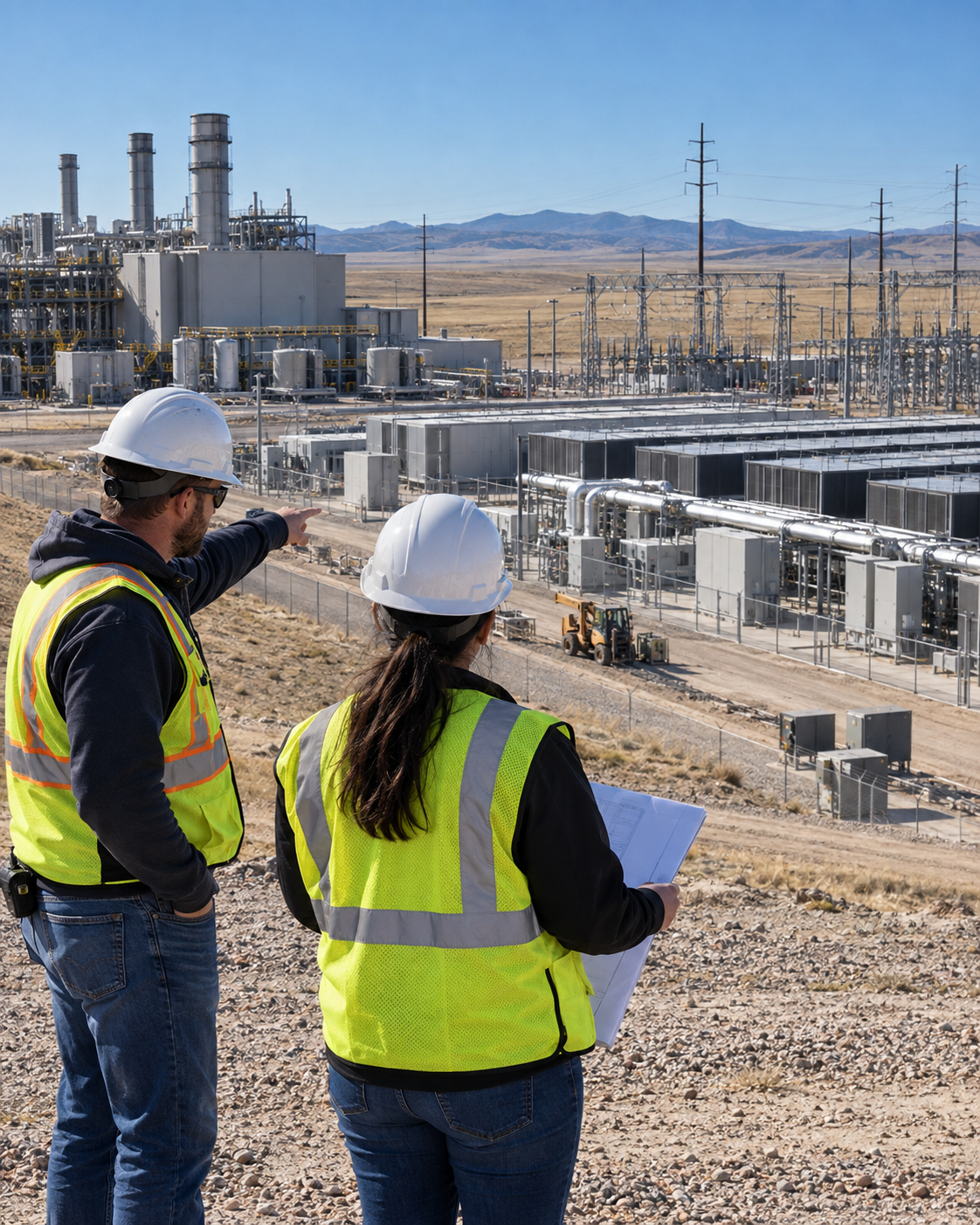
The largest new investment is in natural gas-fired power generation facilities. Black Hills plans to invest $1.8 billion from 2027 to 2029 to build a 564-MW company-owned power plant on the site of the existing Cheyenne Prairie Generating Station. The total resource portfolio is planned to be approximately 2.7 GW, including reserve capacity, and power supply is expected to begin in late 2027 and reach peak load levels by 2030.
| This announcement means we've moved past the "review" stage and are now in the final contract phase.

Black Hills announced that it has signed two final agreements—a Large Power Contract Services Agreement and a Generation Facilities Agreement—regarding the power supply for a Google data center. The key development in this news is that the terms of the contracts have been finalized, rather than being at an earlier stage of negotiation or regulatory filing. However, the Google data center itself is still referred to as a “planned” facility, meaning it has not yet begun operations.
The contract term is very long, lasting until 2048. Since data centers consume large amounts of electricity reliably for decades, power companies rely on long-term contracts to ensure a return on their investments in new power plants. It is noteworthy that there are an increasing number of cases where AI data centers are directly influencing power companies’ capital plans.
| $1.8 billion will be invested in a new 564 MW gas-fired power plant
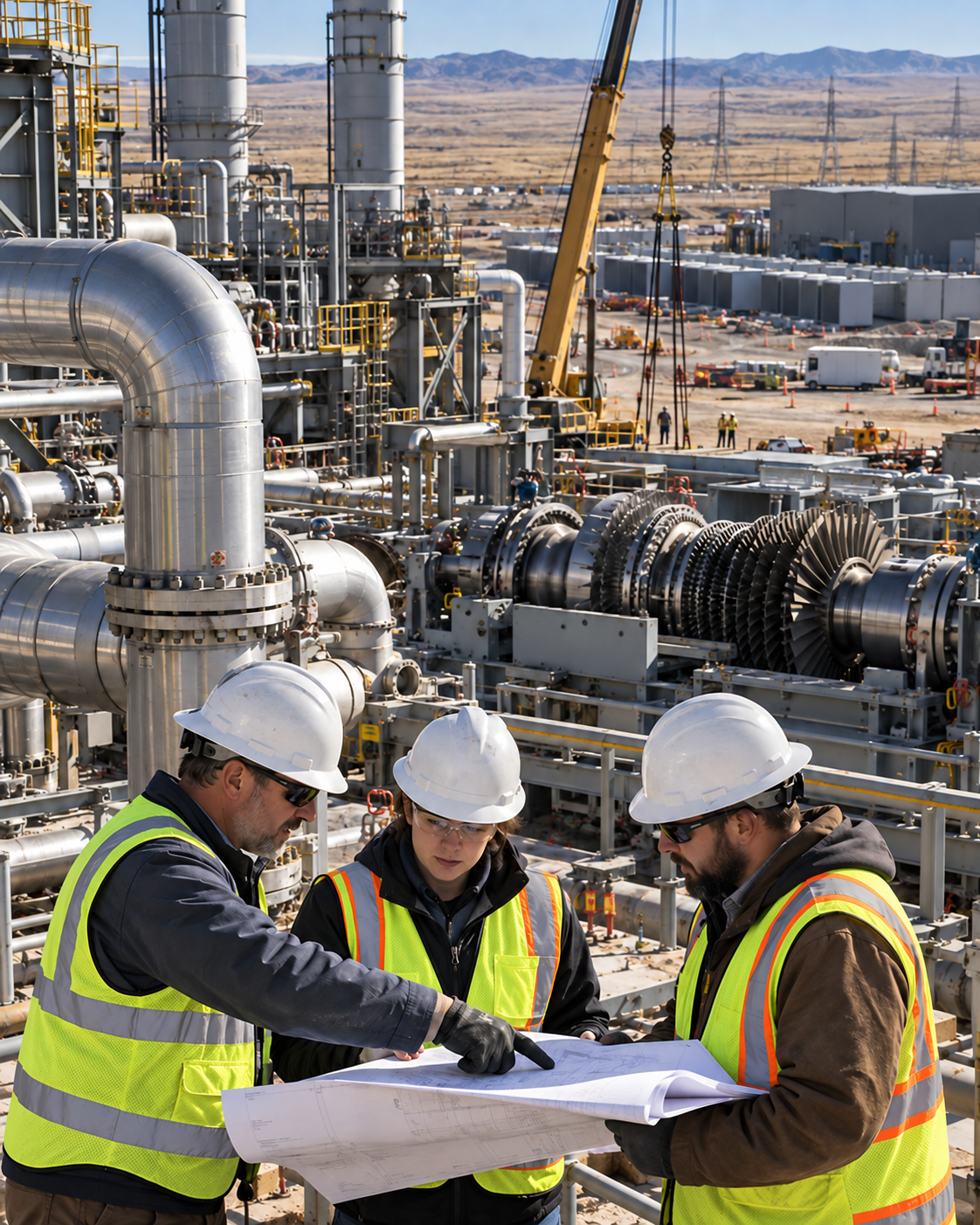
Black Hills plans to invest $1.8 billion between 2027 and 2029 to build 564 MW of new natural gas generating capacity. Instead of developing a completely new site, the power plant will be built on the site of the existing Cheyenne Prairie Generating Station. This offers the advantage of leveraging existing power infrastructure and operational experience.
This power generation facility serves as a key source for reliably supporting the massive load of Google's data centers. Since it is difficult to meet a data center’s 24-hour power demand using only power sources—such as renewable energy—whose output fluctuates with weather conditions, Black Hills opted for a combination of its own gas-fired generation, market electricity, and third-party contracted resources.
| The 590 MW of installed capacity and the 2.7 GW of resource potential are not the same figures.
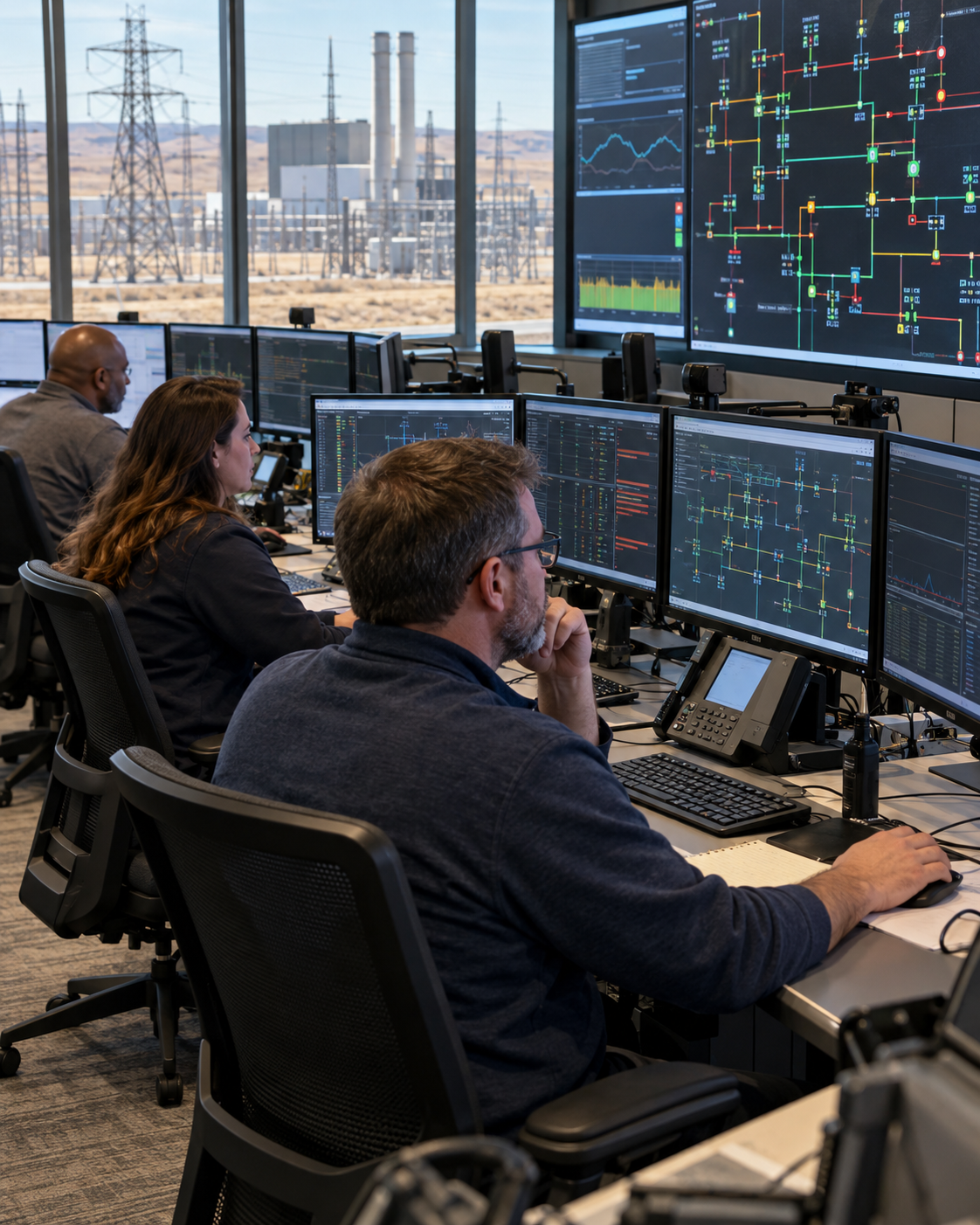
The official announcement mentions 590 MW, 2.1 GW, and 2.7 GW all at once, which can be confusing. The maximum 590 MW refers to the amount of power that Black Hills will supply directly to Google via the grid. The approximately 2.1 GW represents the capacity of third-party contracted resources in Wyoming managed as a private microgrid, while the total resource mix—including both systems and reserve capacity—is approximately 2.7 GW.
Therefore, we should not assume that the data center's actual peak load is 2.7 GW. The 2.7 GW figure includes reserve capacity and various other resources to ensure supply stability. According to the announcement, the data center is scheduled to begin receiving power in late 2027, with the load increasing gradually through 2030; therefore, the plan does not call for all resources to be deployed simultaneously at maximum output from the outset.
| Private microgrids are key to powering large data centers

Black Hills plans not only to build its own power plants but also to aggregate and manage approximately 2.1 GW of third-party power resources. To this end, the company will implement a private microgrid operating model utilizing its Large Power Contract Service pricing structure. Under this structure, Black Hills will be responsible for adjusting contracted power from various generation sources to meet data center demand.
This approach allows ultra-large data centers to enhance stability by combining various resources rather than relying on a single power plant. Conversely, operational complexity will increase. Since the availability of generation resources, transmission constraints, reserve capacity, and market prices must all be managed simultaneously, coordination between the power management system and the power grid will become crucial during the actual operation phase.
| I structured the contract so that Google would cover the supply costs.

There are concerns that if a large data center is built, the local power company will have to make significant investments in power plants and transmission infrastructure, and that those costs could be passed on to existing residential and business customers through their bills. Black Hills emphasized that it structured this agreement so that Google would bear the full cost of supplying power to the data center.
This provision is linked to the recent debate in the United States over “who should pay for grid expansion,” which has intensified amid a surge in data center electricity demand. In reality, we will have to wait and see—from regulatory approval through the long-term operation process—whether cost pass-through is completely prevented, but, It is a significant change that the power generation company made the protection of existing customers a key condition right from the contract announcement stage.
| This is expected to have a significant long-term impact on Black Hills' performance as well.
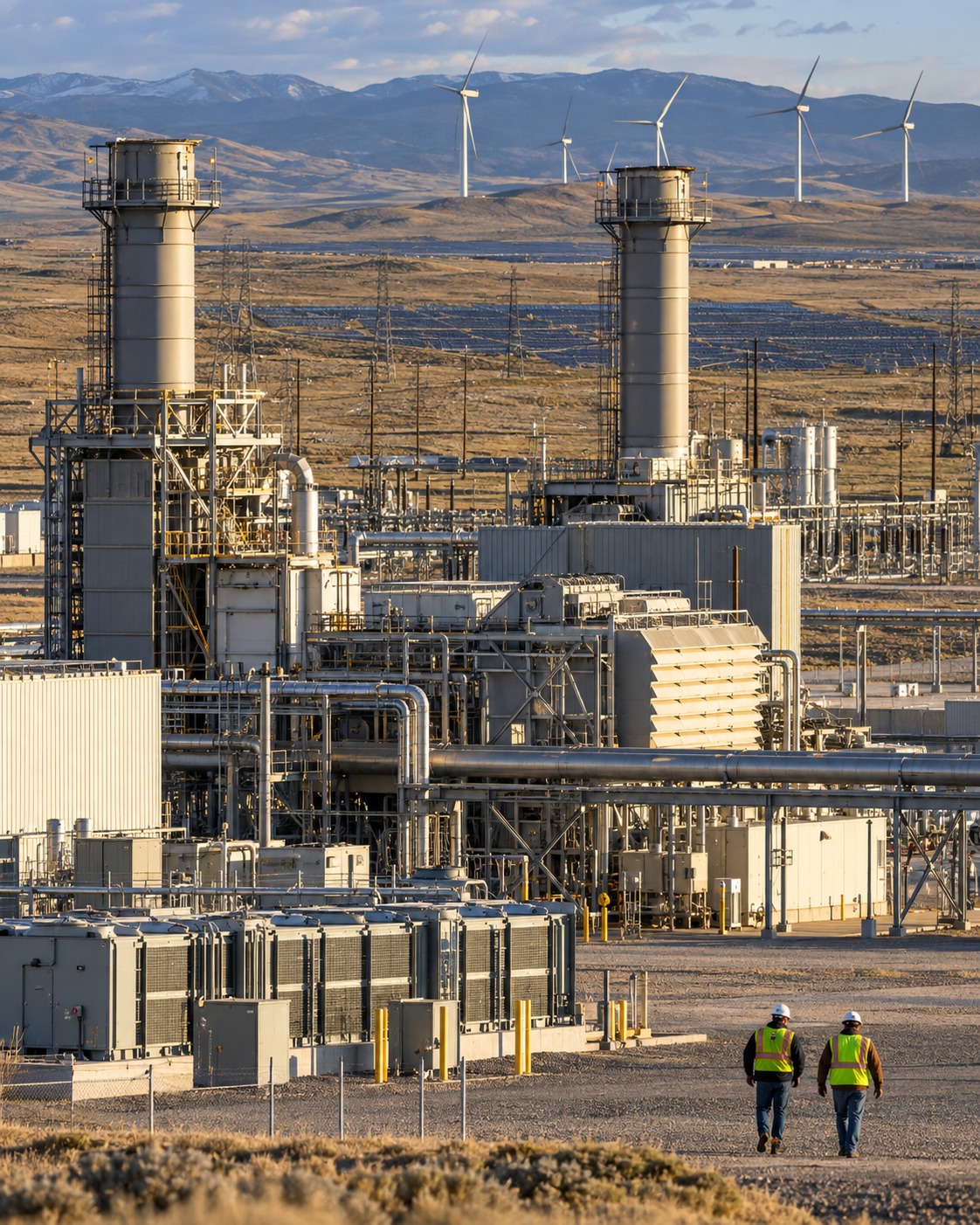
The company expects that returns on investments in new power generation facilities and microgrid management fees will begin to contribute to its earnings starting in 2027. It projected that by 2030, this project would add approximately $150 million in net income and generate approximately $2.4 billion in non-debt-financed free cash flow, excluding $1.8 billion in capital expenditures, by 2048.
Since these figures represent the company's long-term outlook, they should be distinguished from actual results. These factors—such as the data center construction schedule, the rate of increase in electricity demand, the construction costs of power generation facilities, and regulatory conditions—may vary. Nevertheless, it is clear that a single data center contract has grown to a scale large enough to alter a regional power company’s investment plans and long-term profit outlook.
| The issue of carbon emissions from electricity generation remains
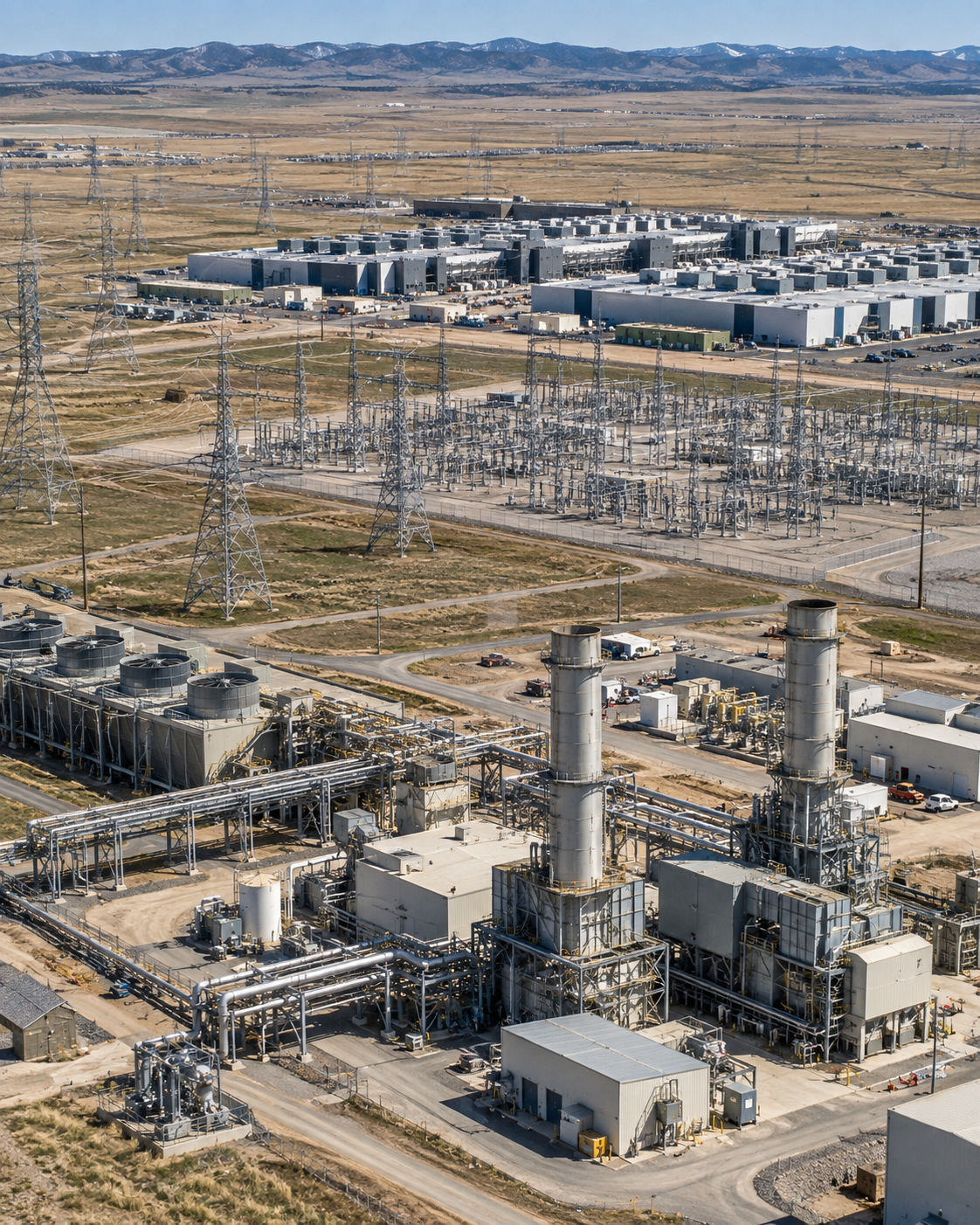
Although Google is working to expand carbon-free energy in the long term, the new company-owned power generation facilities for this project are primarily natural gas-fired. To meet the rapidly growing power demand of AI data centers, a power source with high supply reliability is needed, and in the Cheyenne Project, natural gas-fired power generation has been chosen to fulfill that role.
Therefore, while this agreement represents concrete progress in terms of securing power supply, it requires a separate assessment from the perspective of decarbonization. Key points to monitor going forward include how the 2.1 GW of third-party resources will be structured, what percentage will come from renewable energy and storage systems, and what the actual utilization rates and emissions levels of gas-fired power plants will be.
| AI data centers are redesigning the regional power systems themselves,
Google’s Cheyenne Project demonstrates that data center power demand has now gone beyond simply connecting to the existing grid; it requires the simultaneous development of new power plants, long-term contracts, microgrids, and the securing of reserve capacity. The structure—in which a 564 MW new power plant, 590 MW of grid services, and 2.1 GW of third-party resource management are bundled around a single customer—is a prime example of how power procurement is changing in the era of AI infrastructure.
Going forward, we’ll need to monitor whether construction of the actual data center begins on schedule and whether power supply starts by the end of 2027, as well as track the rate at which demand increases through 2030. Additionally, key points to watch will include whether the cost structure Google has agreed to bear will actually protect local customers, and how the company resolves the tension between expanding gas-fired power generation and its carbon reduction targets.
Tags
#Google #BlackHills #Wyoming #Cheyenne #AI Data Center #Data Center #Power Infrastructure #Natural Gas Power Generation #Microgrid #Power Contract #Energy Infrastructure #Cloud Infrastructure