Samsung Electronics’ quarterly operating profit has surpassed the 100 trillion won mark. According to the preliminary results for the third quarter of 2026 released by Samsung Electronics on October 8, revenue totaled 195 trillion won, and operating profit reached 107.4 trillion won. Given that this scale of earnings has rarely been seen in the quarterly results of domestic companies, the figures themselves became news.
However, it’s hard to dismiss this announcement as simply “Samsung Electronics made a lot of money.” That’s because it serves as an example of just how strongly AI data centers are driving the memory supply chain and how the revenue structure of semiconductor companies is changing.
However, what has been released now is not the final, audited financial results, but rather preliminary estimates provided by the company. First, it’s important to note that detailed results by business segment—such as semiconductors and mobile—have not yet been disclosed.
| 107.4 trillion won—just how big is that number?

According to Samsung Electronics’ official announcement, consolidated revenue for the third quarter was approximately 195 trillion won, and operating profit was approximately 107.4 trillion won. Comparing these two figures, the operating profit margin reached about 55.1%. This means that the profit—calculated by subtracting operating expenses from revenue generated by product sales—accounts for more than half of total revenue.
These figures represent preliminary results in accordance with Korean International Financial Reporting Standards (K-IFRS). Samsung Electronics provided a single representative estimate rather than a range, in accordance with domestic disclosure regulations. The actual estimated range is revenue of 194 trillion~196 trillion won, operating profit of 107.3 trillion wonSince the figure was reported as 107.5 trillion won, the final settlement figure may differ.
The important point isn't just the symbolic significance of surpassing 100 trillion won. As the scale of earnings grows, so do the questions about whether this level of profitability can be sustained.
| The changes are even more noticeable compared to a year ago
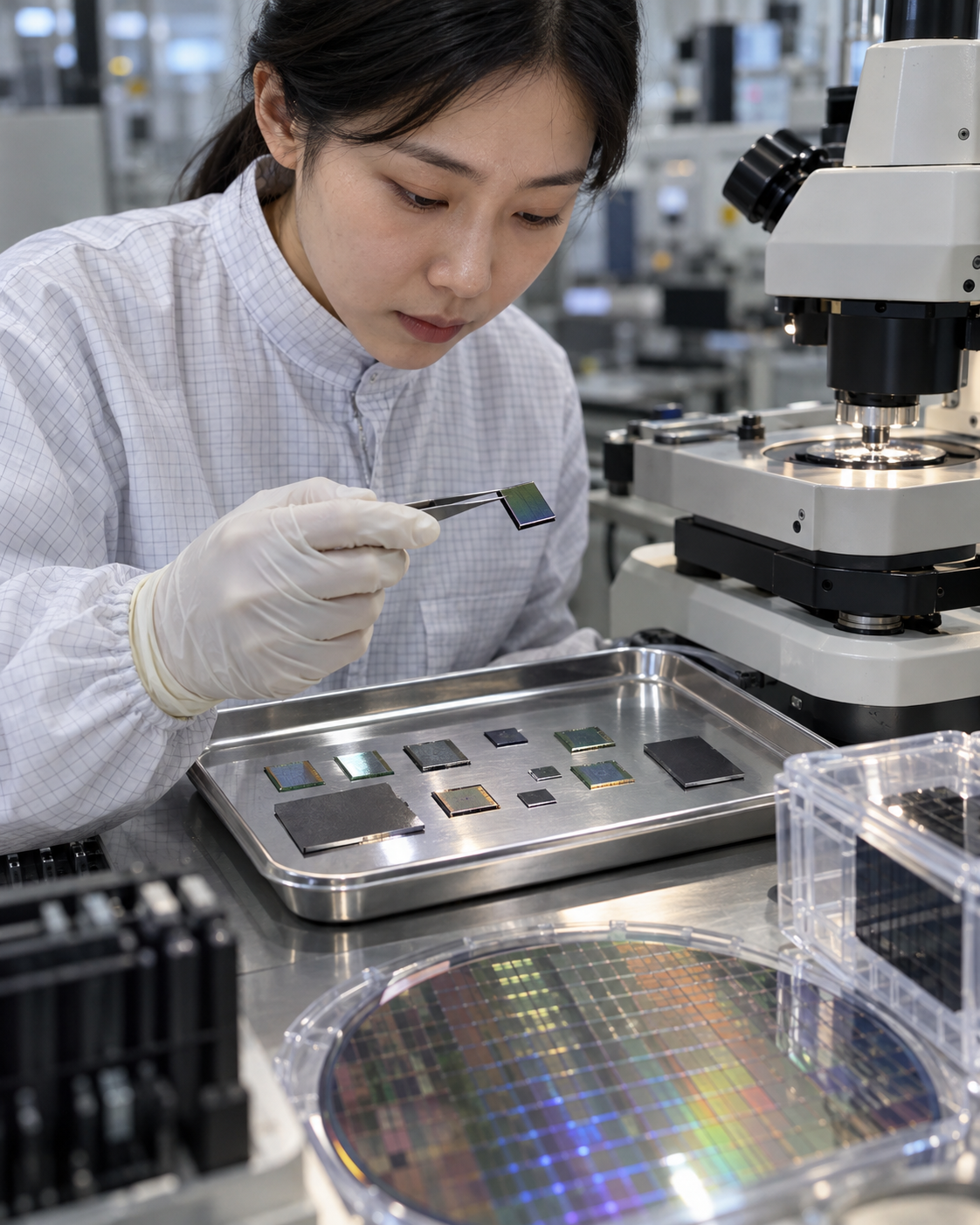
According to official data, revenue for the same quarter last year was 86.06 trillion won, and operating profit was 12.17 trillion won. Compared to that, revenue for the third quarter of this year increased by 126.59%, and operating profit rose by 782.50%. This means operating profit was approximately 8.8 times that of the previous year.
Compared to the immediately preceding second quarter of 2026, revenue rose 13.70% from 171.5 trillion won to 195 trillion won, and operating profit increased 20.01% from 89.49 trillion won to 107.4 trillion won. This upward trend cannot be explained solely by the base effect of last year’s seemingly low performance.
The fact that the profit growth rate is significantly higher than the revenue growth rate suggests that the proportion of profitable products may have increased or that pricing conditions may have improved. However, we can't say for sure how much each business unit contributed until we see the final report.
| Why AI Data Centers Are Driving the Memory Market
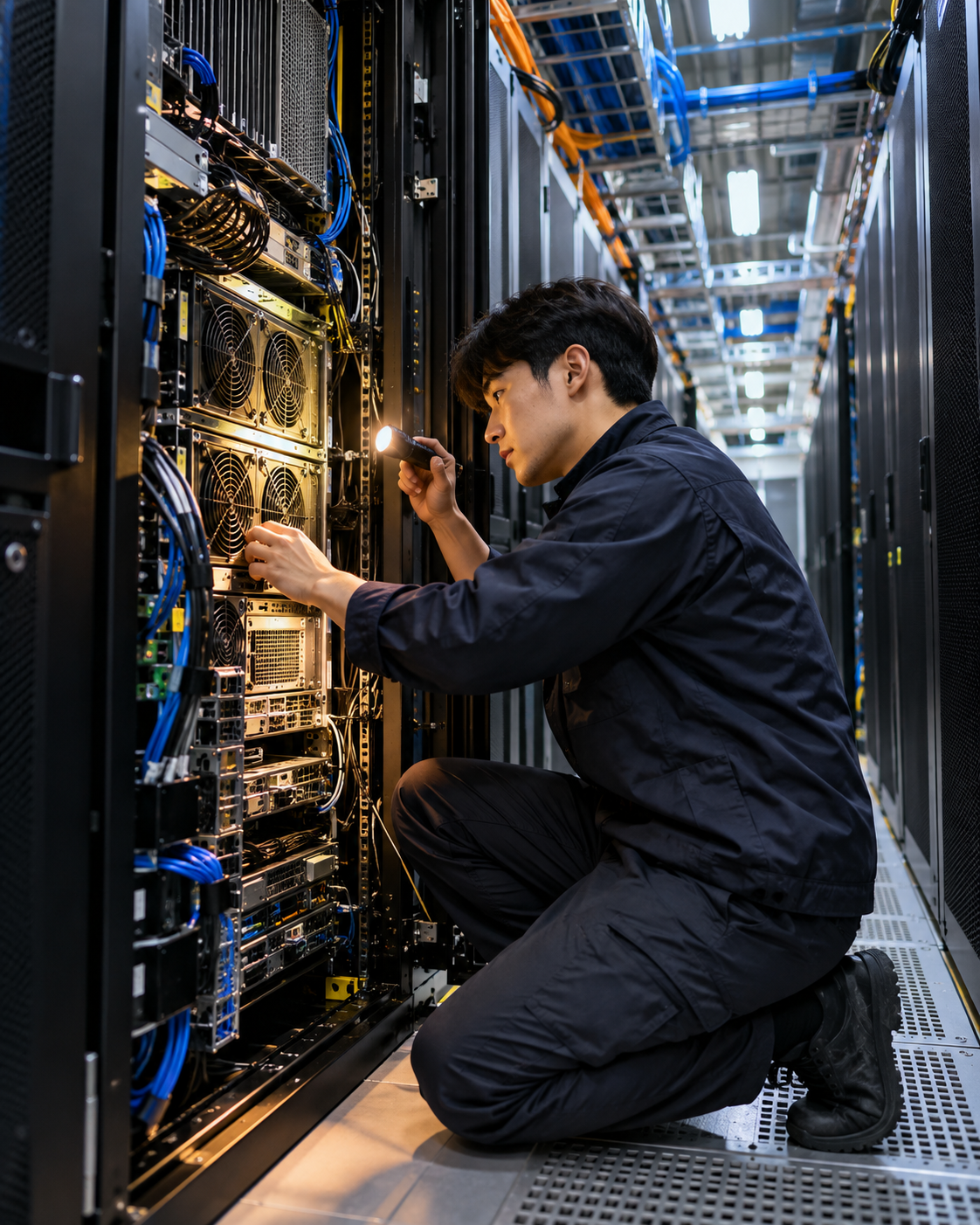
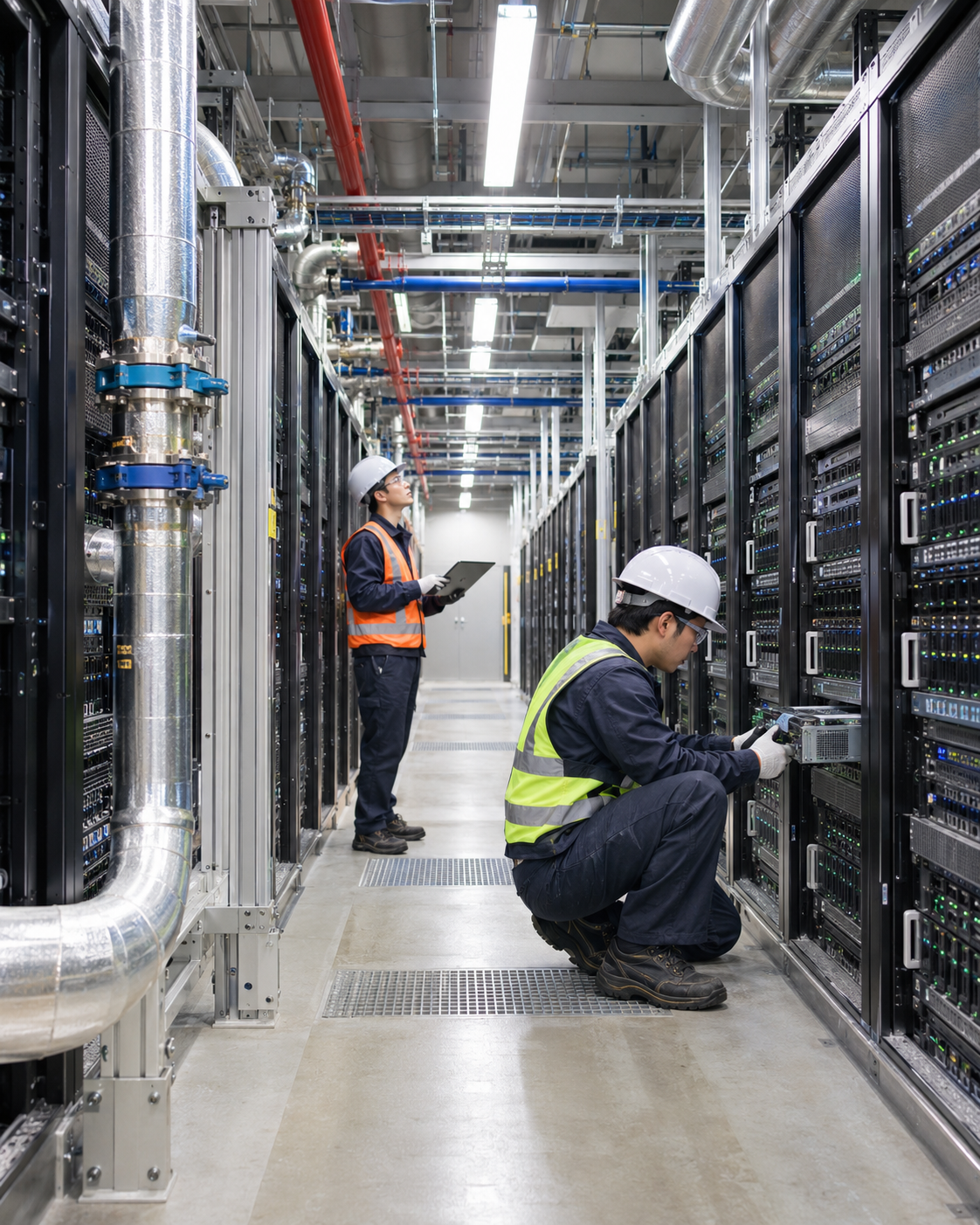
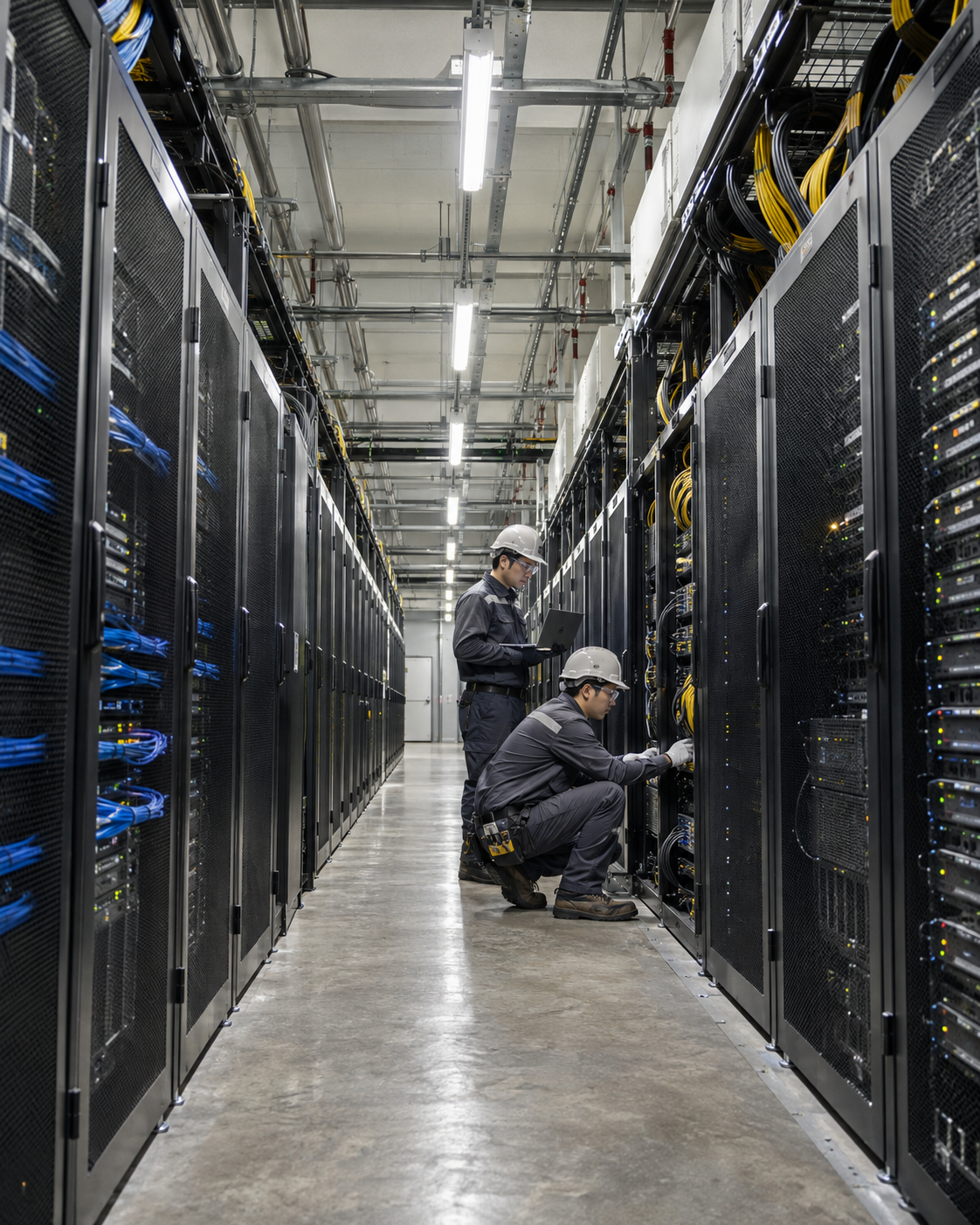
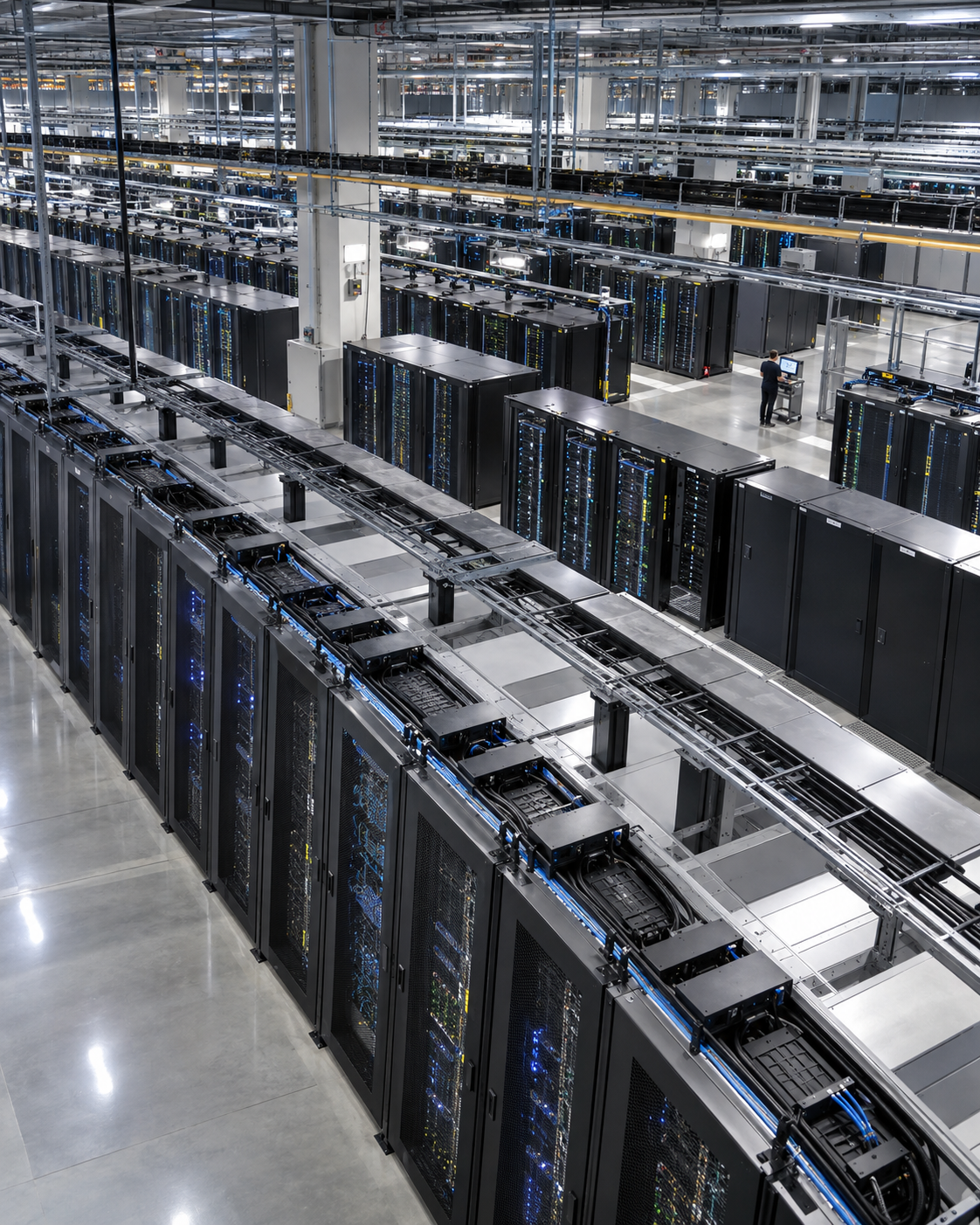
To operate generative AI services, it’s not enough to simply secure a large number of computing accelerators. You also need memory to quickly transfer data processed by the models, standard DRAM for servers, and NAND for storage. That’s why the expansion of AI data centers is driving demand for memory across the board.
Reuters analyzed that the key factor behind these earnings was a significant rise in memory prices, as demand for AI infrastructure outpaced the growth in supply. In particular, both HBM—used in AI accelerators that require high bandwidth—and general-purpose memory, which is widely used in servers, are attracting attention simultaneously.
Here, HBM refers to high-bandwidth memory, which stacks multiple memory chips vertically to increase data transfer speeds. While it is a critical component for AI accelerators, attributing Samsung Electronics’ overall performance solely to HBM would be an oversimplification.
| HBM competition and general-purpose DRAM prices are different variables.
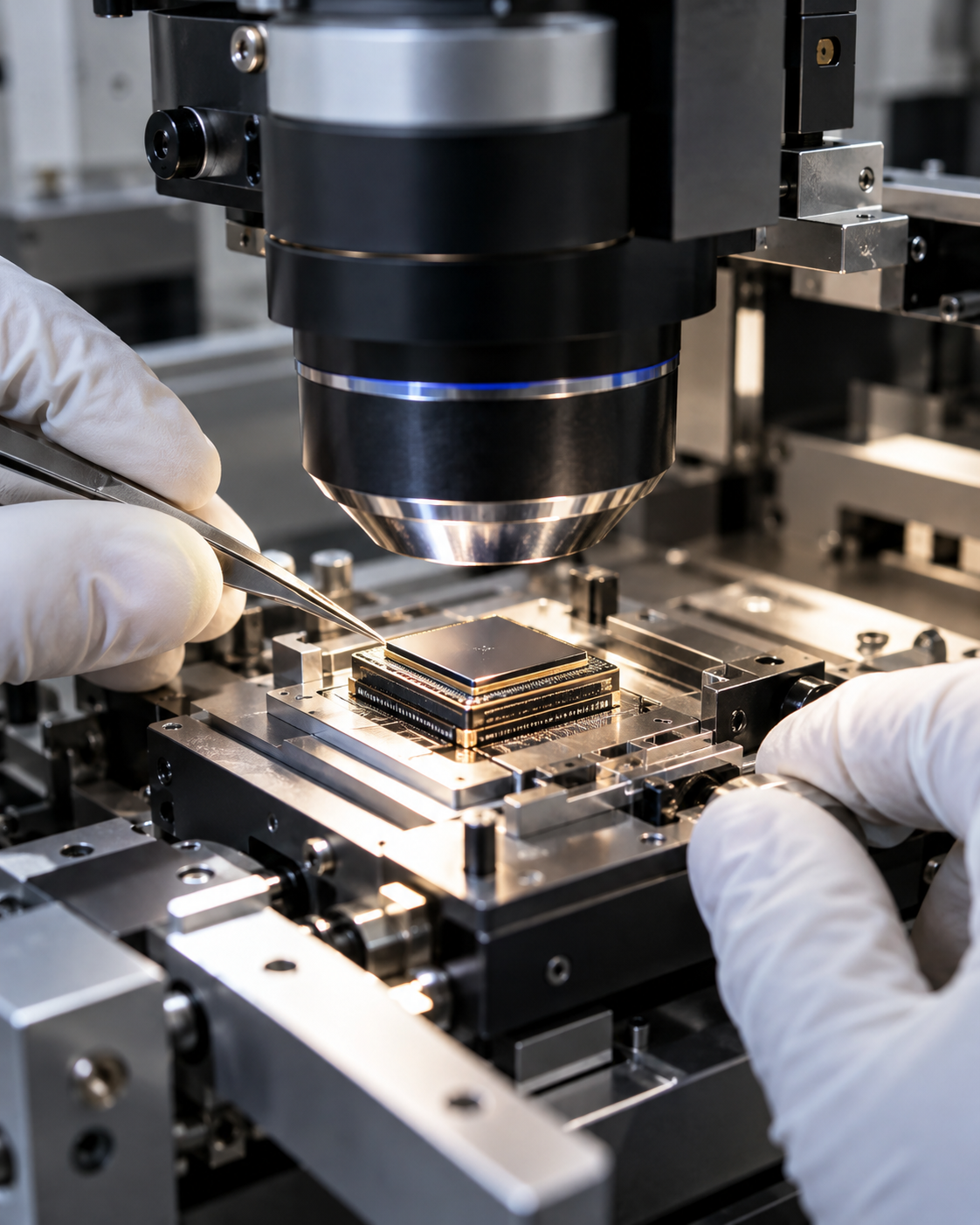
In the HBM market, technical certification of high-performance products, customer supply volumes, and production yield are key competitive advantages. In contrast, standard DRAM and NAND are driven by a variety of demand sources—including not only data centers but also PCs, smartphones, and enterprise storage. While the two markets influence each other, the reasons for price increases and the competitive dynamics are not entirely the same.
If manufacturers prioritize production capacity for certain products to meet AI demand, the supply of other products could also become tight. Under this structure, the likelihood of supply shortages and price increases—not only for cutting-edge HBM but also for standard memory—is likely to increase.
While Samsung Electronics has the advantage of being a memory provider with a broad product portfolio, this preliminary announcement did not specify how much profit the company actually generated from each product. Distinguishing between the impact of increased HBM shipments and that of general-purpose memory prices will be crucial during the earnings announcement in late October.
| The same economic boom has different effects on competitors and customers
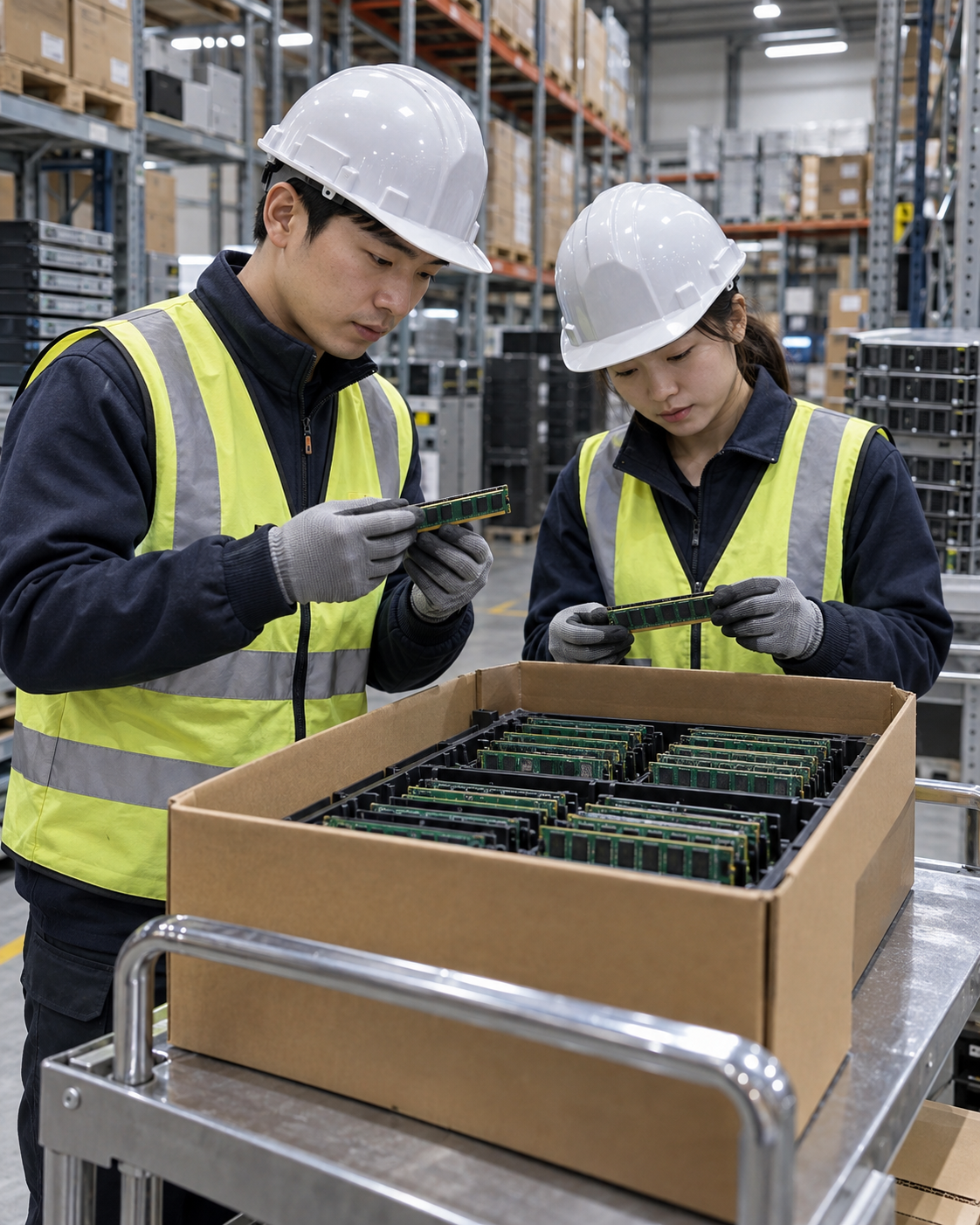
For memory manufacturers, high prices are a factor that boosts sales and profits, but for server, PC, and smartphone manufacturers that purchase memory, they can lead to increased costs. This means that the benefits of expanded AI investment are not distributed evenly across the entire industry.
When it comes to the competitive landscape, we can’t just look at Samsung Electronics alone. The HBM supply capacity of major memory manufacturers such as SK Hynix and Micron, their general-purpose DRAM production strategies, and their long-term supply contracts with customers will be key factors in determining future market prices. Since expanding production capacity does not immediately translate into stable supply, we must also monitor how quickly new investments translate into actual shipment volumes.
From the perspective of companies building AI servers, the more difficult it becomes to secure chips, the more likely it is that their investment schedules will be delayed or their equipment costs will increase. Ultimately, these figures reflect not only the strong performance of semiconductor companies but also the supply pressures resulting from the expansion of AI infrastructure.
| Not everything outside the semiconductor business went well, though.
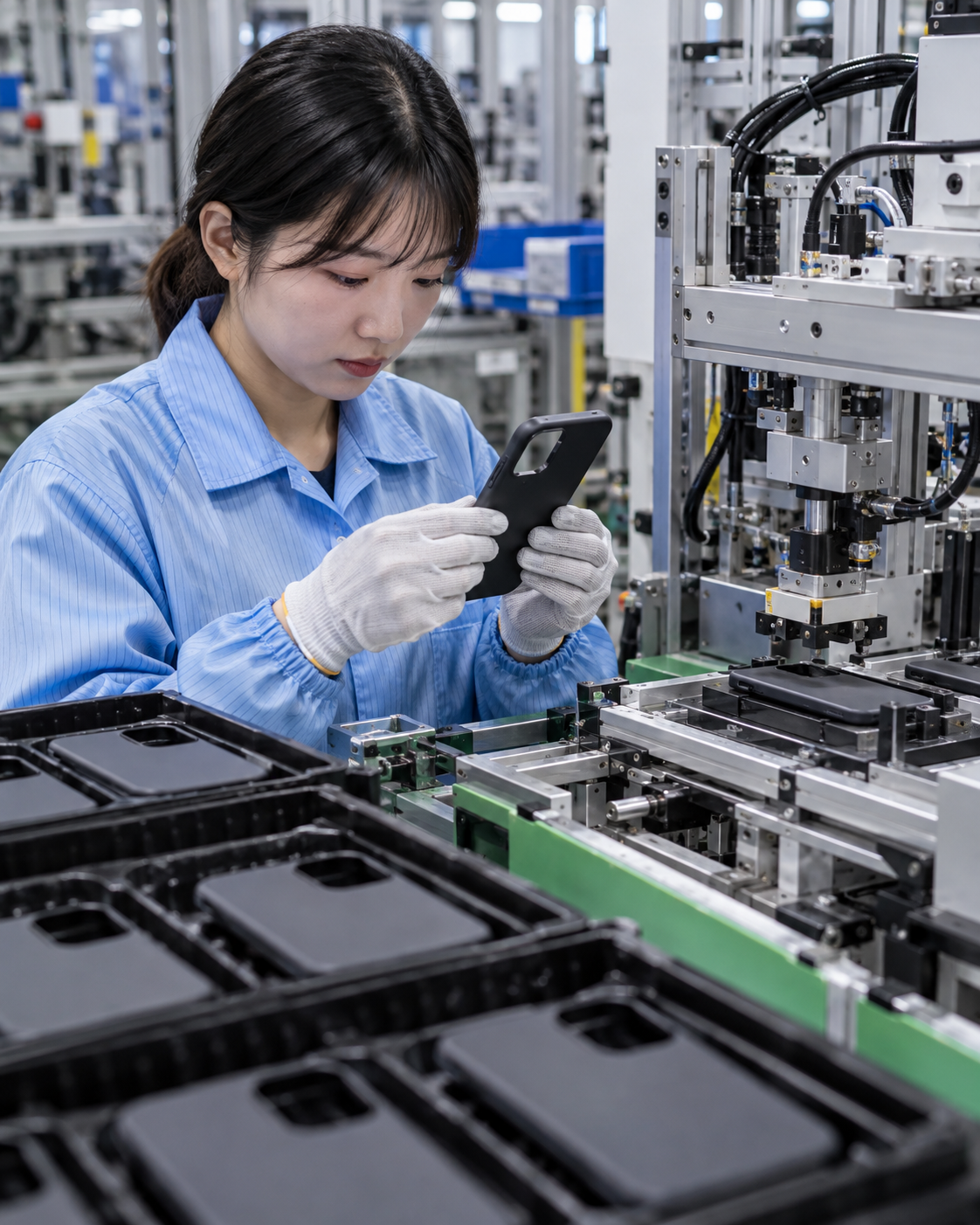
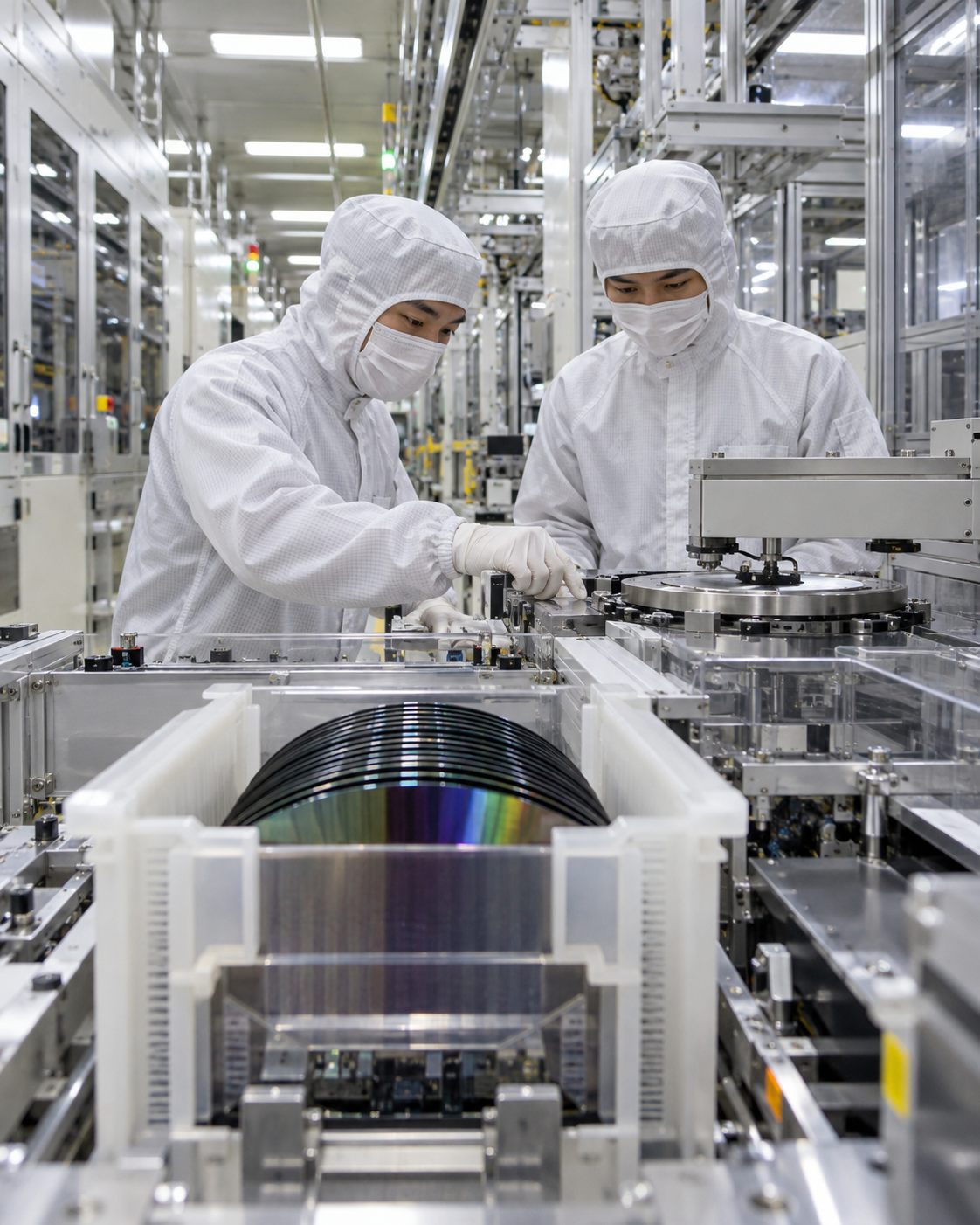
Samsung Electronics isn't just a company that sells semiconductors. It operates a variety of businesses, including smartphones, displays, TVs, home appliances, and foundry services. Just because consolidated operating profit reached a record high doesn't mean that all business units improved at the same rate.
Reuters highlighted losses in the mobile business and profitability issues in the foundry division. However, since the preliminary earnings announcement does not include profit and loss figures for each business segment, the scale of losses in individual segments should not be reported as if they were official, finalized figures from Samsung Electronics. Such a distinction could alter the interpretation of the news.
Even if the semiconductor division significantly boosts overall profits, the gap between business segments could widen if other divisions face pressure from rising costs. To assess the quality of these earnings, we need to look not only at the total profit but also at which products and divisions generated that profit.
| Risk Factors Lurking Behind High Profit Margins

The memory industry is one where prices rise rapidly when demand surges, but can quickly shift to an oversupply situation once companies significantly expand their production capacity. Even though the recent demand for AI is providing a different source of growth than before, that doesn't mean this industrial structure itself has disappeared.
The slowing pace of price increases, changes in the pace of investment in AI data centers, and the impact of the strong won on the conversion of overseas sales are all variables that remain to be seen. Reuters also reported market concerns that the pace of memory price increases and exchange rates could weigh on future profit growth.
If we apply the current high operating profit margin to every quarter going forward, we might end up being overly optimistic about our earnings. To assess sustainability more accurately, you need to consider the proportion of long-term contracts, the pace of production expansion, and the yield rates of new processes.
| Check the detailed earnings report on October 29
Samsung Electronics is scheduled to release detailed financial results by business segment on October 29. The most important items to watch for then are the semiconductor division’s actual contribution to profits, the product mix of HBM and standard memory, and changes in the profitability of the foundry and mobile businesses. Capital expenditures and future production plans are also key to forecasting price trends.
These preliminary results clearly demonstrate just how significantly investments in AI data centers can impact revenue and profits in the global memory industry. At the same time, it remains unclear whether the majority of the company’s earnings are driven by specific market conditions or whether its various business segments are growing in a balanced manner. To properly assess the significance of this new record, we need to examine both the breakdown of the final earnings and the trends in demand and prices for the next quarter.
We've started accepting requests to create responsive websites for your projects!
We appreciate your interest ^^

Tags
#Samsung Electronics #Samsung Electronics Earnings #Q3 2026 #Preliminary Results #Operating Profit #Semiconductors #Memory Semiconductors #HBM #DRAM #NAND #AI Data Center #Semiconductor Market