Building cutting-edge AI semiconductors requires more than just high-performance GPUs. Actual system performance depends on the ability to quickly connect multiple chips and memory components within a single package. That’s why advanced packaging capabilities are so important in the semiconductor industry these days.
On October 8, GlobalFoundries (GF) announced a $2 billion manufacturing contract with TSMC. Under the agreement, GF will supply silicon interposers from its production facility in Malta, New York, to support TSMC’s CoWoS ecosystem. While the contract has been confirmed, full-scale mass production is targeted for the first half of 2028.
| The Key Points of the Agreement Between the Two Foundries
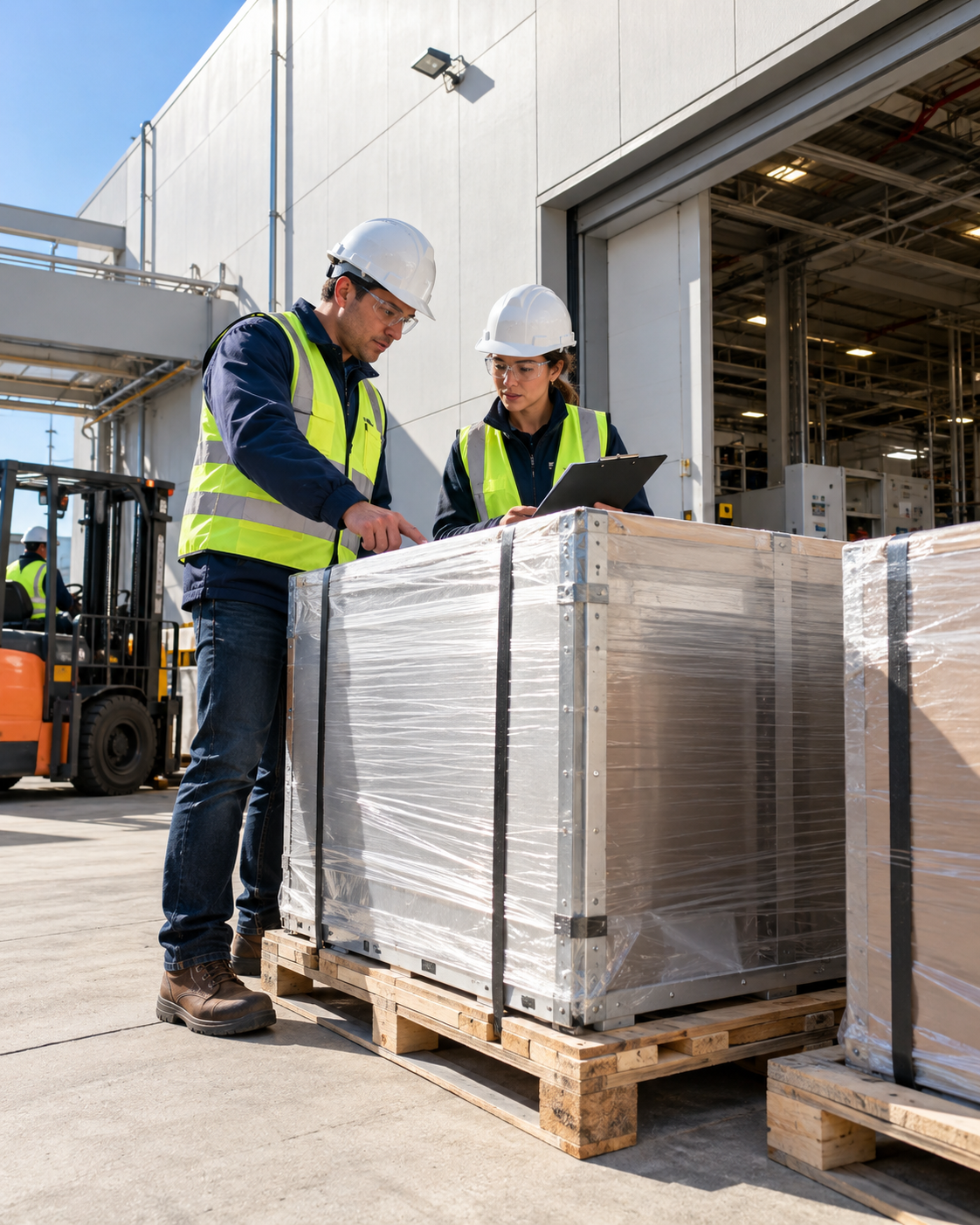
According to GF’s official announcement, the initial term of the contract is five years, and the deal is valued at approximately $2 billion. GF has agreed to provide silicon interposer manufacturing services to TSMC and to expand its production capacity in the United States. The contract also lays the groundwork for further increasing manufacturing capacity in the future based on customer demand. It is important to note that this is not merely an announcement of joint research, but a contract that establishes a supply structure and a long-term manufacturing relationship.
TSMC has a strong foothold in the advanced semiconductor manufacturing and packaging ecosystem, while GF will handle the production of these components by leveraging its existing manufacturing base in the U.S. This does not mean that the two companies are engaged in the same business across all areas of semiconductor manufacturing. In this case, their roles have been divided based on the specific components and production sites needed to complete complex AI chips.
| What the interposer does between the GPU and HBM
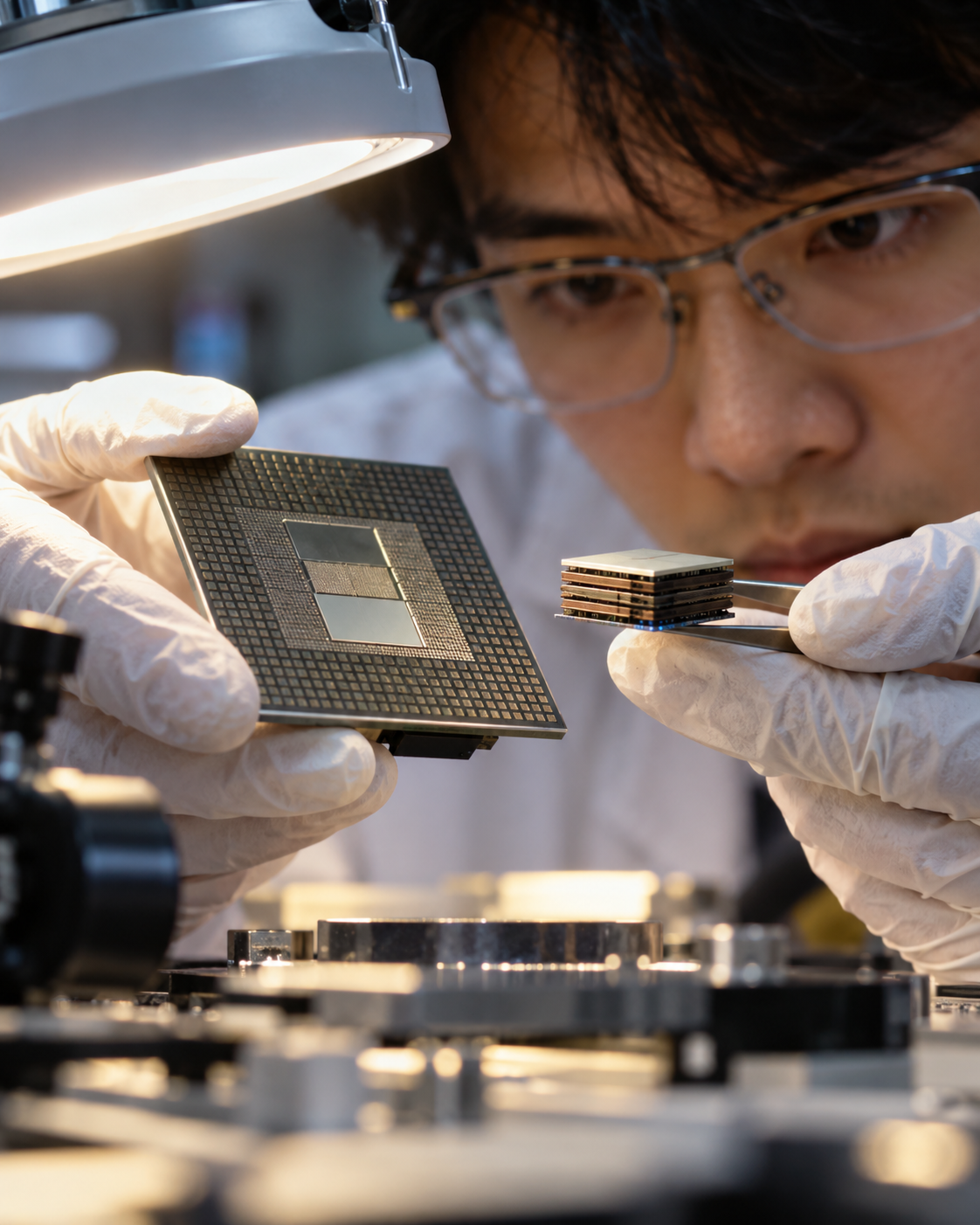
A silicon interposer is an intermediate substrate that connects multiple semiconductor chips via fine interconnects. It helps position computational chips, such as GPUs, close to high-bandwidth memory (HBM) and facilitates the exchange of signals between them. Since AI computations require the rapid transfer of massive amounts of data, it is difficult to sufficiently increase overall speed by simply boosting the computational power of the chip itself.
Interposers help increase connection density and signal transmission performance during the packaging process. Therefore, when manufacturing a single high-performance AI accelerator, not only must the chips be produced using cutting-edge processes, but the yield and supply of the components used to assemble them are also critical. If even one step in the manufacturing process falls short, the supply of the finished product may be limited.
| What it means to join the TSMC CoWoS ecosystem
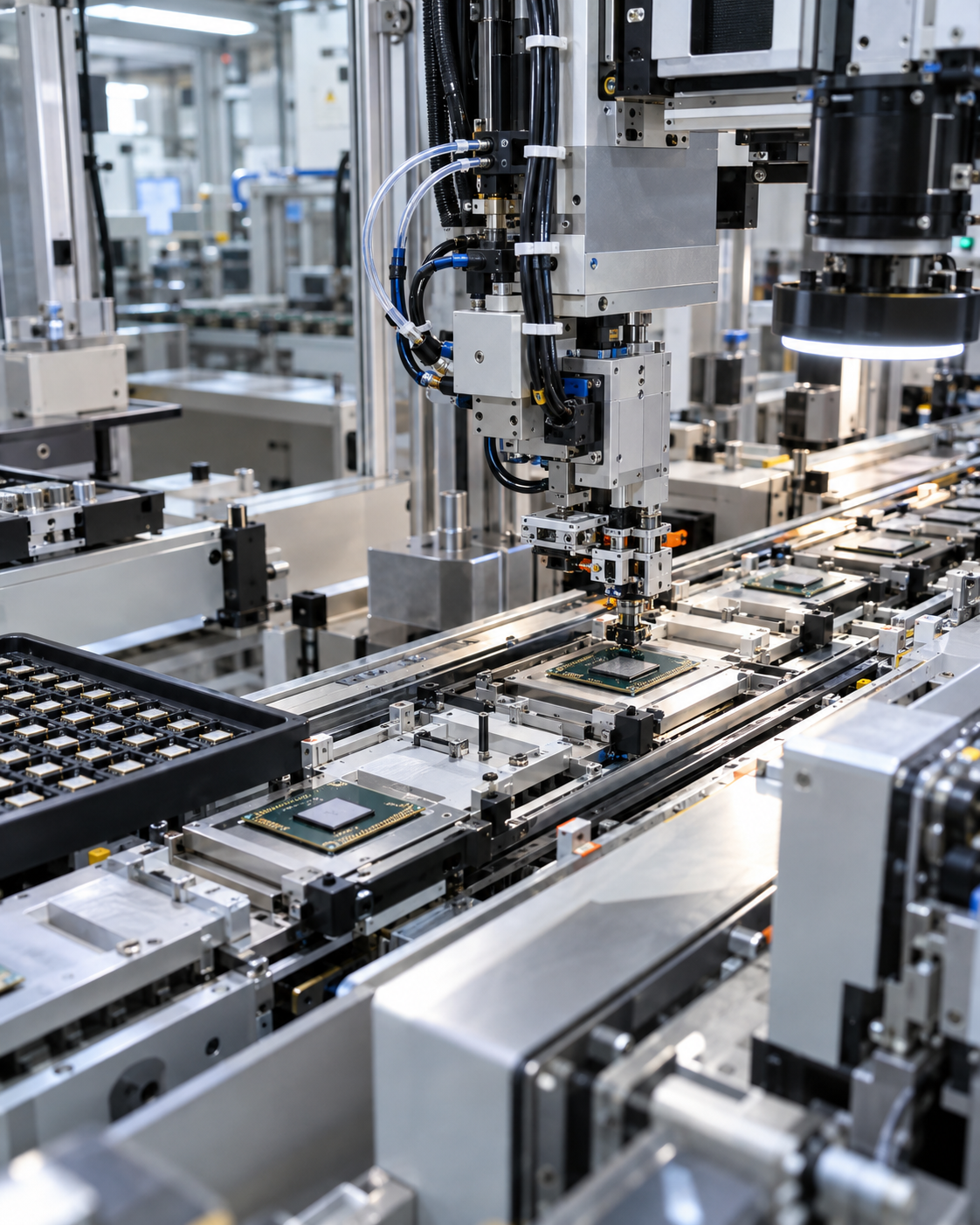
CoWoS is TSMC’s advanced packaging technology framework. It is used to integrate multiple chips into a single package, enabling high-bandwidth communication. The interposer that GF has agreed to supply is one of the key components required for this framework. This agreement can be seen as an example of TSMC expanding its packaging-related production resources in collaboration with external partners.
However, it would be inaccurate to assume that GF is performing TSMC’s entire CoWoS process on its behalf. We need to distinguish between providing interposer manufacturing services and completing the final packaging. The actual supply impact will only materialize when follow-up processes—such as assembly, inspection, and securing memory—are carried out in conjunction with interposer production capacity.
| Why the Malta Plant in New York, U.S., Was Chosen
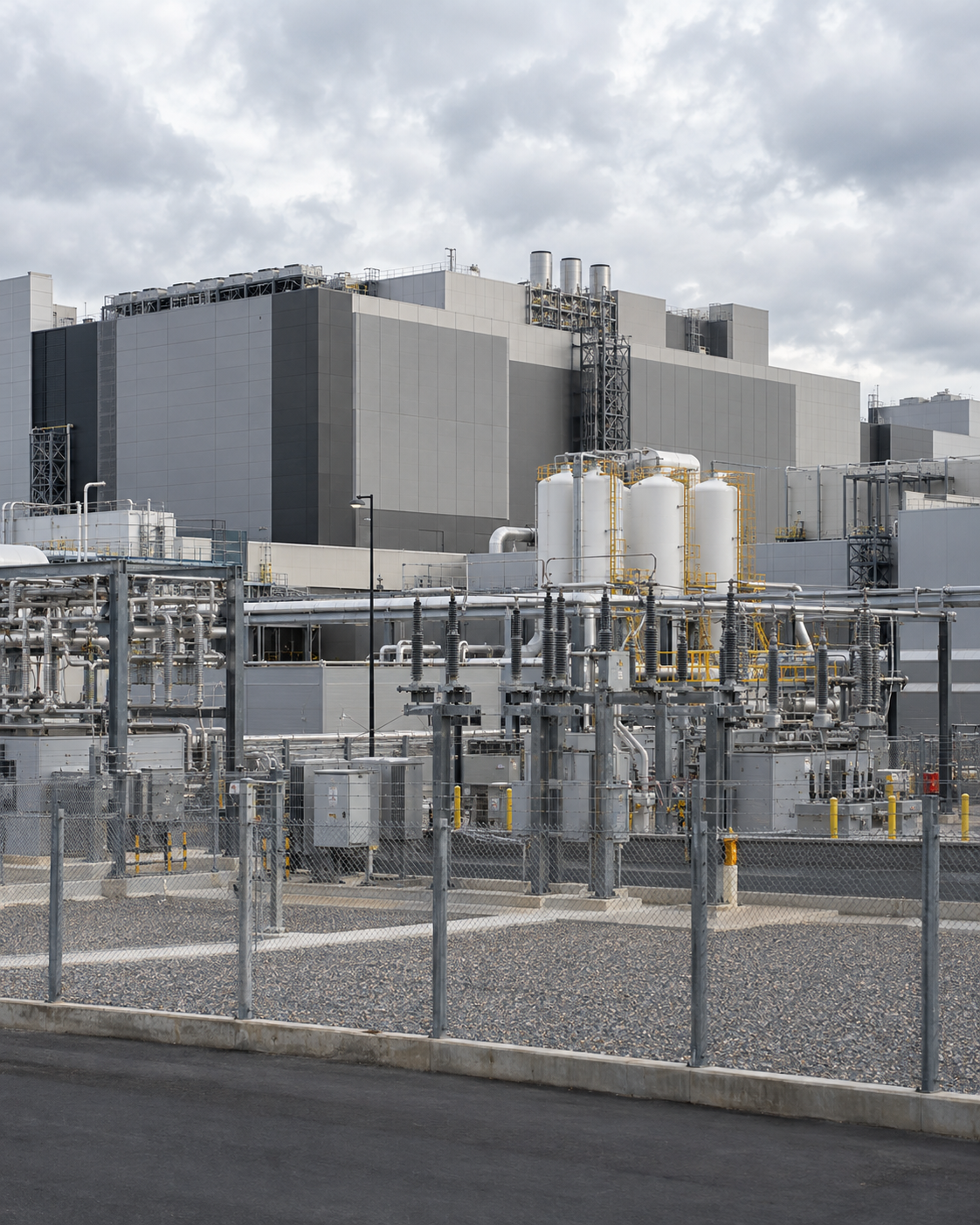
In an official announcement, GF stated that it plans to expand production capacity at its Malta, New York, plant. Utilizing an existing semiconductor manufacturing hub offers the advantage of building on existing industrial infrastructure and production expertise, unlike building a plant in a completely new location. From the customer’s perspective, this provides an option to diversify the sources of supply for critical components.
In particular, the AI semiconductor supply chain involves a diverse network of manufacturing countries and stages. Expanding the production of interposers in the U.S. is expected to increase the geographical options for sourcing components. However, the fact that a single component is manufactured in the U.S. does not mean that the entire AI chip is assembled there. Supply chain self-reliance and supply chain diversification are two distinct concepts.
| How should we view the goal of beginning mass production in the first half of 2028?
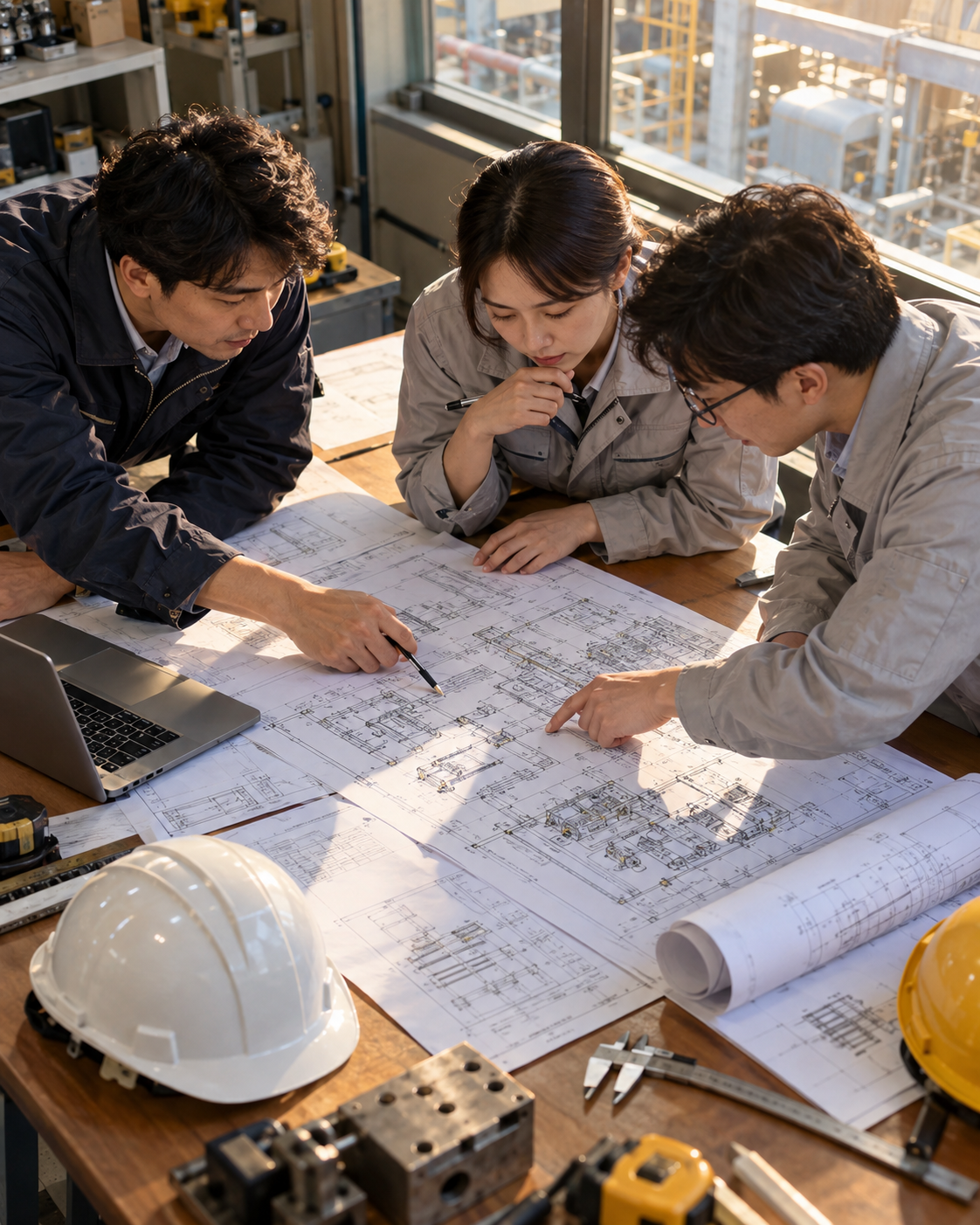
GF explained that it expects to gradually expand mass production at its Malta facility starting in the first half of 2028. In other words, at the time the contract was announced in October 2026, $2 billion worth of interposers had not yet been produced or supplied. Actual production volumes can only be achieved after completing production facility expansion, process preparation, and product validation.
Furthermore, “the first half of 2028” refers to the planned timing for increased production, not the deadline for completing the supply of all contracted volumes. The initial five-year contract merely outlines the scope of the agreement; it does not guarantee that the same amount of revenue will be generated each year. We will need to confirm the actual scale of operations and customer demand going forward before we can specifically evaluate the impact on supply.
| Bottlenecks in AI semiconductors can occur even after manufacturing
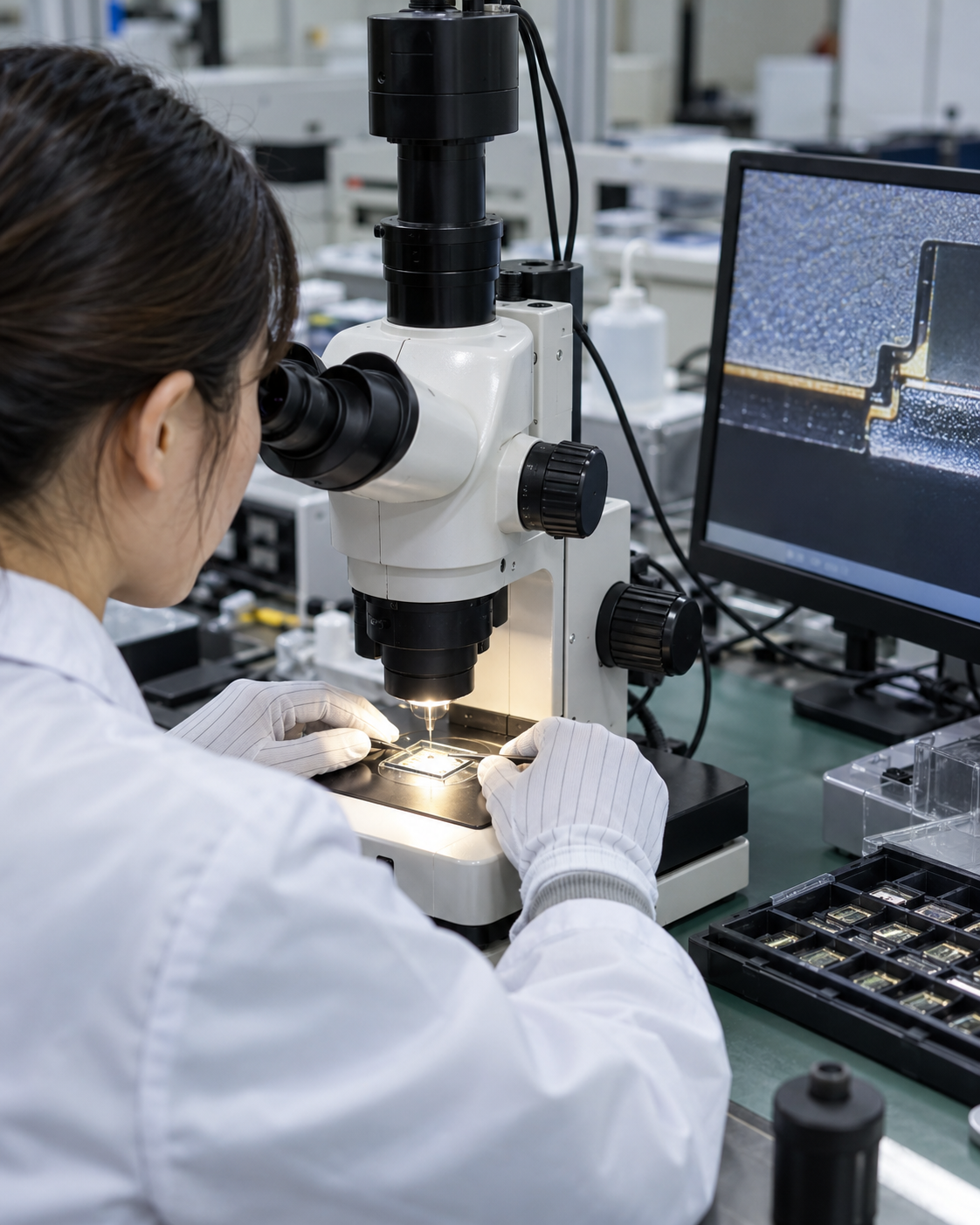
If demand for AI accelerators increases, simply expanding production of cutting-edge wafers may not be enough. That’s because shipment volumes can only increase when HBM supply, packaging components, assembly, and testing all work in tandem. This contract once again demonstrates the growing importance of interconnect components and back-end processes in the race to expand AI infrastructure.
While GPU performance improvements are garnering widespread attention, relatively lesser-known component manufacturers can also secure a strategic position. While greater stability in interposer supply allows manufacturers to plan production more flexibly, it is difficult to conclude that this will immediately lead to lower prices for finished accelerators or resolve supply shortages. It is necessary to examine bottlenecks across multiple production stages.
| What GF and TSMC Stand to Gain, and the Challenges That Remain
From GF’s perspective, this allows the company to leverage its U.S. manufacturing base to expand its business opportunities into the market for AI high-performance computing components. TSMC now has the potential to increase production flexibility by securing a U.S.-based source of interposers in addition to its own production system. This agreement also demonstrates that the areas where the two companies can collaborate do not necessarily have to be limited to cutting-edge computing chips themselves.
On the other hand, operational variables such as yield, delivery times, customer certification, and the execution of capital expenditures still remain. If demand for AI changes faster than expected, the planned pace of production increases may also change. We need to look beyond just the size of the contracts and examine how actual production begins and how subsequent supply contracts unfold.
| Supply Chain Changes to Watch for in the Future
The significance of this news lies in the fact that the arena of the AI chip competition has expanded from design and front-end processes to advanced packaging components and regional manufacturing capabilities. Plans to expand silicon interposer production in the U.S. will diversify supply chain options, but they do not directly translate into increased production volumes of finished AI accelerators.
Moving forward, the expansion of facilities at the GF Malta site, and whether the plan for mass production in the first half of 2028 will be carried out, We need to verify the actual range of products available in the TSMC CoWoS ecosystem. Once the plan leads to a stable supply, the industrial impact of this $2 billion contract will become even clearer.

Tags
#GlobalFoundries #TSMC #Silicon Interposer #CoWoS #Advanced Packaging #AI Semiconductors #HBM #Foundry #Semiconductor Supply Chain #U.S. Semiconductors #AI Infrastructure