When assessing how rapidly the AI semiconductor market is growing, actual revenue figures can provide a more direct indication than individual companies’ forecasts. In particular, the revenue of TSMC, the world’s largest foundry, draws attention because it reflects the production trends of its diverse semiconductor customer base.
On October 8, TSMC announced its revenue for September 2026. When combined with revenue from July and August, third-quarter revenue totals approximately 1.49 trillion New Taiwan dollars. This represents a record increase of about 50% compared to the same period last year. However, only the revenue figures have been confirmed so far; the official quarterly earnings release, which will include net income and profitability analysis, is scheduled for October 15.
| The Significance of Record-High Third-Quarter Revenue

According to Reuters’ calculations based on TSMC’s monthly disclosures, revenue for the third quarter of 2026 was approximately 1.49 trillion New Taiwan dollars, or about $46.7 billion at the exchange rate at the time. Compared to the approximately 989.9 billion New Taiwan dollars reported in the same quarter of the previous year, this represents an increase of about 50% and was reported as a record high for quarterly revenue. Both the absolute figure and the rate of growth are key indicators for gauging changes in semiconductor demand.
Here, revenue refers to the amount of income generated from product sales, not the final profit. Factors such as production costs, depreciation, and factory operating expenses must be taken into account separately to determine profitability. Therefore, just because sales have reached an all-time high does not automatically mean that the net profit margin has also hit a record high.
| The Exact Figures in the September Announcement
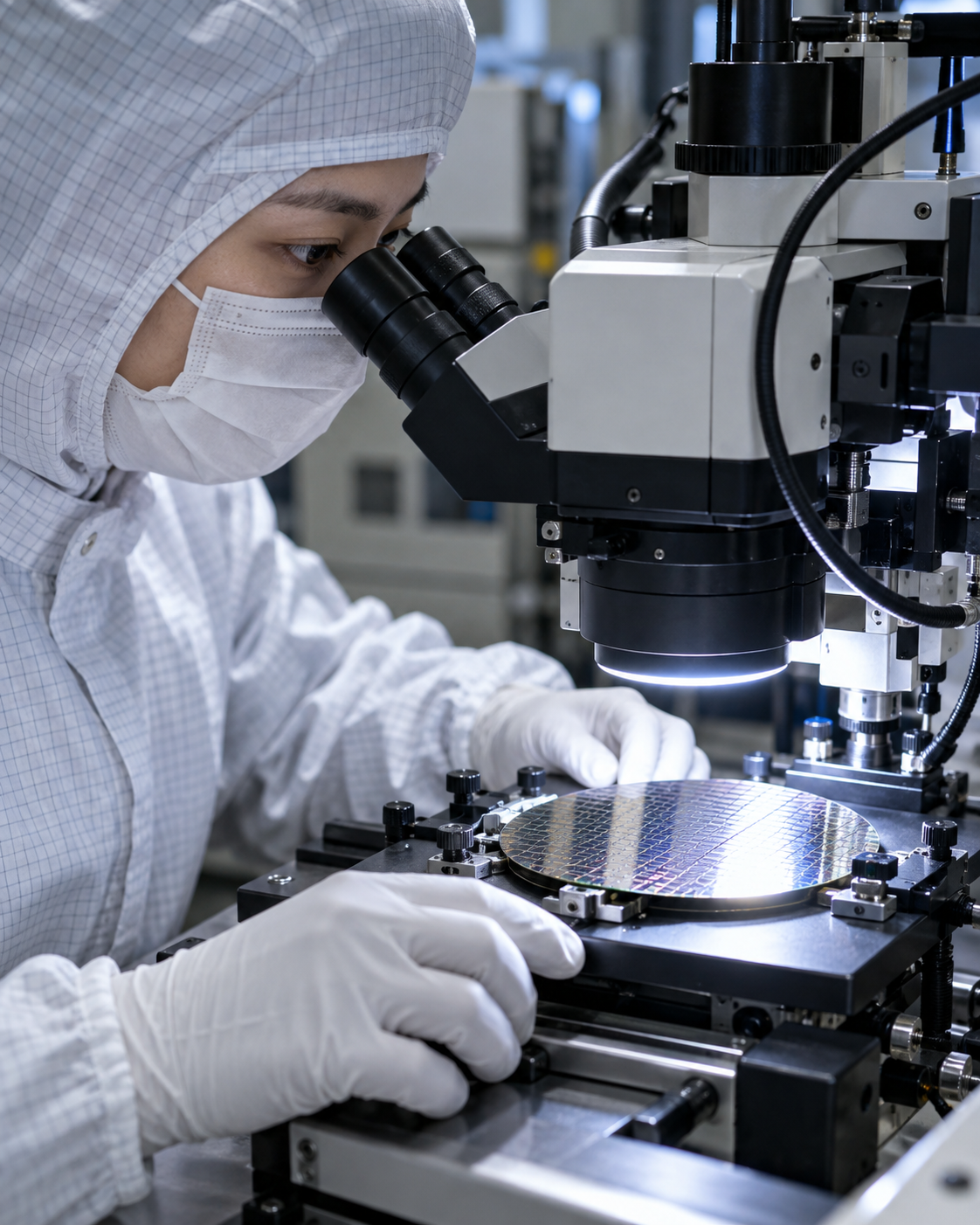
TSMC's official September revenue report showed a figure of 511.857 billion New Taiwan dollars. This represents a 54.6% increase compared to the same month last year and a 0.6% decrease compared to August 2026. The fact that revenue decreased slightly from the previous month and the fact that it grew significantly year-over-year are both true at the same time. It is important not to confuse these different comparison standards.
Cumulative revenue from January through September 2026 totaled approximately 3.8987 trillion New Taiwan dollars, a 41.1% increase compared to the same period last year. Since the company discloses monthly revenue figures, it was possible to estimate the overall trend for the third quarter based solely on the September figures. However, the monthly revenue data does not include detailed information such as the profit structure by product or shipment volumes by customer.
| Results that exceeded market expectations

According to Reuters, LSEG SmartEstimate—which reflects estimates from 19 market analysts—projected third-quarter revenue at approximately 1.46 trillion New Taiwan dollars. The fact that actual revenue of approximately NT$1.49 trillion exceeded this figure suggests that demand for AI-related production may have remained stronger than expected.
That said, we can't attribute the entire difference from the forecast to the performance of a single line of AI accelerators. TSMC manufactures various types of semiconductors, including chips for smartphones and products for high-performance computing. Revenue can be influenced by factors such as product mix, exchange rates, and the timing of customer orders. It is important to distinguish between the fact that the company exceeded market expectations and the interpretation of the reasons behind it.
| The Integration of AI Accelerators and Advanced Processes
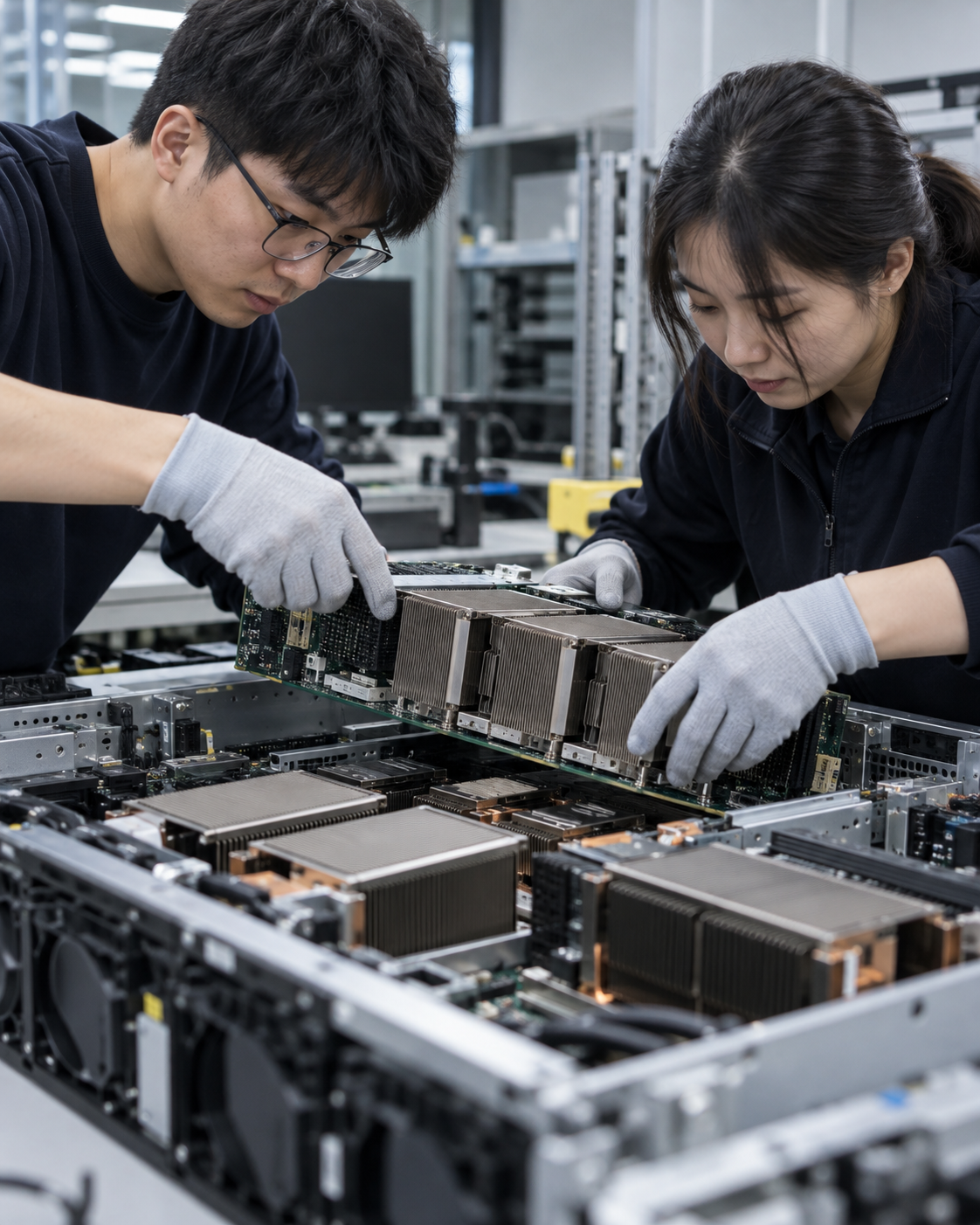
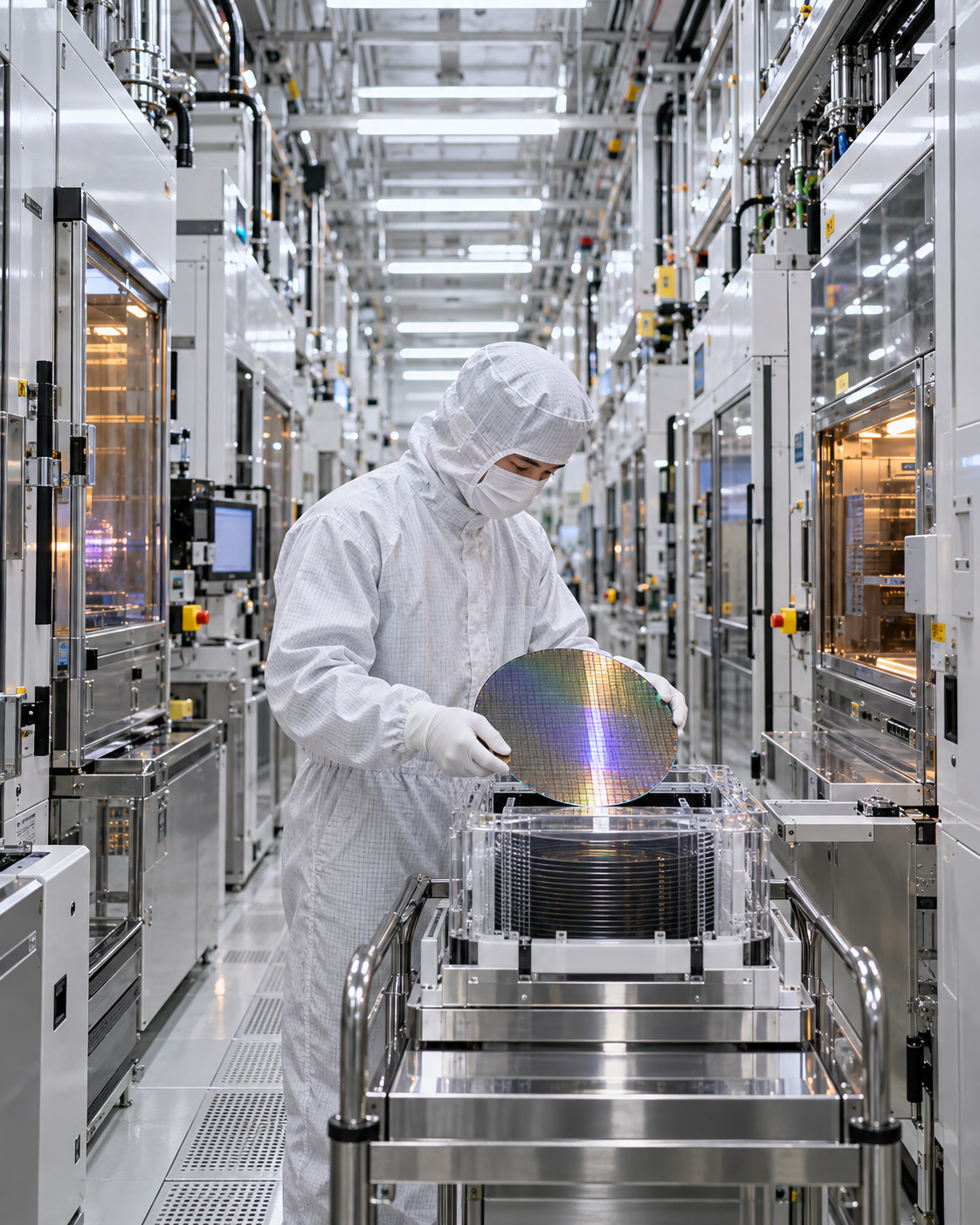
TSMC provides manufacturing services to major semiconductor design companies such as NVIDIA and Apple. Recently, as the computational load of AI accelerators has increased, interest in advanced logic processes has grown, and the value of production facilities capable of rapidly supplying high-performance chips has also risen. Reuters cited expanding demand for AI applications as the main reason behind this revenue growth.
However, based on the revenue announcement alone, it is not possible to determine exactly how much a specific customer ordered in the third quarter or what percentage of revenue came from AI-specific chips. While AI demand is considered a key driver of overall growth, we must also examine changes in other areas of demand, such as industrial and mobile. Detailed information by customer and process will need to be confirmed in the official earnings announcement.
| How did third-quarter revenue differ from the company's forecast?

TSMC had previously forecast third-quarter revenue of $44.6 billion to $45.8 billion in U.S. dollars. Revenue for this quarter was reported by Reuters at approximately $46.7 billion based on the exchange rate at the time, exceeding the upper end of the range. However, since the company’s forecast was based on specific exchange rate assumptions and quarterly revenue was reported in New Taiwan dollars, caution is needed when making a simple one-to-one comparison between figures in different currencies.
This difference also illustrates the importance of exchange rate conditions when analyzing financial results. The extent of the increase may vary depending not only on the rate at which revenue is growing but also on the currency used as the basis and the exchange rate applied at a given point in time. From an investor’s perspective, it may be more important to determine whether there is evidence that the increase in demand will continue into the next quarter than the fact that the company exceeded expectations.
| A Signal to the Entire Supply Chain

TSMC's high revenue is a sign of strong demand in the foundry business, where design companies outsource production. However, as the number of fully functional AI servers increases, factors such as HBM, packaging, circuit boards, networking, and data center power supplies—not just logic chips—are also required. Growth in manufacturing revenue and the pace of final AI infrastructure deployment do not always move in lockstep.
The source of bottlenecks in AI chip supply may continue to shift. Even if logic semiconductor production increases, a lack of advanced packaging capacity can constrain shipments; conversely, delays in securing power for data centers could affect the pace of customer investment. While these figures indicate a strong trend, they do not mean that all issues across the industry have been resolved.
| What to Watch for in the October 15 Earnings Announcement
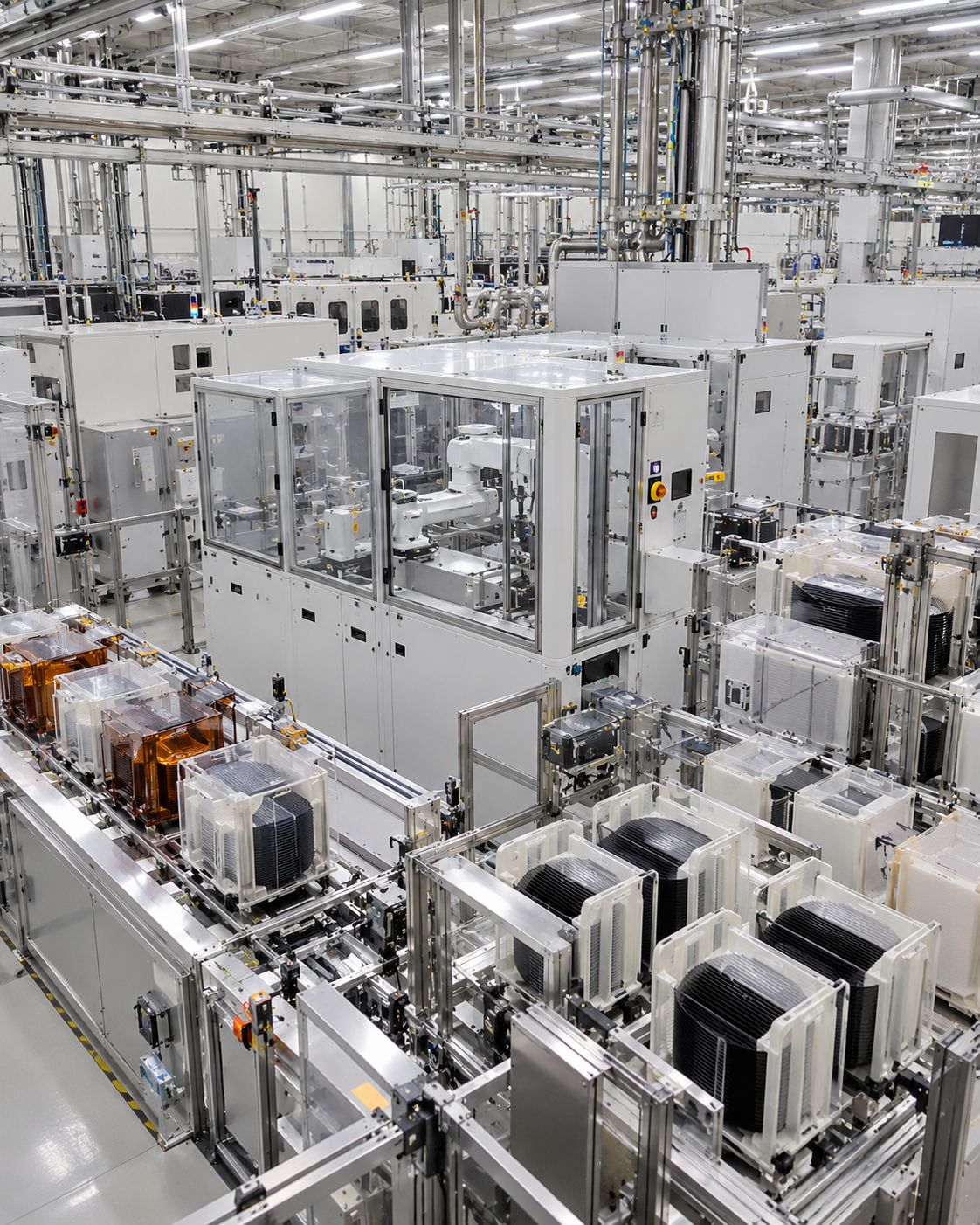
TSMC is scheduled to hold its Q3 2026 earnings conference call on October 15. At this event, key metrics—such as net income, gross profit margin, and operating profit margin—that cannot be determined from the current monthly revenue disclosures are expected to be revealed. The market will also be paying close attention to management’s comments on demand by product category and future capital expenditure plans.
Corporate earnings reports serve not only as a way to review past performance but also as a source of information for understanding plans regarding future production capacity. To ensure a balanced interpretation, it is important to consider whether revenue growth translates into improved profitability and to assess the pace at which factory expansions and investments in advanced packaging are progressing.
| Questions That Remain After Strong Sales
TSMC's revenue for the third quarter of 2026 is an important indicator showing that growing demand for AI computing is translating into actual production orders. While it is a confirmed fact that the company grew by about 50% year-over-year and exceeded market expectations, these figures do not guarantee profitability or the sustainability of demand from individual customers.
Going forward, we’ll need to review the margins and capital expenditure plans when the official earnings are announced on October 15, and then monitor whether the monthly revenue growth trend continues. Just as important as the sales figures themselves is how long the production capacity and customer investment underpinning that growth will continue—that’s the next key point to watch.

Tags
#TSMC #Taiwan Semiconductor #Foundry #AI Semiconductors #Q3 Earnings #Semiconductor Revenue #NVIDIA #AI Infrastructure #Advanced Manufacturing Processes #Semiconductor Industry #High-Performance Computing