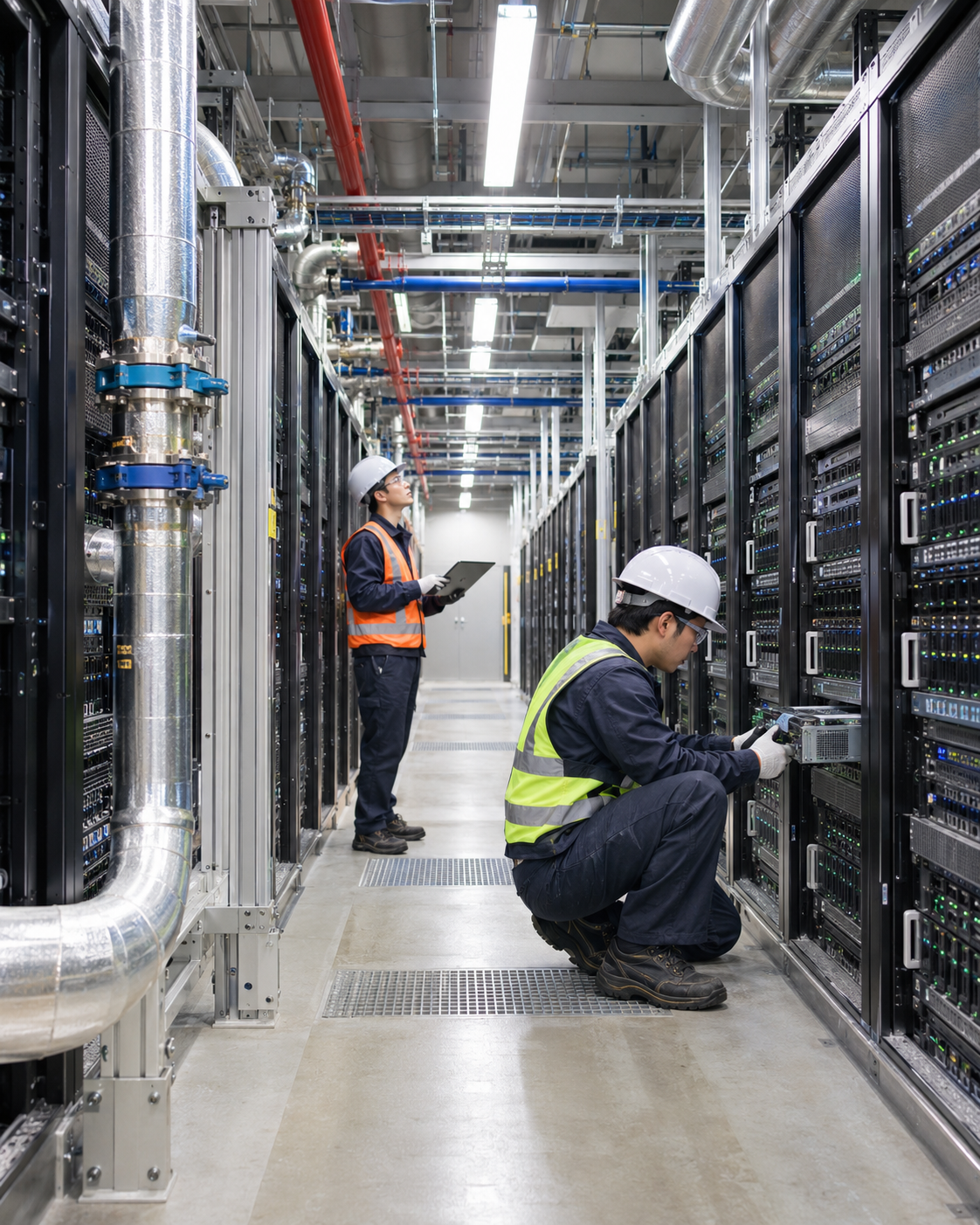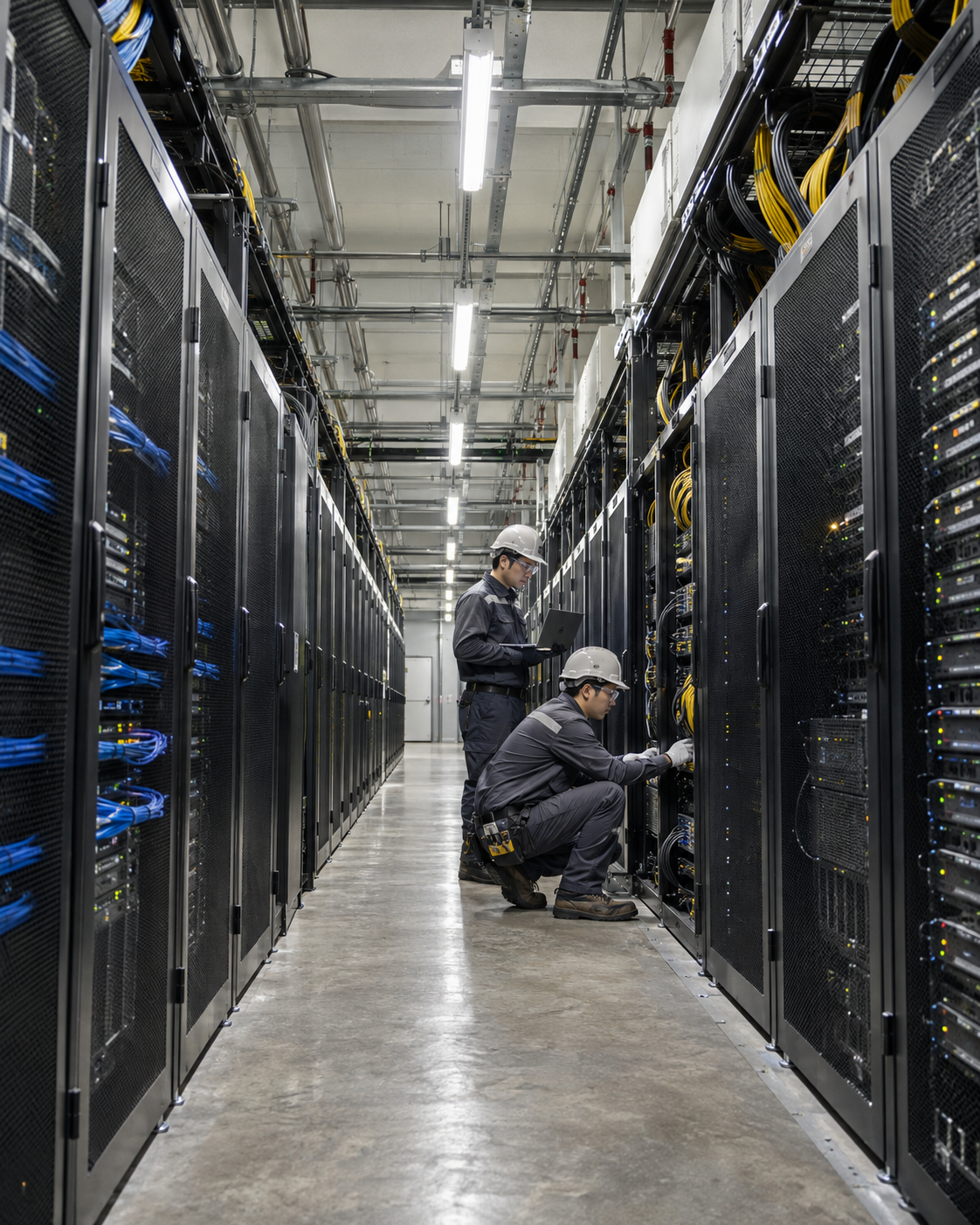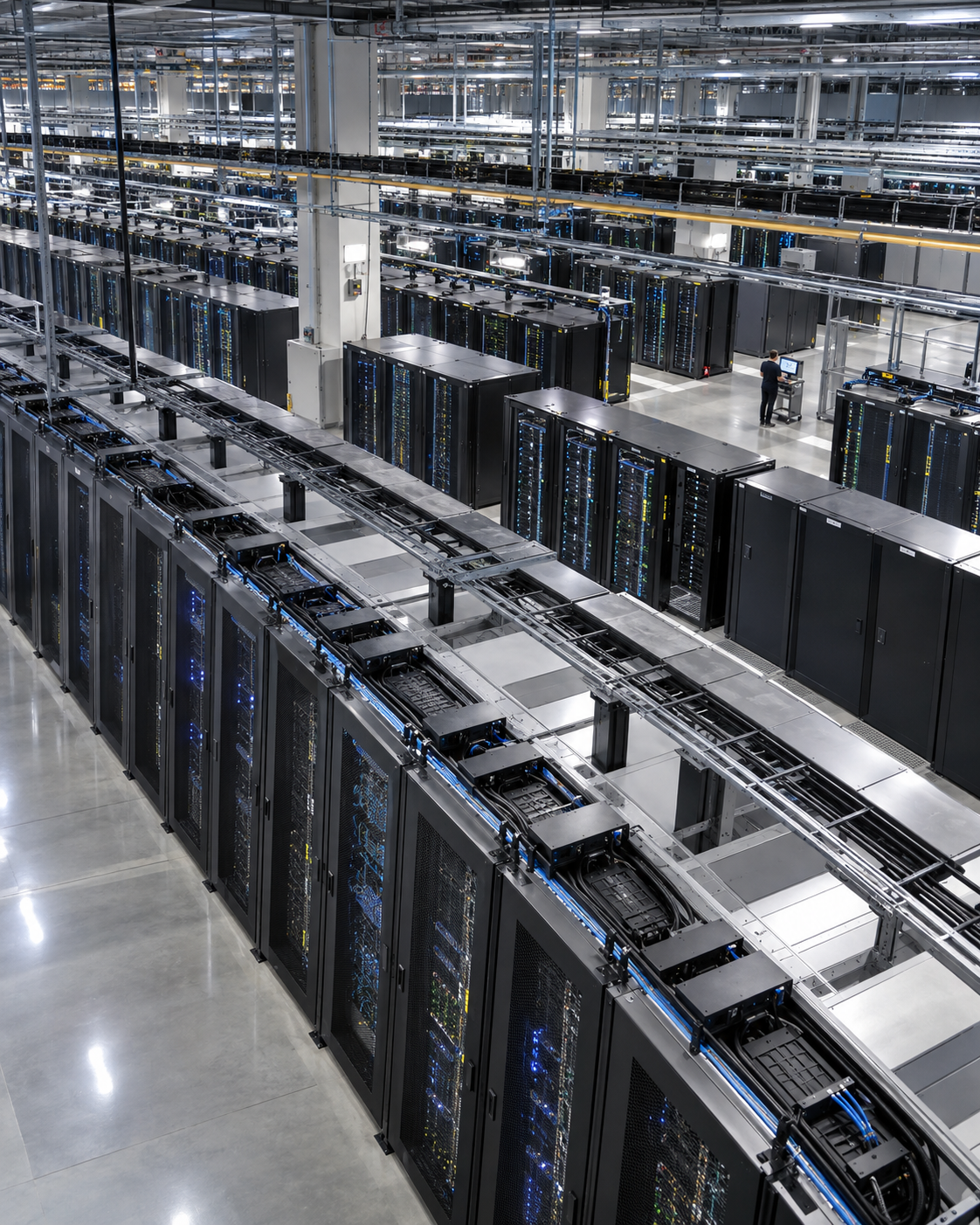
The competition among AI data centers isn’t just about securing new land and constructing massive buildings. There’s also a growing trend toward transforming sites that already have industrial-grade electricity and infrastructure into new computing hubs. This is because location is particularly important for AI infrastructure, which requires large-scale power and cooling capabilities.
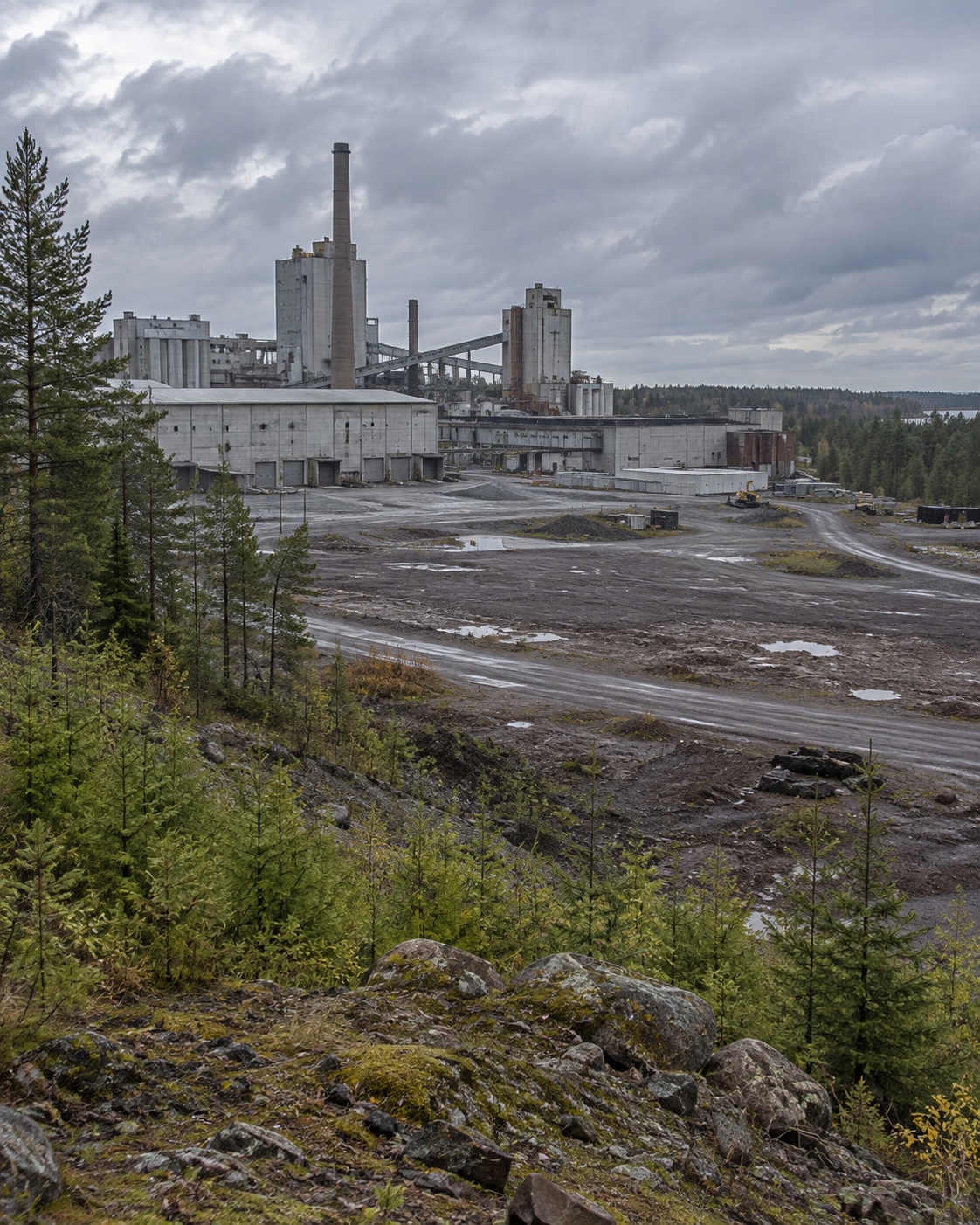
Sesterce, a French AI infrastructure company, has announced plans for an AI campus involving an investment of over 10 billion euros on the site of the former Kaipola paper mill in Jämsä, Finland. The plan is to start with a capacity of 200 MW and subsequently expand it to 600 MW. Since this is still in the planning stage, it should not be understood as though the total investment has already been made or the facility is already operational.
| A Plan to Transform Disused Industrial Facilities into AI-Based Facilities
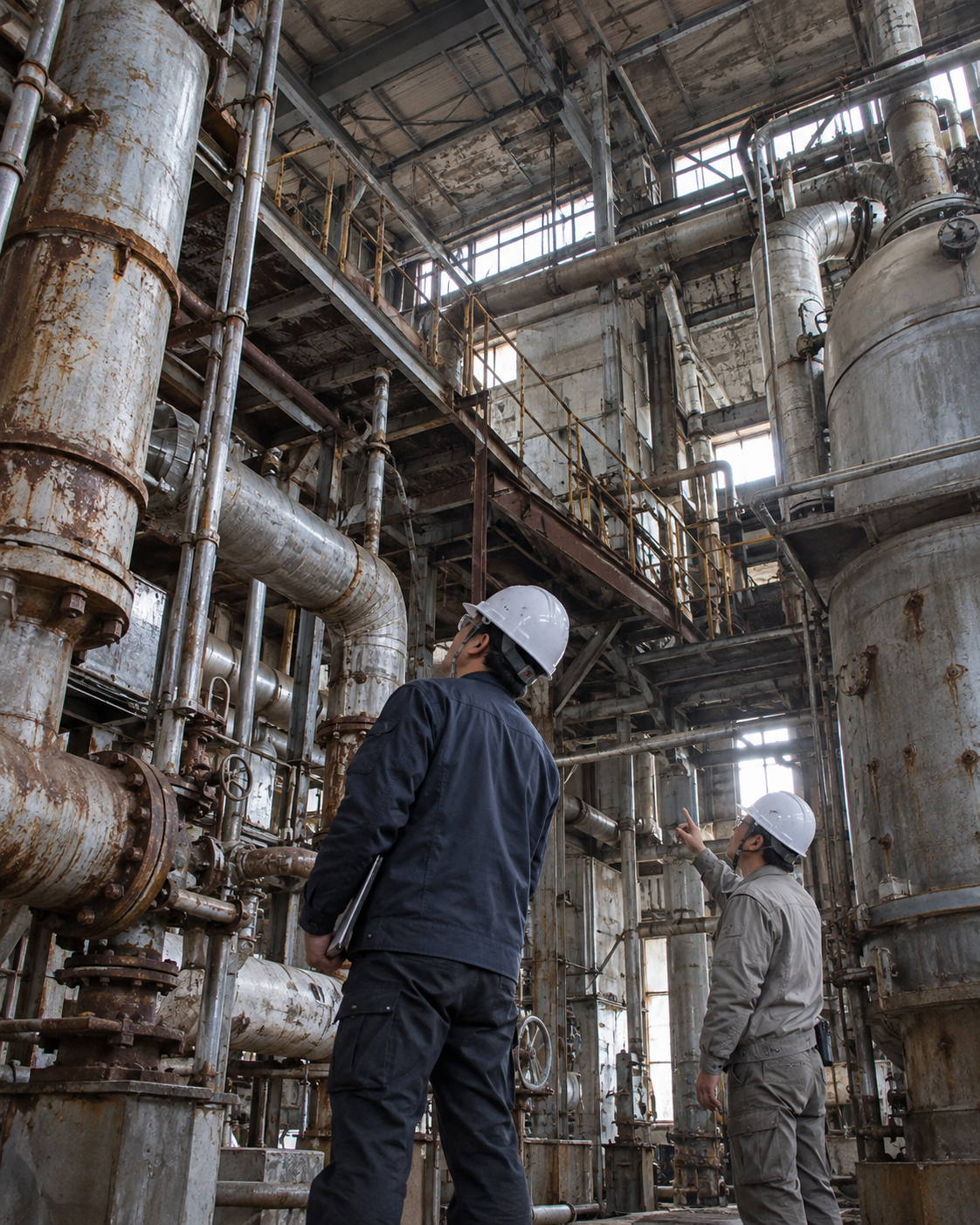
The site chosen by Sesterce is the former paper mill site in the Jamsa region of Finland. The company emphasized that it can leverage the power grid, water supply infrastructure, existing buildings, and logistics connections at this site, which has a long history of industrial activity. This is a different development strategy from building a new data center in a location with no existing infrastructure.
However, that doesn't mean you can simply convert an existing paper mill facility into an AI server room and start using it right away. High-density computing equipment requires specific conditions, such as a stable power supply, cooling, security, and communication connectivity. Even when repurposing existing industrial infrastructure, new designs and large-scale capital investments in facilities must be made first.
| The 10 billion euros is not actual spending but a budget
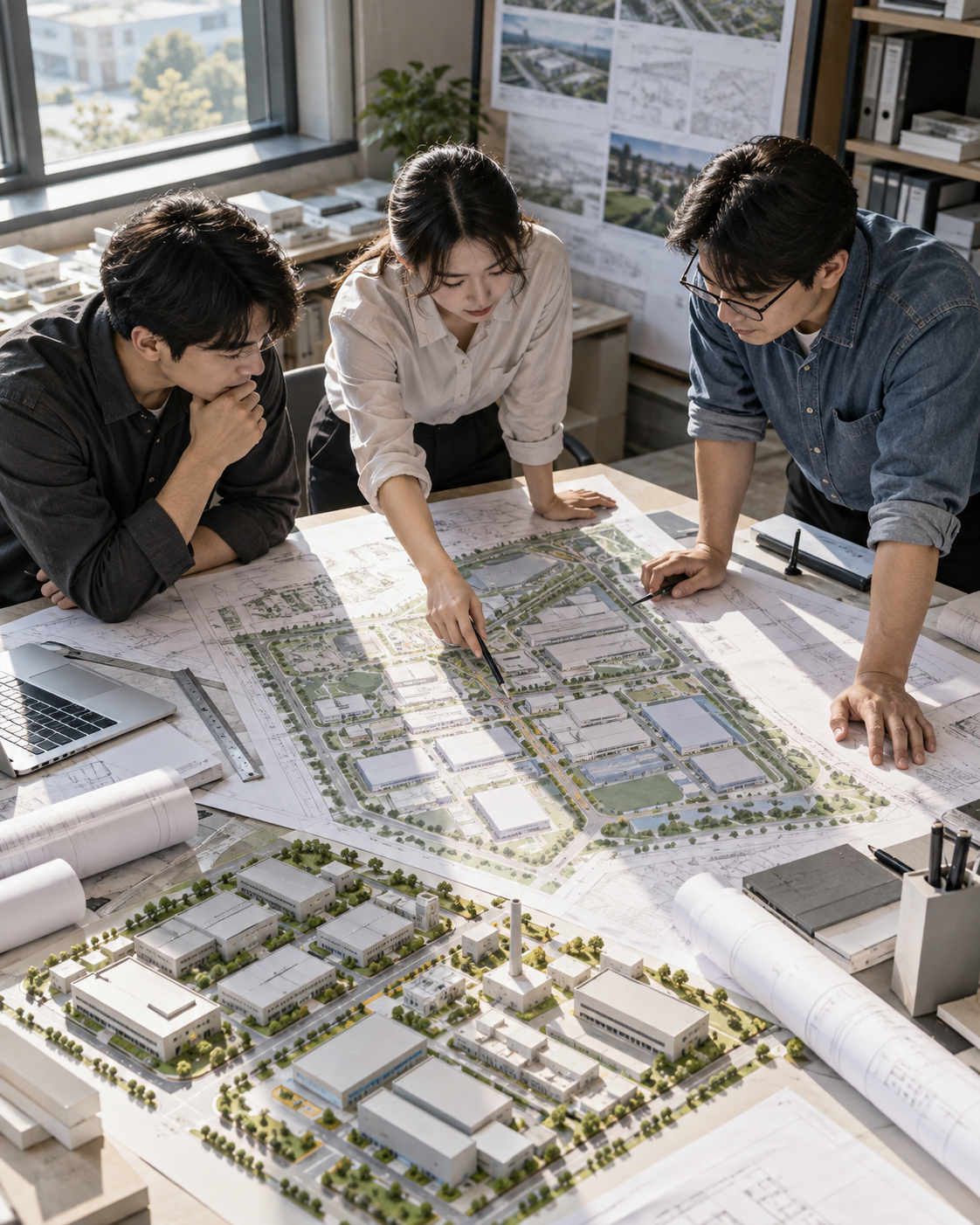
The company’s announcement stated that the investment would total more than 10 billion euros. This figure represents the long-term development plan for the entire campus and does not mean that the entire amount has already been disbursed. The investment announcement, the actual disbursement of funds, the start of construction, and the commencement of operations are separate stages that must be verified individually.
The AI data center business involves not only construction costs but also power connections, cooling facilities, and the installation of servers and network equipment. The timing of each phase of the project may vary depending on market demand and financial conditions. Therefore, rather than judging success based solely on the announced project size, it is more accurate to examine the progress of the contracts and construction at each stage.
| Phased development expanding from 200 MW to 600 MW
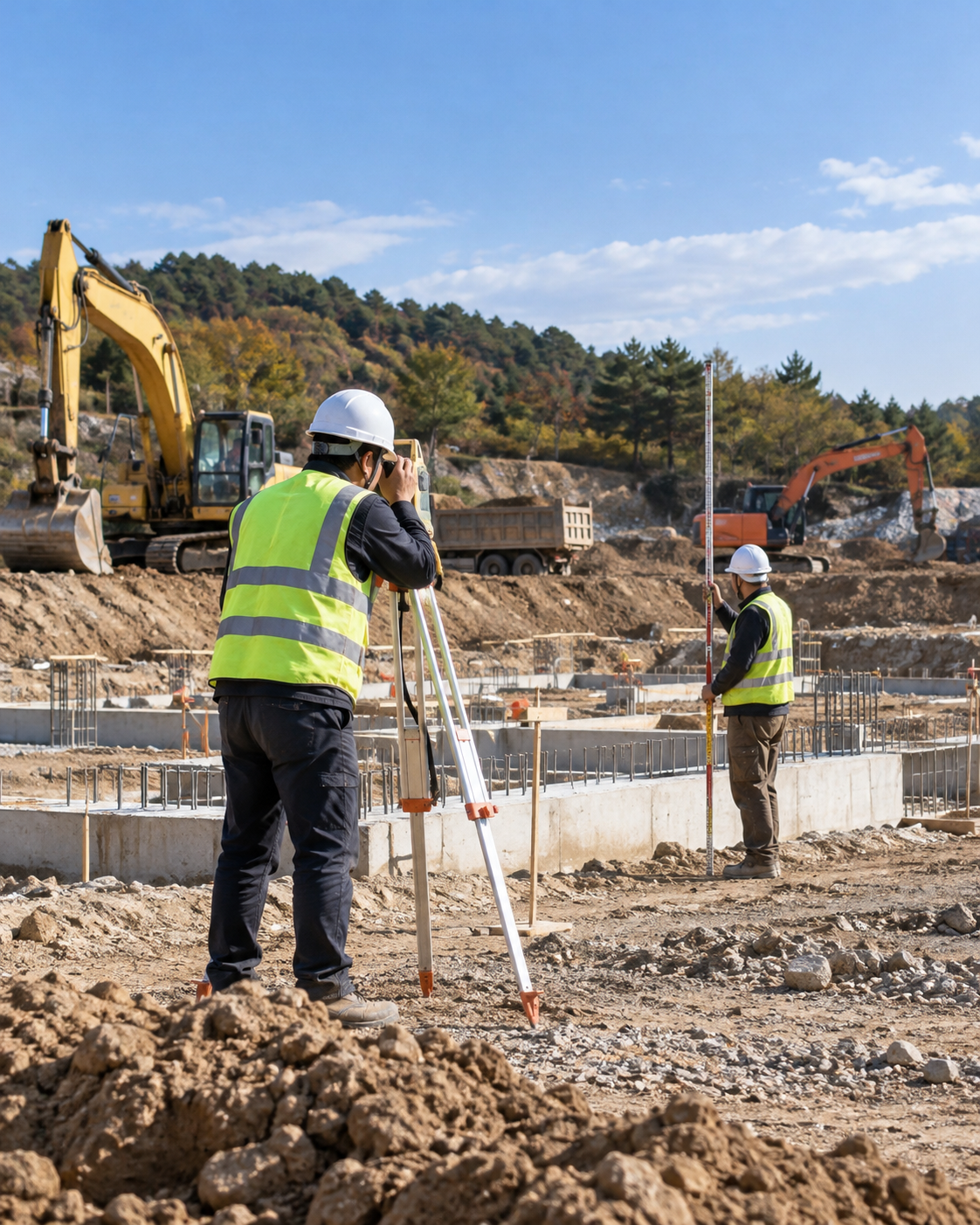
Sesterce has set the first-phase capacity at 200 MW and aims to begin construction sometime in 2026. In the second phase, the company plans to expand capacity to 600 MW. Here, MW is a unit used to measure the amount of electricity a facility is designed to consume or supply; it is not a figure that directly represents the computational performance of the servers.
The long-term goal is to expand AI infrastructure capacity to over 1 GW by utilizing several existing industrial sites in Finland. However, the 1 GW plan should not be interpreted as the confirmed construction scale for a single site. It is important to distinguish between the company’s overall long-term goal and the phased capacity of a specific campus.
| The Significance of the Announcement on Retaining Existing Customers
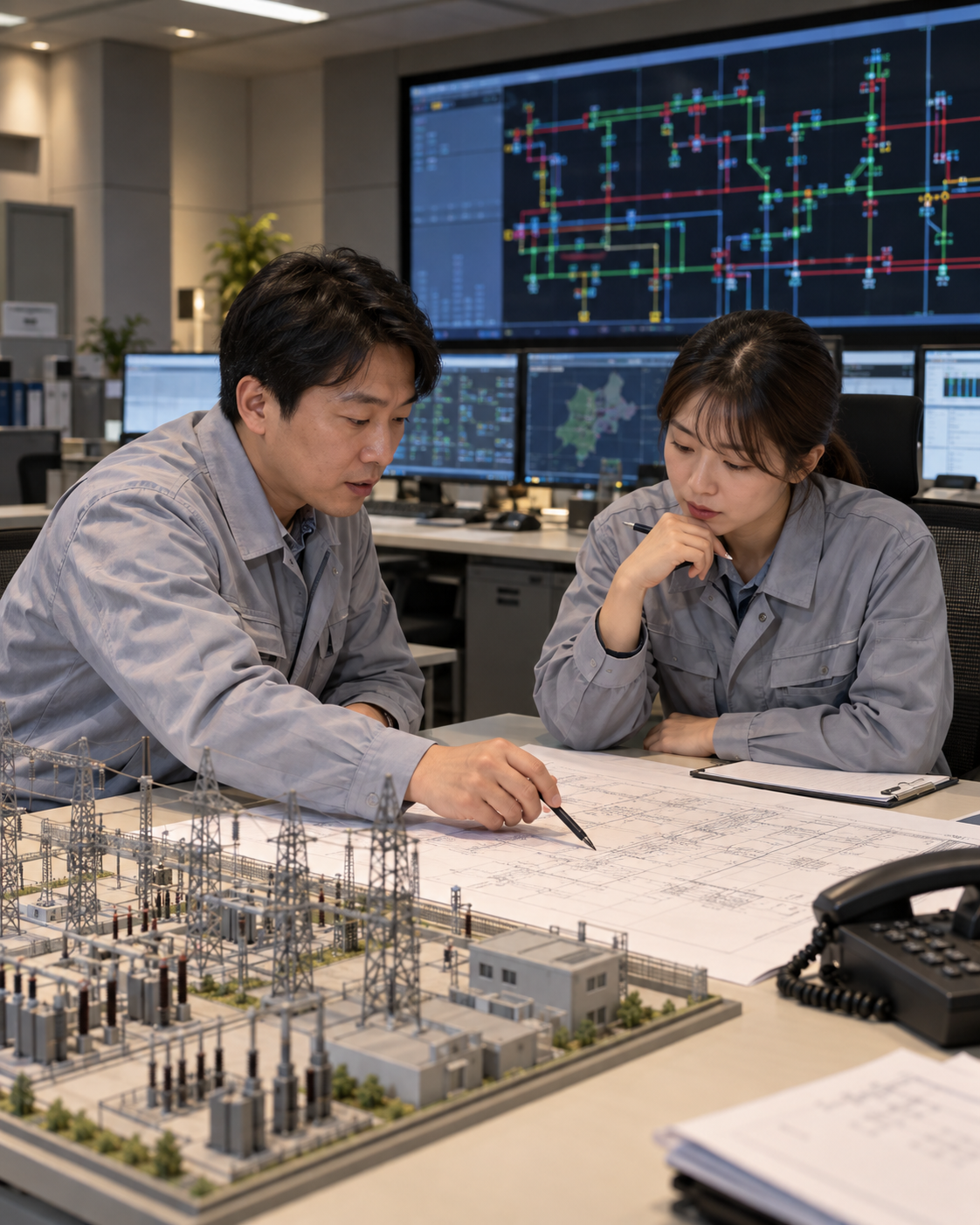
Sesterce stated that the project is tied to actual demand and has already secured anchor tenants. Anchor tenants refer to key customers who are expected to utilize a significant volume of services from the early stages of the facility’s development. This can serve as a key indicator of long-term demand in large-scale infrastructure development.
However, this official announcement alone does not provide all the details regarding the customer's name, final usage, and contract terms. While a company’s statement that it has customers is a positive sign regarding its business viability, this should not be interpreted to mean that all equipment has been installed or that projected revenue is guaranteed. It is important to verify whether actual demand is reflected in power consumption and server utilization rates.
| The Power Grid and Renewable Energy Are at the Heart of the Business
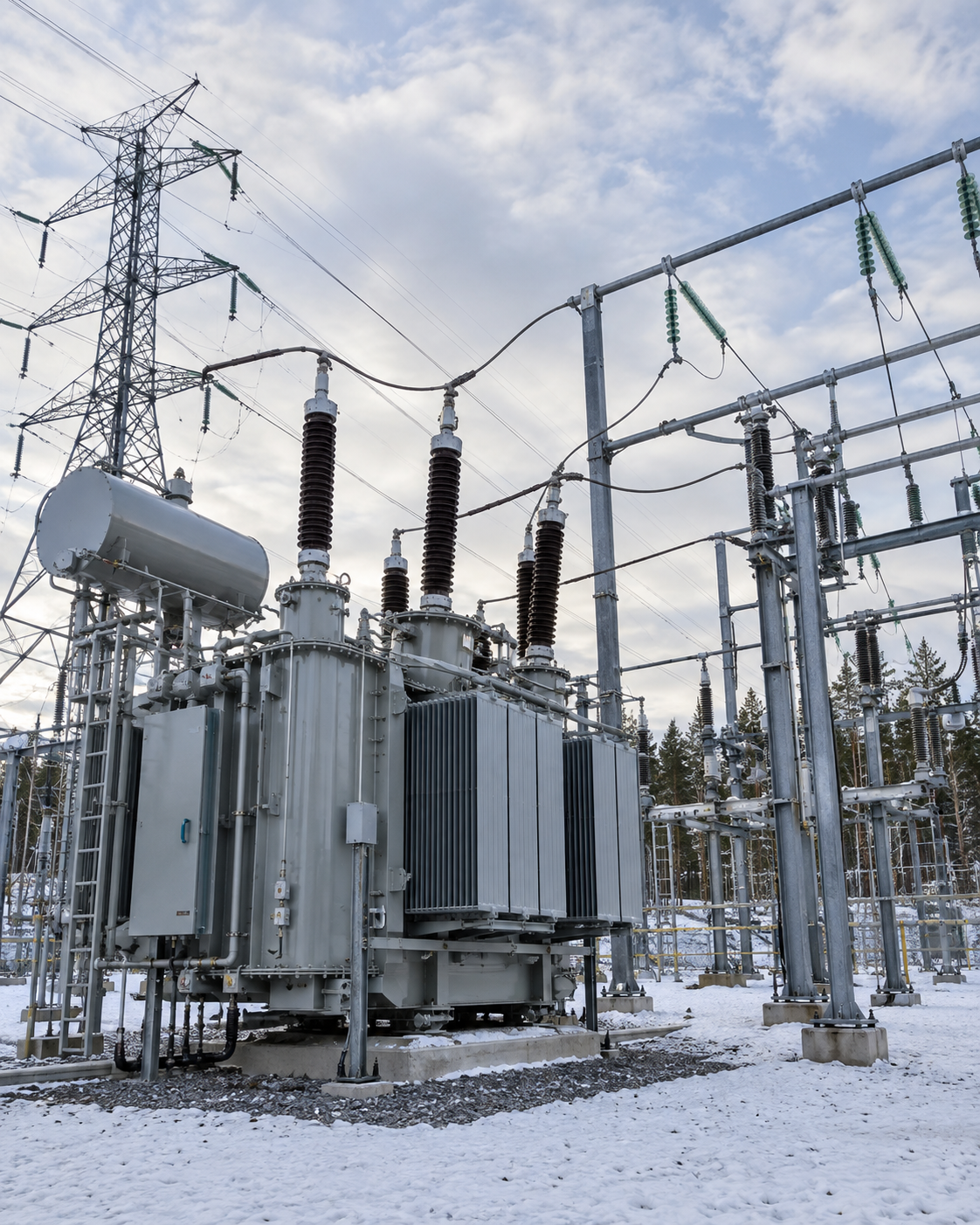
For large-scale AI data centers, securing a reliable power supply and the capacity of the local power grid are among the most critical conditions for the business. Sesterce has pledged to enable the addition of 1 MW of new renewable energy generation capacity to the Finnish power grid for every 1 MW of electricity consumed by the campus. This commitment is contingent on the condition that it be fulfilled within 10 years of the campus beginning operations.
The commitment to match power consumption with renewable energy capacity on an hourly basis does not mean there are no carbon emissions every hour. Power generation is affected by weather, season, and grid operating conditions. To determine whether the announced commitments have actually been fulfilled, it is necessary to verify the construction of additional power generation facilities and the results of external audits.
| Water Use and Community Contribution Plan
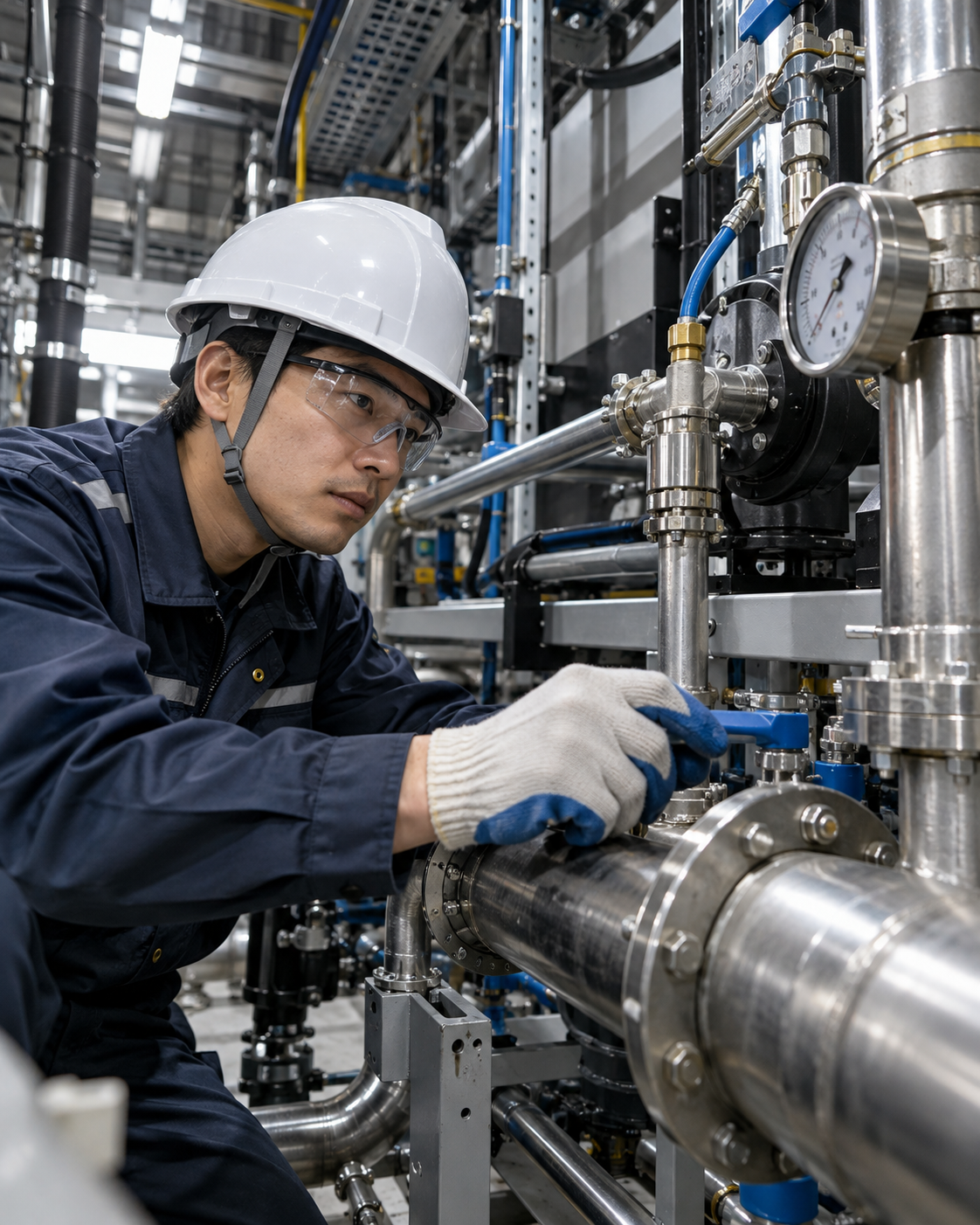
Sesterce explained that it will utilize rainwater and recycled water based on a closed-loop liquid cooling system, rather than using tap water for cooling. Liquid cooling is a method designed to efficiently dissipate heat from server equipment that generates a significant amount of heat. The company also announced that, once operations begin, it will establish a 10 million euro community fund involving local residents and the city.
According to the company’s estimates, the construction phase is expected to create approximately 2,000 jobs, and the full-scale operation phase approximately 300. However, these figures do not represent a confirmed number of hires or jobs that have already been created. Commitments regarding employment and the environment are items that must be continuously verified for compliance as construction and operations actually proceed.
| The Competition for AI Infrastructure in Europe and Finland's Position
Expanding AI computing resources in Europe requires not only high-performance accelerators but also long-term power supply and large-scale sites. Utilizing industrial facilities may offer the advantage of access to existing power infrastructure. Regions like Finland, where large-scale power grids and cooling conditions can be evaluated, are attracting attention as potential candidates for data center investment.
However, a country's infrastructure competitiveness isn't determined solely by the amount of investment announced. The project can only move forward if several factors align, including grid connection permits, environmental impact assessments, community acceptance, data communication routes, and the timing of equipment delivery. The pace of development for the Yamsae Project may also vary depending on whether it actually meets these conditions.
| Plans that require verification from the start of construction through operation
This announcement is significant because it revealed the specific location and phased goals for converting a former paper mill into a large-scale AI data center. However, the 10 billion euro investment and the 600 MW capacity are not actual achievements but rather plans currently in the works. When evaluating the value of a business, it's important to distinguish between established facts and goals.
Going forward, we’ll need to monitor whether the 2026 construction start target is met, as well as the progress on grid connections and permitting, the actual usage by anchor customers, and the results of verifications regarding renewable energy and cooling commitments. Only when all these conditions align can this large-scale investment plan become an operational AI infrastructure.

Tags
#Sesterce #Finland #Yumsae #AI Data Center #DataCenterInvestment #AI Infrastructure #Power Grid #Renewable Energy #Liquid Cooling #European AI #Industrial Facility Redevelopment #Data Center