In the race for AI dominance, data centers are more than just places to store servers. They are critical infrastructure that houses the computing resources needed to train models and operate online services. That’s why, if a power outage or fire occurs, a problem in a single building can spread to multiple digital services.
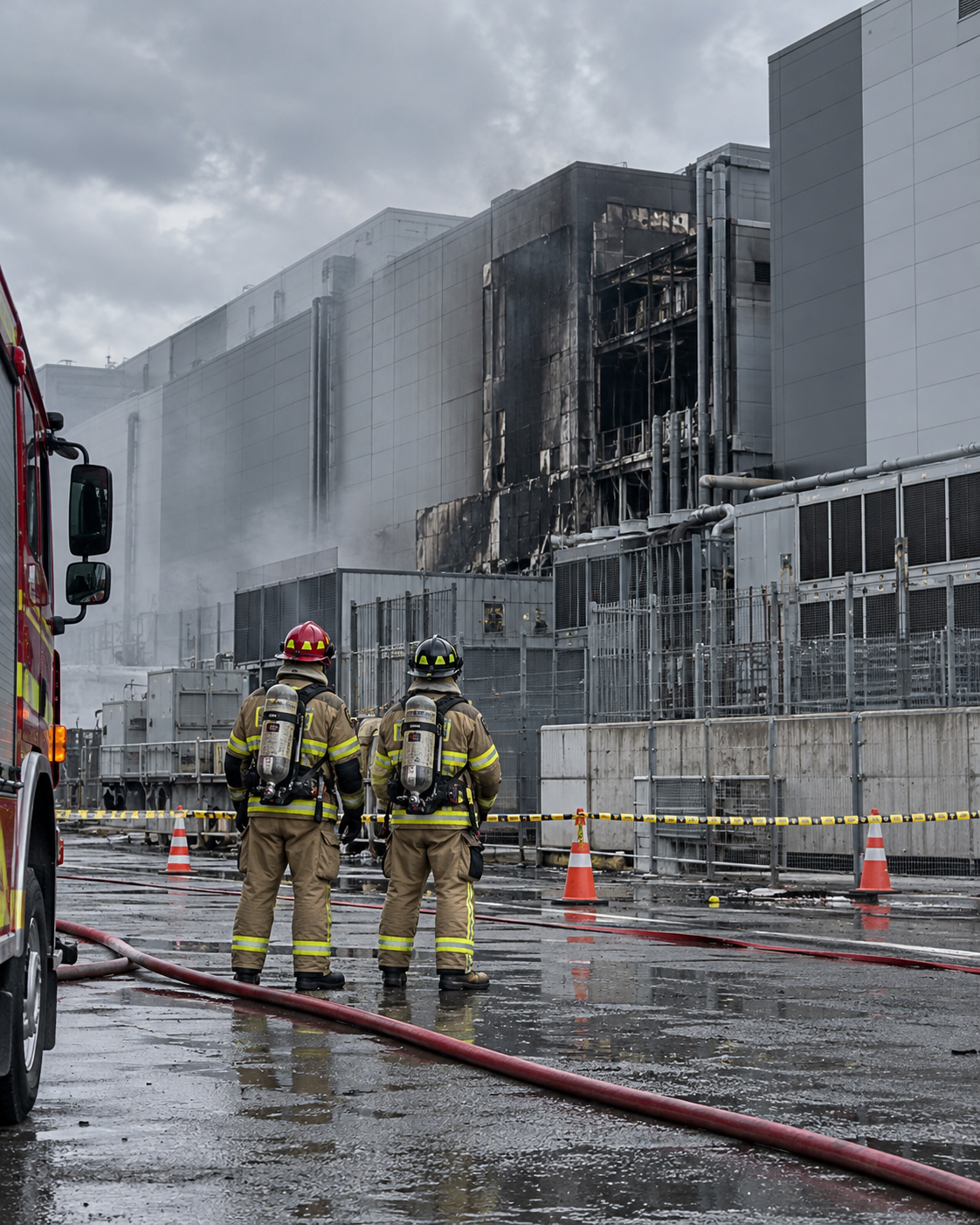
On October 8, Russian tech company Yandex announced that its Sasovo data center had been targeted by a drone attack. The fire forced the facility to suspend operations and caused disruptions to some services. The company later explained that it is still too early to determine whether the damaged equipment can be repaired. However, it remains unconfirmed whether its high-profile AI supercomputer was actually damaged.
| What Happened at the Sasobo Data Center?
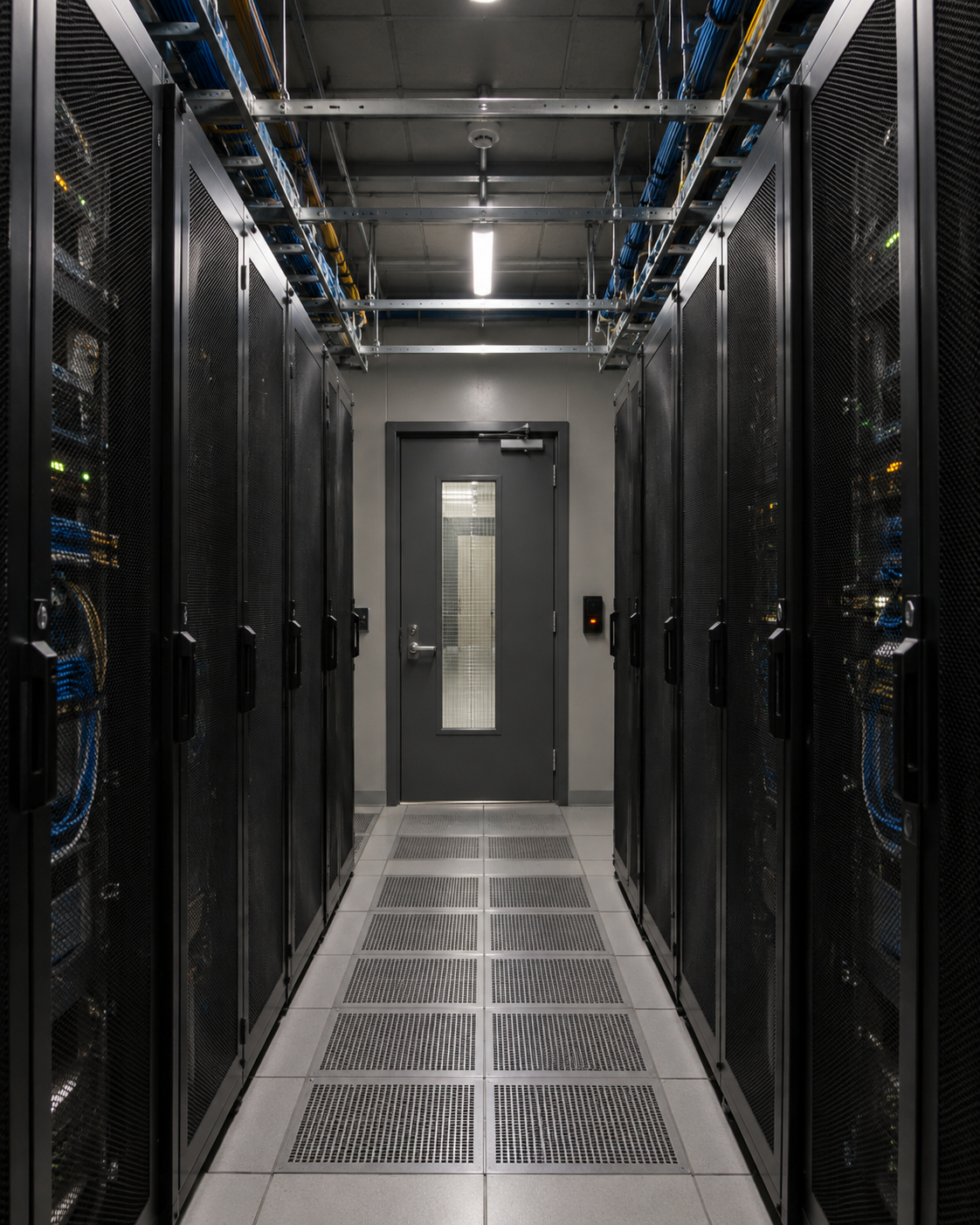
According to Reuters, Yandex announced that its main data center in Sasovo, Russia, was hit by a drone attack that caused a fire, and that operations at the site had been suspended. The facility is one of five large data centers operated by the company and is reported to house tens of thousands of servers. Efforts to restore some services have been underway since the attack.
This incident shows that cyber intrusions aren't the only threat to digital infrastructure. Even if data center equipment blocks external network attacks, physical damage to the building itself can simultaneously affect power, cooling, and communication connections. For digital systems to function, the physical infrastructure must be secure.
| We need to distinguish between service suspension and service impact

Yandex explained that while it had suspended operations at its Sasovo facility, its core consumer services were not affected. However, it noted that some services experienced disruptions and that the company is working to restore the affected services. Reuters also reported on a notice from Yandex Cloud stating that due to power supply issues in a specific area of Sasovo, users were advised to use other areas.
Just because one data center goes down doesn't mean all of that company's services will stop at once. This is because there may be a system in place to take over services from another data center. While it is important to note that core services were maintained during this incident, this does not mean that the duration and scope of the outages experienced by individual customers have all been fully disclosed.
| The fact that it was a facility that housed two supercomputers
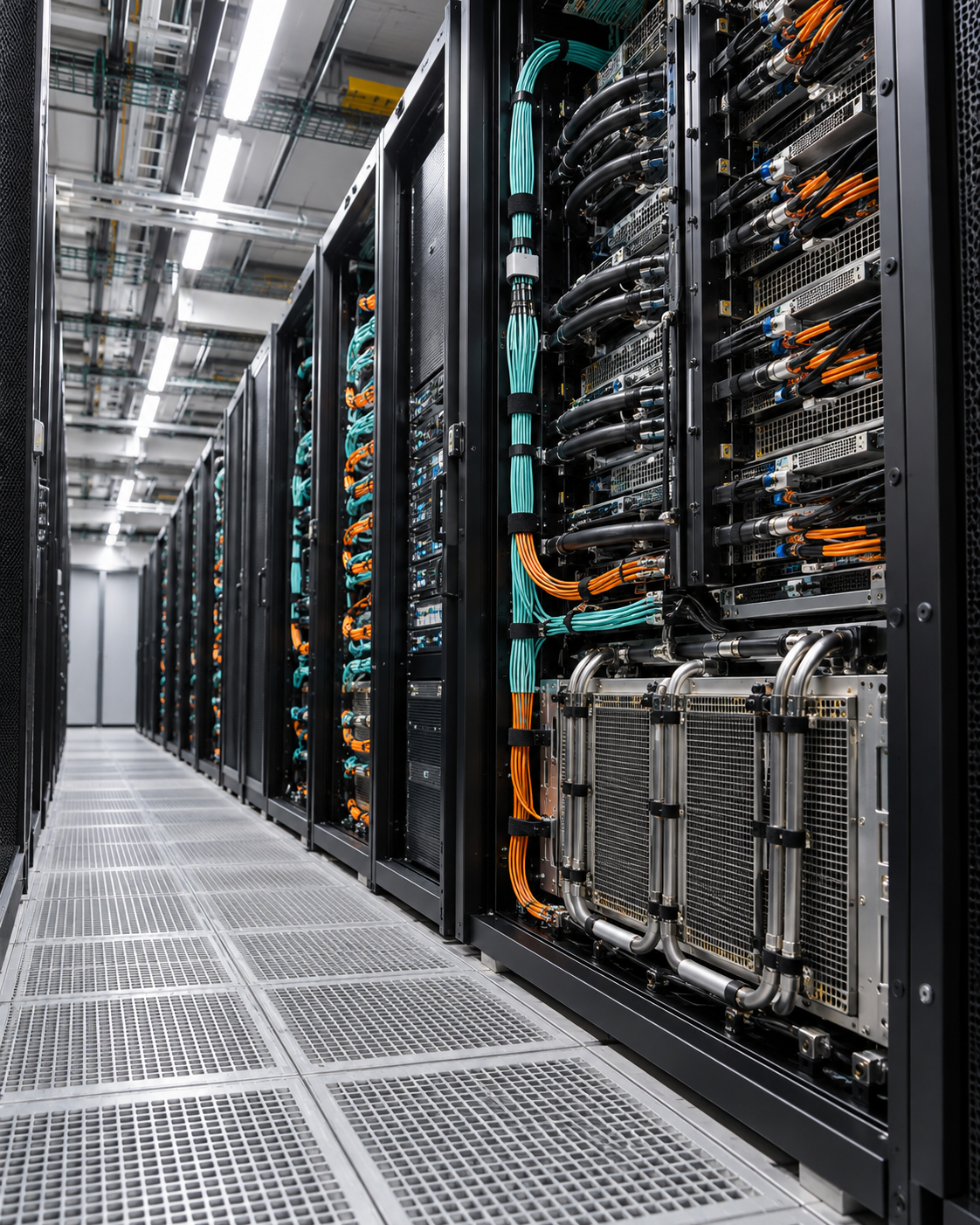
Yandex previously disclosed that two of the three NVIDIA A100-based supercomputers were located at its Sasovo data center in 2021. These systems are reportedly used to train the company’s large language model, YandexGPT. Consequently, concerns have arisen that damage to the facility could go beyond a simple disruption to general web services and affect AI computing capabilities.
However, we cannot conclude that the equipment was damaged in this attack simply because it had been deployed at Sabo in the past. According to Reuters, Yandex has not provided an answer as to whether the supercomputer was affected. The actual condition of the equipment, whether data was backed up, and whether operations were transferred to other facilities are matters that require further confirmation.
| It is still too early to determine whether recovery is even possible

In a follow-up Reuters report, Yandex stated that it is currently assessing the extent of the damage to its data center infrastructure and cannot yet confirm whether the equipment in Syzran is recoverable. This is not the same as a definitive announcement that the facility has been permanently shut down. Conversely, it does not mean that normal operations will resume in the near future.
Even if the server itself is functioning normally, it may take time to resume full operations if the power distribution equipment, cooling systems, or network connections are damaged. Conversely, there are cases where only certain areas can be restored. Until equipment-by-equipment inspections and power safety checks are completed, it is difficult for outsiders to determine the full extent of the damage or the recovery timeline.
| The Background Behind the Expansion of Military Conflict to Data Centers

This attack was reported amid a trend in which various infrastructure facilities—including energy facilities and logistics hubs—have become targets due to the war between Russia and Ukraine. Reuters noted that the scope of the damage has recently expanded to include data centers and telecommunications infrastructure. Even when used for civilian services, AI data centers serve strategic functions related to power supply and information processing.
However, the fact that a certain facility was attacked is entirely separate from the claim that all civilian data centers can be treated as military targets. Disruptions to private digital services can affect not only businesses but also users and the local economy. It is important to distinguish between independently verified information and statements from the parties involved regarding the actual perpetrators of the attack and the extent of the damage.
| Why Is Data Center Redundancy Important?

Redundancy is a method of establishing alternative equipment or routes capable of performing the same tasks, ensuring that a single failure does not lead to a complete outage. Typical examples include dividing data centers across different regions and replicating data and service execution environments. The Yandex case—in which some consumer services remained operational—prompts us to reconsider the necessity of distributed operations.
However, dualization doesn’t solve every problem. Large-scale AI training requires expensive accelerators that are closely interconnected, and moving a large number of devices to a different location can be more complicated than migrating regular web servers. That’s why we make separate preparations for data recovery and securing computing resources.
| Physical Risks of AI Computing Equipment Come to Light

AI model development relies heavily on high-performance GPUs, large-scale power supplies, and cooling systems. Since this equipment is expensive and difficult to replace immediately, a physical incident at a single facility could impact future research schedules and service capacity. This incident demonstrates that, when investing in AI, facility protection and disaster recovery plans are just as important as the cost of purchasing equipment.
Even if a company operates multiple data centers, the functions of each facility are not the same. It may be difficult to replicate a cluster configured for a specific training task exactly as it is in another region. Therefore, it is not possible to calculate the impact this attack will have on the company’s overall AI capabilities based solely on the ratio of “one out of five data centers.”
| The extent of the damage and recovery efforts to be assessed going forward
What has been confirmed is that the Sabobo data center was hit by a drone attack, suffered a fire, and has suspended operations, and that Yandex is currently assessing the possibility of recovery. Although the company has stated that core consumer services have been maintained, there has been no public confirmation yet regarding whether the supercomputer was actually damaged, the associated costs, or the timeline for restoring normal operations.
Going forward, we need to monitor the restoration of power supply, the resolution times for each service, the status of high-performance computing equipment, and whether any data has been lost. This incident highlights the need to consider not only cybersecurity but also physical protection and operational continuity as the importance of AI infrastructure continues to grow.

Tags
#Yandex #YandexGPT #Russia #Data Center #Drone Attack #AI Infrastructure #Supercomputer #NVIDIAA100 #Server Security #Disaster Recovery #Service Continuity #Sasobo