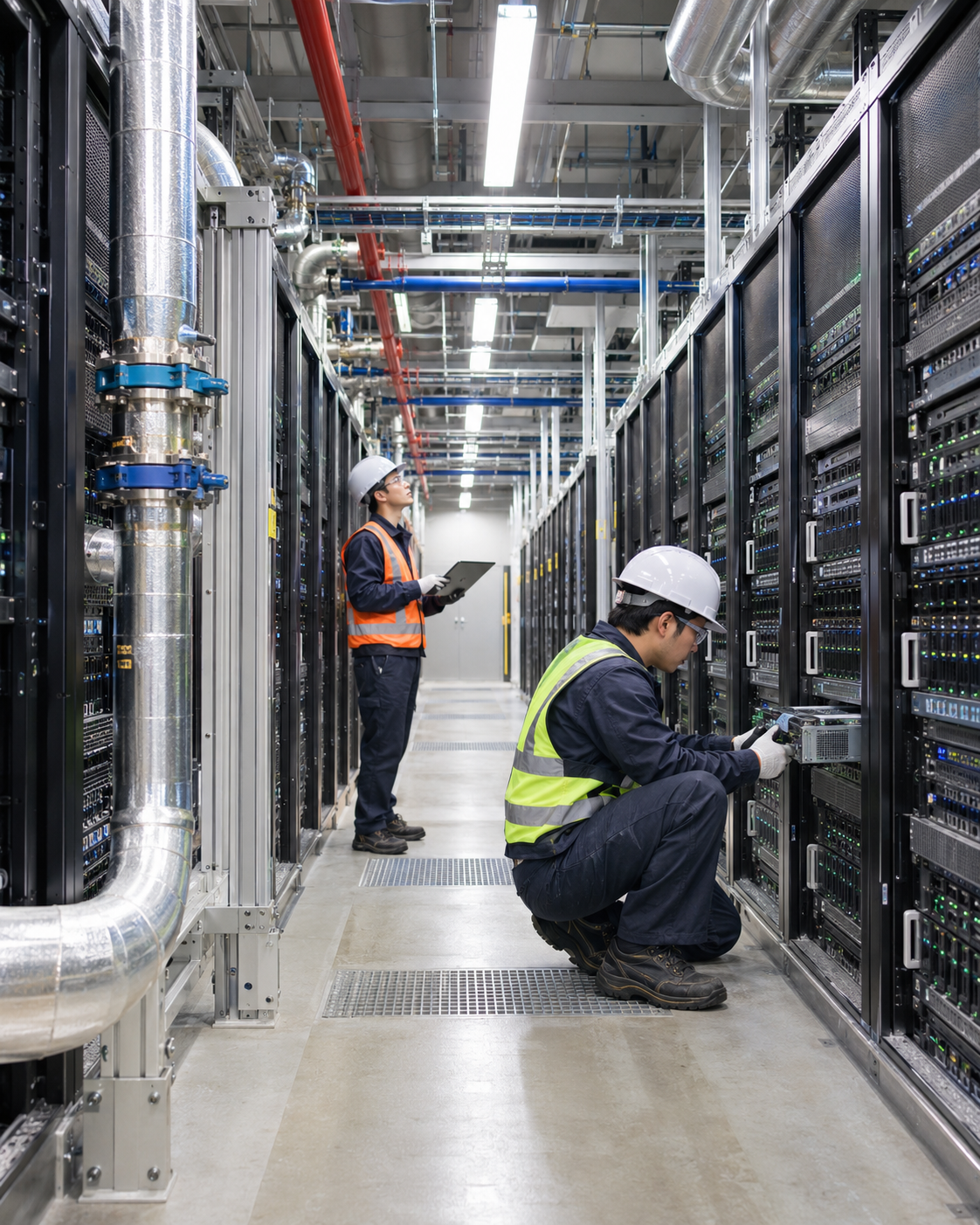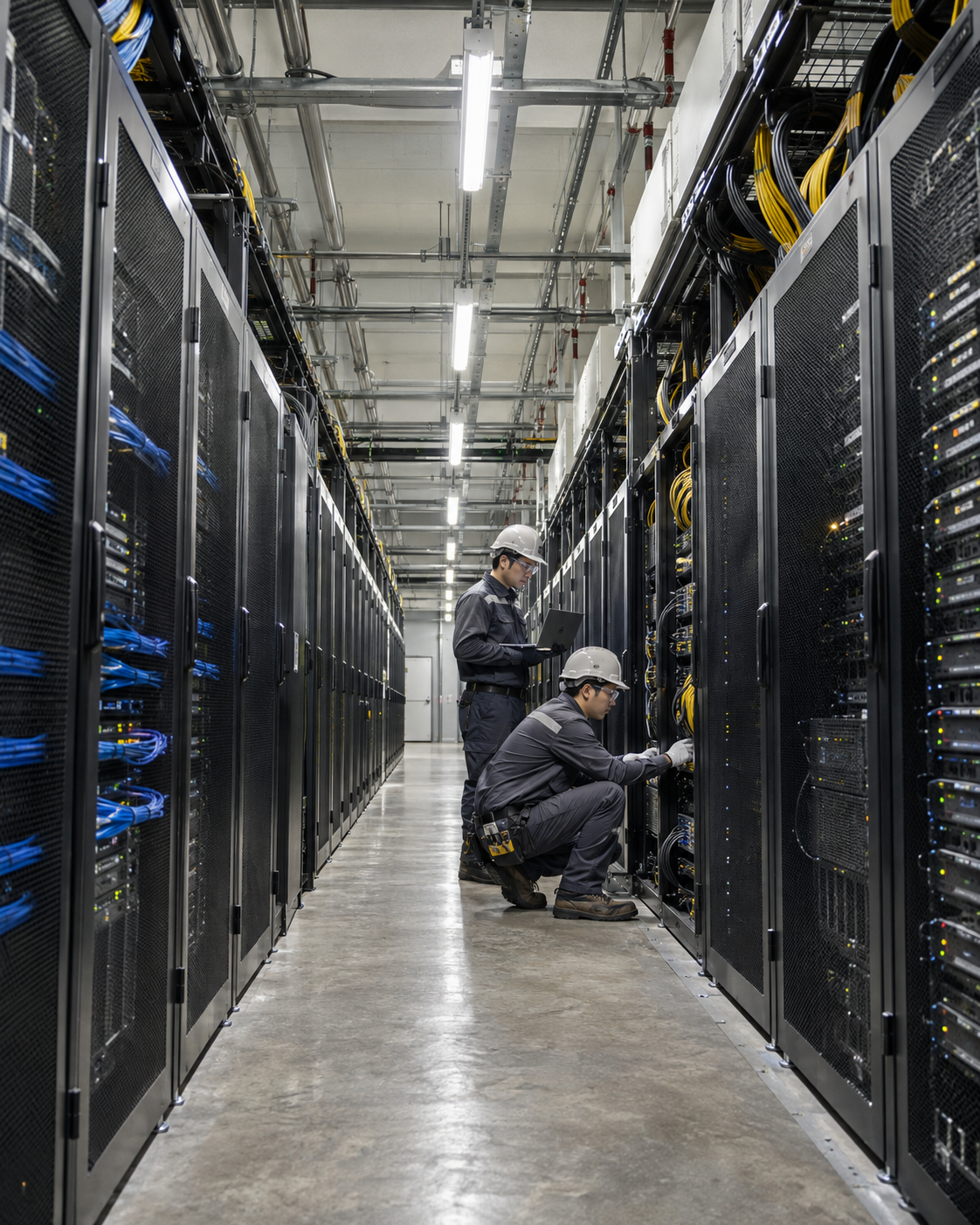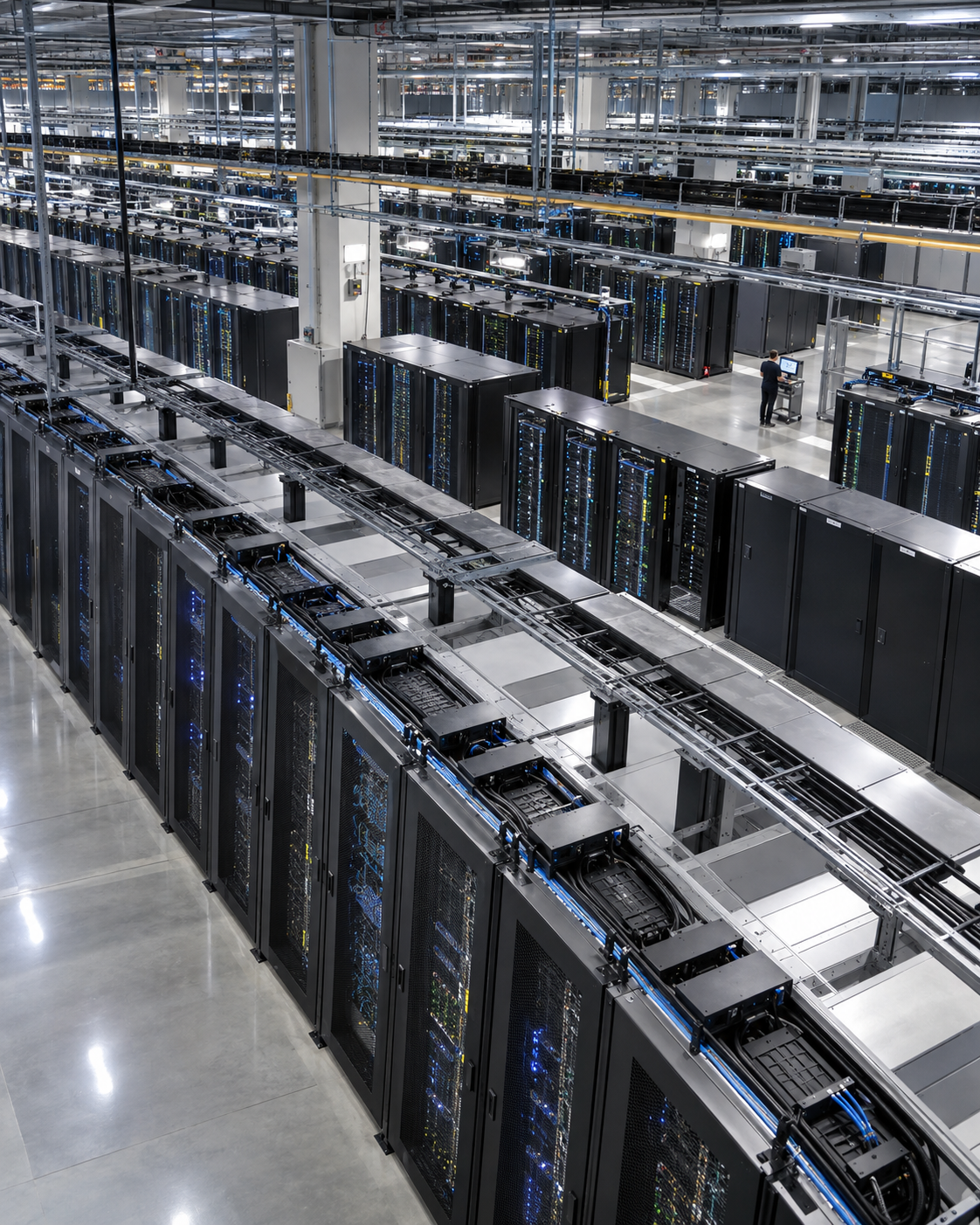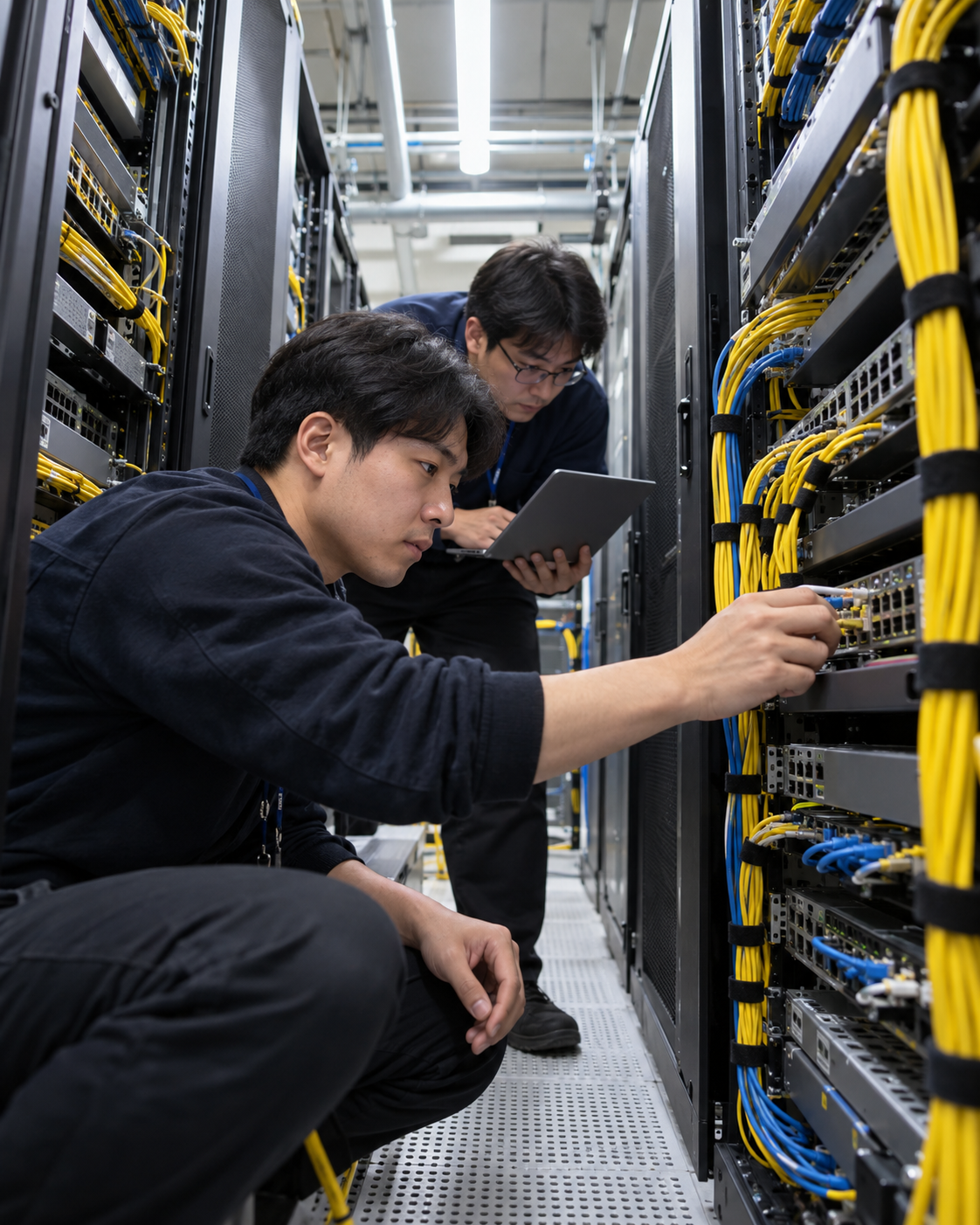
Do AI data centers have to use only accelerators made by the same company? As environments where GPUs and various specialized accelerators are used together become more common, the network connecting these different devices becomes just as important as purchasing chips with high computing power.
Upscale, a networking company backed by NVIDIA, announced "Token Fabric" on October 8. It is an open networking architecture designed to connect GPUs and XPUs from various manufacturers, with the vision of integrating everything—from switch chips to hardware and operating software—into a single system. Since this is still the product lineup announcement phase, it is important to distinguish between the planned release schedule and features that are already commercially available.
| Why AI Networks Have Become a New Arena of Competition
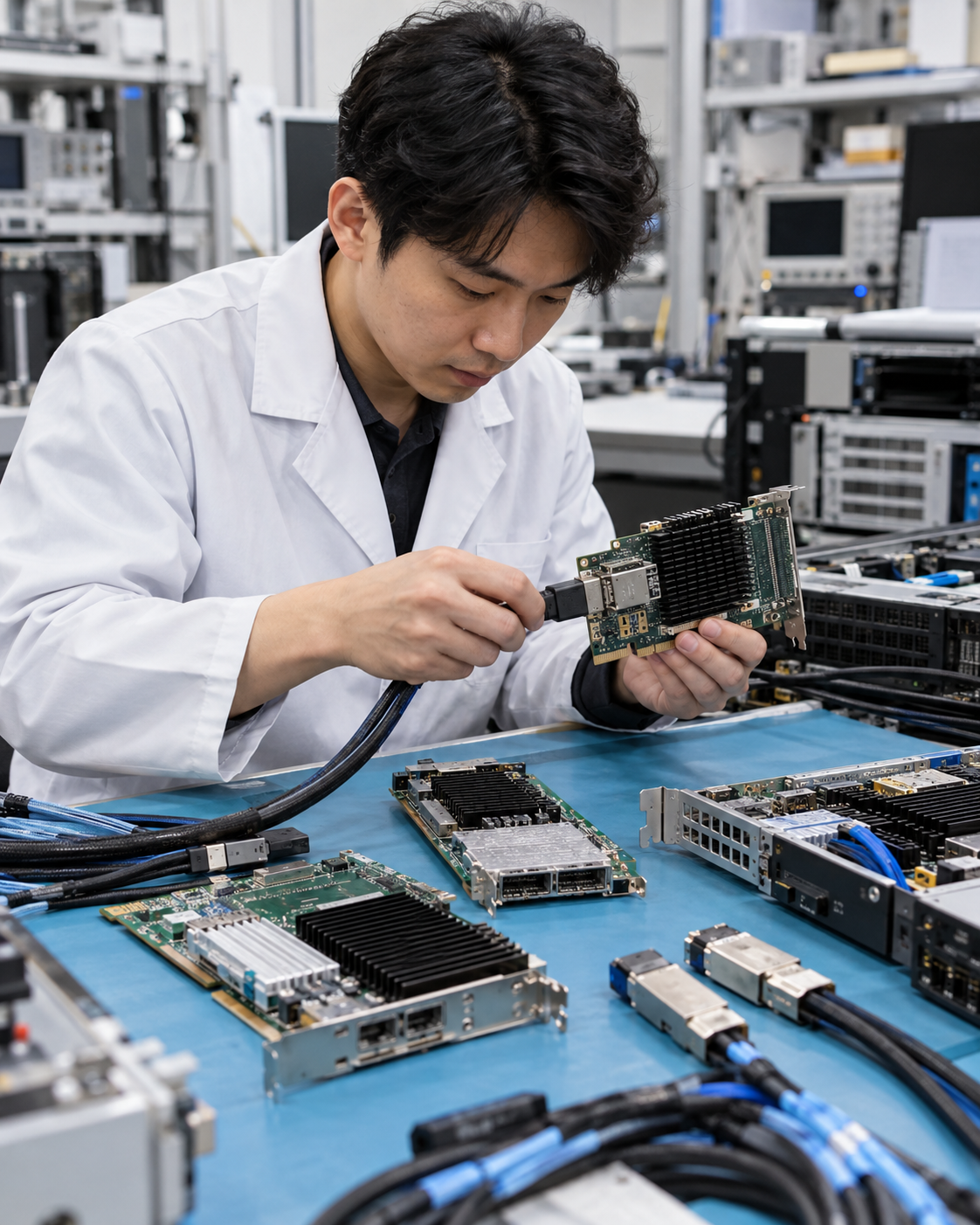
As AI models grow larger and tasks that utilize multiple accelerators become more common, the cost of transferring data between individual chips also increases. Even if the computing hardware is fast, it may not perform at its full potential if data arrives too slowly. The networks required for model training and large-scale inference often have different requirements than a typical office internet connection.
Upscale argues that to operate computing equipment as a single, massive system, short-range connections between chips and connections across the entire data center must be designed in tandem. Token Fabric is a network product family designed specifically to address this need. The key point is that networking has emerged as an independent competitive factor in AI infrastructure performance.
| The Three Areas Token Fabric Aims to Integrate
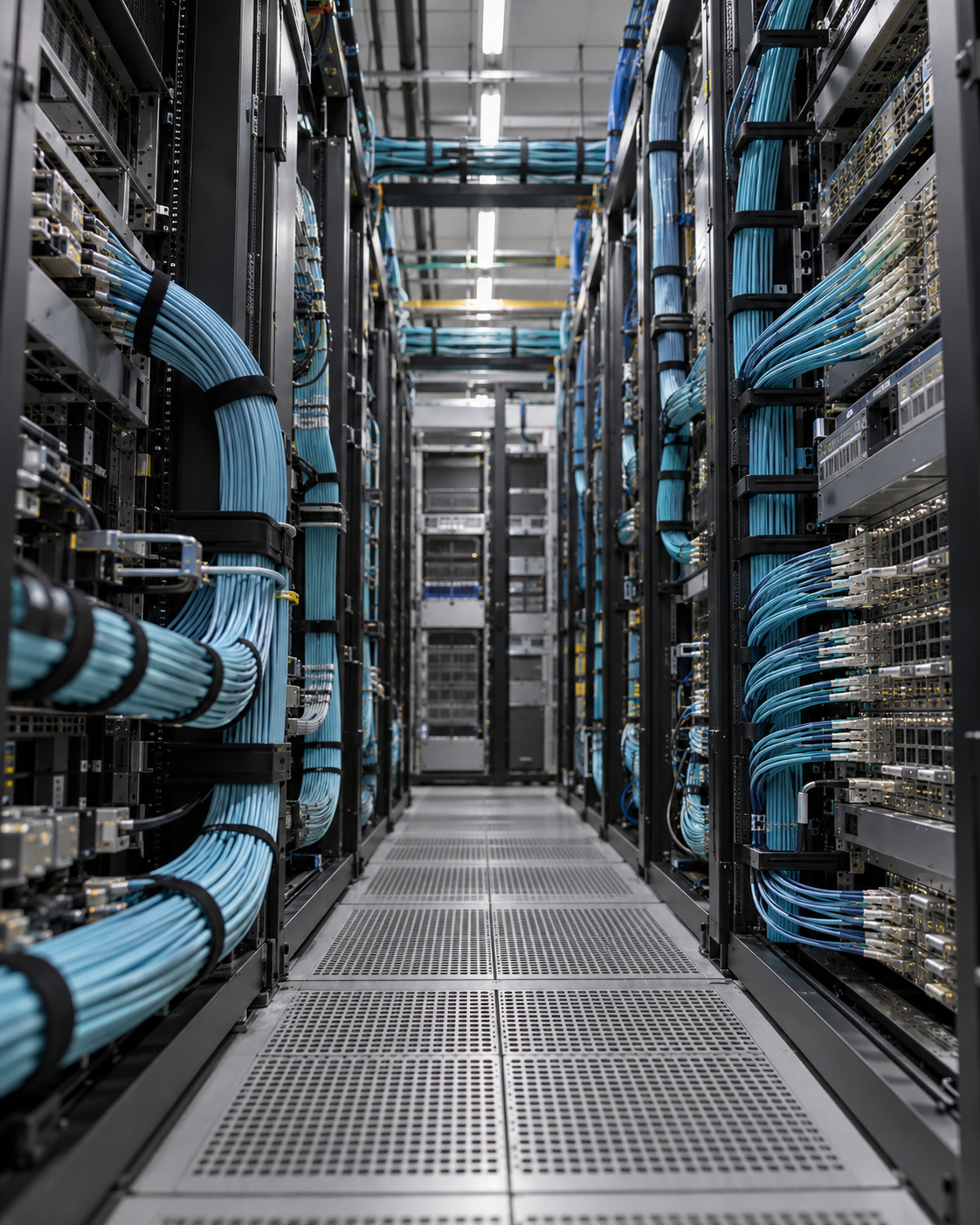
In its official announcement, Token Fabric combined three areas: scale-up, scale-out, and integrated operations. Scale-up refers to closely connecting multiple accelerators deployed in close proximity, while scale-out refers to expanding computational resources across the entire data center, beyond individual servers or racks. Finally, the operations software is responsible for managing the status of the various connection segments.
These three are connected, but they don't serve the same function. Equipment designed to reduce latency in communication between accelerators and equipment designed to route traffic across the entire data center may serve different purposes. Upscale has set a goal of providing this area as a single system to reduce the complexity of the integration process.
| Scale-up Integration Handled by SkyFabriX
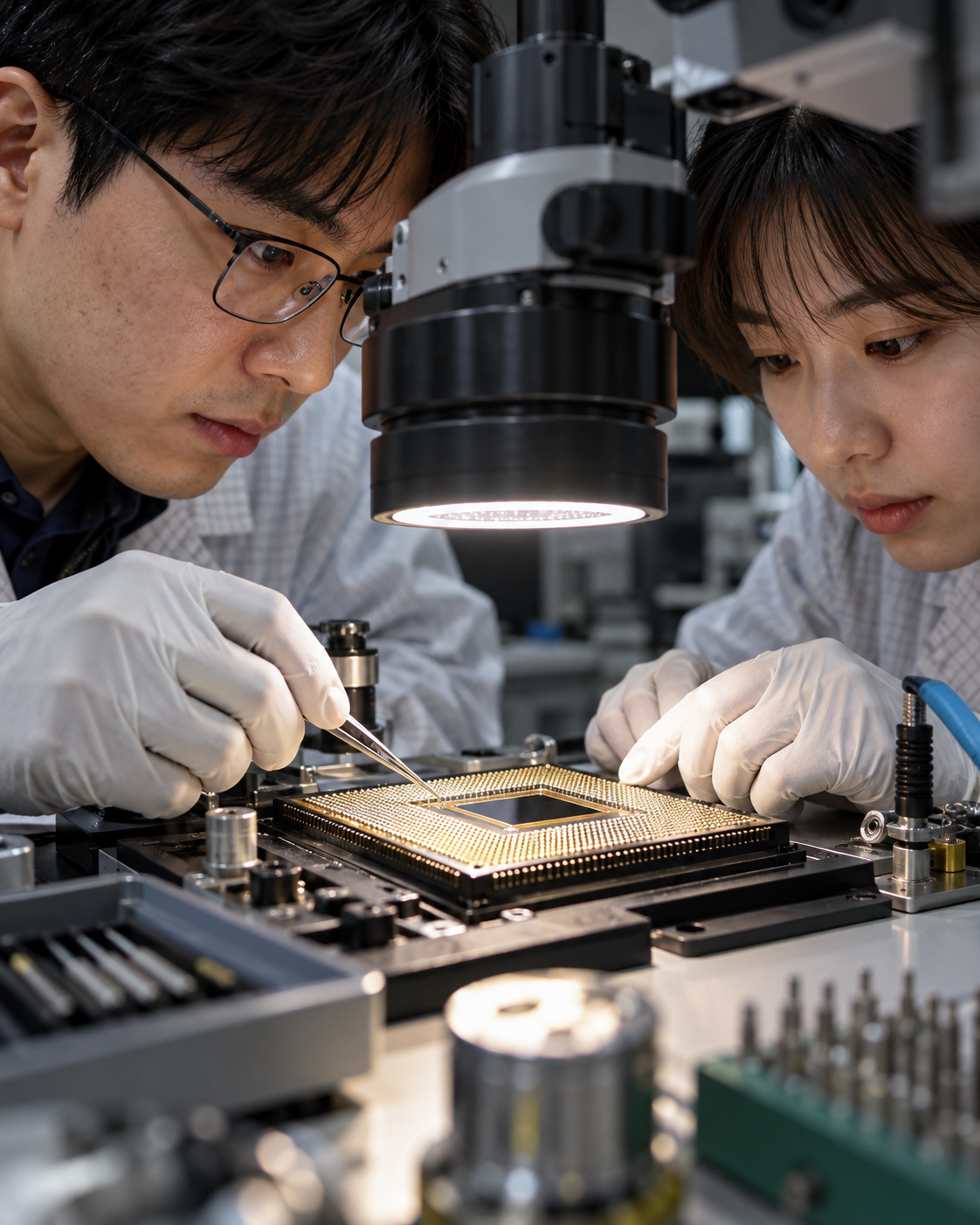
SkyFabriX, unveiled by Upscale, is a switch semiconductor and related system designed for high-speed interconnects between accelerators. The announcement showcased a 115.2 Tbps-class switch silicon and introduced a development roadmap for scaling to even higher bandwidths in the future. It was described as a architecture that supports or considers open interfaces such as ESUN and UALoE.
The performance figures presented here are based on the product's design and the specifications at the time of announcement. Separate verification is needed to determine the actual throughput and latency achievable with various accelerator combinations in a real data center. In particular, it is important not to confuse supported standards with the specific compatibility of products from each manufacturer.
| How to Connect to NVIDIA Spectrum-X
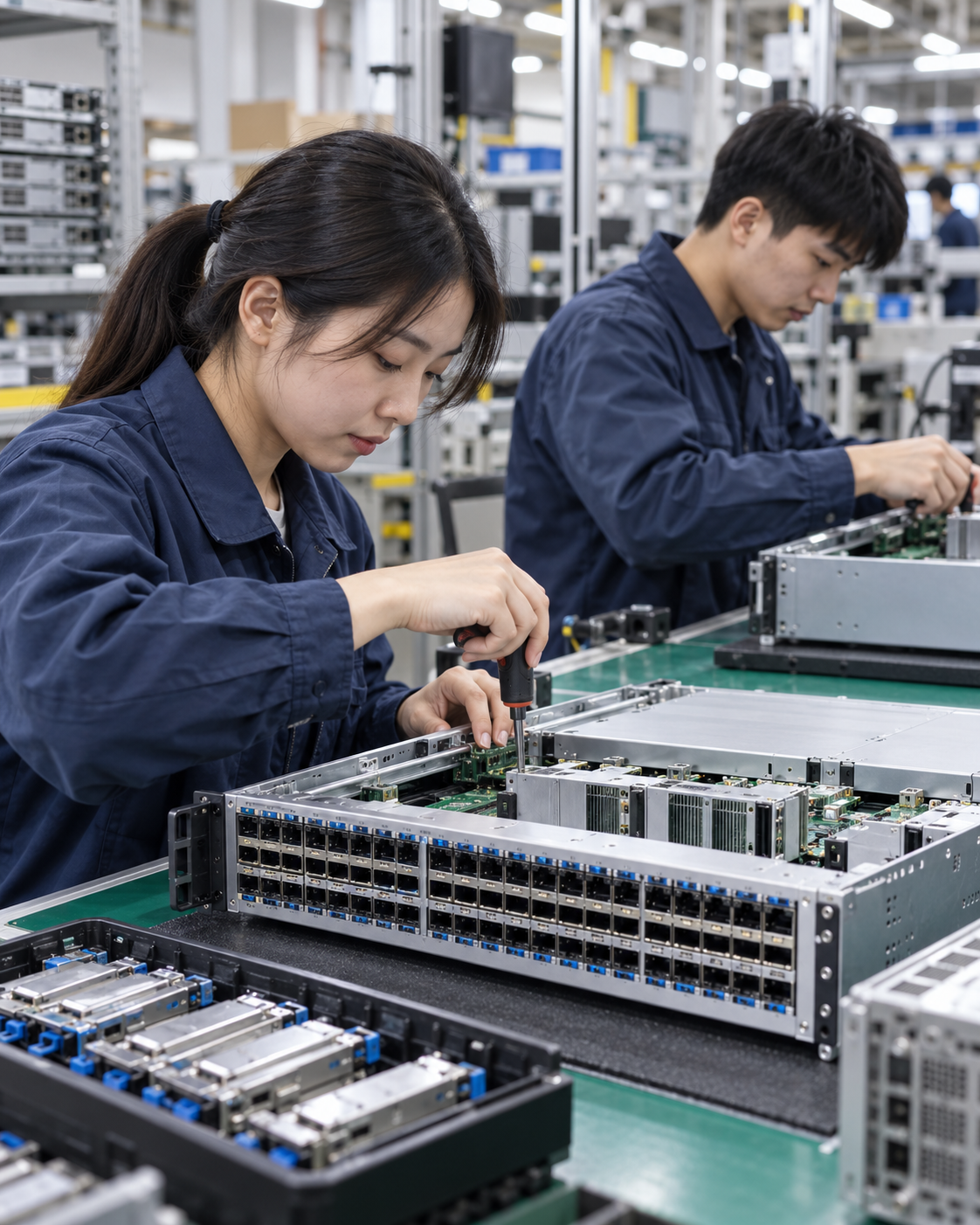
Token Fabric’s scale-out segment includes the Upscale design system, which utilizes NVIDIA Spectrum-X technology. The official announcement outlined a network architecture roadmap extending from 400G and 800G to 1.6T in the future. In other words, rather than developing all components from scratch to compete with NVIDIA, Upscale has adopted a strategy of combining its own technology with NVIDIA’s networking technology.
The fact that NVIDIA is an investor provides some insight into this partnership, but it doesn’t mean that NVIDIA develops every part of Token Fabric itself or guarantees its performance. Since the structure involves distinct roles for each provider, the overall competitiveness of the system depends on how seamlessly the components are actually integrated.
| Why You Need SkyOS and SkyCMD

After connecting the hardware, you need to maintain the connection, troubleshoot any issues, and allocate resources. To address this, Upscale introduced SkyOS, an AI network operating system, and SkyCMD, a management and monitoring system. As the number of network devices increases, the ability to monitor various types of switches and connection segments from a single location becomes increasingly important.
Integrated operations aren’t just a technical necessity. For companies where it’s difficult for on-site specialists to configure every piece of equipment individually, management complexity can be a major factor in purchasing decisions. However, simply stating that the software is integrated doesn’t mean that interoperability with third-party equipment has been fully verified. You need to review actual implementation cases and operational data.
| Will Open Standards Expand Supply Chain Options?
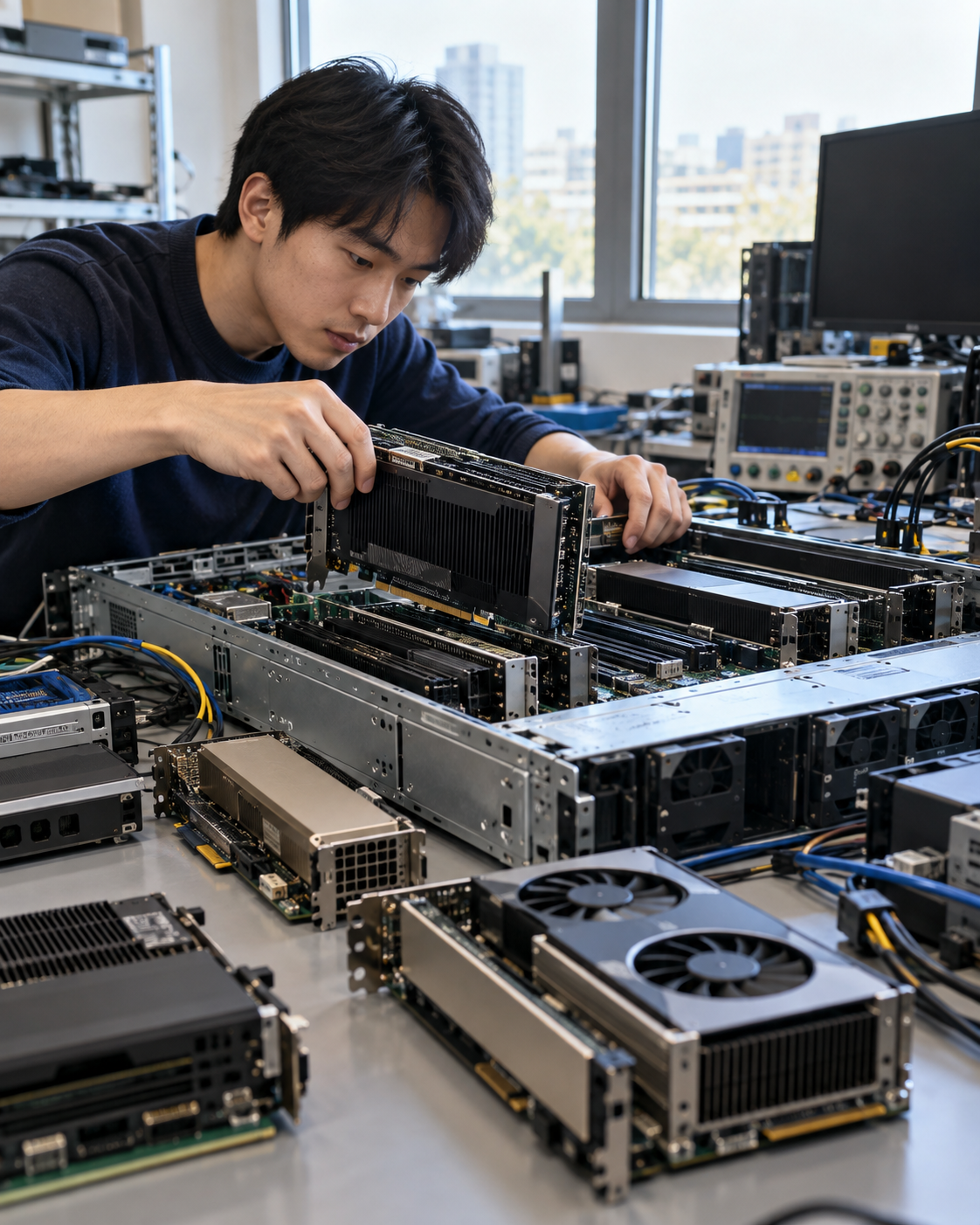
Upscale emphasized its open approach, stating that it “connects any GPU or XPU.” The term “XPU” is a broad term that encompasses not only GPUs but also various accelerators tailored for specific computational purposes. The ability to connect different types of hardware gives data center operators the flexibility to choose a combination of chip suppliers that best suits the characteristics of their workloads.
However, just because the technical specifications state that a standard is supported does not mean the actual product is fully compatible with it. This is because limitations related to communication latency, drivers, memory access methods, and system software may still remain. For open networks to have an impact on the market, specific validation results with various accelerators must be disclosed.
| Launch plans and actual commercial results differ
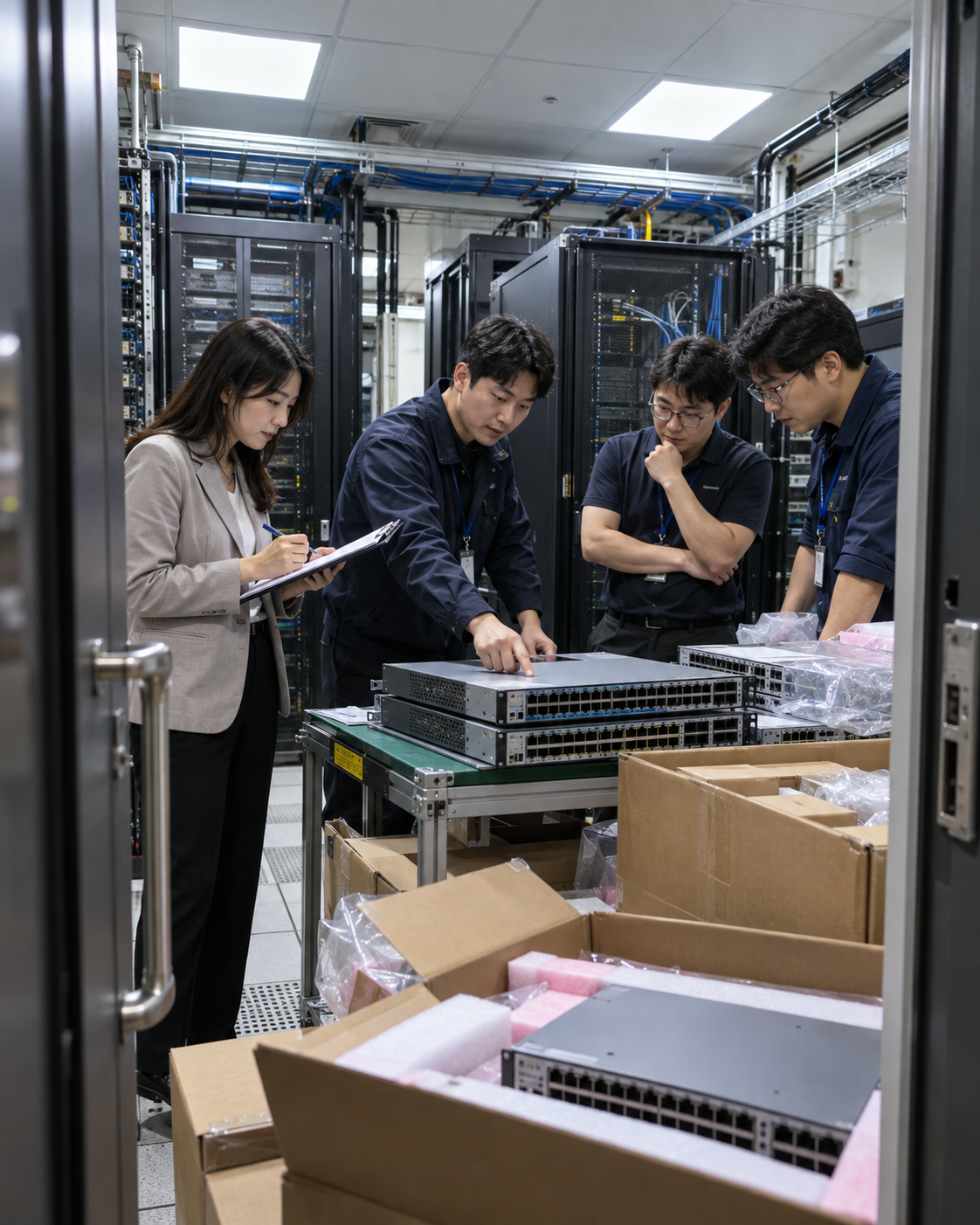
Reuters reported that the first component of Token Fabric is set to be released in the fourth quarter of 2026, with the entire product line scheduled to be rolled out in phases by 2027. While the technical overview in the official announcement outlines the product’s direction, it does not imply a complete system with multiple components available simultaneously. It is important to distinguish between current performance announcements and the future commercial release schedule.
Large-scale data centers, in particular, are highly sensitive to the reliability and supply stability of network equipment. Even if an early-stage product is released, it must undergo verification by the purchasing company, compatibility testing, and integration with operational software before it can lead to actual large-scale deployment. It is important to consider the time it takes from the unveiling of a prototype to mass adoption.
| The Next Test for Hybrid AI Data Centers
Token Fabric is a sign that the competition in AI accelerators is expanding from the performance of individual chips to that of the entire network connecting different chips. If the open architecture championed by Upscale works in practice, data center operators will be able to manage their dependence on specific accelerators or network architectures.
However, declaring openness is one thing; actually operating a variety of chips with the same efficiency is another matter entirely. Going forward, we need to confirm whether the initial components will be released, conduct actual customer compatibility testing, and verify the results regarding throughput and power efficiency. Whether the announced design leads to a practical platform will determine the success or failure of Token Fabric.

Tags
#UpscaleAI #TokenFabric #NVIDIA #SpectrumX #AINetworking #AI Semiconductors #Data Center #SwitchChip #SkyFabriX #SkyOS #SkyCMD #AI Infrastructure #Open Standards