As competition in the AI services market intensifies, model performance isn't the only thing that matters. The number of responses that can be generated with the same computing power and cost also determines a company's profitability. This issue is behind Microsoft's unveiling of its next-generation accelerator, Azure Maia 300.
On October 12, Microsoft announced the design and system configuration of the Maia 300 and stated that it would begin deploying it on a multi-gigawatt scale starting in 2027. While this announcement demonstrates a commitment to large-scale deployment, it does not mean that the production deployment of Maia 300 has already been completed as of October 2026.
In particular, the 40% improvement in token processing efficiency per megawatt and the up to 7x increase in throughput per rack—figures highlighted by the company—are key metrics for understanding the competitive landscape. However, it is important to note that these are not based on actual industry-standard measurements but rather on comparisons provided by Microsoft and descriptions of design-based performance.
| Maia 200 is in operation; Maia 300 is planned

According to an official announcement from Microsoft, the previous-generation Maia 200 is already being used in actual production environments. The company stated that it supports work related to Microsoft Copilot and the development of its own MAI models, and that it is expanding its deployment in the U.S., Europe, and Australia. Plans to integrate it with GitHub Copilot and Microsoft Foundry were also mentioned.
Conversely, production of the Maia 300 is scheduled to begin in 2027. Reuters reported that Microsoft could potentially deploy more than 1 million chips next year, but this figure does not represent actual shipments or completed installations. It is important to distinguish between plans and actual performance in order to accurately interpret infrastructure investment news.
| Why We Designed a Dedicated Inference Chip

Maia 300 focuses on inference—generating responses using pre-trained models—rather than training AI models from scratch. It is designed to address the growing demands of modern AI agents, such as handling long-context conversations, memory-intensive tasks, and multi-step tool invocations.
In large-scale inference, not only computational power but also the speed at which data is transferred to the processing unit can become a bottleneck. Microsoft emphasizes an architecture in which software regulates data flow to minimize data movement. This approach involves designing memory, communication, and power together, rather than simply building a single, large computing unit.
| The Combination of TSMC's N2P and the Chiplet Architecture
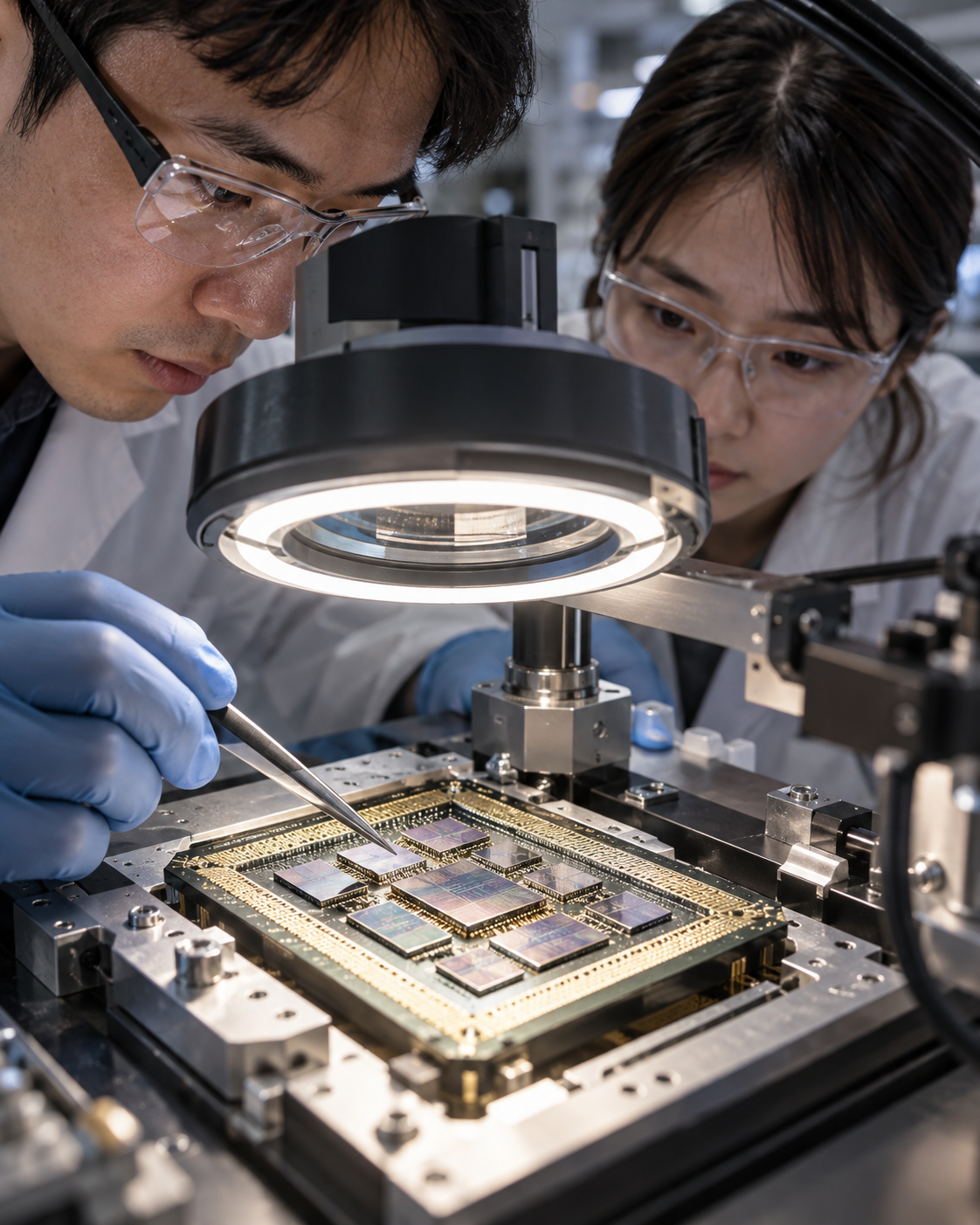
The core compute chiplet is designed to use TSMC’s N2P process. A chiplet is a method of integrating small semiconductor components, divided by function, into a single package so they can operate together. The Maia 300 employs an architecture that separates compute, memory control, and I/O functions to enhance efficiency and scalability.
According to Reuters, 3nm-class processes are also being used for the chiplets of certain auxiliary functions to control manufacturing costs. This approach can be seen as focusing on areas where performance is most critical, rather than applying cutting-edge processes to every component. However, actual cost competitiveness can only be assessed after evaluating yield rates, packaging, and memory procurement costs.
| What 8 HBM4 Modules and 18 TB/s Mean
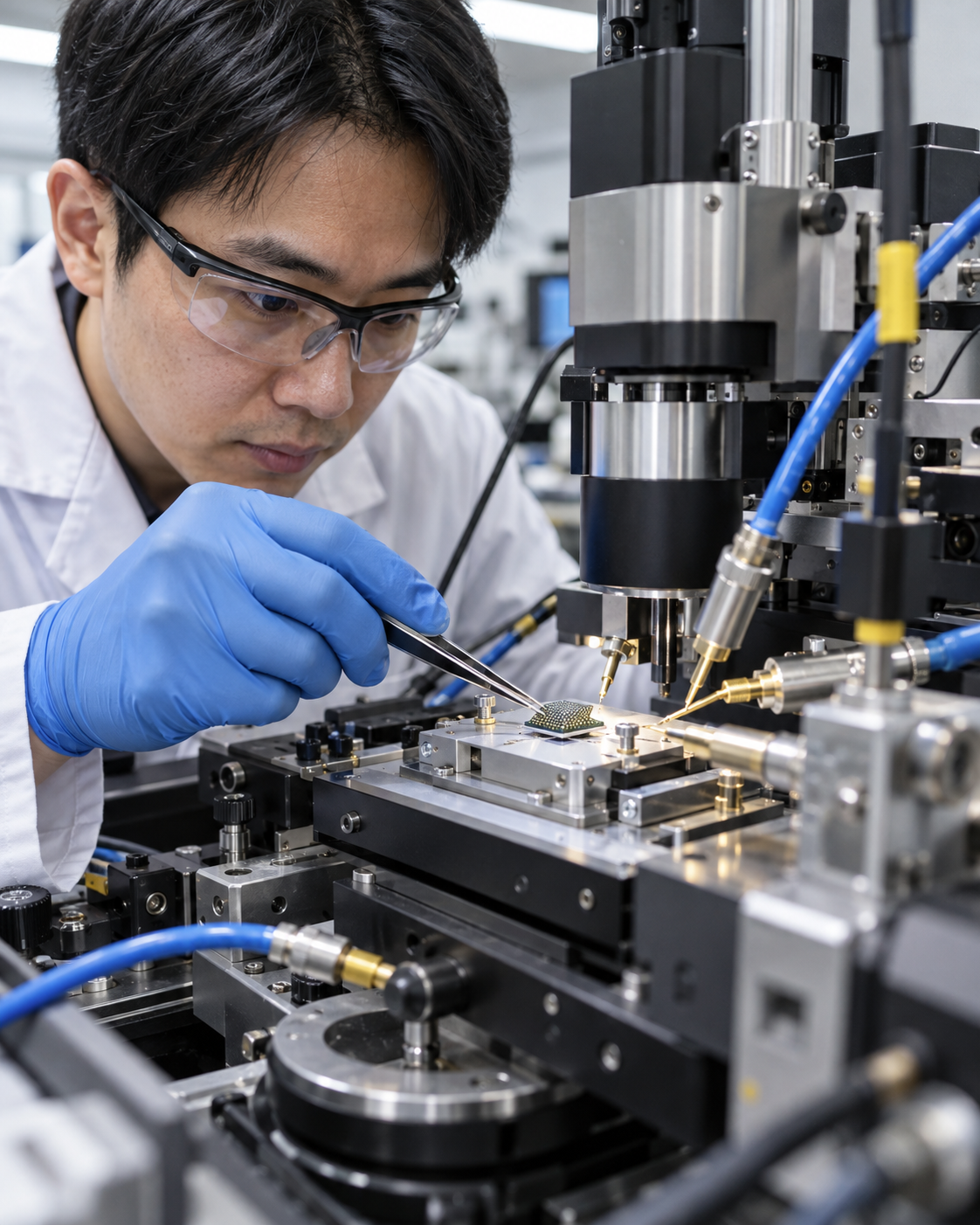
According to the official specifications, the Maia 300 is designed with eight stacks of HBM4 memory, a maximum memory bandwidth of 18.0 TB/s, and a TDP of 950 W. HBM is a high-bandwidth memory technology that stacks multiple memory chips vertically to deliver data quickly. A wide memory bandwidth helps reduce the time spent waiting for data when processing long contexts in large models.
Here, the 950W TDP refers to the thermal design power metric at the chip level. The total power consumption of an actual data center includes network equipment, cooling systems, and power losses, so it cannot be calculated based on this figure alone. Whether memory capacity and bandwidth are sufficient also depends on the model architecture and workload patterns.
| 96-rack accelerator, 167 kW design
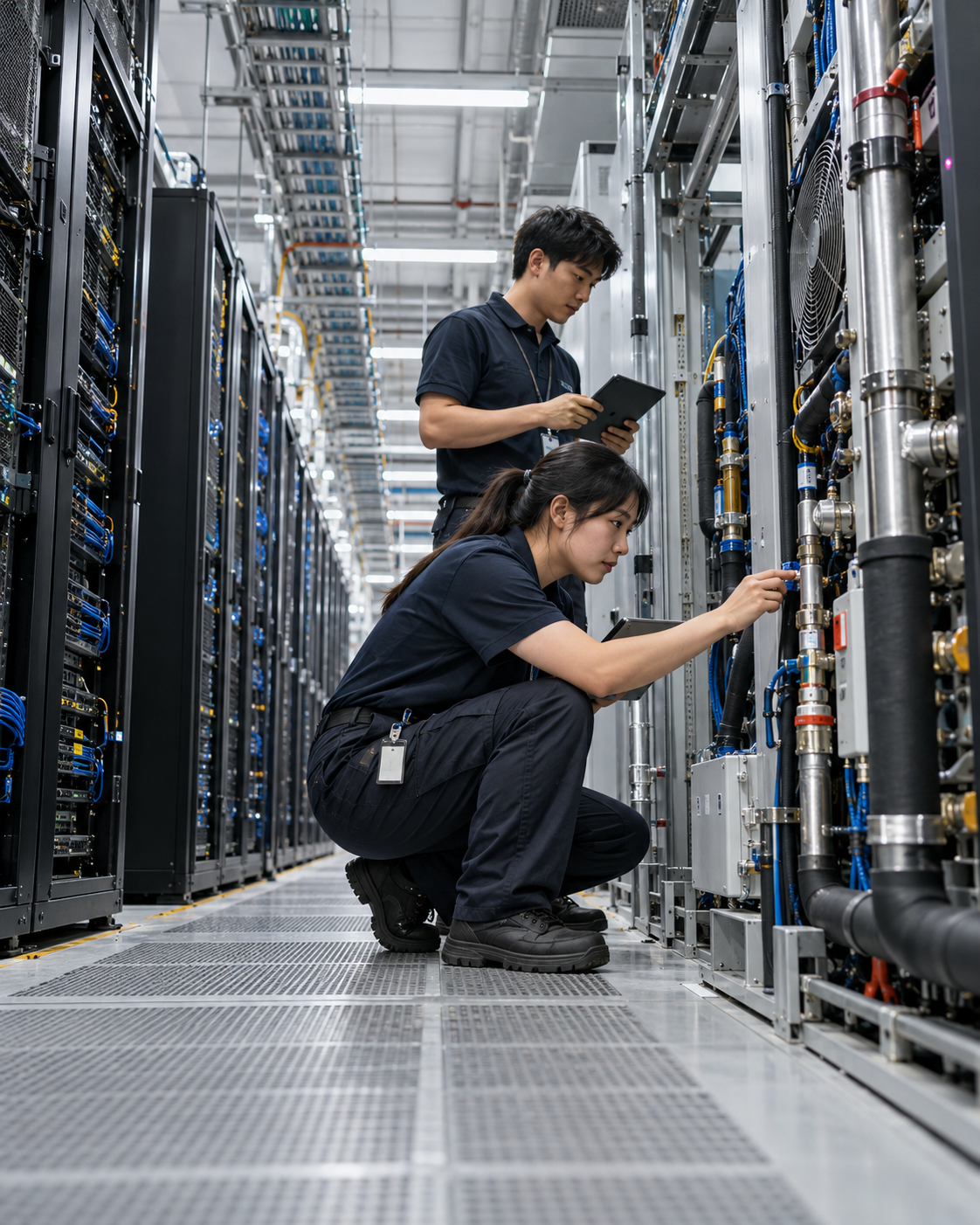
Microsoft announced that it designed the Maia 300 accelerator to be grouped into a single rack system consisting of 96 units and to operate within a power range of approximately 167 kW. The company explained that the entire rack has an HBM capacity of 27.6 TB and a combined memory bandwidth of 1.7 PB/s. High-speed interconnects and Ethernet-based network technologies were also implemented to enable multiple devices to function as a single, large inference system.
With this configuration, the goal is to achieve up to 7 times the rack-level token throughput compared to the previous Maia 200 system. Since rack configurations and operating conditions vary by generation, it is difficult to make a simple chip-to-chip performance comparison. It would be inaccurate to assume that all AI tasks are 7 times faster simply because the number is large.
| Claims of a 40% Efficiency Improvement: How Much Should We Believe?
Microsoft announced that it expects the system to deliver approximately 40% higher token throughput per megawatt than leading GPU-based systems. If data centers with limited power supplies can process more AI requests using the same amount of power, this could reduce operating costs and the burden of facility expansion.
However, Reuters pointed out that the company did not specify which GPU systems it used for comparison. Comparisons that do not disclose whether the model types, request lengths, response latency criteria, and chip and rack ranges were standardized may be interpreted differently depending on the conditions. The actual competitive advantage must be determined based on operational data and independent performance verification, which will be made public following the 2027 deployment.
| How to Reduce Dependence on NVIDIA
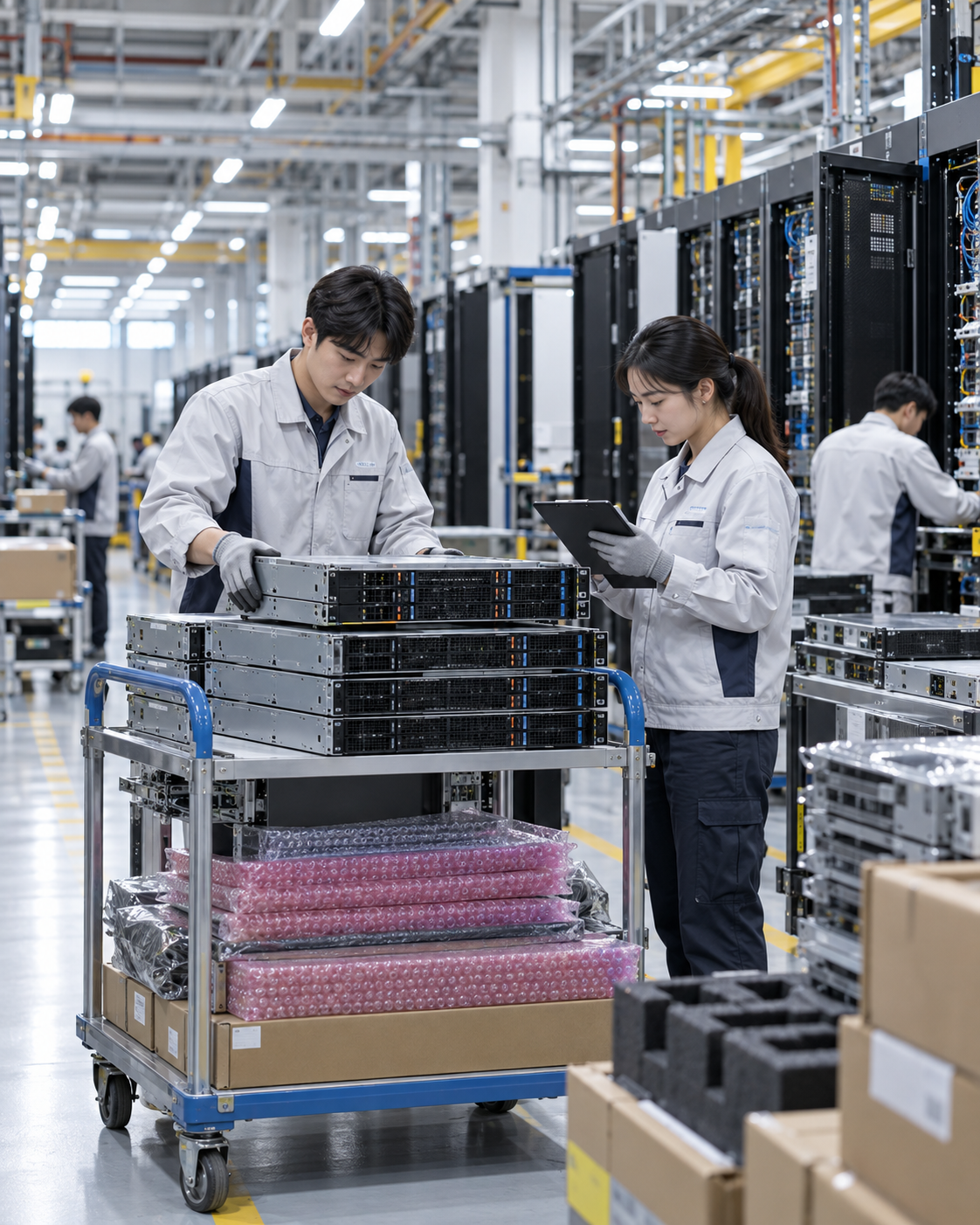
Having its own chips means that a cloud provider doesn't have to rely solely on external GPU families to meet all its inference needs. Microsoft's strategy is to co-design hardware and software based on its operational experience handling its own models, OpenAI models, and open-source models. This could be advantageous for optimizing power efficiency in specific use cases.
That doesn't mean NVIDIA GPUs will be replaced right away, though. Each AI service has different training, inference, and development environments, and compatibility with existing software and supply capacity are also important. Rather than a single chip dominating the market, the future market is likely to evolve toward the concurrent use of general-purpose GPUs and service-specific accelerators.
| The actual deployment in 2027 will be the real test
What’s new about this announcement is that it reveals the detailed system configuration of the Maia 300 and outlines a timeline for deploying multi-gigawatt-scale installations starting in 2027. The clearer the distinction between the current operations of the Maia 200 and the future plans for the Maia 300, the more clearly Microsoft’s infrastructure strategy comes into focus.
The key factors to monitor going forward are mass production yield, chip supply, the timeline for deployment in live service, cost per token, and stable rack operation. Given that the competitive landscape for AI data centers is shifting from a focus on peak performance alone to a combination of power, cost, network, and software, the Maia 300 could serve as an important case study. However, whether it lives up to its promise will have to be confirmed by its operational performance next year.

Tags
#Microsoft #Microsoft #AzureMaia300 #Maia300 #AI Semiconductors #AI Accelerator #TSMC #N2P #HBM4 #Data Center #AI Inference #NVIDIA #Cloud Infrastructure