The investment boom in AI semiconductors is translating into actual earnings for equipment manufacturers. Dutch lithography equipment manufacturer ASML reported revenue of 11.662 billion euros and net income of 4.96 billion euros for the third quarter of 2026, announced on October 14. The number of new equipment units sold also increased compared to the previous quarter.
It’s not just this quarter’s numbers that are worth noting. ASML explained that some customers are showing interest in placing equipment orders for 2029 and 2030, and that its currently planned supply capacity for 2027–2028 may not be sufficient to meet all customer demand.
This means that as AI services become more widespread, the number of machines semiconductor manufacturers can secure in the future has emerged as a new key factor in the industry's growth. It is necessary to consider not only the financial results but also the underlying factors and the uncertainties surrounding the expansion of supply capacity.
| What Did the Third-Quarter Figures Reveal?
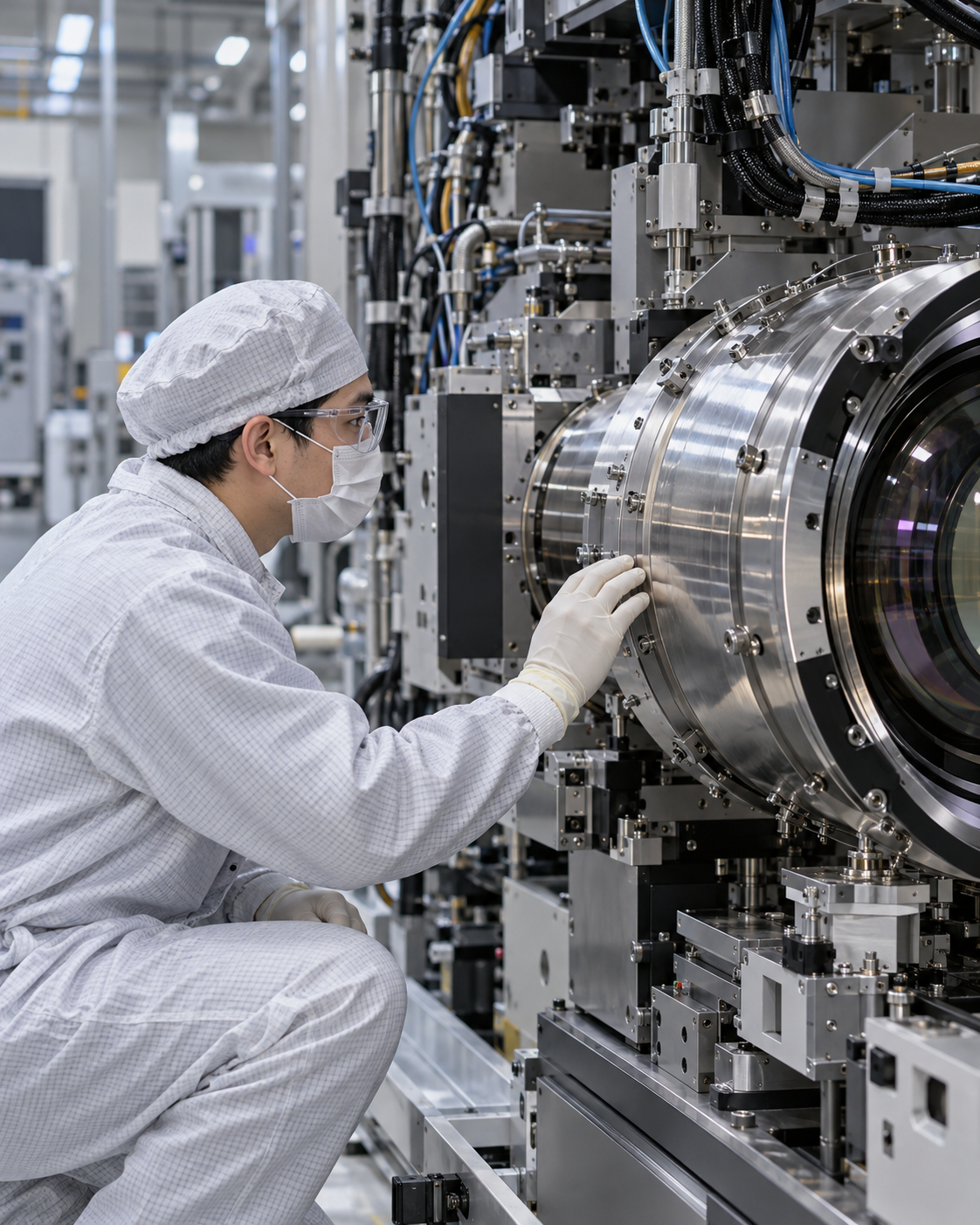
According to ASML’s official financial statements, revenue for the third quarter of 2026 was 11.662 billion euros, up from 9.326 billion euros in the second quarter. Net income rose from 2.918 billion euros in the second quarter to 4.96 billion euros in the third quarter. The gross profit margin also rose from 54.0% to 57.5%. The gross profit margin is the percentage remaining after subtracting the direct costs of providing products and services from revenue. This indicates not only that more was sold, but also that the products and services sold were more profitable. This can be seen as a sign of improvement. However, profitability in one quarter doesn't necessarily carry over to the next.
| The Significance of Selling 113 New Lithography Systems
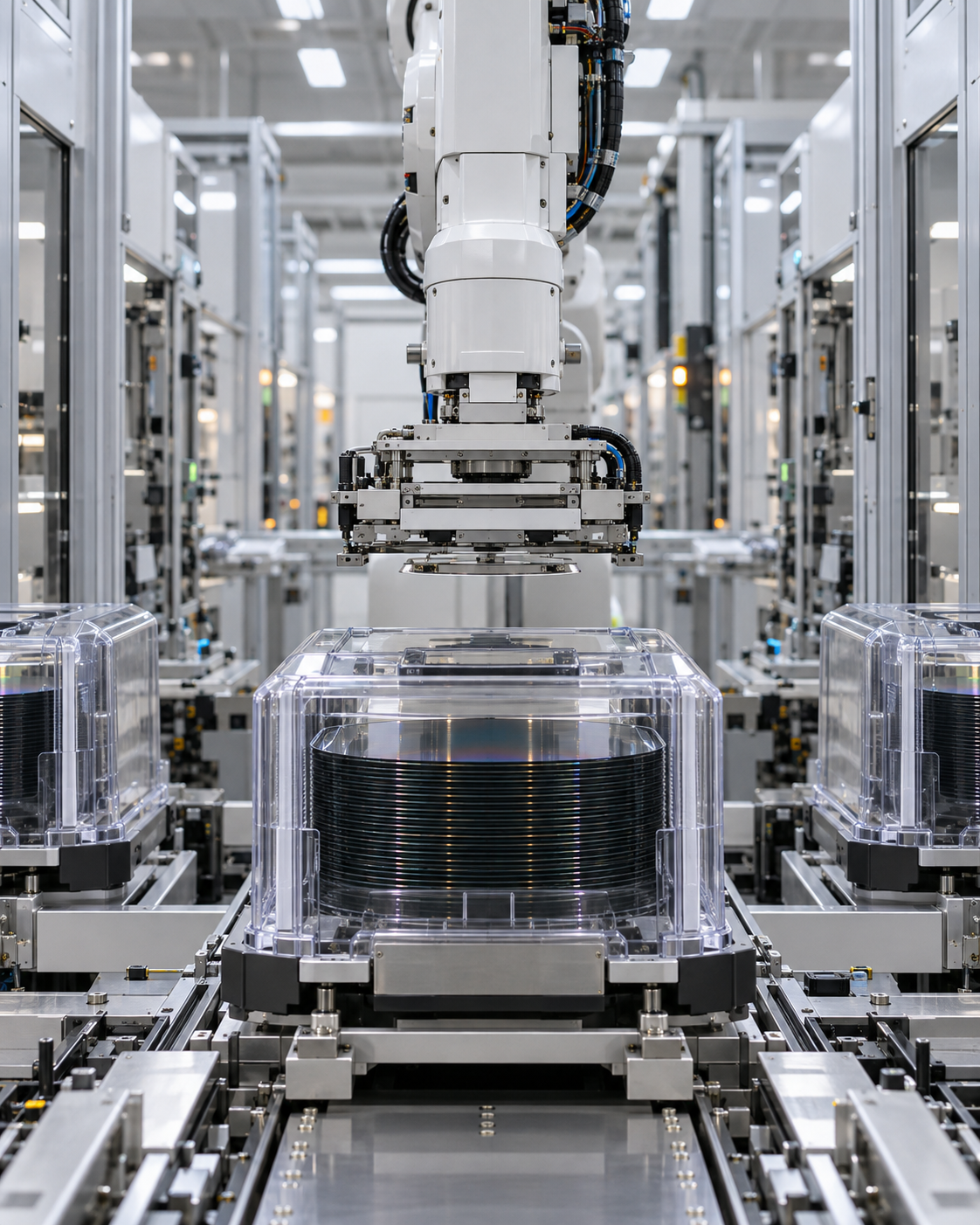
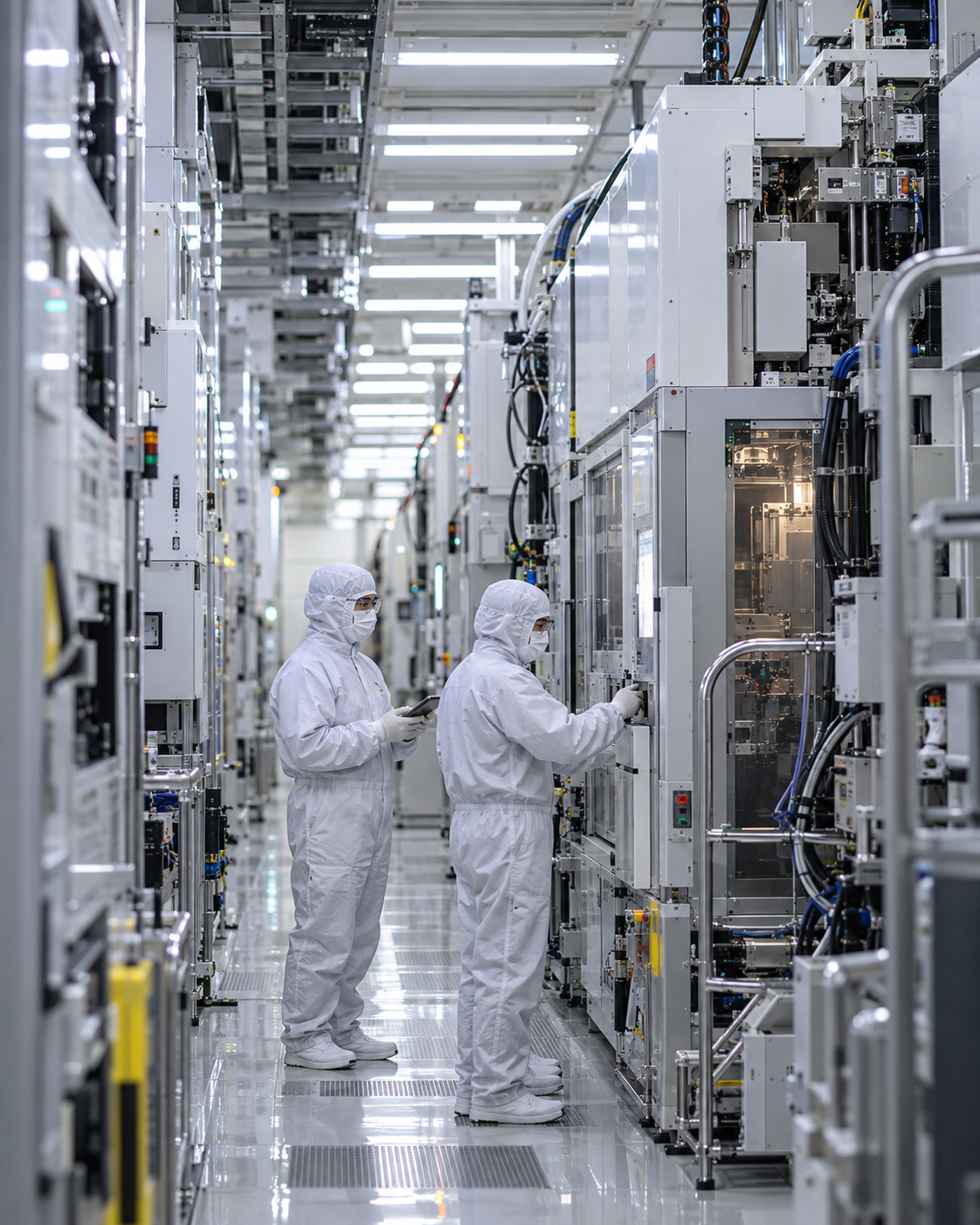
Sales of new lithography systems rose from 86 units in the second quarter to 113 units in the third quarter. Sales of used equipment also increased from 5 units to 8 units. Lithography systems are core semiconductor manufacturing equipment used to create microscopic circuit patterns on silicon wafers. There are various types, such as EUV and DUV, and the specific equipment required and its price vary depending on the semiconductor process. Therefore, the increase in sales volume should not be interpreted as an indication that all equipment has the same price and performance. This In terms of financial results, it is also noteworthy that revenue from managed services for the installed base rose to 3.289 billion euros, alongside the number of devices.
| Reasons for the Upward Revision of the Annual Revenue Forecast
ASML has forecast total annual revenue of 44 billion for 2026~They proposed 45 billion euros. Previously, it was 43 billion~They raised the lower end of the 45 billion euro range by 1 billion euros. This can be interpreted not so much as setting the best-case scenario higher, but rather as reducing the downside risk to some extent. The company expects fourth-quarter revenue to range from 14.2 billion to 15.2 billion euros, with a gross profit margin of approximately 57%. The full-year gross profit margin forecast is approximately 56%. These figures represent management’s current expectations; actual revenue may vary depending on changes in equipment delivery and acceptance schedules or customers’ investment plans.
| Why Customers Are Looking Ahead to Orders for 2029–2030

CEO Christophe Fouquet explained that customers are taking a long-term view of the scale and duration of their AI-related investments and are continuing to raise their short- and medium-term equipment demand forecasts. He added that, as part of this process, some customers are even exploring the possibility of placing orders as far out as 2029 and 2030. State-of-the-art semiconductor equipment requires time for procurement and production, and factory expansions take several years to complete. It is an understandable choice for customers to secure production slots in advance. However, “interest” and “actual confirmed orders” are different. While signals of long-term demand are meaningful, we cannot count these figures as revenue that has already been contracted.
| Warning Signs for Supply Capacity in 2027–2028
ASML explained that its currently planned supply capacity for 2027 and 2028 may not be sufficient to meet expected customer demand. The company previously mentioned plans to expand its supply capacity for low-numerical-aperture EUV and DUV immersion equipment by 30% in 2027, and is currently reviewing options for further expansion in 2028. It’s important to note that reviewing production capacity expansion is not the same as finalizing an investment decision to actually build new facilities. This is because it is difficult to increase the final equipment production volume in the short term unless the supply of precision optical components, specialized suppliers, and assembly and inspection personnel also increases.
| The bottleneck in the semiconductor industry is shifting
The supply of cutting-edge semiconductors isn't determined by design technology alone. Lithography equipment, high-purity materials, fab construction, power and cooling, and packaging capabilities must all work in tandem. As demand for AI accelerators and high-bandwidth memory grows, the likelihood increases that investment across the entire manufacturing sector will follow suit. The reason ASML’s financial performance is so important is that such investment has been reflected in equipment shipments and service revenue. On the other hand, if supply shortages persist, it could take time for customers to install equipment even after their factories are completed. The pace at which equipment manufacturers expand production could limit the pace of capacity expansion across the entire semiconductor industry.
In addition to equipment sales, the growth in revenue from installed-base management services is also significant. Semiconductor lithography equipment requires software and hardware upgrades for performance improvements, as well as maintenance, long after customers have purchased it. ASML’s revenue from this segment in the third quarter was 3.289 billion euros, up from the previous quarter. While supplying more new equipment requires expanding the workforce and partnering with various parts suppliers, efforts to boost the productivity of installed equipment follow a different path. It can improve our customers' wafer production capacity. Going forward, we need to monitor the revenue trend for this service alongside new shipment volumes.
| Factors to Consider Despite Strong Performance
The equipment market is heavily influenced by semiconductor industry conditions and customers’ capital expenditure plans. If customers are overly optimistic about demand or if the competitive landscape changes, orders may be delayed or adjusted. Furthermore, the timing of equipment shipments and revenue recognition is not necessarily the same, and there are significant differences in revenue composition depending on the type of equipment. Geopolitical export controls and regional regulations also affect which equipment can be supplied to which customers. Therefore, We should be cautious about interpreting these results as evidence that the growth rate will remain the same in every quarter going forward.
In the equipment industry, not only are customers' long-term ordering intentions important, but so are delivery times that manufacturers and the supply chain can realistically handle. When some customers say they are discussing placing orders several years down the line, this should be viewed as a signal that they are coordinating future production plans, rather than confirming an order. Understanding that distinction helps in assessing the reliability of sales forecasts.
| What to Watch for in the Next Quarter and in the 2028 Plan
Going forward, we’ll need to monitor whether actual fourth-quarter revenue falls within the company’s forecast range and whether the growth in new equipment shipments and managed services for the installed base continues. The more important medium- to long-term indicators are the rate at which long-term order interest translates into actual orders and whether the 2028 production capacity expansion plan is finalized. This announcement showed that investments in AI semiconductors are already being reflected in equipment manufacturers’ income statements. However, warnings about supply shortages represent not only growth opportunities but also the potential for new constraints on customers’ production schedules and equipment supply chains.
Tags
#ASML #Semiconductor Equipment #Photolithography Equipment #EUV #DUV #AI Semiconductors #Q3 2026 #Earnings Release #Revenue Forecast #Semiconductor Supply Chain #SemiconductorInvestment