Companies expanding their AI data centers are focusing just as much on securing power as they are on servers and semiconductors. On October 14, American Electric Power (AEP), a U.S. power company, announced plans to invest approximately $4 billion to build a 702-megawatt (MW) fuel cell power plant near Cheyenne, Wyoming.
In particular, this project is linked to a 20-year power purchase agreement (PPA) under which Google has committed to purchasing electricity generated at the new facility over the long term. It is noteworthy that the demand to secure the electricity needed to operate the data center has led to concrete plans for investment in power generation infrastructure.
However, the 702 MW figure does not represent the actual operating capacity of the power plant, which has not yet been completed. At this stage, the plan calls for construction to begin in 2026 and full operation by the end of 2028, and the introduction of carbon capture is also being pursued. I’ll focus on the differences between the finalized contract and future goals.
| The Structure of a $4 Billion Investment and a 20-Year Contract

According to an official announcement by AEP, the company plans to invest approximately $4 billion in a fuel cell power generation project near Cheyenne based on a 20-year power purchase agreement (PPA) with Google. A PPA is a contract under which a buyer commits to purchasing electricity generated by a power producer over a long period of time under specified terms.
Securing long-term customers in this way makes it easier to assess the likelihood of recouping investments in power generation infrastructure. From Google’s perspective, this allows it to secure a power source to meet the electricity demand of its data centers, while AEP is structured to pursue business tied to large customers. However, neither the exact electricity price nor the full details of the contract have been disclosed.
| Who will build and operate the 702 MW plant?
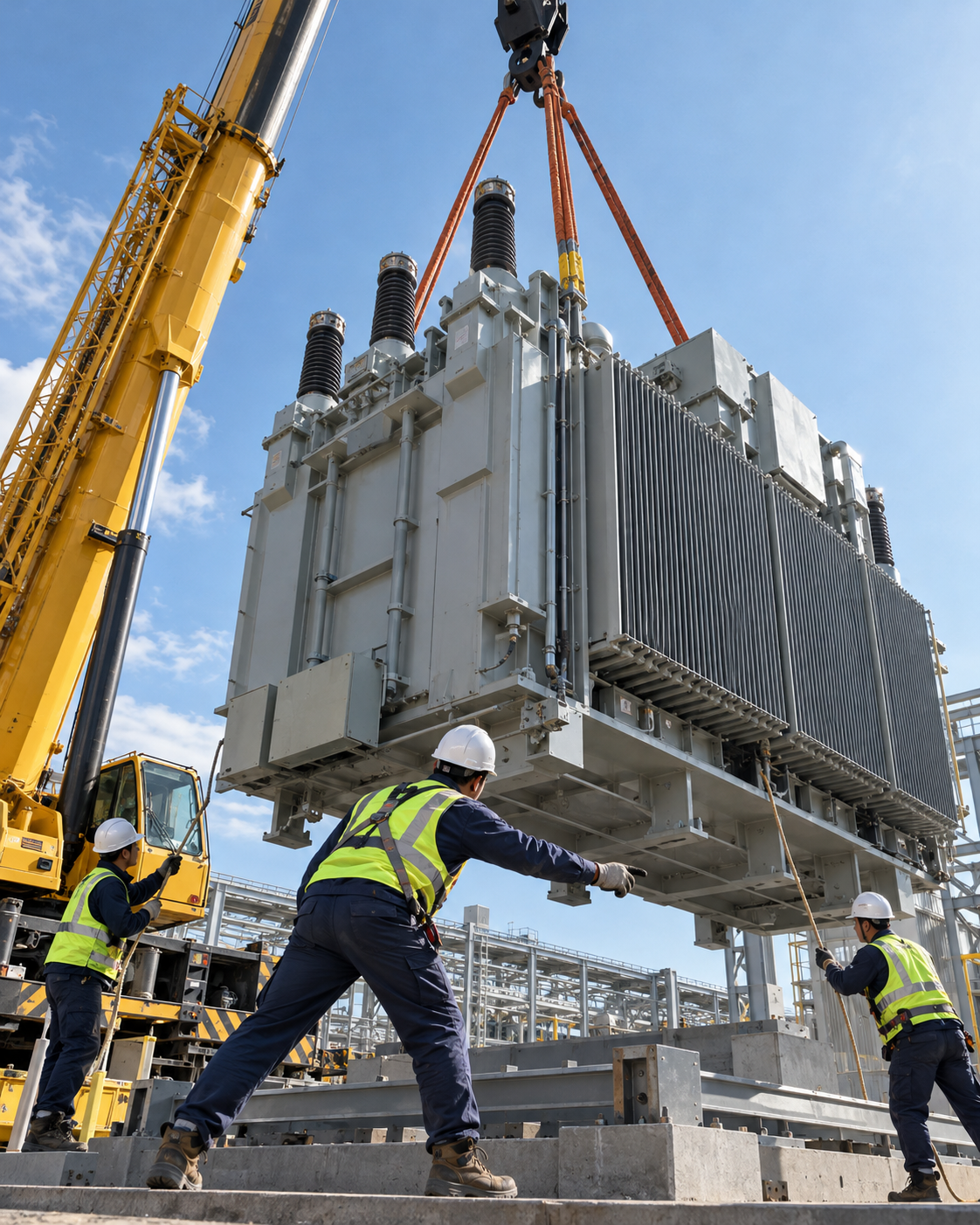
The project operator is Cheyenne Fuel Cell, LLC. It was announced that AEP owns and controls approximately 92% of the company, while the remaining approximately 8% is held by funds advised by Basalt Infrastructure Partners.
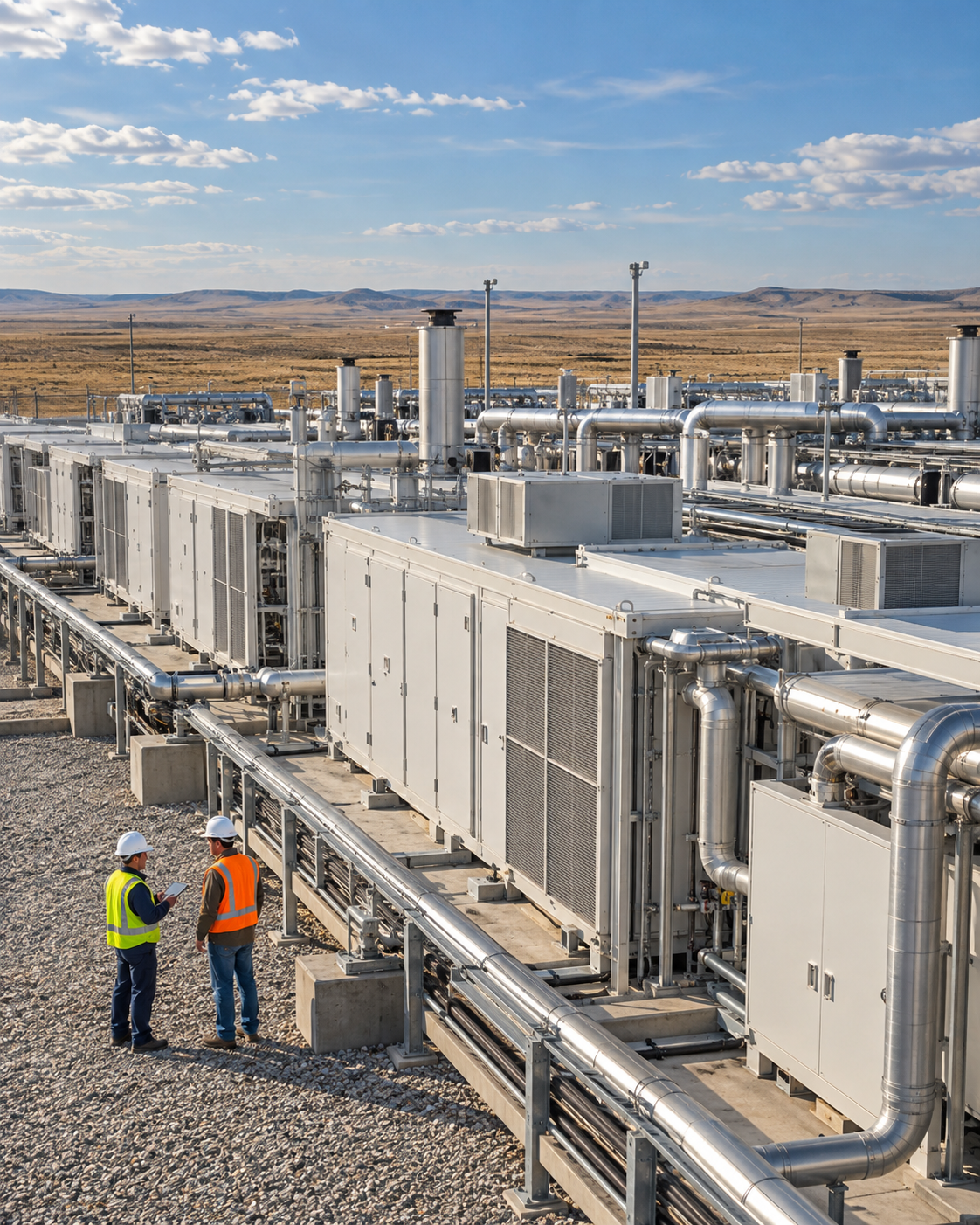
We plan to utilize Bloom Energy’s fuel cell technology for the power generation facilities. The 702 MW figure represents the design capacity of the power generation facilities; it does not mean that exactly that amount of electricity is guaranteed to be supplied every hour. Actual output is influenced by factors such as maintenance, fuel supply, and facility utilization rates. It is important to distinguish between the immediate signing of the contract and the performance during the actual operation phase.
| How Do Fuel Cells Generate Electricity?
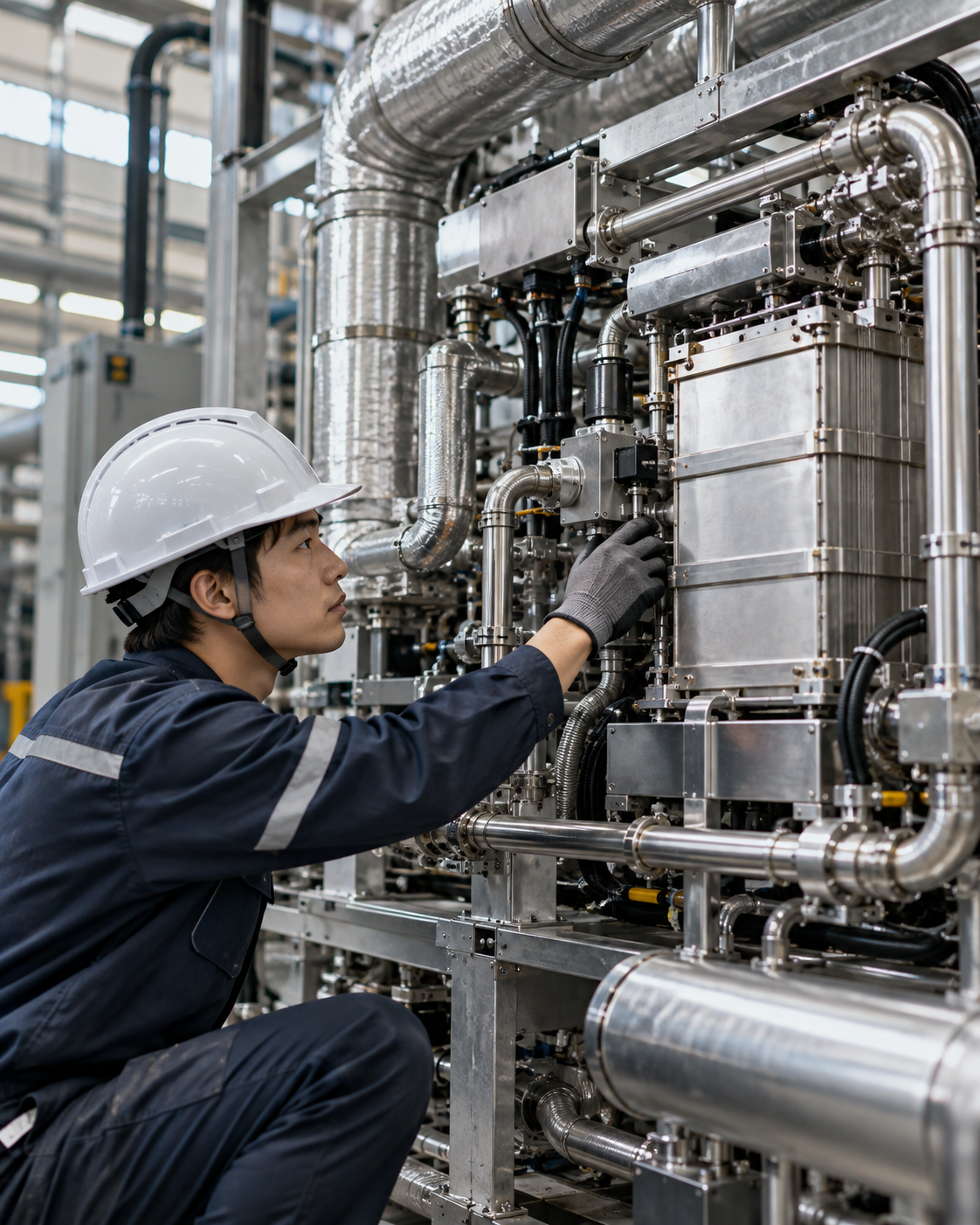
A fuel cell is a device that converts the chemical energy of a fuel into electricity through electrochemical reactions. The Bloom Energy technology introduced by AEP uses a combustion-free method of power generation rather than directly burning natural gas.
Since fuel cells can be installed in modules, they can serve as one option for expanding power supply in areas with high electricity demand. However, to assess their environmental impact, one must consider not only the carbon emissions from the fuel itself but also the entire supply chain. “Does not burn” is not the same as “emits no carbon at all.”
| Carbon capture is a plan, not a proven achievement
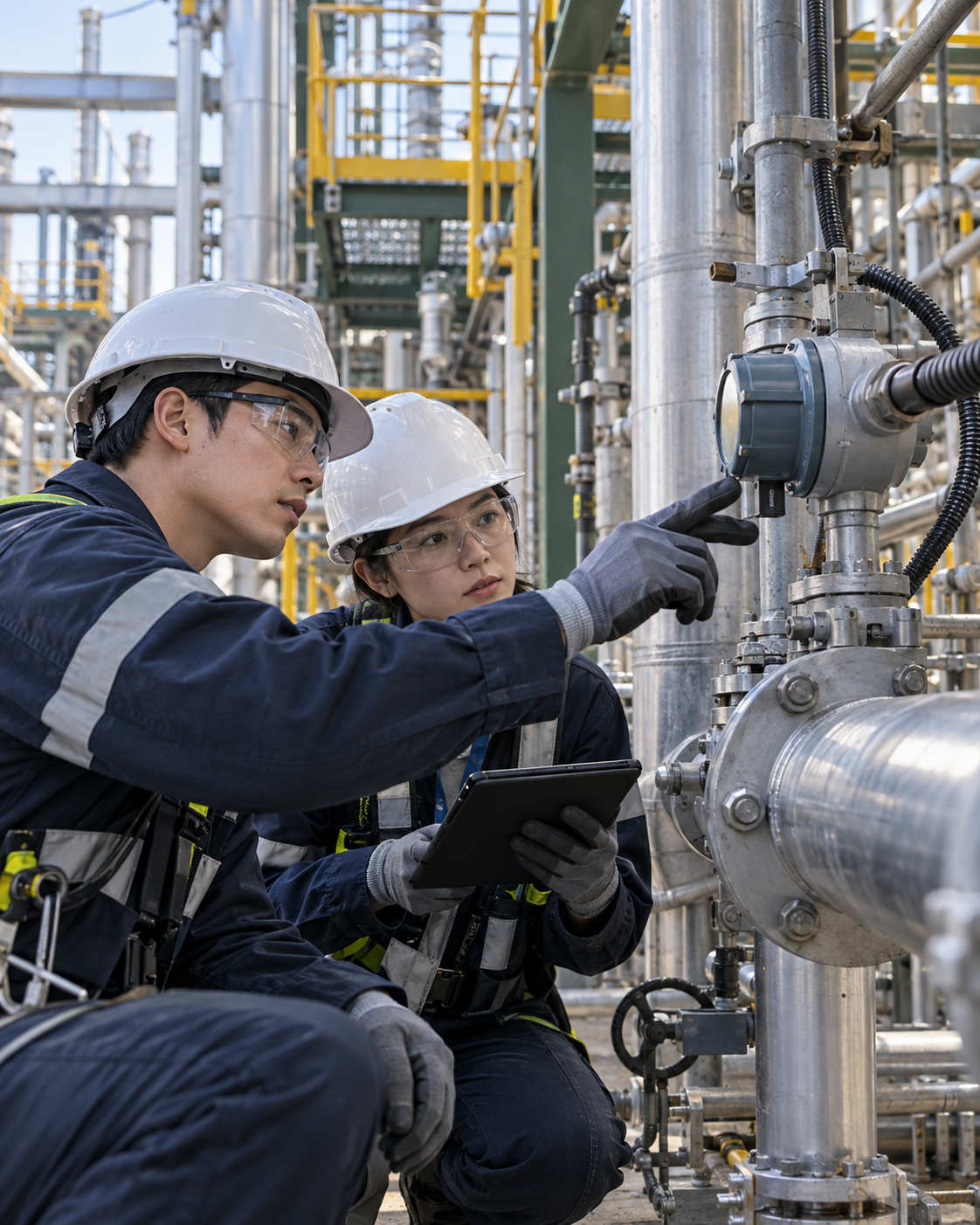
AEP announced that it plans to integrate carbon capture technology into this project to significantly reduce emissions. However, this announcement provides no evidence that carbon capture facilities have already been installed or that their performance has been verified.
Information such as capture efficiency, methods for transporting and storing captured carbon dioxide, costs, and actual operating rates must be verified in order to assess the effectiveness of emissions reduction. There is a growing trend for data center power contracts to be evaluated not only for reliability but also for accountability regarding carbon emissions. Therefore, environmental goals that have not yet been achieved should not be presented as if they had already been met through carbon-free power generation.
| Why Do Data Centers Enter Into Long-Term Power Contracts?
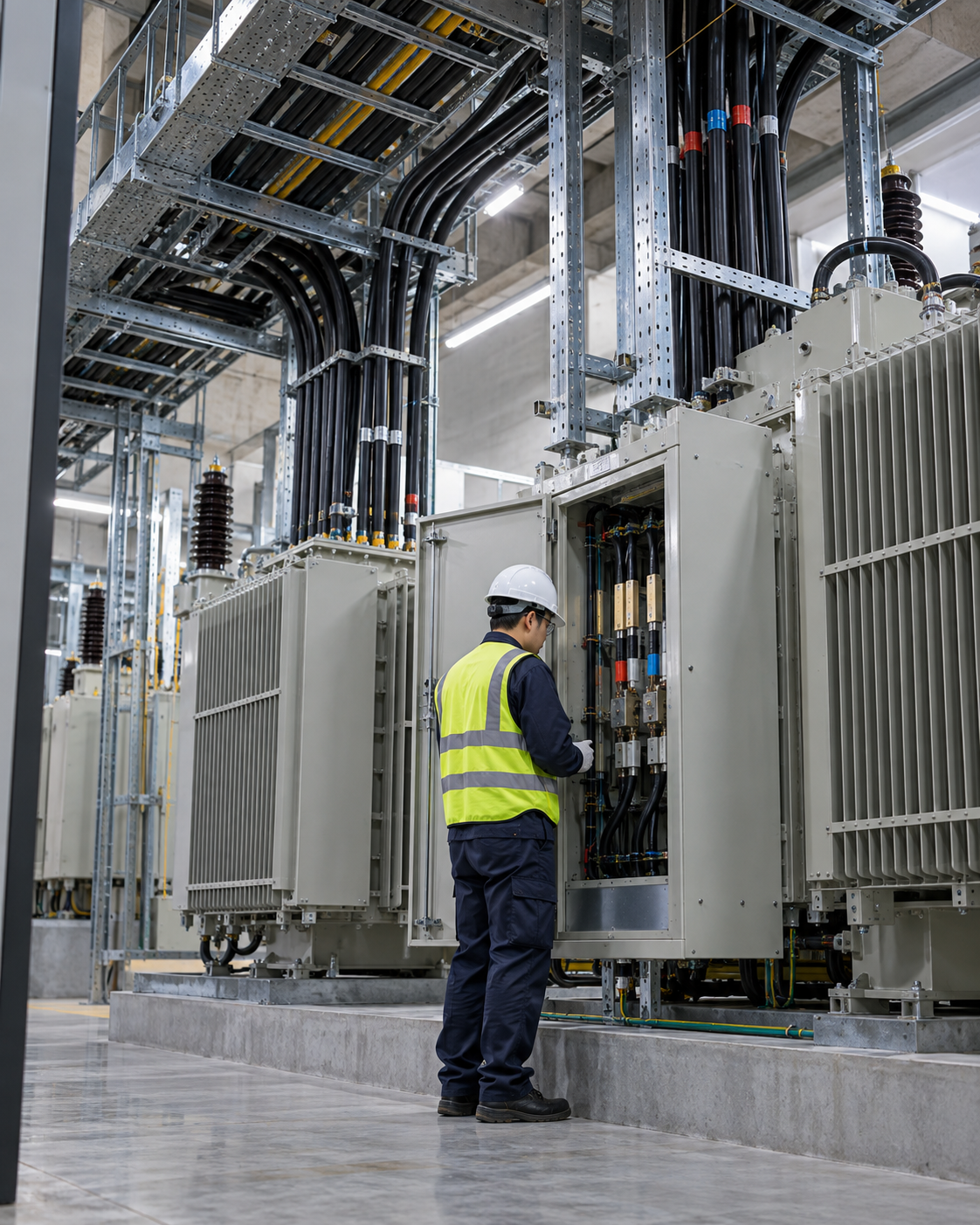
Since data centers for AI services must operate large-scale GPUs and cooling systems for extended periods, a stable power supply is critical to mitigating operational risks. If there are delays in the procedures for connecting to the power grid and expanding capacity, it may be difficult to expand the service as planned, even if we have secured the servers.
In this situation, if a major customer enters into a long-term contract for a specific power generation project, it allows for more detailed power supply and demand planning. While grid reinforcement or interconnection with other supply sources may still be necessary depending on the generation method, it is clear that this goes beyond a simple expression of interest to link investment plans with physical power generation assets.
| Other Power Procurement Initiatives in the Cheyenne Area
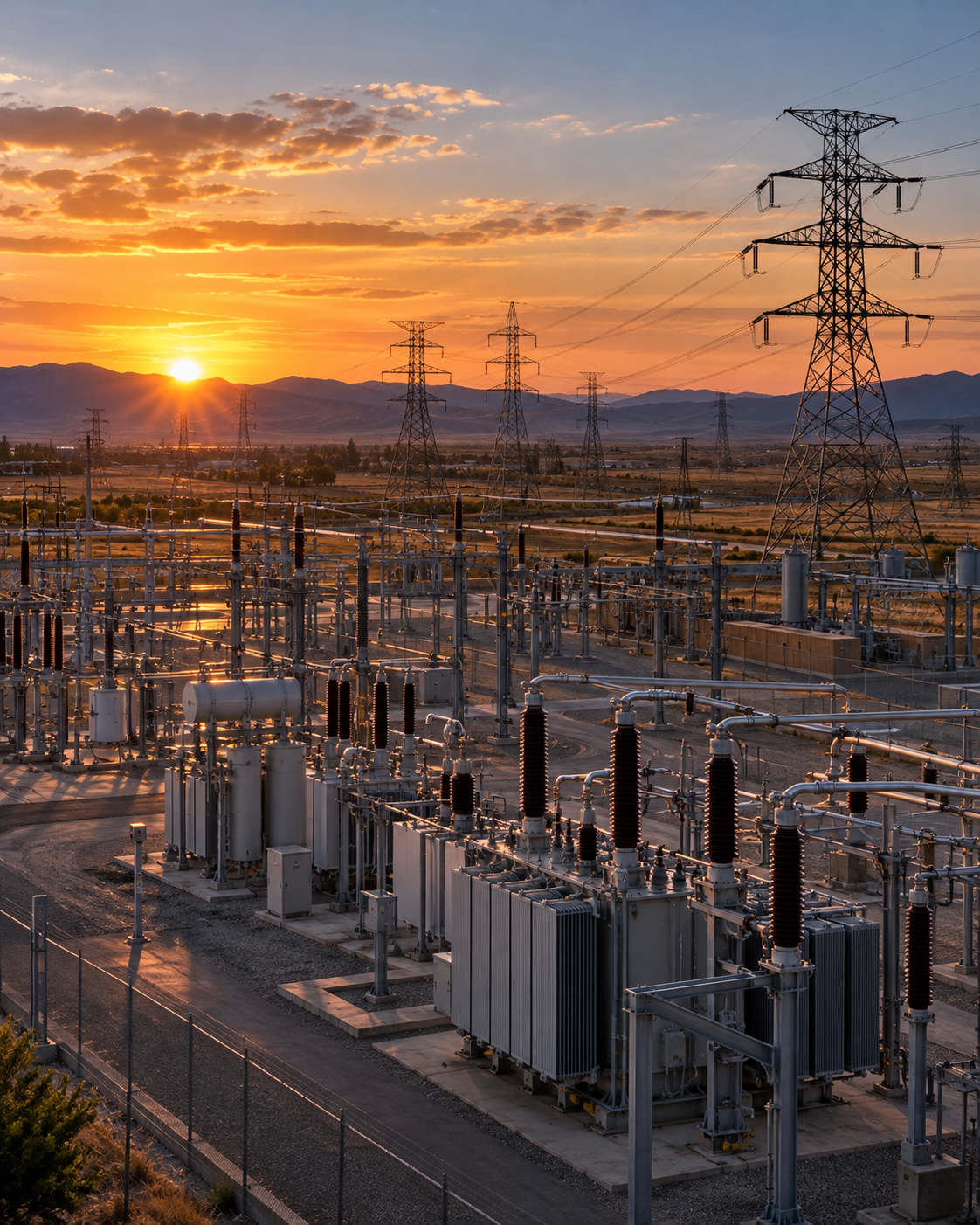
AEP explained that this project is a follow-up to a previous agreement between Google and Black Hills Corp. This can be interpreted as a strategy to combine different supply sources rather than relying on a single type of power source to meet the entire demand of a large data center.
However, it is necessary to verify separately how the capacity of each contract relates to the supply segments, and one should not interpret the combined capacity of the two announcements as Google’s confirmed power consumption. This is because the actual power demand of a data center can vary depending on phased expansions and operational conditions.
To understand the scope of the contract, it’s also worth noting the difference between generating capacity and electricity output. MW represents the amount of power at a given point in time, while the actual electricity generated and supplied over a certain period is measured in energy units such as MWh.
Even though the design capacity is 702 MW, the actual power output may vary due to maintenance, fuel supply conditions, and facility utilization rates. That is why this figure cannot be interpreted as the exact amount of electricity Google will consume every hour. To more accurately assess the effectiveness of securing power, it is necessary to examine not only the start of operations but also the actual utilization rates and power supply records.
| Construction delays and investment risks remain
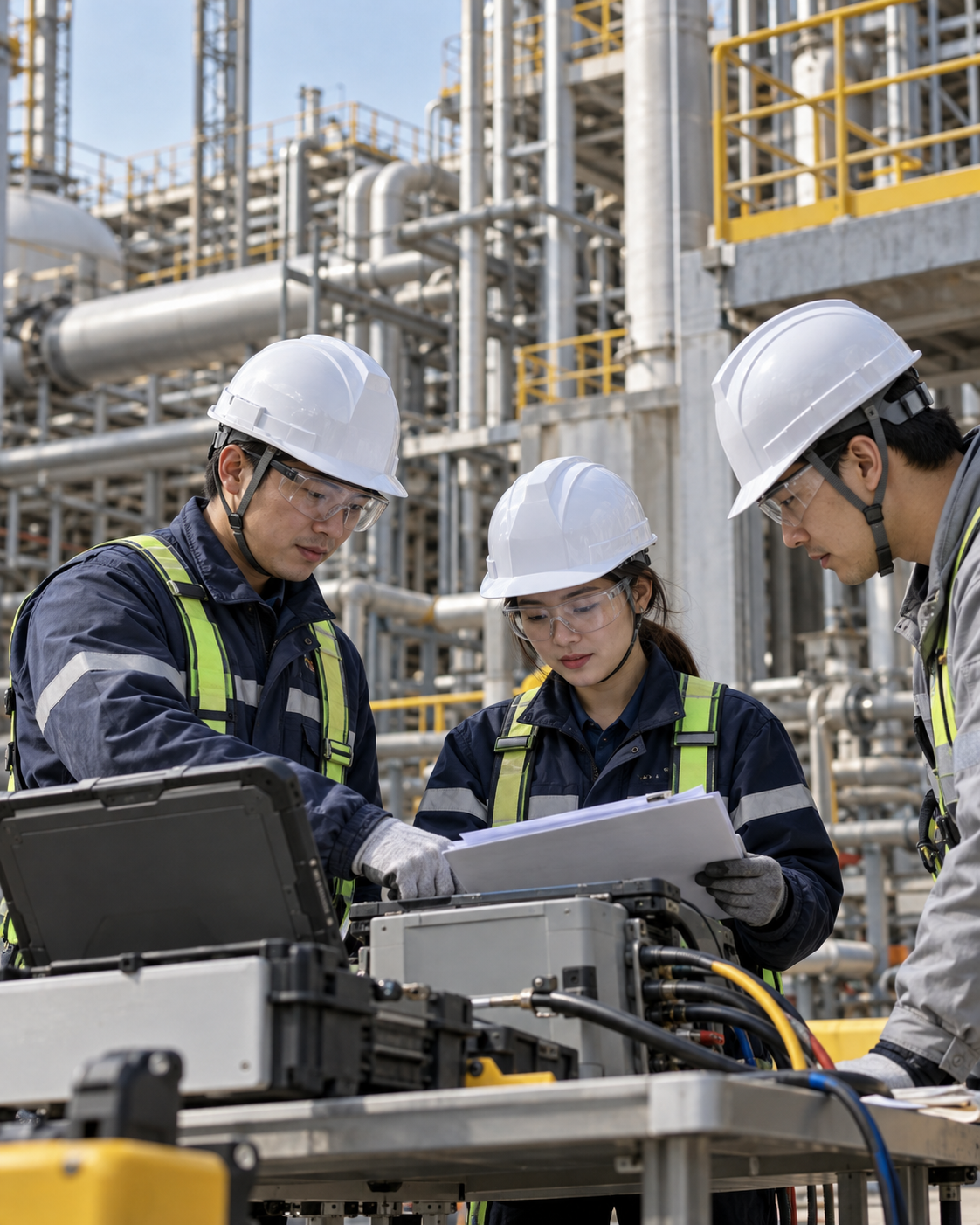
AEP and its partner companies aim to begin construction in 2026 and have the plant fully operational by the end of 2028. The power generation project requires the coordination of various schedules, including site selection, permitting, equipment delivery, fuel supply, transmission connection, and commissioning.
Even though fuel cell facilities offer the advantage of rapid installation, there is no guarantee that large-scale projects will not be delayed at all. Since the approximately $4 billion is the planned investment amount presented by the company, it will be necessary to verify the actual final construction and operating costs through future disclosures.
There is a difference between Google participating as a power purchaser and directly operating the power generation business itself. Since AEP holds the majority stake in the project and controls the business, this contract can be seen as an example of how Big Tech can secure long-term power supply without necessarily owning the power generation assets.
| What the Competition for Power Supply in the AI Industry Reveals
This contract demonstrates that the competition in AI infrastructure has expanded beyond GPU performance to include the ability to secure a long-term power supply. Google serves as the customer, AEP as the lead investor in the power generation project, and Bloom Energy as the technology provider, each playing a distinct role.
The next steps to monitor are the groundbreaking, facility construction and commissioning, the start of actual power generation, and progress on integrating carbon capture. The key elements currently confirmed are the 20-year power purchase agreement and the project plan; full operation at 702 MW and emissions reduction achievements are future outcomes that have yet to be verified.
Tags
#Google #AEP #BloomEnergy #Fuel Cell #Data Center Power #AI Infrastructure #702MW #Power Purchase Agreement #PPA #Wyoming #Carbon Capture #Power Plant Investment