While we’ve been hearing that demand for AI semiconductors remains strong, we need to verify separately to what extent this has actually translated into results on the manufacturing floor. TSMC’s third-quarter 2026 earnings, released on October 15, serve as a key indicator of this trend.
TSMC announced that it posted third-quarter revenue of NT$1.49424 trillion and net income of NT$763.06 billion. Net income increased by 68.7% compared to the same period last year, and the share of 2nm process technology rose to 8% of wafer revenue.
The value of this announcement lies not in the preliminary revenue figures, but in the fact that it revealed both the profit structure and the actual contribution to revenue from cutting-edge manufacturing processes. We need to break down the range represented by the numbers.
| Net Income Growth Outpaces Revenue Growth

TSMC reported consolidated revenue of NT$1.49424 trillion for the third quarter, a 50.9% increase from the same period last year. Net income was NT$763.06 billion, up 68.7% from the same period last year, outpacing the growth rate of revenue.
Compared to the previous quarter, revenue grew by 17.6% and net income by 8.0%. Revenue in U.S. dollars was $46.72 billion, and it’s important to note that the growth rates in New Taiwan dollars and U.S. dollars differ due to exchange rate fluctuations.
Several factors, including production volume, pricing, and cost structure, contribute to the increase in net income. Therefore, rather than attributing the entire increase in profits to a single process, we need to examine the revenue, profit margins, and breakdown by process that TSMC has reported.
| What Does a Gross Profit Margin of 66.4% Mean?
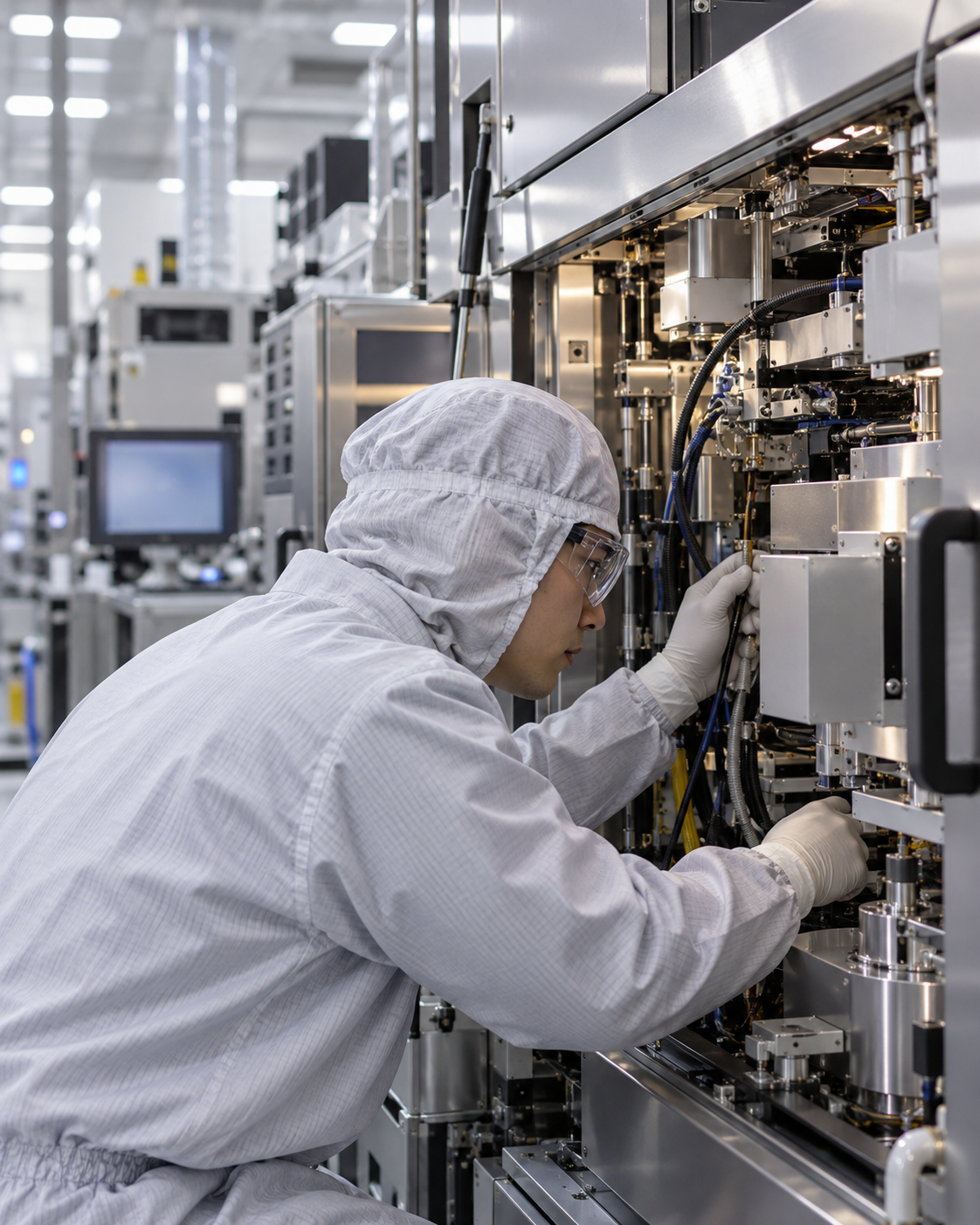
This quarter's gross profit margin was 66.4%, the operating profit margin was 58.7%, and the net profit margin was 51.1%. The gross profit margin is the percentage remaining after deducting costs directly related to product production. A higher margin indicates that production scale and price competitiveness are contributing to profitability.
However, it was 1.3 percentage points lower than the gross profit margin of 67.7% recorded in the previous quarter. It is possible for the company to have posted record profits while simultaneously seeing its profit margin decline slightly from the previous quarter. Expanding mass production of new processes may involve initial costs, and the mix of products being manufactured is constantly changing.
Rather than drawing conclusions about long-term profitability based solely on a single quarter’s profit margin, we need to examine how the cost structure will change as 2nm production volumes increase.
| What does an 8% share of the 2nm process represent?
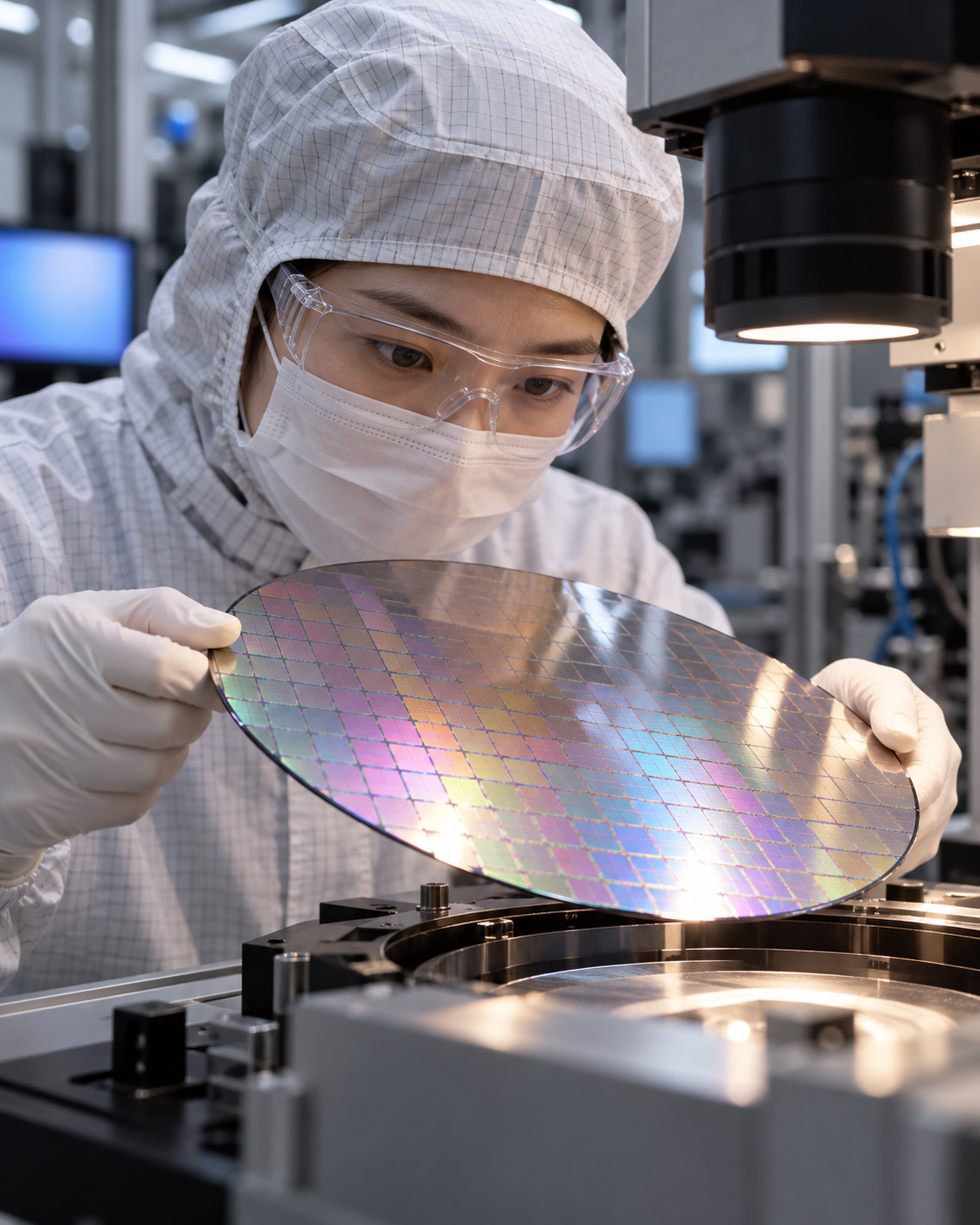
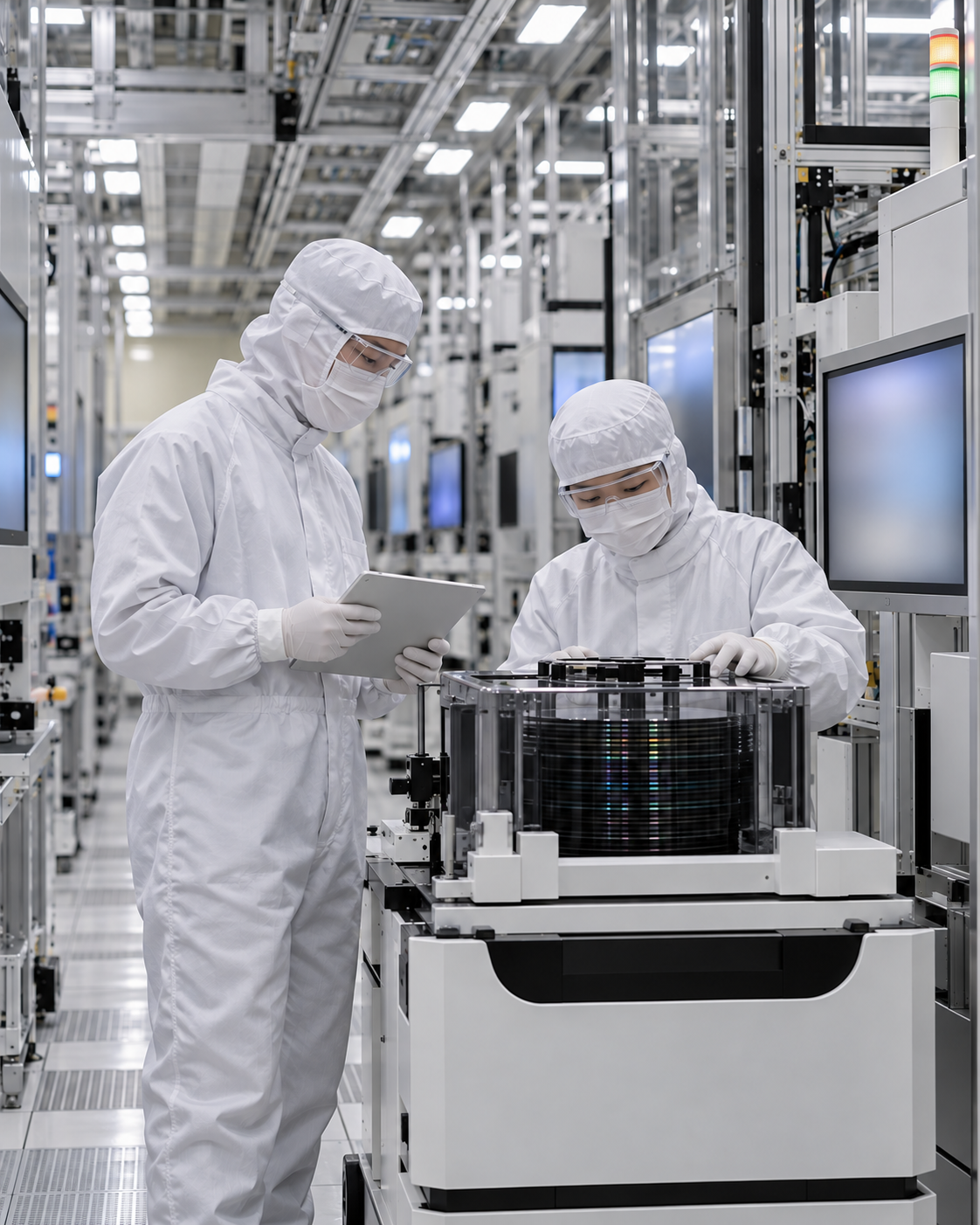
TSMC announced that its 2nm process accounted for 8% of its total wafer revenue in the third quarter. By the same measure, 3nm accounted for 33%, 5nm for 28%, and 7nm for 10%. The combined share of 7nm and more advanced processes was 79%.
Here, the 8% figure refers to the proportion of wafer sales, not the proportion of the company's total revenue accounted for by the 2nm process. Also, that doesn't mean all AI chips are manufactured using a 2nm process. There are limitations to directly converting the revenue share by process to the sales volume of specific products.
Nevertheless, it is important to note that the new process has moved beyond the pilot phase and has been validated through actual mass production revenue. This essentially provides a benchmark for consistently tracking the contribution of cutting-edge processes to performance.
| Demand for cutting-edge technology driven by AI and high-performance computing
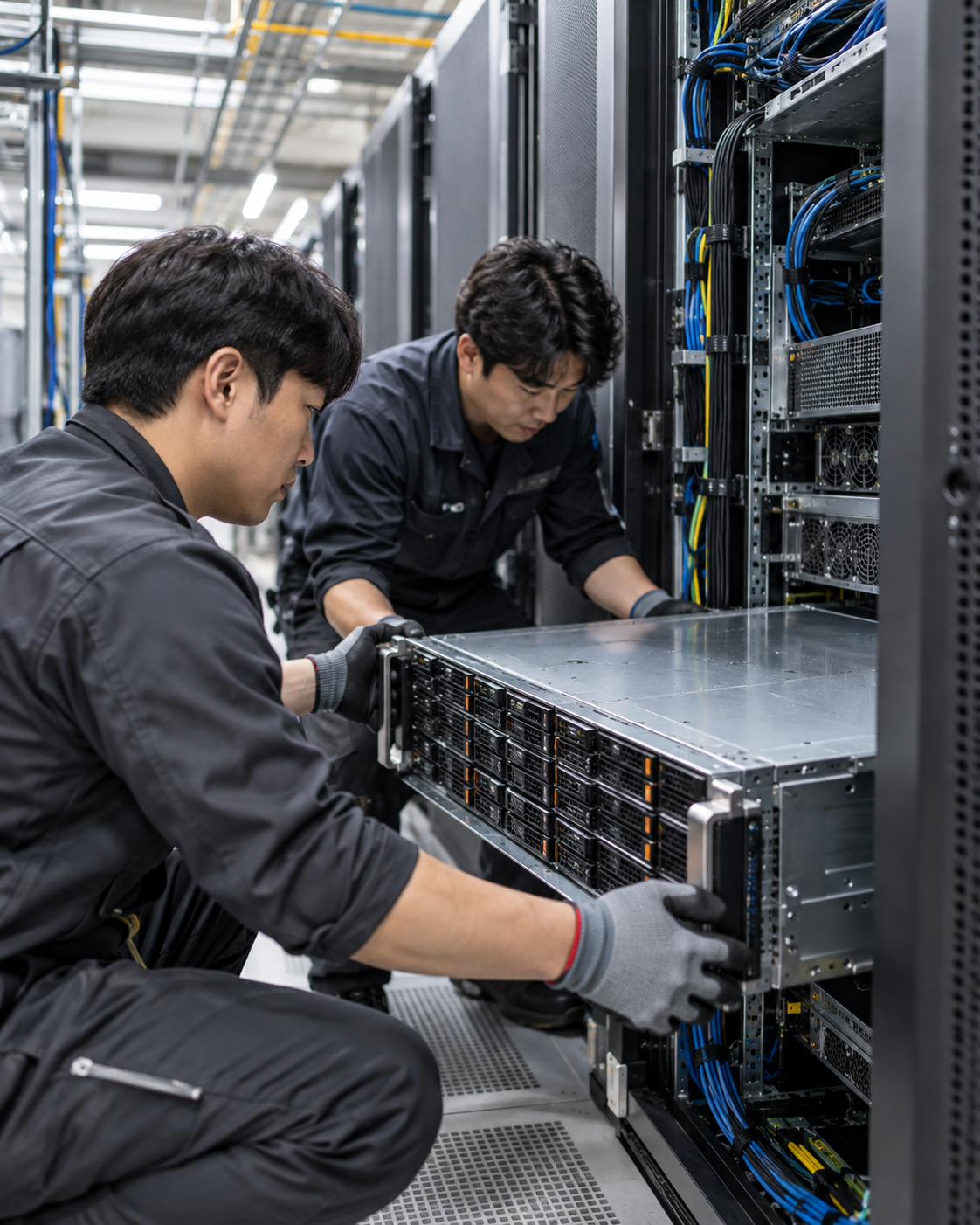
TSMC executives stated that strong demand for cutting-edge processes supported the company’s third-quarter performance. The market views accelerators for AI training and inference, as well as high-performance computing chips, as key drivers of this demand. As chips become more complex, they require higher performance and greater power efficiency, making cutting-edge manufacturing technology increasingly important.
However, demand from other customers—such as for high-performance application processors for smartphones—may also be included in revenue from leading-edge processes. If one equates the total revenue by process announced by TSMC with AI semiconductor revenue, it is easy to misunderstand the actual industry structure.
.
The key point is that final demand in the AI market is being reflected in financial results through manufacturers' orders and production. Going forward, the pace of investment and product replacement cycles among key customers could influence this trend.
| The fourth-quarter revenue forecast is not final.
TSMC expects fourth-quarter 2026 revenue of 52.3 billion...projected at $54.3 billion. At the same time, the gross profit margin is expected to be 65~They projected a revenue growth rate of 67% and an operating profit margin in the range of 56.5% to 58.5%. In particular, the company expects the rapid expansion of 2nm technology production to contribute to its business.
However, this is not revenue that has already been earned, but rather the company's projection based on current demand and exchange rates. The disclosure also includes an exchange rate assumption of 31.8 New Taiwan dollars per U.S. dollar. You must not present the earnings forecast as confirmed revenue or state that the upper end of the range has been achieved.
Actual fourth-quarter results may vary depending on changes in customer orders, factory production efficiency, supply chain conditions, and exchange rates. A key point to watch in the next earnings announcement will be where the results fall within the forecast range.
| The burden of $60 billion to $64 billion in capital expenditures
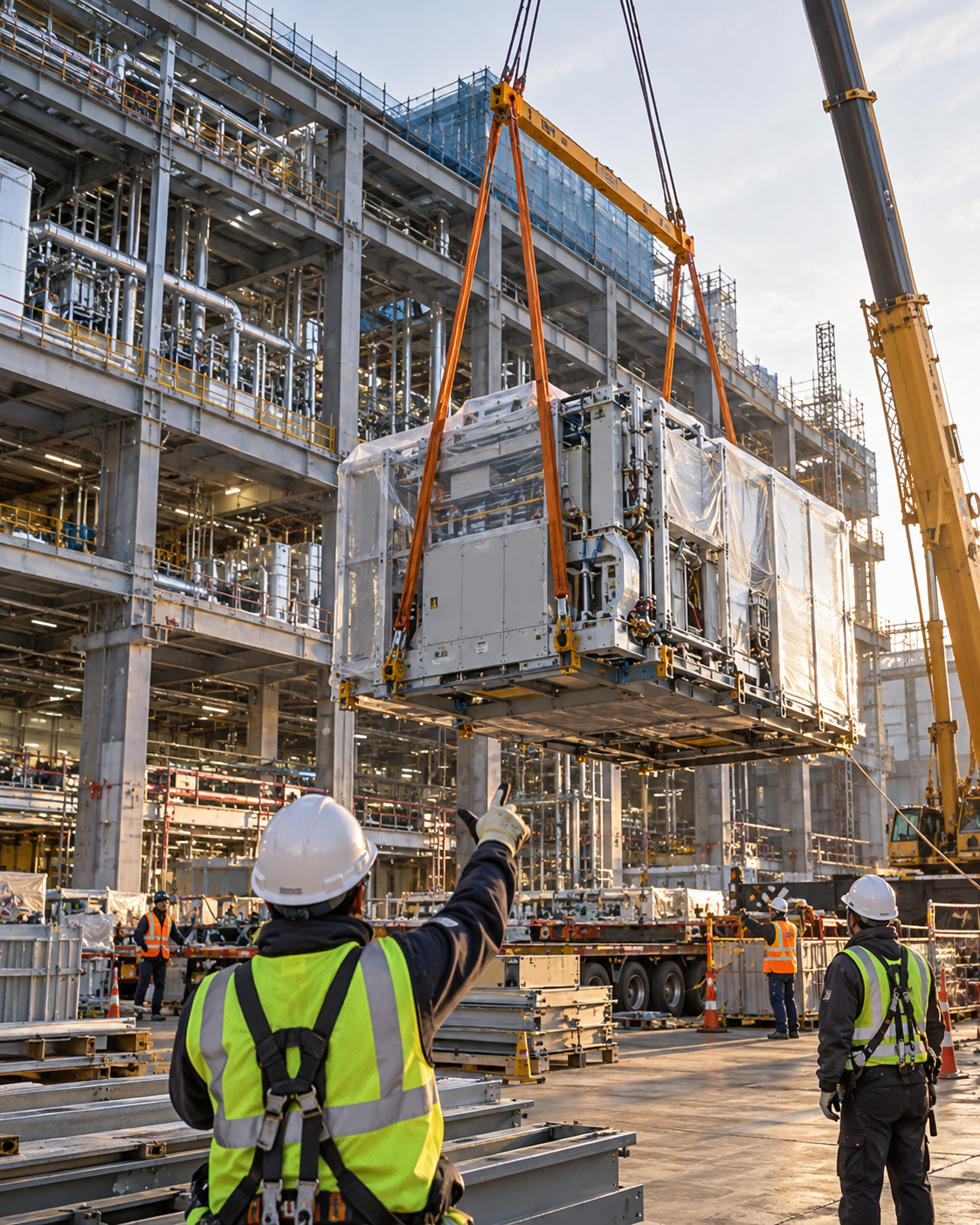
TSMC explained that it has maintained its 2026 capital expenditure plan at a level of $60 billion to $64 billion. Building cutting-edge semiconductor factories requires significant capital for construction and equipment procurement, and even after actual mass production begins, it takes time to improve production yields.
While massive investments can provide a competitive advantage by securing future supply capacity in advance, they can also increase the cost burden if demand forecasts prove inaccurate. Yield is the percentage of good products produced from the input wafers, and it is directly linked to cost competitiveness.
Future investment plans must translate into concrete results as construction of the factory begins, equipment is installed, and mass production of customer products is validated. One should not assume that all funds have already been allocated to production based solely on the announced investment amount.
| Manufacturing Competition, Including Samsung Electronics and Intel
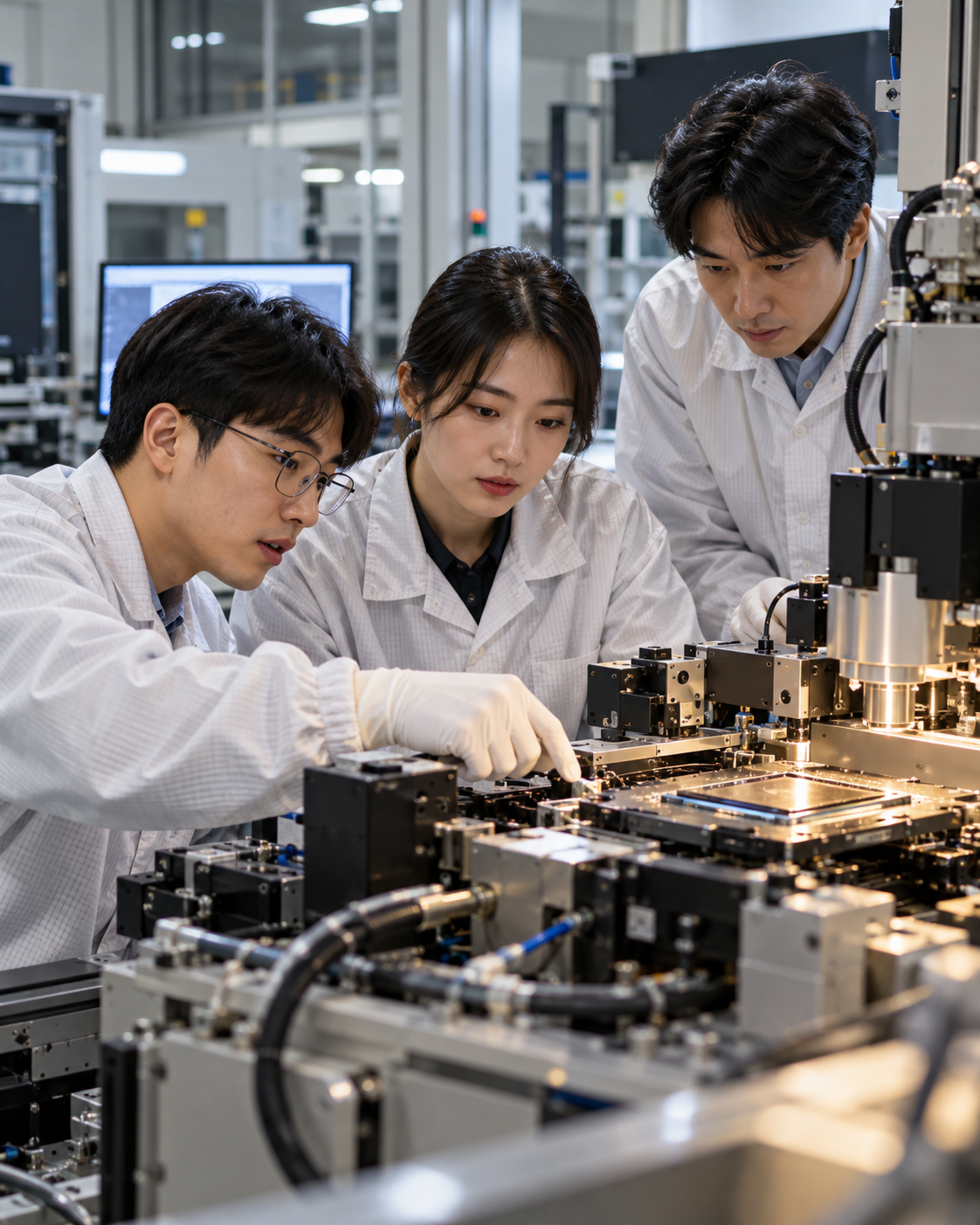
In the foundry market, stable yield, production capacity, design support, and delivery reliability are more important than any single process name. Since our clients spend a long time adapting their chip designs to the manufacturing processes at their factories, switching production partners isn't a simple matter.
The increase in TSMC’s revenue share from cutting-edge processes can be seen as evidence of the strengths of this ecosystem. However, given that competitors such as Samsung Electronics and Intel are continuing to develop new technologies and invest in new facilities, it would be premature to conclude that the long-term competition is over.
In particular, the latest manufacturing processes affect performance not only in terms of power efficiency but also in terms of packaging and memory interconnect methods. We must also track the speed at which expanded manufacturing capacity translates into increased shipments of finished products.
| What Should We Validate in the Next Quarter?
This announcement confirmed the final net income, profitability, 2nm share, and fourth-quarter outlook—details that were difficult to discern from the October 8 sales flash report alone. Even though the news pertains to the same quarter, it contains sufficient new information to warrant a separate analysis.
Going forward, we’ll need to monitor how much the revenue share from 2nm wafers increases, how profit margins fluctuate during the initial phase of the process transition, and whether capital expenditure plans translate into actual production capacity. We’ll also need to verify, based on customer orders and revenue, whether demand for AI-related products continues.
While these results show that the boom in AI infrastructure investment is translating into actual semiconductor manufacturing profits, High growth rates and sustainable profit margins are two different things. Next quarter's numbers will explain that difference.

Tags
#TSMC #Semiconductors #Foundry #2Nano #2nm #AI Semiconductors #Earnings Release #Taiwan Semiconductor #Data Center #Front-End Process #Capital Expenditures #Semiconductor Infrastructure