The focus of the AI competition is rapidly shifting from model performance to infrastructure and supply chains.
No matter how advanced an AI model may be, it’s difficult to significantly scale up services without the support of high-performance semiconductors, data centers, a stable power supply, and critical minerals.
Amid this, on August 2, Yonhap News summarized President Lee Jae-myung’s tour of San Francisco and three South American countries, highlighting AI cooperation with U.S. Big Tech and the expansion of supply chains for critical minerals from South America as major achievements.
To put it simply, the structure of this trip is as follows. The plan is to connect demand, technology, and capital for AI semiconductors in the U.S., and to expand mineral and energy supply chains in Brazil, Chile, and Argentina.Wow.
In that case, South Korea’s Global AI Semiconductor Hub StrategyJust how far has it actually come?
| The focus of this announcement isn't just on semiconductors
The government's vision is that it will not remain merely a major exporter of memory semiconductors.
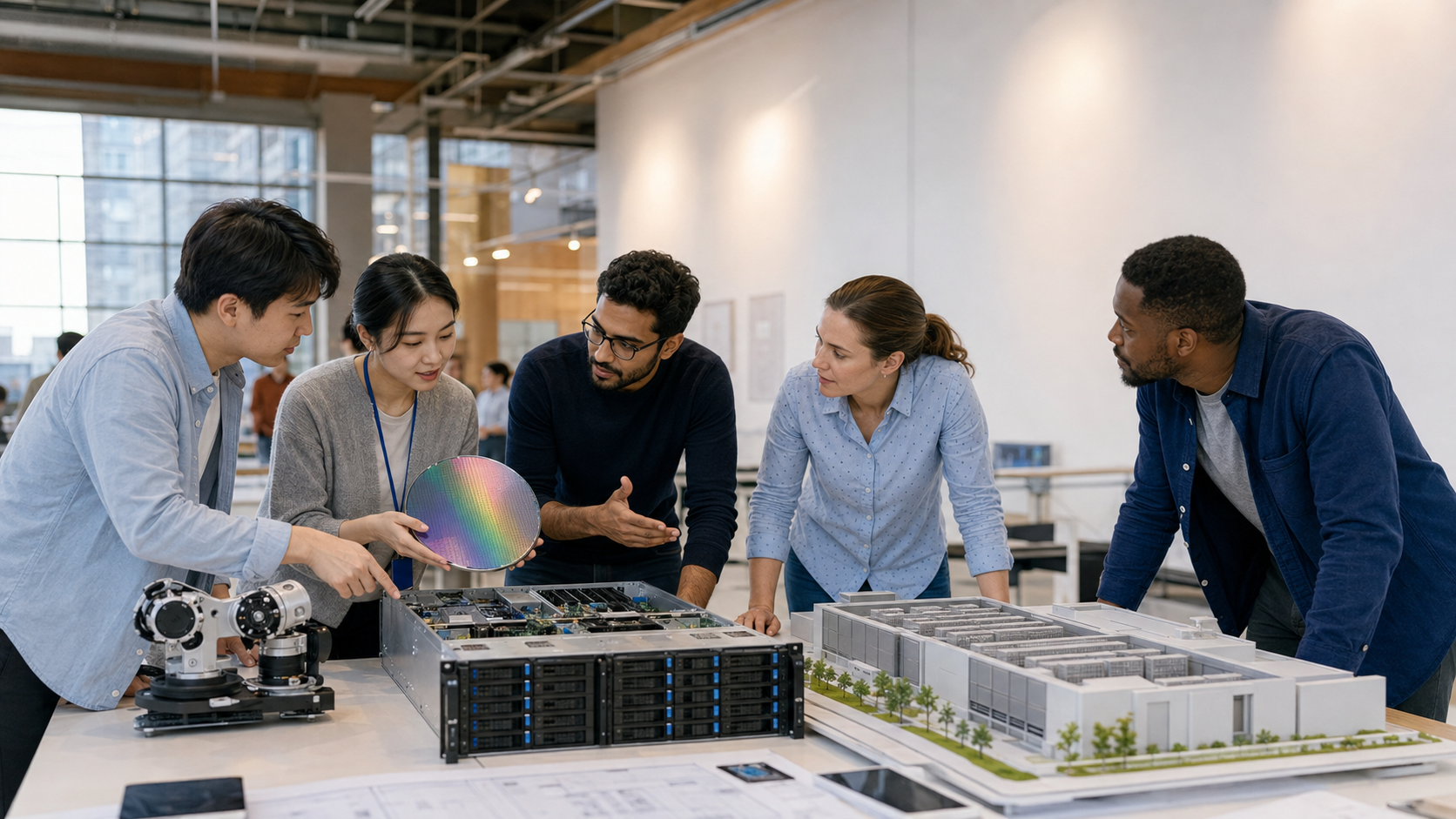
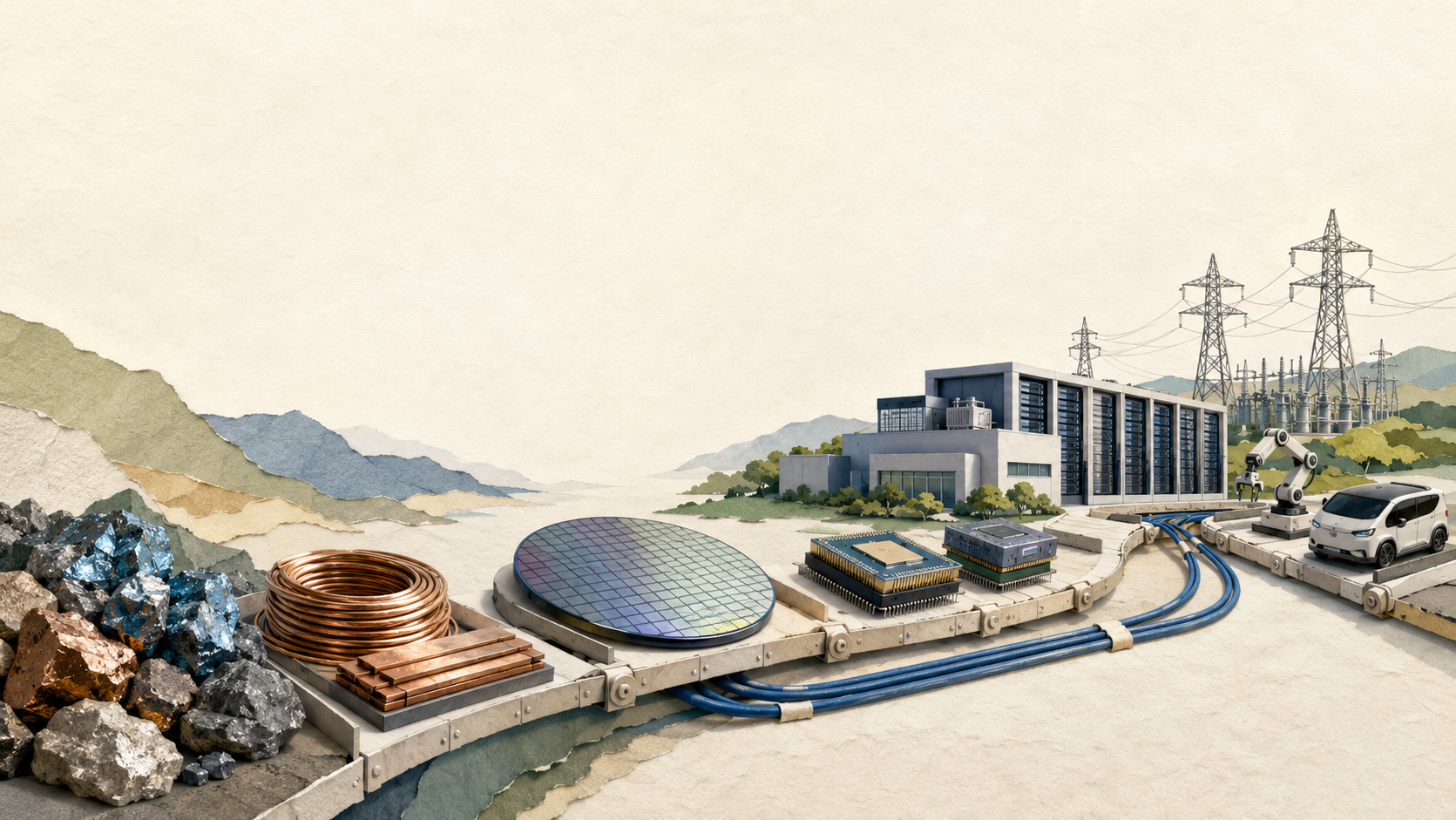
AI supply chains can be broadly categorized into Semiconductor manufacturing, AI data centers, power and cooling infrastructure, AI models, physical AI such as robots and autonomous vehicles, and the supply chain for critical minerals that provide raw materials...leading to.
South Korea is aiming to become a hub that connects U.S. companies’ AI technology, demand, and investment with South American resources, while focusing on its strengths in memory semiconductors and manufacturing. The Blue House stated that this visit “A turning point in moving beyond being a supplier of memory semiconductors to becoming a central pillar of the global AI supply chain”That's why I explained it that way.
However, it would be more accurate to view this as a stage where a framework for cooperation with various companies and countries has been established, rather than a stage where the hub is fully developed.
| In the U.S., they linked Big Tech's demand with technology
In San Francisco, executives from global AI companies—including Jensen Huang of NVIDIA, Hock Tan of Broadcom, Sam Altman of OpenAI, and Dario Amodei of Anthropic—gathered alongside leaders from major South Korean companies.
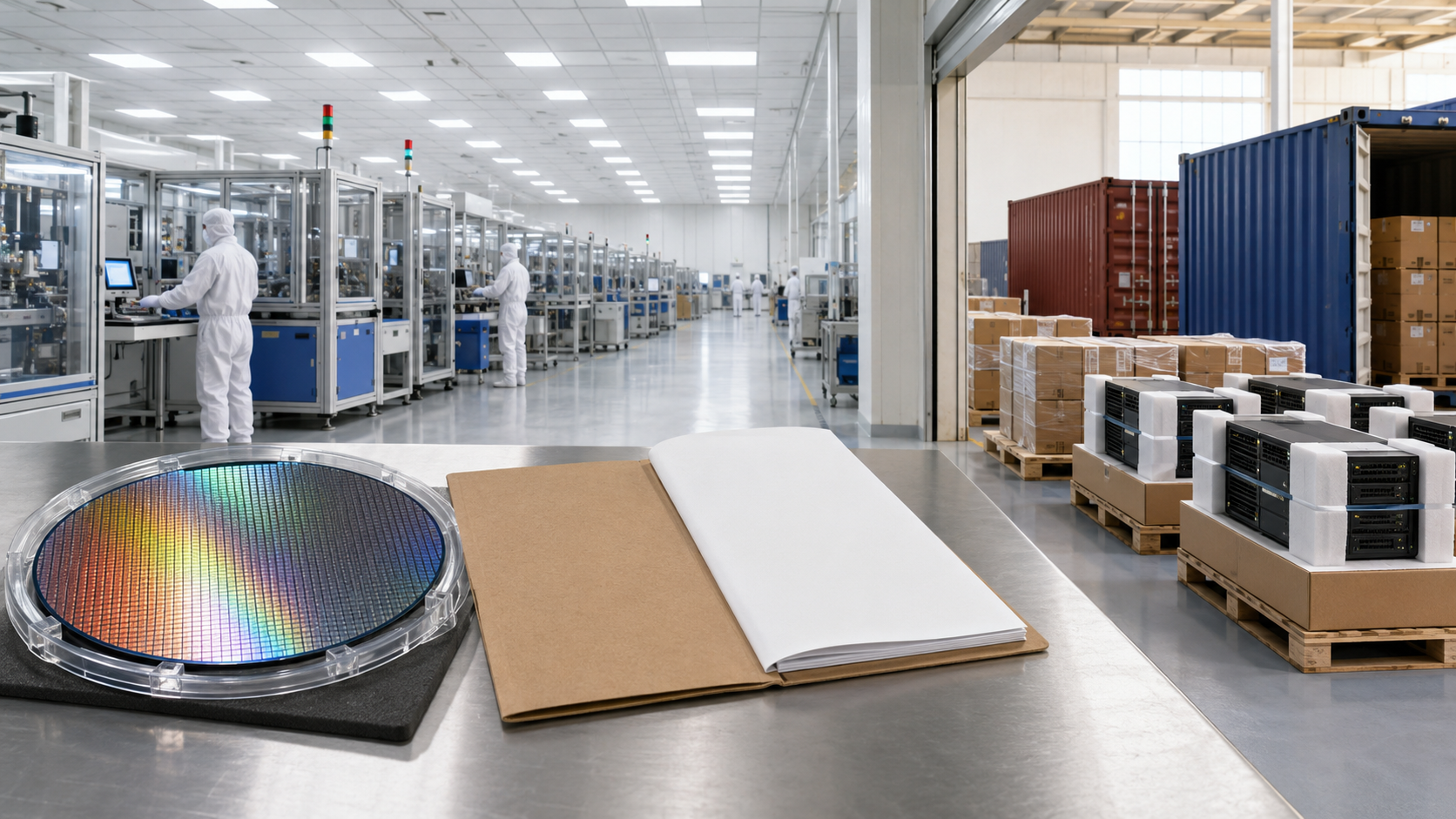
The scope of the collaboration wasn't limited to just semiconductor sales.
Samsung Electronics and Broadcom have agreed to collaborate on the supply of advanced memory and AI chip foundry services.
SK has agreed to enter into a long-term supply partnership with global tech giants, including NVIDIA, for advanced memory.
The Ministry of Science and ICT and AMD have agreed to collaborate on the joint development and demonstration of AI computing infrastructure that connects domestically produced NPUs with AMD's CPUs and GPUs.
Hyundai Motor Group and NVIDIA have agreed to jointly establish a robot development and validation platform that universities and startups can also use.
Samsung SDS and Anthropic have entered into a strategic partnership to explore new AI markets and train engineers.
In other words, this isn't just a simple transaction where South Korea supplies semiconductors and the U.S. provides AI models; rather, it means the scope of cooperation has expanded to include everything from chip design and production to data centers, services, and robots.
| $950 billion in cooperation: We need to look closely at what these numbers really mean
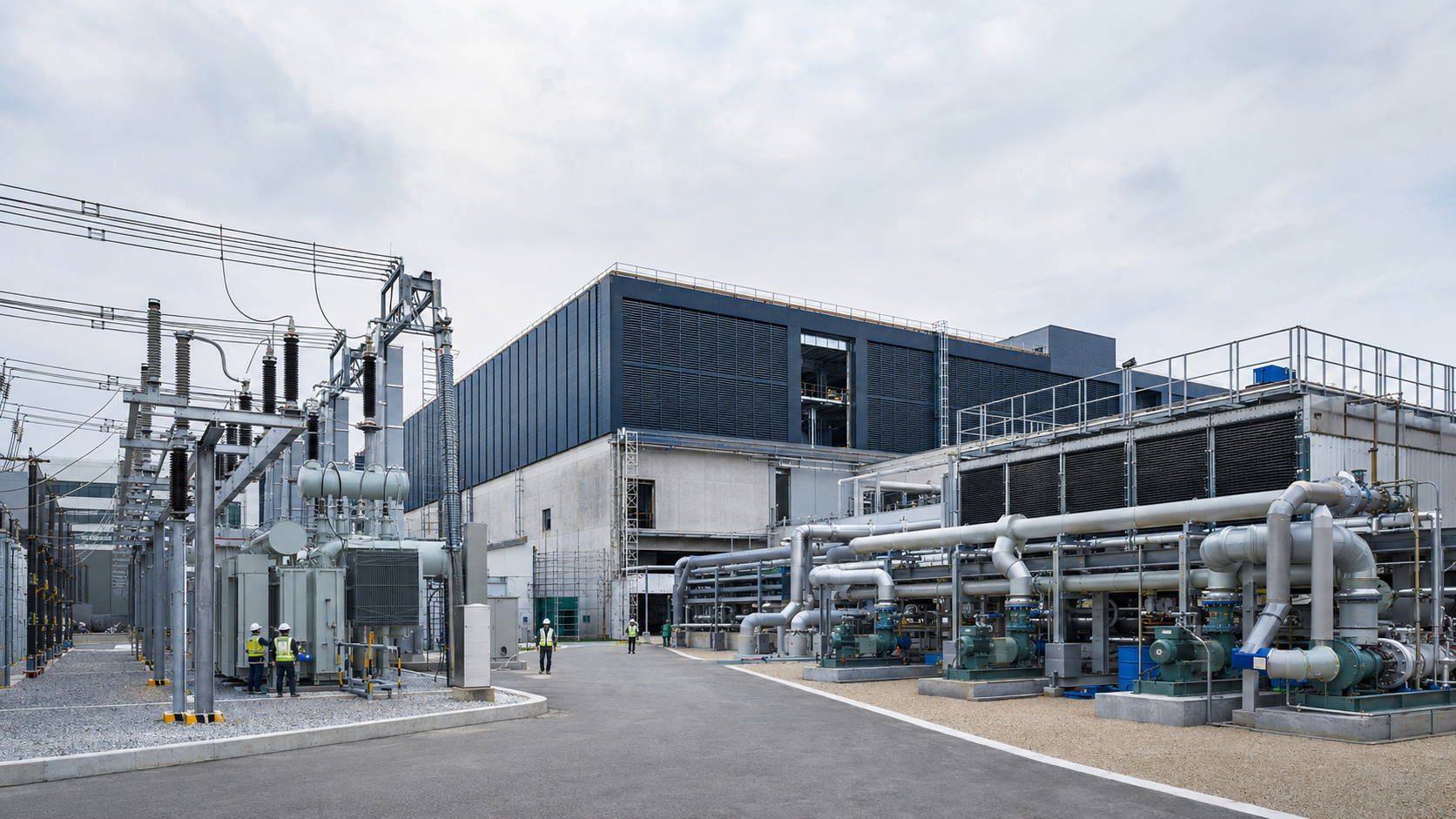
The most striking figure is the amount that domestic companies and global Big Tech firms have committed to investing over the next five years Semiconductor cooperation totaling $950 billion, or approximately 1,375 trillion wonWow.
|
Category |
Disclosed Information |
Current Stage |
|
Samsung Electronics and Broadcom |
A $200 billion supply of advanced memory over five years and collaboration on AI chip foundry services |
Signing of a Memorandum of Understanding |
|
SK, NVIDIA, and others |
A long-term partnership for the supply of advanced memory chips worth $750 billion over five years |
Promoting Cooperation |
|
Total |
$950 billion over five years |
Step-by-Step Implementation Required |
The government described this as a form of cooperation in the nature of a long-term purchase agreement. It is significant in that it has laid the groundwork for securing future demand for AI semiconductors.
However, this does not mean that 1,375 trillion won has already been paid in a single lump sum or has been immediately recognized as revenue. According to the disclosed information, the Samsung Electronics and Broadcom deals are memorandums of understanding, and the SK deal is also just the first step toward establishing a long-term supply partnership.
We’ll need to wait until the actual contract volume, delivery schedule, product mix, and pricing terms are finalized before we can assess the true value of these figures.
| The scope has expanded to include AI data centers and even physical AI
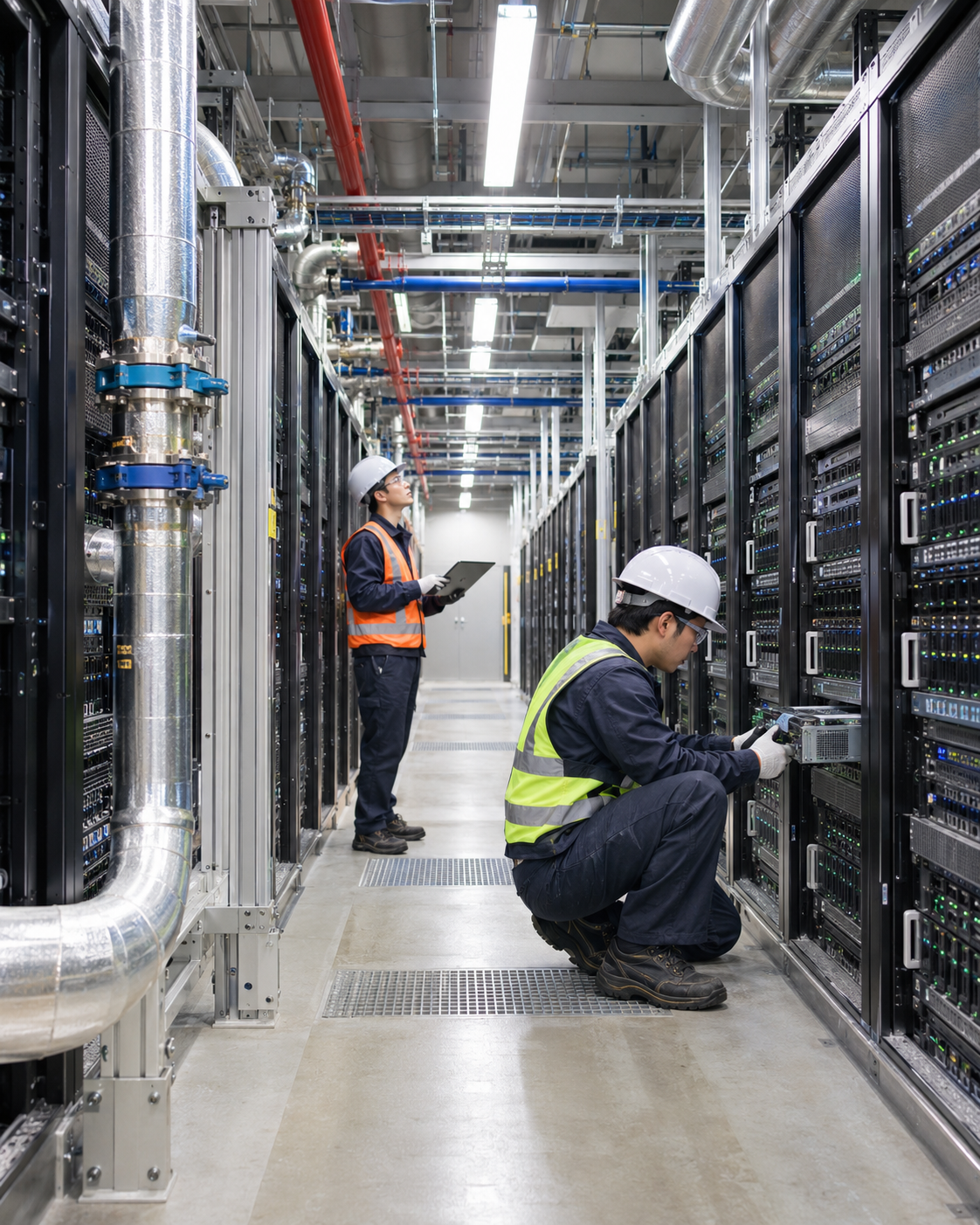
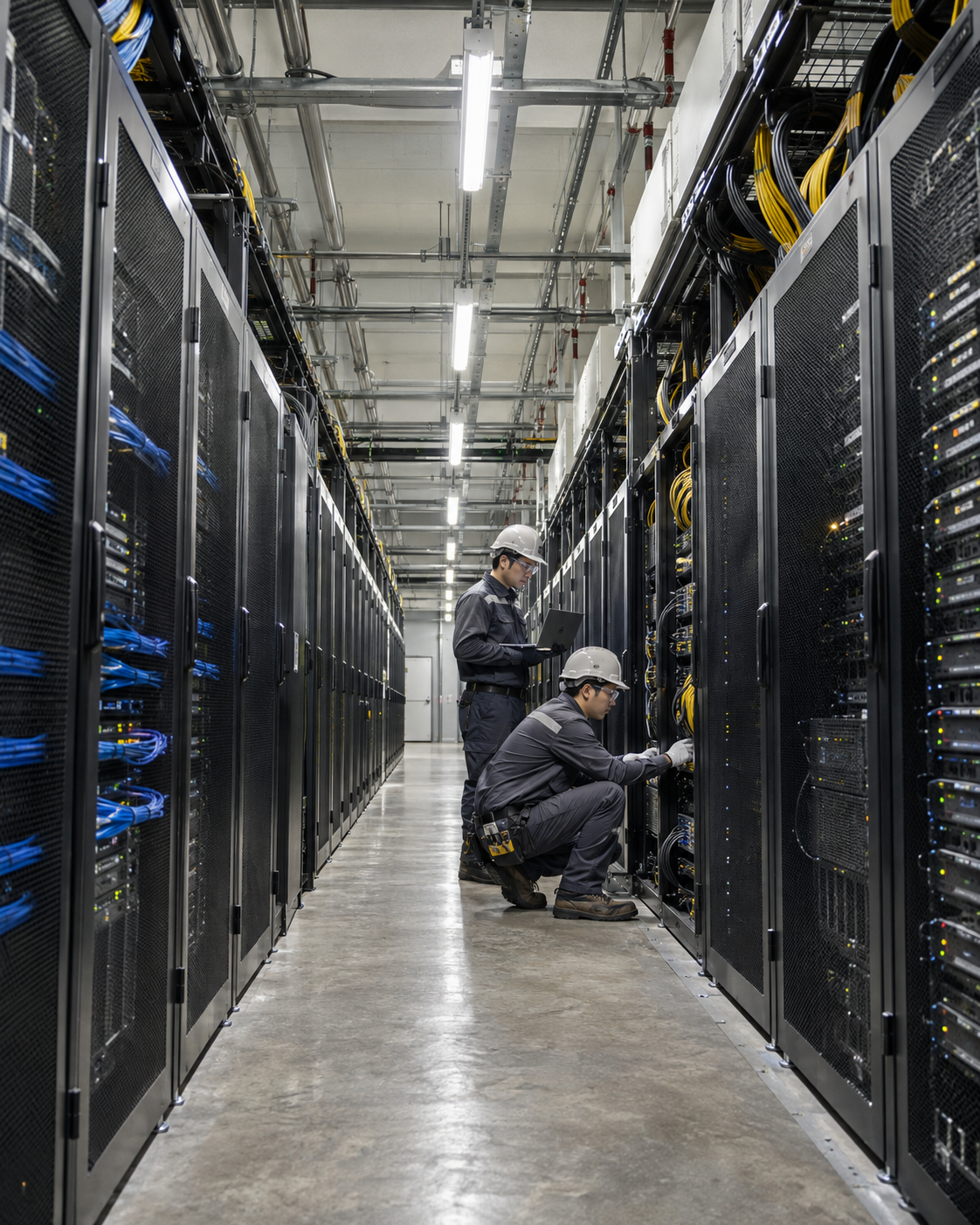
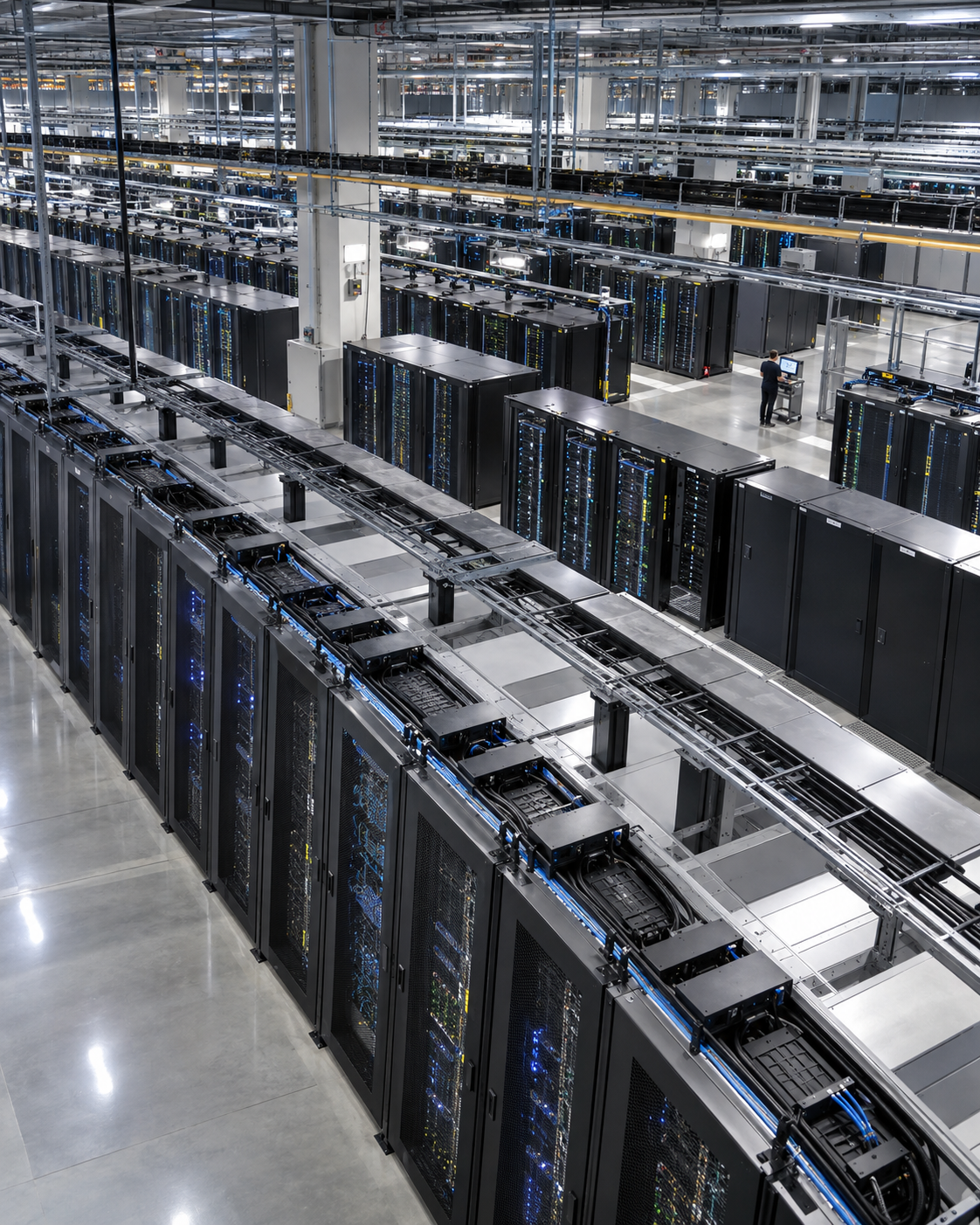
AI semiconductors must be installed in data centers to translate into actual services. That is why data centers were treated as a separate key pillar in this partnership.
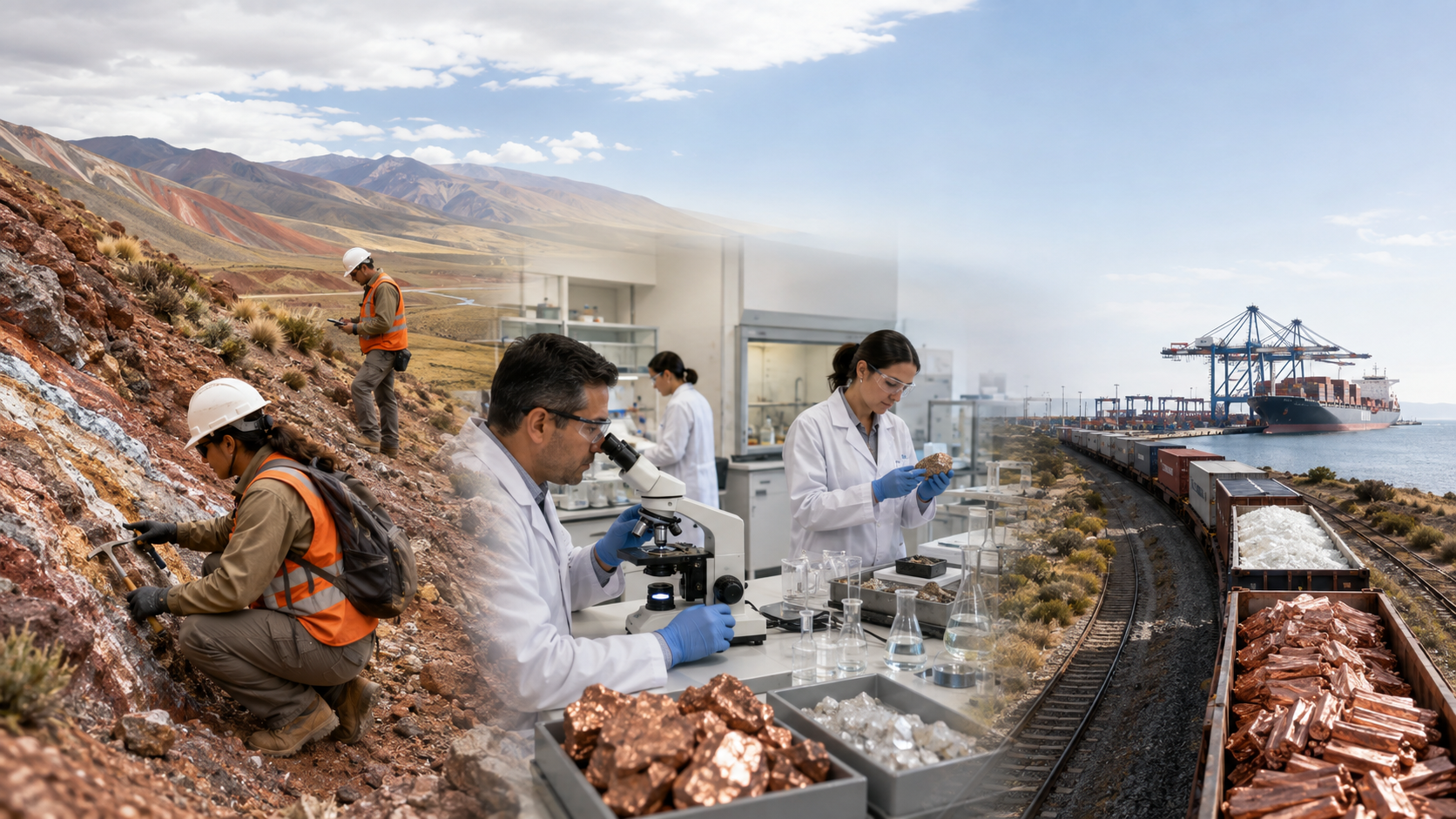
According to a government announcement, domestic companies and global Big Tech firms have agreed to collaborate on investments in AI data centers totaling approximately 5 GW—equivalent to about 2 million GPUs based on the NVIDIA B200 model.
SK Telecom has agreed with NVIDIA to build and expand data centers with a capacity of up to 2 GW and to receive priority allocation of the next-generation Vera Rubin system. The company is also pursuing investment and collaboration with Anthropic on a GW-scale project in South Korea, and plans to expand its partnership with AWS—which began in Ulsan—to other major hubs across the country.
Naver has decided to build a global AI factory with a total investment of $10 billion, backed by a $1 billion investment from NVIDIA and up to $9 billion in funding from Brookfield.
On top of that, there’s collaboration in physical AI, such as robotics and autonomous driving. South Korea is not just a chip manufacturing hub, but A strategy to take charge of everything from testing AI to operating it in industrial settingsIt can be seen that...
| We have expanded our supply chain for critical minerals in three South American countries

If the U.S. itinerary was a process of securing AI technology, demand, and capital, then, The South American itinerary is part of the process of diversifying the supply chains for the resources and energy needed to support this effortis close to.
|
Country |
Key Resources |
The cooperative framework established this time |
|
Brazil |
Key minerals, such as rare earth elements |
Joint Statement on Critical Strategic Minerals: Identifying Opportunities for Cooperation and Investment Across the Entire Supply Chain |
|
Chile |
Copper and Lithium |
MOU on Mineral Resources Partnership: Cooperation in Exploration, Development, Processing, Smelting, Recycling, Trade, and Investment |
|
Argentina |
Lithium and Copper |
MOU on Cooperation in Critical Minerals: Sharing Relevant Information and Promoting Corporate Investment and Joint Projects |
In particular, with Chile, we agreed to elevate the existing Resource Cooperation Committee to the ministerial level and to establish a new director-general-level working-level channel. We won’t stop at simply purchasing minerals, but rather Collaboration across the entire value chain, from exploration to processing and recyclingThat's what it says.
In Argentina, the local government reaffirmed its commitment to supporting the Saldeoro lithium development project being led by a domestic company. With Brazil, the two sides agreed to seek opportunities for cooperation and investment across the entire supply chain for critical minerals, including rare earth elements.
| Why Are Critical Minerals Linked to the AI Supply Chain?
Just because they're called "critical minerals" doesn't mean they all go directly into AI chips. They each play a different role.
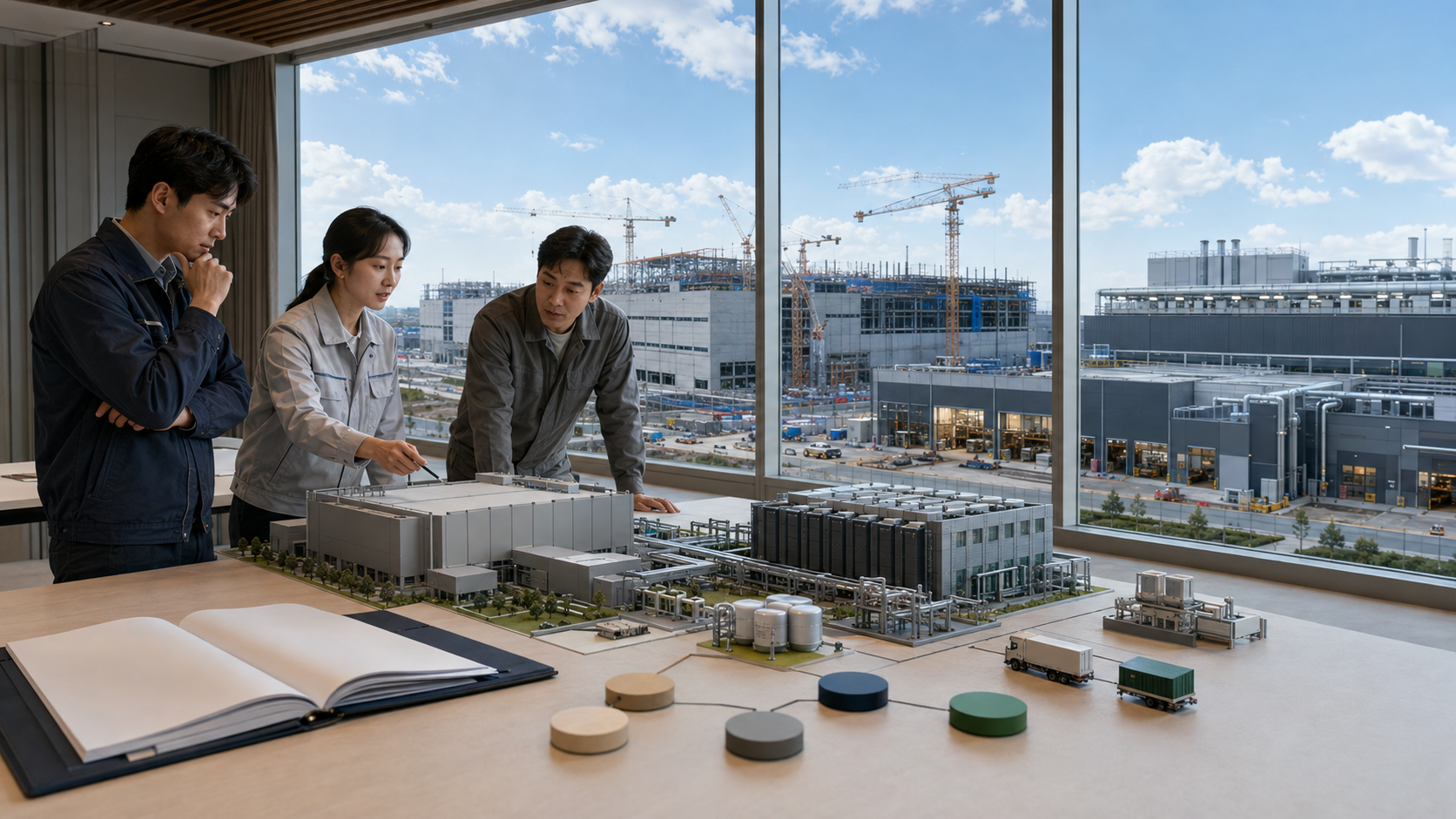
CopperIt is widely used in large-scale electrical infrastructure, such as data center power grids, transformers, cables, and cooling systems. LithiumIt is important for batteries and energy storage systems that ensure the power stability of data centers, and Rare Earth ElementsIt is used in power equipment, motors, and various types of advanced electronic devices.
As AI data centers grow larger, securing a stable supply of power, equipment, and raw materials becomes just as important as securing semiconductors. If a project relies too heavily on supplies from a specific country or region, the entire project could be jeopardized in the event of export controls, conflicts, or logistics disruptions.
The reason South Korea is establishing long-term cooperation channels with South America is not simply to purchase more resources, but rather, To diversify our suppliers and spread the riskNow.
| From now on, what we need to focus on is “execution.”
This collaboration is significant because it simultaneously connects South Korea’s memory and manufacturing capabilities with the U.S. AI ecosystem and South America’s resource supply chains. Domestic semiconductor companies gain the opportunity to secure long-term demand, while data center operators can expand their GPU and investment partnerships. It also opens up the possibility of increased domestic AI computing resources for startups and research institutions.
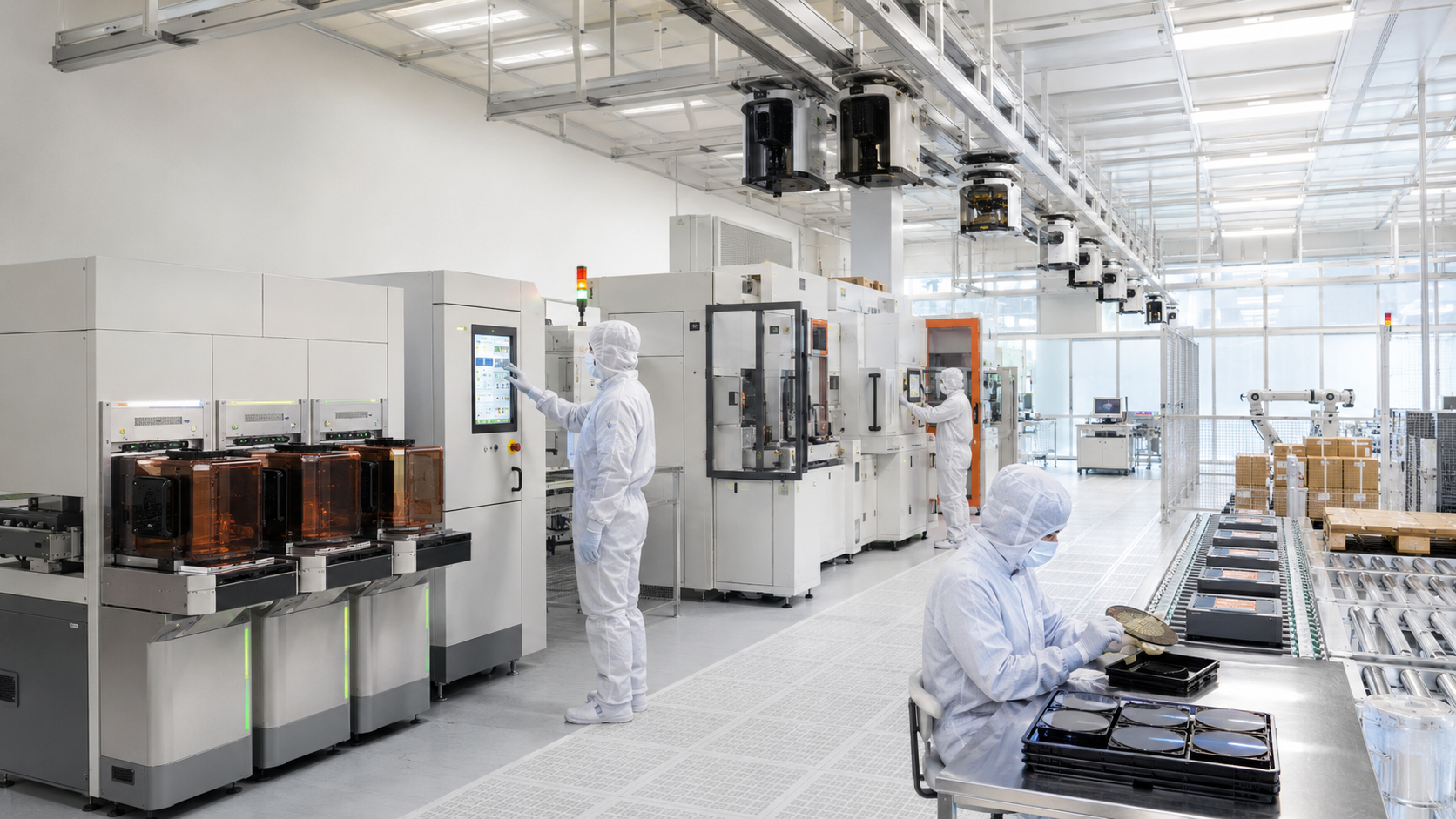
However, we’ll need to keep an eye on the following four factors to see whether these major announcements actually translate into industrial competitiveness.
To what extent do memorandums of understanding translate into binding main contracts and actual orders?
Will specific details regarding the data center’s site, power supply, transmission grid, cooling, and permitting plans be disclosed?
Whether mineral cooperation in South America leads to long-term purchase agreements and joint development, processing, and recycling projects
Will the expansion of GPUs and data centers lead to an environment where domestic startups, universities, and general businesses can also utilize them?
In particular, the plan for a 5GW-class data center is a large-scale project that requires resolving issues ranging from power supply to local acceptance. Rather than judging its success solely based on the number of GPUs or the amount of investment, we need to consider the actual start of construction and the timing of operations, as well as the benefits it will bring to the domestic industry.
| Conclusion
This tour of the U.S. and South America is noteworthy because it marks an expansion of South Korea’s AI strategy from semiconductor production to the entire supply chain.
In the U.S., it has connected the demand, technology, and capital of global Big Tech, while in South America, it has expanded supply chains for resources such as copper, lithium, and rare earth elements. The biggest change is that it has integrated semiconductors, data centers, physical AI, and critical minerals into a single ecosystem.
However, rather than saying that the “global AI hub has been completed,” we’re currently at a stage where the contracts and collaboration channels needed to build the hub are just beginning to take shape in earnest. The real measure of success will be how much of the announced funding actually translates into actual orders, investments, and data center operations.
References
Policy Briefing: President Presents Vision for a Global AI Hub to the International Community
Blog: Naver and NVIDIA's Korean AI Factory | 100,000 GPUs, 200 MW
#AI Semiconductors #AI Semiconductor Hub #AI Supply Chain #NVIDIA #Broadcom #Data Center #Critical Minerals #Semiconductors #Artificial Intelligence #IT News