The competition in generative AI is shifting from the screen to the real world.
While we looked at trends in the domestic physical AI sector yesterday, today there was a development that highlights movements in the global market. A Chinese company specializing in humanoid and quadruped robots UnitreeUpon its listing on the Shanghai STAR Market, the stock price on the first day Well over five times the offering price That's right.
This IPO goes beyond the success of a single robotics company; it signals that the capital markets are embracing humanoid robots "The Next Industry After AI"This scene can be seen as showing just how highly they regard him.
※ Stock prices are based on the closing prices at the end of regular trading on August 19, 2026.
| Offering price: 150.8 yuan, intraday 1,100 yuanup to
Unitree's initial public offering price is 150.8 yuanThat was the case. However, on its first day of trading, the stock opened at 1,100 yuan and closed the morning session at 883.87 yuan. It subsequently gave back some of its gains, but The closing price during regular trading hours was 845 yuan...was the total.
Compared to the offering price A price increase of 460.34%Interest rates and stock prices are currently low 5.6 timesHey. Based on the closing price, the company's market value is also about $50 billionIt has reached that point. In effect, the valuation—which was approximately $9 billion at the time of the offering—has been significantly reassessed in just one day.
Unitree raised approximately 6.1 billion yuan—more than 1 trillion won—by issuing about 40.45 million new shares. The fact that subscriptions from individual investors exceeded the offering by more than 8,000 times underscores the enthusiasm for robo-investing in the Chinese market.
| Why Unitree Stands Out from Other Robot Startups
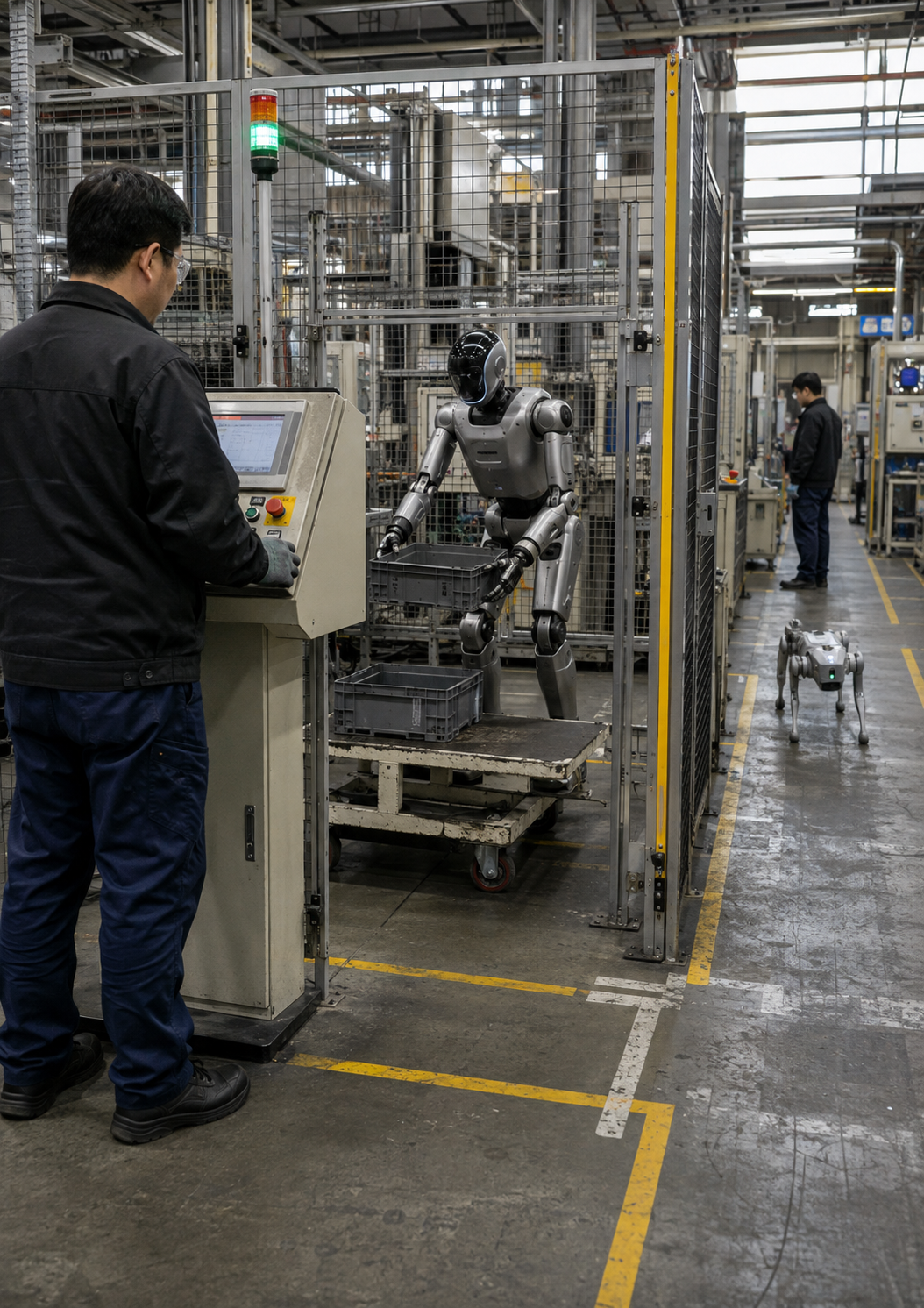
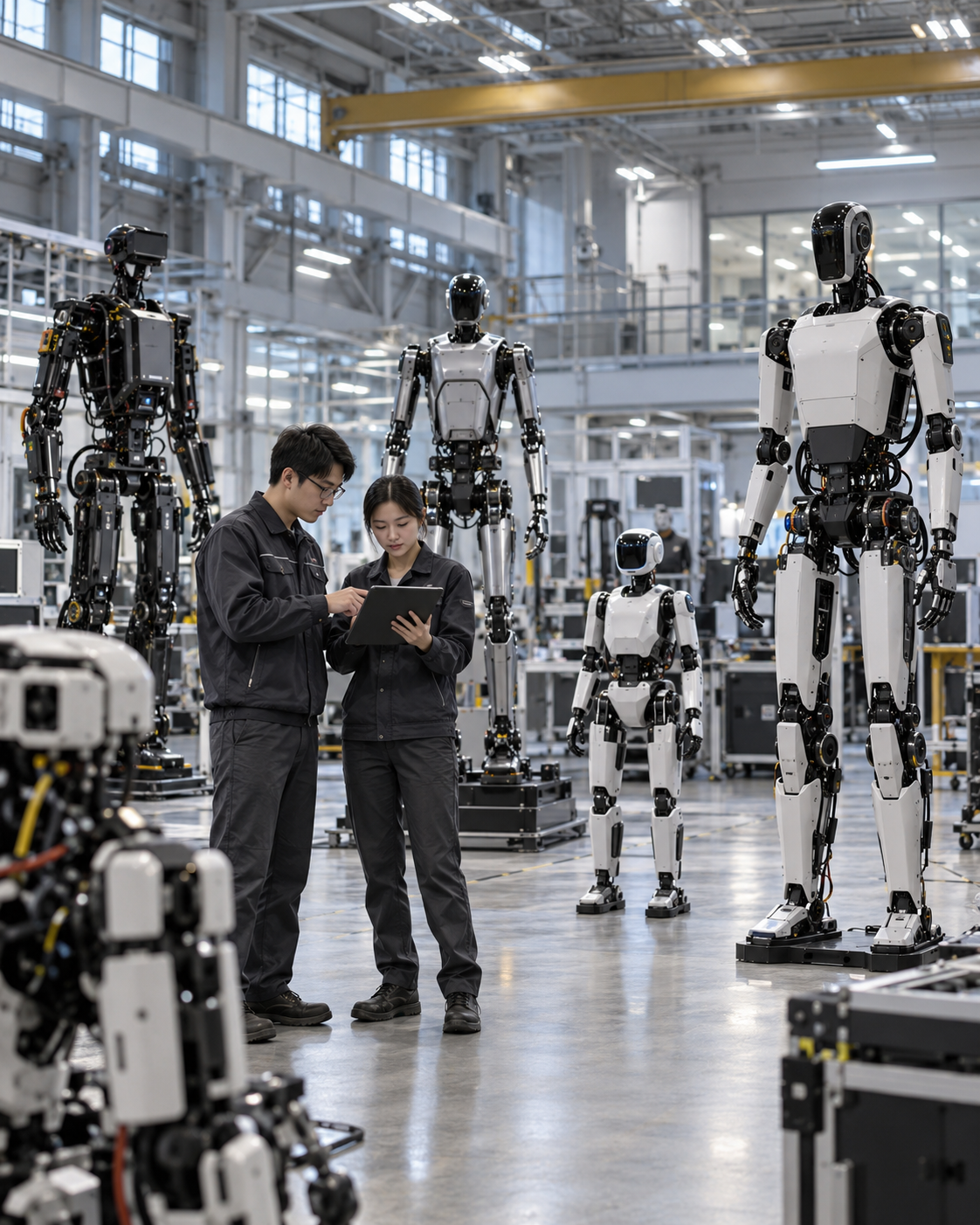
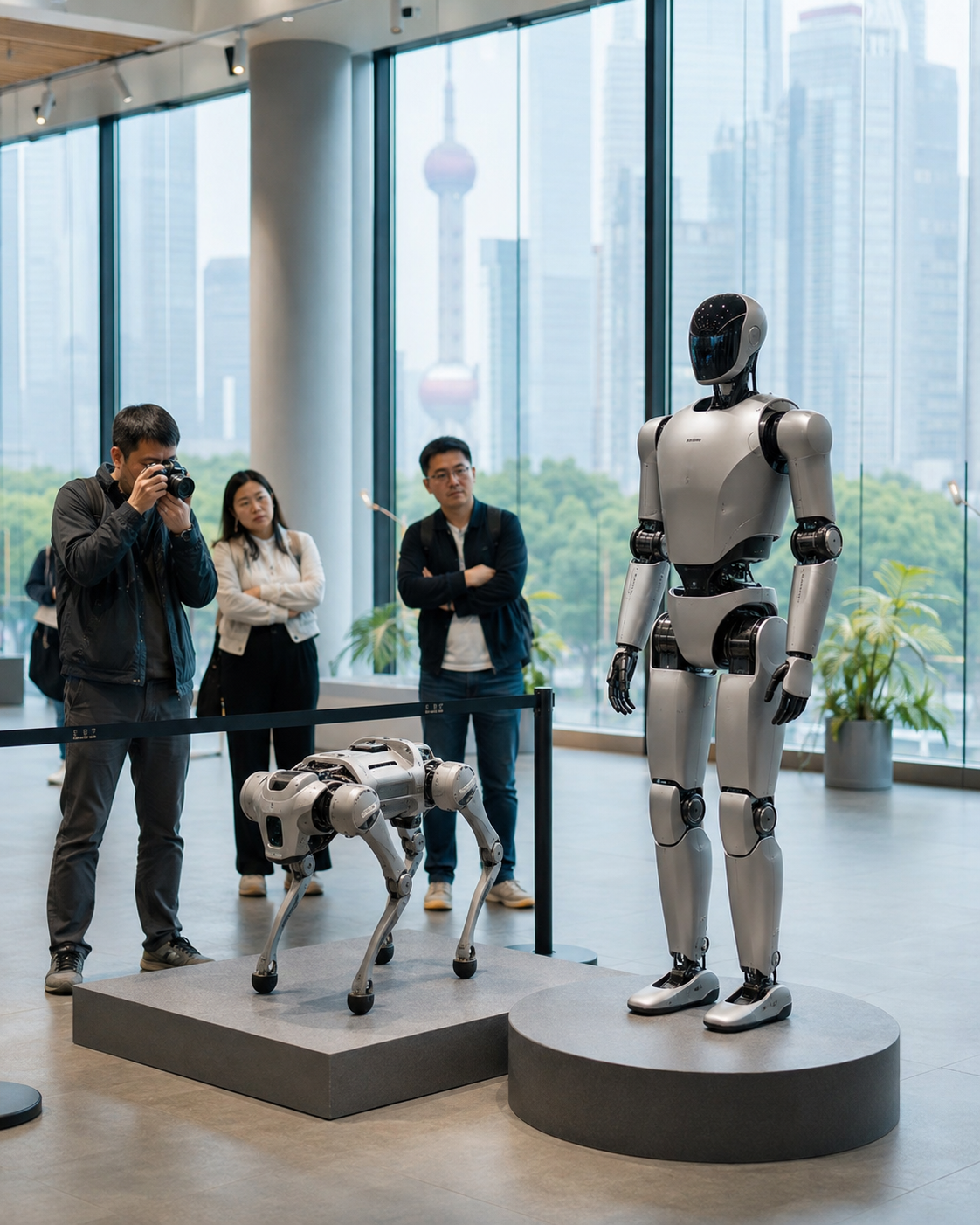
Unitree is a company that has been developing not only humanoids that walk like humans but also quadruped robots that move on four legs. While it made a name for itself among the public with spectacular demonstrations such as dancing and martial arts, what really caught the market’s attention was Actual sales and production experienceWow.
The company's revenue for 2025 is approximately 1.7 billion yuan...which is more than four times higher than the previous year. Of this total, sales of humanoid robots amounted to approximately 867.8 million yuanIt has become the company's largest business, surpassing its four-legged robots. The fact that Unitree is turning a profit—while most humanoid robot companies are operating at a loss due to R&D costs—is also cited as a key differentiator.
In other words, Unitree is A company that has gone a step beyond the prototype demonstration stage to mass-produce and sell robotsWow. That's why the capital market has assigned such a high premium.
| Shipments Have Skyrocketed, but Commercialization Is Still a Way Off
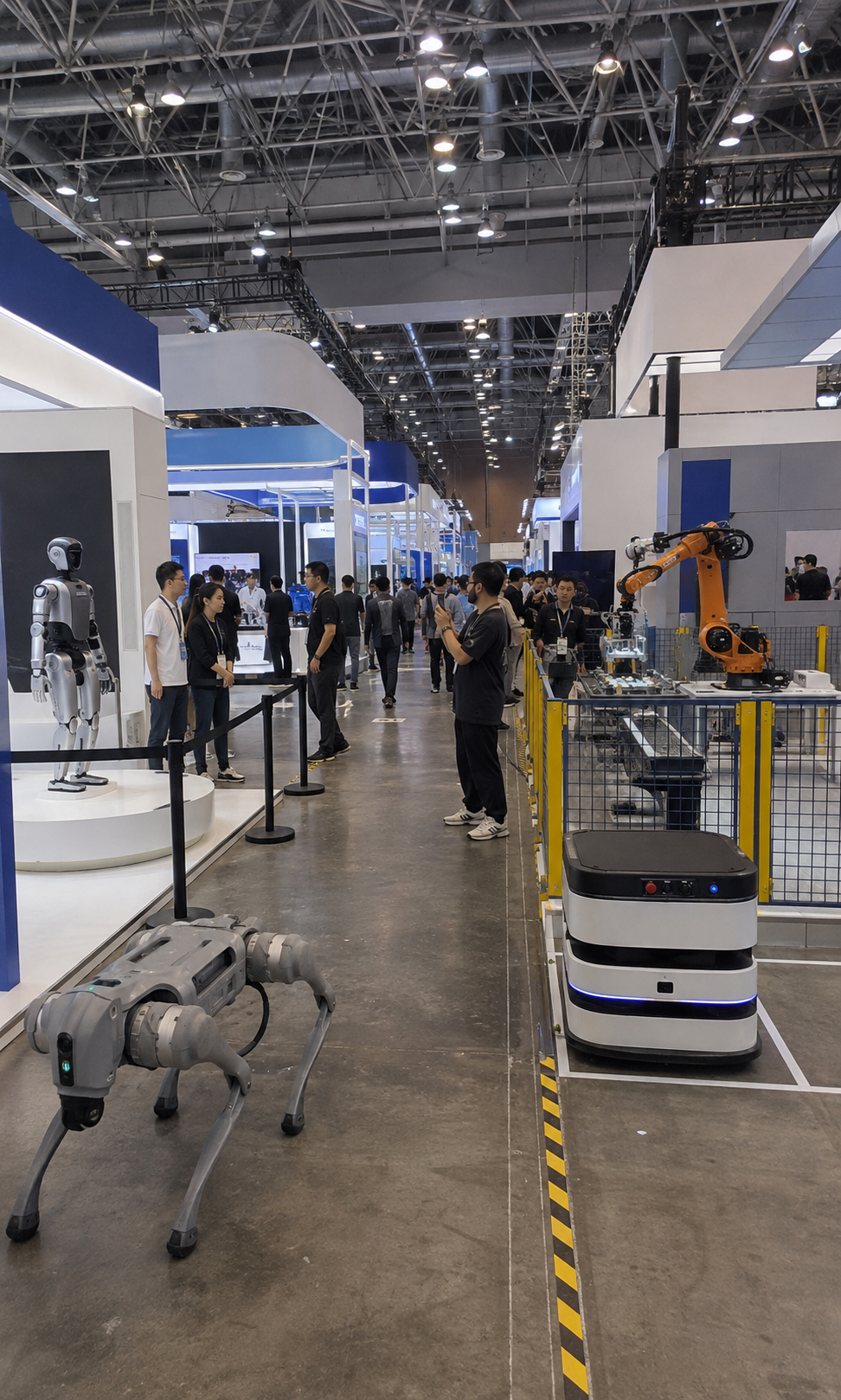
The market is clearly growing at a rapid pace. According to Smart Analytics Global, global humanoid robot shipments in the first half of 2026 are expected to reach approximately 19,100 unitsSo, compared to a year ago, 272% It has increased. Chinese companies accounted for more than 97% of this total.
However, the 19,100 units do not represent shipments to China, but rather Global ShipmentsWow. Since Chinese companies supplied the majority of the products, it's easy to confuse the two figures.
By company, AGIBOT accounted for 44% of the market with approximately 8,400 units, followed by Unitree with approximately 5,900 units and a 31% market share. Judging by shipment volumes alone, it already appears that the market is growing rapidly.
However, just because the sales channels are classified as industrial or commercial doesn't mean that all robots are immediately performing tasks as productively as humans. An analyst quoted by Reuters said that 50 to 70 percent of the humanoids produced this year are I thought there was a chance I'd be assigned to a "data factory" to collect motion data rather than working on actual paid projects. Right now, rather than the number of units shipped, How long and how accurately it can operate without human interventionThat's the more important step.
| China's Pace, as Demonstrated by the Beijing Robot Exhibition
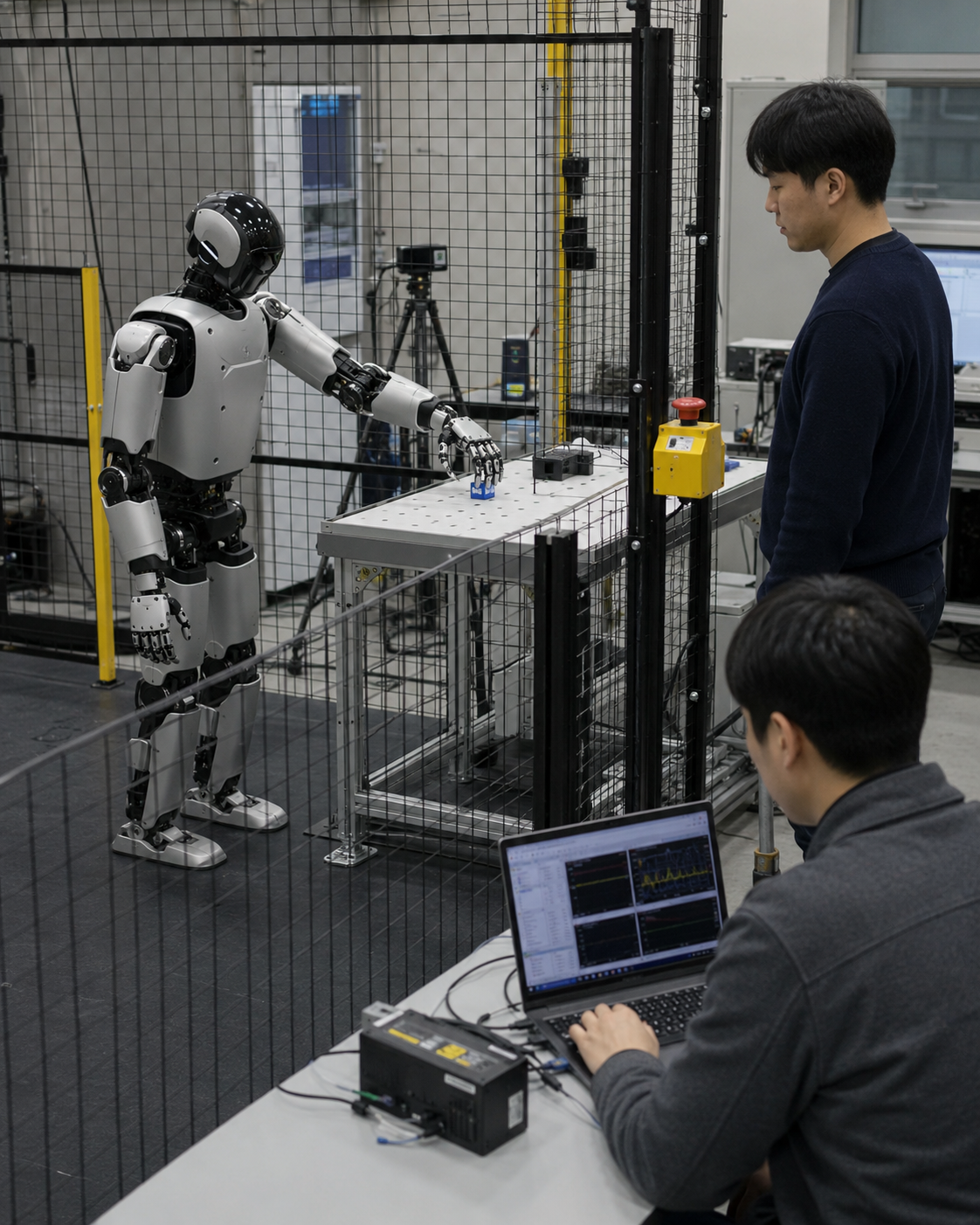
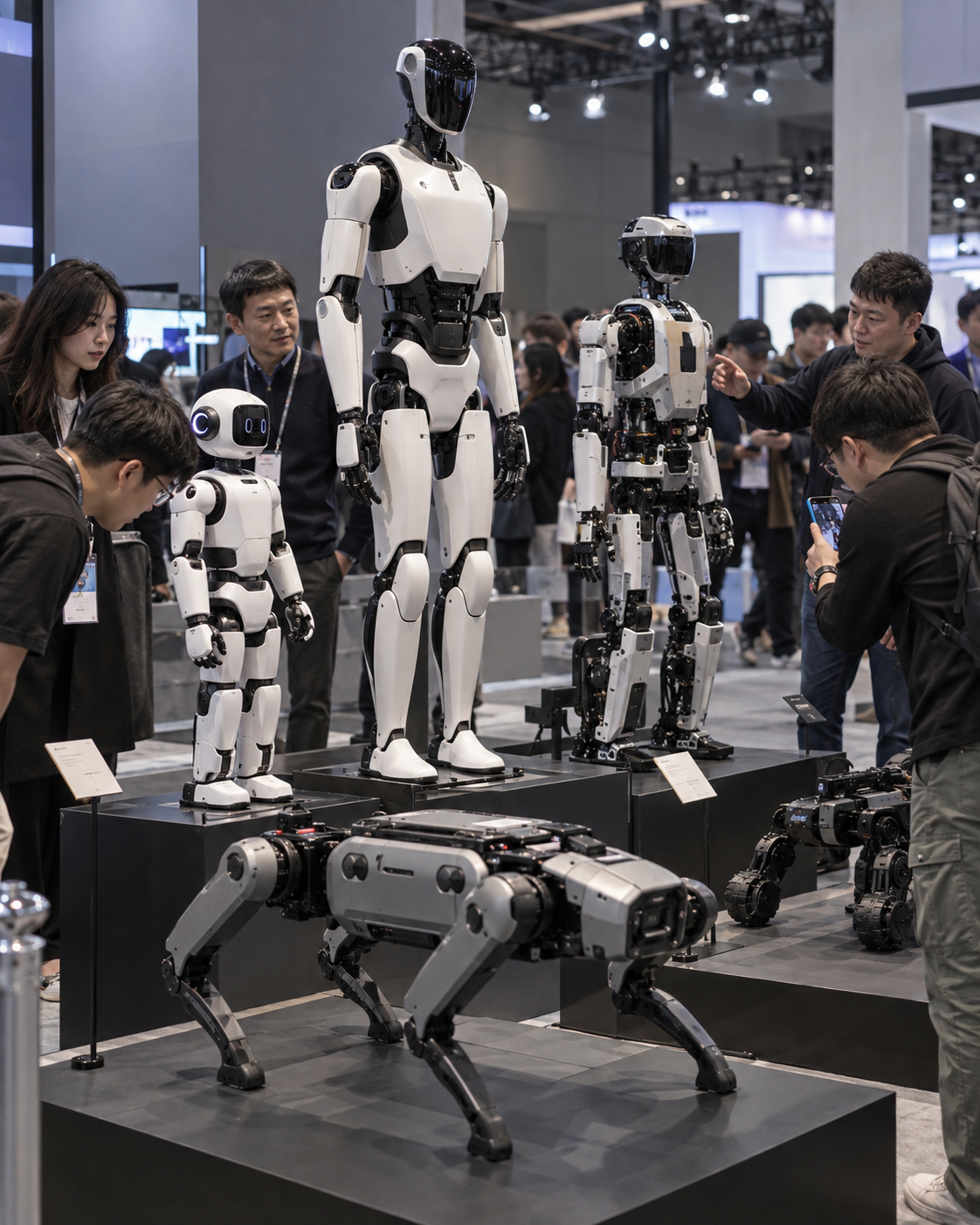
On the same day as Unitree's listing, in Beijing, 2026 World Robot ConferenceIt has officially kicked off. Although the listing ceremony took place in Shanghai, the robot exhibition was held in Beijing.
More than 300 companies participated in this event, showcasing over 2,000 exhibits and unveiling more than 150 new products. The event brought together not only humanoid robots but also industrial robots, logistics automation, sensors, and precision components—all under one roof.
China's strength does not lie in the fact that it has tens of thousands of companies producing finished robot products. Connecting everything from the supply chain for components such as motors, gearboxes, batteries, and sensors to large-scale manufacturing facilities, testing plants, and logistics sites—all within a single countryIt's possible. The trend of growth in the electric vehicle industry—driven by intense competition and falling prices—is likely to repeat itself in the robotics industry.
| What Makes Physical AI More Challenging?
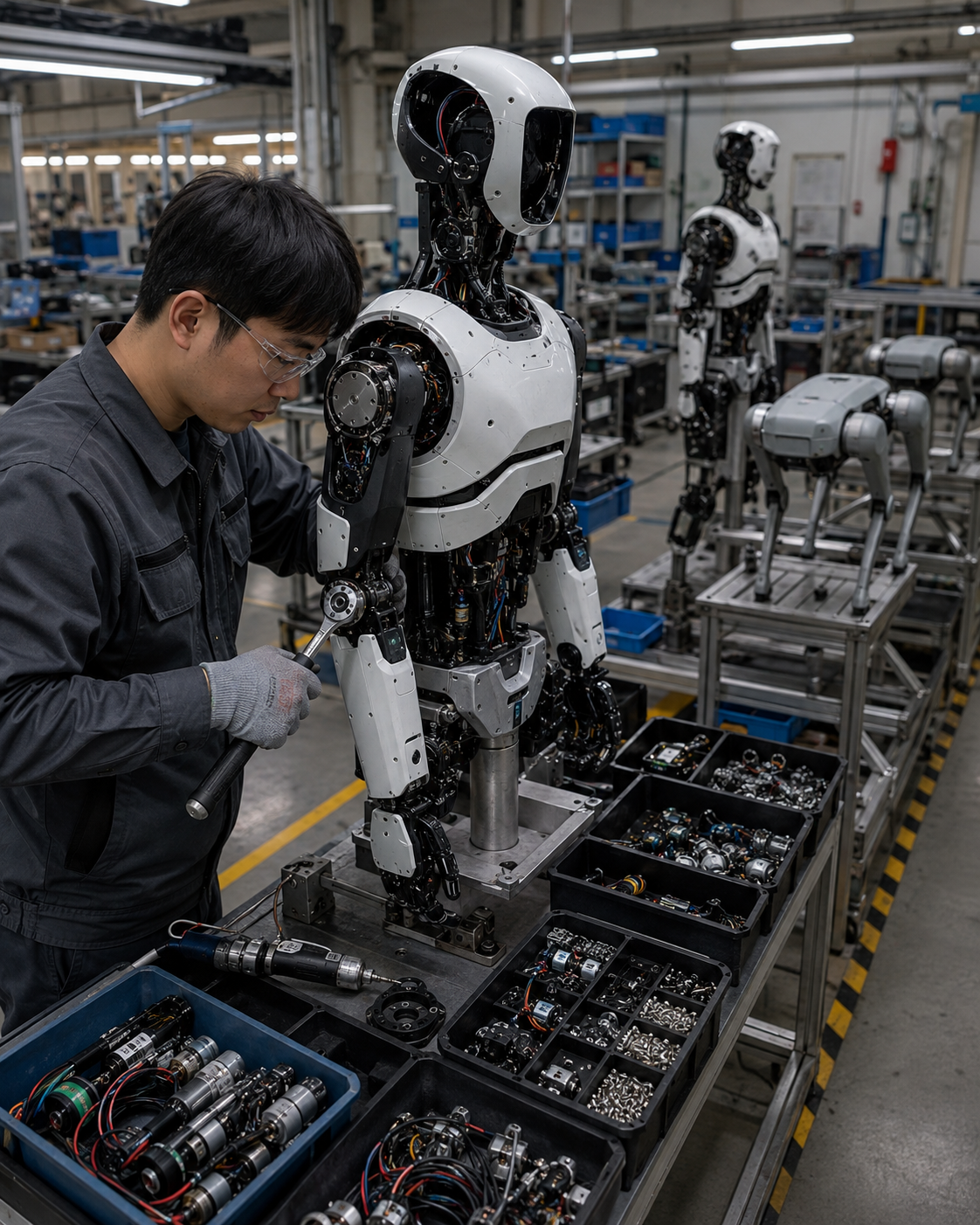
Generative AI primarily creates digital outputs such as text, images, and code. In contrast, physical AI uses cameras and sensors to perceive its surroundings, determines its next action, and then moves its motors and joints to interact with the real world.
In this course, Even the smallest mistake leads to failure It can happen. If the robot misjudges the box's position by even a few centimeters or fails to properly adjust the force used to grasp an object, the task will come to a halt. That's why robots need not only the inference capabilities of AI models but also Precise control, safety, battery life, durabilityWe need this, too.
This is also why the market initially takes off in sectors like manufacturing and logistics—where set, repetitive actions occur—rather than in the home. The more consistent the movements and working conditions are, the easier it is to measure performance and quantify the benefits of adoption.
| Soaring stock prices and actual business value should be viewed separately
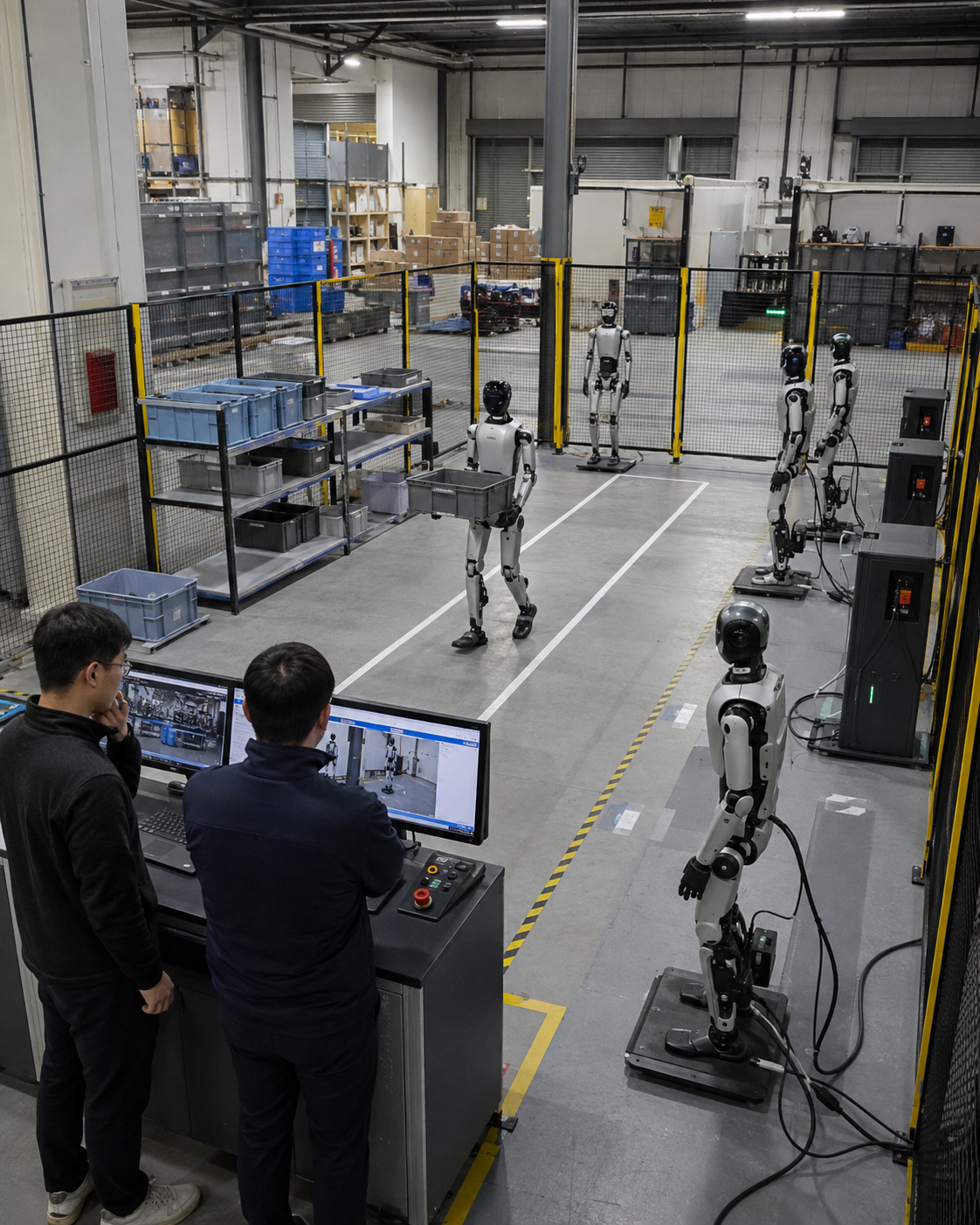
The sharp rise on the first day of trading does not guarantee Unitree's future success. Although revenue in the first quarter of this year increased by 68.5% compared to the previous year, profit excluding one-time items fell by 52.6% due to increased research and development and marketing expenses. 40.3 million yuanThat was it.
As competition intensifies, the company may have to lower robot prices, which could lead to lower profitability. The U.S. government’s decision to restrict future imports of new humanoid and quadruped robots from overseas is another variable affecting the company’s international business. Last year, Unitree generated 13.3% of its revenue in the U.S.
Above all, the stock price on the first day is influenced not only by earnings but also by Mainland China's first major publicly traded humanoid companyThis reflects both its scarcity and future potential. To assess its current enterprise value, you need to look at metrics such as repeat orders, actual operating time, failure rates, and the frequency of human intervention, rather than just the stock price appreciation rate.
| Why This IPO Is a Turning Point for the Humanoid Industry

Unitree's IPO marks the first time the robotics industry has been given a clear market valuation. This means that later-stage companies can now use Unitree's enterprise value as a benchmark to pursue investment and IPOs, and it has also increased the likelihood that more capital will flow to component suppliers and manufacturers.
At the same time, the questions asked by investors and customers will change as well. Whereas the focus used to be on “how naturally the robot moves,” going forward it will be on “how much work it can Does it ensure stable processing and reduce costs?"That will become more important."
It’s clearly becoming more likely that humanoid robots will be the next battleground after AI. However, the criteria that will determine the winner aren’t flashy demonstrations or stock prices on the first day of trading, but rather what the robots actually accomplish in the field. Productivity and Economic ValueIt's going to be.
To summarize the key points:
Unitree closed at 845 yuan on its first day of trading, which was higher than the offering price Up 460.34%
Global Humanoids in the First Half of 2026 Shipments totaled 19,100 units, The share of Chinese companies is 97% or more
In contrast to the rapid increase in shipments, Large-scale commercialization is still in its early stages
The next competition will focus more on the robots' motion demonstrations than Reliability, Productivity, and Return on InvestmentIt is highly likely to happen there
Thank you for reading today as well!

References
Reuters | Unitree soars in Shanghai debut, a milestone for China's humanoid robotics sector
Reuters | China robot makers flock to Beijing show, seek path to mass adoption
Reuters | Chinese humanoid robot maker Unitree prices IPO at $9 billion valuation
Associated Press | Shares in Chinese humanoid robot maker Unitree soar in its Shanghai trading debut
Smart Analytics Global | Global Humanoid Robot Shipments Surged 272% YoY to 19.1K Units in 1H 2026
Beijing Municipal Government | World Robot Conference 2026 to Start on August 19
#Unitree #Unitree #Humanoid Robots #Physical AI #Robotics Industry #ChineseTechnology #STARMarket #AI Industry