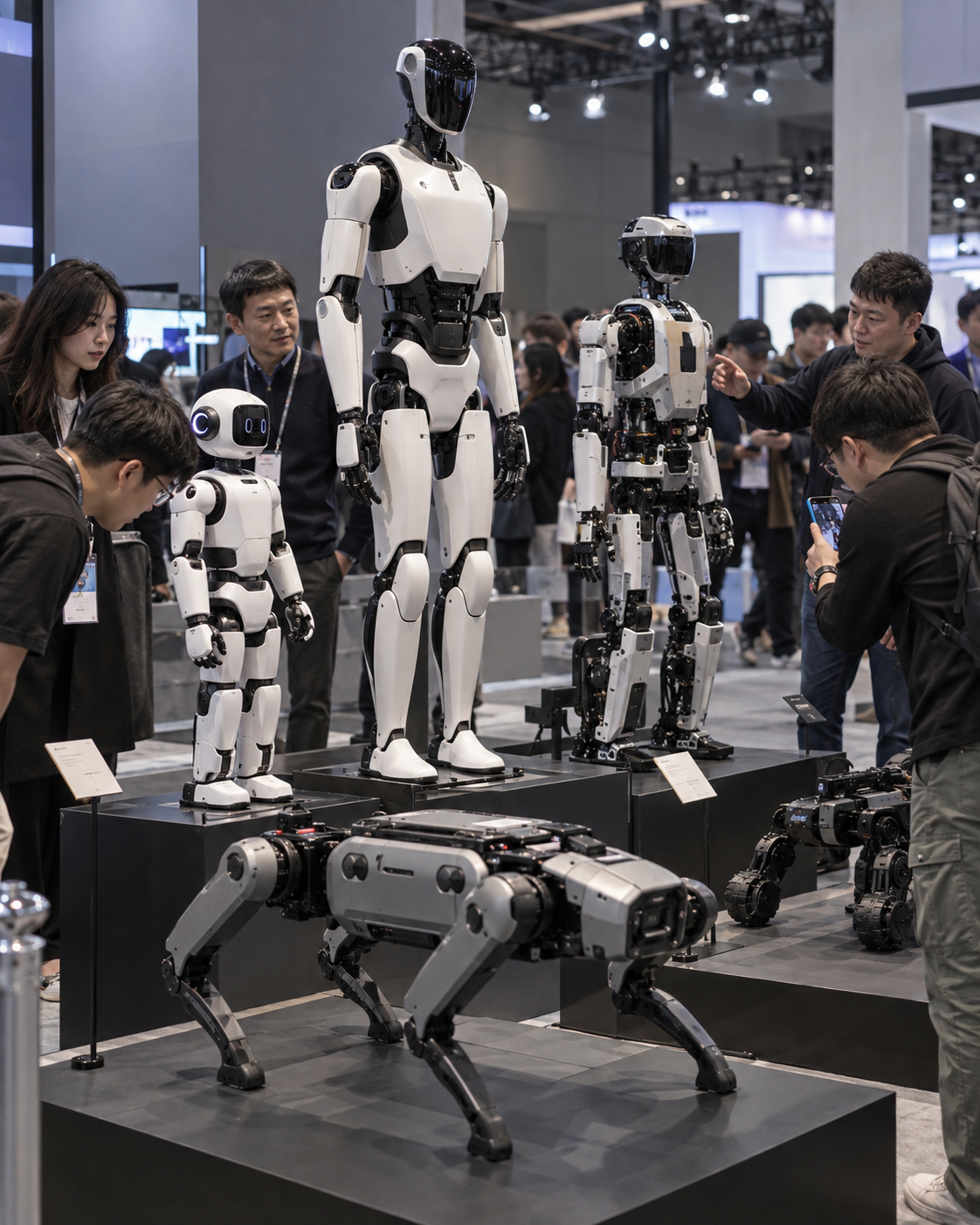
At its “919” event held on September 19, 2026, Faraday Future announced that it would unveil a lineup of nine AI robots based on five models and begin sales and deliveries. The compact humanoid, Master Mini, starts at $9,990, and the lineup also includes a large humanoid and an industrial quadruped robot.
The nine models the company announced aren't nine completely different models—they're nine variants of five models. It consists of two types—humanoid and quadruped—and four industrial solutions for education, research, security, and inspection were also unveiled.
The launch of sales represents a step forward beyond simply unveiling a concept. However, the performance and profitability figures are mostly based on the company's announcements, so It is necessary to verify the actual delivery volume, on-site reliability, safety certifications, and customer performance separately.
| The 5 models comprise 9 product configurations
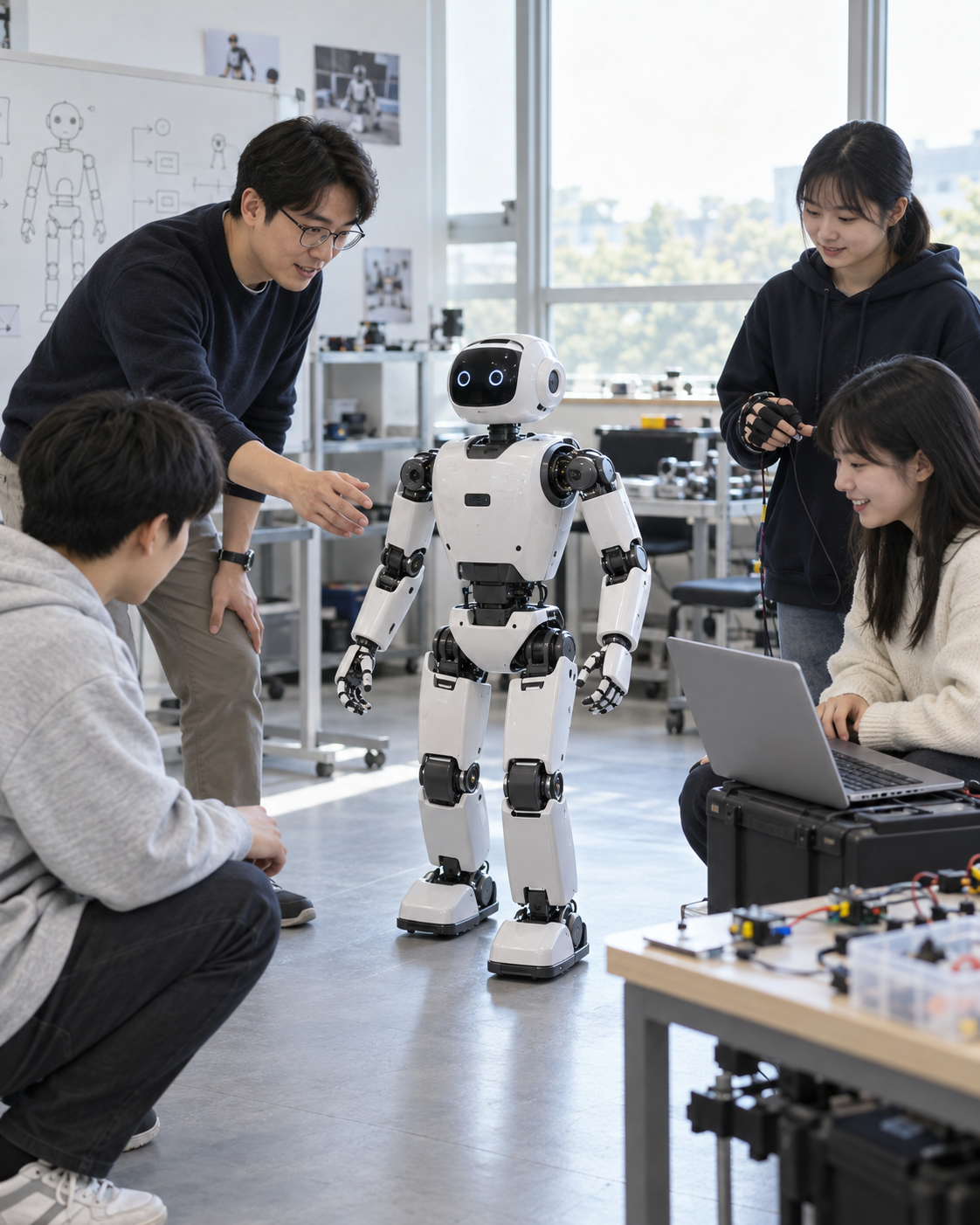
The models unveiled this time are the FF All-New Futurist, FF Master Mini, FX Aegis Hyper, FX Aegis Mega, and FX Aegis Classic Ultra-W. Including all the different configurations, there are a total of nine products.
The All-New Futurist comes in two configurations—Standard and Ultra—while the Master Mini comes in three—Basic, Pro, and Ultra—and the Aegis Mega comes in two configurations. Since the Aegis Hyper and Aegis Classic Ultra-W each have one configuration, the total structure consists of 2 + 3 + 2 + 1 + 1, for a total of 9 configurations.
The company explained that its entire Robot World 2.0 portfolio, including existing products, encompasses three types: humanoids, quadrupeds, and mobile manipulators. However, The nine new configurations consist of two types: humanoid and quadrupedal.
| They vary widely in price range and intended use
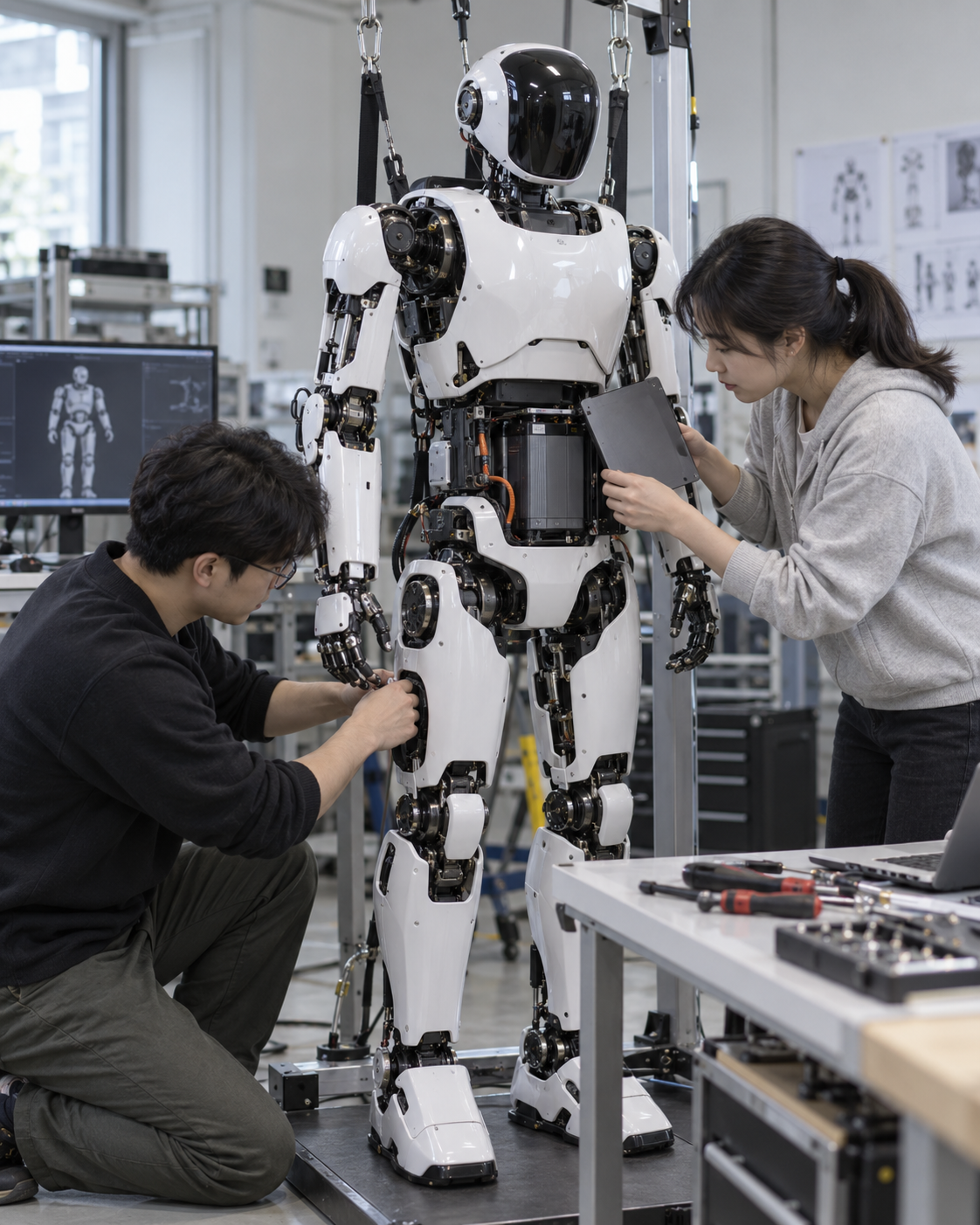
The product lineup ranges widely, from small educational humanoids priced under $10,000 to specialized industrial robots costing over $100,000. The starting prices and primary uses disclosed by the company are as follows.
|
Model |
Form and Composition |
Offering Price |
Main Uses |
|
FF Master Mini |
Set of 3 small humanoids |
Starting at $9,990 |
Education, Development, Performances, Robot Competitions |
|
FF All-New Futurist |
Set of 2 large humanoids |
Starting at $89,900 |
University Research, Corporate Services, Industrial Projects |
|
FX Aegis Classic Ultra-W |
Lightweight Wheeled Quadruped Locomotion |
$12,990 |
Security, Support, Development |
|
FX Aegis Mega |
Set of 2 medium-sized wheeled quadrupeds |
Starting at $74,990 |
Industrial Patrols, Inspections, and High-Risk Operations |
|
FX Aegis Hyper |
Large-Scale Industrial Quadruped Locomotion |
Starting at $137,900 |
Extreme Environments, Heavy-Duty Applications, Equipped with Specialized Sensors |
The company stated that the Master Mini is approximately 95 centimeters tall, weighs about 19.5 kilograms, and offers computational performance of 48, 117, or 200 TOPS, depending on the configuration. The base model costs $9,990, the Pro model costs $12,990, and the Ultra model costs $17,990.
It was explained that the All-New Futurist has 51 active degrees of freedom by default, which increases to 71 when an advanced hand is added. The Standard model is priced at $89,900 and the Ultra at $129,900; according to the company, the NVIDIA Jetson Thor used in the Ultra delivers 700 TOPS.
| They also unveiled solutions for education, research, security, and inspection
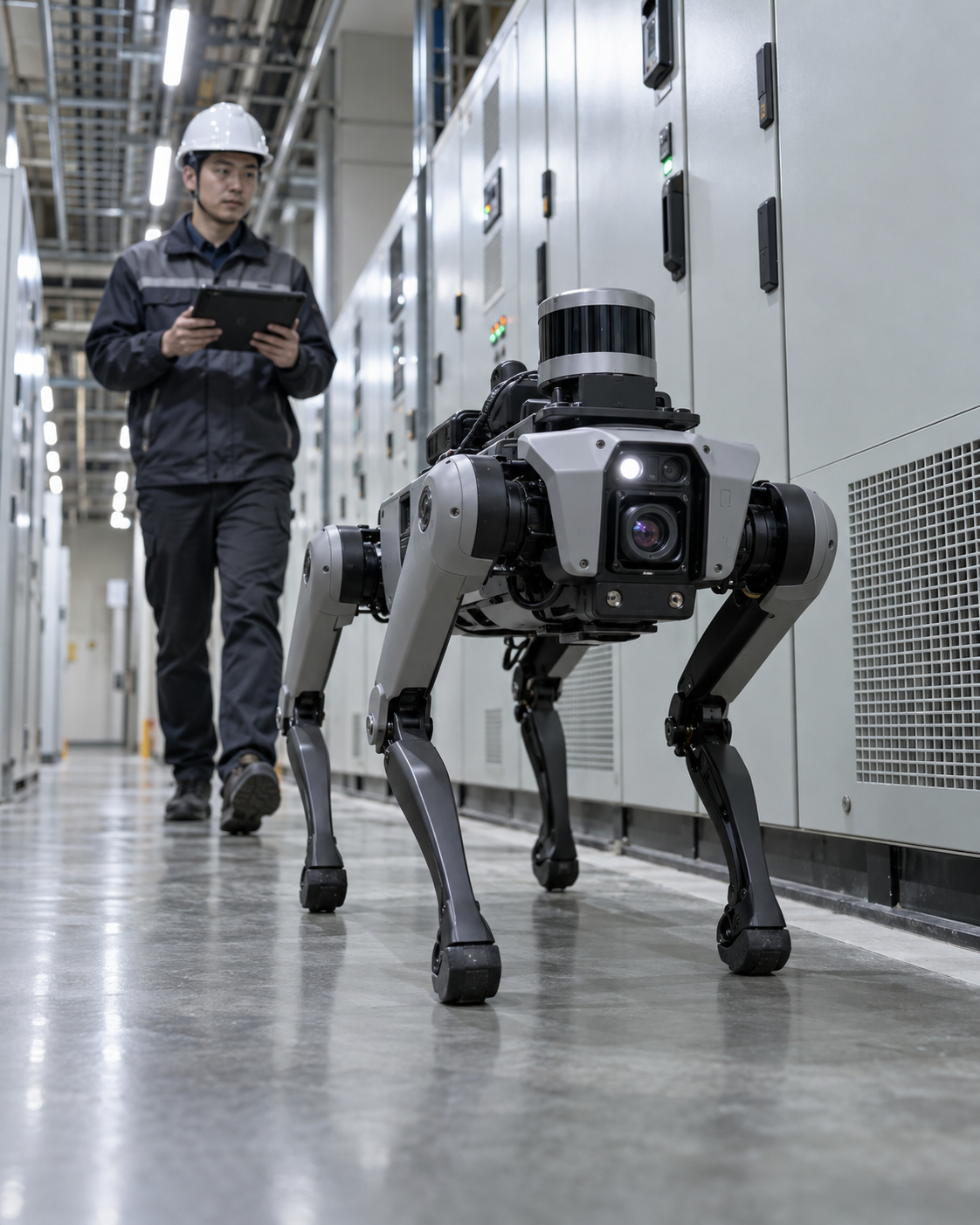
Faraday Future has gone beyond simply selling hardware to offer integrated solutions in four areas: K-12 education, higher education and research, security, and industrial inspection. The idea is to bundle various models, curricula, development tools, and operating software to lower the barriers to adoption.
The company explained that its education solution offers a three-stage curriculum centered on Master Mini, progressing through Blockly, Python, and ROS. The research solution bundles an integrated SDK, a ROS interface, simulation, digital twins, and data collection and model training capabilities.
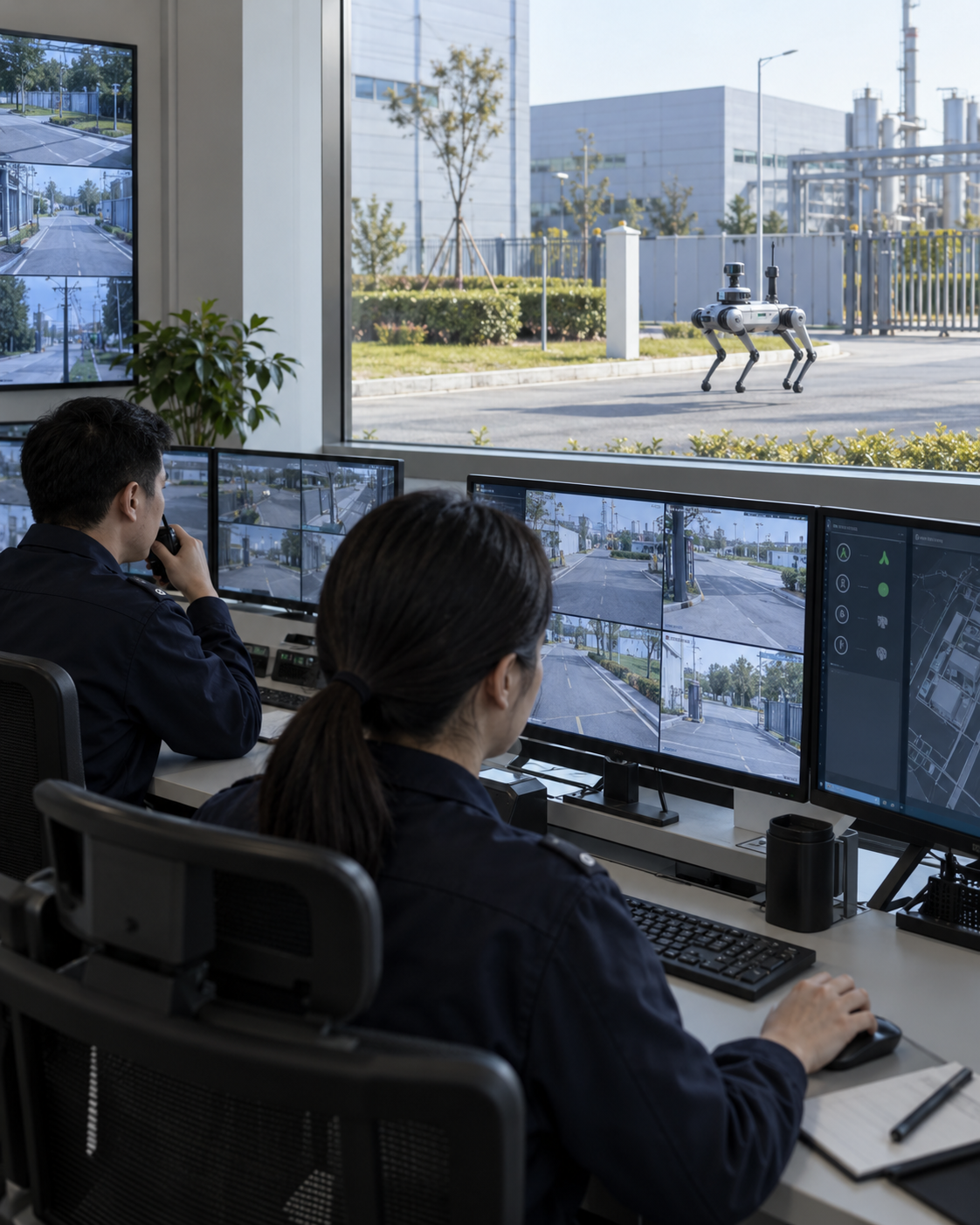
The security and inspection solutions are designed for buildings, industrial complexes, power facilities, mines, tunnels, and other such locations. The plan is to integrate equipment such as thermal imaging, LiDAR, gas detection, and 3D scanning into quadruped robots to automate patrols and inspections.
| They announced that they are starting sales and shipping

The company announced that all nine products are available for purchase and delivery, and orders can be placed through its website, Amazon, and RobotShop. It also unveiled a so-called "6+1" sales network that combines retail sales, business-to-business transactions, partner channels, and rental platforms.
The product lineup is divided into three tiers: individual robots, robots bundled with feature packages, and complete industrial solutions. The plan is to also offer leasing and asset management options through RoboShare for customers who find the initial purchase cost burdensome.
However, "Being available for sale" and "actual large-scale shipping" are two different things. To accurately assess the level of commercial readiness, it is necessary to verify the available service areas, inventory, delivery times, maintenance networks, and safety certifications for each market.
| The figures released by the company require further verification
Faraday Future reported that the average contribution margin for its robotic products was approximately 30% in the second quarter of 2026. However, these are accounting and operational figures provided by the company, and the cost and sales volume for each of these new products have not been disclosed.
The risk disclosure in the press release states that the company relies on a single OEM for most of its robots and sources all of its robot products from a Chinese OEM. This means that supply disruptions, tariffs, U.S. import restrictions, and financial conditions could impact the company’s business expansion.
Also, Since TOPS is a metric that represents the theoretical throughput of an AI processing unit, it does not directly demonstrate actual walking stability or task accuracy. In industrial settings, battery life, sensor accuracy, failure rates, safe shutdowns, and post-sales support must all be verified.
| Actual deployment, rather than expanding the product lineup, is the next test
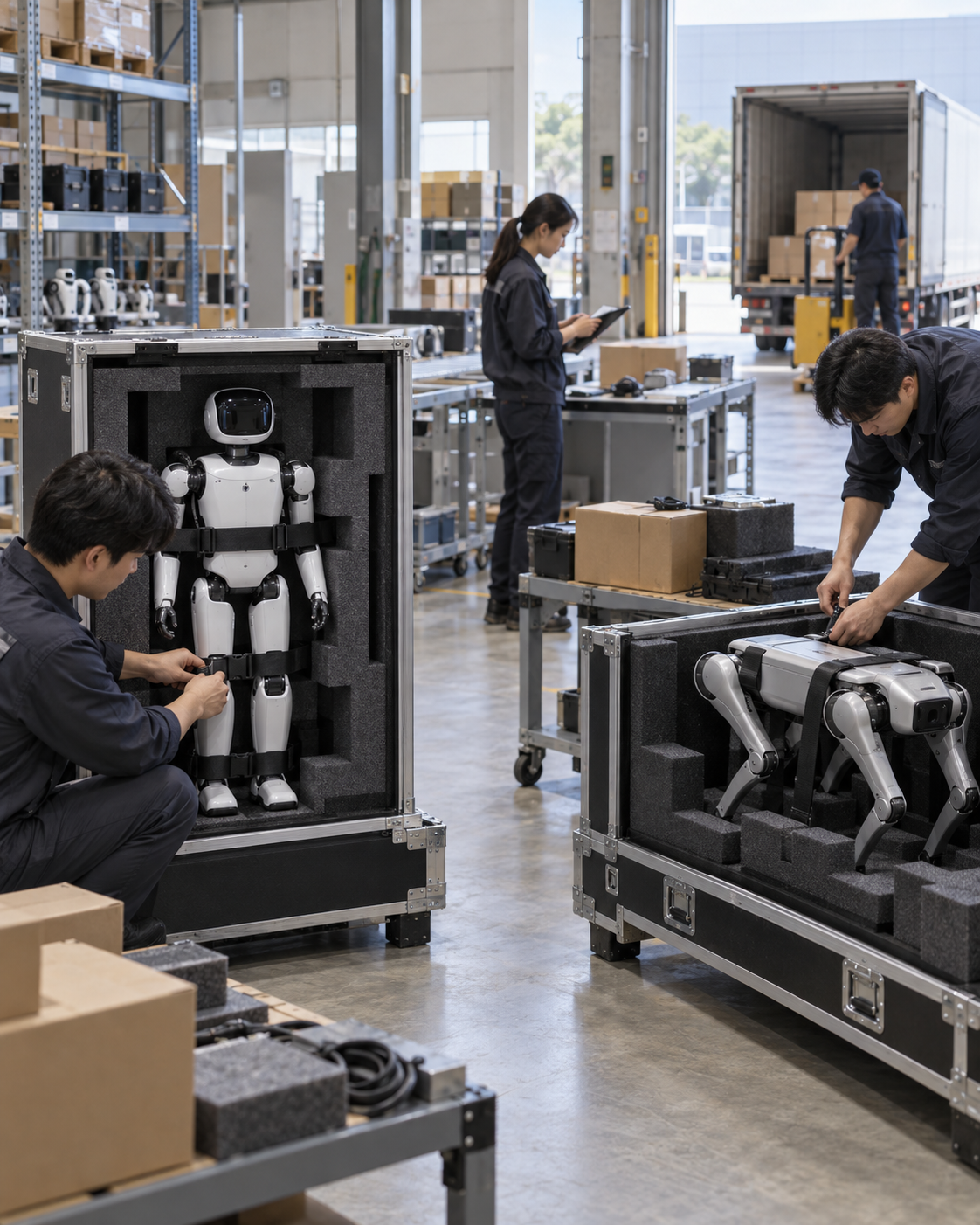
The significance of this announcement lies in the fact that Faraday Future—known as an electric vehicle manufacturer—has fleshed out its robotics business with five models and nine sales configurations. By unveiling a range of products all at once—from a compact humanoid robot priced at $9,990 to specialized industrial quadruped robots—the company is targeting both the education and industrial markets simultaneously.
The only things that have been confirmed are the product name, the announced price, the company's stated start date for sales and shipping, and the components of the four solutions. Performance, profitability, delivery capacity, and market demand have not been sufficiently verified by sources other than the company's announcements.
From now on We need to look at actual customer delivery volumes, field operation cases, safety and regulatory certifications, and repeat purchase and maintenance performance. Only if this metric improves will we be able to determine whether the 919 event was more than just a product launch—and whether it marked the beginning of a sustainable robotics business.
Tags
#FaradayFuture #FFAI #AI Robots #Humanoid #Quadruped Robot #MasterMini #Aegis #Physical AI #Industrial Robots #Educational Robots #Robot Security #Robot Inspection #Future Technology