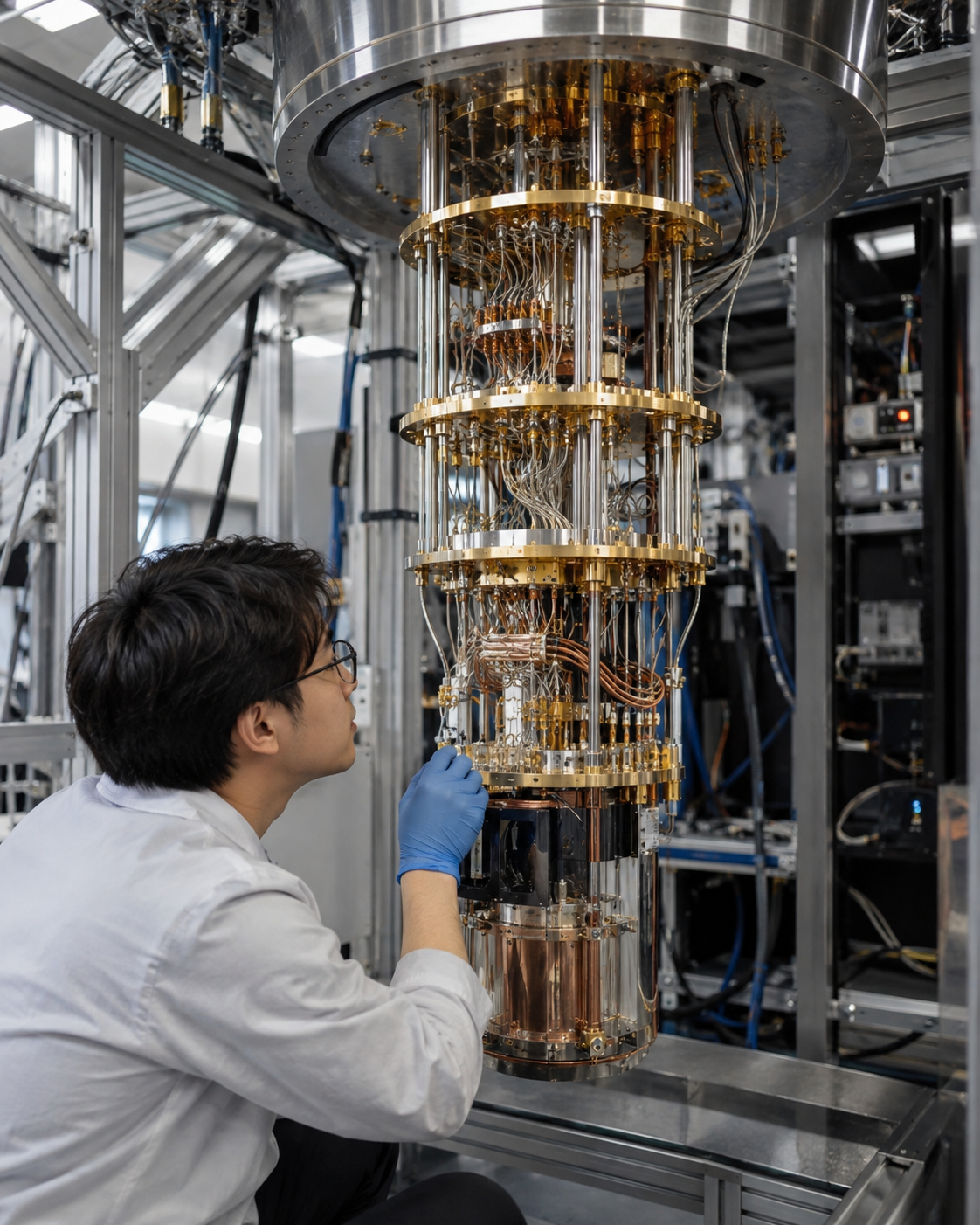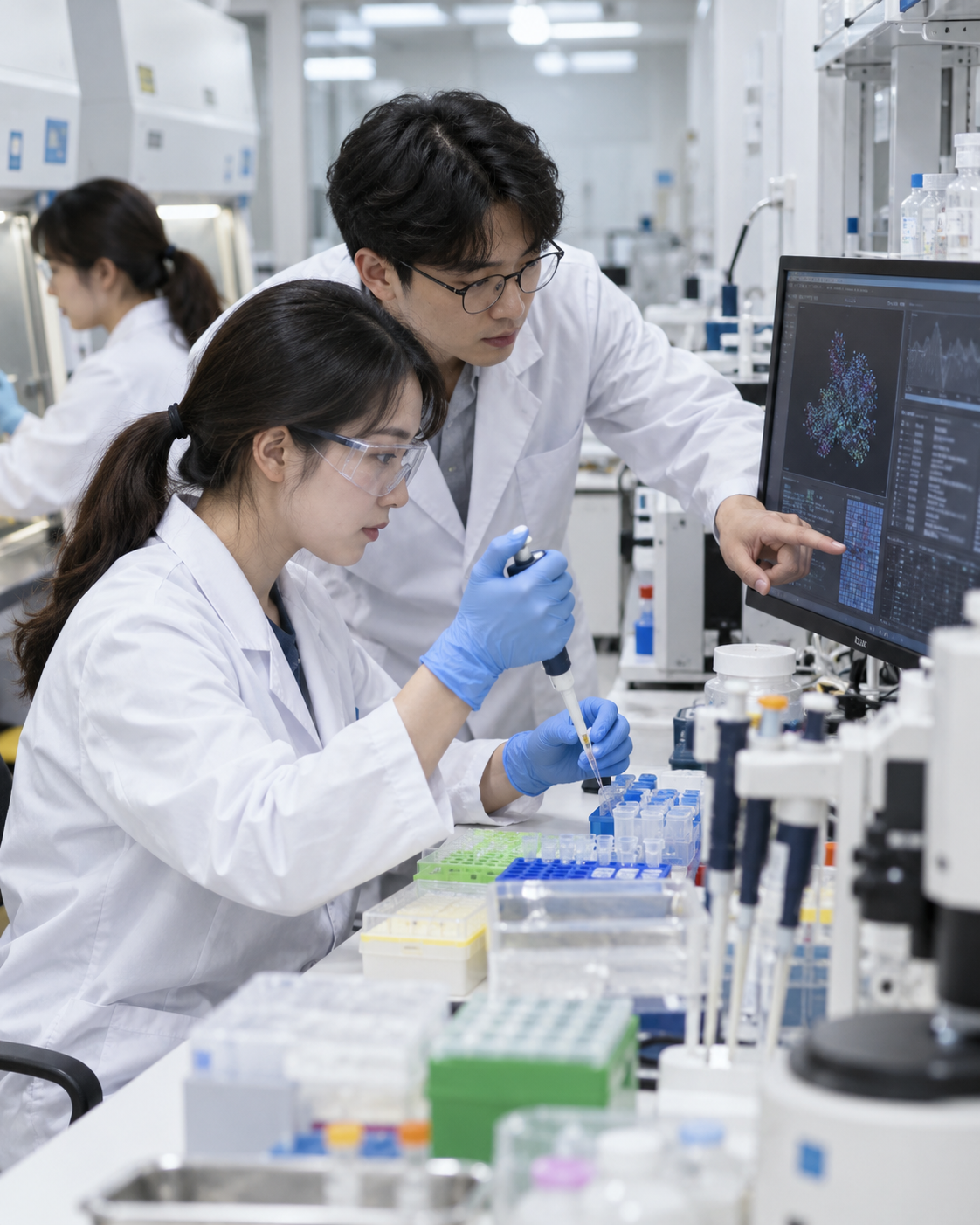
It has been confirmed that Anthropic operates a "wet lab" in the San Francisco Bay Area where it conducts actual biological experiments. The company has expanded its AI life sciences business beyond computer-based analysis and simulations to include a research facility where it handles materials and equipment.
Eric Kauderer-Abrams, Head of Life Sciences at Anthropic, stated in an interview with Reuters that the company is conducting actual experiments through its own facilities and external partner institutions. However, the company made it clear that these laboratories are not dedicated solely to the discovery of specific new drugs and did not disclose the specific subjects of its research.
| wet lab
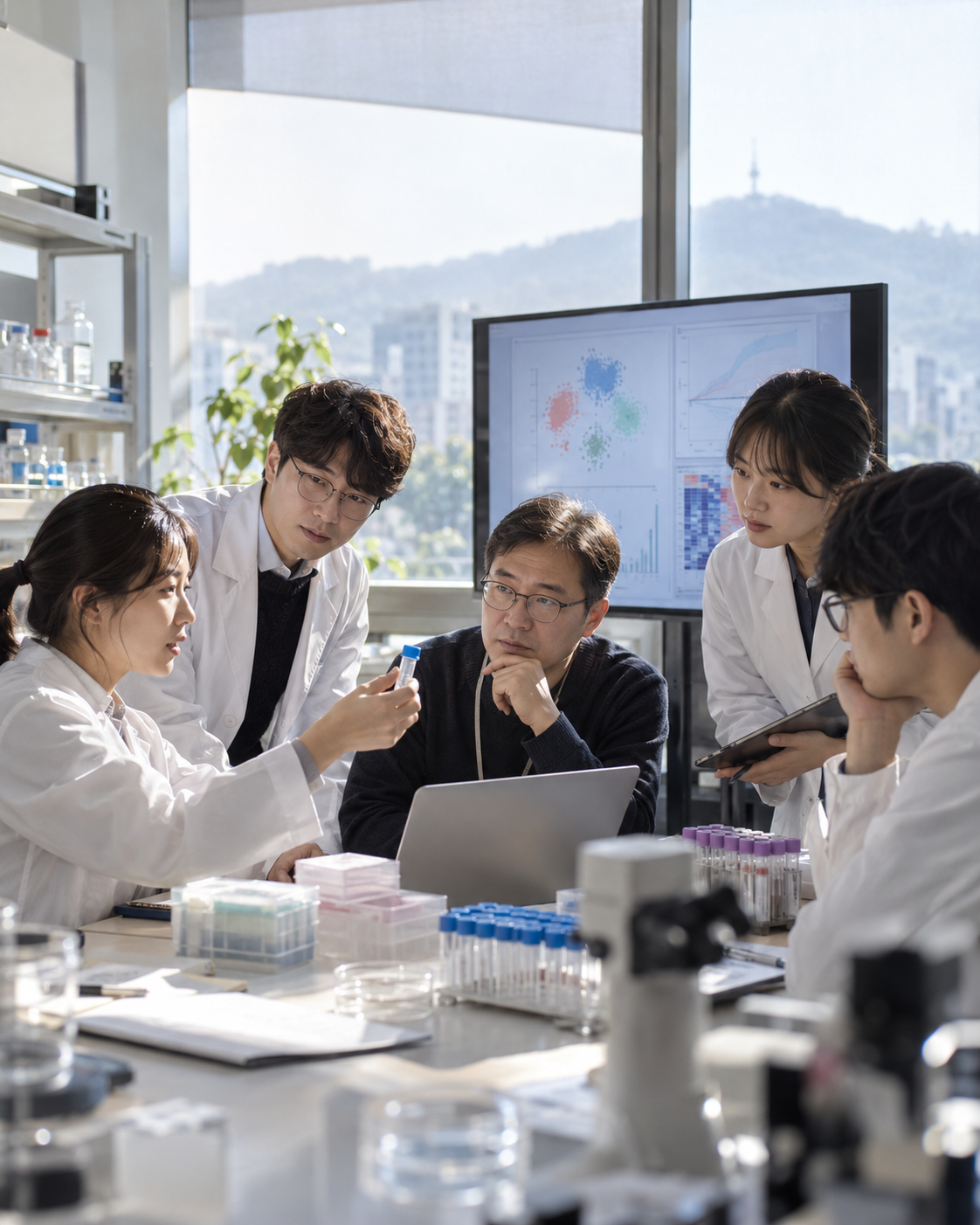
A "wet lab" refers to a laboratory where physical results are verified using biological samples and experimental equipment. Unlike "in silico" research, which is conducted solely using computer models, it requires real-world measurements and repeated experiments.
Kauderer-Abrams states that In biology, it was explained that verification in actual laboratories will remain the final step for the time being.. This means that even if AI analyzes literature and data to generate hypotheses, we still need to verify whether the results can be replicated in real-world experiments.
| In-house experiments and external collaborations
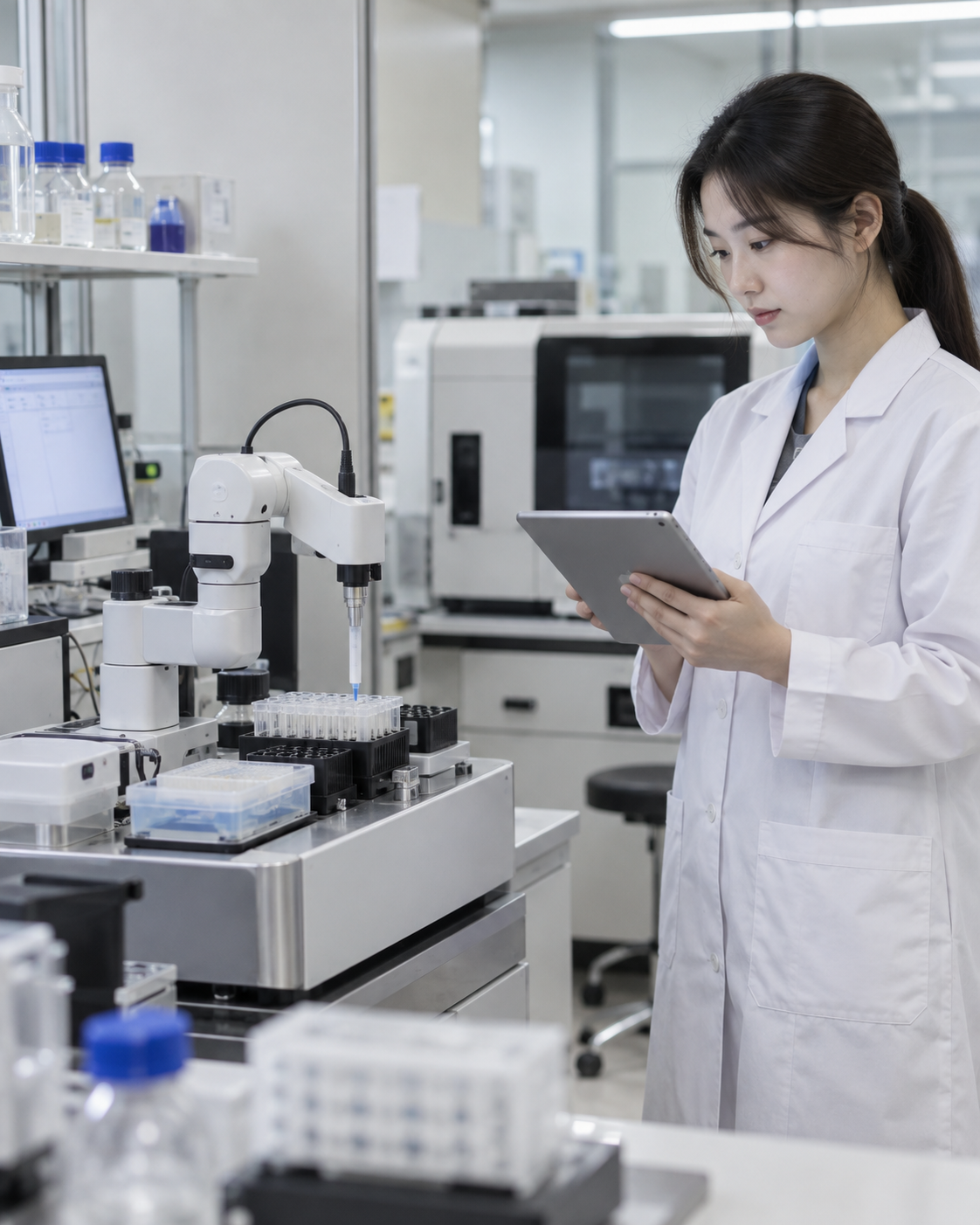
Anthropic is We decided to conduct research that requires speed and hands-on experience at our own facilities, while carrying out tasks that would be more efficient with external expertise in collaboration with partner organizations.. It has a hybrid operational structure similar to that of a typical biotech company.
A company official stated that life sciences is already one of the areas where Anthropic has made significant investments in personnel and resources. When research software like Claude Science is integrated with the laboratory setting, literature analysis, data processing, experimental design, and review of results can all flow seamlessly together.
| Experiment automation is still
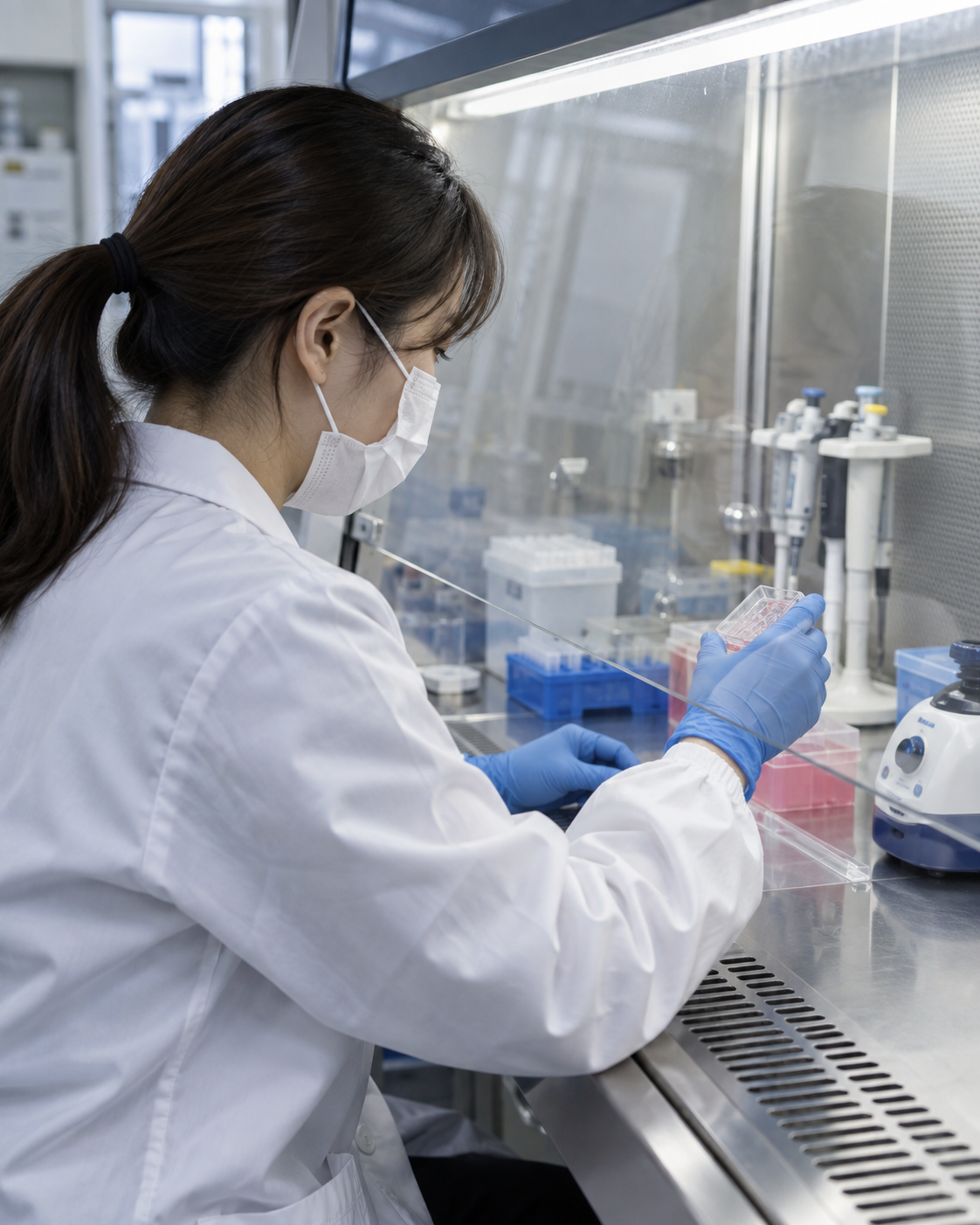
Kauderer-Abrams explained that the automation of experiment execution using AI is still in its very early stages. Anthropic is also developing standards and tools that allow software to control physical equipment, but Based on the information currently available, it cannot be concluded that Claude operates the lab autonomously..
The specific plan to have Claude operate robotic equipment with limited human intervention came from an anonymous source at Reuters. The company has officially confirmed only the laboratory operations, initial automation research, and the principle that human supervision is essential.
| It is not a facility dedicated solely to drug discovery
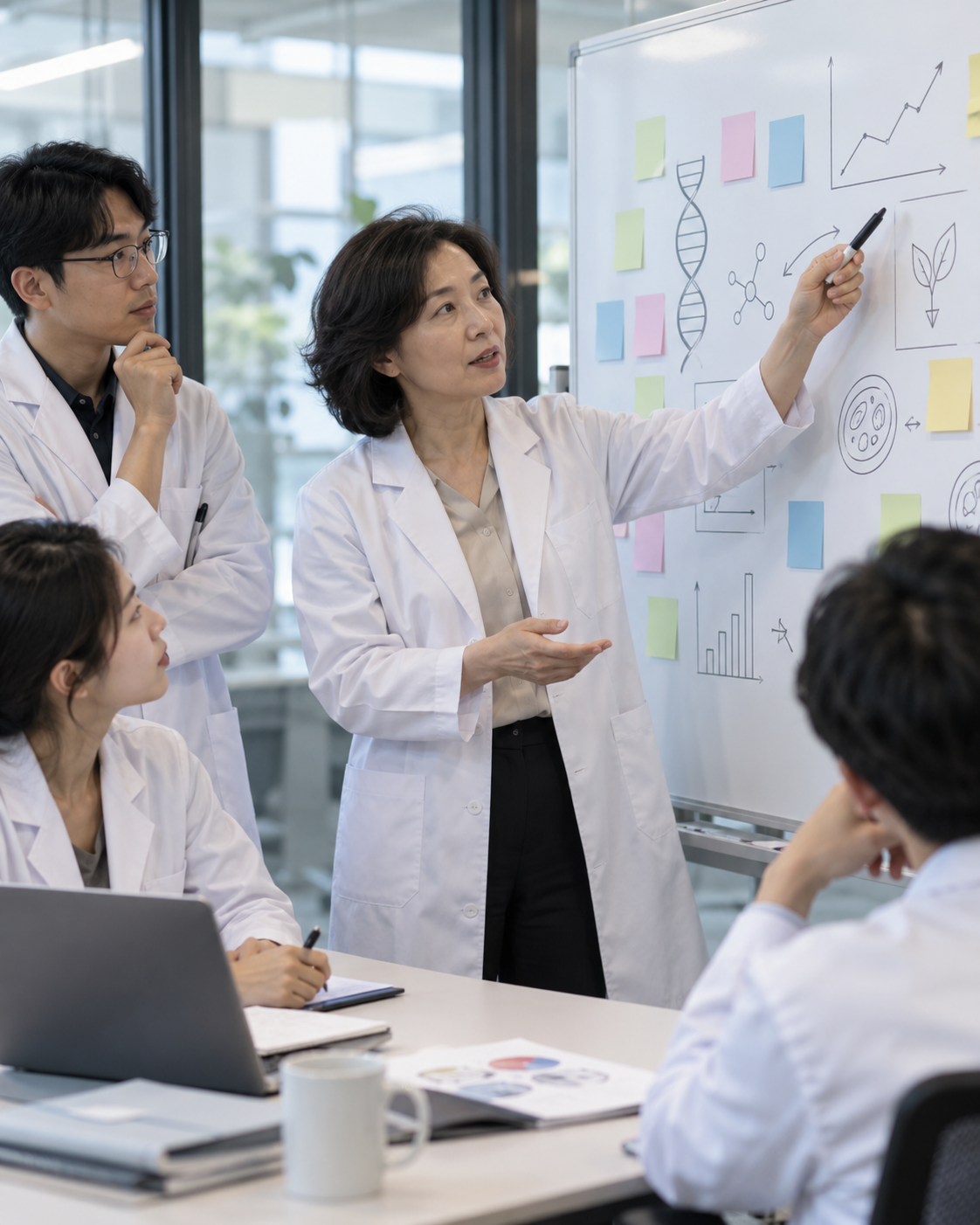
Following the Reuters report, a spokesperson for Anthropic stated that the laboratory is not specifically dedicated to drug discovery. The company has not disclosed which diseases or biological issues it is researching, nor has it revealed the current status of its research.
Anthropic has made it clear that, for the time being, it will not conduct clinical trials on its own and will not compete with the commercialization sector handled by pharmaceutical and biotech companies. Therefore, If we interpret this facility as an immediate plan to launch our own drugs, we’d be overreaching..
| AI Connected to Real-World Experiments
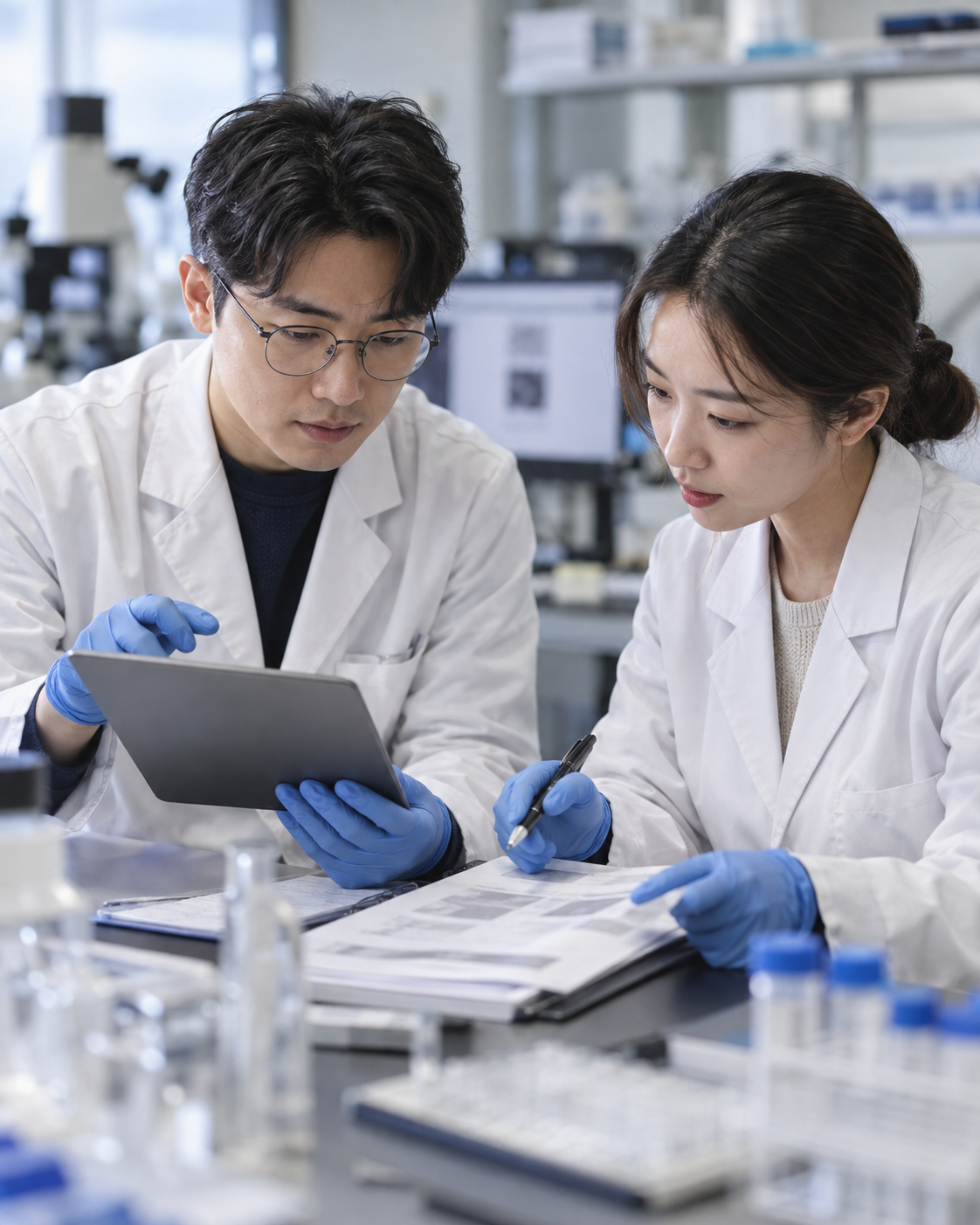
Automating research can help speed up repetitive tasks and efficiently compare multiple hypotheses. If you systematically record even the failed results, you can also design your next experiment more quickly.
On the other hand, if an AI’s incorrect judgment leads to physical equipment malfunctioning, it may be more difficult to recover from than a software error. Prior human approval, equipment-specific access restrictions, experiment logging and shutdown mechanisms, and independent safety reviews have become just as important as the pace of research..
| The Line Between AI Companies and Biotech Companies
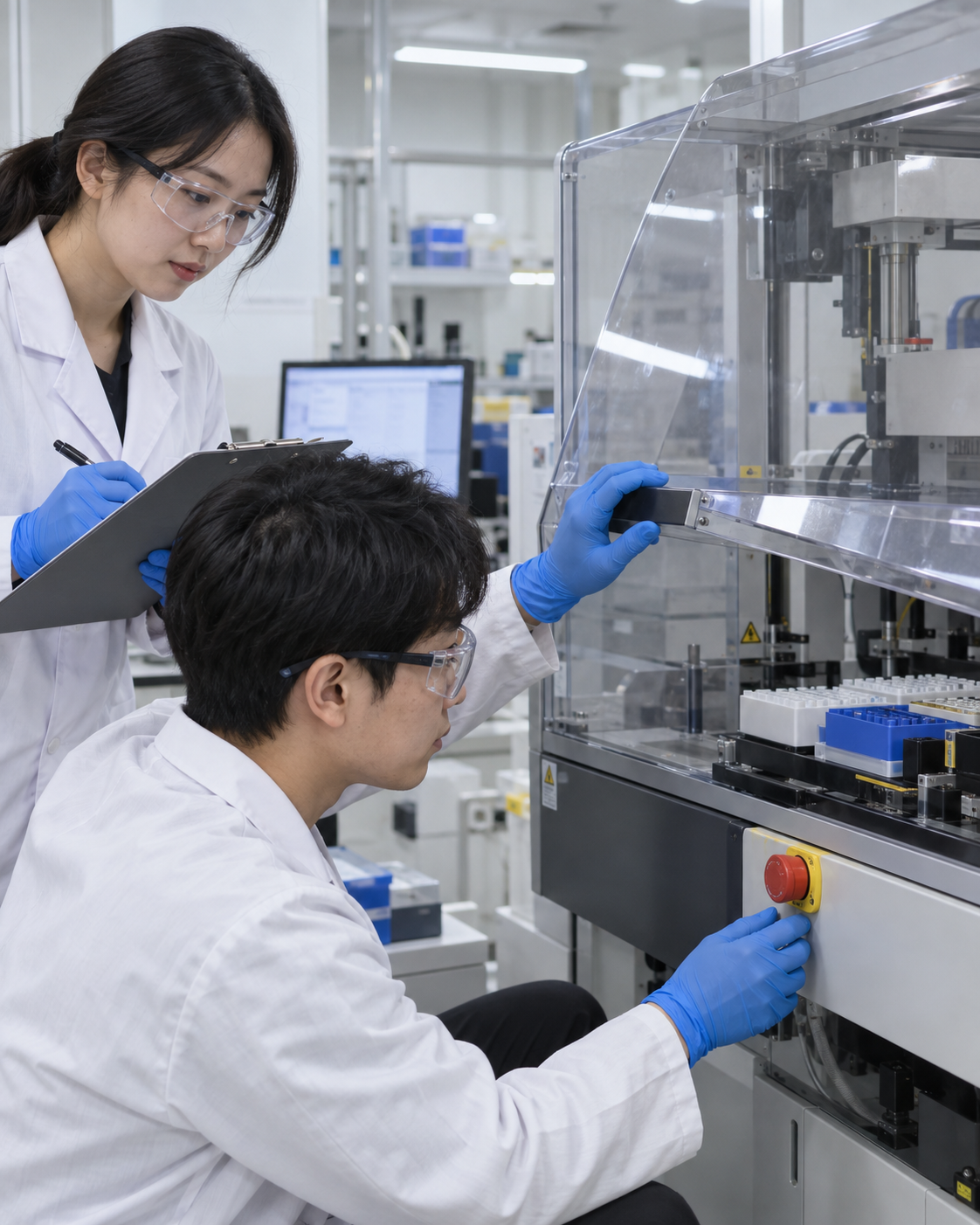
Anthropic is moving beyond simply providing Claude to pharmaceutical companies and research institutions to gain hands-on experimental experience. This marks a shift in which model developers, while serving as providers of tools for customers, are also taking on some of the roles of life sciences research operators.
This structure is While there is the advantage of being able to incorporate real-world research problems into model improvements, it is also important to determine how to separate clients' research information and prevent conflicts of interest.. Anthropic also faces a trust issue, as its pharmaceutical clients may be concerned about the possibility of competitive research information being mixed in.
| Verified Laboratories and Future Plans
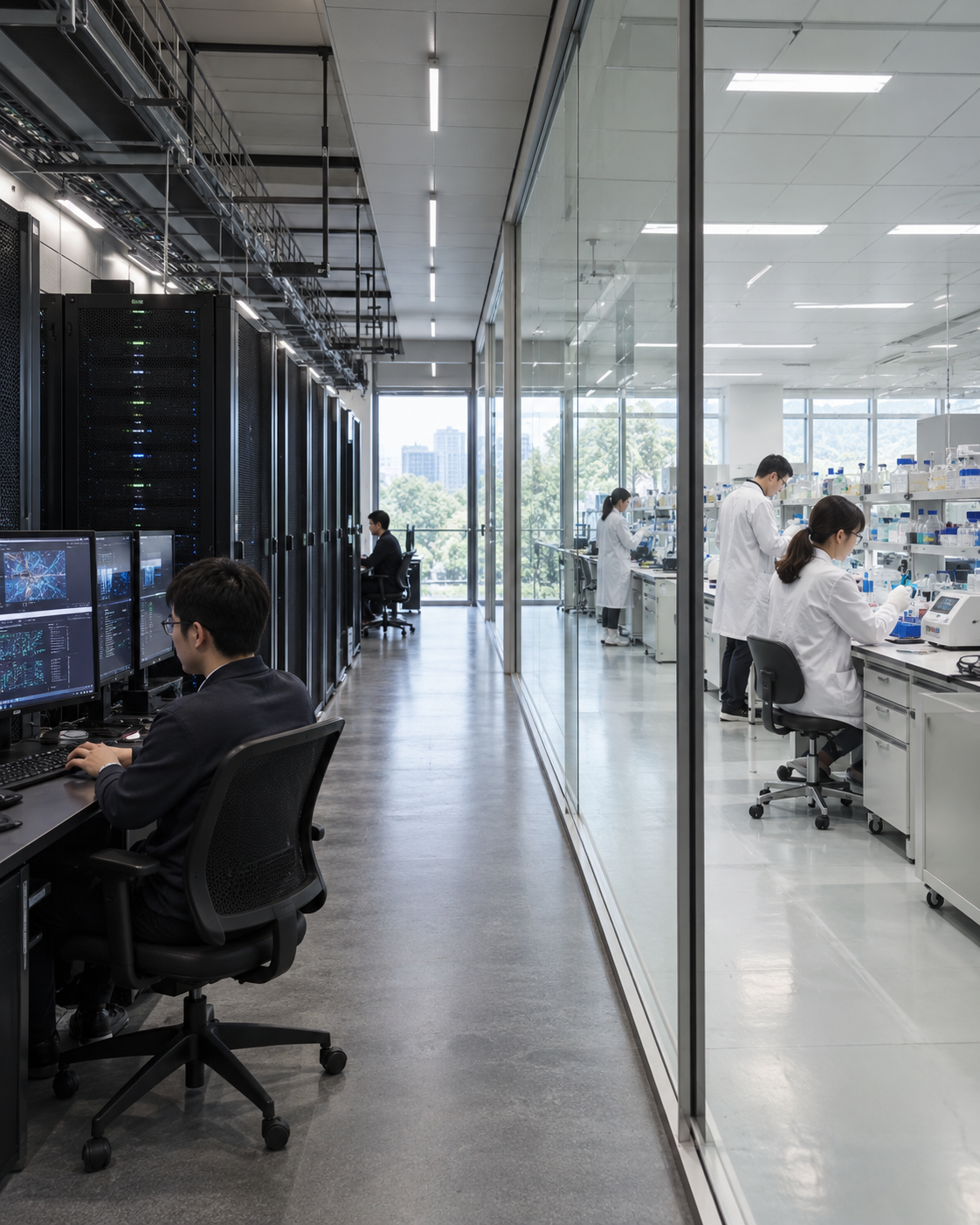
What is certain is that Anthropic operates a wet lab in the Bay Area, where it conducts actual biological experiments and early-stage automation research. The test subjects, results, and the extent of Claude's control over the equipment have not been disclosed or are based on anonymous sources, so.
From now on We need to verify which studies are conducted under human supervision, who verifies their safety and reproducibility, and how customer data is segregated.. While this facility signals that AI research is beginning to move beyond digital workspaces into real-world experiments, its specific outcomes and risks are still being evaluated.
Tags
#Anthropic #Claude #ClaudeScience #Life Sciences #WetLab #AI Research #Laboratory Automation #Biotech #Scientific Research #AI Agent #New Drug Development #Research Safety #AI Model Services