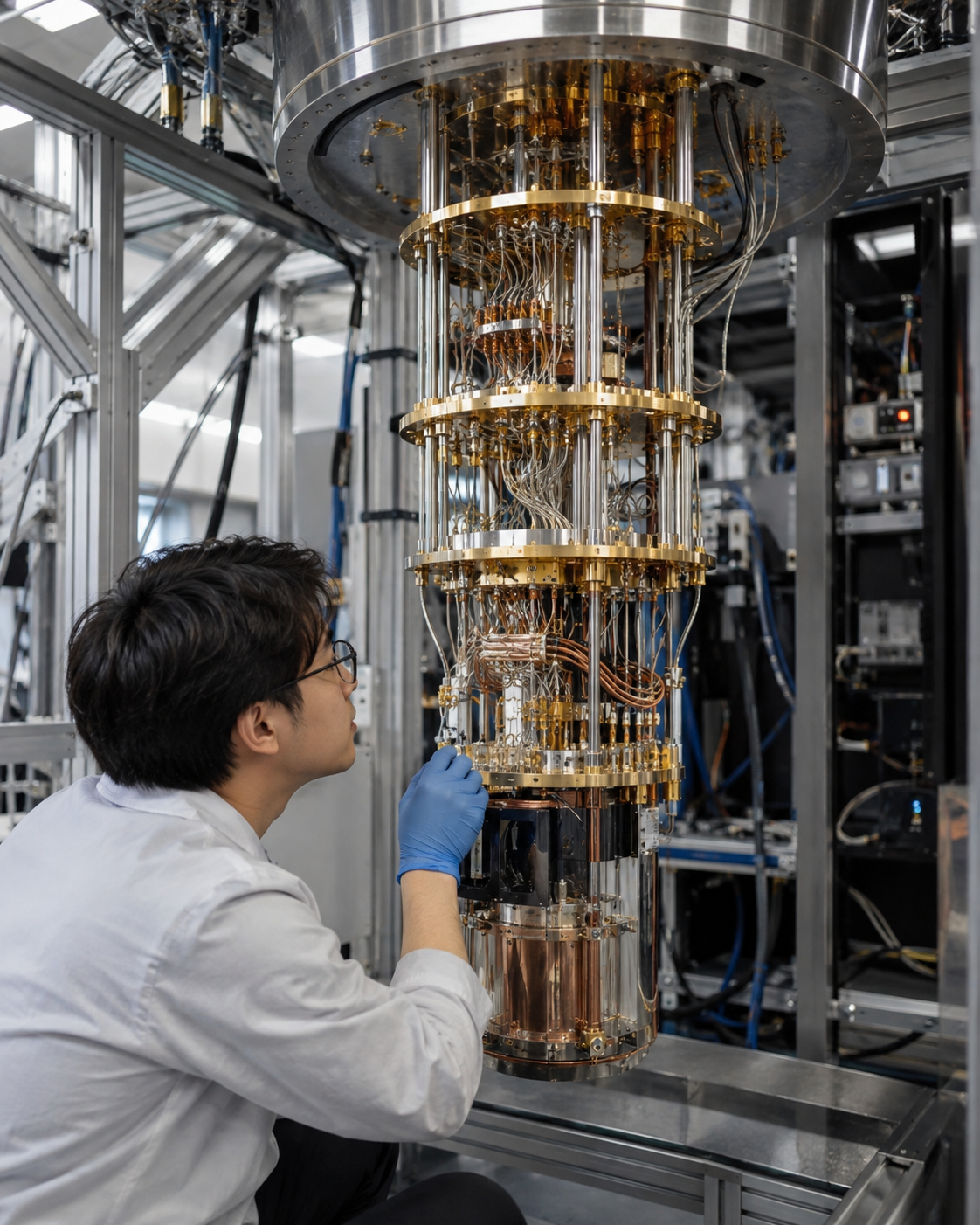
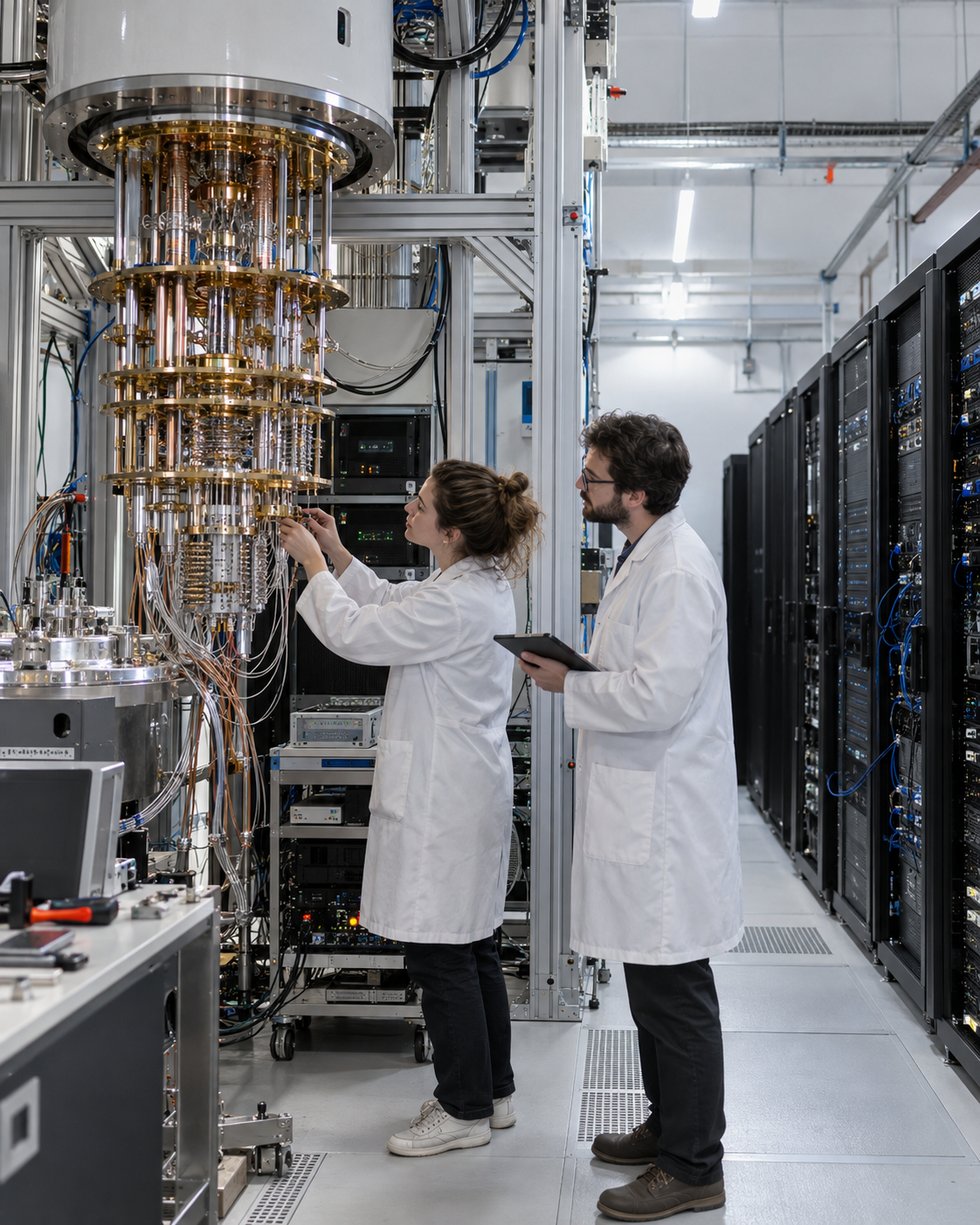
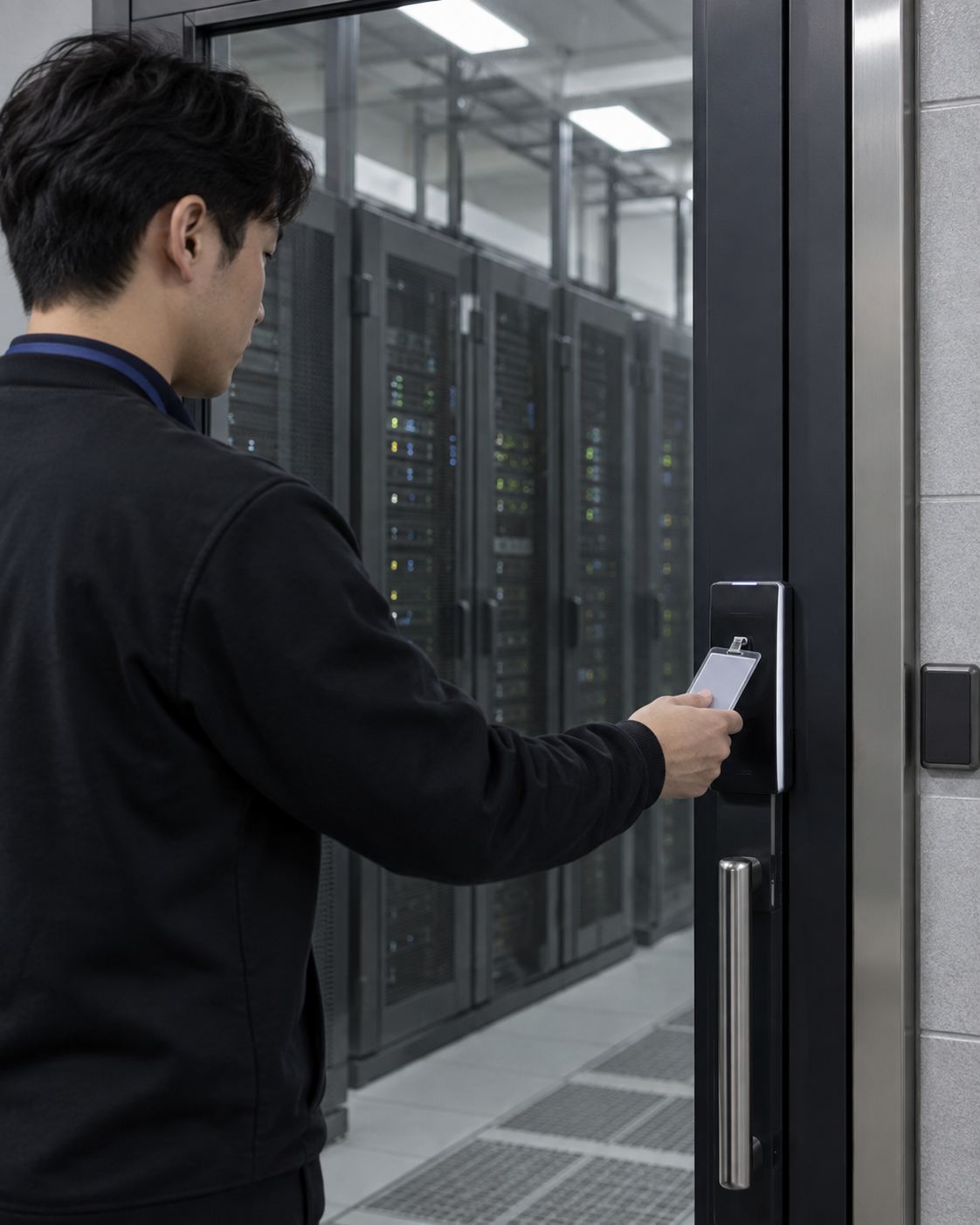
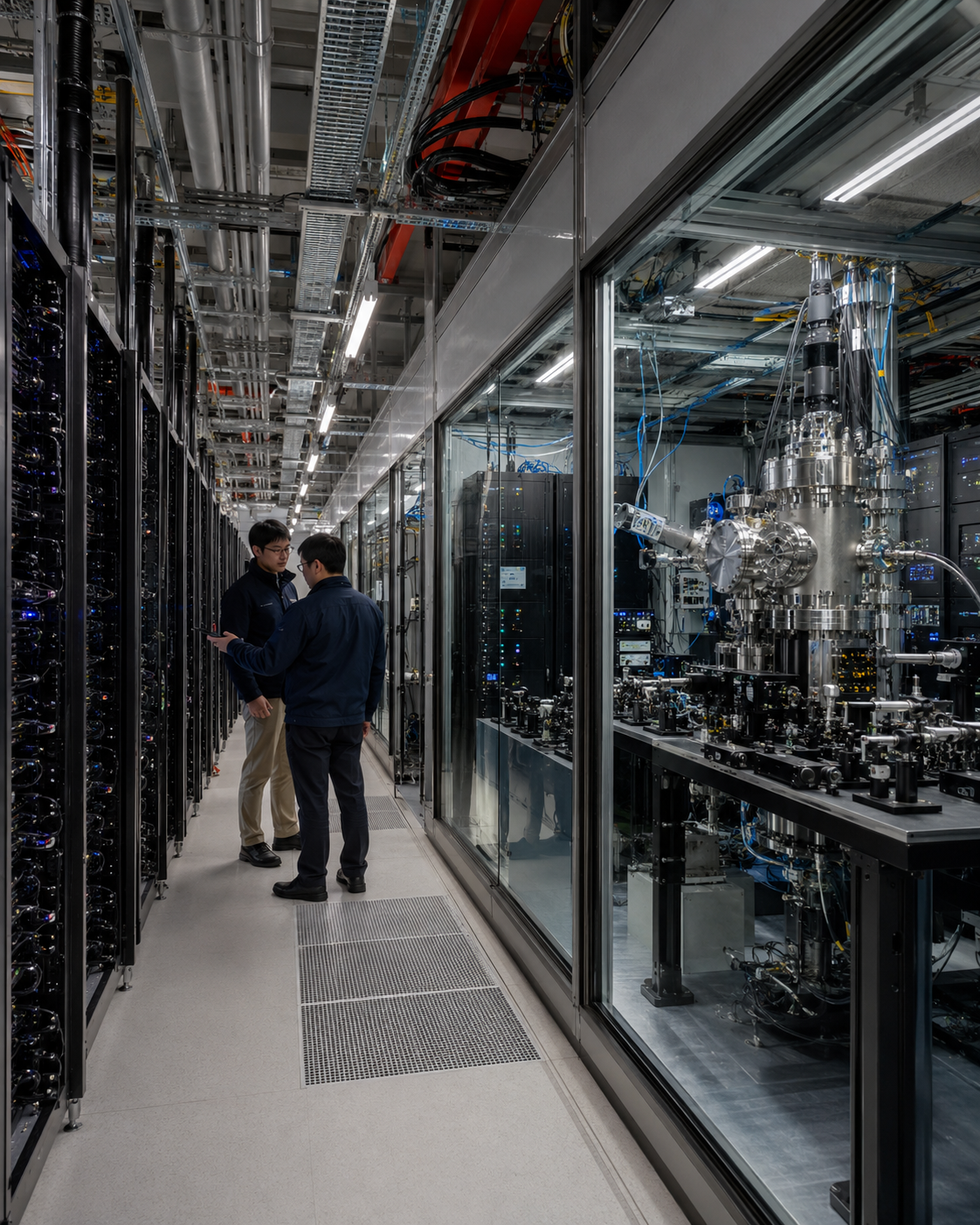
Microsoft announced that it will open a quantum computing research center in Maryland on September 22, 2026, and that the U.S. Defense Advanced Research Projects Agency (DARPA) will be able to test systems using the Majorana 2 chip on-site. The key aspect of this development is that external organizations can now verify the performance claims made by Microsoft by gaining access to the actual equipment. While it has been confirmed that the research center will open and a testing environment will be established, this alone is not enough to The performance of practical quantum computers is
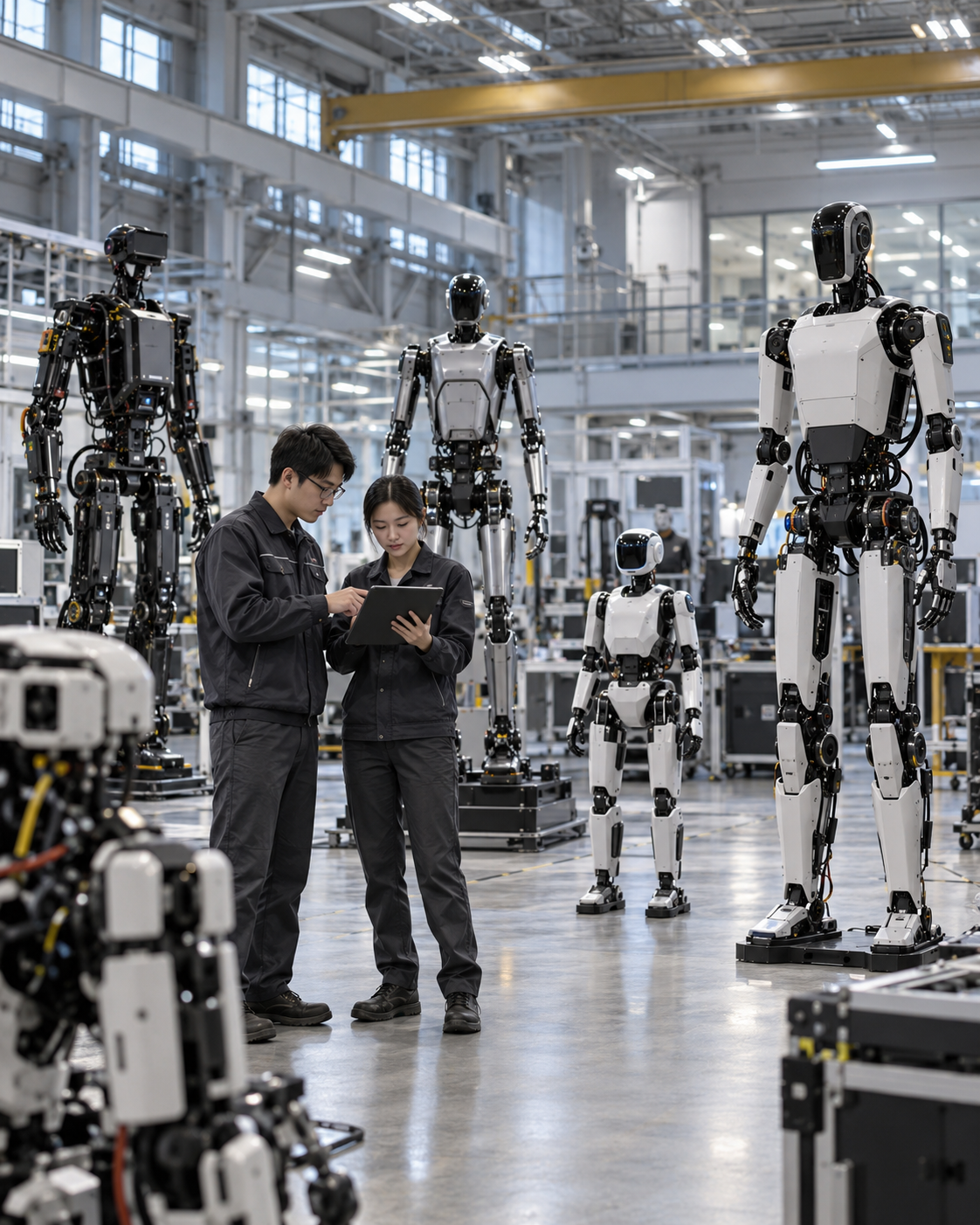
The first comprehensive industry tally shows that approximately 7,000 humanoid robots were sold worldwide in 2025 for industrial and professional service applications. The figure was compiled by the International Federation of Robotics (IFR) using data from suppliers and national industry associations, and Reuters reviewed the details prior to the official report’s release. The 7,000 units serve as evidence that humanoid robots have moved beyond video demonstrations and are beginning to establish a real product market. At the same time, existing The market for industrial robots and professional service robots, and
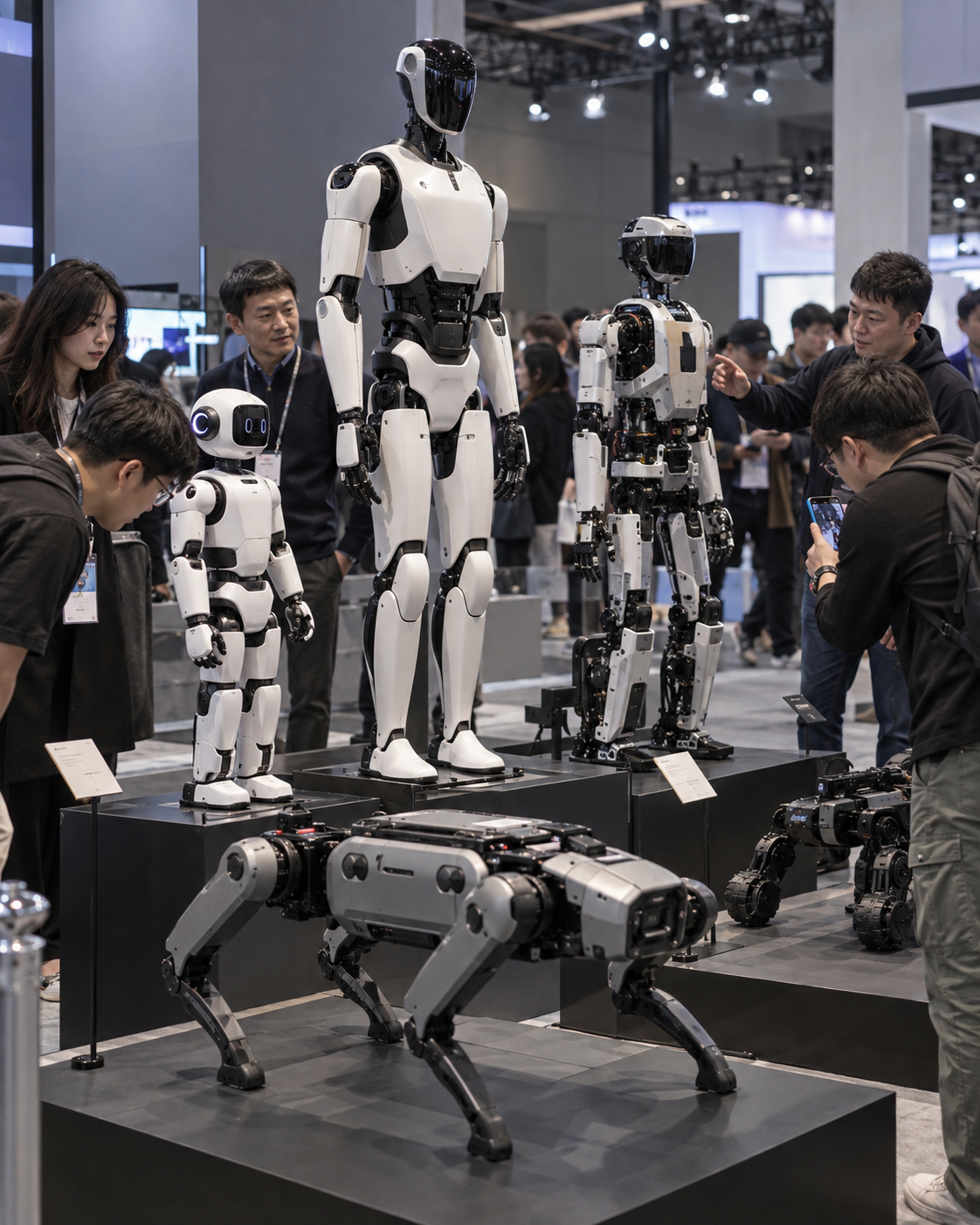
At its “919” event held on September 19, 2026, Faraday Future announced that it would unveil a lineup of nine AI robots based on five models and begin sales and deliveries. The compact humanoid, Master Mini, starts at $9,990, and the lineup also includes a large humanoid and an industrial quadruped robot. The nine models announced by the company are not nine completely different models, but rather nine specific configurations based on five models. The two categories—humanoids and quadrupeds— consisted of shapes, and
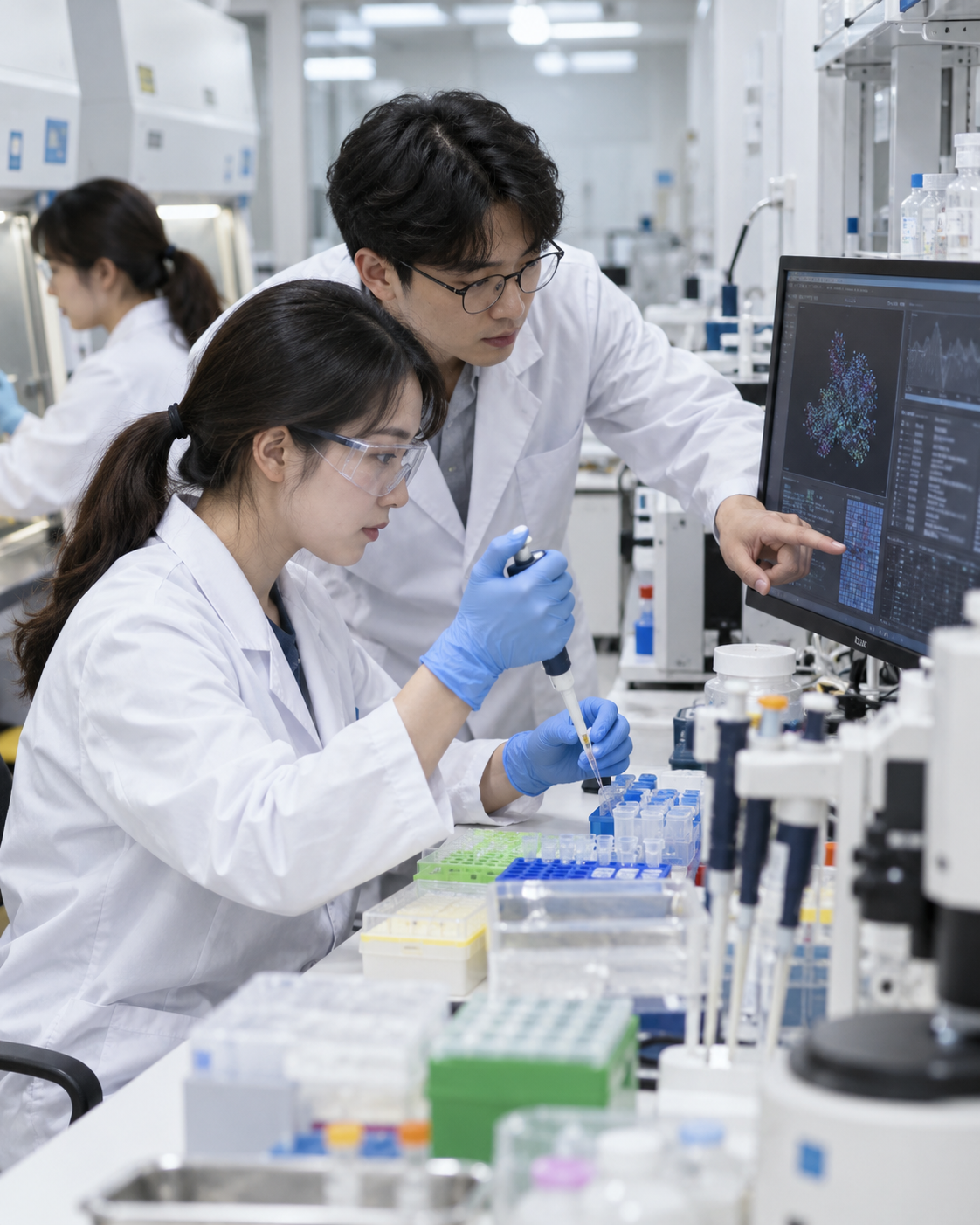
It has been confirmed that Anthropic operates a “wet lab” in the San Francisco Bay Area where it conducts actual biological experiments. The company has expanded its AI life sciences business beyond computer-based analysis and simulations to include a research space where it handles materials and equipment. Eric Kauderer-Abrams, head of life sciences at Anthropic, revealed in an interview with Reuters that the company is conducting real-world experiments through its own facilities and external partner institutions. However, the company This experiment
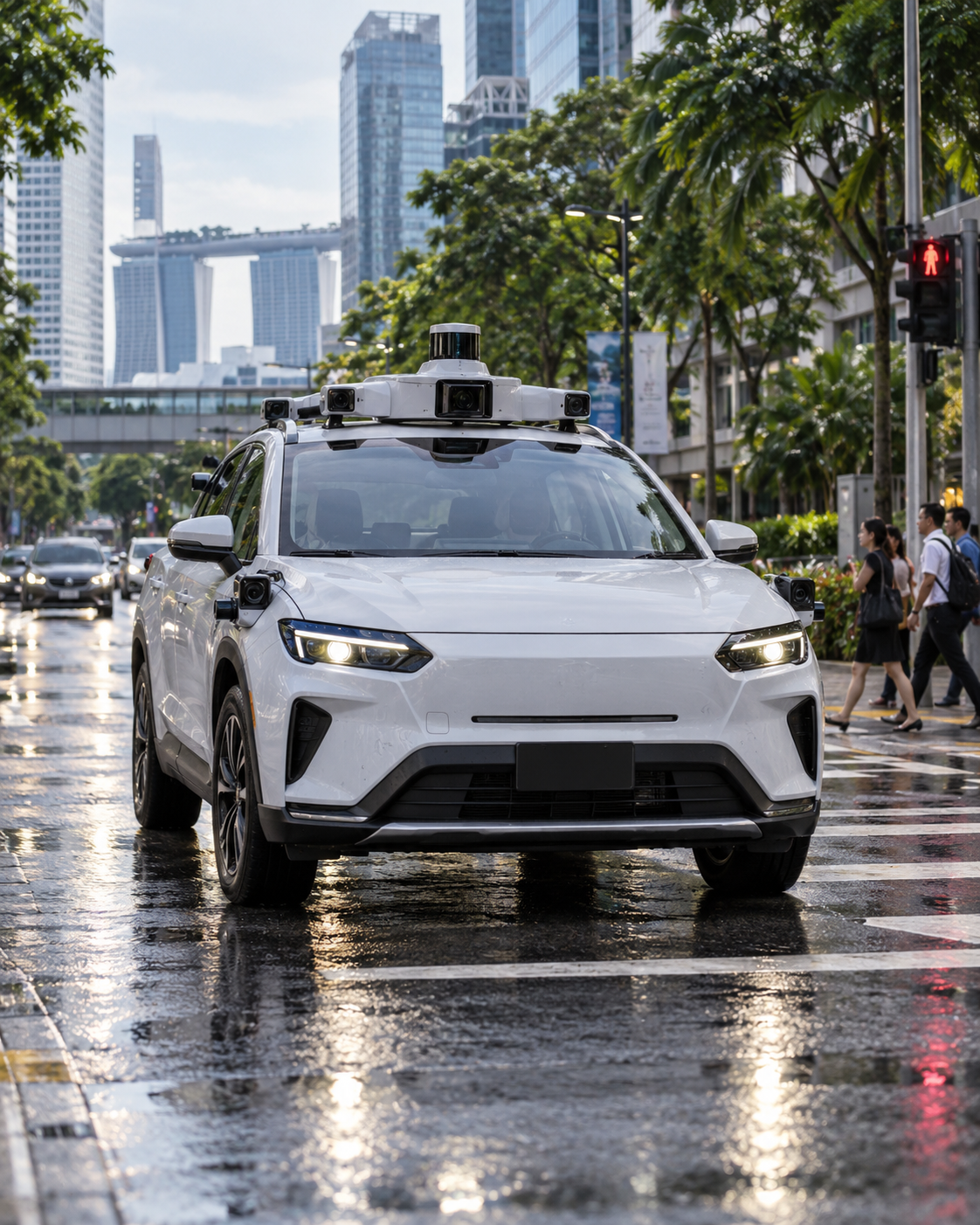
Waymo has announced plans to launch a fully autonomous ride-hailing service for the general public in Singapore in 2028. If everything goes according to plan, this will mark Waymo’s first entry into Southeast Asia. The service won’t launch all at once. Over the next few months, Waymo will import Jaguar I-PACE electric vehicles; in 2027, trained autonomous driving specialists will drive the vehicles themselves to collect local road data; and in 2028, the commercial service will launch. A phased schedule for launching the service
The French national research agency CEA and the quantum computing startup Alice & Bob have agreed to jointly develop software that combines quantum computers with conventional supercomputers. The initial area of application is materials physics research. The two organizations plan to enhance Qaptiva—developed by the French state-owned supercomputer company Bull—to facilitate task allocation and execution between quantum processors and high-performance computing environments. NVIDIA’s hybrid quantum-classical computing A platform capable of competing with CUDA-Q
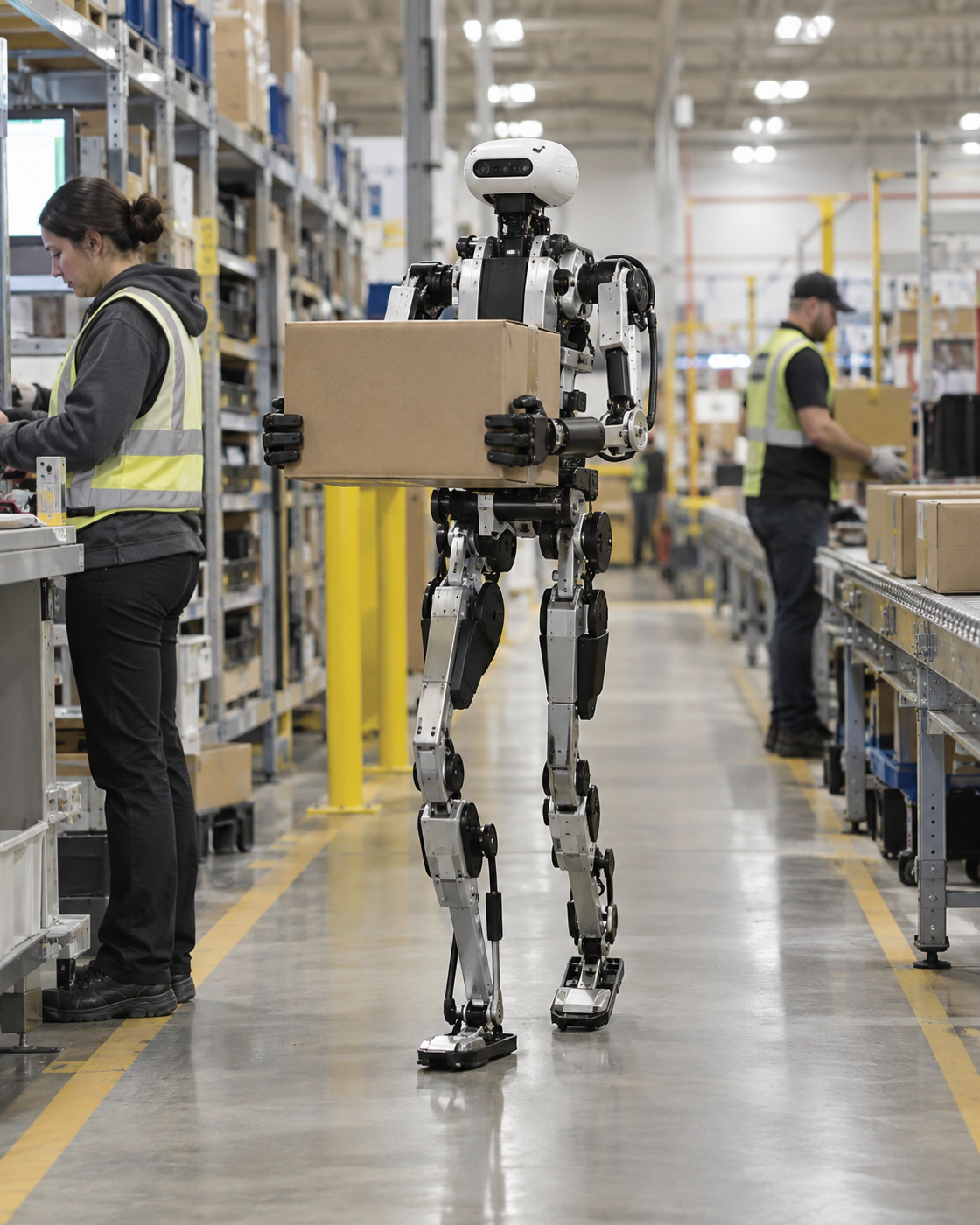
Agility Robotics has unveiled Digit 5, its next-generation humanoid robot designed for industrial settings. Building on more than 65,000 hours of operational experience recorded by the previous Digit 4 model at customer sites, the company has enhanced the robot’s safety features and work capabilities to enable it to operate in close proximity to humans. The company announced that, as of May 2026, multi-year customer orders for Digit 5 have exceeded $300 million. However, these orders are contingent upon meeting specific contract terms, and the full amount has not yet been recognized as revenue. It was recognized
The U.S. National Highway Traffic Safety Administration (NHTSA) has issued a Special Order to Tesla, requiring the company to submit the basis for its self-certification of the Cybercab’s compliance with federal safety standards by September 30, 2026. The response must be submitted along with an affidavit from a Tesla official. This order is a follow-up to Audit Query 26002, which NHTSA initiated on September 3. It goes beyond simply notifying Tesla of the start of an investigation; NHTSA has now requested, item by item, the technical documentation and decision-making process used for the certification.
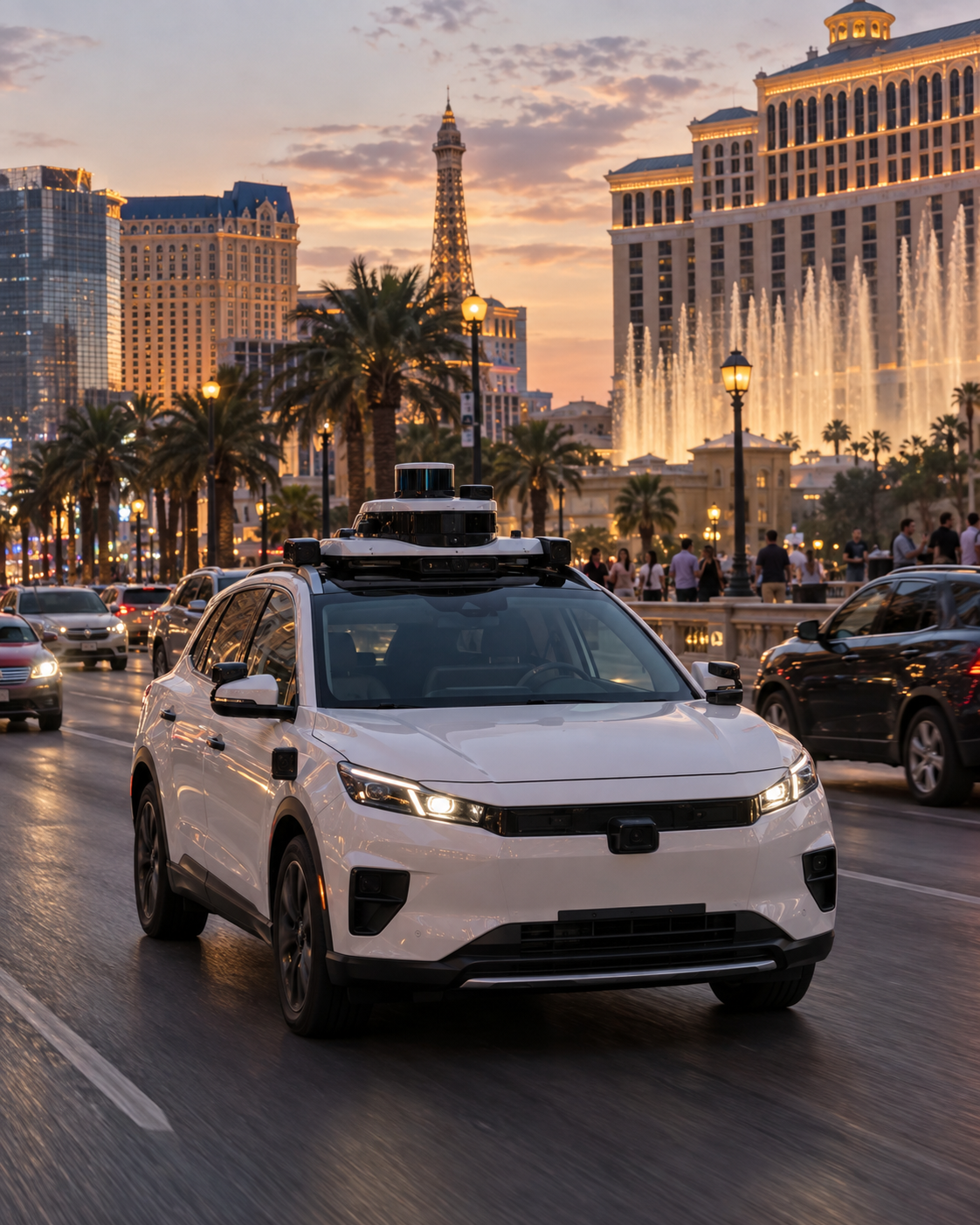
Waymo has launched a fully autonomous ride-hailing service for the general public in Las Vegas, Nevada. Las Vegas has become the first city in Nevada where Waymo is offering its service to the general public. The service will launch with dozens of vehicles, with plans to gradually expand its scale. The vehicles are equipped with Waymo’s sixth-generation autonomous driving system and are the Ojai model, built on a platform developed by the Chinese automaker Zeekr. It's being used. With this launch, the entire city will be covered at once
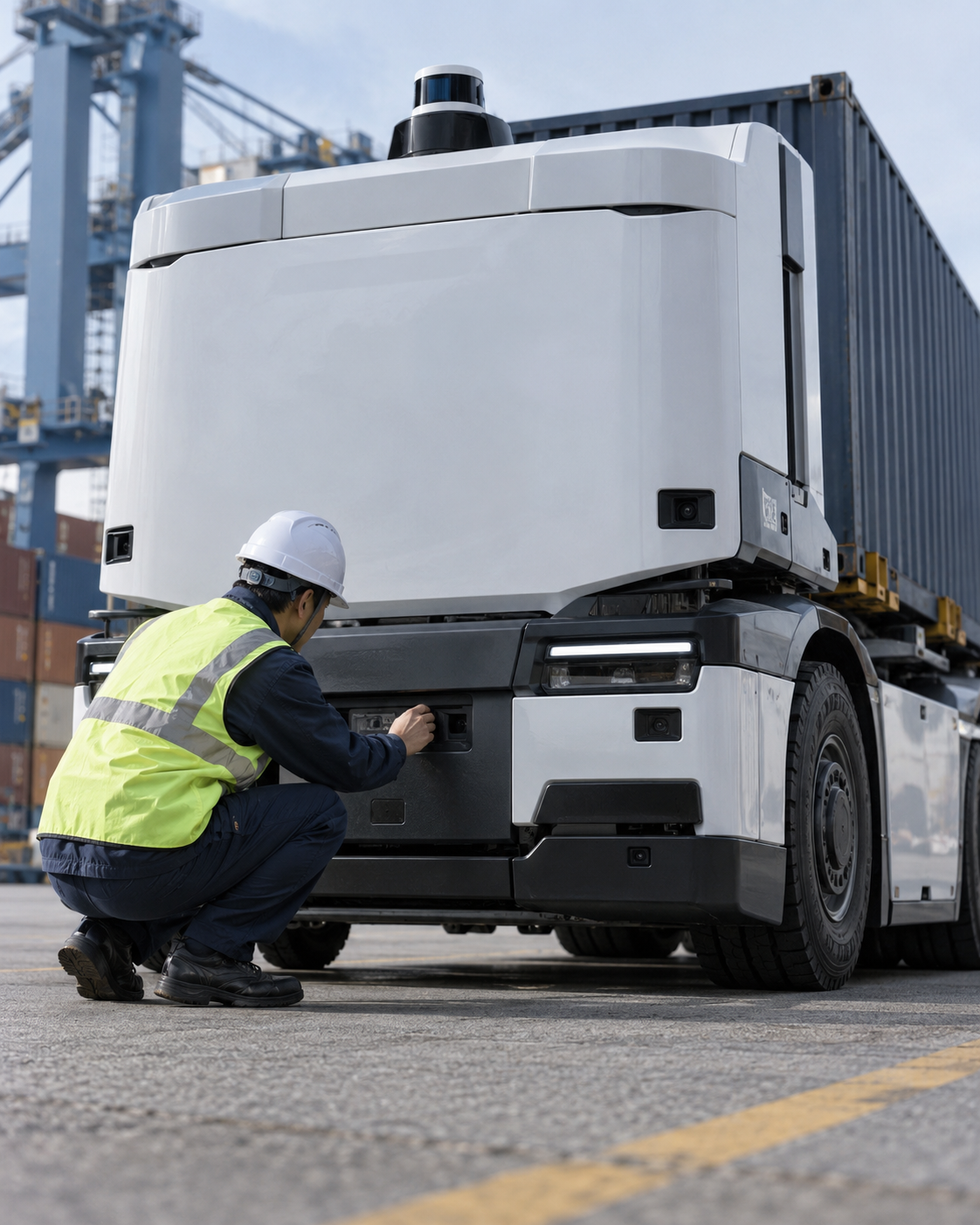
Self-driving trucks have moved beyond test runs and are now being used in the day-to-day operations of the distribution logistics industry. Swedish autonomous driving technology company Einride and retailer Lidl announced that they have deployed SAE Level 4 electric trucks—which have no driver’s seat—on regular transport routes on public roads in Germany. The vehicles transport goods between Lidl’s distribution centers and stores. This marks the first time the German Federal Motor Transport Authority has granted approval for this type of vehicle, and it is not a one-time demonstration but rather a recurring The fact that it is used for commercial transportation is the crux of this announcement
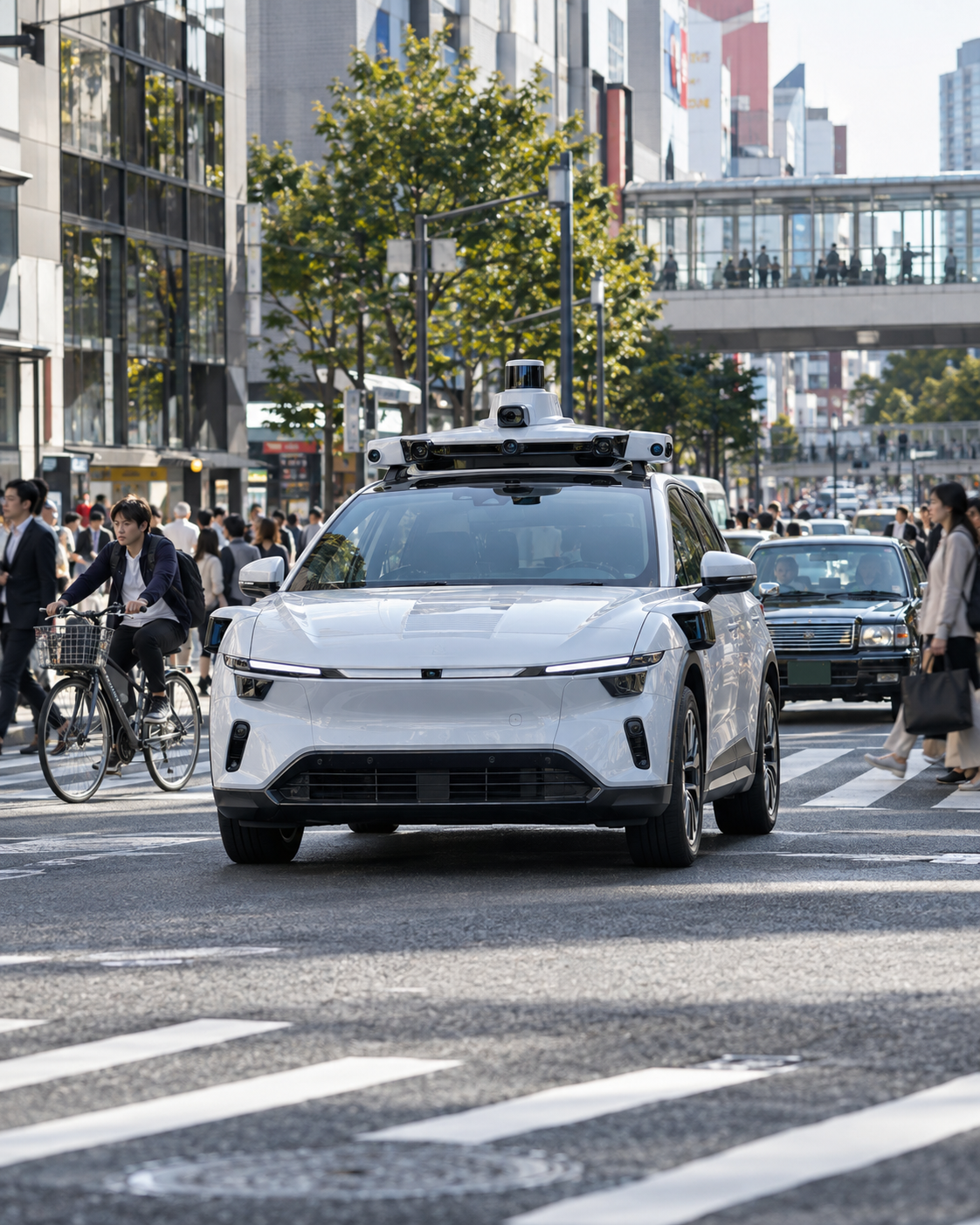
Waymo, which has been expanding its robotaxi service in the U.S., has finalized plans to enter the Japanese market. Waymo, the Japanese taxi-hailing platform GO, and the taxi operator Nippon Kotsu have officially agreed to launch a fully autonomous commercial service in Tokyo in 2027. If everything proceeds as planned, this could become Japan’s first fully autonomous commercial taxi service carrying the general public. However, the 2027 timeline is contingent upon regulatory approval and technical validation. That's the goal. The service area and the number of vehicles, too,
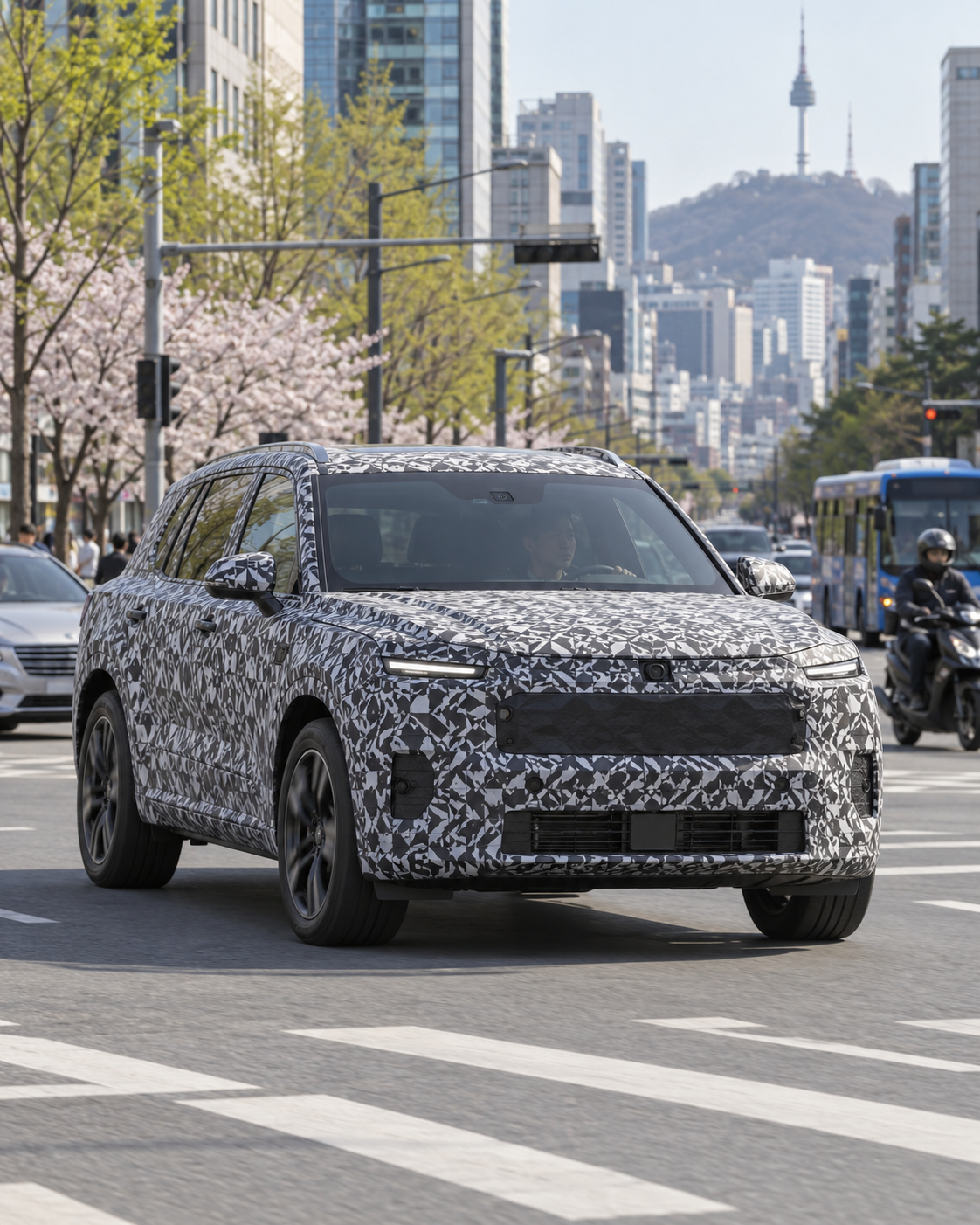
Hyundai Motor Group has announced plans to launch a mass-produced vehicle equipped with Atria AI, its in-house driver-assistance system, in the second half of 2029. This timeline is approximately two years later than the previously announced target of late 2027. To bridge that gap, the company will first introduce a system developed jointly with NVIDIA. According to Hyundai Motor Group’s official roadmap, the company aims to launch a Level 2+ production vehicle based on NVIDIA’s solution in the first half of 2028 and a Level 2++ production vehicle in the second half of 2028. Hyun
China’s Ministry of Industry and Information Technology has unveiled a smart electric vehicle industry roadmap that calls for the widespread adoption of autonomous vehicles by 2030. It is important to note that this is a national-level goal addressing technology, regulations, and industrial cooperation—not merely a plan for individual companies to conduct test runs. China has already been expanding robo-taxi and autonomous driving demonstrations in several cities. This plan represents the next step toward transitioning from limited trials to widespread deployment across a broad geographic area. You could call it a step. | The Meaning Behind the 2030 Goal: “Large-Scale Adoption”
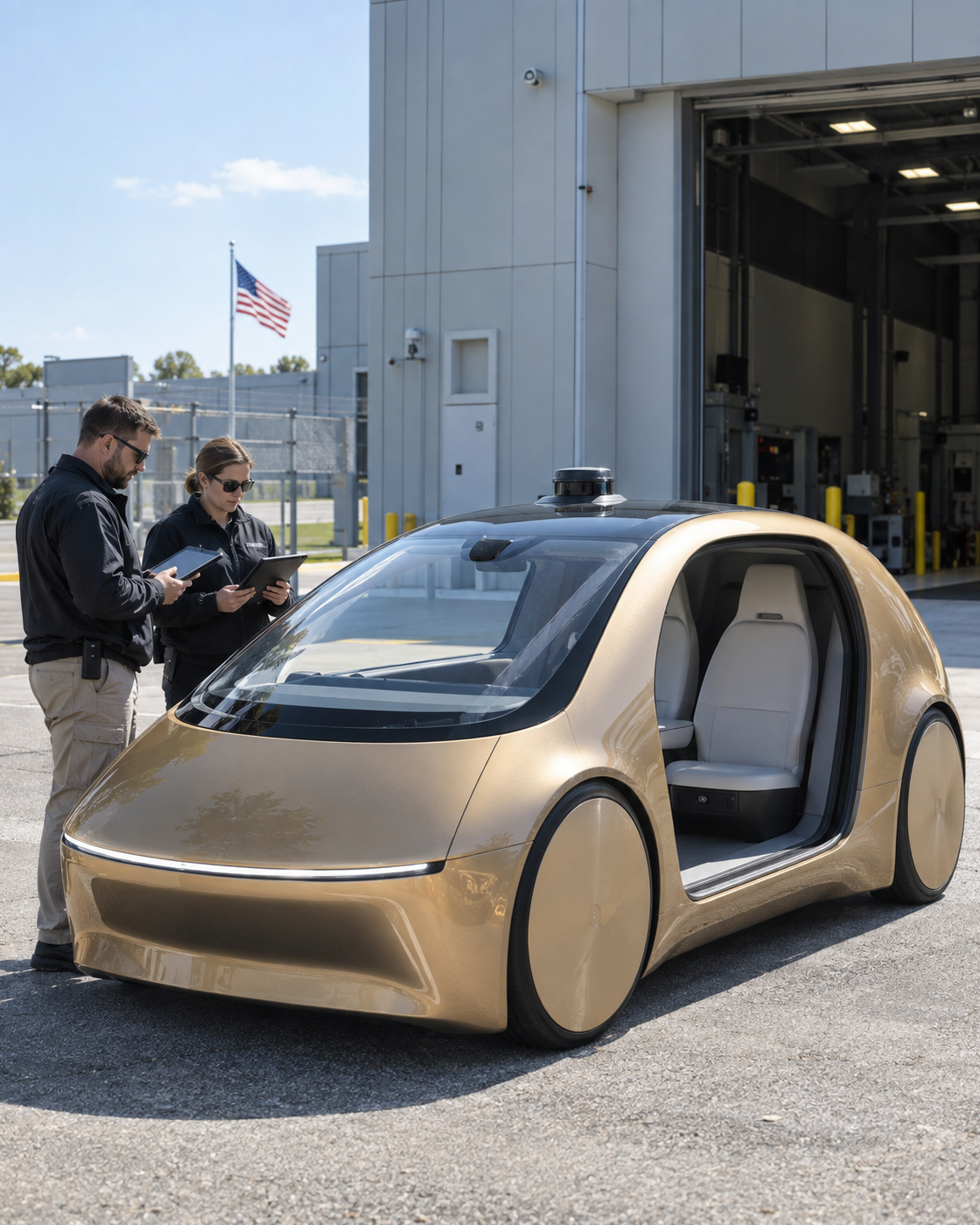
As robo-taxis without steering wheels or pedals began actual commercial operations, the U.S.’s long-standing automotive safety standards and the new design of autonomous vehicles came into direct conflict. This is because the National Highway Traffic Safety Administration (NHTSA) launched an official investigation to verify the basis for Tesla’s self-certification of the Tesla Cybercab’s compliance with federal safety standards. The NHTSA has opened an Audit Query (Case No. AQ26002) to determine what technical documentation and decision-making procedures Tesla used to certify that the Cybercab complies with all relevant federal Automotive Safety Devices
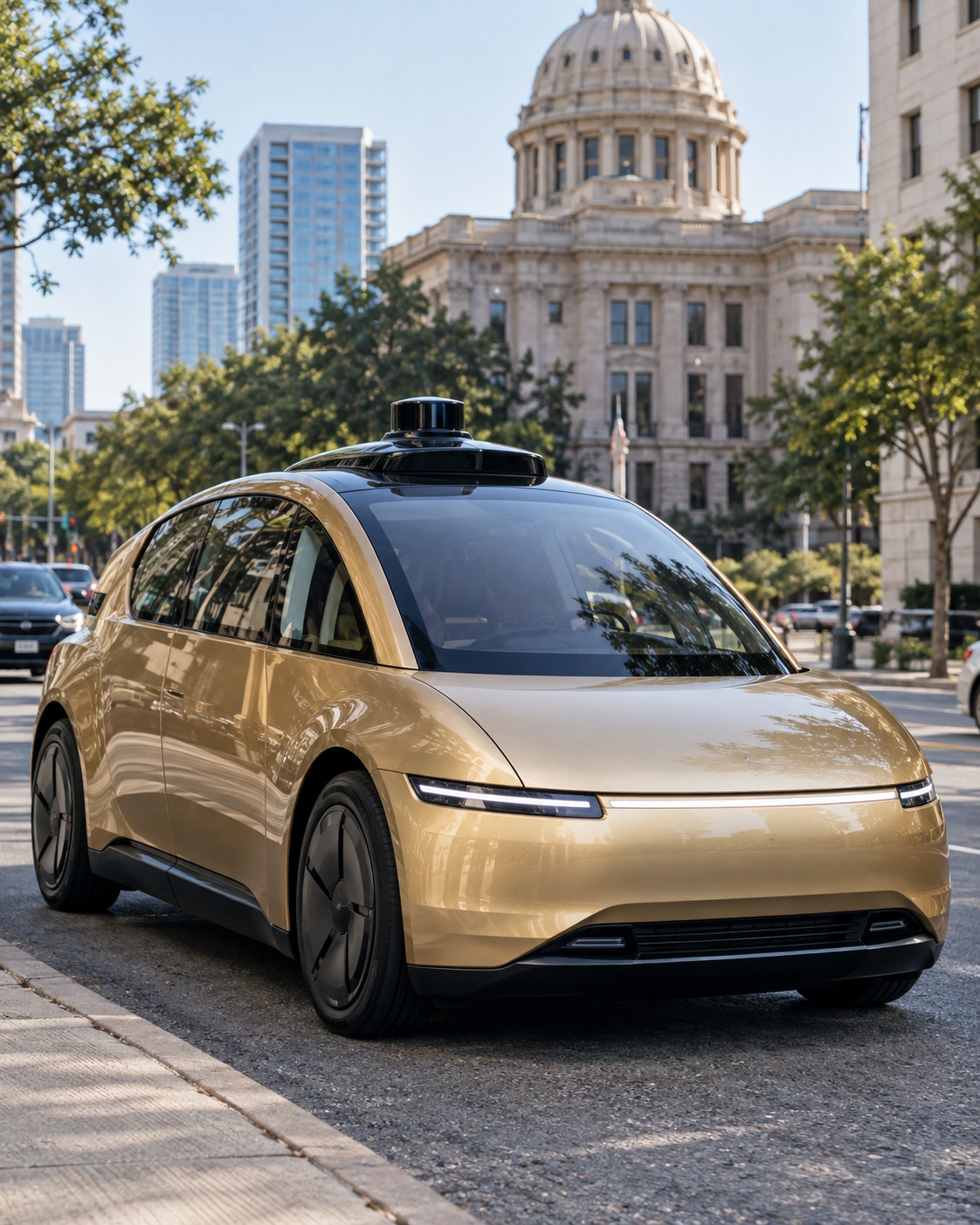
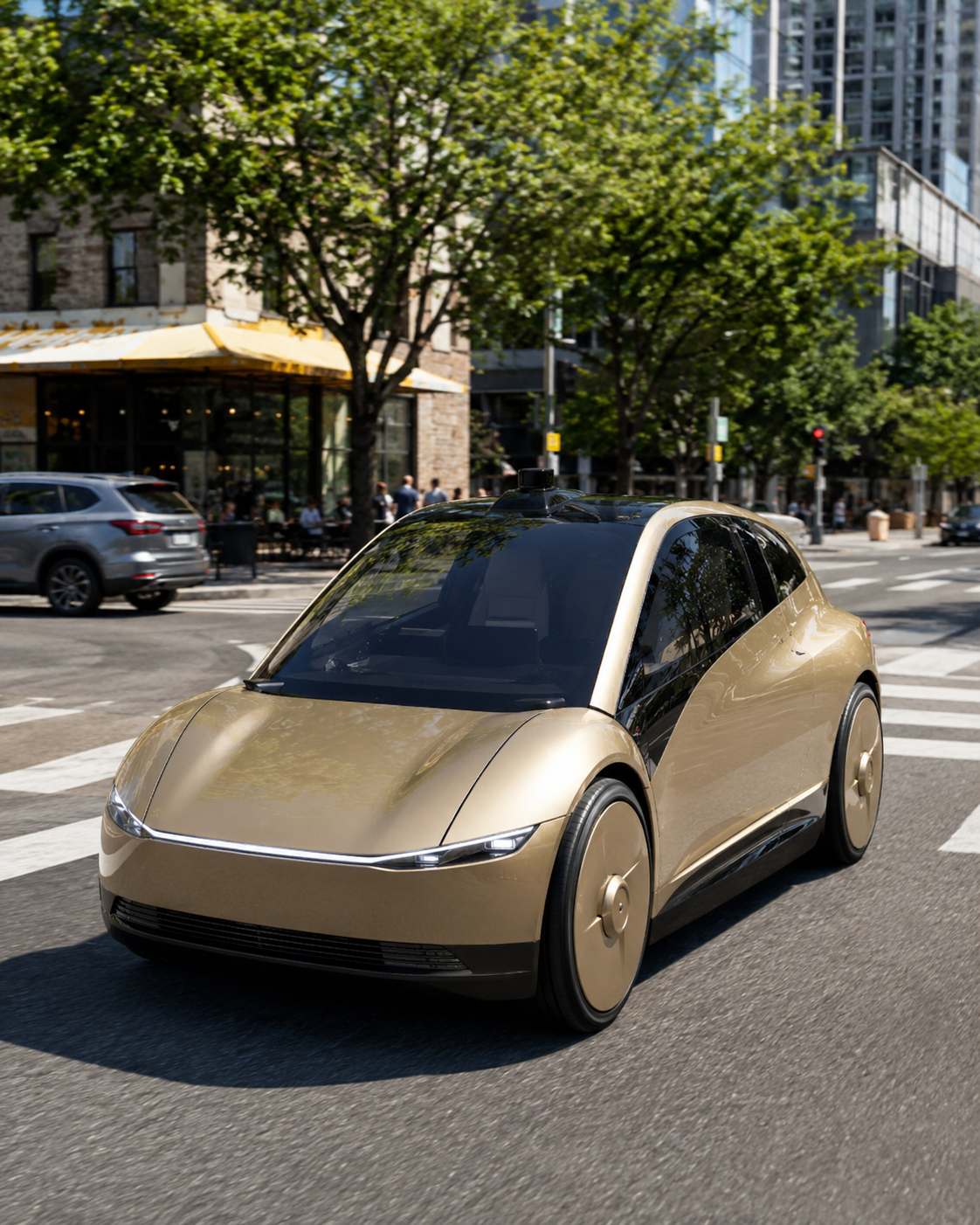
Tesla has begun offering rides to the general public in certain areas of Austin, Texas, using the Cybercab, a two-seater autonomous vehicle with no steering wheel or pedals. What’s significant is that vehicles designed specifically for autonomous driving have begun carrying real passengers, marking a shift from the company’s previous robo-taxi service, which used modified Model Y vehicles. However, this does not mark the launch of a large-scale commercial service across all of Austin. Tesla has limited the service area to specific zones, and it remains unclear when Whether a fee will be charged for riding in a Cybercab—details
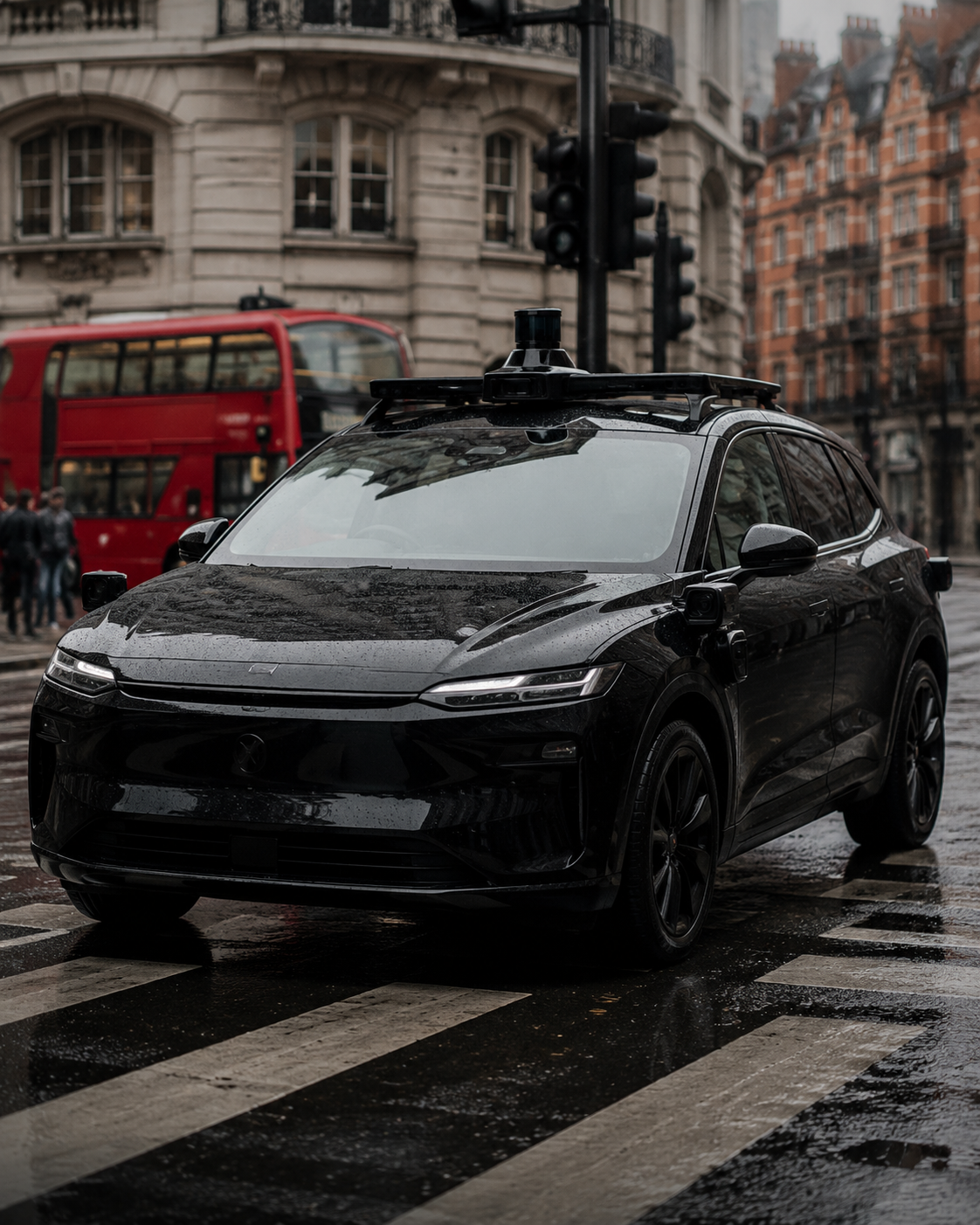
Uber and the British AI company Wayve have launched an autonomous ride-hailing service in London that’s available to the general public. The key point is that the service has moved beyond the stage of test vehicles simply driving on the roads; existing Uber users can now be assigned these vehicles as actual modes of transportation through the app. The service is launching with a small fleet of Ford Mustang Mach-E electric vehicles, each with a trained safety operator on board. Therefore, this phase is not yet fully driverless, with no human passengers on board. Supervised, not autonomous
The Canadian government has decided to provide 195 million Canadian dollars in funding to help Xanadu Quantum Technologies, a photonics-based quantum computing company, build a manufacturing facility. This amounts to approximately 141 million U.S. dollars. The total project cost is 893 million Canadian dollars, with the expansion of research and development facilities and the establishment of advanced photonic component manufacturing capabilities at its core. The Canadian government expects that up to 275 skilled jobs will be created. This funding is A Completed General-Purpose Quantum Computer
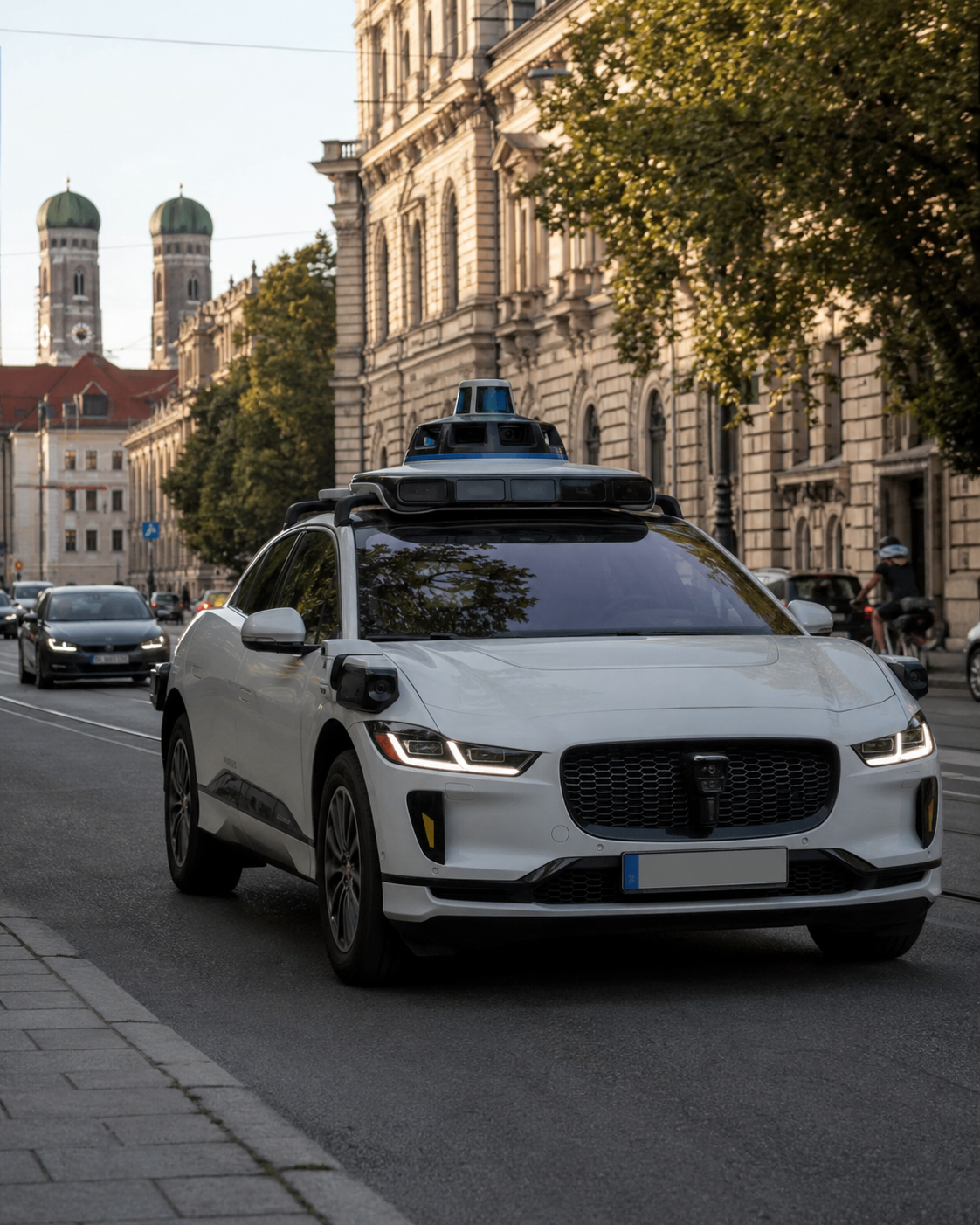
Waymo, which has been expanding its robotaxi business in the U.S., has chosen Munich, Germany, as a springboard for entering the European Union market. The key point of this announcement is that the company is preparing a fully autonomous ride-hailing service to carry regular passengers locally—going beyond mere overseas test runs. Waymo plans to manually drive its vehicles on Munich’s roads over the next few weeks to create high-definition maps. Afterward, trained safety operators will sit in the driver’s seat Conduct autonomous driving validation under these conditions and secure the necessary permits to
China’s humanoid robot, Tiangong Ultra, covered 100 meters in just over 8 seconds. This record demonstrates that technology is rapidly advancing beyond simply mimicking human walking—it now allows the robot to maintain balance while running at high speeds on two legs. According to Reuters, Tiangong Ultra, developed by the Beijing Humanoid Robot Innovation Center, advanced to the semifinals of the 100-meter race in the large robot category at the World Humanoid Robot Games on August 25, 2026.
The focus of the autonomous truck race is shifting from technology demonstrations to full-scale logistics operations. With autonomous logistics startup Gatik securing $200 million, the company is now poised to aggressively expand its fully driverless freight transport services between distribution centers and retail stores. This Series D funding round was led by the Qatar Investment Authority (QIA) and Koch Disruptive Technologies (KDT). To date, Gatik has achieved fully autonomous transportation
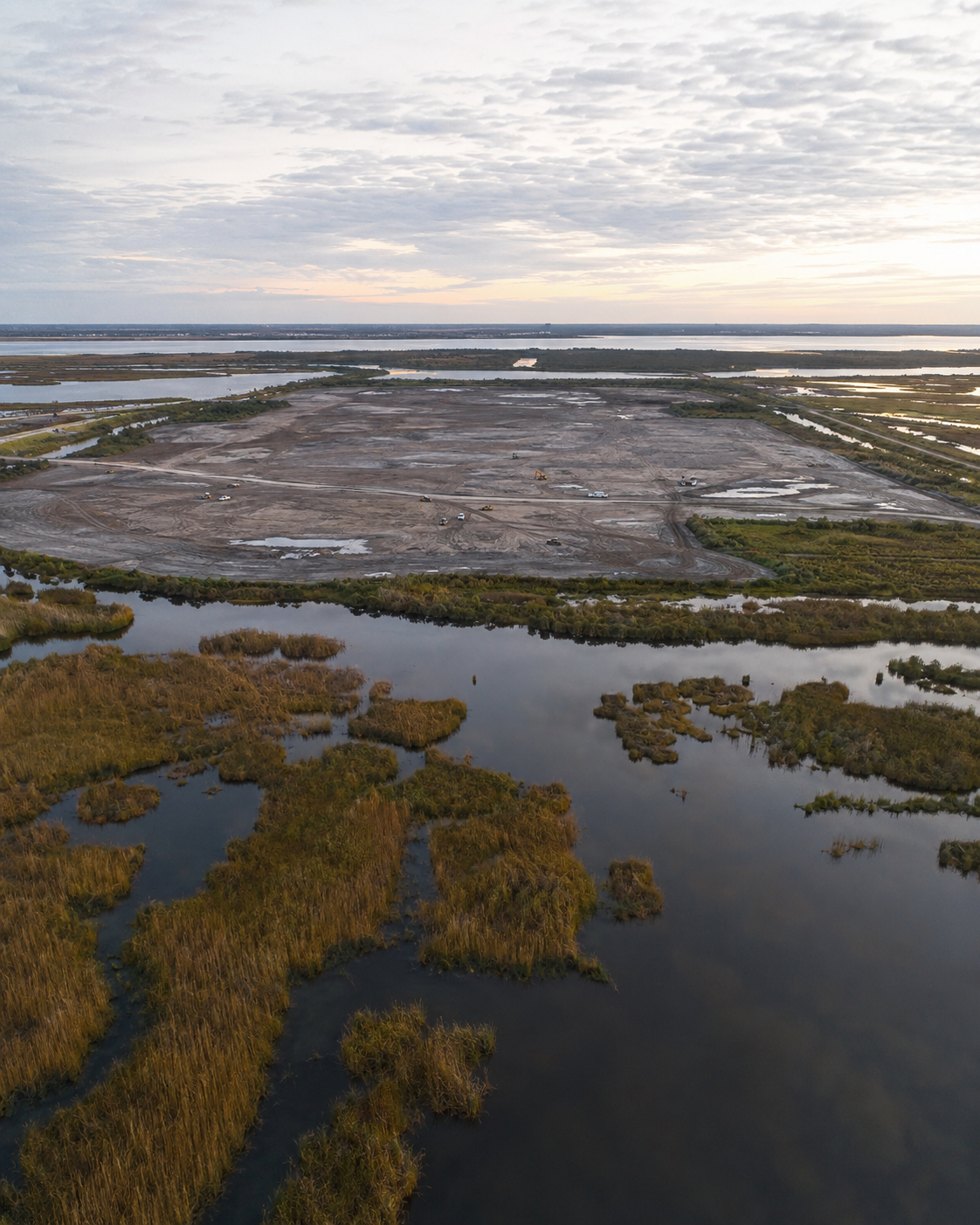
SpaceX is moving beyond simply building another rocket launch site; it is pushing forward with plans for a massive space industrial complex that consolidates launch, fuel, power, and transportation capabilities in one location. If this plan comes to fruition, it could mark a major turning point, shifting Starship operations from a focus on test launches to a focus on mass transportation infrastructure. SpaceX and the state of Louisiana are set to develop Starbase Louisiana on a 125,000-acre site near Pecan Island in Vermilion Parish. It was announced. The investment was announced.
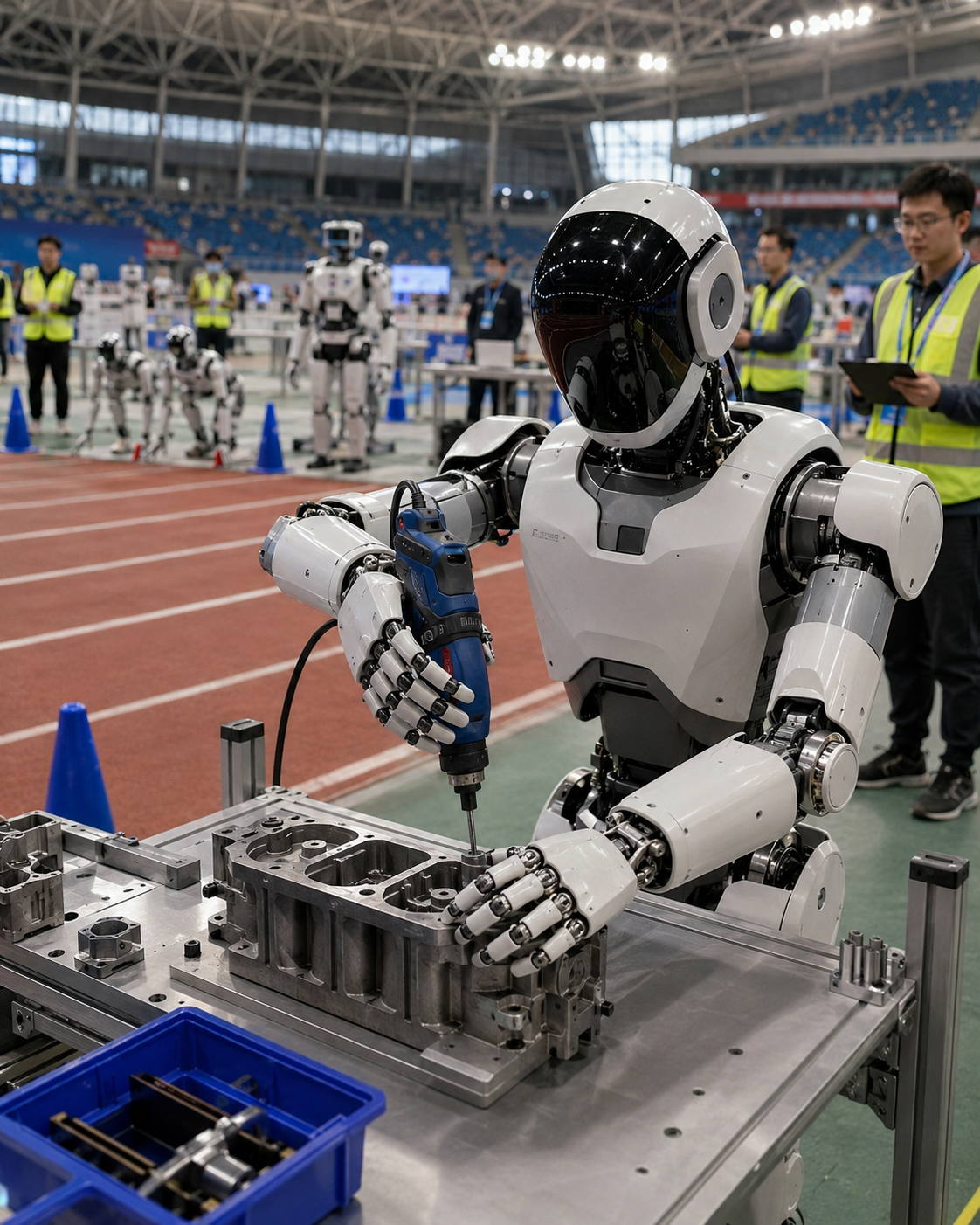
The 2nd World Humanoid Robot Games kicked off in Beijing, China, on August 22 for a five-day run. Just hearing the name brings to mind scenes of robots running, dancing, and playing soccer. In fact, this year’s event also features spectator-focused competitions such as track and field, soccer, combat, martial arts, and sports dancing. However, the real change in this competition is taking place on one side of the arena. Robots are tightening screws, Connect the cable, at hotels and at home
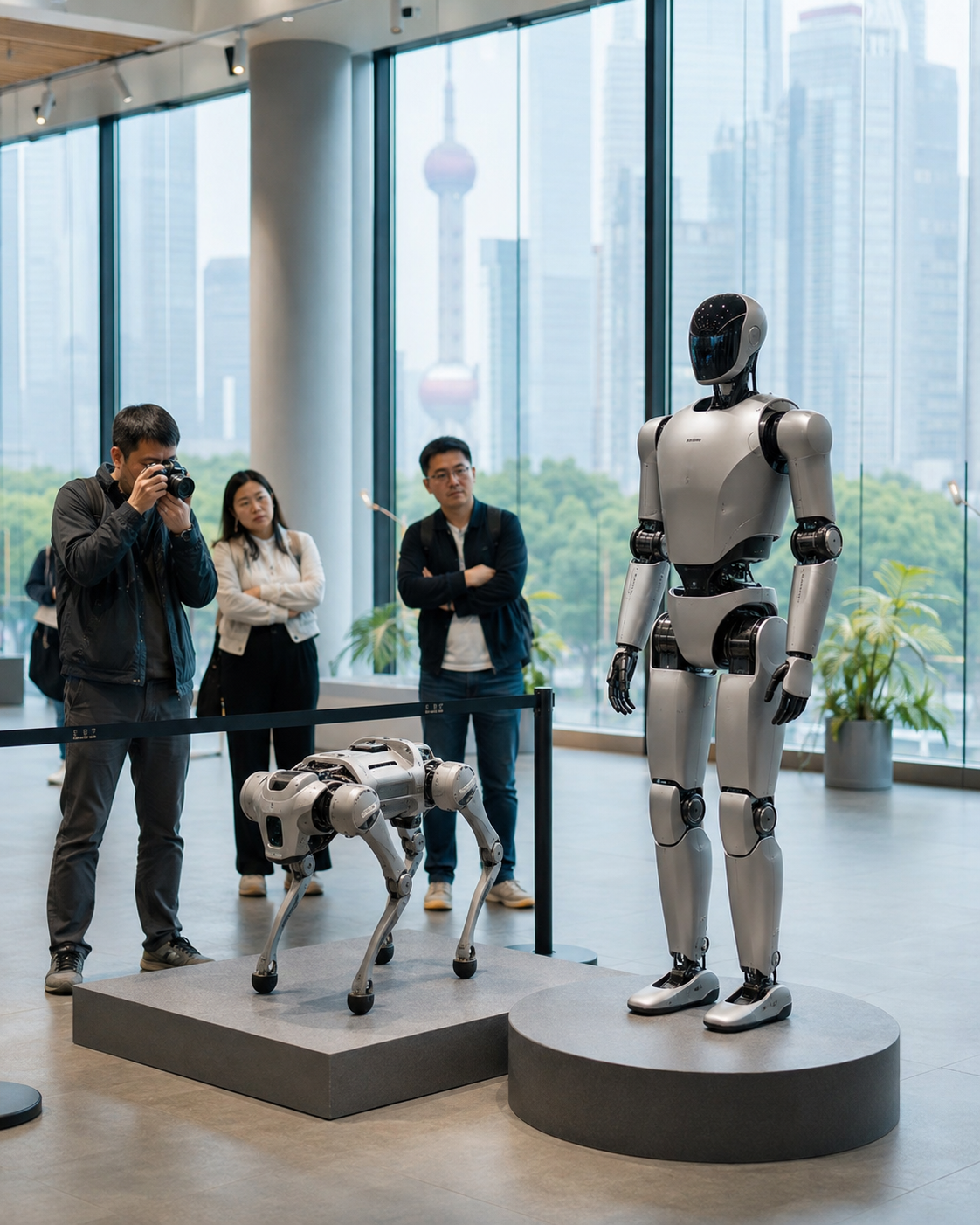
The competition in generative AI is shifting from the screen to the real world. While we looked at the domestic physical AI trend yesterday, today brought news highlighting movements in the global market. When Unitree, a Chinese company specializing in humanoid and quadruped robots, listed on the Shanghai STAR Market, its stock price soared well beyond five times the initial public offering (IPO) price on its first day of trading. This listing goes beyond the success of a single robotics company; it signals that the capital market is embracing humanoid robots as “AI How highly is it regarded as the “next industry”?
Quantum computers are beginning to move beyond standalone lab equipment and into general-purpose cloud infrastructure. Oracle and Quantinuum have formed a multi-year strategic partnership and agreed to deploy Quantinuum’s quantum computer, Helios, in Oracle Cloud Infrastructure (OCI) AI data centers in the United States. The key point of this announcement is not that quantum computers will replace GPUs. CPUs, GPUs, high-performance computing (HPC), and quantum computing—
When winter temperatures drop significantly, the true performance of heating appliances becomes apparent. In particular, air-source heat pumps—which draw heat from the outside air—are highly efficient under normal conditions, but as outdoor temperatures drop, it becomes increasingly difficult to maintain their heating performance and efficiency. This is a problem that must be solved to expand the adoption of heat pumps in regions where severe cold persists for long periods, such as North America and Northern Europe. To tackle this challenge, Samsung Electronics has We have launched a joint research project with Oak Ridge National Laboratory, which is part of the U.S. Department of Energy. The goal is simply