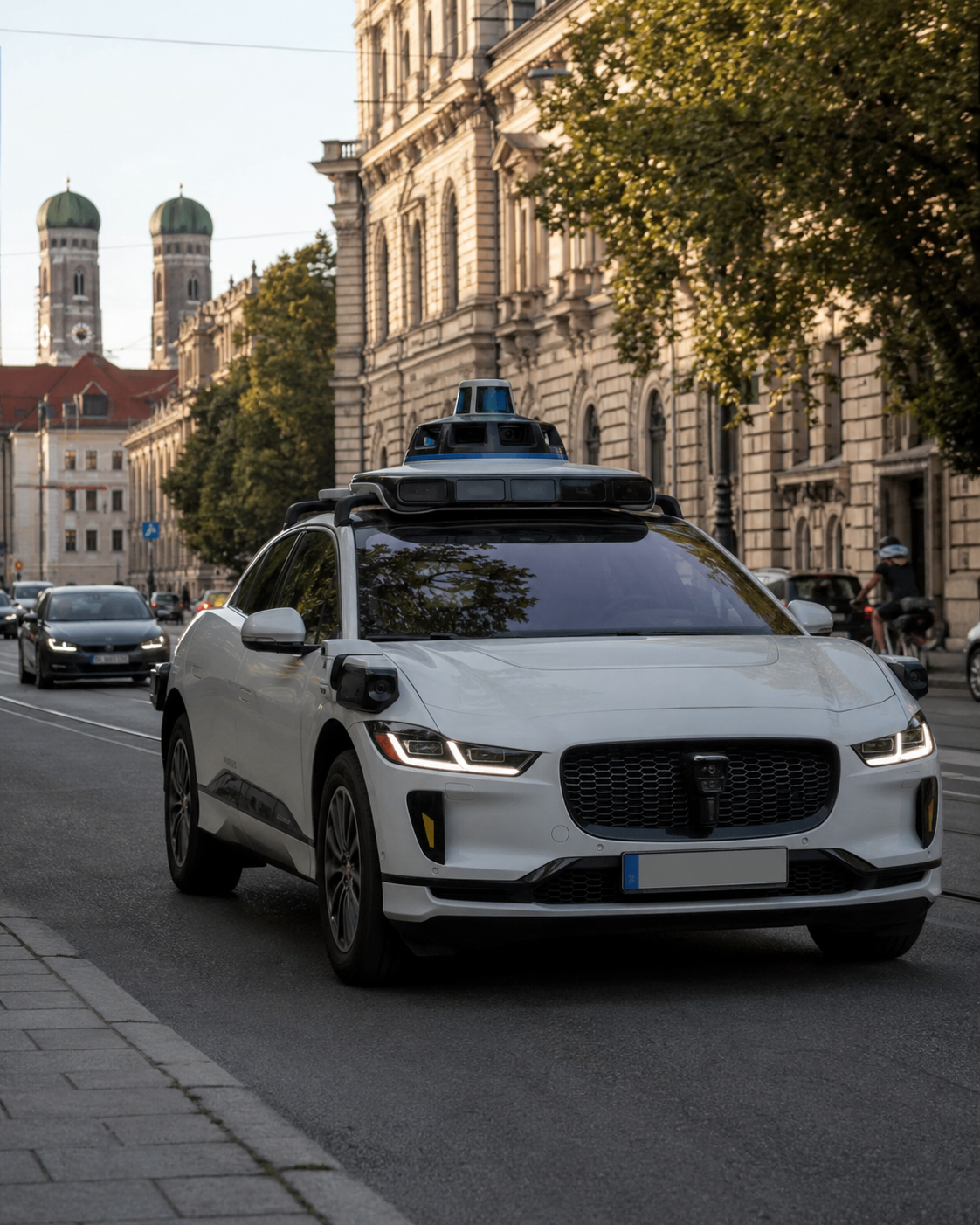
Having expanded its robotaxi business in the United States, Waymohas chosen Munich, Germany, as a springboard for entering the European Union market. Going beyond mere overseas test runs, The fact that they are preparing a fully autonomous ride-hailing service to pick up regular passengers locallyThat's the key point of this announcement.
Waymo plans to manually drive its vehicles on Munich’s roads over the next few weeks to create high-definition maps. Afterward, it will conduct autonomous driving tests with a trained safety driver in the driver’s seat and secure the necessary permits to Late 2027 Our goal is to launch a commercial service.
However, driverless robotaxis haven't actually started operating in Munich yet. The timeline of "late 2027" isn't a confirmed launch date either; it should be viewed as a goal set by Waymo, contingent on regulatory approval and local validation.
| The first step is manual mapmaking, not autonomous driving
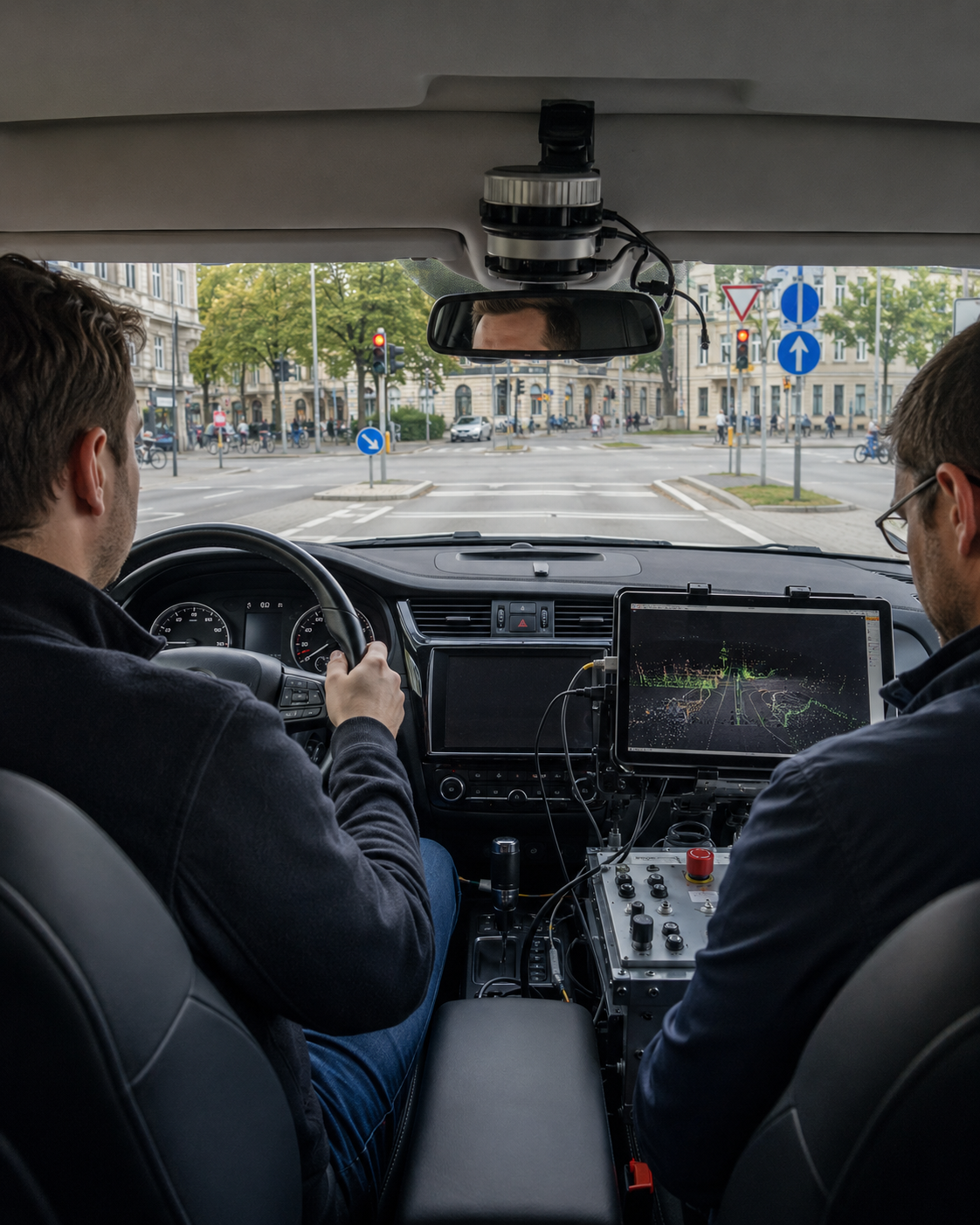
The first step in Munich will involve a human driver collecting road data while driving the vehicle. During this process, Waymo plans to compile local information—such as lane markings, traffic signs, intersections, speed limits, and road boundaries—that the autonomous driving system will use to make decisions.
High-precision maps are much more detailed than standard navigation maps. Even if a vehicle uses sensors to detect its surroundings in real time, having prior information about the road layout allows it to determine its current location and route more reliably.I can do it.
Therefore, even if Waymo vehicles are spotted on the streets of Munich in the future, you shouldn’t assume that fully autonomous testing or a paid service has begun. The initial vehicles are being driven by humans, and this is part of the data collection phase in preparation for the service.
| From Manual Driving to Fully Autonomous Driving
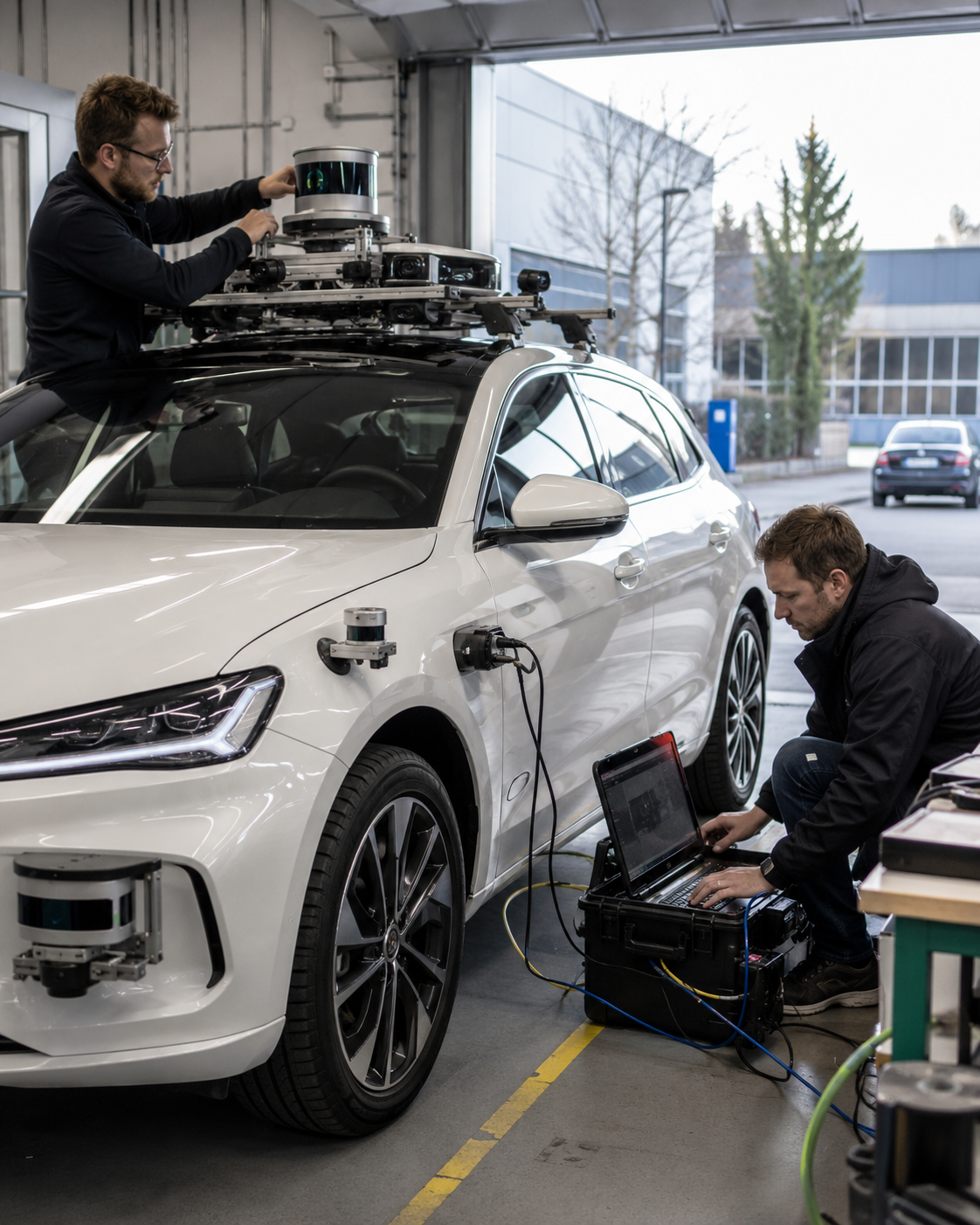
After completing the map creation, with a trained local validation driver seated in the driver's seat, Waymo Driver...will be tested. During this phase, the system will drive in real Munich traffic, but a human can intervene if necessary.
The next step is fully autonomous driving with no one in the driver's seat. Waymo has also undergone manual mapping and safety driver verification in other cities, and after He explained that they have been expanding their driverless service by starting with limited operating areasYeah.
This phased approach isn't just a process for verifying technical performance. It can be viewed as a process for verifying not only that safety standards required by local authorities are met, but also that operational systems—including accident response, vehicle management, and remote support—are in place.
| Why I Chose Munich
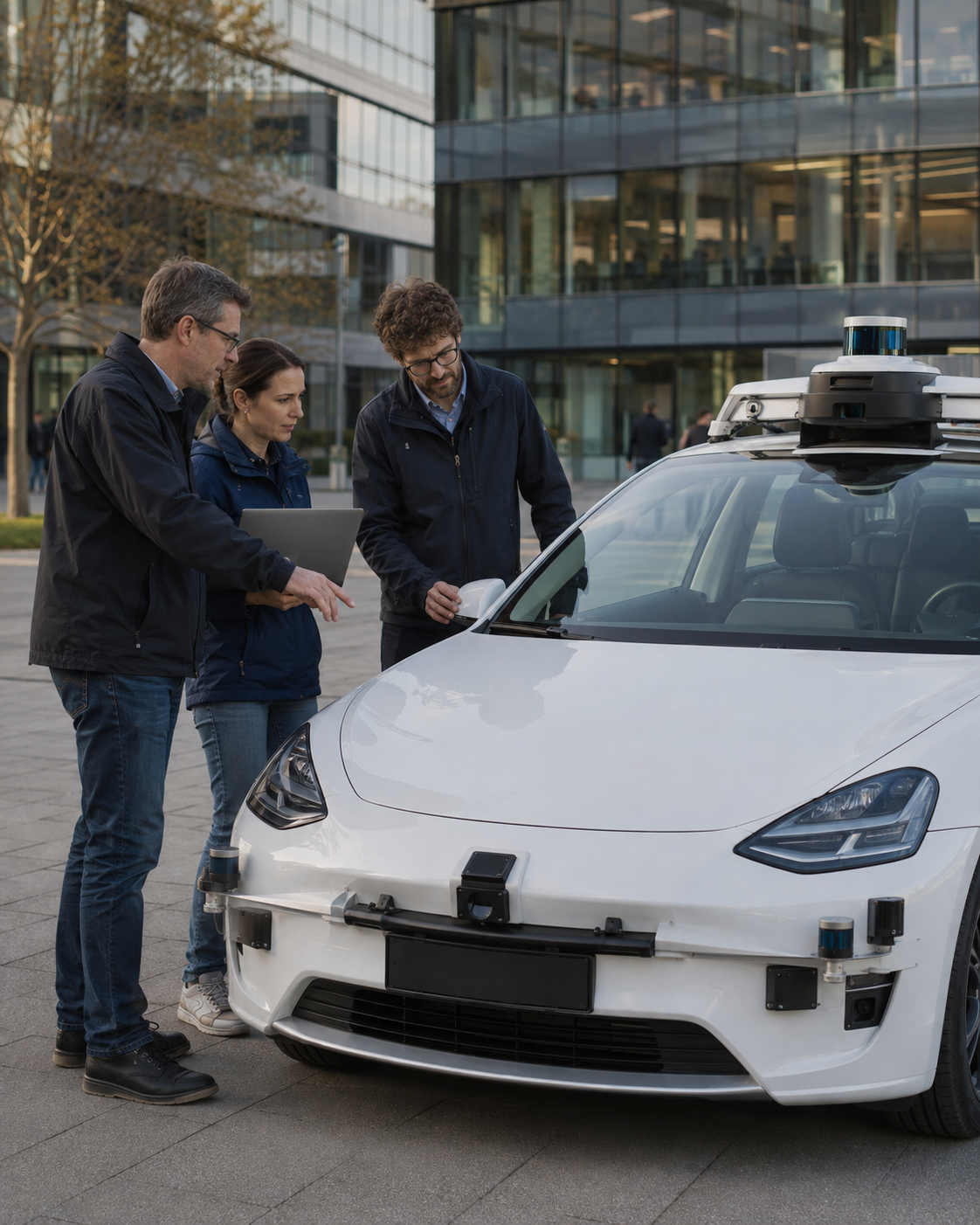
Munich is Germany's leading automotive and engineering hub, home to BMW's headquarters. An environment conducive to testing autonomous driving technology and recruiting relevant talent, as it brings together automakers, parts suppliers, research institutions, and AI companiesIt is equipped with...
It is also important to note that Germany has already established a legal framework for Level 4 autonomous driving. According to the German Federal Ministry of Transport, the relevant law provides the basis for Level 4 vehicles to operate on public roads within designated areas.
Level 4 is the stage where the system takes over driving within specific areas and under certain conditions, without the need for a human to continuously monitor the vehicle. However, the mere existence of a legal framework does not automatically grant approval to individual services; Waymo must obtain the necessary permits for its vehicles and operating areas separately.
| Scale built up in the U.S.
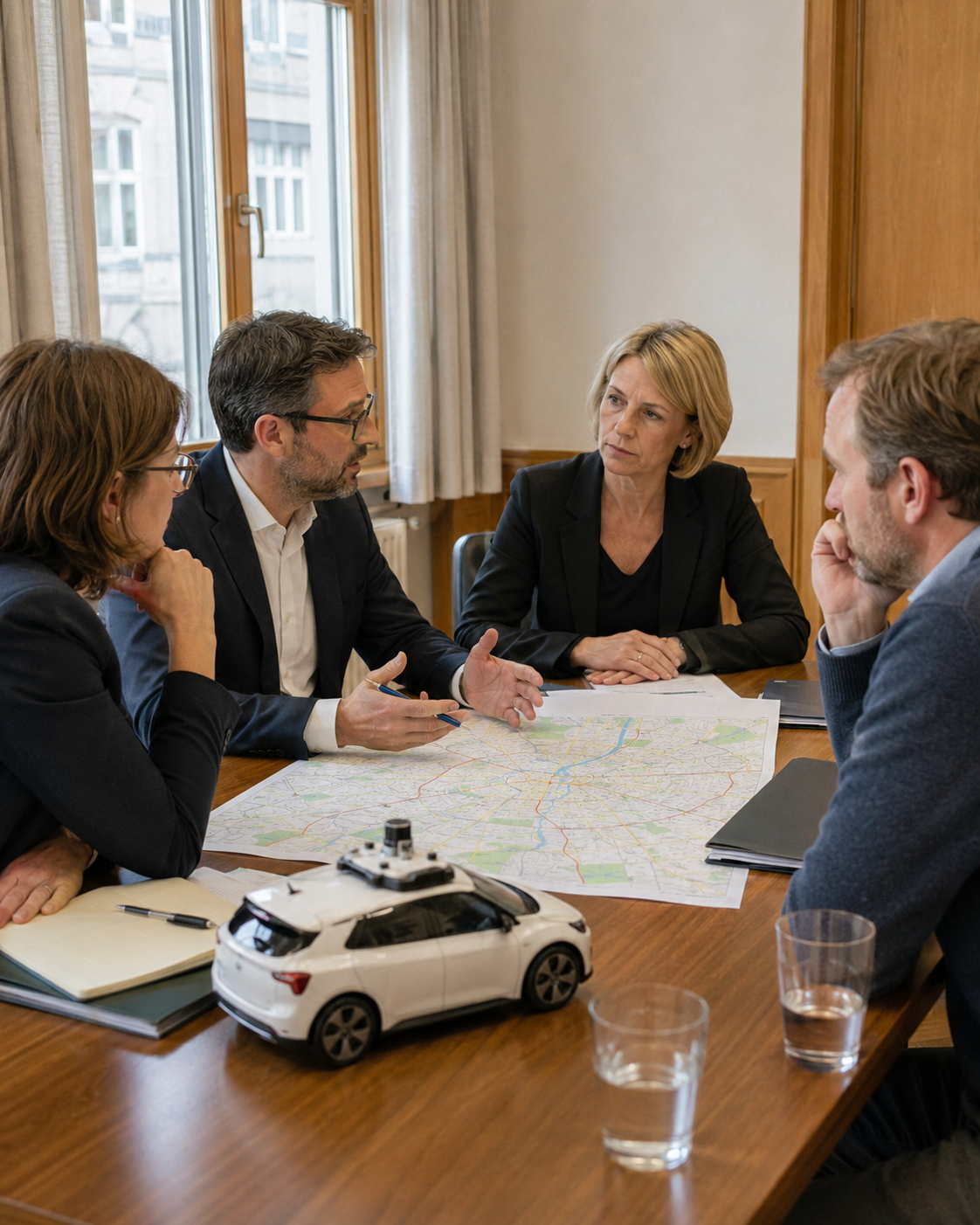
According to the company's announcement, Waymo has, to date, Over 20 million rides in autonomous ride-hailing services... was provided. The Munich information page states that in several U.S. cities, per week More than 500,000 timesIt is described as handling the operation of [...].
Operational experience gained by actually carrying passengers in this way could be a strength in the robotaxi business, where ride requests, dispatching, charging, cleaning, maintenance, and remote support all work in tandem. Waymo has announced plans to invest in local vehicle operations facilities and hire specialized personnel in Munich as well.
However, driving data collected in the U.S. does not automatically guarantee the same performance in Munich. Given the differences in road design, traffic laws, driving habits, and weather, local validation results will serve as a more direct basis for determining whether to bring the vehicle to market.
| European-style road conditions
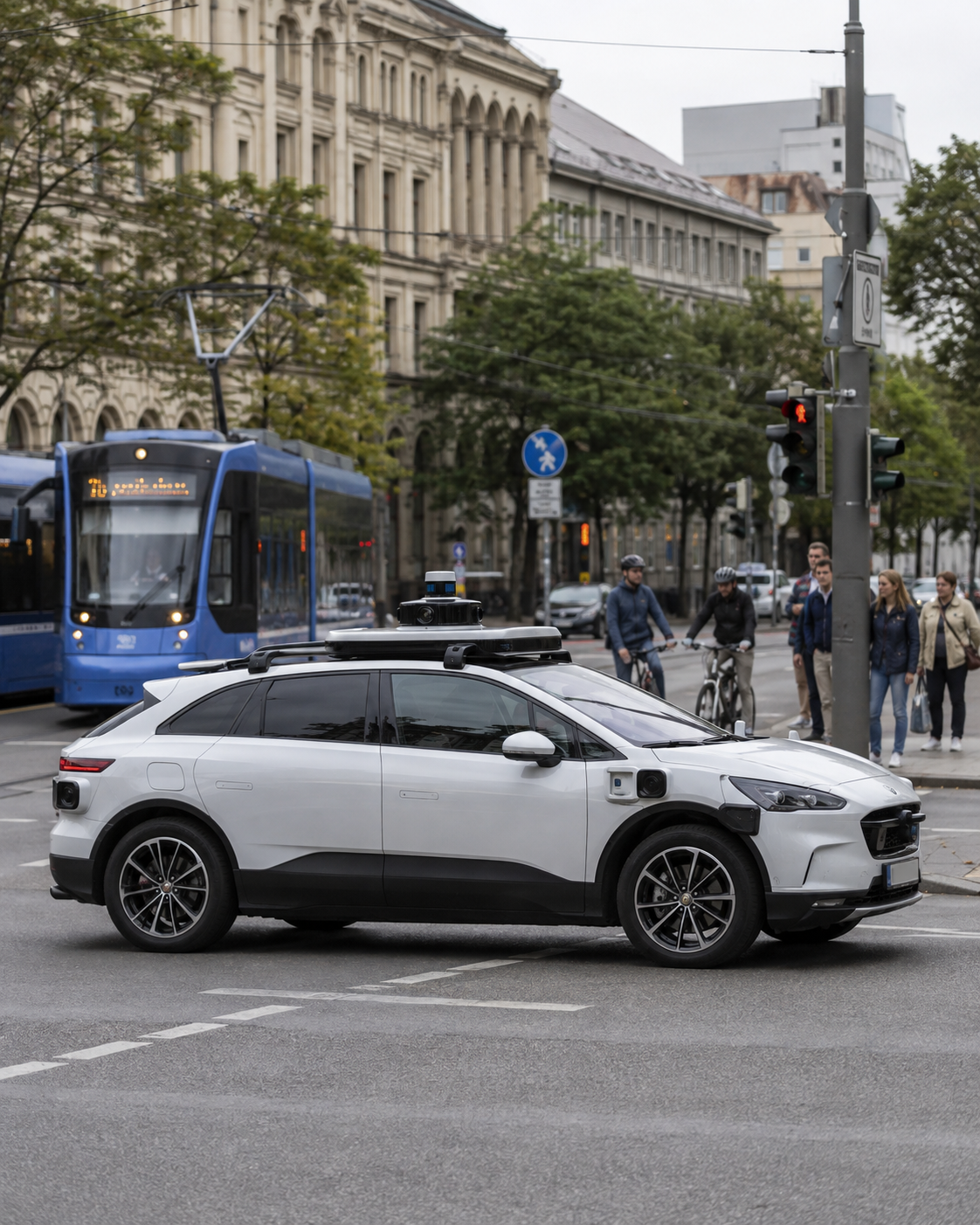
Munich features a mix of historic city streets and wide boulevards, where cars, trams, bicycles, and pedestrians all move in a complex interplay. Autonomous driving systems must accurately understand local characteristics, such as the design of traffic signs, lane operation methods, and rules giving priority to pedestrians and cyclists.
Waymo is training its system to recognize German road signs and traffic patterns, and He explained that they plan to fine-tune the system using data collected in MunichThat's right. Even if cameras, LiDAR, and radar detect the surroundings in real time, the software that determines who has the right of way in any given situation must also be verified.
Particularly in European city centers, where there are many cyclists, key test criteria may include whether the vehicle can reliably handle narrow gaps between vehicles and bicycles, turning at intersections, and irregular movements along the roadside.
| With the end-of-2027 target ahead,
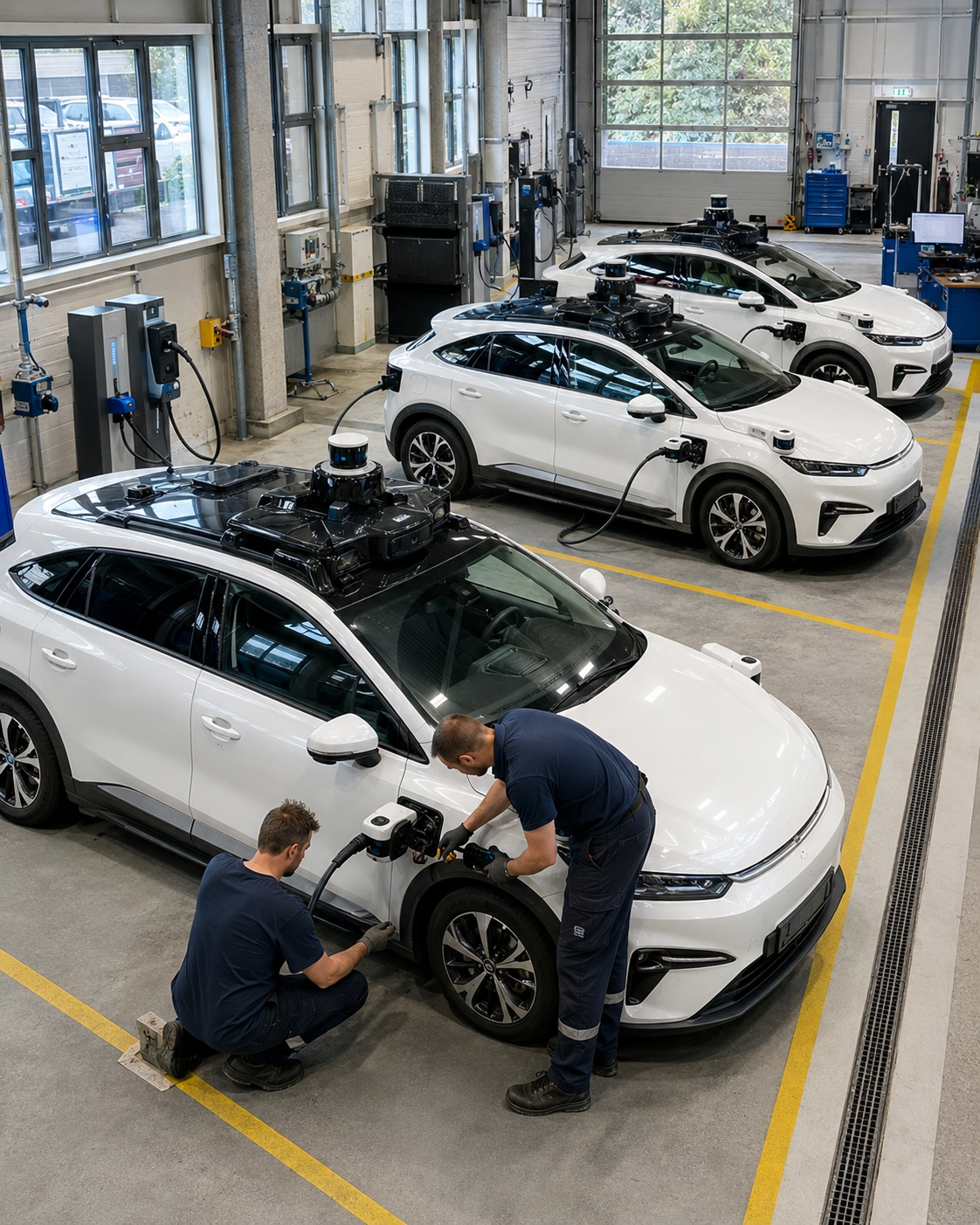
Waymo is currently in discussions with federal, state, and local authorities—including the German Federal Motor Transport Authority—regarding the necessary approval procedures. To carry the general public, it must meet a different level of permits and operational requirements than those for test runs.
At this point, the company has only disclosed the phased testing plan and the target timeline. The exact service area, number of vehicles, fares, usage procedures, and the timeline for transitioning to fully autonomous operation have not yet been announced.
Therefore, Commercial launch by the end of 2027This is close to the ultimate goal outlined in the schedule, but it’s too early to consider it a confirmed opening date. Whether permits are obtained and whether the scope of testing is expanded will be key indicators for assessing actual progress.
| The Dawn of the Robo-Taxi Competition
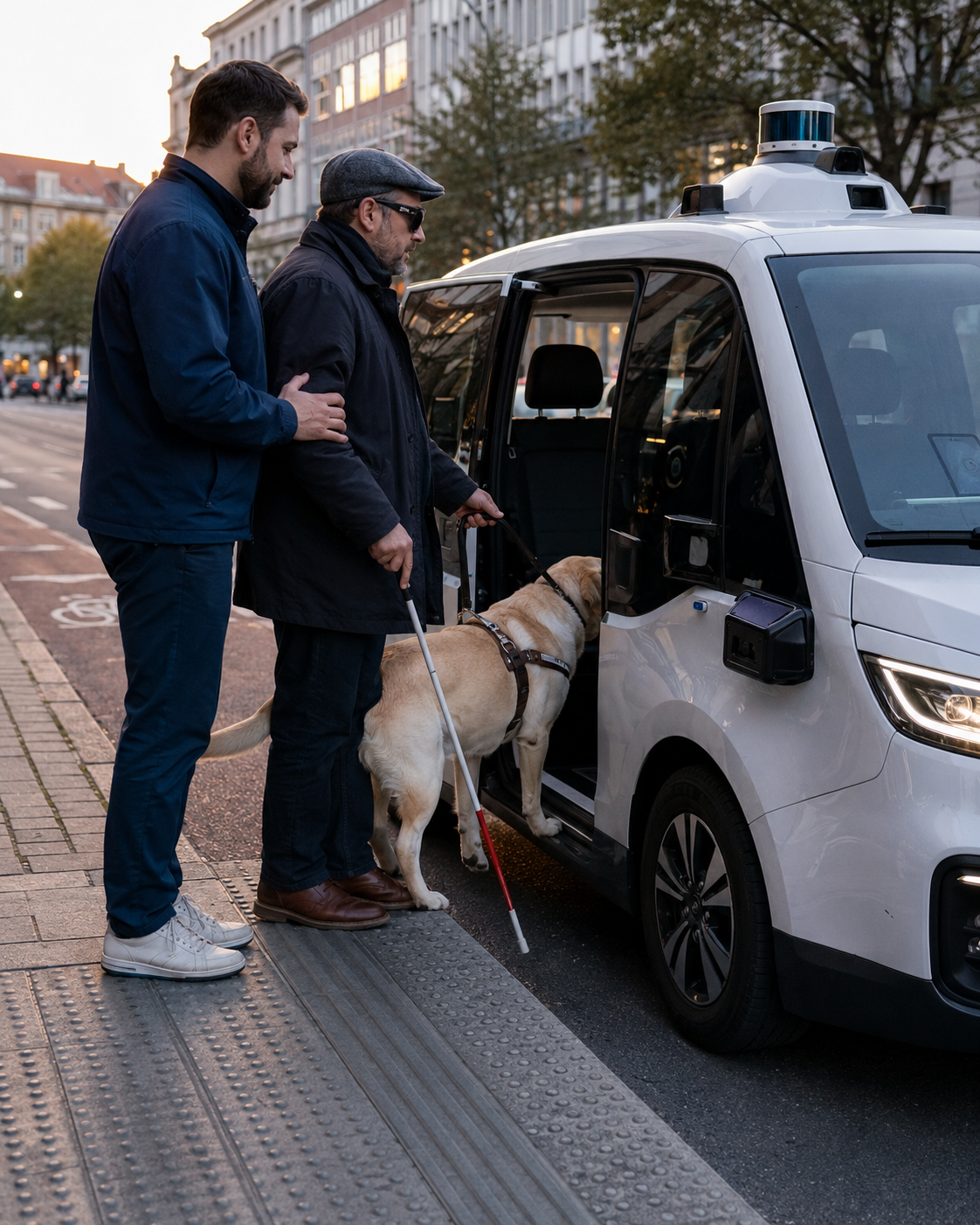
This announcement signifies a concrete step by Waymo to directly apply the business model it has validated in the United States to major cities in the European Union. If the Munich service launches as planned, it is highly likely to become Waymo’s first commercial hub in the EU.
That doesn't mean it's Europe's first self-driving ride-hailing service, though. According to Reuters, Uber, Verne, and Pony.ai have already launched self-driving ride-hailing services in Zagreb, Croatia. In Europe, too, competition is already underway among tech companies, automakers, and ride-hailing platforms.Wow.
Waymo's entry into the market could serve as a catalyst for the German automotive industry. This is because the benchmark in the race for autonomous driving is shifting from technical demonstrations with test vehicles to the ability to consistently transport real passengers.
| Success or Failure
Waymo is highlighting the safety of its system based on U.S. driving data. However, since these figures were obtained under the conditions in the U.S. where Waymo already operates, separate local data is needed to confirm whether the same level of safety can be achieved in Munich.
Since cameras and LiDAR collect urban data, how these systems comply with German privacy standards is also a critical issue. Waymo has stated that it does not use facial recognition or biometric technology for personal identification and intends to comply with relevant German laws, but it is still necessary to continue monitoring how the data is actually stored and processed.
Ultimately, the significance of this news isn't that robotaxis have immediately started driving on the streets of Munich. The first concrete step has been taken to verify whether Waymo's commercialization experience—which has been centered on the United States—will prove effective within the context of European roads and regulations, Right. From now on, we need to make sure that the date of the first autonomous driving test, the granting of the permit, the operating area, and the number of vehicles are disclosed in that order.
Tags
#Waymo #Waymo #Alphabet #Alphabet #Munich #Germany #Robotaxi #Self-Driving #WaymoDriver #Level 4 Autonomous Driving #EuropeanMobility #SmartMobility #Physical AI #Robotics and Future Technology