Microsoft announced that it will open a quantum computing research center in Maryland on September 22, 2026, and will allow the U.S. Defense Advanced Research Projects Agency (DARPA) to test a system utilizing the Majorana 2 chip on-site.
The key point of this change is that external organizations can now verify the performance claims made by Microsoft by gaining access to the actual equipment. It has been confirmed that a research center has opened and a testing environment has been set up, but, This alone does not prove the performance of a practical quantum computer.
| The Role of the Maryland Research Center
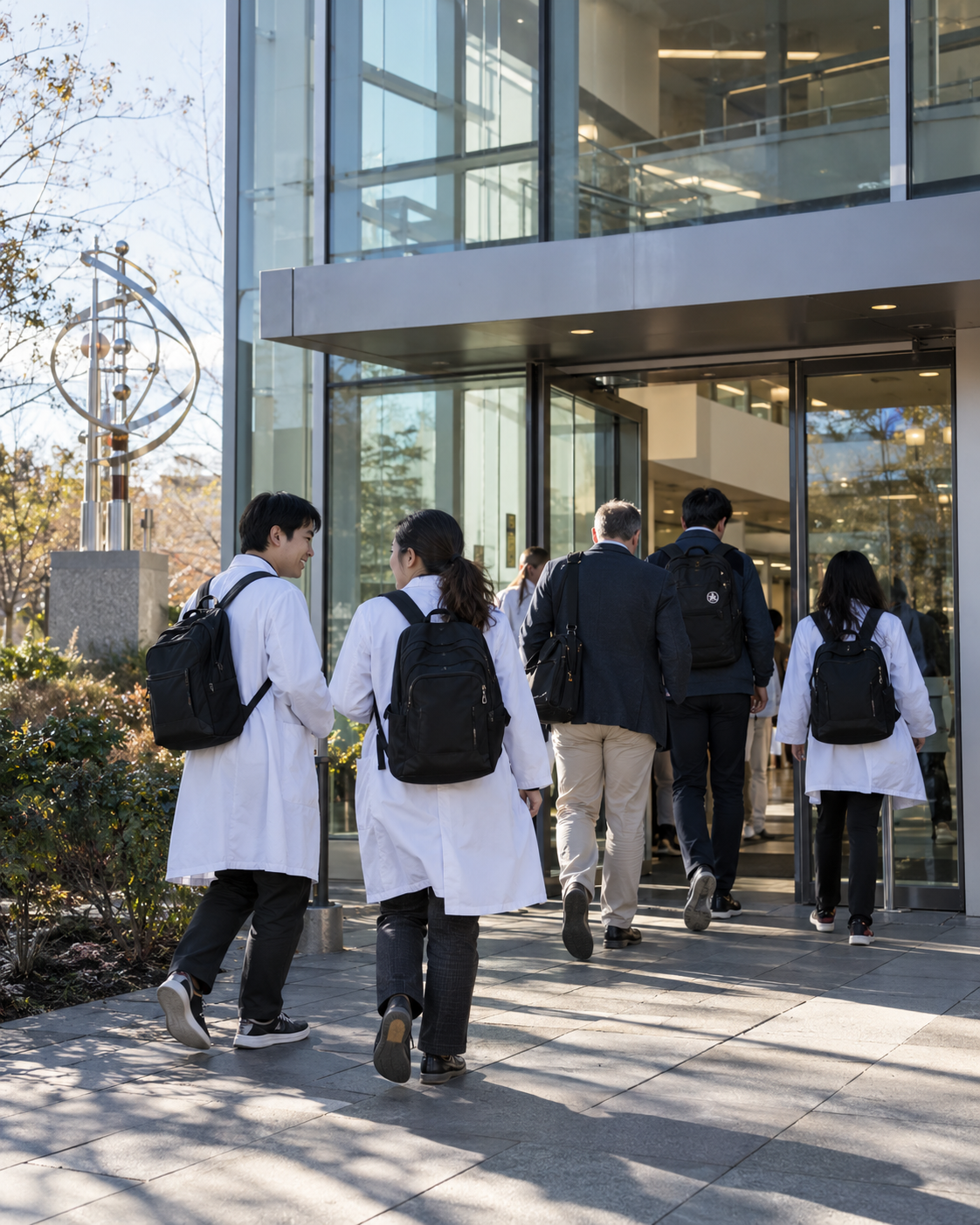
The new research center was established in collaboration with the University of Maryland and, according to Microsoft's announcement, spans approximately 15,000 square feet. It features research space, educational facilities, and a space for DARPA to evaluate the system.
Microsoft plans to conduct not only its own research here but also hardware education and collaboration with industry and universities. The fact that there is a space where students can work with actual equipment means that It helps in reviewing operating conditions that are difficult to verify through software demonstrations alone.
| Why DARPA's Direct Approach Is Important
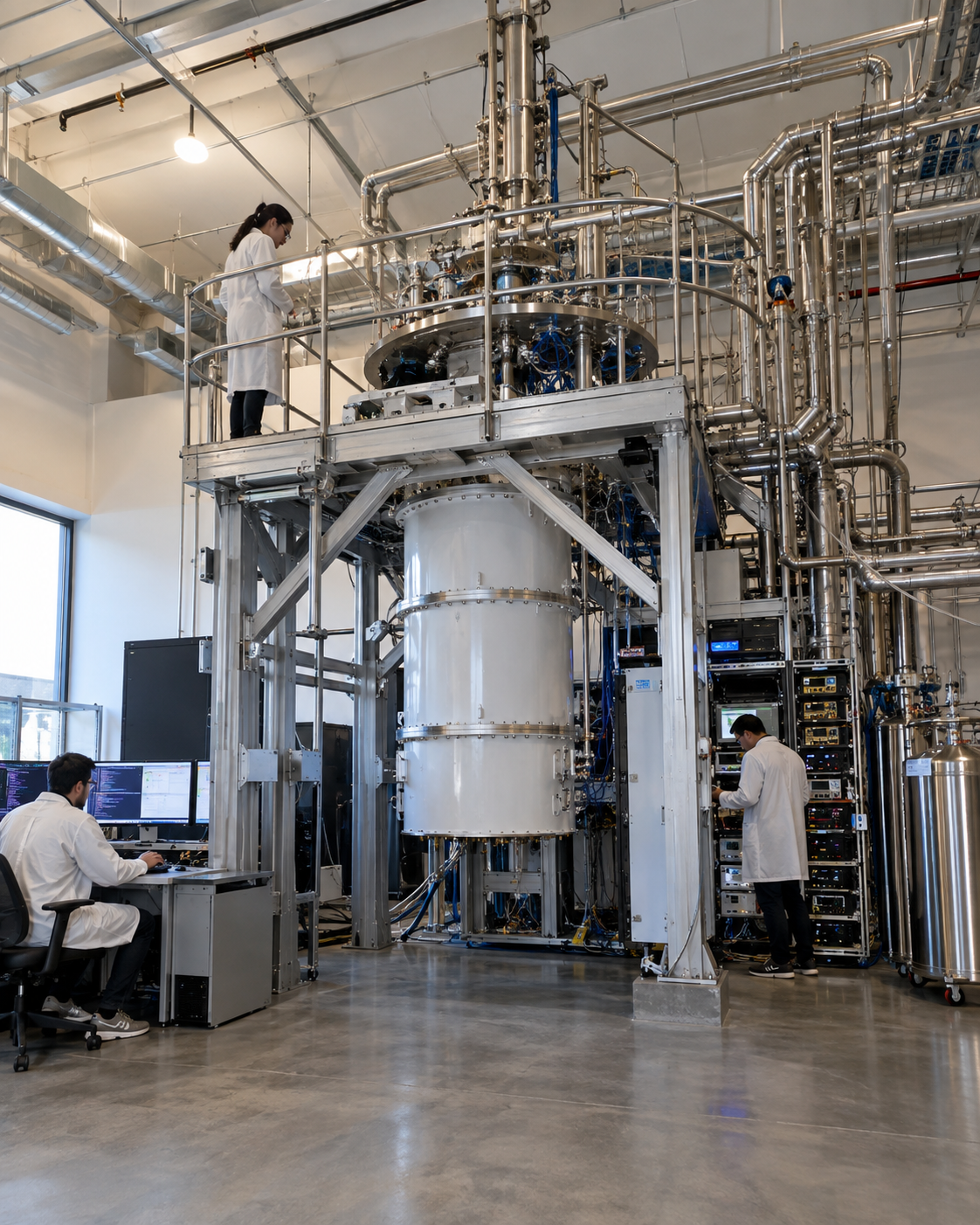
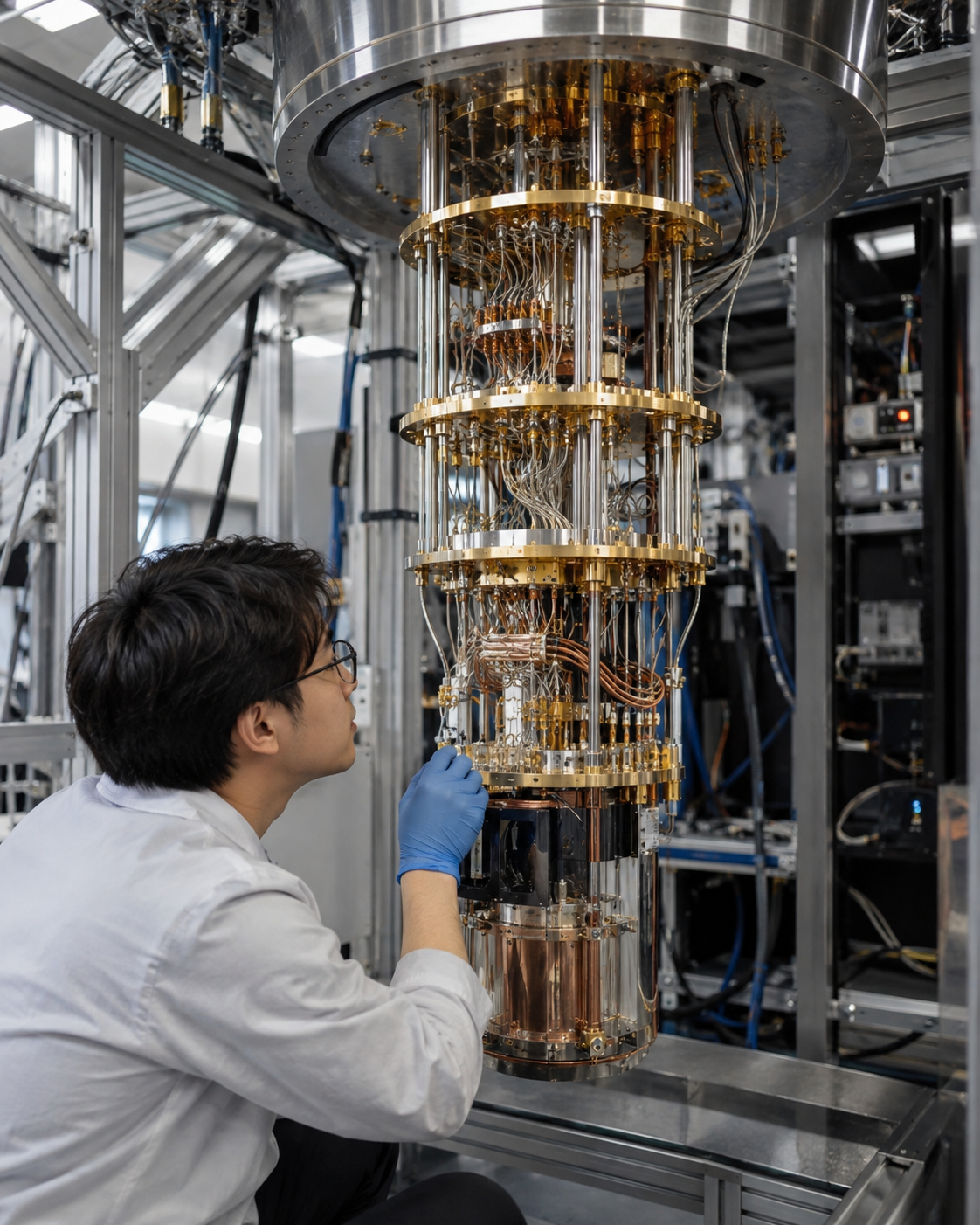
DARPA is set to gain on-site access to Microsoft's latest topological quantum system. Topological qubits are the basic units used in Microsoft's approach to quantum computing, which aims to handle information more reliably. DARPA will be able to examine the hardware, control systems, and software together.
Microsoft's Majorana 2 is a second-generation topological quantum chip. The company explained that making this chip available for independent testing is a step toward verifying whether it can lead to the development of large-scale systems. It’s as if I’ve been given the opportunity to reproduce and measure the results myself, rather than just reviewing remote data.
| Difference Between the Target Date and the Actual Results
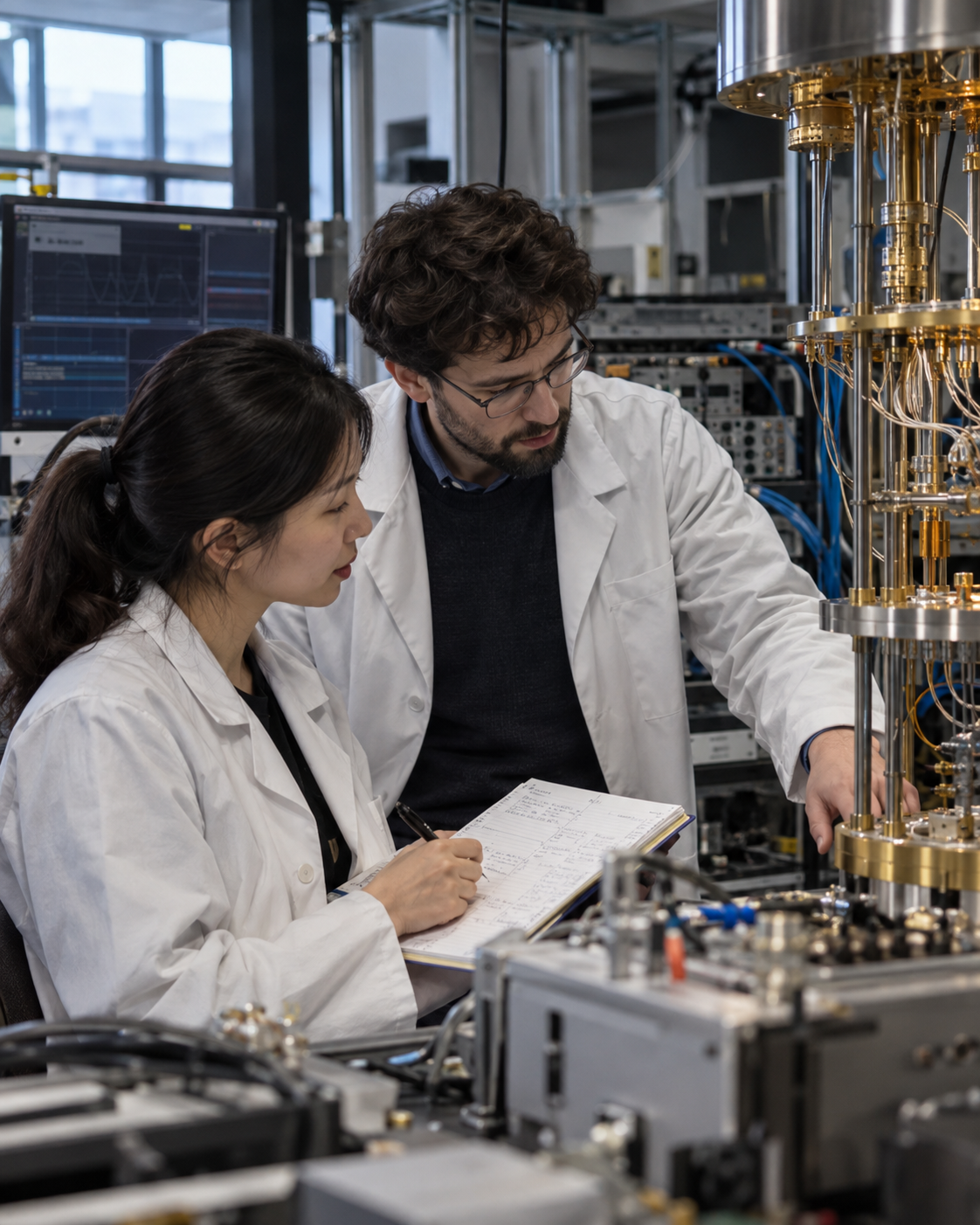
In a separate announcement regarding Majorana 2, Microsoft set a goal of delivering a scalable, practical quantum computer by 2029. This announcement regarding the research center represents progress in the evaluation environment toward that goal, This isn't news that the 2029 schedule has been finalized following verification.
For quantum computers to become practical, they must be able to manage qubit errors, operate stably even as the number of qubits increases, and solve problems that are more useful than those solved by classical computers. The findings of DARPA's independent evaluation will serve as the basis for the next decision.
| The Significance of Independent Verification for the Industry
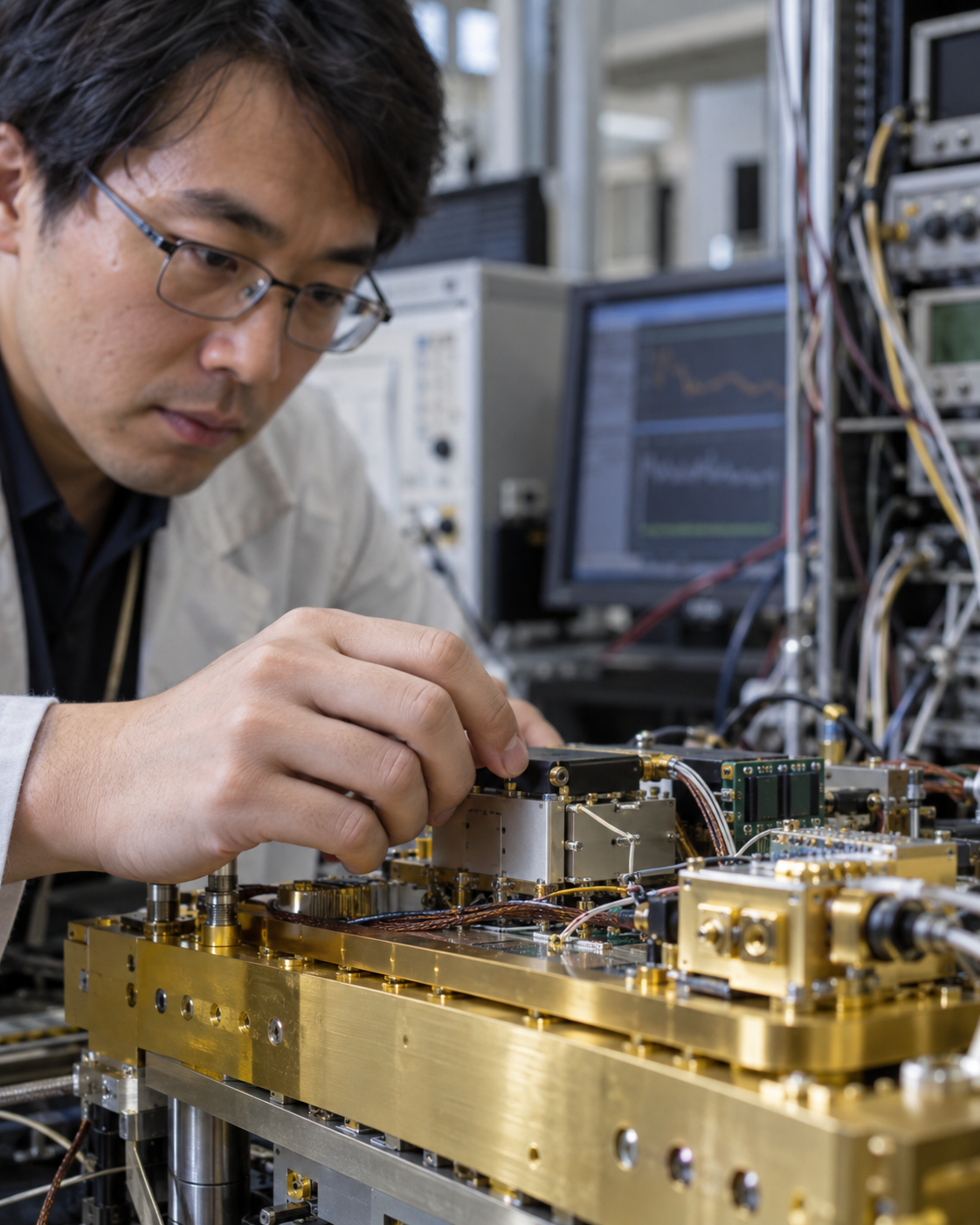
In the field of quantum computing, it is important to identify the gap between the performance figures provided by companies and the results replicated outside the lab. External access to actual hardware can provide a broader basis for comparing technologies and assessing their potential for industrial applications.
The only facts that have been confirmed so far are the opening of the center and DARPA's on-site testing approach. The actual performance of the equipment and the timeline for commercialization still need to be confirmed based on the evaluation results. It's best to keep an eye on the test methods and repeated measurement results as they are released.
References
Tags
#Microsoft #Majorana2 #DARPA #Quantum Computers #Quantum Chip #Topological Qubit #Maryland #Independent Evaluation #Quantum Research #Future Technology