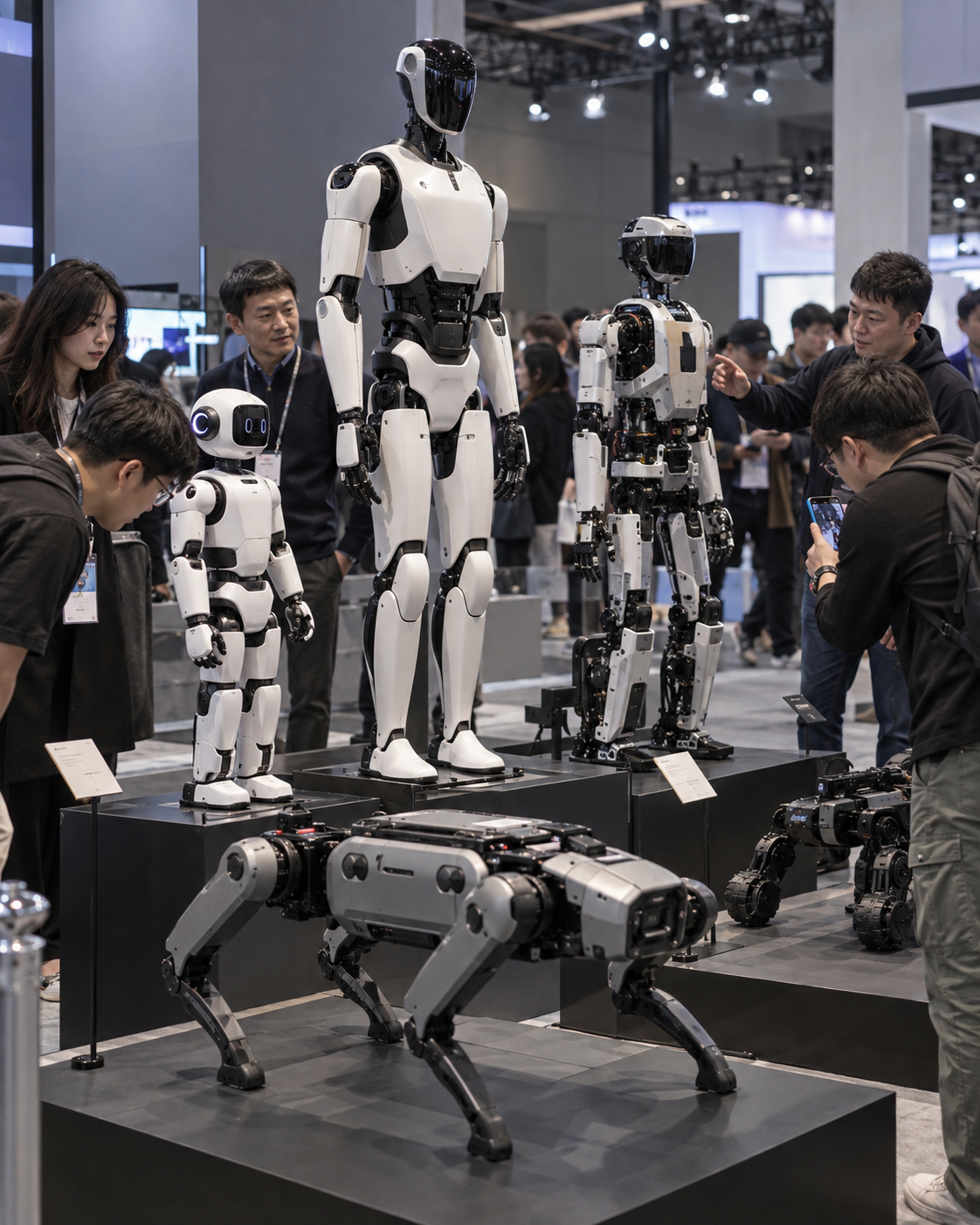
The first comprehensive industry tally shows that approximately 7,000 humanoid robots were sold worldwide in 2025 for industrial and professional service applications. The figure was compiled by the International Federation of Robotics (IFR) using data from suppliers and national industry associations, and Reuters reviewed the details prior to the official report’s release.
The figure of 7,000 units could serve as evidence that humanoid robots are beginning to create an actual product market beyond mere demonstrations in videos. At the same time, compared to the markets for existing industrial robots or specialized service robots, this is still a very small scale. It has been determined that a significant portion of the units sold were used for research and data collection for AI training rather than for production tasks.
These figures are less evidence of full-scale popularization and more of a starting point for gauging the market. This is because, although IFR has been compiling robot statistics for 30 years, this is the first time it has collected data specifically for humanoids. The full “World Robotics 2026” report is scheduled to be released on September 24, so you’ll need to check the official publication for detailed classifications and additional figures.
| Which robots were classified as humanoids?
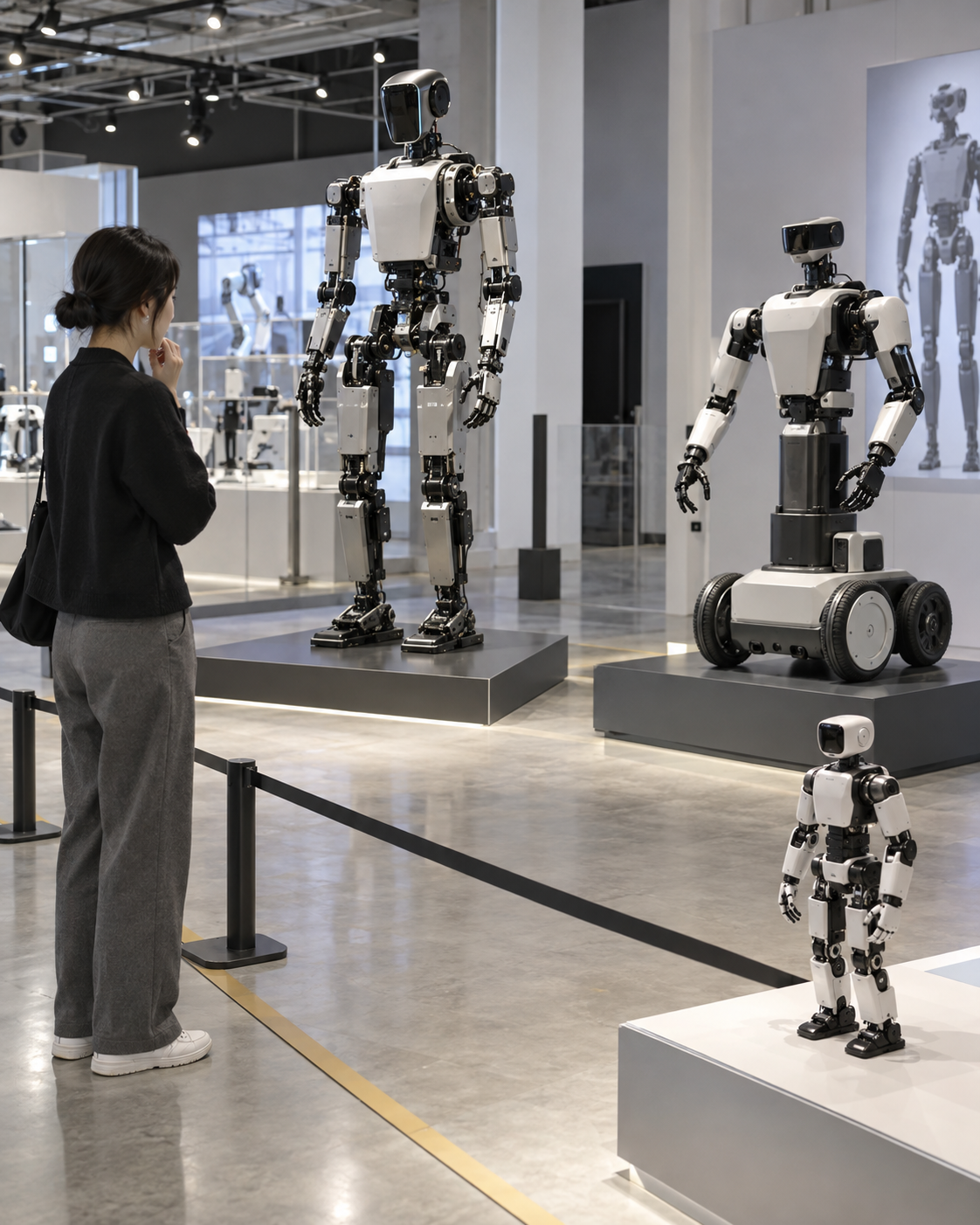
According to the IFR definition, a humanoid is a robot that has a human-like appearance and operates autonomously in environments designed for human use. You don't have to walk on two legs. If the upper body and arms resemble those of a human, and the vehicle moves on wheels, it may be included if it meets the criteria.
This figure of approximately 7,000 units covers robots sold in industrial settings and the professional services sector. Consumer humanoid robots, such as those for home use, and military robots were excluded, while medical robots were classified in a separate category.
This definition is a guideline intended to reduce the inconsistencies in how different companies use the term “humanoid.” However, since the presence of legs is not a requirement and the boundaries regarding appearance and autonomy are broad, the specific inclusion criteria for individual products can only be accurately determined by referring to the classification descriptions in official statistics.
| 7,000 units refers to sales volume, not the number of units deployed at production sites.
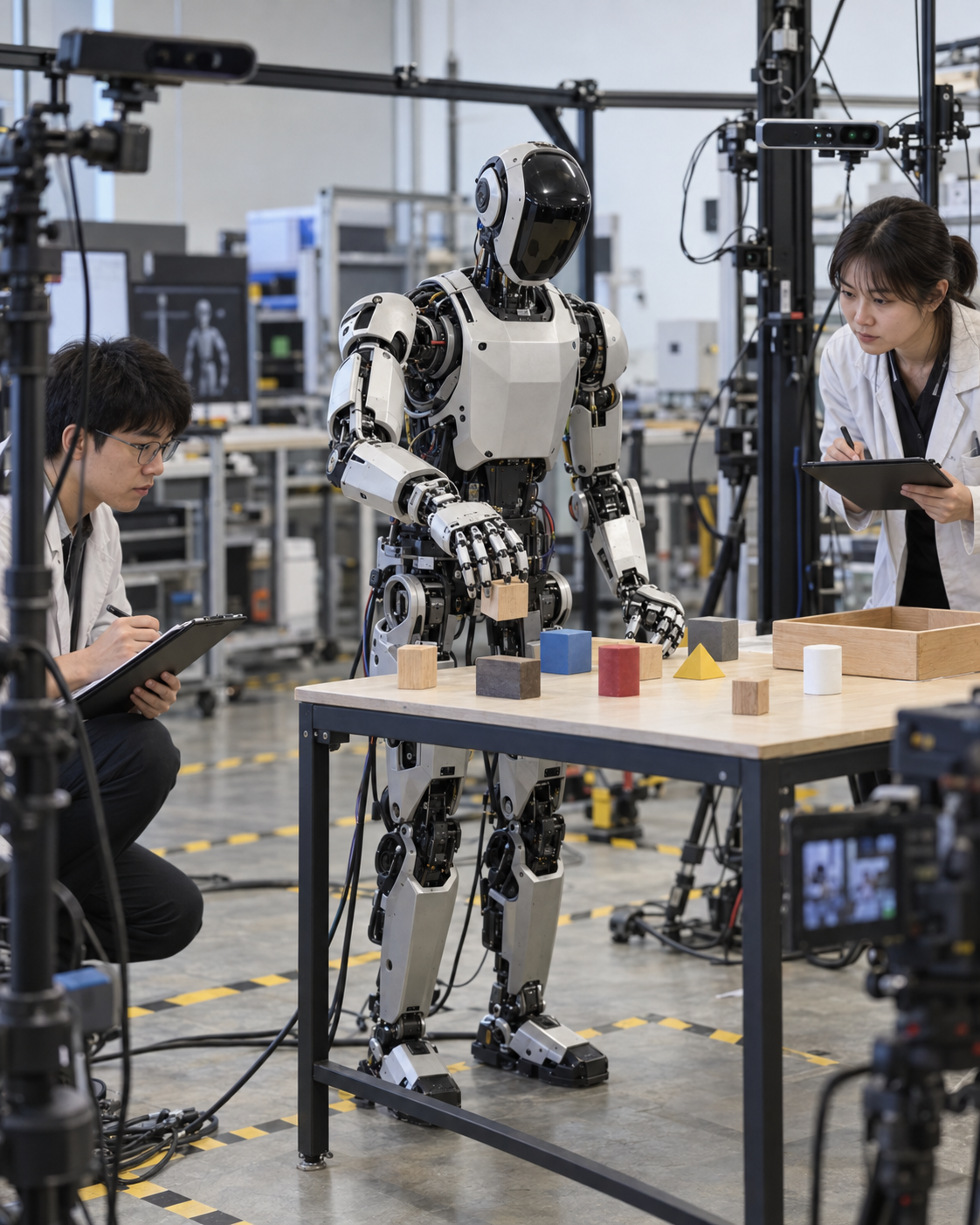
Sales figures refer to the number of units supplied to customers, but that doesn’t necessarily mean those robots immediately achieved the same level of productivity as humans on the factory floor. Susanne Bieller, Secretary General of the IFR, explained that many of the humanoids sold were used by research institutions and companies to generate data for improving AI models.
For a humanoid robot to pick up and move objects and perform repetitive tasks in real-world environments, it needs motion data from a variety of situations. In a sense, this purchase is less an investment in acquiring ready-made labor and more about securing research equipment to train robots and identify weaknesses in the hardware.
Therefore, the 7,000 units cannot be considered equivalent to the number of automated jobs. To assess the level of commercial viability, you need to examine the actual uptime after sales, the frequency of human intervention, the success rate of operations, and additional orders from the same customers.
| The car factory is still in the small-scale testing phase
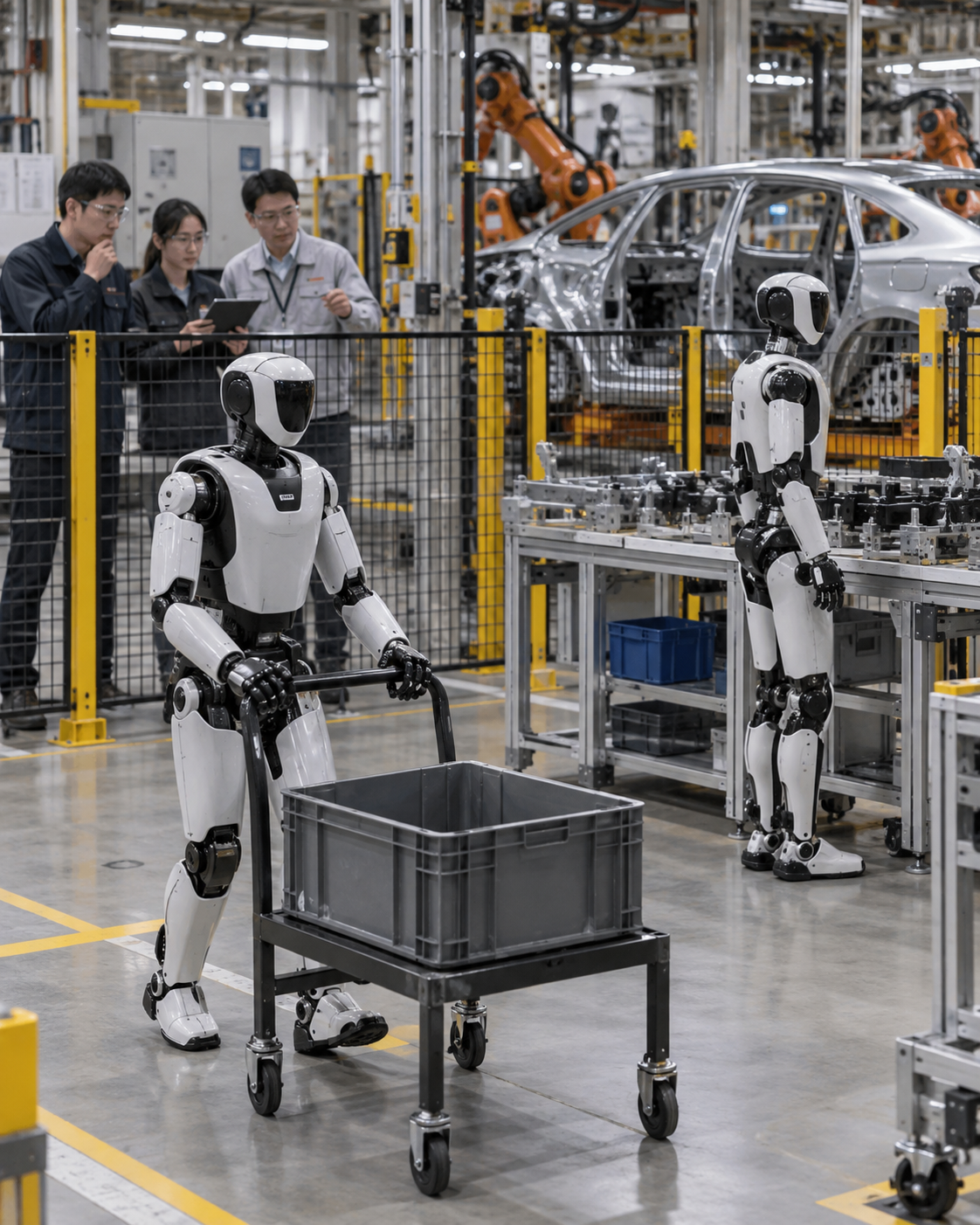
Automakers are often cited as early adopters of humanoid robots. This is because existing factories are designed to accommodate human height, movement patterns, and tool-handling methods, leading to the expectation that humanoid robots can perform a variety of tasks without requiring major changes to the equipment.
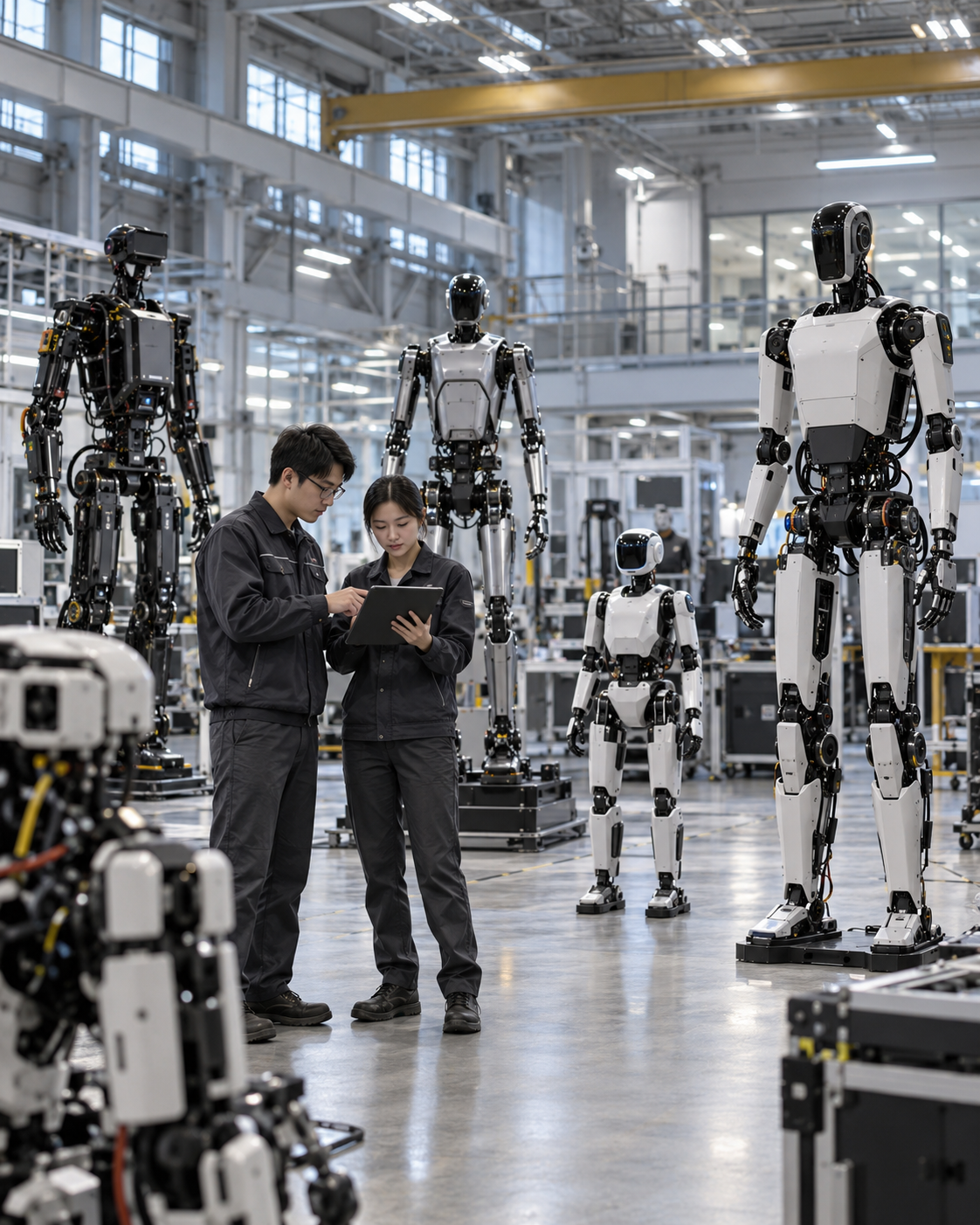
However, according to IFR, most of the trial production runs by automakers involve single- or double-digit numbers at a single plant. This is a far cry from the stage where thousands of vehicles are rolling off the production line at the same time. At this point, it’s fair to say that we’re still at the stage of verifying performance and safety in limited tasks such as transporting parts, assisting with simple assembly, and performing repetitive motions.
For the trial to lead to widespread adoption, not only must the price of the robots be lower than that of existing automation equipment, but the maintenance costs, charging time, mean time between failures, and the training costs associated with switching tasks must also be more favorable. This is why reliability during long periods of repetitive work is more important than a single impressive demonstration.
| Compared to the existing robotics market, the numbers are still small
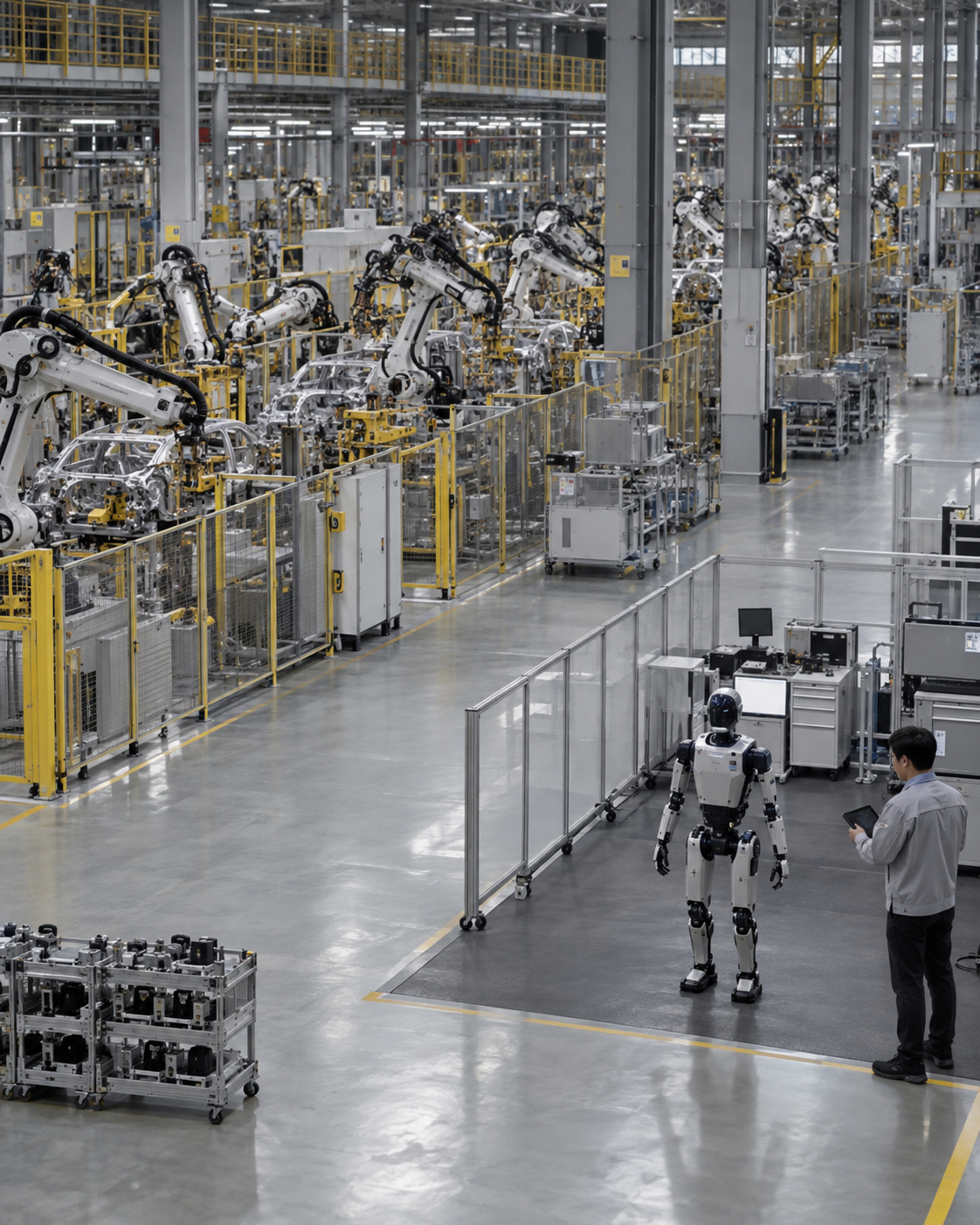
According to previous official statistics from the IFR, approximately 542,000 industrial robots were installed worldwide in 2024. In the same year, sales of professional service robots totaled approximately 199,000 units. By comparison, the projected 7,000 humanoid robots sold in 2025 represent only a fraction of these markets.
However, these three figures should not be combined in a simple calculation of growth rates. Industrial robots are measured by the number of units installed, while service robots and humanoids are measured by sales volume; the reporting years also differ. The IFR notes that its service robot statistics are not estimates of the overall market but are based on a sample of participating suppliers, and that the composition of the sample may vary from year to year.
What this comparison shows is the difference in scale rather than the exact market share. While industrial robots have already been widely adopted, the humanoid robot market is still in its early stages of development—so much so that a separate statistical category has now been created for them.
| The Gap Between Projected Rapid Growth and Reality
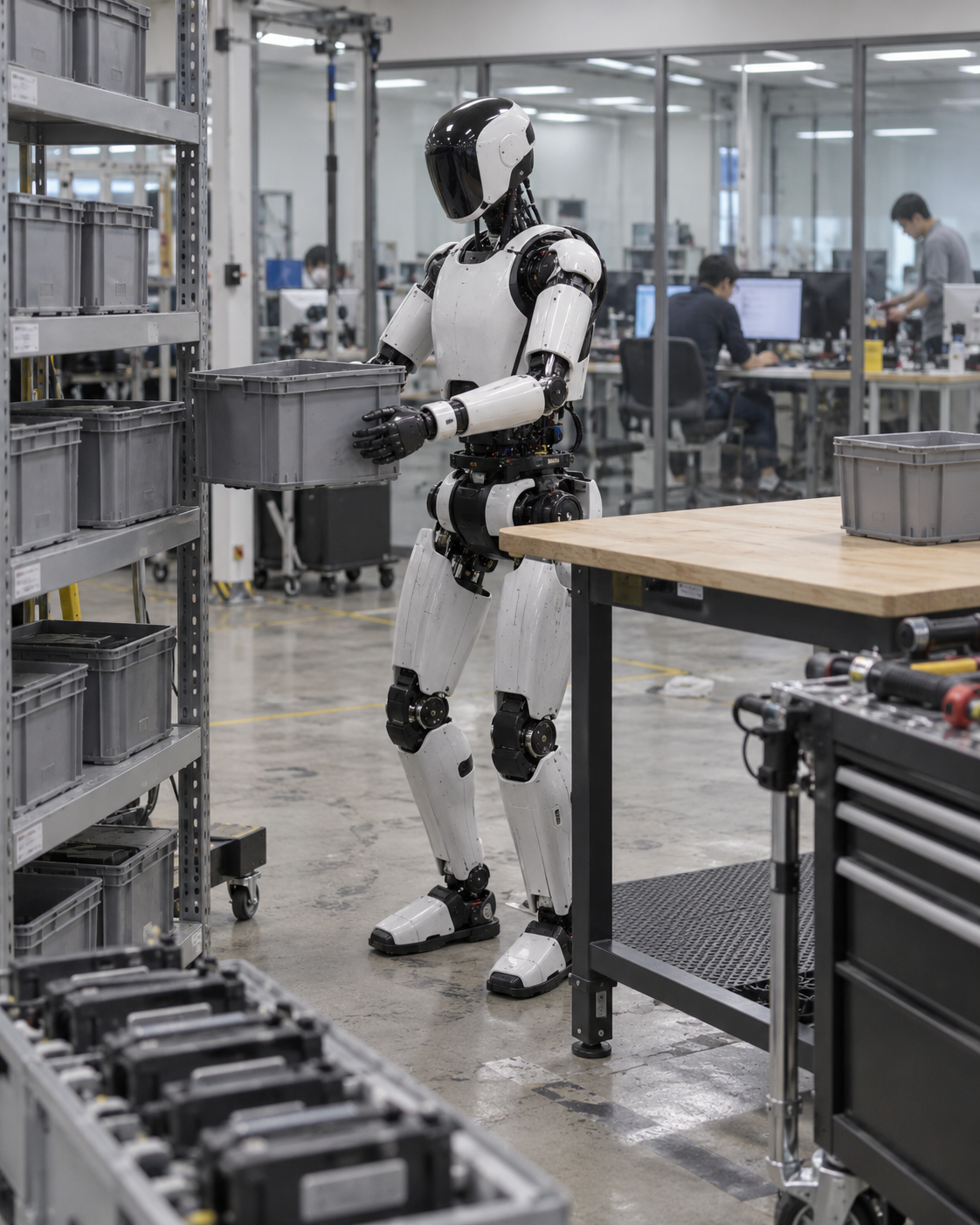
Bank of America Global Research forecasts that humanoid robot shipments will reach 90,000 units in 2026 and 1.2 million units in 2030. These figures are based on the assumption of a very steep increase compared to the approximately 7,000 units expected in 2025.
This outlook is not an official forecast from the IFR, but rather an estimate by an investment bank. The definitions of shipments and sales—including whether they cover consumer or military use—may differ from those used in IFR statistics, so the figures should not be compared on a one-to-one basis. For actual results to align more closely with forecasts, not only must production capacity be expanded and prices fall, but large-scale repeat orders must also be confirmed.
Given the high market expectations, it's easy to confuse demo videos or pre-orders with actual commercial deployment. Even if shipment volumes increase, if sales for research purposes continue to account for a large share, improving productivity and ensuring revenue repeatability will remain separate challenges.
| Technical and Operational Issues to Resolve Before Large-Scale Adoption
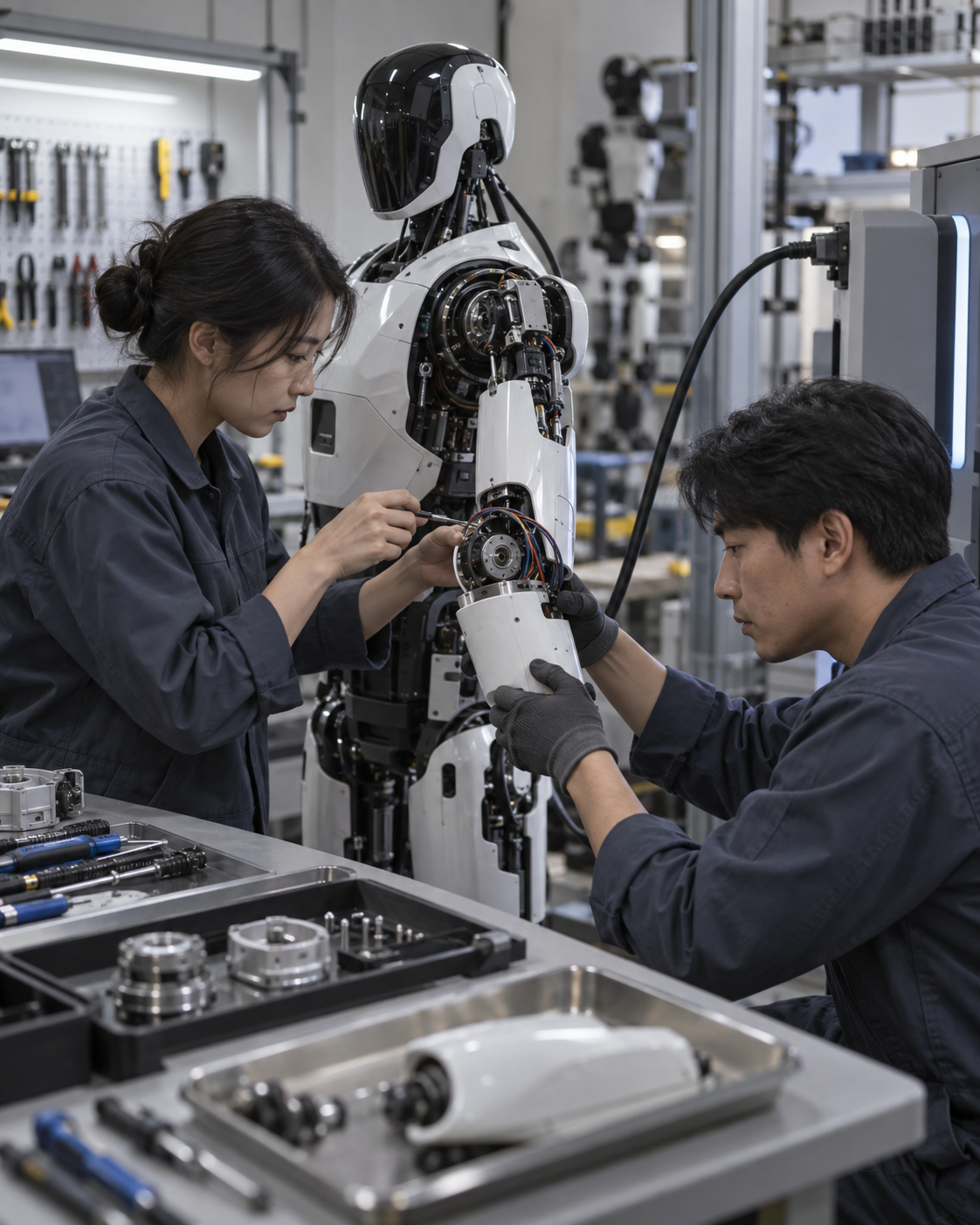
Humanoids have the advantage of being able to use spaces familiar to humans—such as stairs, narrow passageways, and workbenches of varying heights—as they are. On the other hand, the technical challenge is high because a single device must simultaneously address balance, precise hand manipulation, battery life, and collision safety.
In a factory, what matters isn't whether the work pace is fast for a short time, but whether it can be repeated consistently for thousands of hours. Operating costs are determined by how often the remote operator intervenes when the robot stops, how quickly faulty parts can be replaced, and whether the robot can obtain safety certification for use in the same space as humans.
In addition, robotic arms or autonomous mobile robots designed to perform only specific tasks may be more affordable and reliable. For humanoid robots to become widely adopted, their ability to flexibly switch between various tasks must offset their higher purchase price and more complex maintenance costs compared to specialized robots.
| Why the First Set of Statistics Is Important and What to Check Next

The most significant aspect of this compilation is that it provides a benchmark for tracking the humanoid market based on common criteria, moving beyond the scattered corporate announcements. The figure of approximately 7,000 units serves as a starting point for assessing a market size that has been inflated by expectations alone, and it provides the first data point for comparing changes year over year.
The information currently confirmed includes sales of approximately 7,000 units for industrial and professional services in 2025, the fact that the primary uses are research and AI data collection, and that most deployments by automakers are small-scale trials. Sales figures by country and company, the breakdown by application, and the actual production utilization rate could not be confirmed based solely on the Reuters report.
When the official report is released on September 24, we should first look at the scope of the data, the sample, and the breakdown by country and application area. After that, we’ll need to examine repeat orders, the number of factories that have transitioned from pilot production to mass production, actual operating hours, and cost per task—all relative to the sales growth rate in 2026—to determine whether humanoids have transitioned from research equipment to production tools.
References
Reuters — Humanoid robot sales tally hit 7,000 globally last year
International Federation of Robotics — World Robotics Report
International Federation of Robotics — Global Robot Demand in Factories Doubles Over 10 Years
International Federation of Robotics — Service Robots See Global Growth Boom
Tags
#Humanoid Robots #International Federation of Robotics #IFR #Robotics Industry #Industrial Robots #Service Robots #AI Robots #Automobile Factory #SmartFactory #RobotData #Robotic Automation #Future Technology