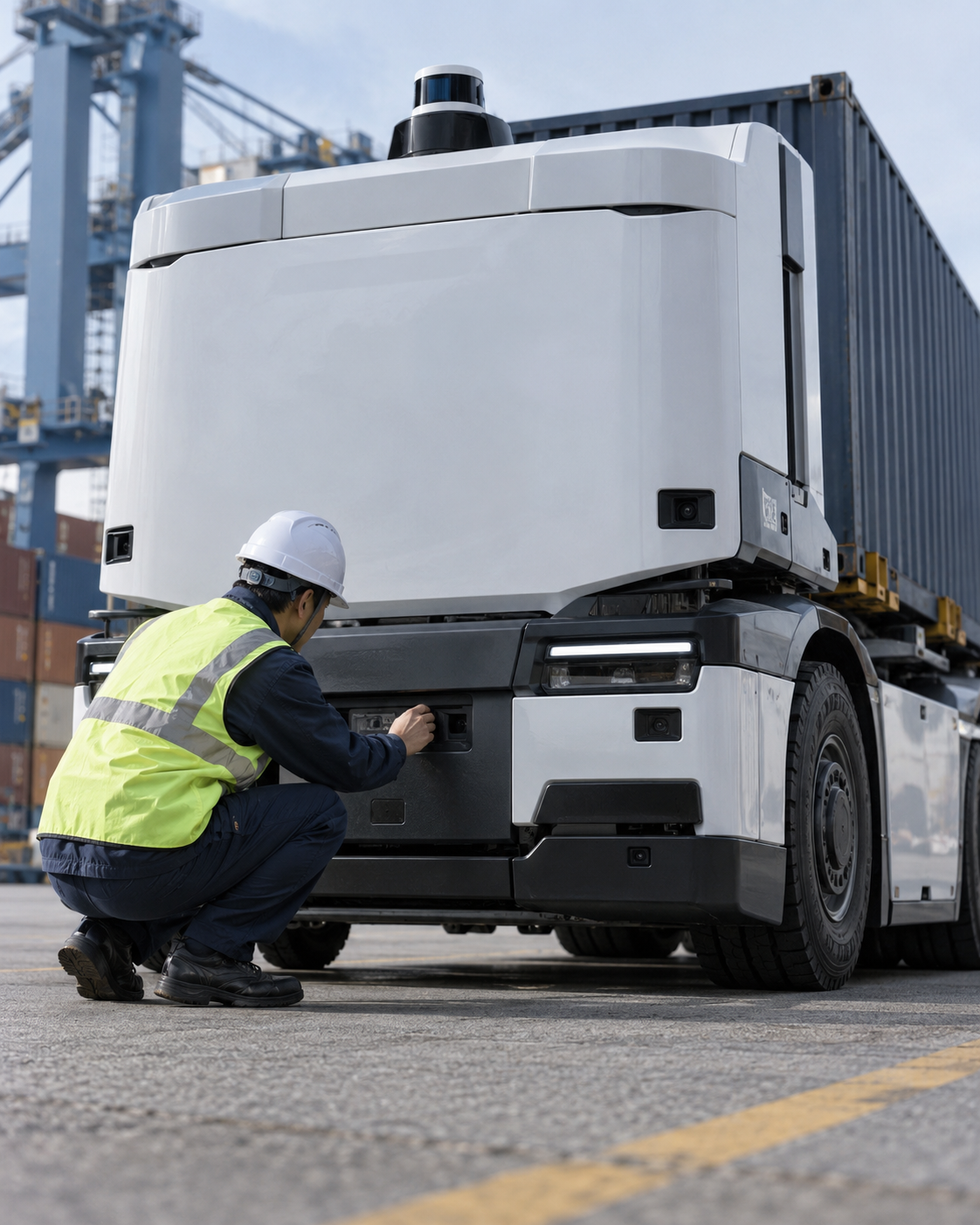
Self-driving trucks have moved beyond test runs and are now being used in day-to-day operations in the logistics industry. Swedish autonomous driving technology company Einride and retailer Lidl announced that they have deployed SAE Level 4 electric trucks—which have no driver’s seat—on regular transport routes on public roads in Germany.
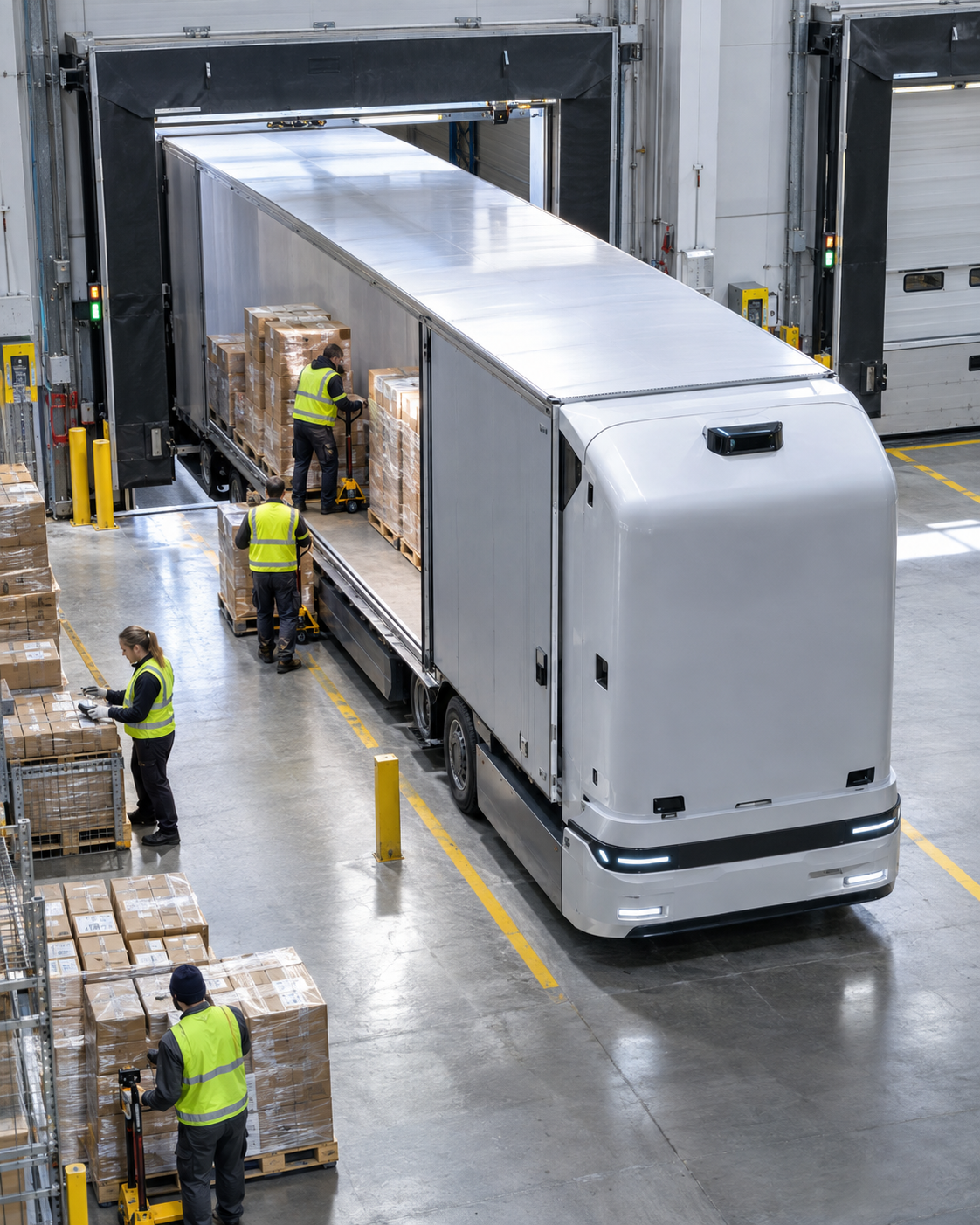
The vehicle transports goods between the Lidl distribution center and the store. The key points of this announcement are that it has received the first-ever approval of its kind from the German Federal Motor Transport Authority and that it will be used for regular commercial transport, not just for test demonstrations.
However, Level 4 doesn't mean you can drive freely on all roads and in all weather conditions. This is the stage where the vehicle is responsible for driving within a predefined operational area, but it doesn't mean that humans are completely absent from the remote supervision and operation system outside the site.
| A custom design that eliminates the driver's seat
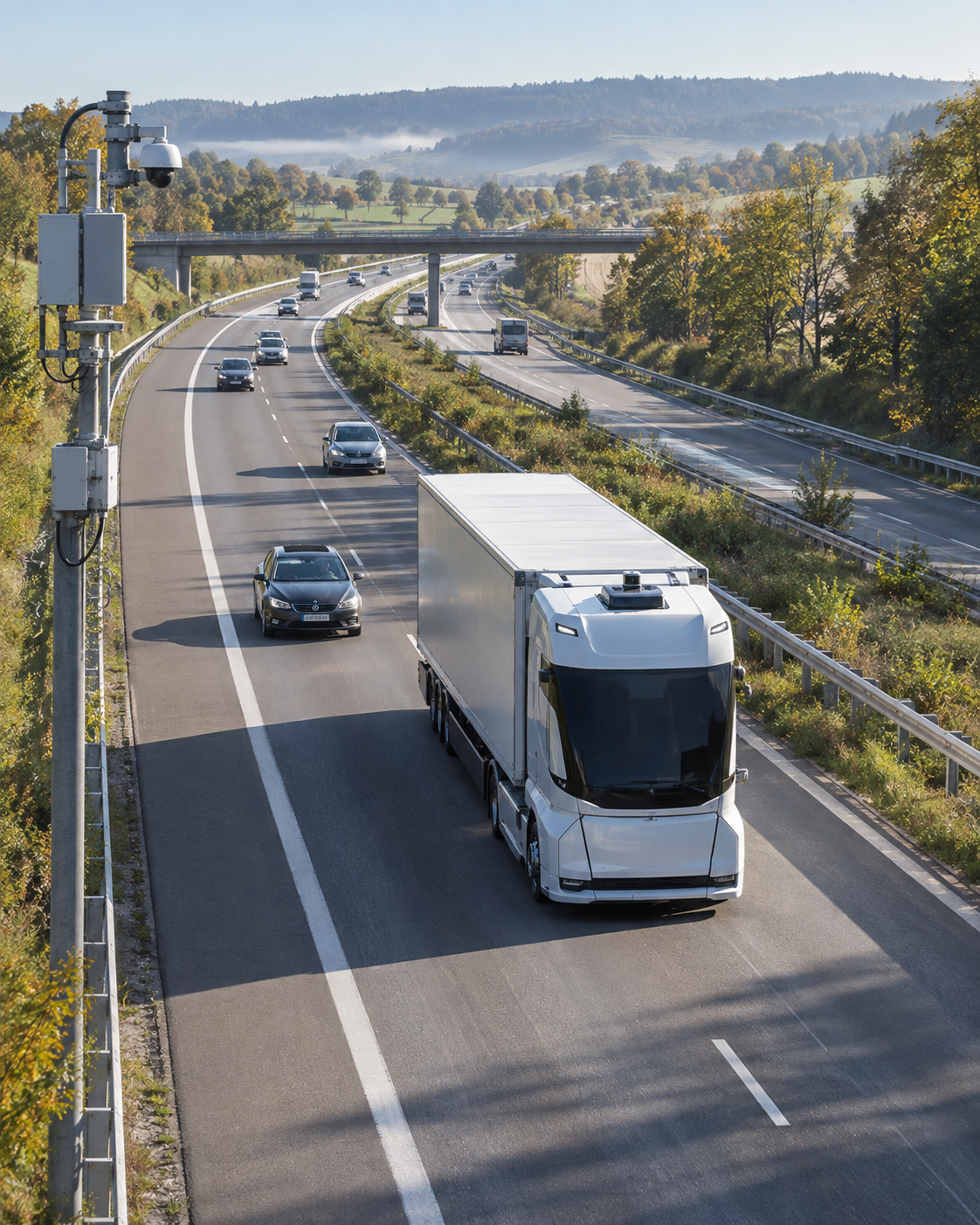
Einride’s vehicles aren’t simply existing trucks retrofitted with autonomous driving equipment; they were designed from the ground up without a driver’s seat or cab. Since there is no space for a person to sit and operate the vehicle manually, the vehicle’s size and its cargo and energy usage configurations can be tailored to meet logistics needs.
This design also requires a higher level of operational responsibility. Since the driver on-site cannot intervene when the vehicle stops or encounters an unexpected situation, remote support, safe stopping procedures, responses to communication failures, and procedures for coordinating with emergency response agencies are essential.
| What Level 4 Means in Terms of Operating Scope
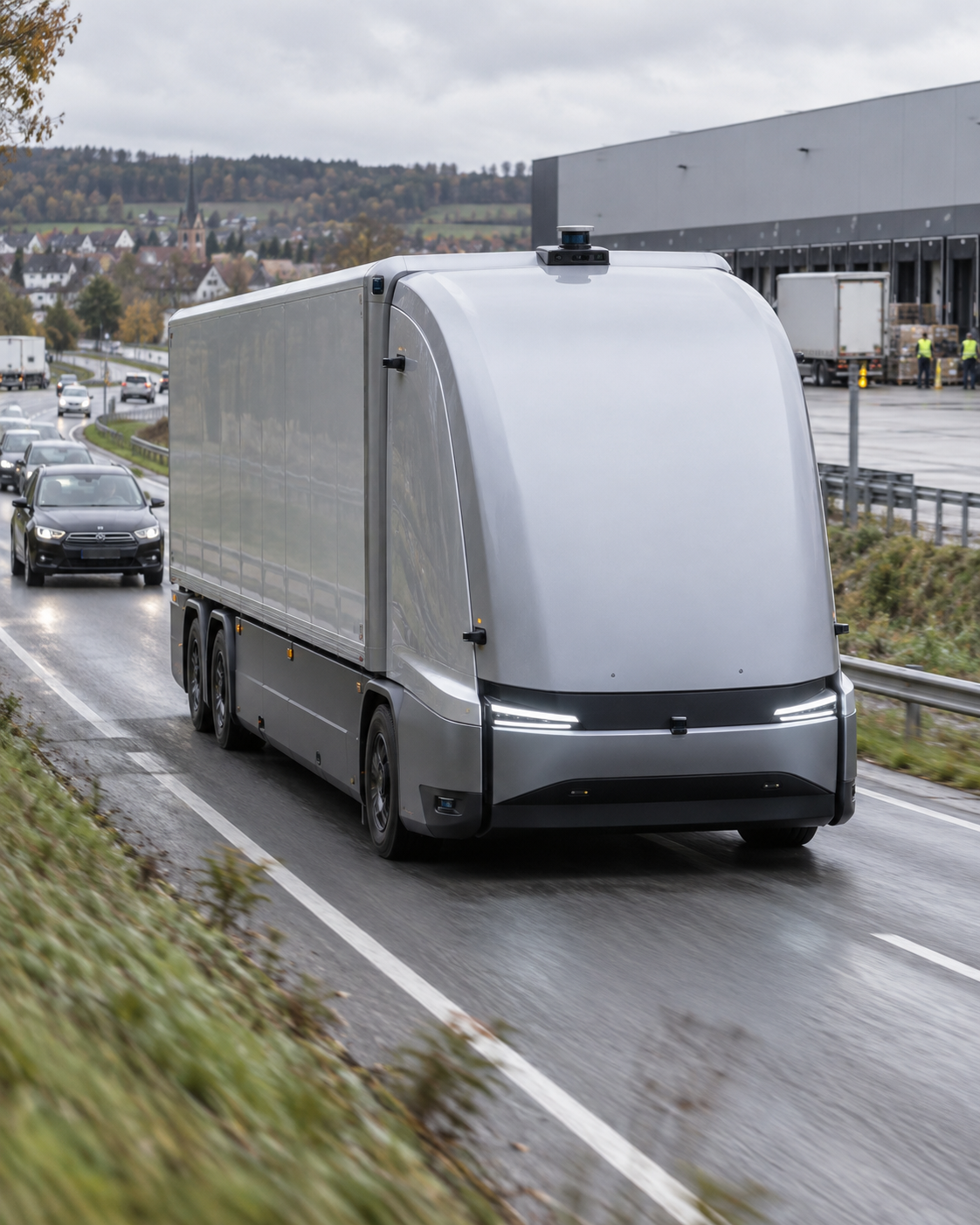
At SAE Level 4, the autonomous driving system handles all dynamic driving tasks and emergency responses as long as specified conditions are met. If the vehicle deviates from these conditions, it must be able to transition to a safe state on its own.
Therefore, this deployment should not be interpreted as fully autonomous driving capable of operating anywhere. This is based on the operational design domain, which includes factors such as authorized routes, speeds, road conditions, and weather conditions. It is not just the level of technology that matters, but the entire system designed to enable repeated operation along the route.
| The Significance of Approval by the German Federal Motor Transport Authority
The German Federal Motor Transport Authority granted permission for operation following extensive safety testing. For driverless vehicles to perform regular logistics operations on public roads, the vehicle’s type, autonomous driving capabilities, and operating procedures must all be reviewed together.
This initial approval signals that the administrative process for commercial autonomous trucks is actually working. However, a permit for a single vehicle and route does not necessarily mean it can operate freely nationwide. When adding new routes or vehicles, you must double-check the applicable conditions and approval procedures.
| The Logistics Benefits Lidl Expects
Lidl has implemented autonomous driving for repetitive transport routes between specific distribution centers and stores. Routes with a high degree of repetition are well-suited for the initial commercialization of autonomous freight, as it is easy to analyze their routes and risk factors in advance.
The benefits companies expect are an alleviation of the driver shortage and greater supply stability. Combining electric propulsion with autonomous driving also offers the potential to optimize vehicle scheduling and energy usage in the long term. However, in the early stages, it is necessary to consider the combined costs of vehicles, charging, remote operations, and safety verification.
| The role of humans is shifting from driving to operations
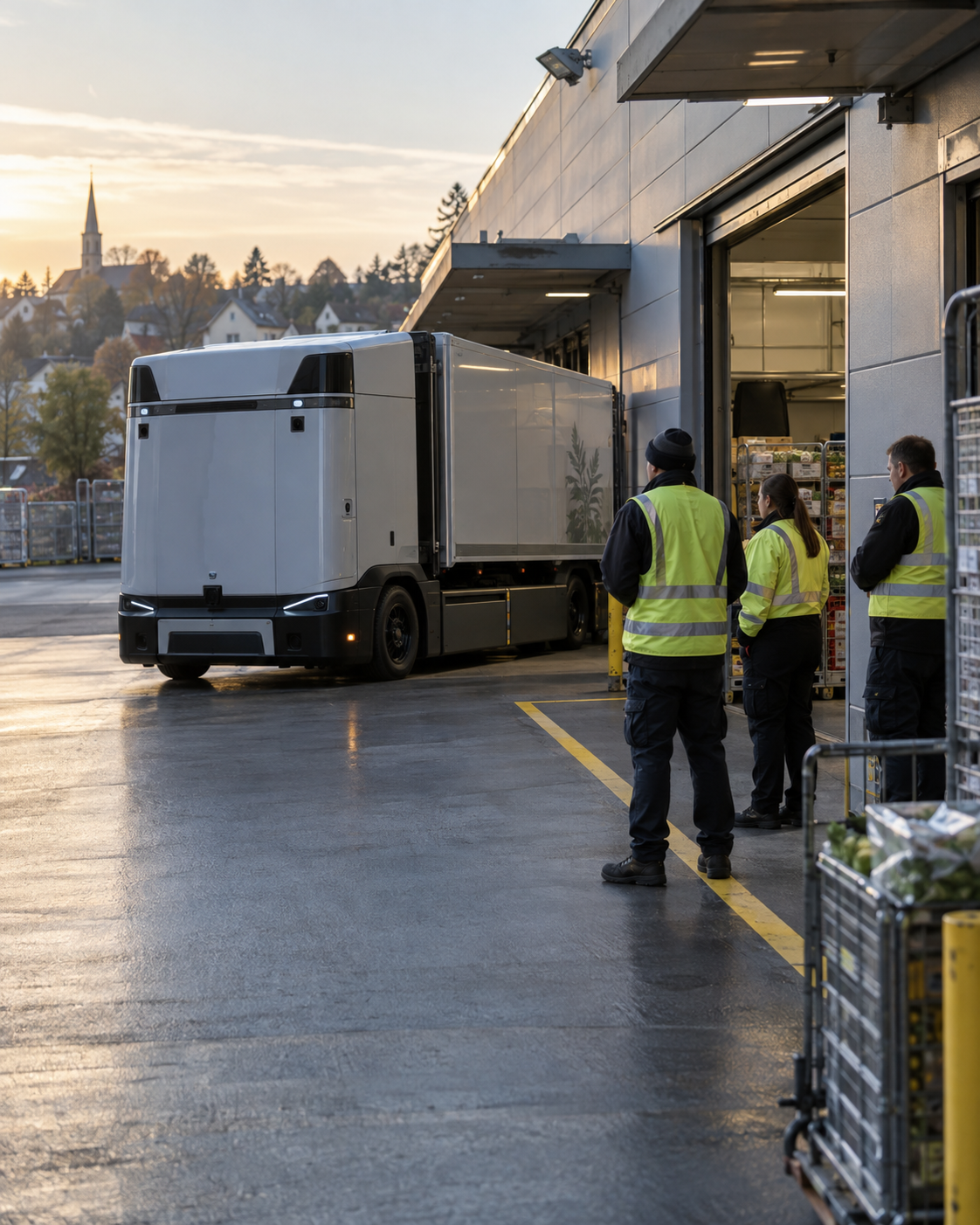
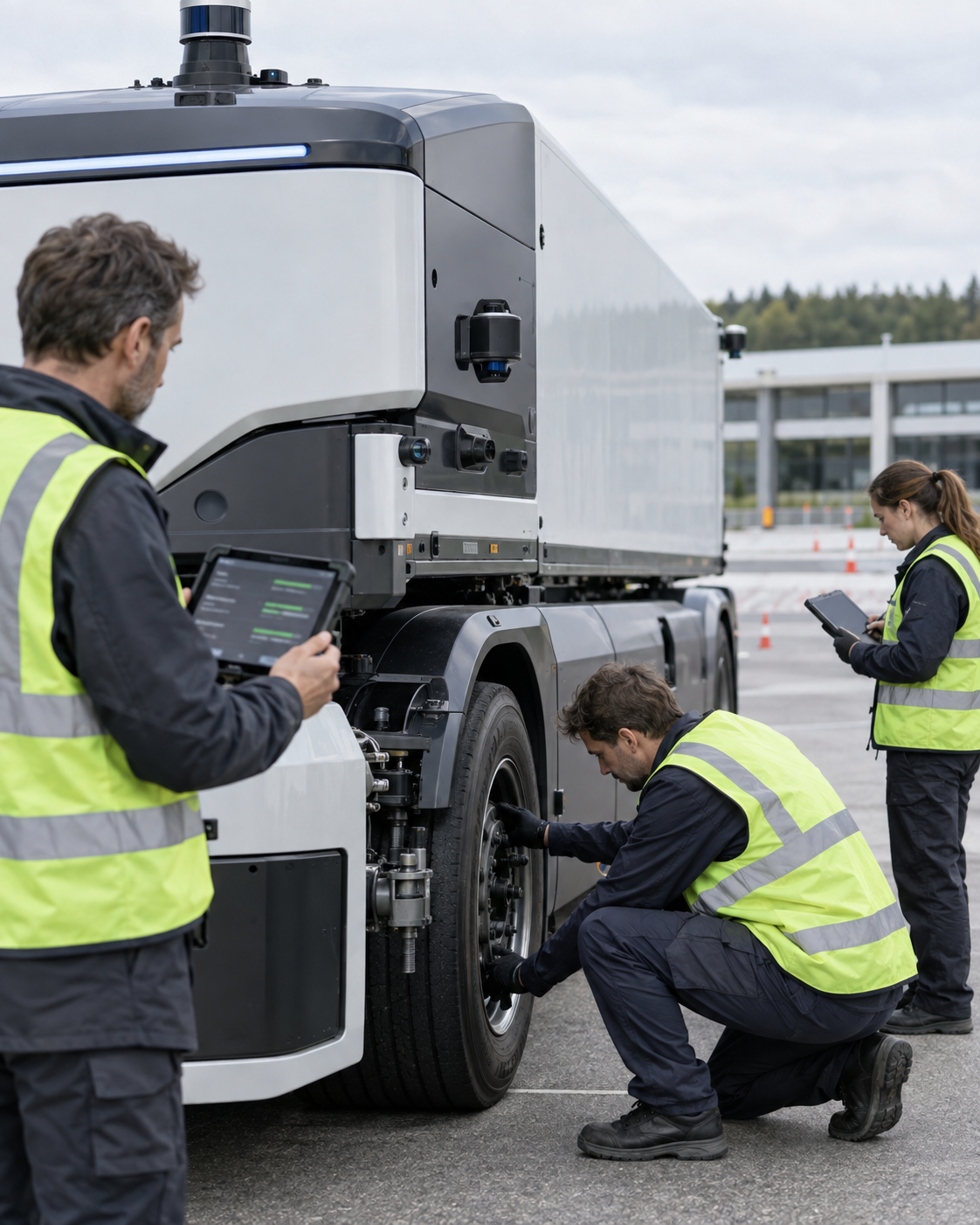
Just because there's no driver inside the vehicle doesn't mean the entire logistics process is fully automated. Loading and unloading, vehicle inspections, route management, remote support, and accident response all require human involvement. As autonomous driving becomes more widespread, the proportion of operational tasks other than actual driving may increase.
From a labor perspective, this creates both the benefit of addressing labor shortages and the burden of adapting to changes in existing job roles. Companies must consider not only productivity metrics but also training, job transitions, and the working conditions and scope of responsibility for remote workers.
| Proven Results and Scalability
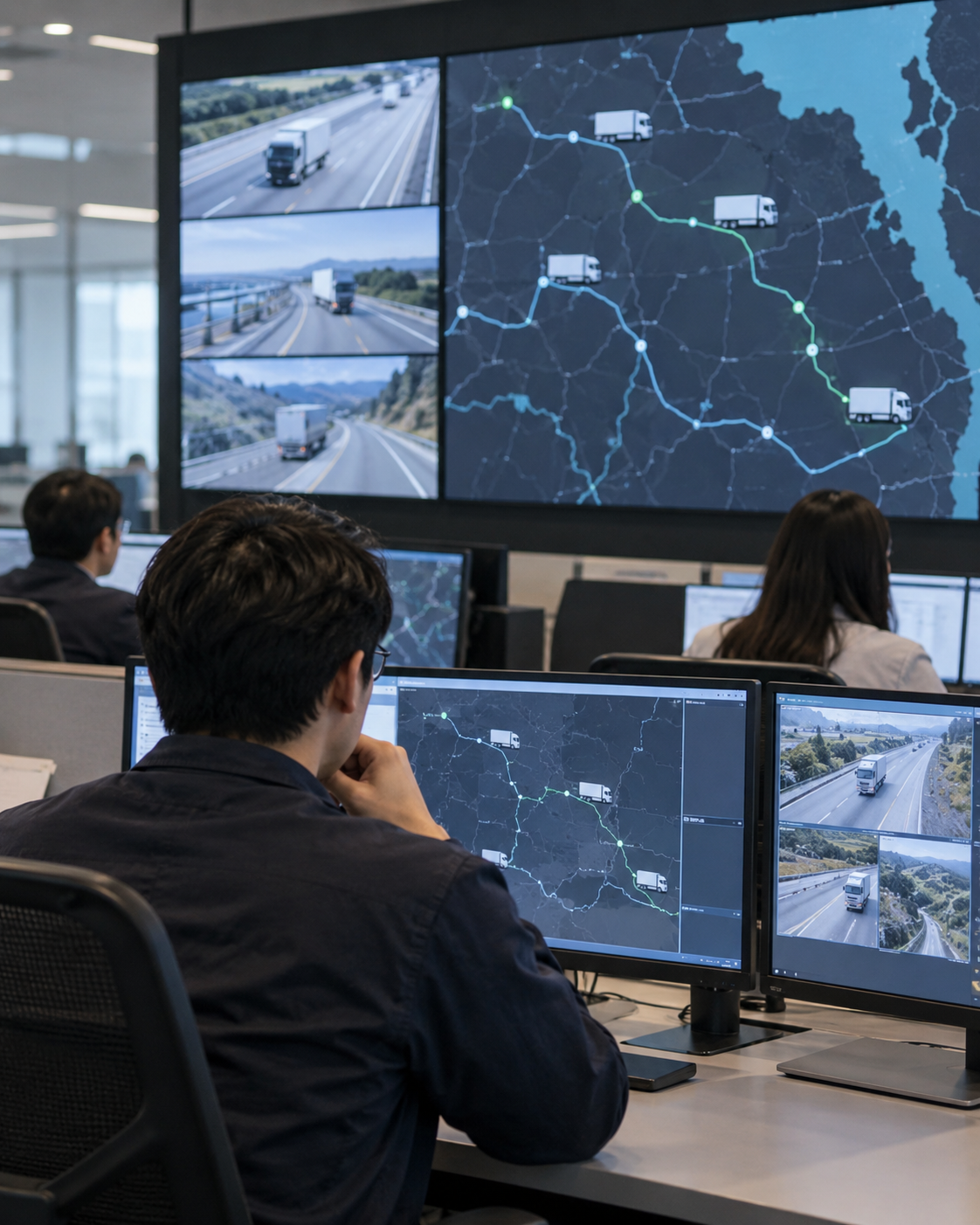
What has been confirmed so far is that a Level 4 driverless truck has been deployed for Lidl’s regular deliveries on authorized public roads in Germany. Einride and Lidl have outlined plans to expand this into a network connecting multiple delivery locations, and they are also discussing ways to extend the service to other businesses within the Schwarz Group, to which Lidl belongs.
The number of additional vehicles, routes, and the expansion schedule have not yet been finalized. To assess actual performance, we need to evaluate long-term operational safety, on-time delivery rates, the number of service interruptions, and costs and energy consumption. This case serves as an important starting point for verifying commercial viability on a limited number of routes, rather than representing a fully developed nationwide network.
Tags
#Einride #Lidl #Self-Driving Trucks #Level 4 #Autonomous Logistics #Germany #KBA #Electric Trucks #Smart Logistics #Robotics #FutureTransportation