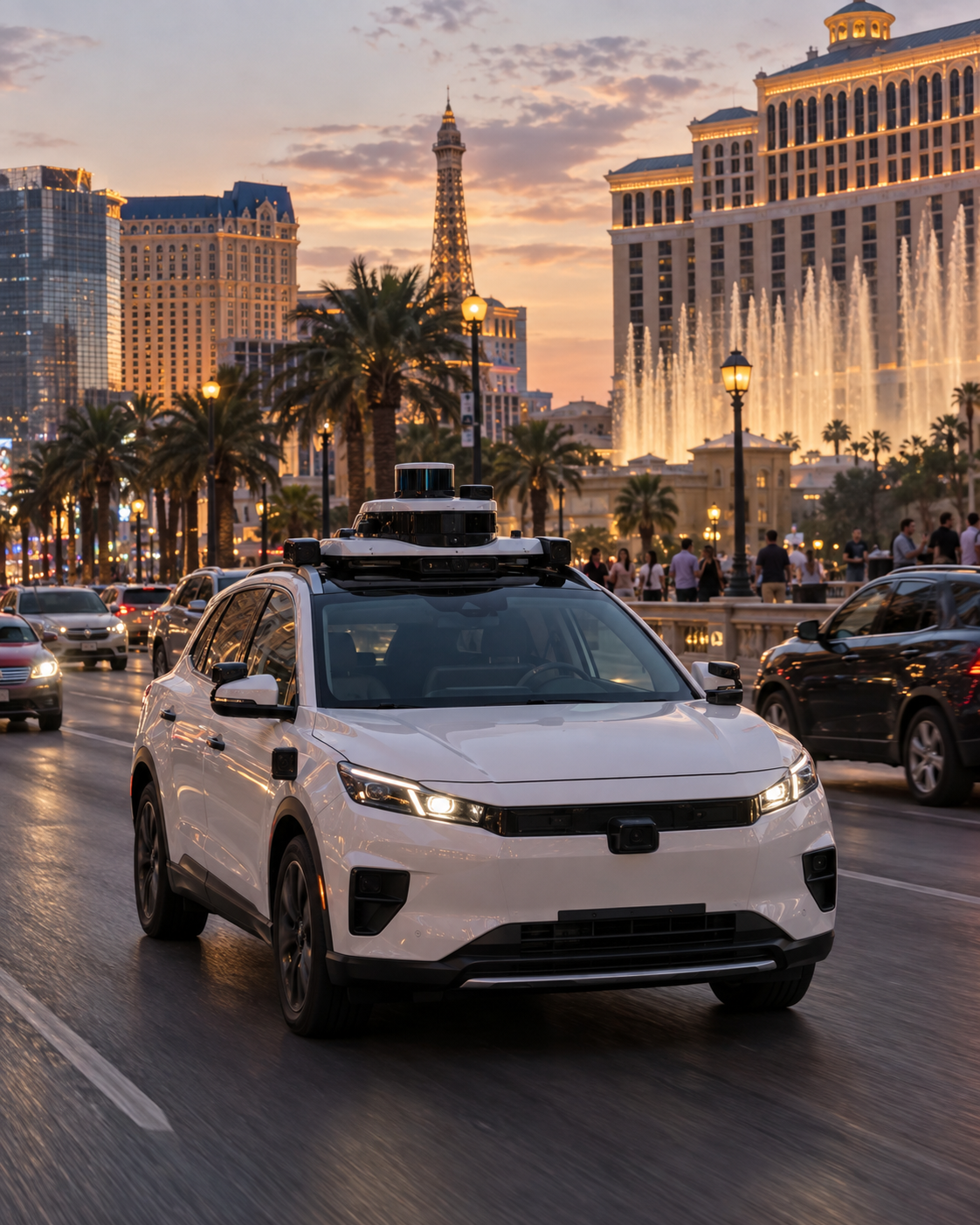
Waymo has launched a fully autonomous ride-hailing service for the general public in Las Vegas, Nevada. Las Vegas has become the first city in Nevada where Waymo is offering its service to the general public.
The service will launch with several dozen vehicles and plans to expand its scale in phases. The vehicles will be equipped with Waymo’s sixth-generation autonomous driving system and will use the Ojai model, which is built on a platform developed by the Chinese automaker Zeekr.
This reopening does not mean that the entire city has been fully reopened all at once. Since the service initially expands its coverage based on a limited number of vehicles and invited users, the actual service area and wait times may vary depending on the pace of expansion.
| Nevada's First Marketplace for the General Public
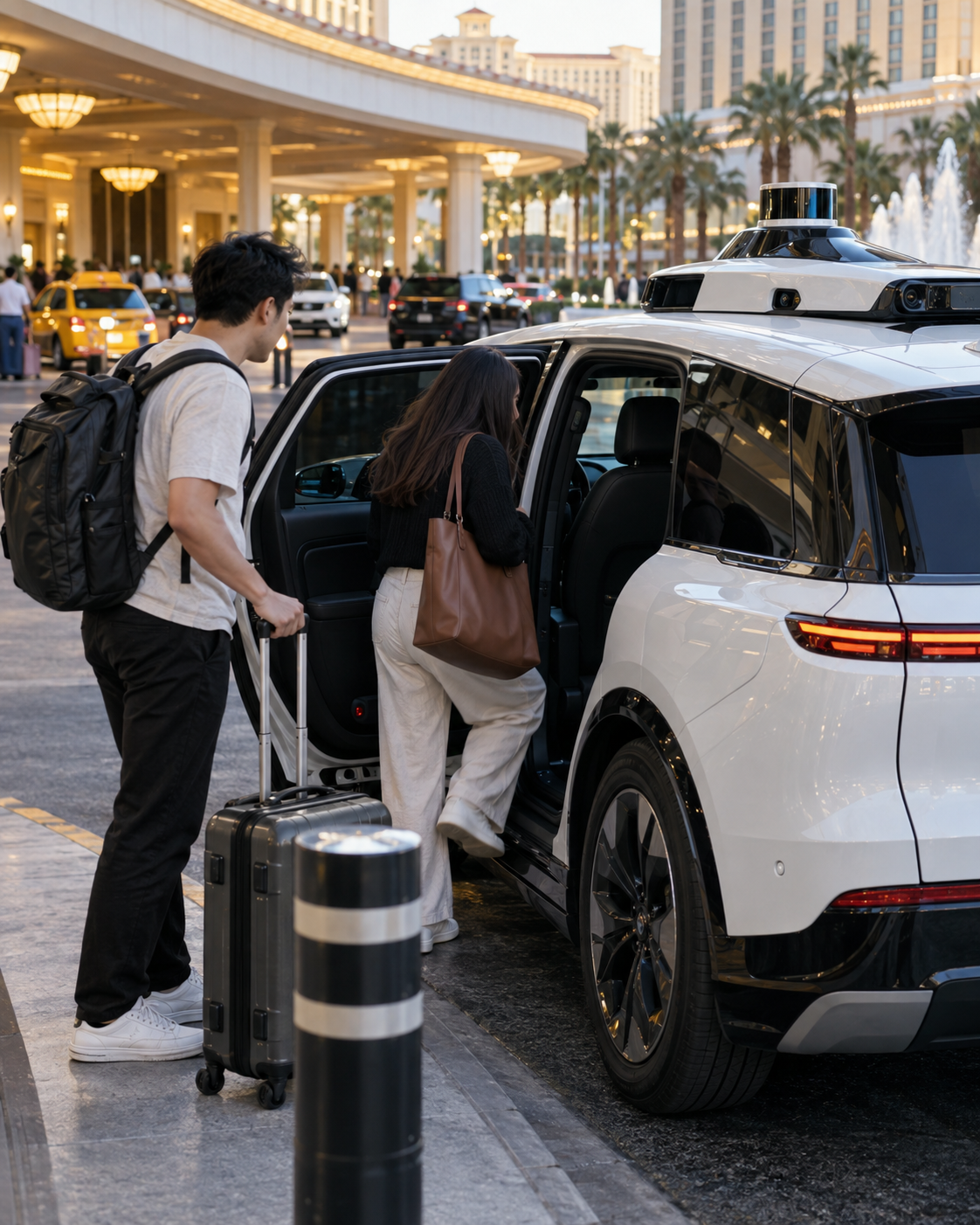
Waymo has been operating a paid autonomous ride-hailing service in several U.S. cities, but Las Vegas is the first place in Nevada where it has opened its doors to the general public. Given that it’s a city where tourists and locals mix and where traffic volume fluctuates significantly throughout the day, this presents a new operating environment.
Pickup and drop-off zones at large hotels, roads that are closed for events or construction, and nighttime traffic volume are some of the key variables that vehicles must navigate. Once the service becomes established, it could serve as an example of how robo-taxis complement traditional taxis and ride-hailing services in a tourist city.
| A phased expansion starting with several dozen units
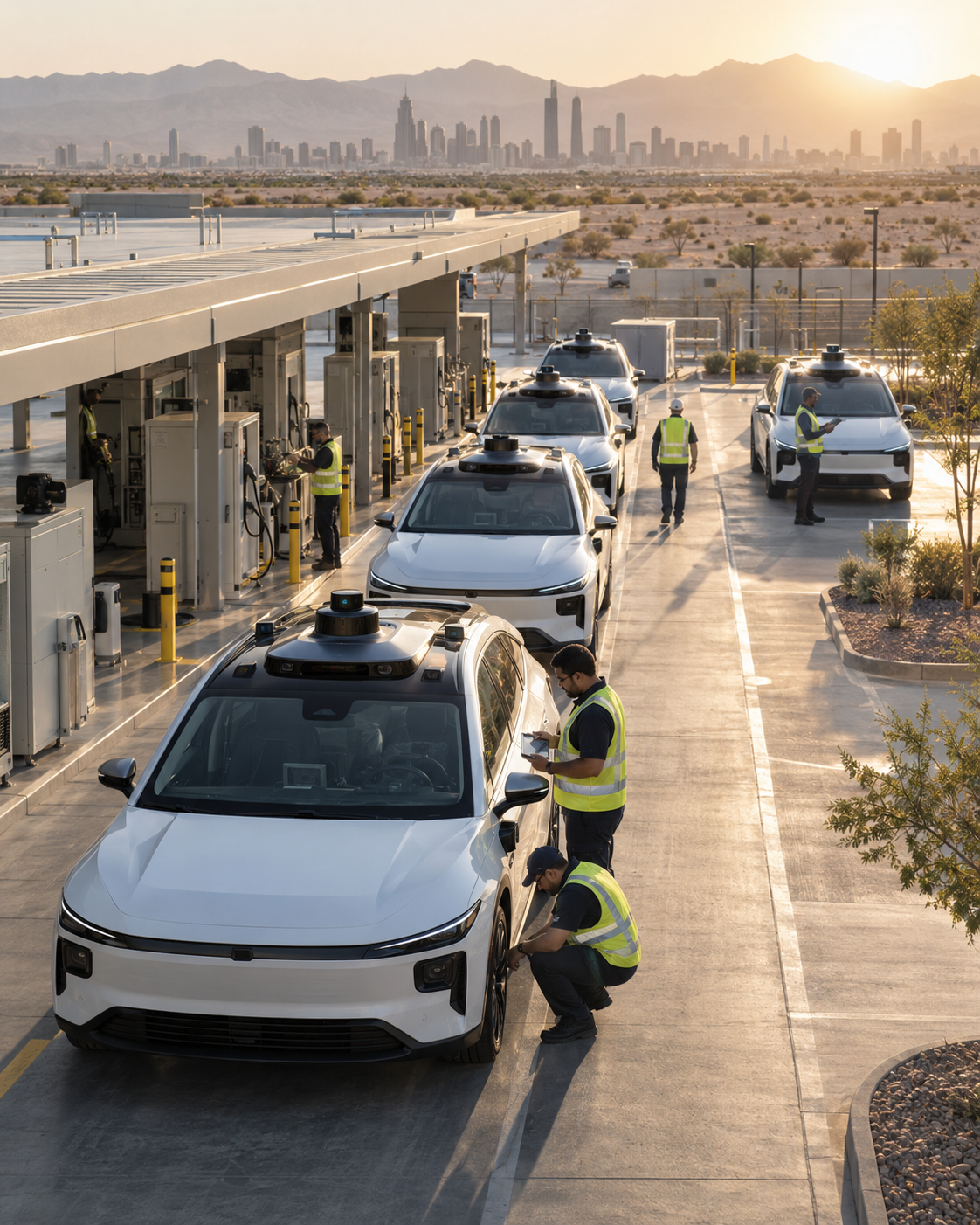
Waymo announced that it will start by operating a few dozen vehicles and gradually increase that number over time. In new cities, rather than simply increasing the number of vehicles, the company must also expand its pickup and drop-off locations, remote support, charging and maintenance, and emergency response systems.
Limiting the number of early users is a step toward adjusting service quality while collecting data in real-world traffic conditions. Whether the scope of the pilot program expands and whether the service area and number of vehicles increase will serve as indicators of how quickly the service is being rolled out.
| 6th-Generation Waymo Driver and Ojai
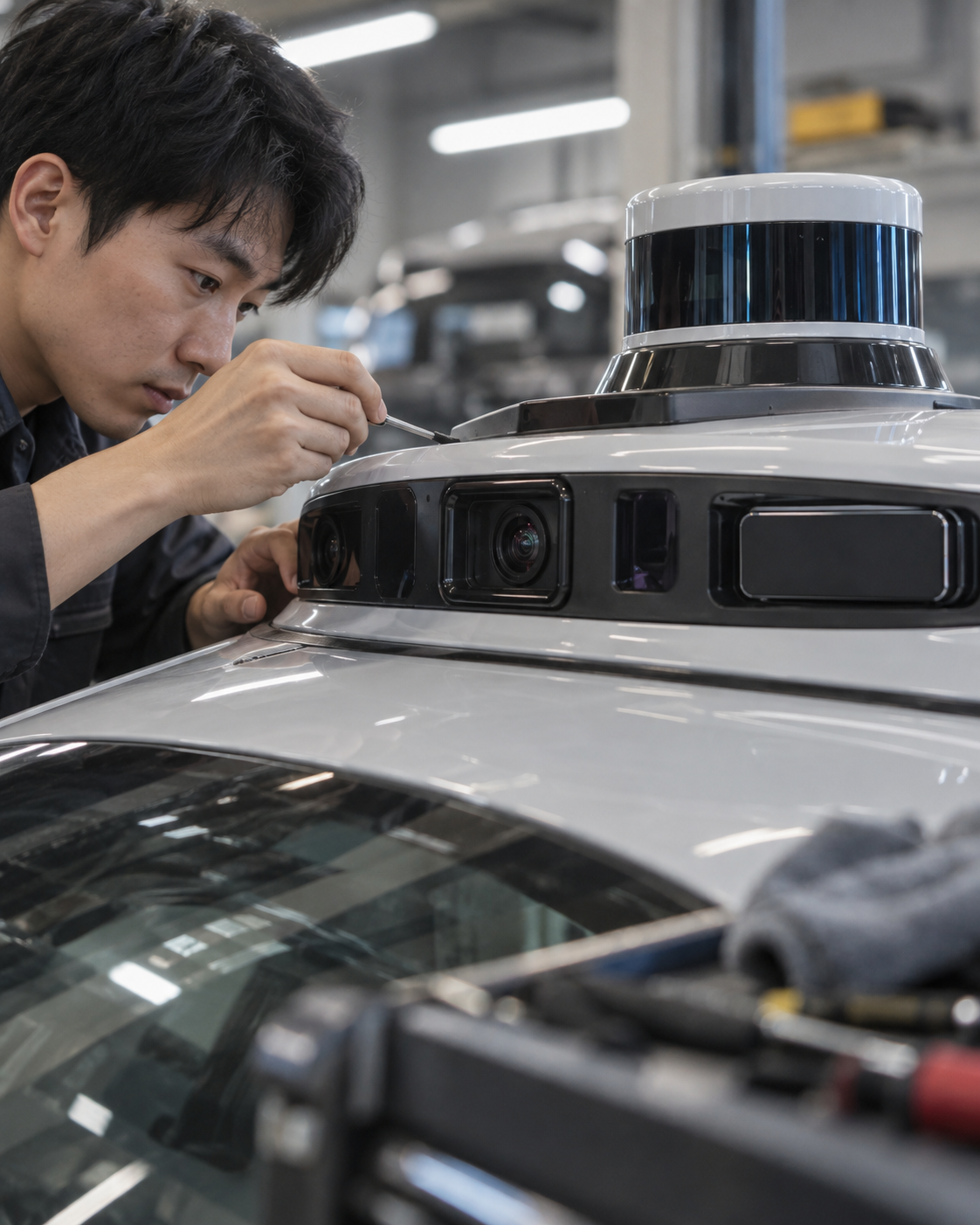
This service uses Ojai vehicles equipped with the 6th-generation Waymo Driver. The Ojai is a vehicle built on the Zeekr platform and designed specifically for robo-taxi operations. It is equipped with cameras, LiDAR, radar, and computing systems designed to perceive the surrounding environment and make driving decisions.
The goal of the new-generation system is to improve component configuration, reduce costs, and enhance resilience to various weather conditions. However, Just because a technology is new doesn't automatically mean it's safe. Transparency regarding actual operational data, reports to regulatory agencies, and incidents and service disruptions is essential.
| Operational Challenges to Be Addressed in Tourist Cities
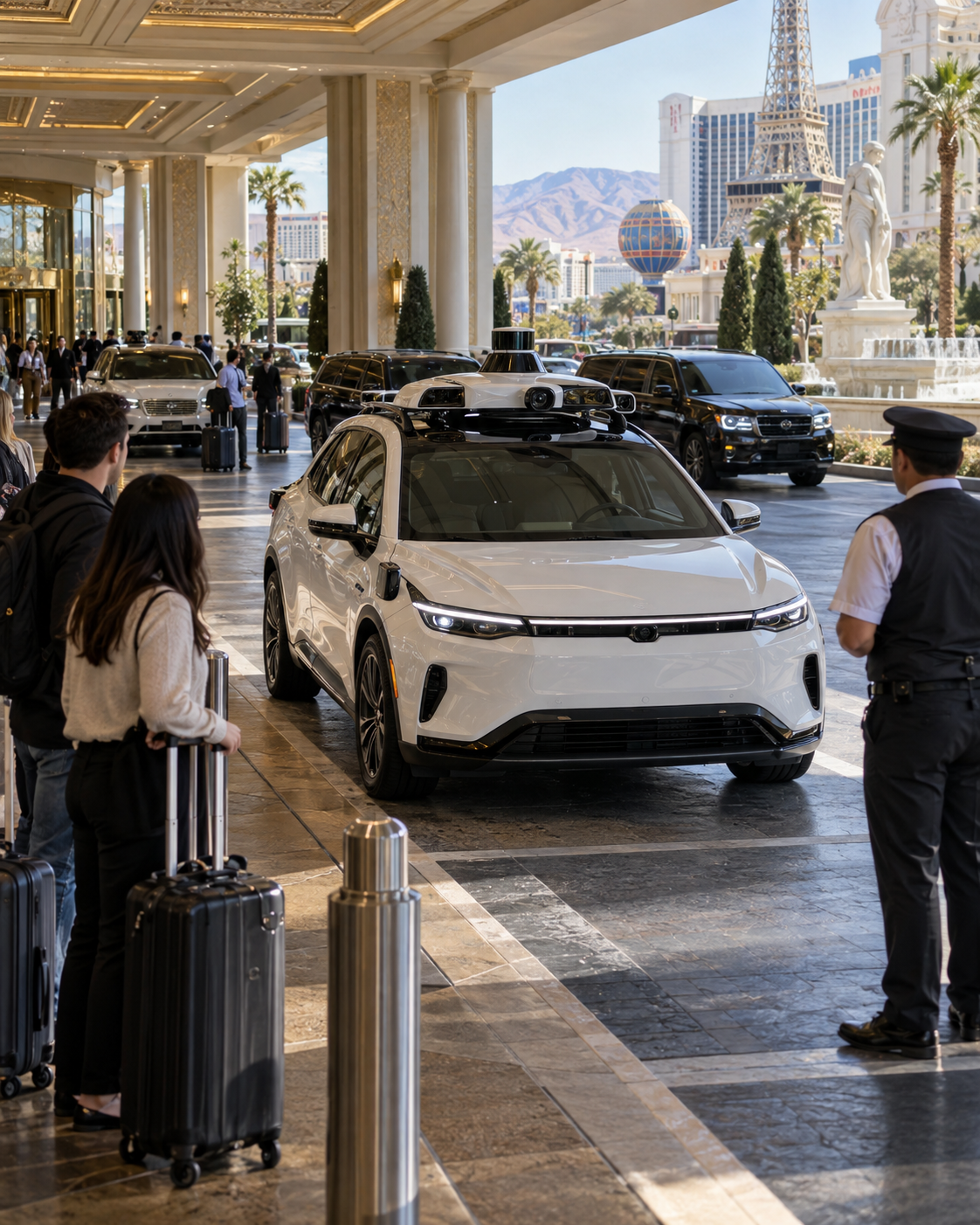
In Las Vegas, since destinations are concentrated around specific resorts and performance venues, there can be a sudden surge in passenger traffic. It's important to design operations so that vehicles not only drive well on the road but also stop safely at complex entry points and guide passengers to the vehicle easily.
Tourists visiting an unfamiliar city are also more likely to be experiencing a self-driving service for the first time. To ensure a smooth user experience, the service must intuitively provide boarding procedures, assistance with luggage and accessibility, and a way to contact customer support if any issues arise inside the vehicle.
| The Las Vegas robotaxi market, where competition has begun
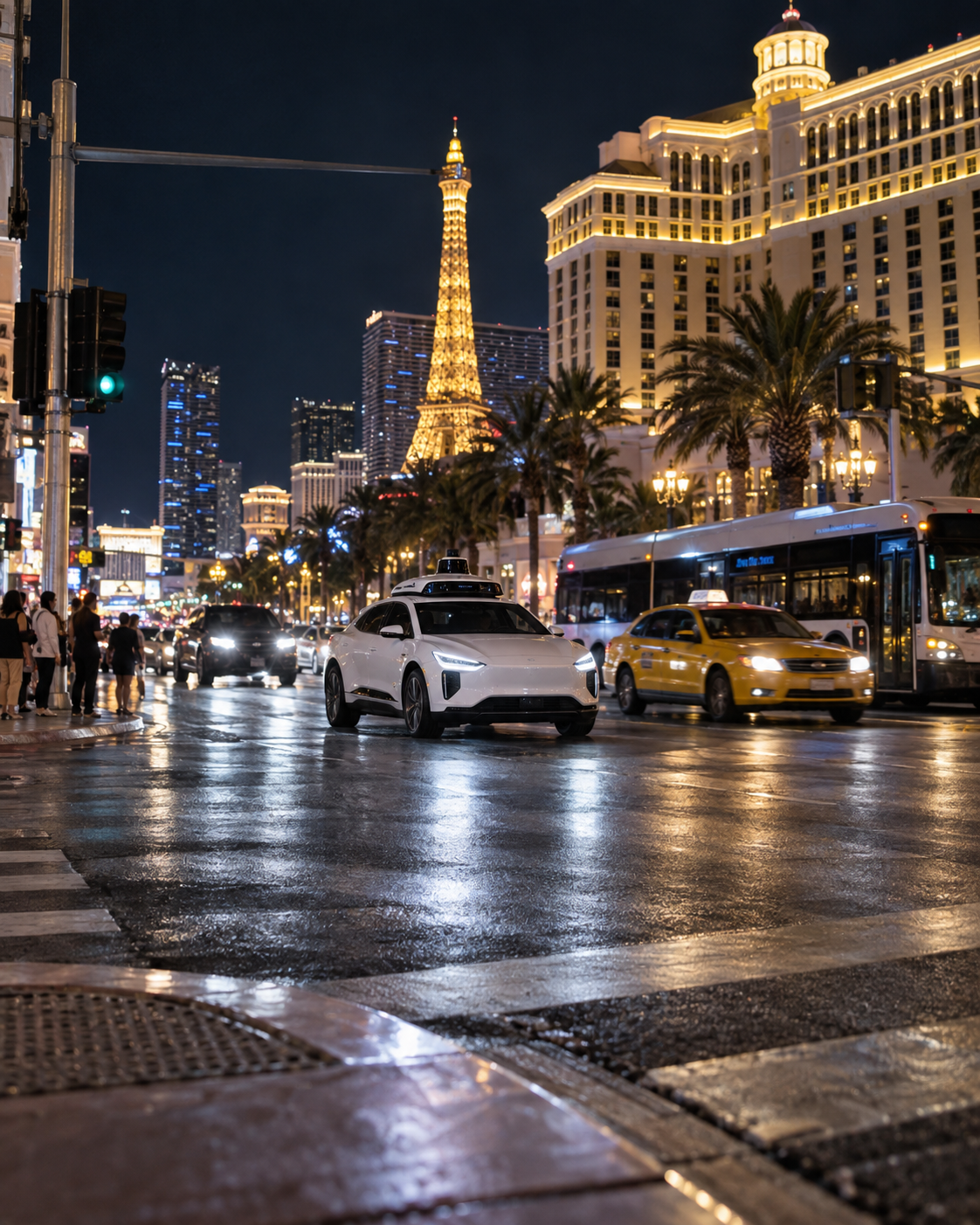
In Las Vegas, other self-driving companies are also offering services to the general public. With Waymo’s entry into the market, competition regarding the range of vehicles, convenience, pricing, wait times, and safety records is likely to intensify.
From the perspective of cities and regulatory agencies, they must compare data from various operators to adjust boarding and alighting areas, traffic flow, and emergency response protocols. As the number of businesses increases, common reporting standards and safety information that is easy for citizens to understand become increasingly important.
| Confirmed Openings and Upcoming Indicators
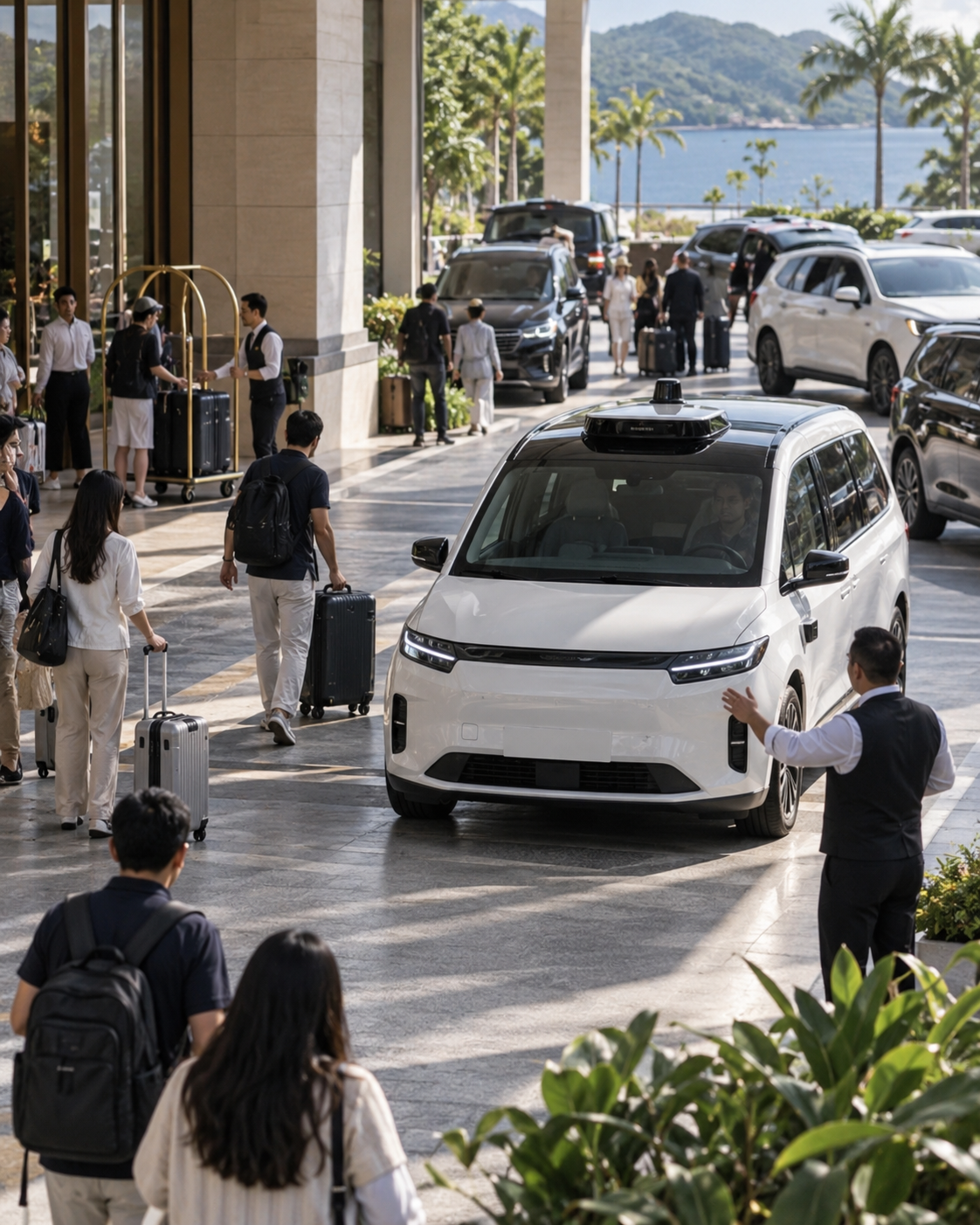
It has been confirmed that Waymo has launched a fully autonomous ride-hailing service in Las Vegas, inviting the general public to participate, and plans to gradually expand from a fleet of several dozen vehicles. This marks Waymo’s first public service in Nevada, featuring its sixth-generation system and Ojai vehicles.
The exact total number of vehicles, the date when the service will be available citywide, and the final service area have not yet been announced. Going forward, the scope of the invitation waiting list, the scope of paid service, the rate at which the fleet will expand, You need to look at both the service suspension and the publicly available safety data together to assess the actual level of commercialization.
Tags
#Waymo #Waymo #Las Vegas #Robotaxi #Self-Driving #Fully Autonomous #WaymoDriver #Ojai #Zeekr #FutureTransportation #Mobility