Uber and a British AI company Wayvehas launched an autonomous ride-hailing service in London that is available to the general public. Moving beyond the stage of test vehicles driving on the roads, The key point is that existing Uber users can now be assigned actual modes of transportation through the app.
The service will begin with a small number of Ford Mustang Mach-E electric vehicles, each with a trained safety officer on board. Therefore, at this stage, Not a fully autonomous robot taxi with absolutely no human passengers, but Supervised Autonomous Ride-Hailing ServiceHey.
Riders who booked UberX, Uber Electric, or Uber Comfort You can connect to Wayve vehicles at no additional charge. Users can either accept the assignment or switch to a regular car.
| The UK's first service for the general public
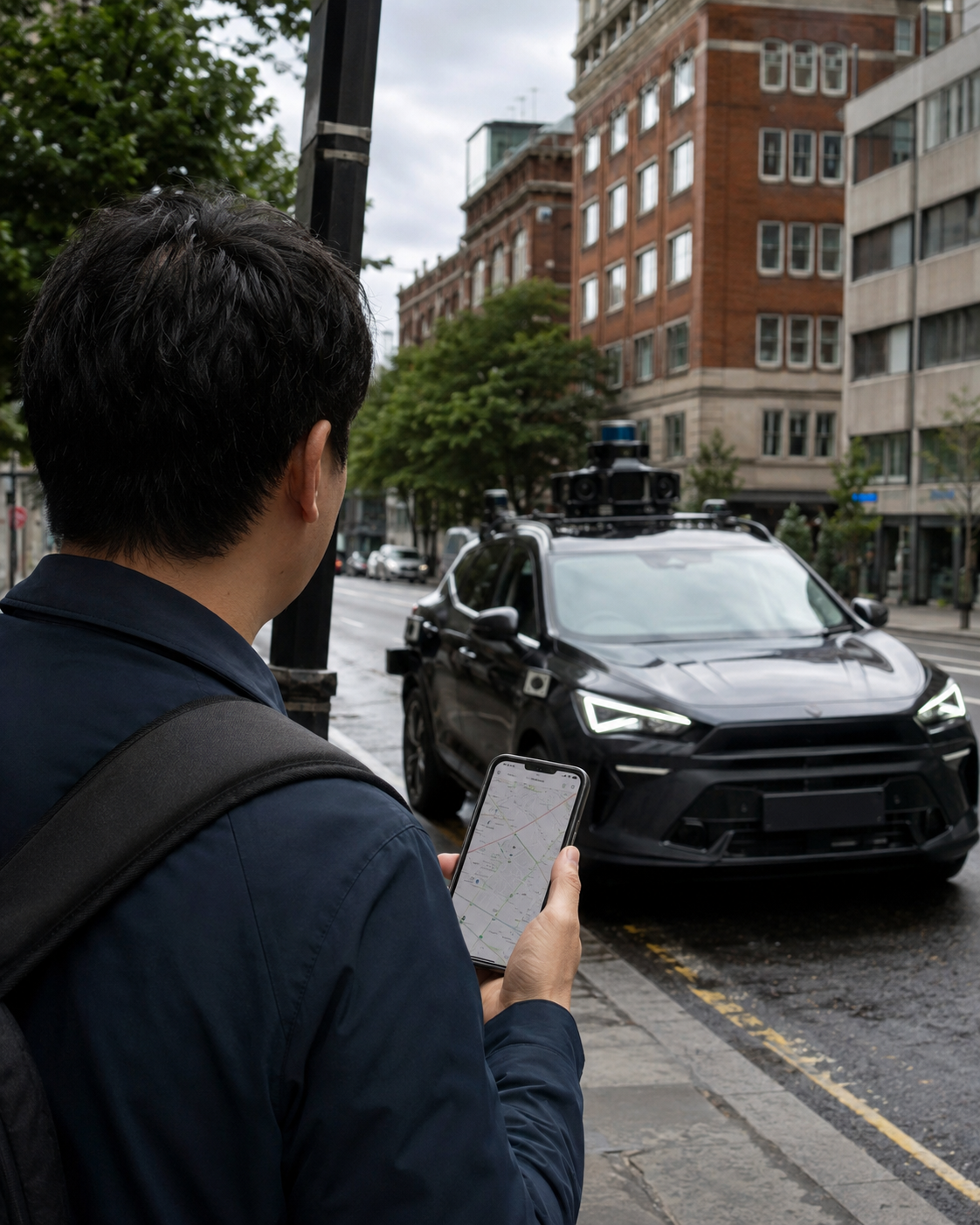
Wayve and Uber began offering supervised autonomous driving services in London on September 3, 2026. The two companies described this as the first autonomous ride-hailing service available in the UK.
The initial fleet is small, with fewer than 20 vehicles. Rather than large-scale commercialization, it’s closer to a phase of validating service procedures by gathering real passenger experience and urban driving data.
The vehicles can travel within London, excluding the airport. It’s not a system where only certain test participants use a separate app, but rather, The fact that self-driving cars are included in the standard Uber booking processIt's different from the previous road test.
| The process is similar to ordering a ride through Uber
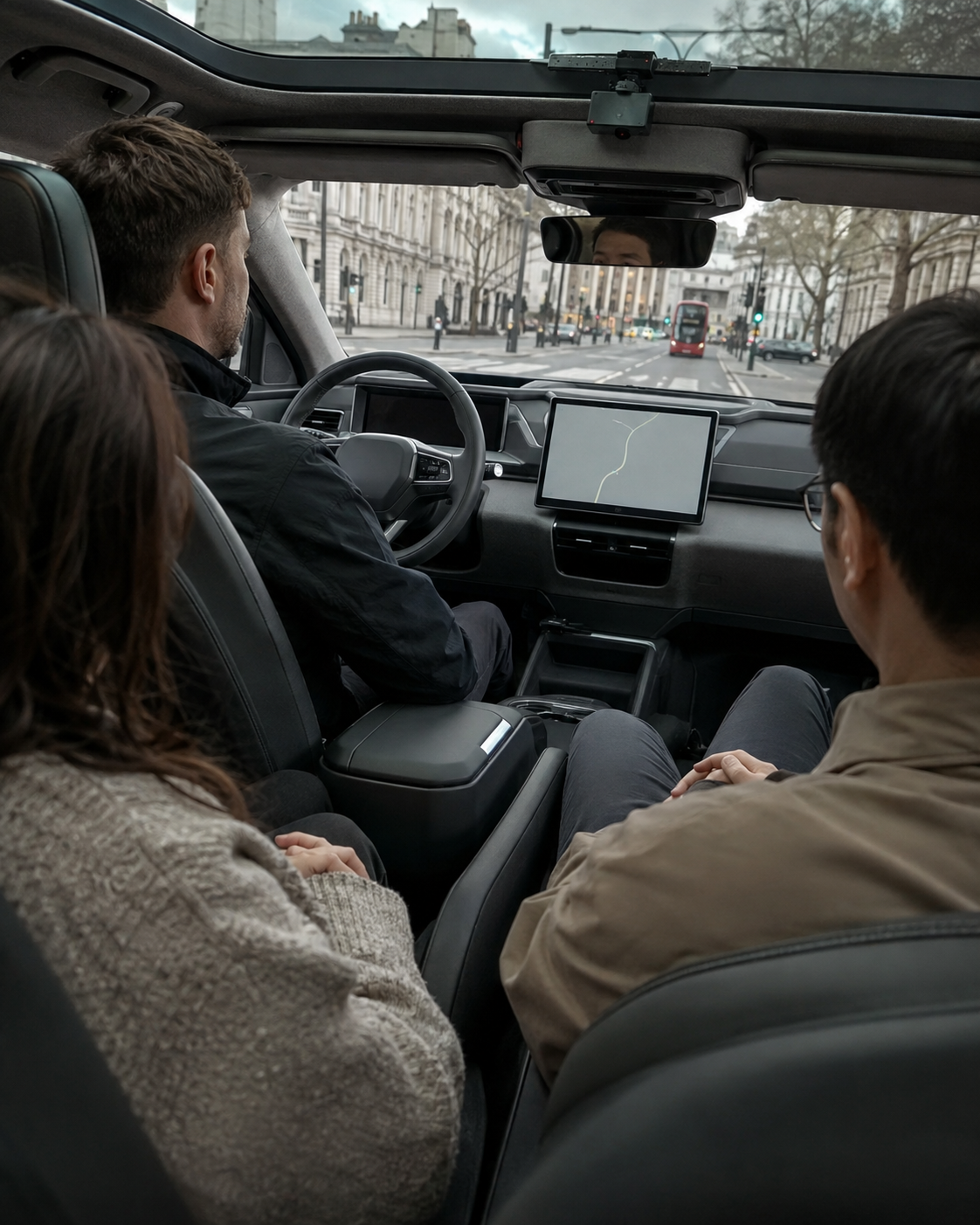
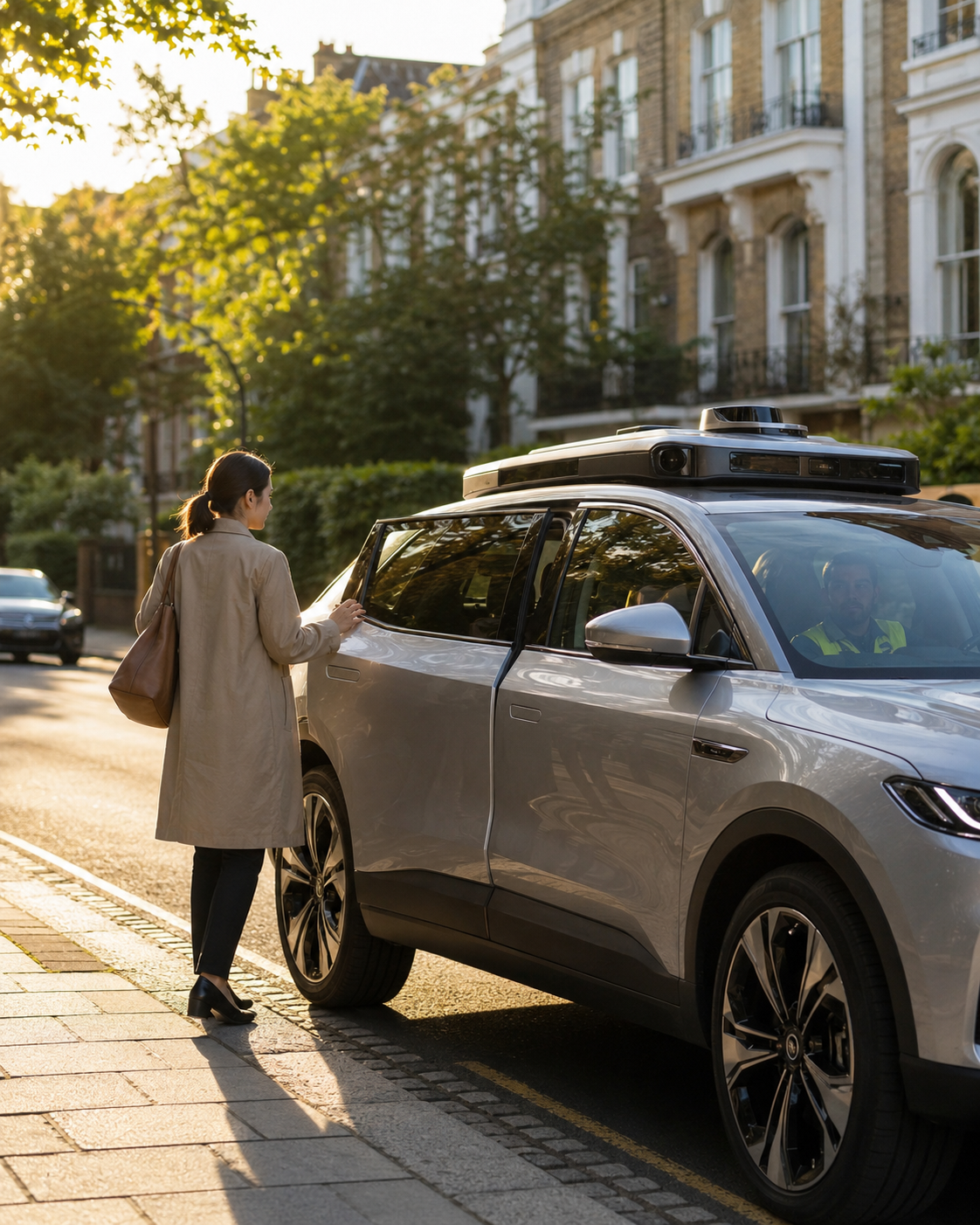
When a user requests an UberX, Uber Electric, or Uber Comfort ride, they may be assigned a Wayve vehicle. The fare is displayed in the app in advance, and there is no additional charge simply because it is an autonomous vehicle.
Once assigned, users can choose whether to accept the self-driving vehicle. If you don't want to, you can switch to a regular driver's car before the vehicle arrives.
The process of opening the car door and starting the ride is handled through the Uber app and the in-car display. The in-car display shows the planned route, and Wayve has announced that it supports 64 languages.
| Wayve AI Driver Integrated into the Ford Mustang Mach-E
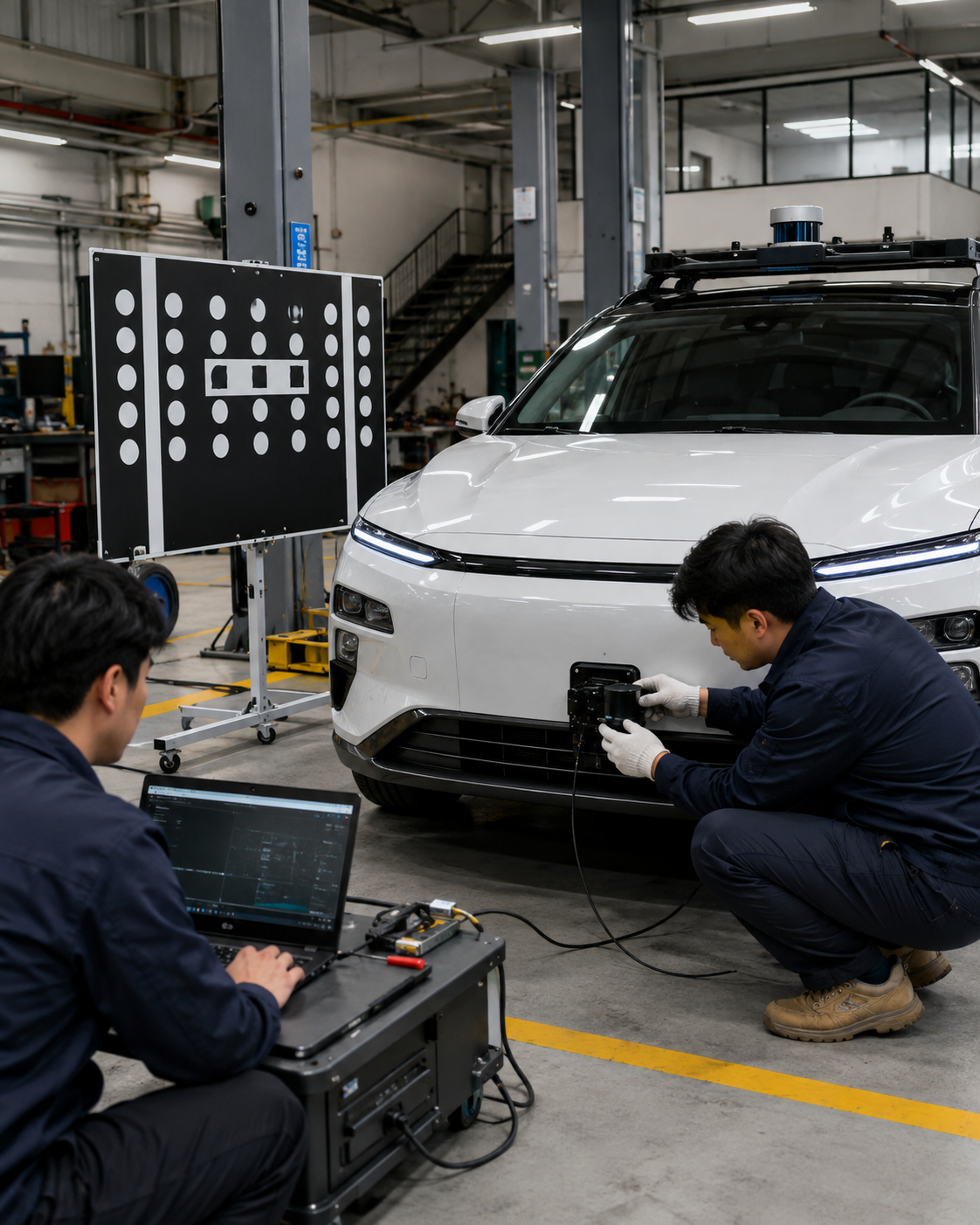
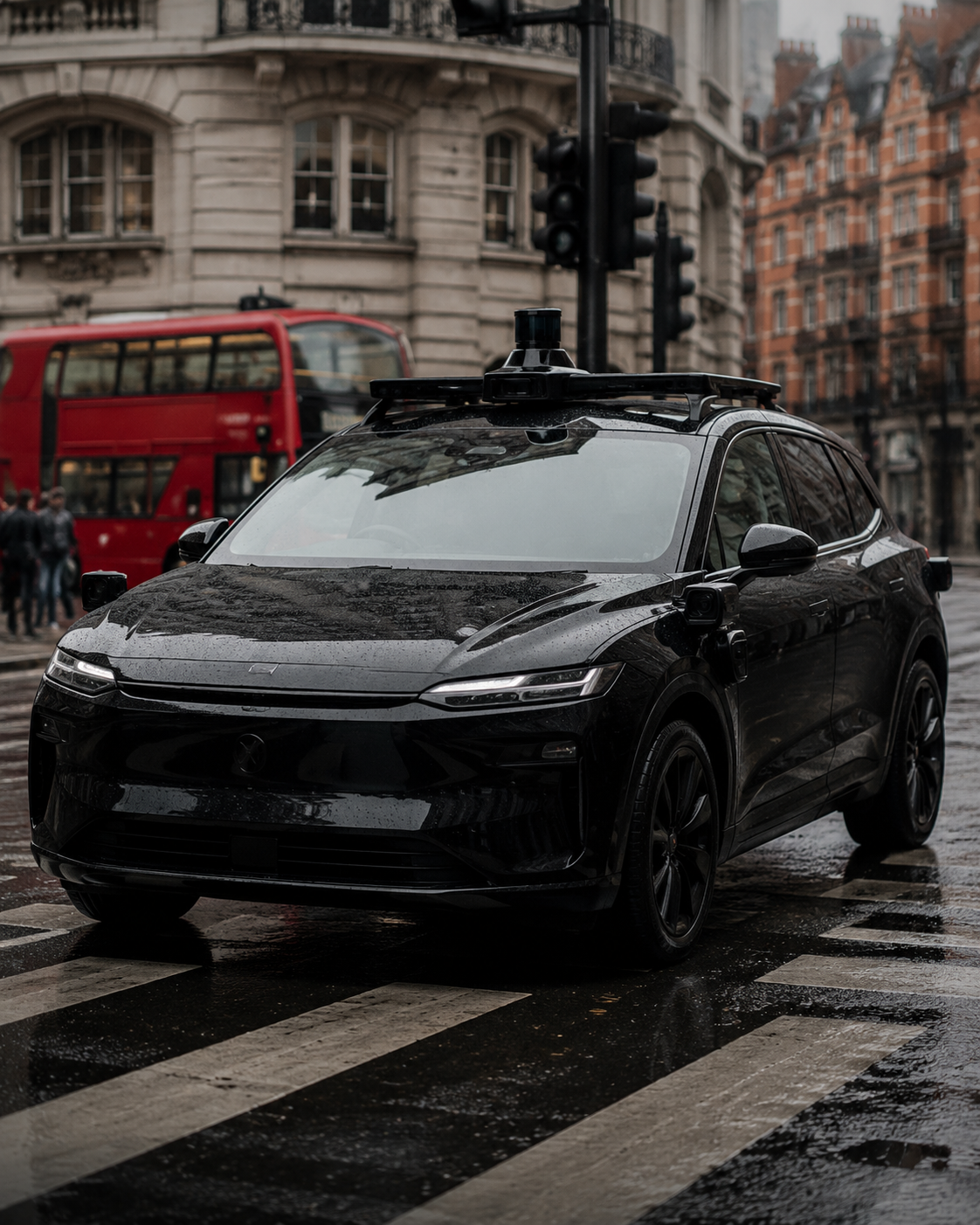
The first model was an electric SUV, Ford Mustang Mach-EIt is based on . The vehicle is equipped with Wayve AI Driver and sensors that detect the surrounding environment.
Wayve says its proprietary AV2.0 technology Without relying heavily on traditional high-precision maps or rules created manually one by one,...They explained that it was designed to adapt to various environments by learning from driving experiences. London, with its many complex and narrow roads, is a challenging environment for validating this approach in real-world service.
The two companies plan to introduce Nissan LEAF-based vehicles to other markets in the future. However, the initial service in London will focus on the Mustang Mach-E, and future expansion of the vehicle lineup will proceed in phases, depending on demand and regulatory approval.
| Supervised autonomous driving with a safety operator on board
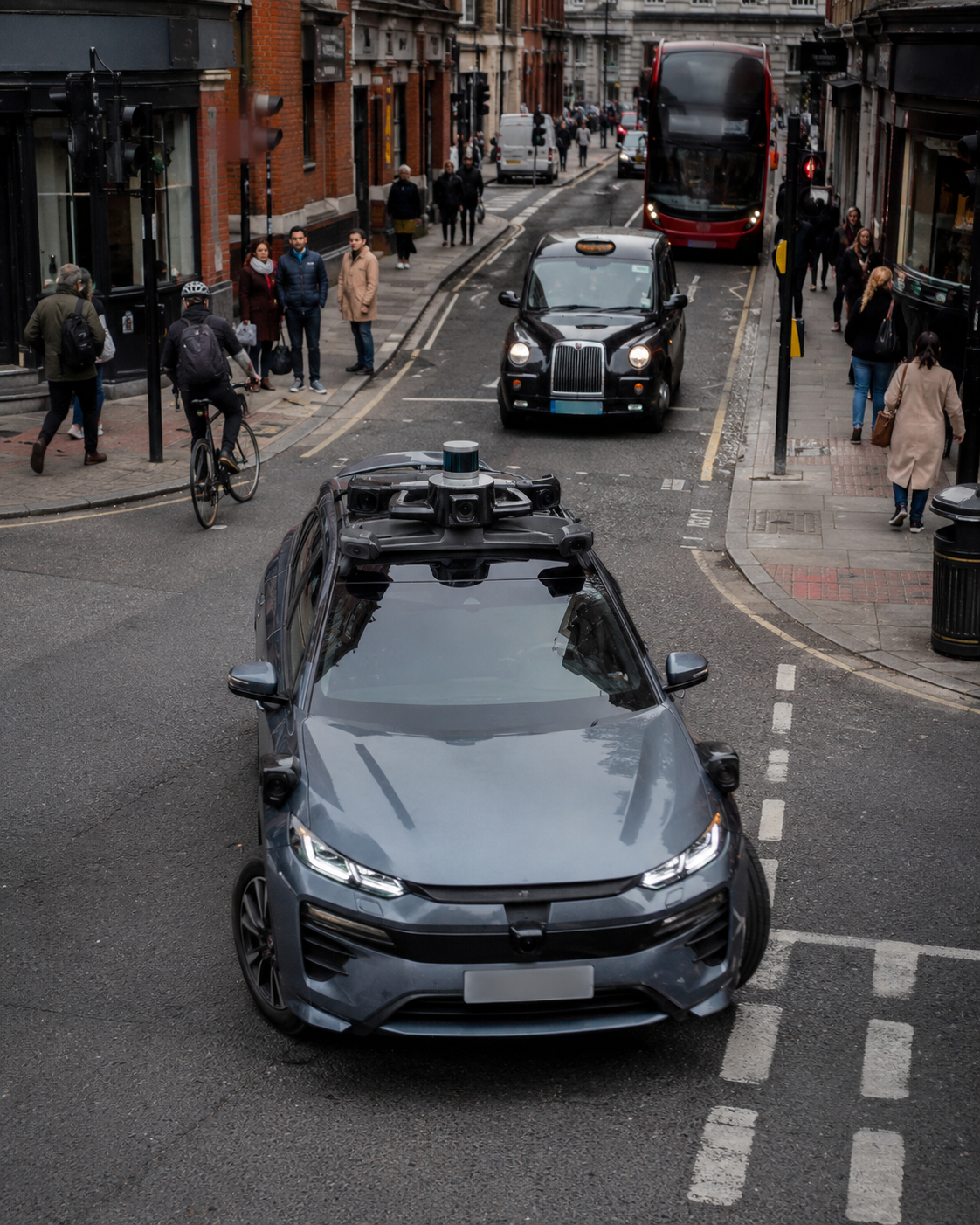
Currently, all autonomous vehicles are equipped with trained TfL-Licensed Safety OfficerThe driver is on board. They monitor the system and can intervene in the driving process if necessary.
For this reason, we need to distinguish between the phrase “the UK’s first self-driving ride-hailing service” and “a fully driverless service.” Although the service, which passengers can request, has begun, it hasn't yet been approved to operate without a driver behind the wheel.
Supervised operation is a process that tests not only technical performance but also boarding and alighting procedures, passenger guidance, responses to unexpected situations, and the operational support system. Specific safety metrics, such as accident and intervention rates, need to be disclosed so that service levels can be evaluated more accurately.
| Why London Has Become an Important Testing Ground
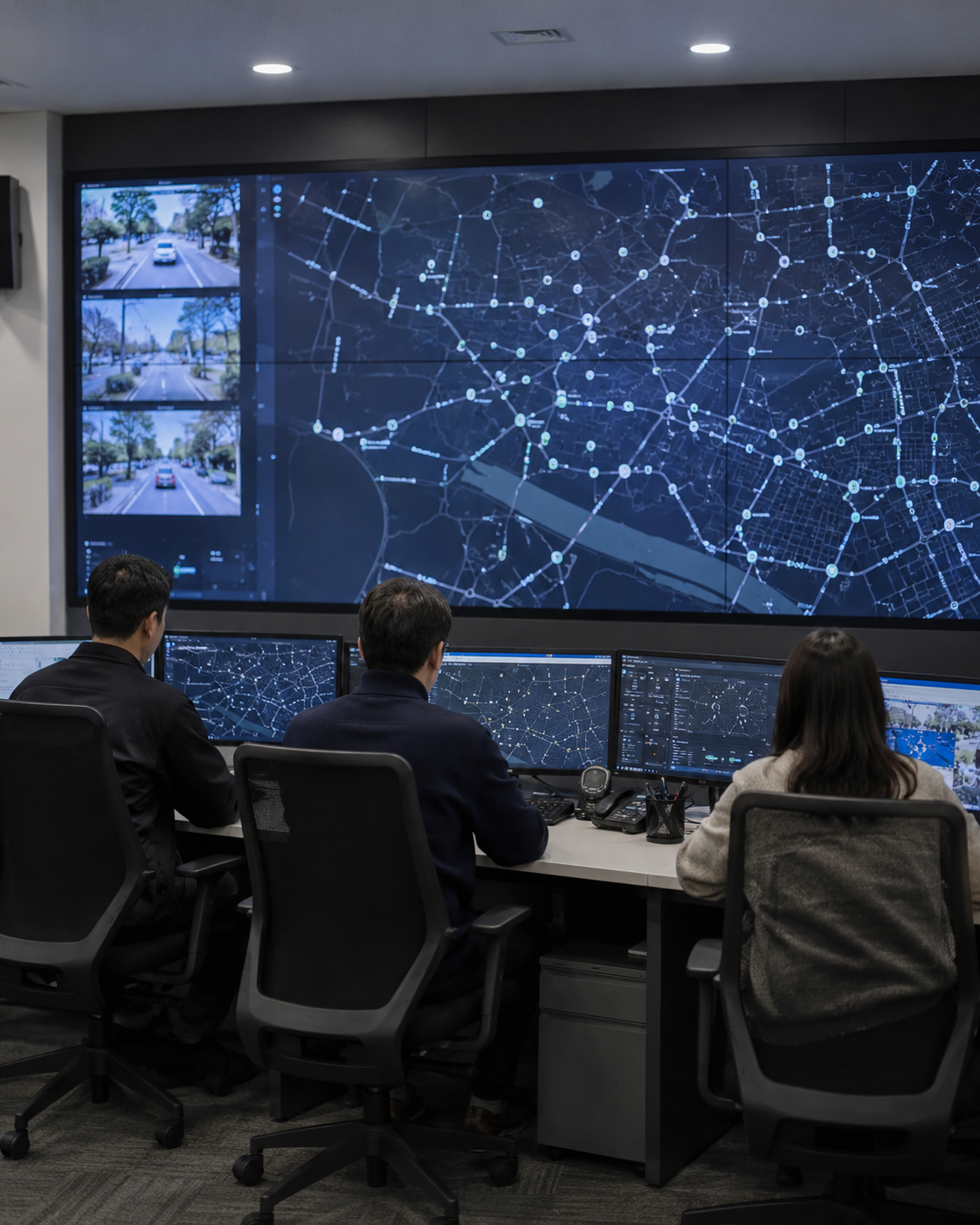
London has narrow streets, complex intersections, and an environment where pedestrians, cyclists, buses, and taxis all move at the same time. With varying weather conditions, road construction, and local road layouts, there are many variables that autonomous driving systems must handle.
Wayve stated that it has been developing and refining its technology primarily on the streets of London since 2018. Now that it has launched a passenger service in the city where its headquarters are located, the key question is whether the generalization capabilities it has emphasized during the research phase will carry over into the operational environment.
The company explained that more than 140,000 users in London have made choices within the app that increase their chances of being assigned a Wayve vehicle. While initial interest has been confirmed, data on actual repeat usage and satisfaction will need to be collected going forward.
| Discussions on competition and jobs are also expected to intensify
Other autonomous driving companies, such as Waymo and Baidu-affiliated services, are also preparing to enter the London market. With Uber and Wayve having already begun operations for the general public, the competition for robotaxis in major European cities is likely to heat up.
Uber is emphasizing a hybrid network that combines self-driving vehicles with human drivers. However, if the number of vehicles increases significantly, there may continue to be debate over how this will affect the jobs of traditional taxi drivers and ride-hailing drivers.
It is difficult to draw definitive conclusions about the impact on employment based solely on announcements by technology companies. While new tasks such as vehicle maintenance and remote support may emerge, we also need to consider changes in ride-hailing demand and the revenue-sharing structure.
| What happens after a small-scale launch is even more important
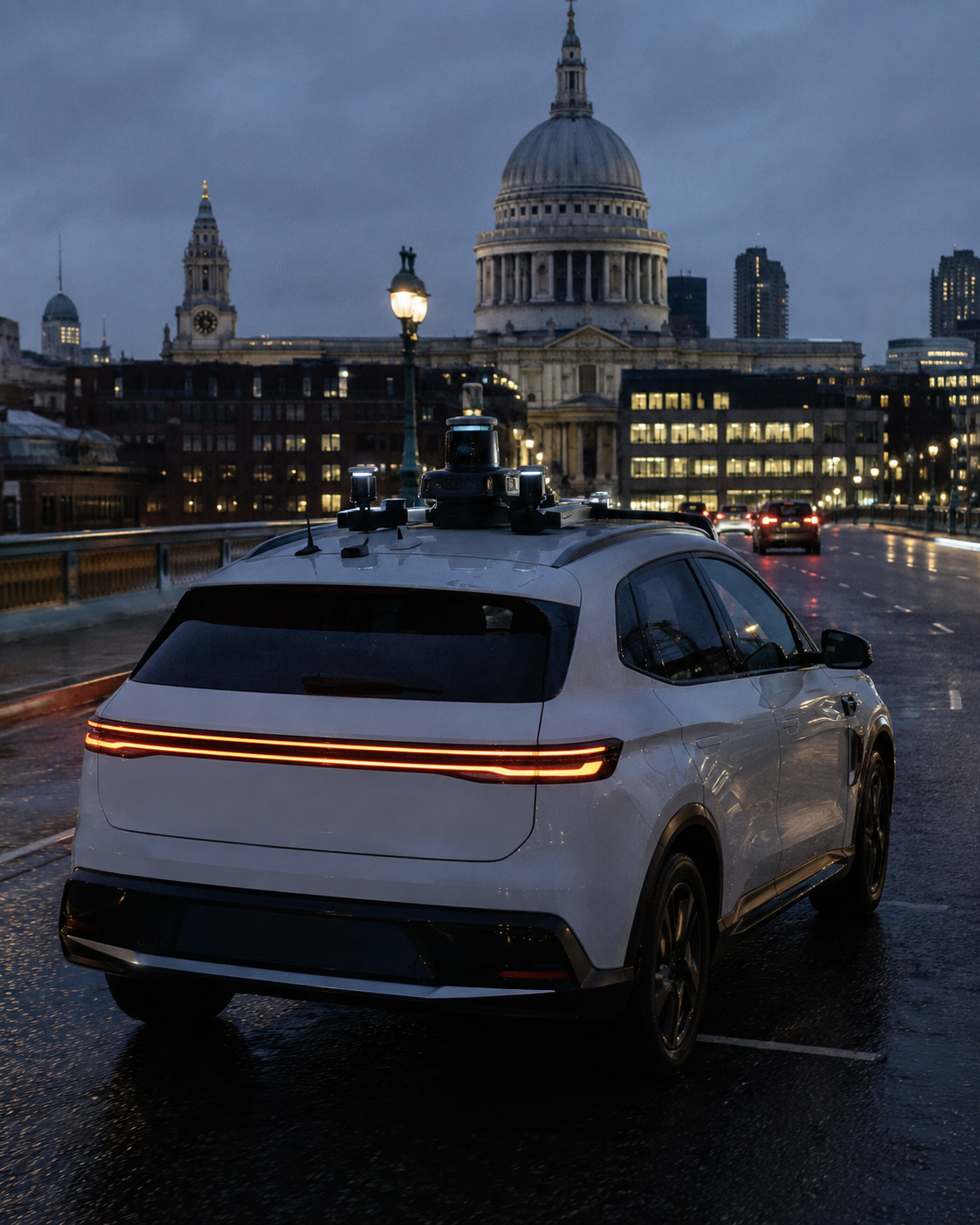
This launch marks a clear turning point, as it now allows Londoners to experience self-driving cars through their everyday ride-hailing apps. This also means that Wayve’s AI-driven driving system has entered commercial operation in one of the world’s most complex urban areas.
At the same time, there are limitations, such as the fact that there are fewer than 20 vehicles and that safety officers are on board. The timeline for the transition to fully autonomous operation, the areas where it will be permitted, and the response to severe weather and the frequency of human intervention are still to be determined.
Going forward, how steadily will the number of vehicles increase, Will the safety data accumulated during supervised operation lead to regulatory approval for fully autonomous operation?, It will become important to see what choices passengers actually make compared to regular vehicles.
Tags
#Uber #Wayve #Self-Driving #Robotaxi #London #United Kingdom #WayveAIDriver #FordMustangMachE #Mobility #AI Cars #Ride-Hailing Service #FutureTransportation