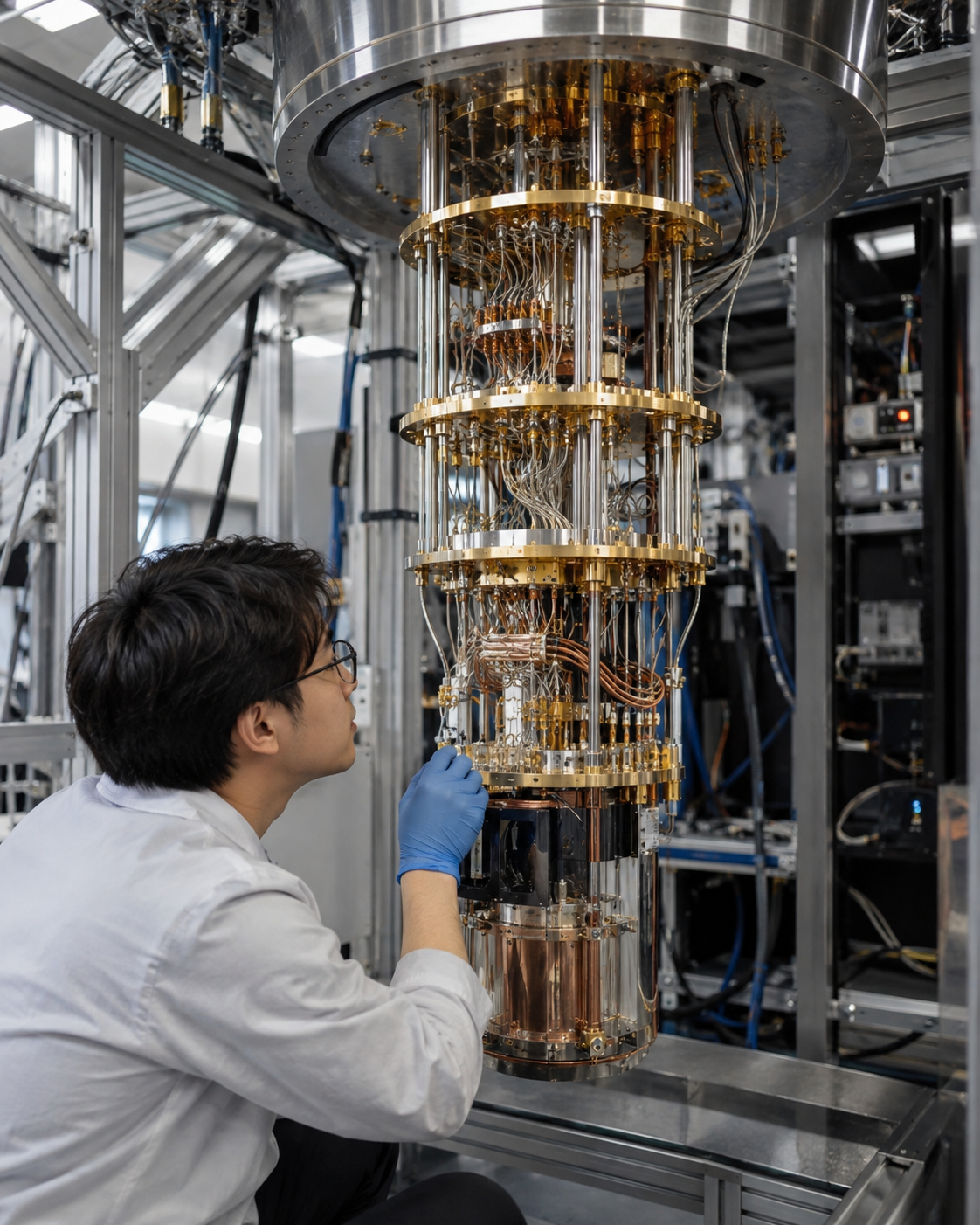
The Canadian government has selected a photonics-based quantum computing company Xanadu Quantum TechnologiesToward the establishment of a manufacturing facility for 195 million Canadian dollarsWe've decided to support it. That amounts to about $141 million in U.S. dollars.
The total scope of the project is 893 million Canadian dollarsAnd the key is expanding our R&D facilities and establishing manufacturing capabilities for cutting-edge photonic components. The Canadian government has set a maximum of 275I expected that specialized jobs would be created.
This funding announcement does not mean that a fully functional general-purpose quantum computer will be produced immediately. This is a long-term investment aimed at establishing the infrastructure in Canada—including chip integration, packaging, wafer inspection, and module assembly—needed to build large-scale, error-tolerant photonic quantum computers.
| Repayable Funding

The Canadian government announced that it will invest 195 million Canadian dollars through the Strategic Response Fund. Reuters reported that these funds will Financial assistance in the form of loans that must be repaidI explained it that way.
The government grant amounts to approximately 22% of the total project cost of 893 million Canadian dollars. It's a large-scale manufacturing project funded not solely by the government, but through a combination of private investment and company funds.
Xanadu stated that this agreement is based on the one announced in March 2026 Project OPTIMISMThey announced that they had finalized the federal government's share of the funding. At the time, they were discussing the possibility of up to 390 million Canadian dollars in combined funding from the federal government and the Province of Ontario.
| Construction of Manufacturing Facilities
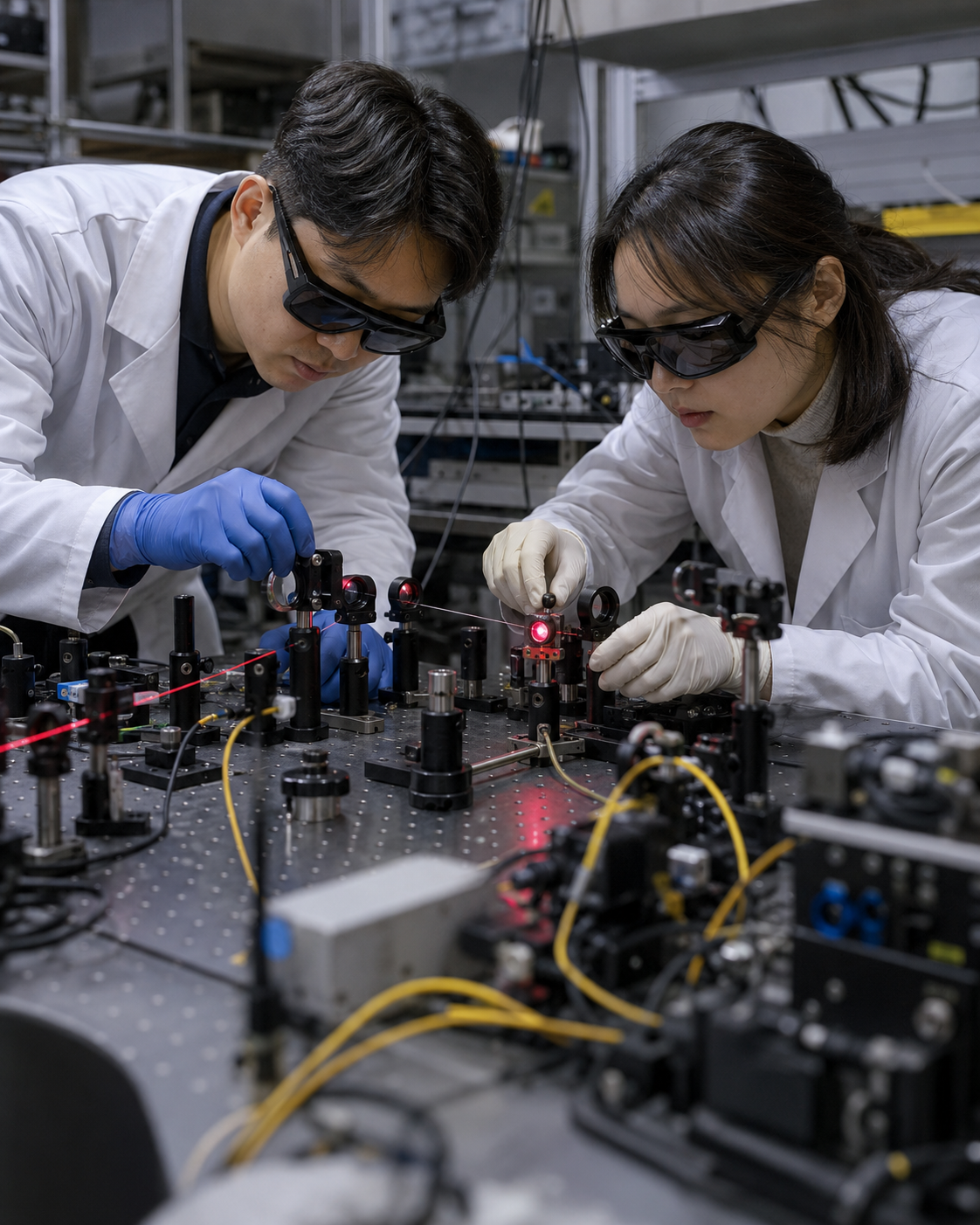
Xanadu is in Toronto InceptionWe plan to build a research, development, and manufacturing facility spanning approximately 158,000 square feet. That's about 14,700 square meters.
The facility is set to house precision cleanrooms, photonics component assembly equipment, a 24-hour testing and measurement environment, and a quantum module integration area. It's less like a factory that assembles individual quantum computers and more like an infrastructure that integrates the manufacturing processes from chips to systems.
The government expects this facility to expand cooperation between Canadian research institutions and small and medium-sized enterprises. The goal is to keep key components and manufacturing know-how in the country so that research outcomes do not rely solely on overseas production.
| Development of Quantum Computers

Xanadu's method involves light particles, which are PhotonIt is a structure that processes quantum information using [...]. A key feature is that it offers opportunities to apply existing optical communication and silicon photonics technologies, and can be used to connect quantum information between chips and modules.
However, an actual system requires complex components to generate light sources, precisely connect multiple photon chips, and measure signals. Even small errors and losses can affect calculation accuracy, which is why precision in the manufacturing process is so important.
The key capabilities Xanadu aims to secure at this facility include heterogeneous integration of photonic chips, integrated circuit packaging, wafer-level testing, and quantum module assembly. You could say this is the stage where we're turning a lab prototype into a repeatable manufacturing process.
| Bottlenecks in Quantum Computing

The race to develop quantum computers isn't just about research aimed at increasing the number of qubits. We need manufacturing capabilities that can produce and assemble countless parts to the same high standard, minimize errors, and ensure stable, long-term operation.
Xanadu explained that it is difficult to build a large-scale, commercially viable quantum computer using only existing off-the-shelf components. The company maintains that scaling up requires integrating photonic chips, packaging, testing, and module assembly into a single supply chain.
Canada's support demonstrates that, even in bilateral sectors, manufacturing facilities and supply chains are becoming strategic assets, just as they are in the semiconductor industry. This is because if a company relies solely on its research staff and outsources core production overseas, it risks losing control during the technology commercialization process.
| Canada

The Canadian government stated that this project will create up to 275 high-skilled jobs and support the country's bilateral strategy and defense industry strategy. They view quantum technology not only as a matter of economic growth but also as an issue of national security and supply chain resilience.
Once a photon manufacturing infrastructure is established, the technology is likely to spread beyond quantum computing into fields such as communications, sensors, and semiconductor packaging. This could also increase opportunities for universities and small and medium-sized enterprises to participate in the equipment and supply chains of large-scale facilities.
However, for government support to contribute to the regional industrial ecosystem, it must not stop at the acquisition of equipment; rather, it must be followed by actual orders, research collaborations, workforce development, and continued investment.
| Manufacturing Facilities and Practical Quantum Computers
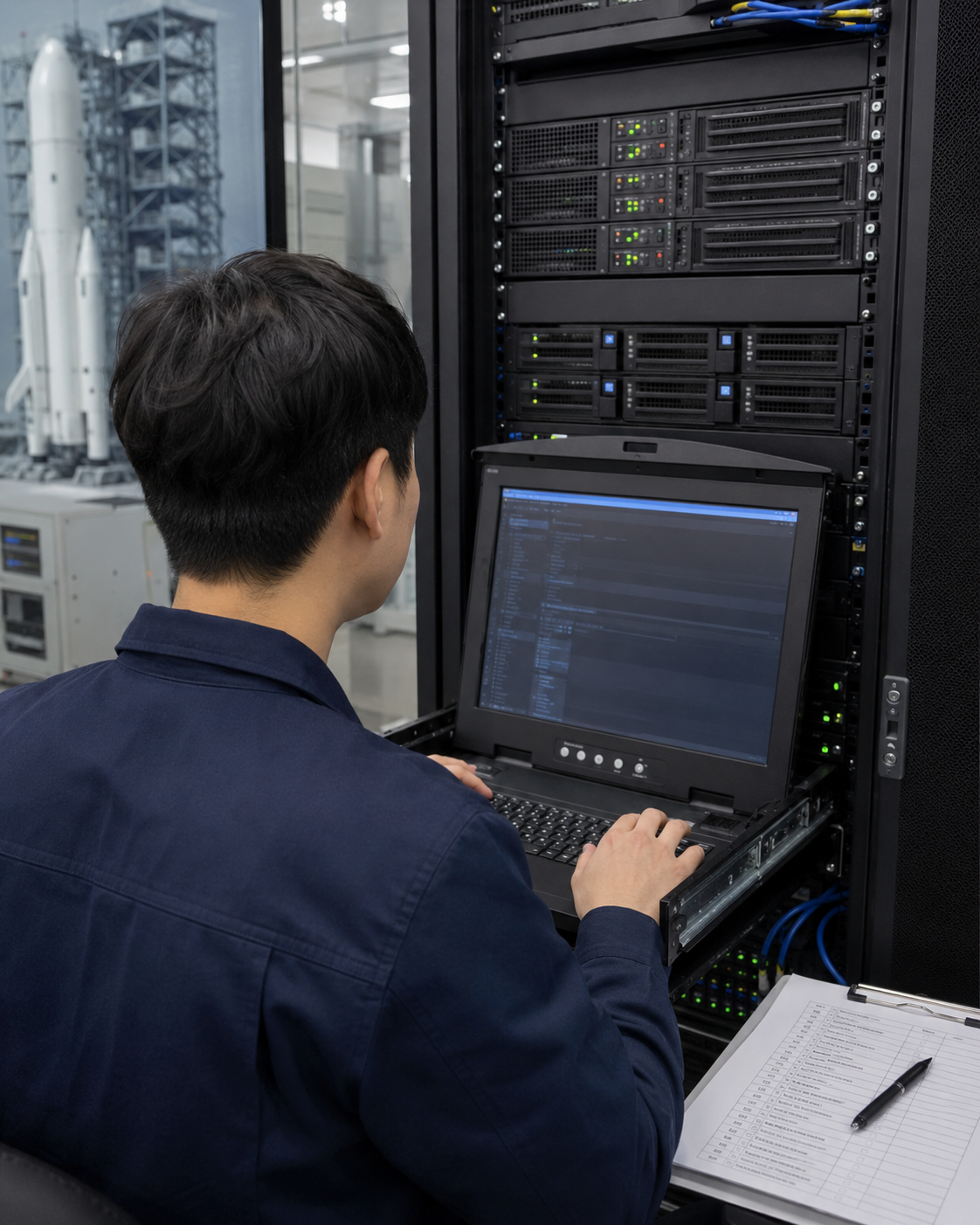
Xanadu's long-term goal is to build a practical, error-tolerant, full-scale photonic quantum computer. This announcement is a step toward establishing the manufacturing infrastructure needed to achieve that goal; it does not mean that a commercially viable quantum computer has been completed.
Going forward, we need to verify the facility completion schedule, equipment utilization rates, photonics chip yield and error rates, system scale, and the timeline for when the service will actually be available to customers. Whether the C$893 million project is being carried out as planned is also an important evaluation criterion.
The significance of this investment lies in Canada's intention to establish domestic capabilities that extend beyond bilateral research to include manufacturing and commercialization supply chains. Success or failure depends not on the size of the facility, but on whether it leads to repeatable, high-quality production and practical performance.
Tags
#Canada #Xanadu #Quantum Computing #Photonics Computing #Quantum Computers #ProjectOPTIMISM #Advanced Manufacturing #Quantum Technology #Photonics Chip #Semiconductor Manufacturing #Future Technology #Technological Sovereignty