Waymo has announced plans to launch a fully autonomous ride-hailing service for the general public in Singapore in 2028. If everything goes according to plan, this will mark Waymo’s first entry into Southeast Asia.
The service won’t launch all at once. A phased plan has been outlined: the Jaguar I-PACE electric vehicle will be introduced within the next few months; in 2027, trained autonomous driving specialists will drive the vehicles themselves to collect local road data; and commercial service will launch in 2028.
The important point is 2028 is not a confirmed launch date following regulatory approval, but rather a goal set by Waymo. Actual driverless operations and paid ride-hailing services can only be implemented after passing safety inspections and obtaining permits from Singapore's transportation authorities.
| The process consists of three stages, from vehicle delivery to commercialization
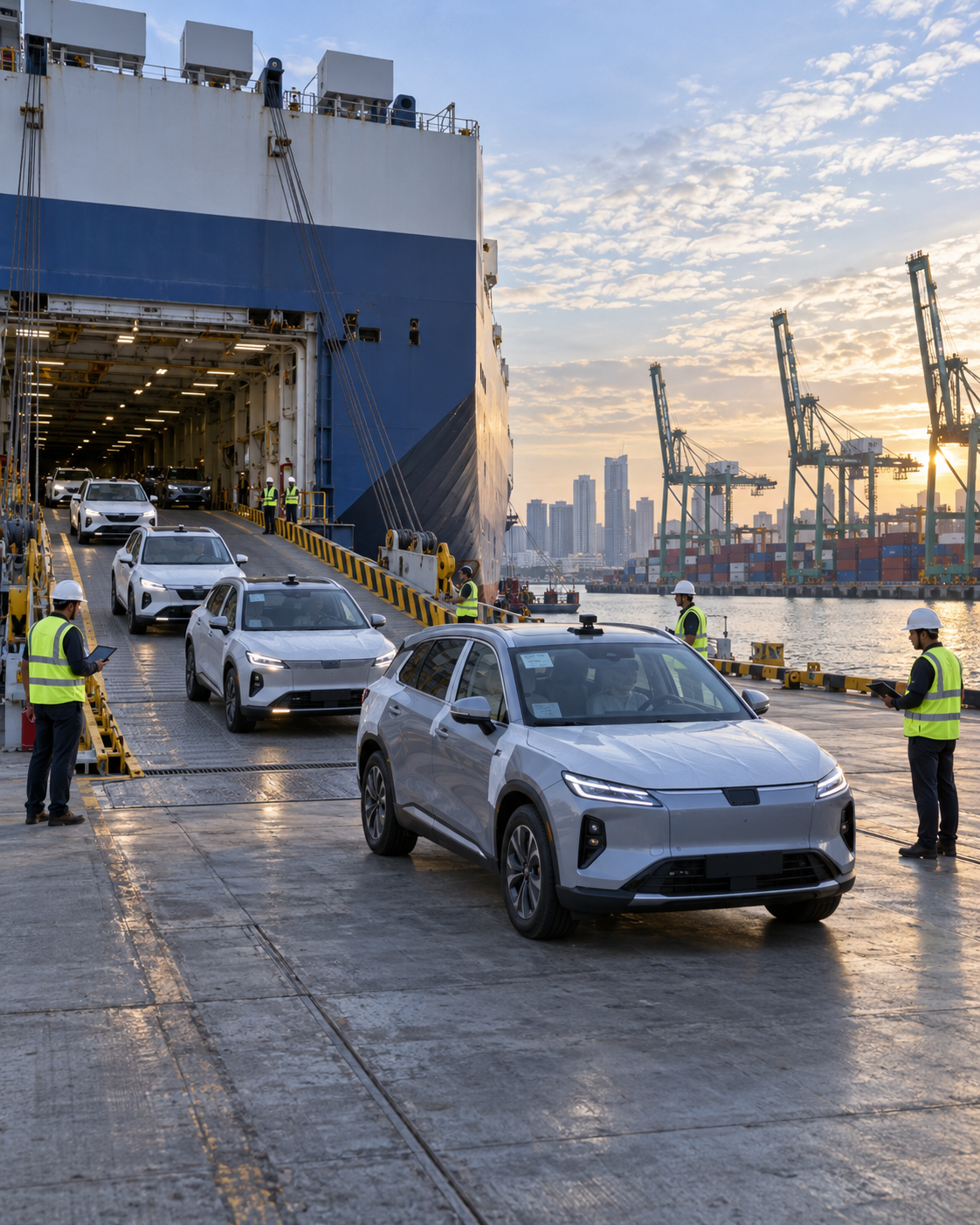
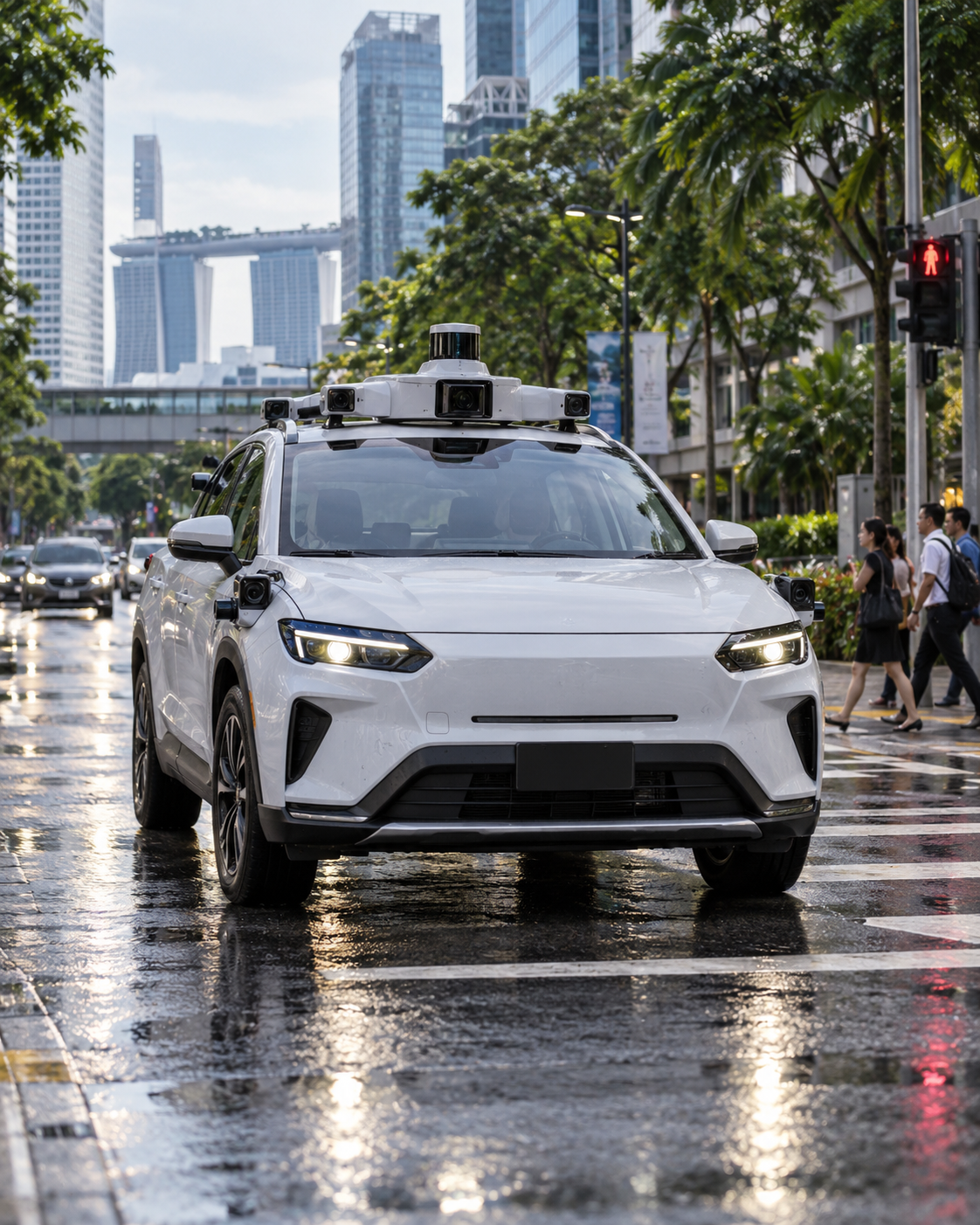
In the first phase, Waymo will deploy an initial fleet of Jaguar I-PACE electric vehicles and establish a local operational base. These vehicles are equipped with the Waymo Driver sensor system—which includes cameras, radar, and LiDAR—to perceive the surrounding environment.
During the preparatory phase in 2027, trained personnel will drive the vehicles themselves to record road layout, traffic signs, intersections, and driver behavior. This process is not an unmanned service carrying passengers, but rather a data collection phase designed to adjust and validate the system for the local environment.
Waymo plans to offer a fully autonomous ride-hailing service to the general public through its app in 2028. However, the service area, number of vehicles, fares, and exact launch date have not yet been announced.
| Singapore's roads and monsoon climate are key tests
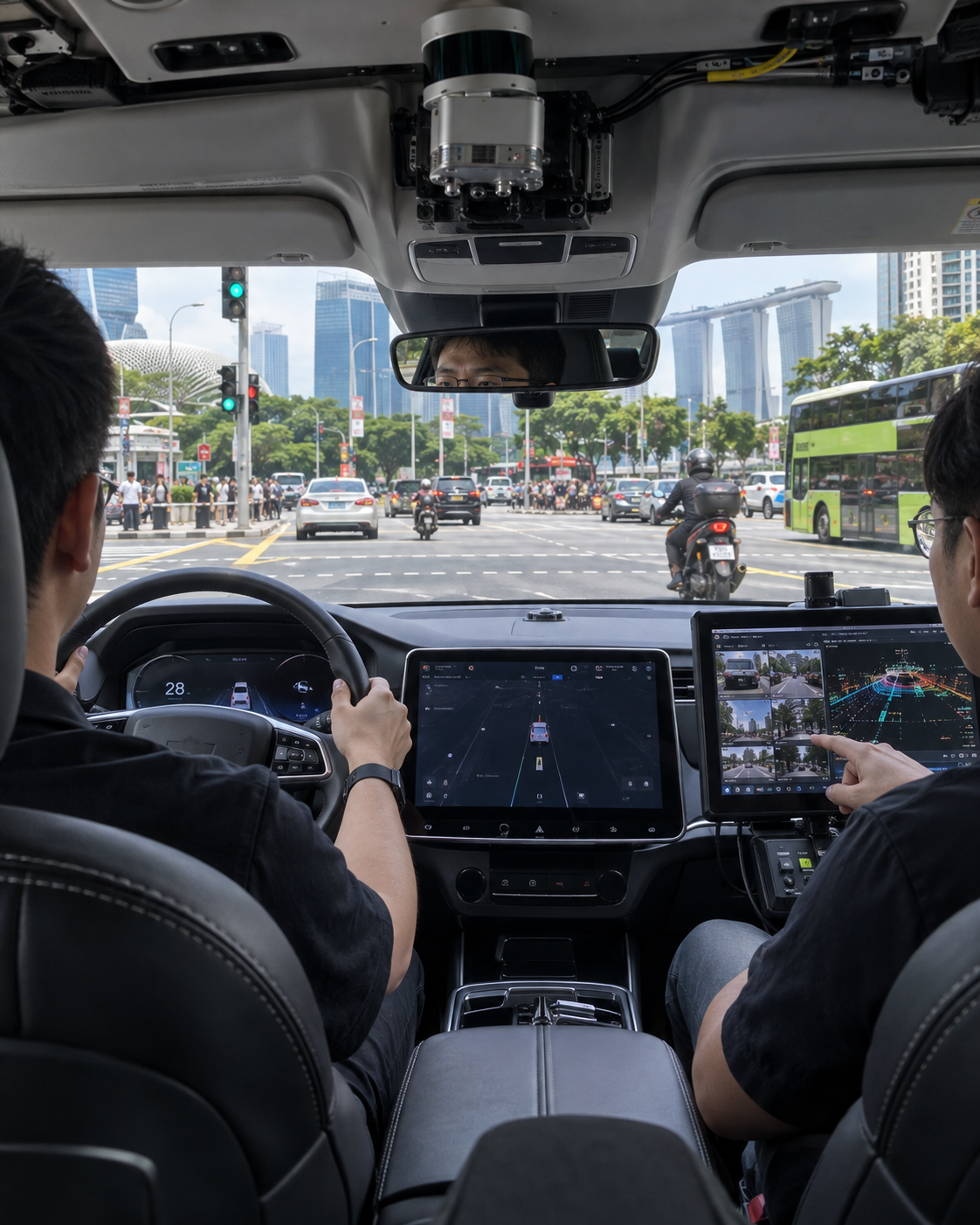
Although Singapore has well-maintained roads and digital infrastructure, it is not an easy environment for autonomous driving systems. There are many urban areas where cars, motorcycles, buses, and pedestrians move in close proximity, and the systems must also navigate complex intersections and passenger boarding and alighting areas.
The monsoon climate, characterized by heavy rain and high humidity, is also a key factor. Heavy rain can affect the camera's field of view and its ability to recognize road markings, and water droplets on the sensor's surface or glare from the road can also make it difficult to make accurate judgments.
This is why Waymo plans to start with manual driving in 2027—to fully account for these regional characteristics. Even with driving experience accumulated in the U.S., separate validation is required in cities with different traffic cultures and weather conditions.
| The Significance of Our First Expansion into Southeast Asia
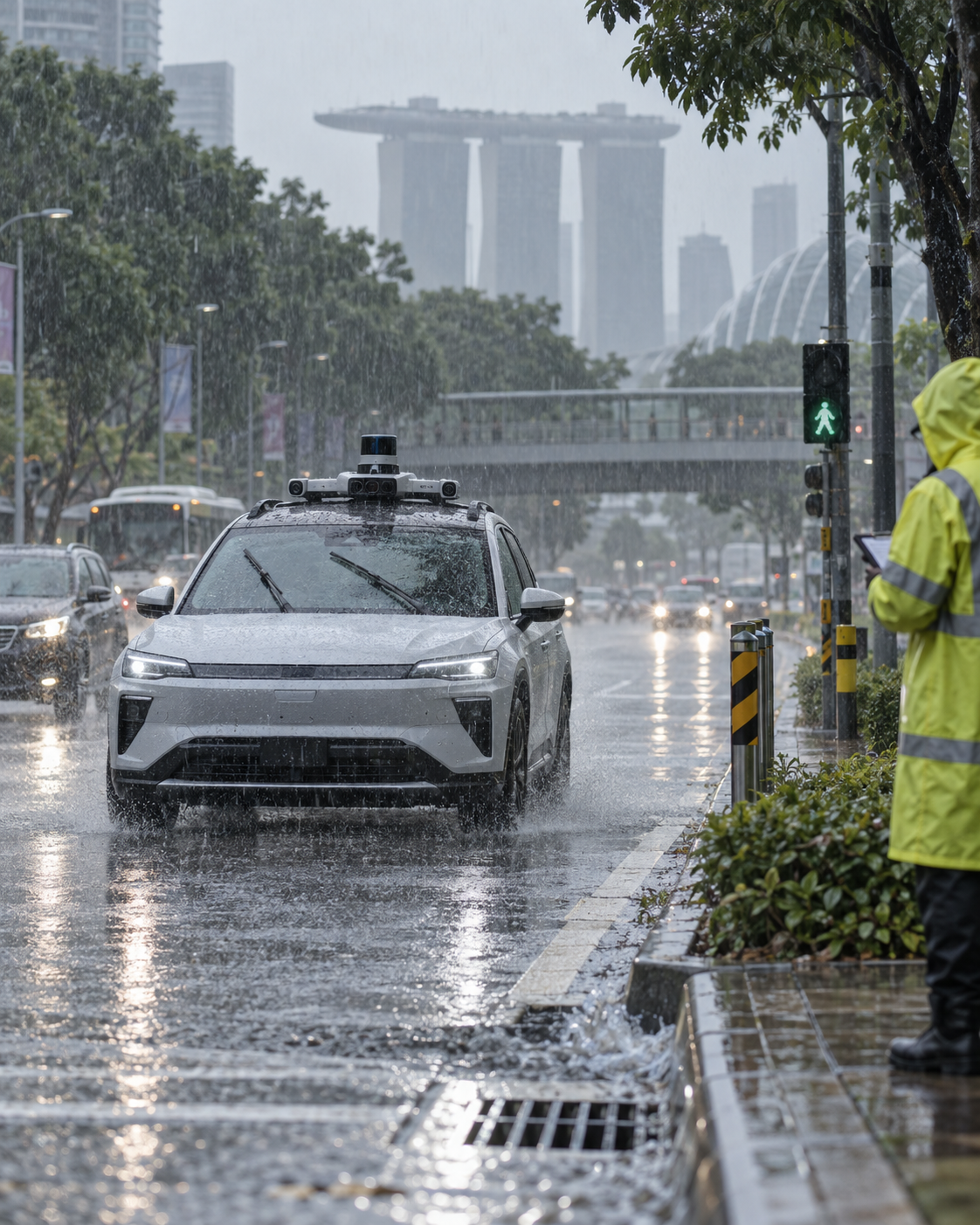
Waymo has been expanding its robotaxi service in various U.S. cities and is also moving forward with plans to enter overseas markets such as Japan, the United Kingdom, and Germany. Singapore is significant in that it will be the company’s first base in Southeast Asia.
The fact that the city’s area is relatively small and that transportation policies can be implemented consistently at the central level may be advantageous for the phased introduction of autonomous driving. Conversely, due to high population density and public transportation usage rates, It must also be clear what role autonomous ride-hailing services will play in the existing transportation network.
This expansion isn't just about exporting technology. Since it requires the coordinated efforts of local personnel responsible for vehicle operations, maintenance, safety management, and data processing, as well as regulatory agencies, there is a possibility that Singapore could grow into a hub for autonomous vehicle operations in the Asian region.
| A role that connects rather than replaces public transportation
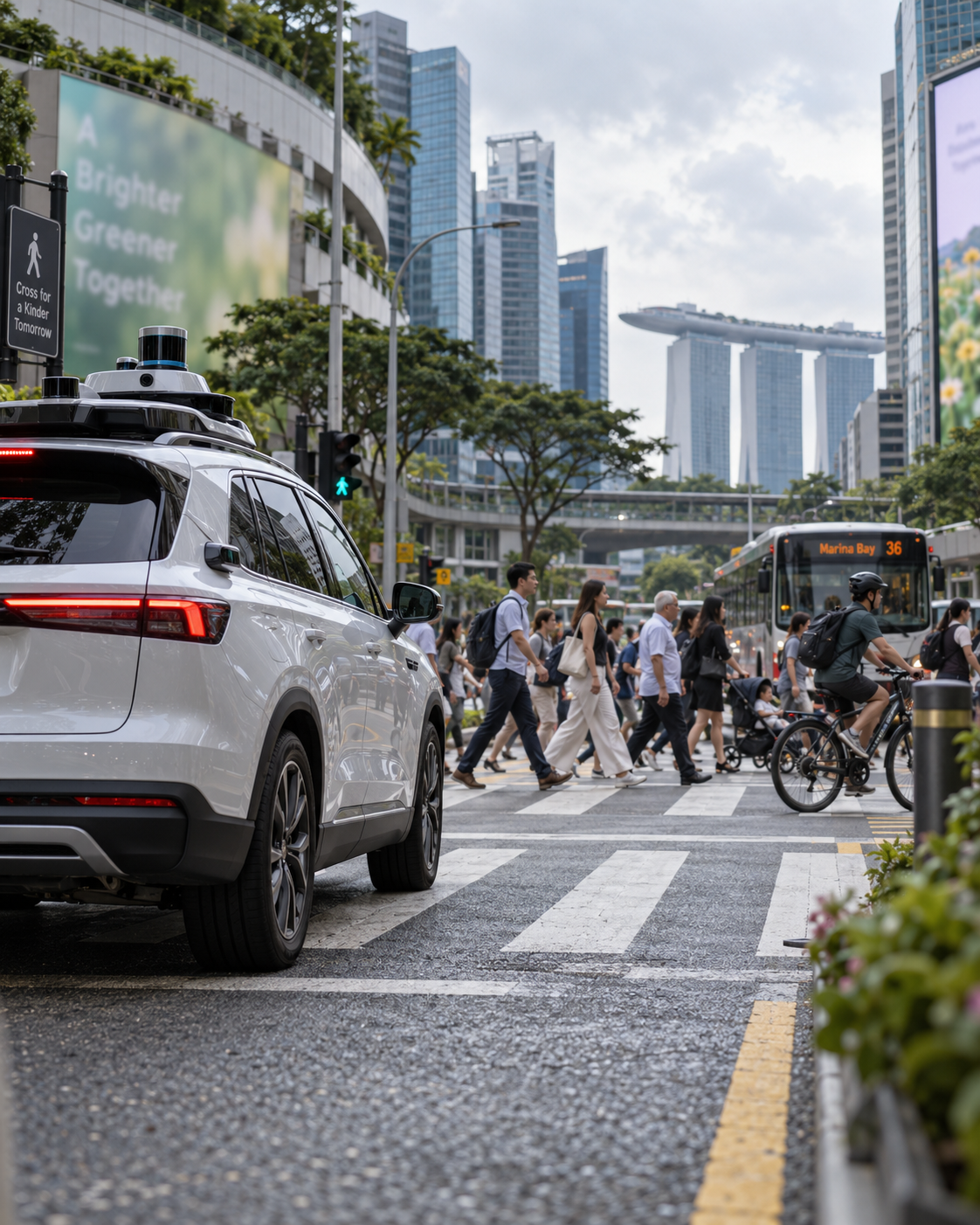
Waymo explained that its autonomous ride-hailing service could complement Singapore's public transportation system. A typical example is connecting the first and last legs of a trip—the sections where it's difficult to reach subway stations or bus stops.
However, simply having more ride-hailing vehicles on the road doesn't automatically improve traffic efficiency. If there are more empty vehicles on the road or if passengers are getting in and out of vehicles in specific areas, traffic congestion could actually increase. Service areas, pick-up and drop-off points, and public transportation connection policies must be designed in tandem.
Although all of the initial vehicles Waymo will use are electric, their overall environmental impact isn't determined solely by the fact that they're electric. In the long term, we need to assess whether using these vehicles reduces private car use, replaces public transportation, and what kind of power is used for charging.
| Safety verification and accountability systems are the gateway to commercialization
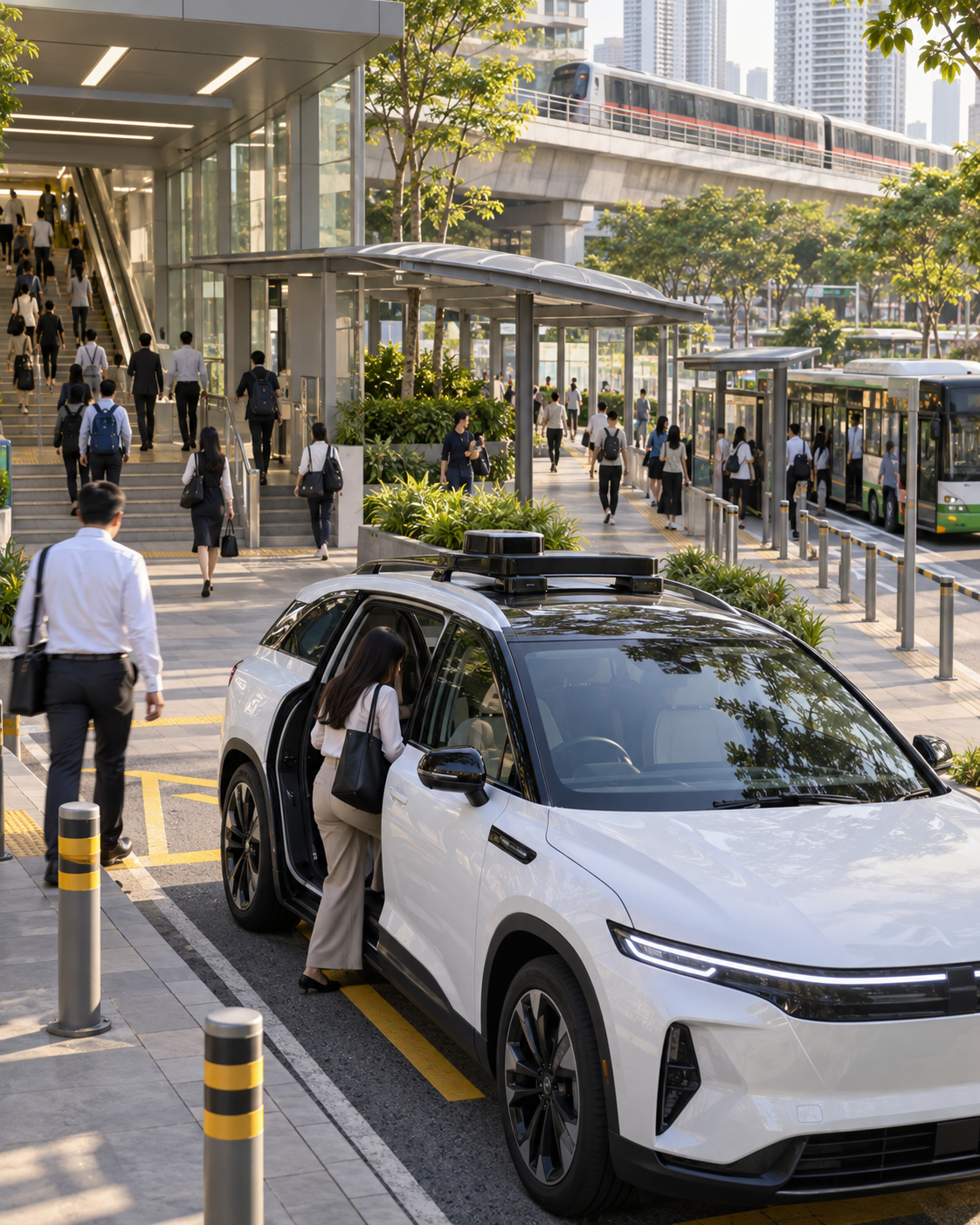
To operate driverless vehicles for a fee on public roads, driving performance alone isn't enough. We need to validate the entire operational system—from responding to unexpected situations and providing remote support to accident investigations, insurance and liability coverage, and interactions with emergency vehicles.
Singapore's Ministry of Transport and the Land Transport Authority are in discussions with Waymo regarding the rollout, but, This does not mean that commercial operation has been automatically authorized. Waymo also stated in an official announcement that regulatory approval and broad cooperation are necessary.
In particular, the verification criteria to be applied at the transition from initial manual driving to limited autonomous driving tests, the conditions under which the safety driver is removed, and the criteria to be applied before general passengers are allowed on board are crucial. The way information is disclosed to users in the event of an accident or service interruption will also influence the building of trust.
| Key Changes to Watch for by 2028
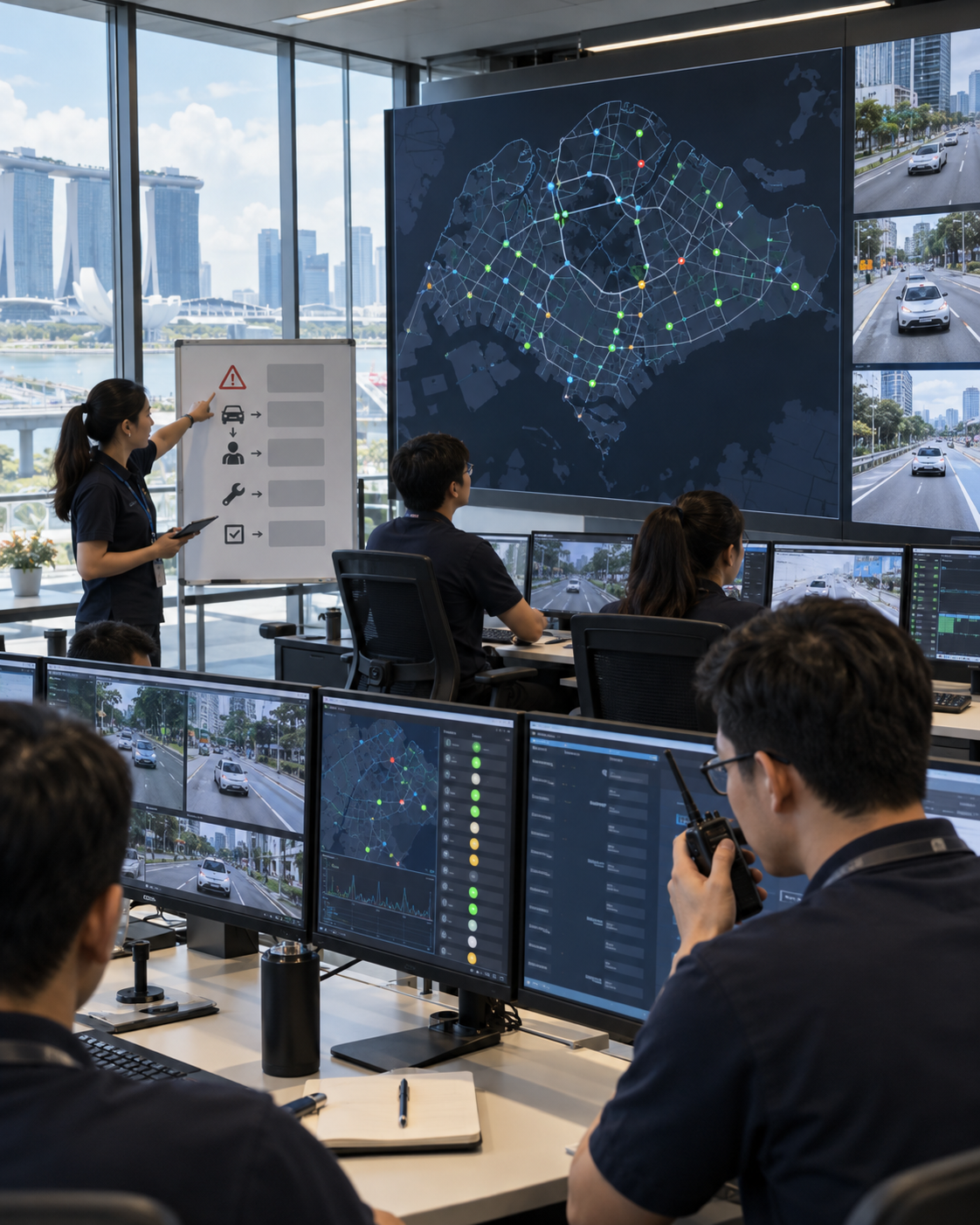
What was confirmed in this announcement is that Waymo will bring vehicles to Singapore to conduct local adaptation work in 2027, with the goal of launching a fully autonomous ride-hailing service in 2028. The service isn't currently available to the general public.
Going forward, we'll have to wait and see whether details regarding the test operation zones, the scale of the fleet, the regulatory approval process, and the methods of cooperation with local transportation operators are made public. Another important verification point is what data is used to demonstrate safety in the face of monsoon downpours and complex urban traffic.
Waymo's entry into Singapore could serve as a crucial test for both its global expansion strategy and Southeast Asia's autonomous driving policies. However, More important than the 2028 target is the transparency with which safety data and operating conditions are disclosed at each stage.
Tags
#Waymo #Waymo #Singapore #Self-Driving #Robotaxi #Fully Autonomous Driving #WaymoDriver #JaguarIPACE #Electric Vehicles #Smart Transportation #Mobility #Southeast Asia