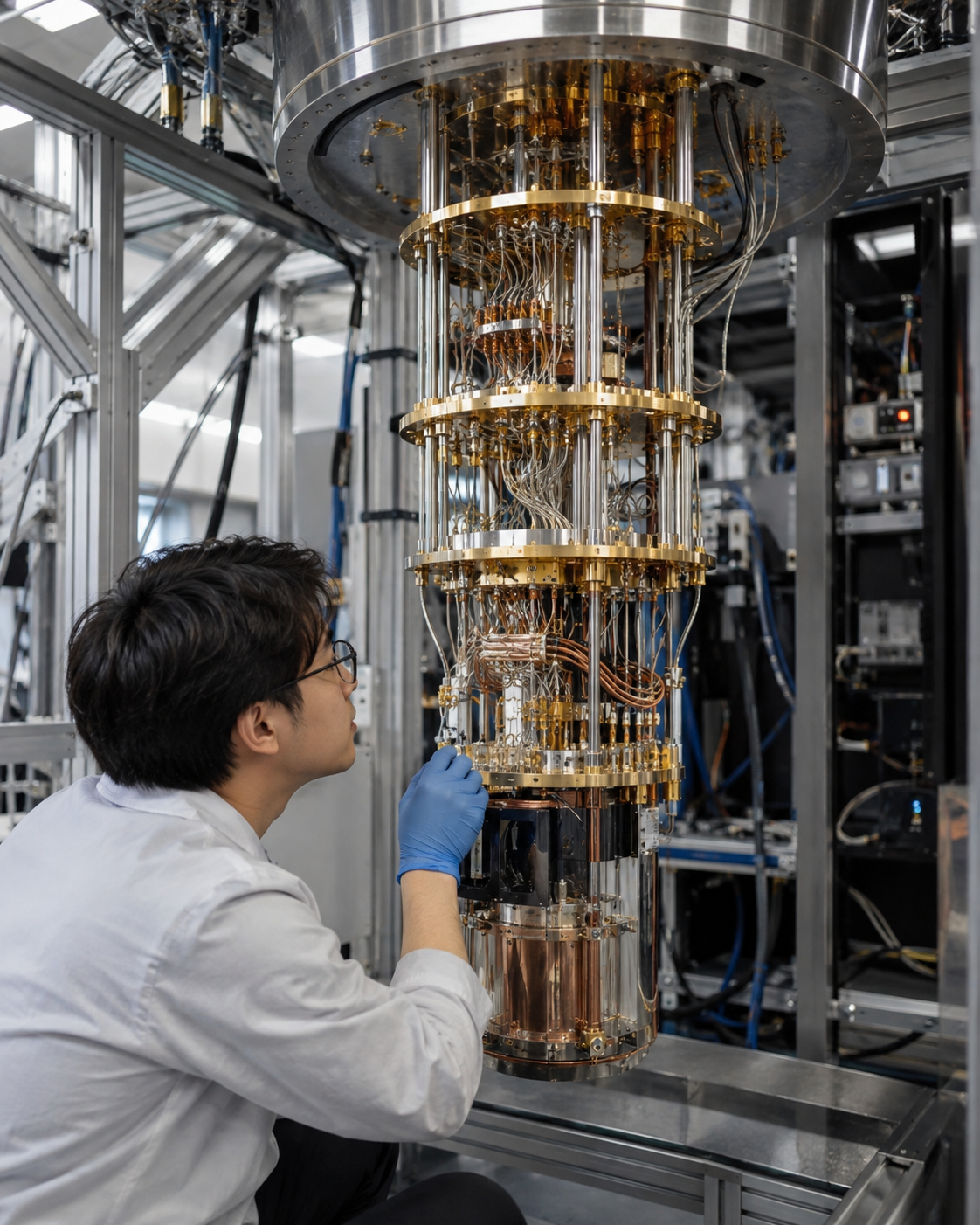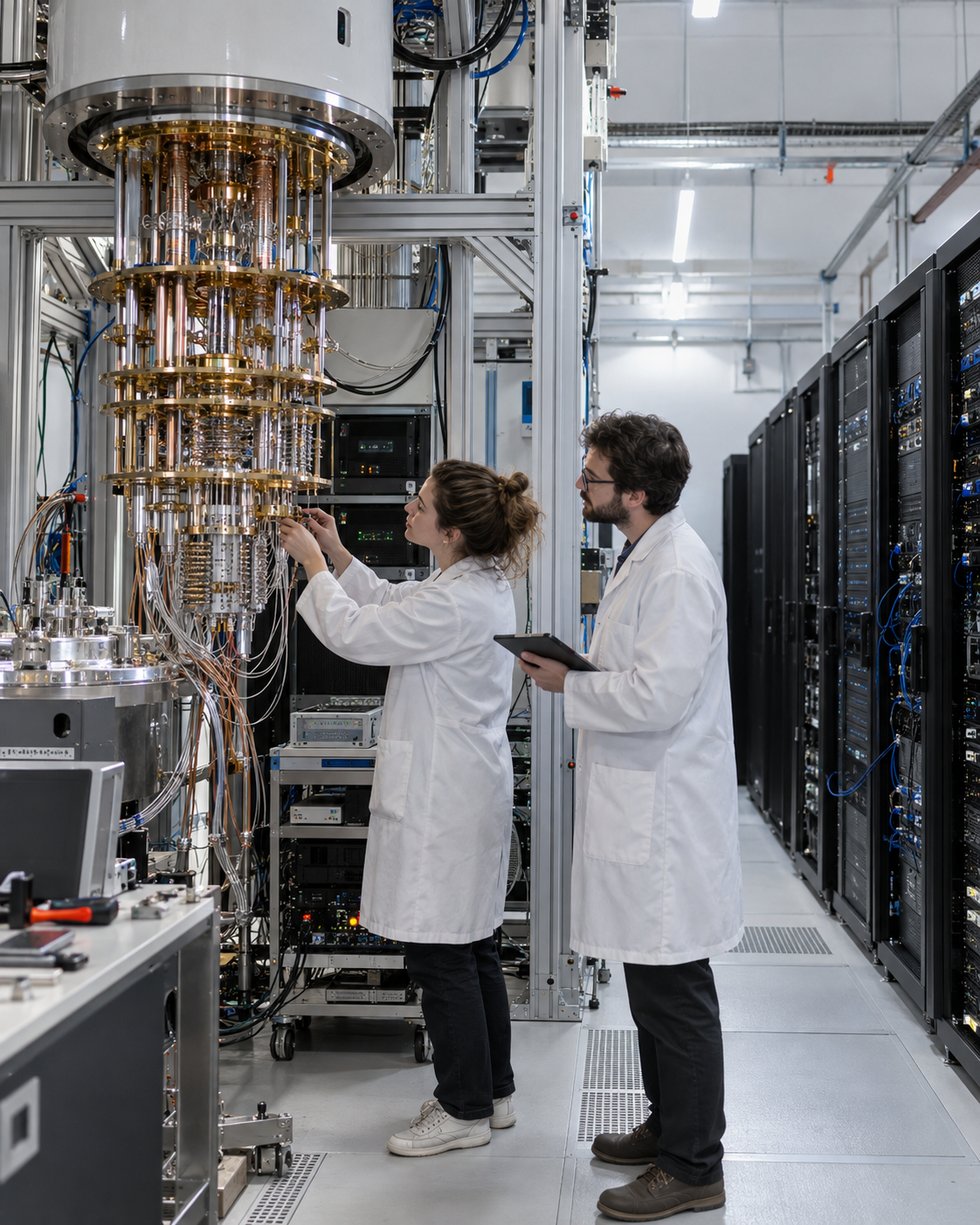
The French national research agency CEA and the quantum computing startup Alice & Bob have agreed to jointly develop software that combines quantum computers with conventional supercomputers. The initial area of application is materials physics research.
The two organizations plan to enhance Qaptiva—developed by the French state-owned supercomputer company Bull—to facilitate task allocation and execution between quantum processors and high-performance computing environments. They also announced their goal of establishing a Europe-based environment capable of competing with NVIDIA’s CUDA-Q hybrid quantum-classical computing platform.
Alice & Bob's quantum computer is scheduled to be added to the CEA facility in 2027. However, this announcement concerns plans for joint development and installation; we haven't yet reached the stage where performance results show that a quantum computer has solved real-world problems faster than existing supercomputers.
| Why We Use Quantum Computers Alongside Conventional Supercomputers
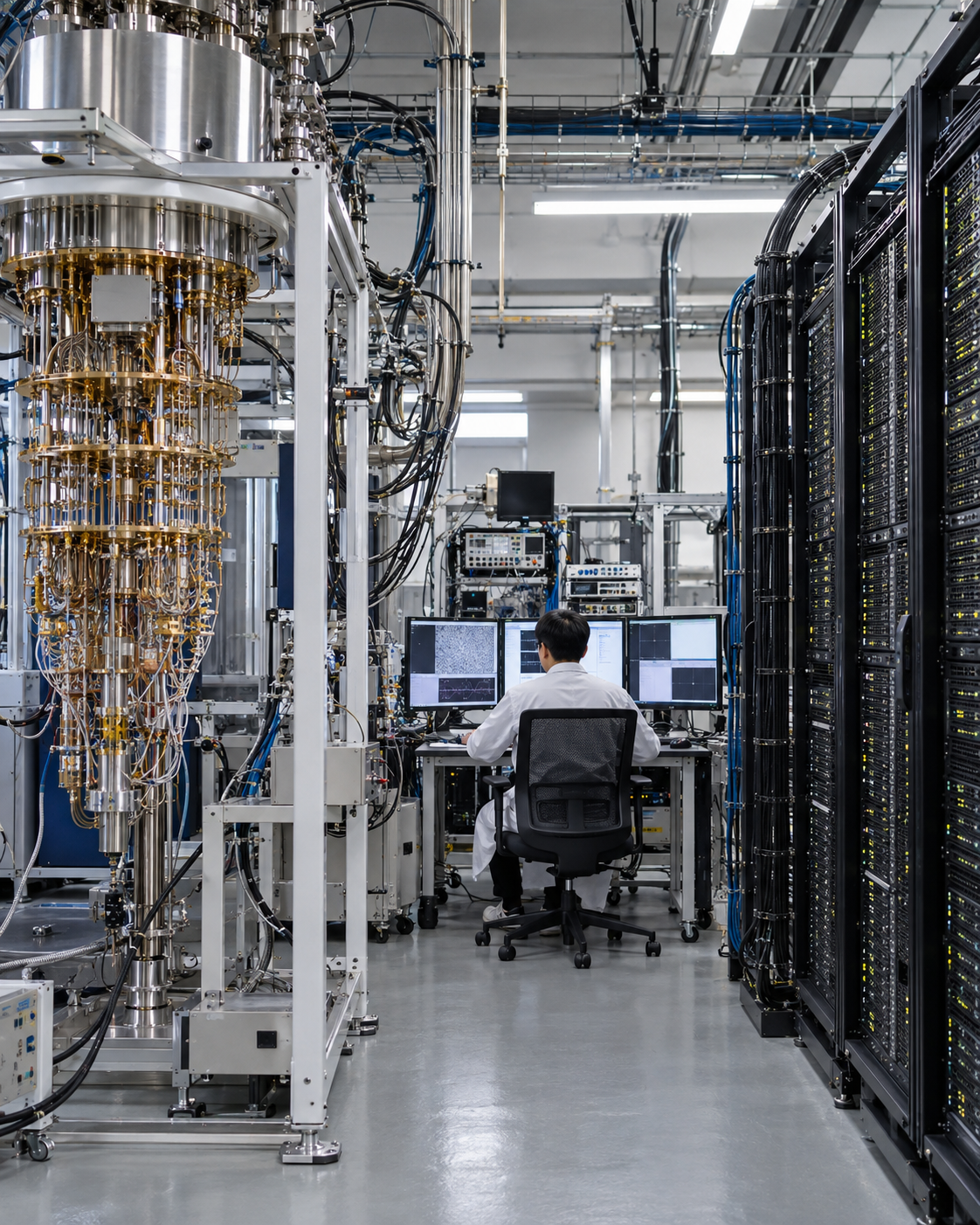
Currently, quantum computers are not a general-purpose alternative that can perform all computations better than conventional computers. While they are expected to offer advantages for problems with specific structures, they are limited by errors, scale, and operational stability.
Therefore, most practical implementation strategies use a hybrid approach in which existing supercomputers handle the bulk of the work, rather than entrusting the entire task to a quantum computer, and only send a portion of the computations to the quantum processor. Software that determines which parts to delegate to quantum devices and then integrates the results back into existing calculations is becoming increasingly important.
The collaboration between CEA and Alice & Bob is also focused on creating this connectivity layer. Initially, we plan to identify a suitable workflow for analyzing the physical properties of materials.
| Collaborative Development to Improve Qaptiva
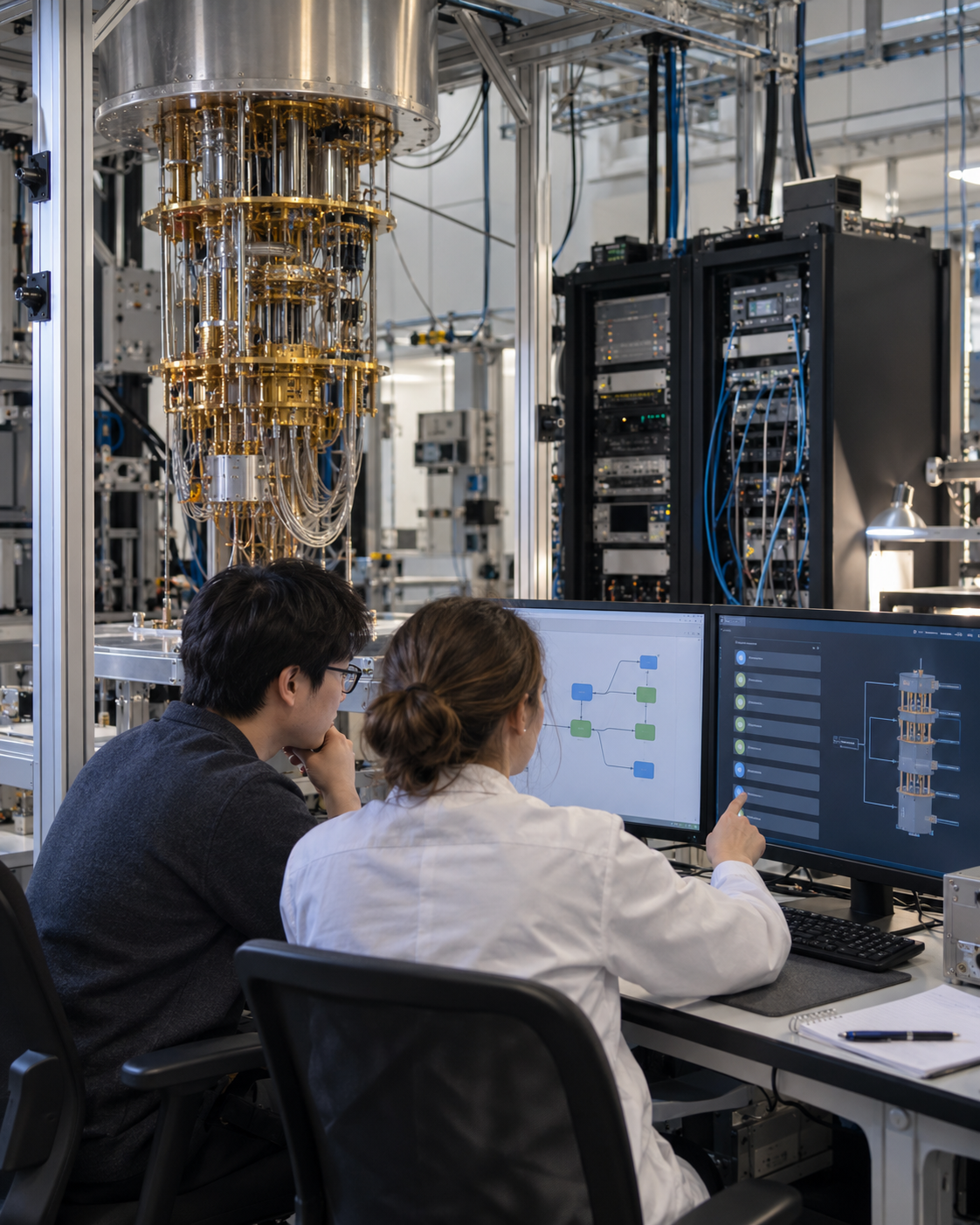
Qaptiva is a quantum application development and execution environment developed by Bull. It enables users to write and emulate quantum algorithms and serves as a bridge between actual quantum processors and existing HPC resources.
Through this collaboration, we plan to integrate the hardware capabilities of Alice & Bob and CEA’s supercomputing environment more closely with Qaptiva. The goal is to simplify the process for researchers to write their work in a single environment and send it to the appropriate device.
To be successful, job scheduling, error handling, data transfer, and verification of execution results must all be addressed together. Software that makes the entire research workflow repeatable may pose a greater challenge than simply connecting quantum devices.
| Competition with NVIDIA CUDA-Q
CUDA-Q is NVIDIA's open-source development platform that leverages quantum processors alongside GPUs and CPUs. Given that NVIDIA has a large developer ecosystem in the existing AI and high-performance computing markets, it is expanding its influence in the field of quantum-classical hybrid computing as well.
CEA, Alice & Bob are working to strengthen Qaptiva in order to avoid bottlenecks caused by over-reliance on software from a single vendor and to secure Europe’s own options. In an early-stage market where hardware is evolving in various ways, a runtime environment that isn't tied to a specific device may be important.
However, competitiveness isn't determined simply by announcing a platform. The number of supported hardware platforms, the ease of use of development tools, performance optimization, and the researcher community are key factors in determining actual adoption.
| CEA as an early customer of a French startup
The CEA is a major French national research organization with an annual budget of approximately 6 billion euros. Through this program, it has announced its goal of becoming an early-stage client for French quantum startups and providing high-performance computing facilities to foster the growth of the domestic industry.
The CEA has already installed quantum computers from the French companies Quandela and Pasqal alongside its existing supercomputers. With the addition of the Alice & Bob equipment, this will broaden the foundation for testing different types of quantum hardware within the same research environment.
When public research institutions use the initial equipment themselves, they can quickly identify the actual needs of researchers and any errors. On the other hand, at early stages of technology maturity, performance standards and the disclosure of results are necessary to ensure that public investment does not favor specific companies or approaches.
| Alice & Bob System to Be Added in 2027
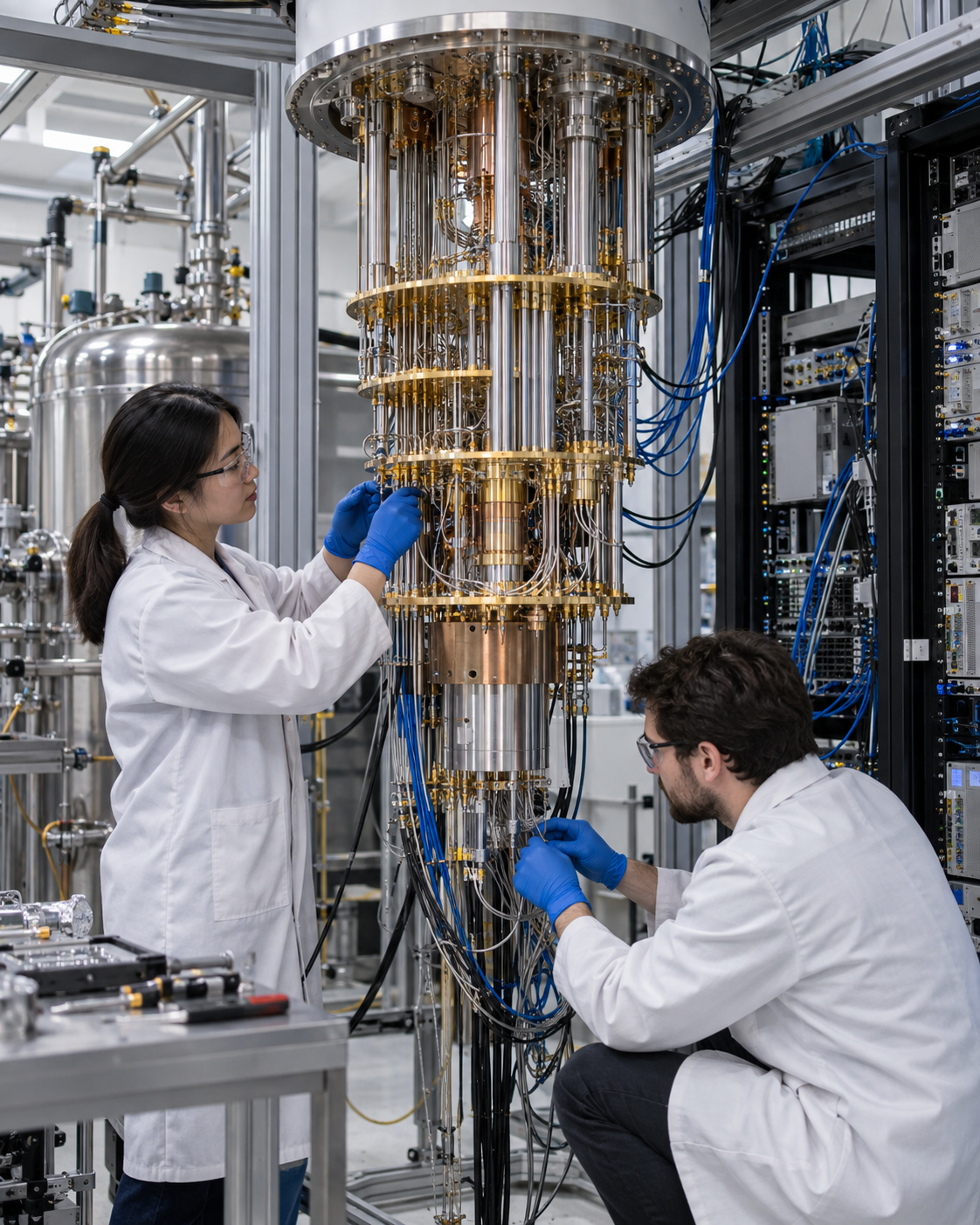
Alice & Bob's quantum computer is scheduled to be added to the CEA's system in 2027. The company is developing the so-called "Cat Qubit" approach, which is designed to reduce certain types of errors at the hardware level.
Once the equipment is installed, Qaptiva will enable us to actually share workloads with existing supercomputers and test materials physics problems. A key feature of this collaboration is that software development and hardware deployment are proceeding in tandem.
However, the fact that it is scheduled to be installed and the fact that it has achieved a useful quantum advantage are two entirely different things. We need to see data on qubit quality, error rates, the stability of repeated runs, and fair comparisons with existing methods before we can assess the actual results.
| Implications for the European Quantum Ecosystem
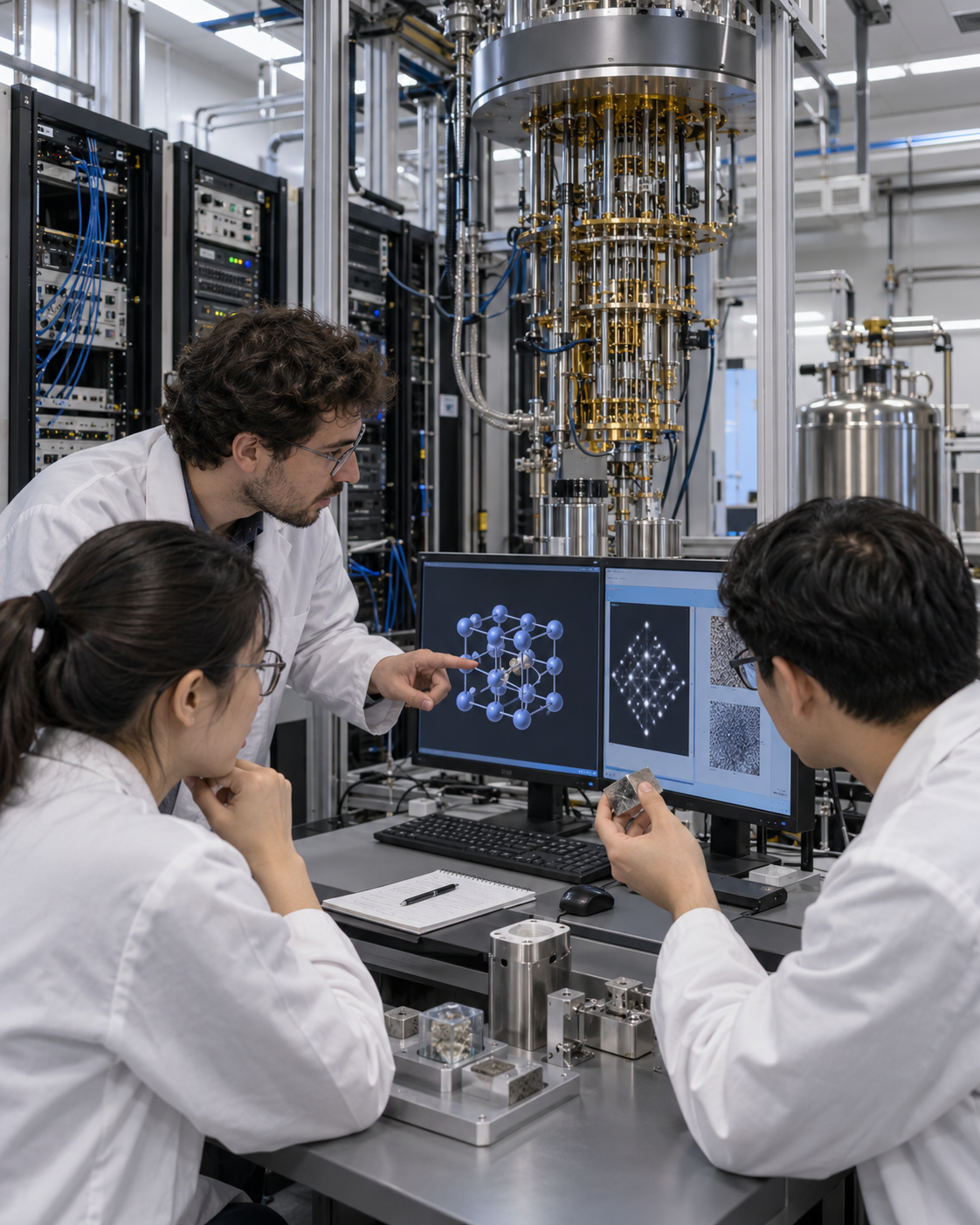
This collaboration is aimed at securing leadership in the software ecosystem that connects hardware and supercomputers, rather than competing over the performance of a single quantum computer. That's because, in real-world industrial applications, users need to be able to select different devices without having to go through complicated setup procedures.
What has been confirmed so far is the launch of a joint software development project and plans to add equipment in 2027. Qaptiva has not yet established an ecosystem on the scale of CUDA-Q, nor has it demonstrated quantum supremacy in the field of materials physics.
Moving forward, we need to confirm the 2027 deployment schedule, Qaptiva's publicly available features and supported devices, actual research benchmarks, and the scope of access for external research institutions. Only with results like these can we assess whether France's technological sovereignty strategy is leading to research outcomes and industrial adoption.
Tags
#CEA #AliceAndBob #Quantum Computers #Supercomputer #HPC #Qaptiva #CUDAq #QuantumSoftware #Hybrid Computing #FrenchTechnology #Condensed Matter Physics #Future Technology