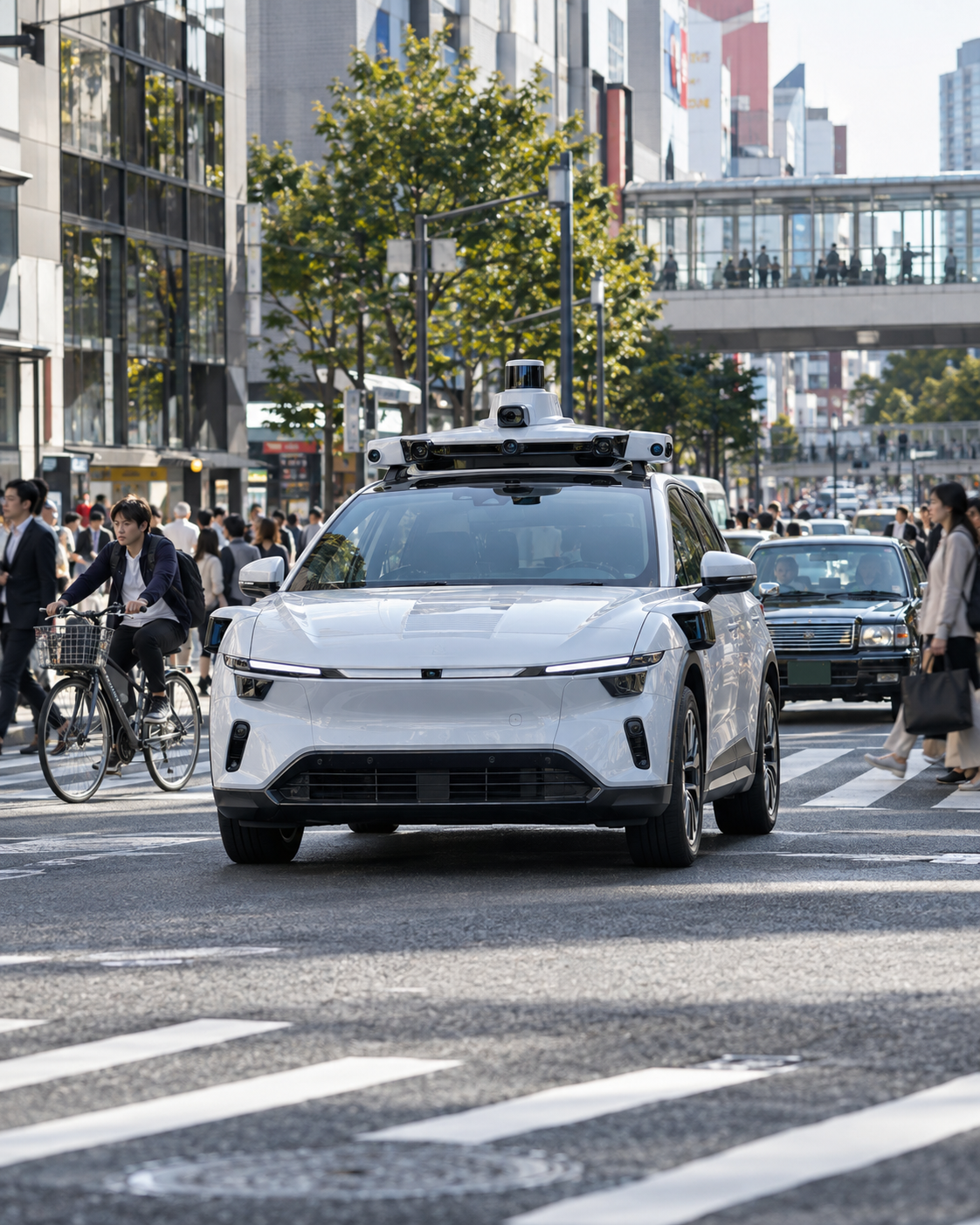
Waymo, which has been expanding its robotaxi service in the U.S., has finalized plans to enter the Japanese market. Waymo, the Japanese taxi-hailing platform GO, and the taxi operator Nippon Kotsu have officially agreed to launch a fully autonomous commercial service in Tokyo by 2027.
If everything goes according to plan, this could become Japan's first fully autonomous commercial taxi service carrying regular passengers. However, the target date of 2027 is contingent on regulatory approval and technical validation. The service area and number of vehicles may also vary depending on the approval process.
By combining the roles of these three companies, Waymo’s autonomous driving technology, GO’s ride-hailing platform, and Nippon Kotsu’s local operational expertise are integrated into a single service. This is also significant as an example of how overseas autonomous driving companies are collaborating with the local taxi industry.
| Operational Plan Agreed Upon by the Three Companies

We plan to launch the service with a small fleet of vehicles at first. After verifying safety and suitability for local roads and obtaining regulatory approval,, A plan has been proposed to expand the fleet to about 100 vehicles in key areas of Tokyo.
In the commercial phase, the goal is to operate fully autonomous vehicles with no driver on board. Passengers will be able to hail a ride not only through the Waymo app but also through the GO app, which is widely used in Japan. This structure involves the technology provider and the local platform sharing customer touchpoints.
| Driving data collected in Tokyo since 2025
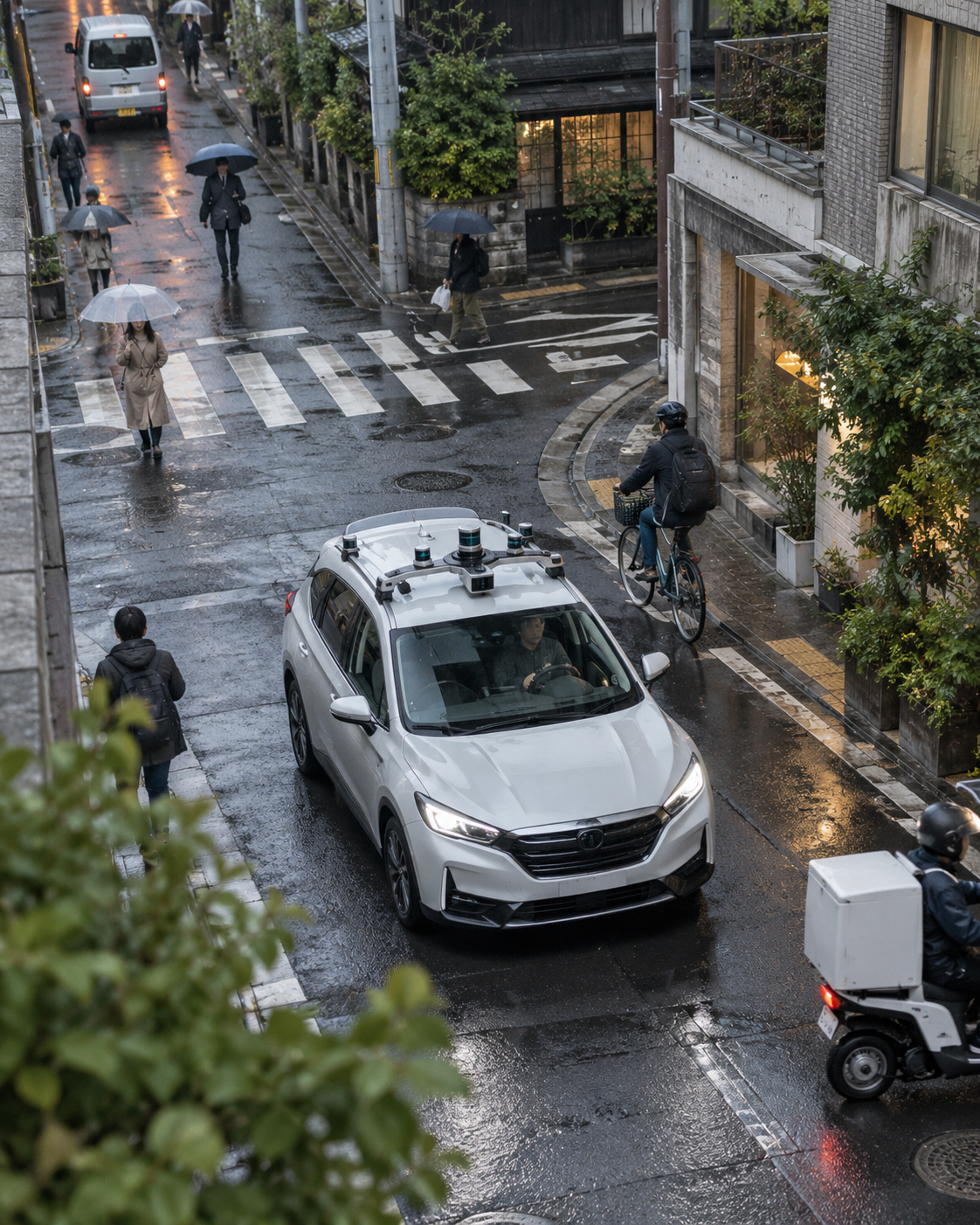
Waymo's expansion into Japan wasn't a project that started out of the blue. Since 2025, it has been collecting data on Tokyo's roads and traffic conditions using Jaguar I-PACE vehicles driven by Japanese drivers. This was Waymo's first driving project on public roads outside the United States.
Driving on the left, complex intersections, narrow roads, and environments where cyclists and pedestrians mix are factors that require a different approach than in U.S. cities. On-site data collection can be viewed not only as a process for mapmaking but also as a way to tailor driving policies and predictive models to the specific conditions in Tokyo.
| Regulatory approval and verification are key hurdles
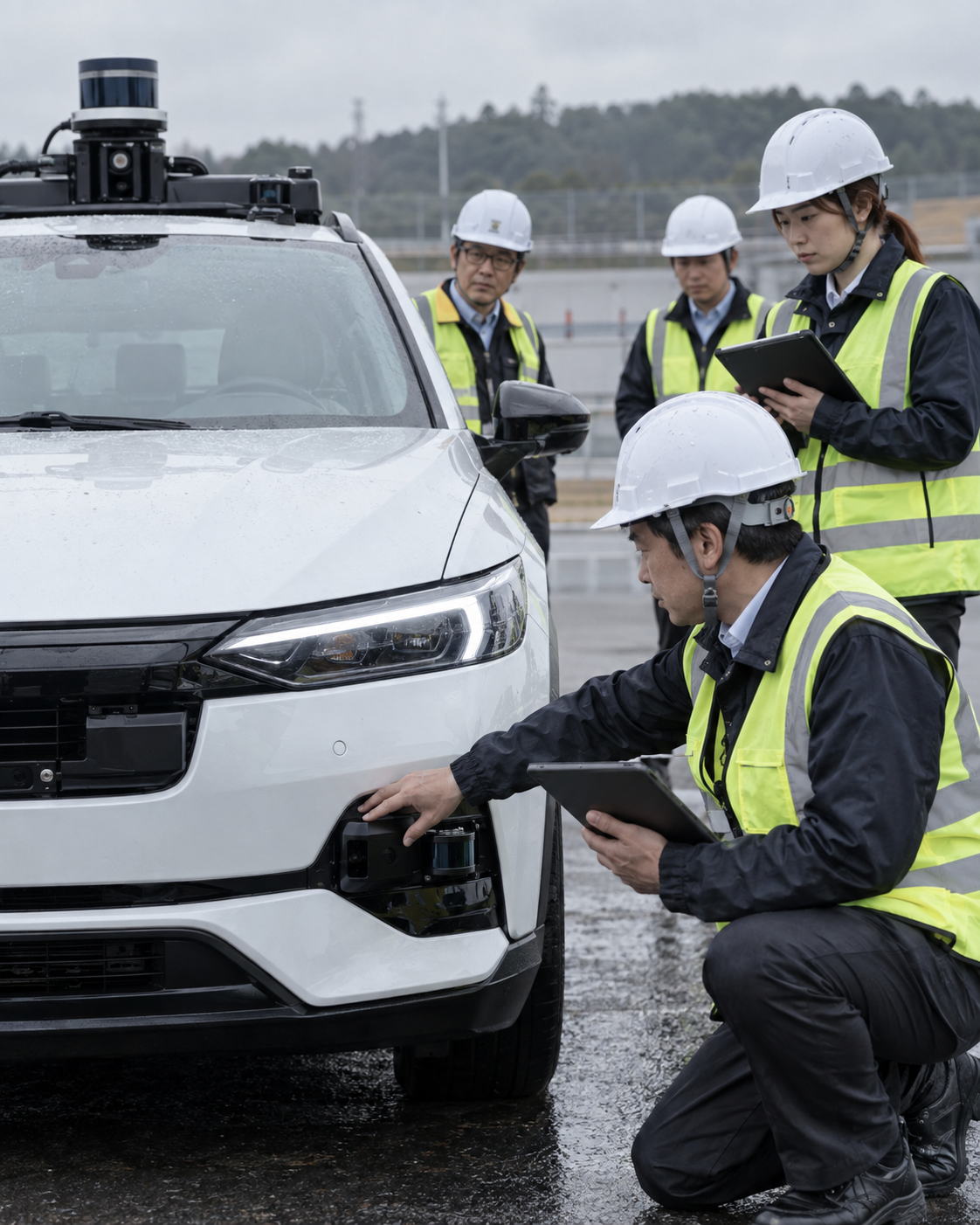
An official agreement doesn't necessarily mean an operating permit will be granted right away. They must comply with Japan’s traffic regulations and vehicle safety standards, and undergo sufficient testing in the actual service area. Accident response, remote support, vehicle inspections, and passenger safety procedures are also areas that need to be verified before commercialization.
In particular, fully autonomous vehicles have a different liability structure compared to vehicles with a safety driver on board. Key evaluation criteria will include how to manage situations the vehicle cannot handle on its own, how to coordinate with the police or emergency services, and how to allocate liability between insurance providers and transportation companies.
| Benefits Expected by the Japanese Taxi Industry
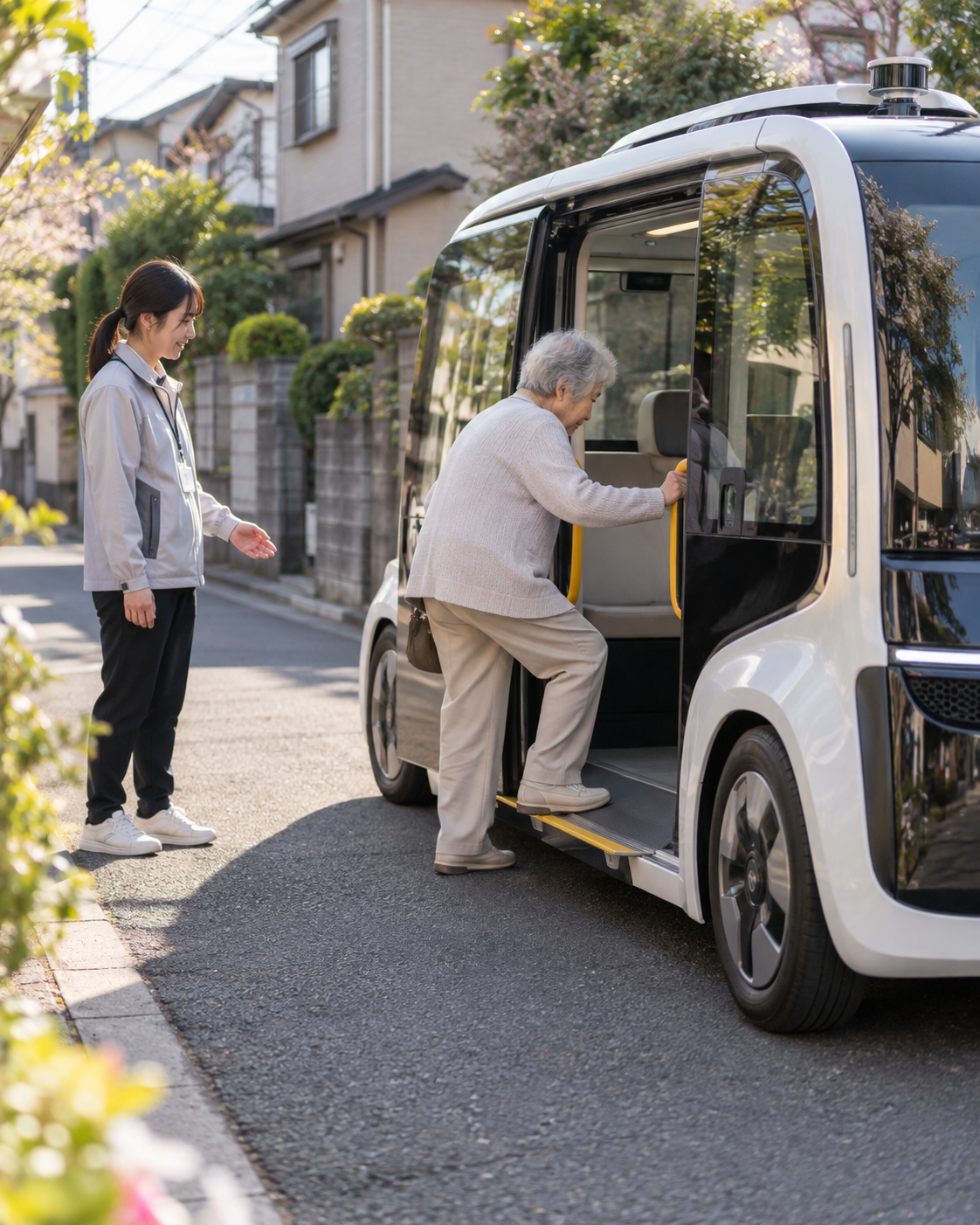
Japan is facing a shortage of taxi drivers due to an aging population and a declining population. If robotaxis operate reliably, they could help meet transportation demand late at night or in areas with a shortage of drivers, and serve as a means to expand the supply of the existing taxi network.
However, it’s hard to imagine that self-driving cars will immediately replace all drivers. It is likely to be launched first in limited areas and under specific conditions, and it will require new tasks such as vehicle management, customer support, and remote response. A hybrid model, in which conventional taxis and robotaxis operate side by side for a while, is a more realistic approach.
| Competition in Japan's robotaxi market is heating up
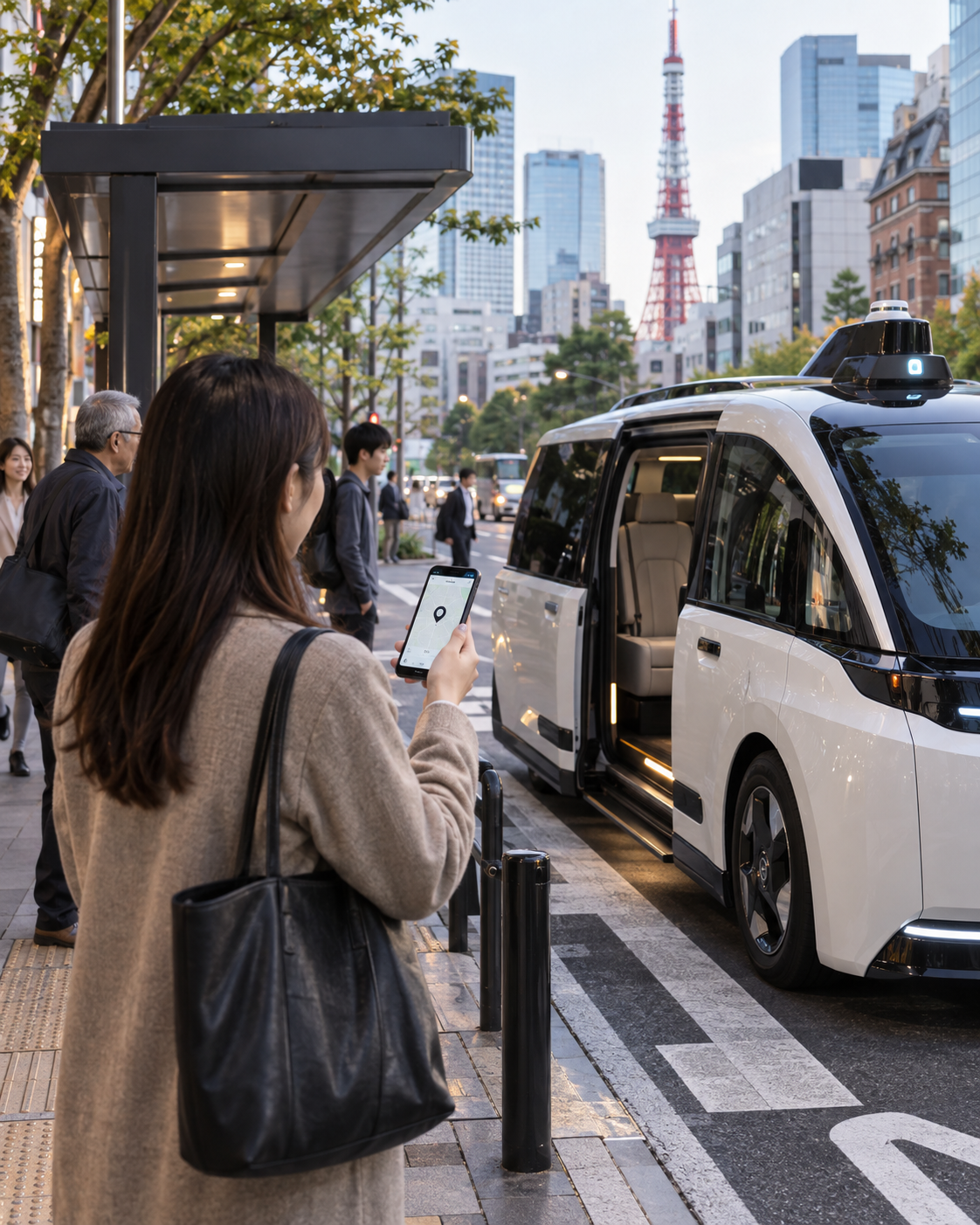
Waymo isn't the only one targeting the Japanese market. Japanese automakers, overseas autonomous driving companies, and ride-hailing platforms are also preparing to launch commercial services based on their respective partnerships. Just as important as who gets started first will be how quickly they can ensure operational stability and expand the service area.
Waymo's strength lies in the autonomous driving experience it has accumulated in various U.S. cities. In contrast, operations in Tokyo must be tailored to local regulations, driving culture, and passenger expectations. The participation of GO and Nippon Kotsu can be seen as a strategic move to bridge this localization gap.
| Finalized Agreements and Remaining Variables
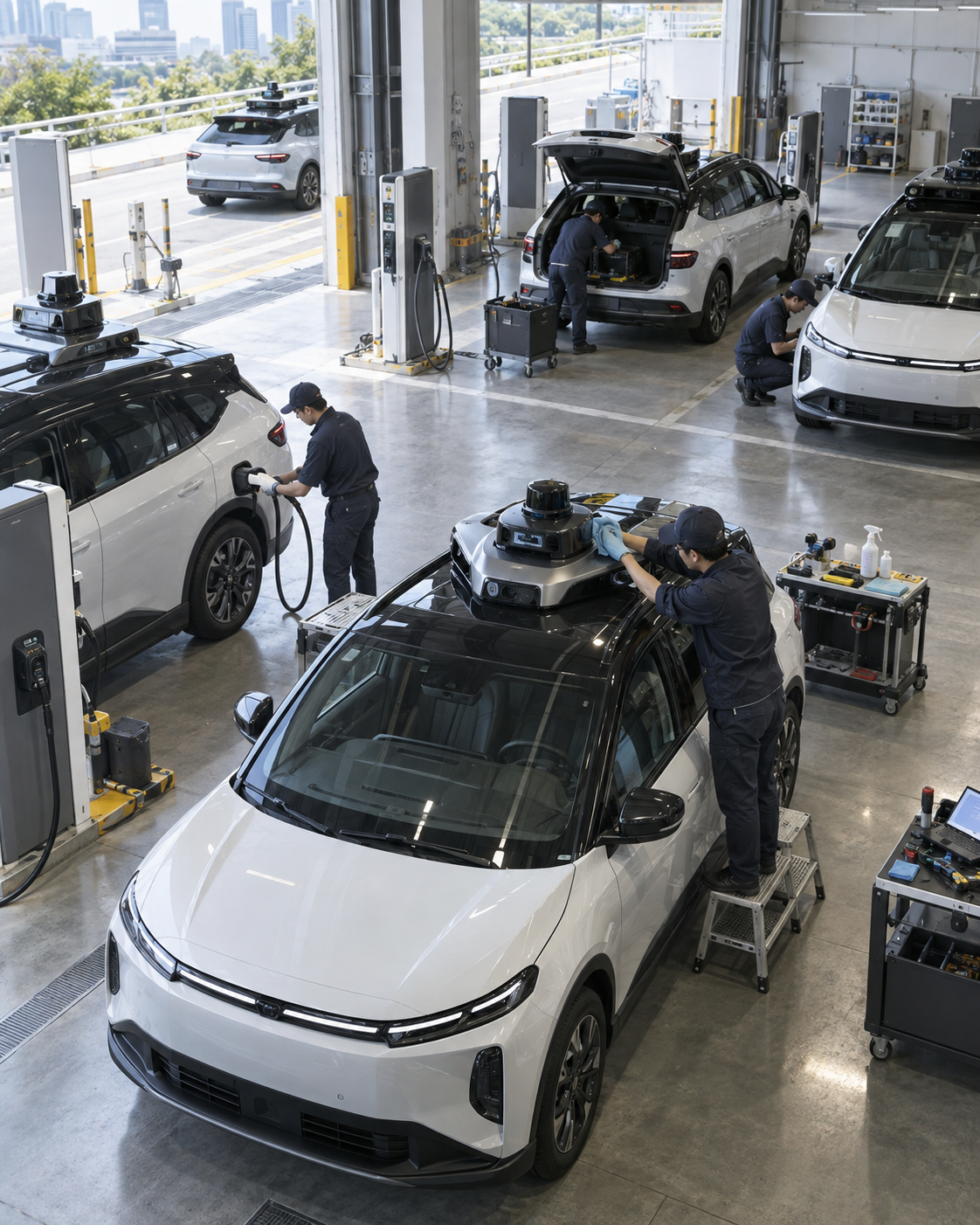
What has been confirmed so far is that the three companies are collaborating with the goal of commercializing the service in Tokyo by 2027, and plan to expand to about 100 vehicles once conditions are met following a small-scale rollout. The goals also include the ability to hail rides through two apps and fully autonomous operation.
However, the exact launch date, initial service area, fares, and passenger terms of use have not yet been disclosed. Since regulatory approvals and verification results could change the schedule and scale, It is more accurate to view 2027 as an official target date rather than a confirmed opening date.
Tags
#Waymo #Waymo #GO #Transportation in Japan #Robotaxi #Self-Driving #Fully Autonomous #Tokyo #Mobility #JapaneseCars #FutureTransportation