When robo-taxis without steering wheels or pedals began operating commercially, the U.S.'s outdated automotive safety standards clashed head-on with the new designs of autonomous vehicles. The U.S. National Highway Traffic Safety Administration NHTSAA Tesla CybercabThat's because an official investigation has begun to verify the basis for the company's self-certification under federal safety standards.
The NHTSA has assigned investigation number AQ26002Open the Audit Query to see what technical documentation and decision-making procedures Tesla used to determine that the Cybercab complies with all relevant federal motor vehicle safety standards, namely FMVSSWe are reviewing whether it has been certified as compliant. The scope of the investigation is up to 1,000 unitsI got caught.
However, the initiation of an investigation does not necessarily mean that a violation has been confirmed. The key at this stage is to verify Cybercab’s authentication logic and determine whether Tesla’s assessment—that some of the existing standards did not need to be applied—was valid.
| An official investigation launched immediately after the start of commercial operations
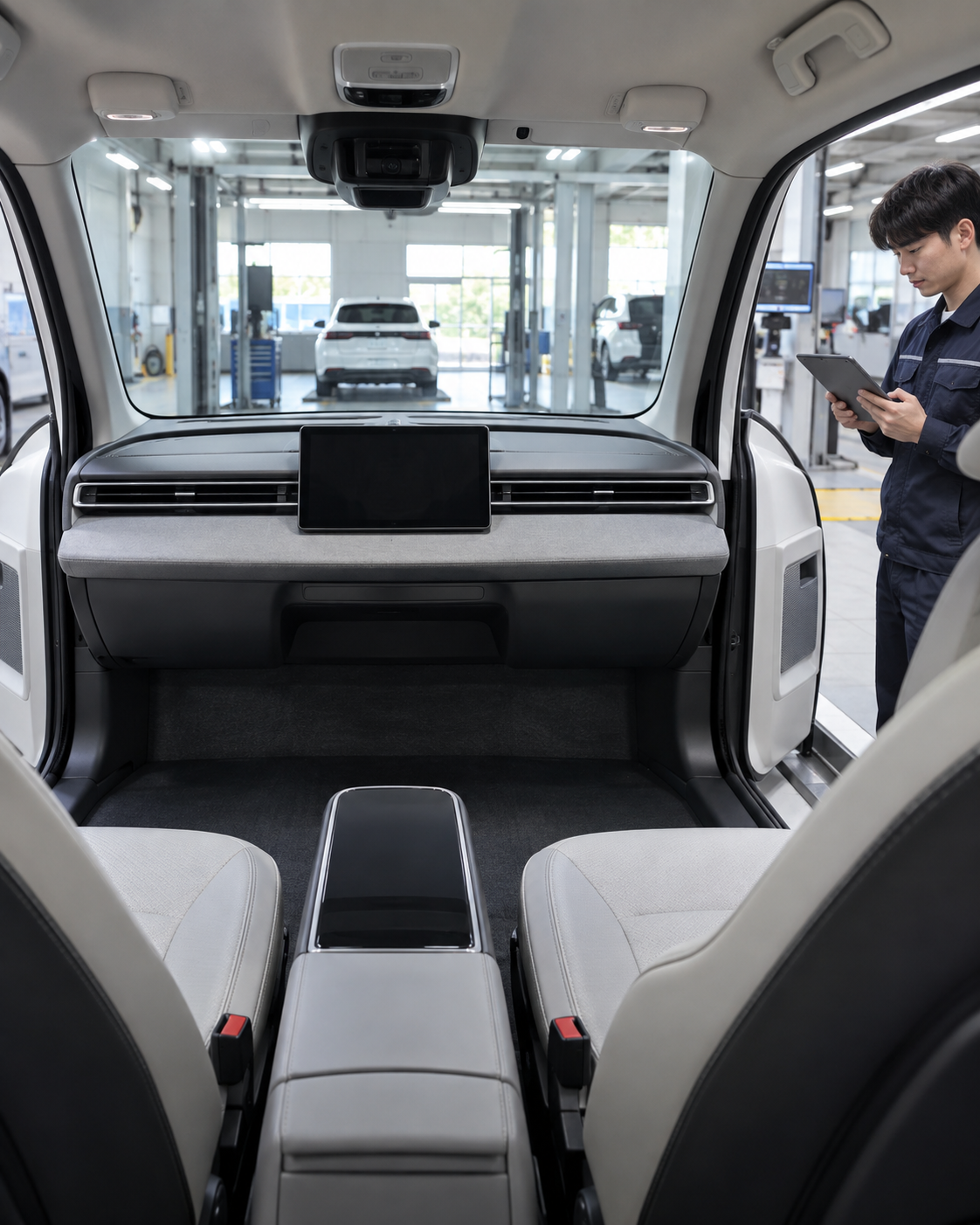
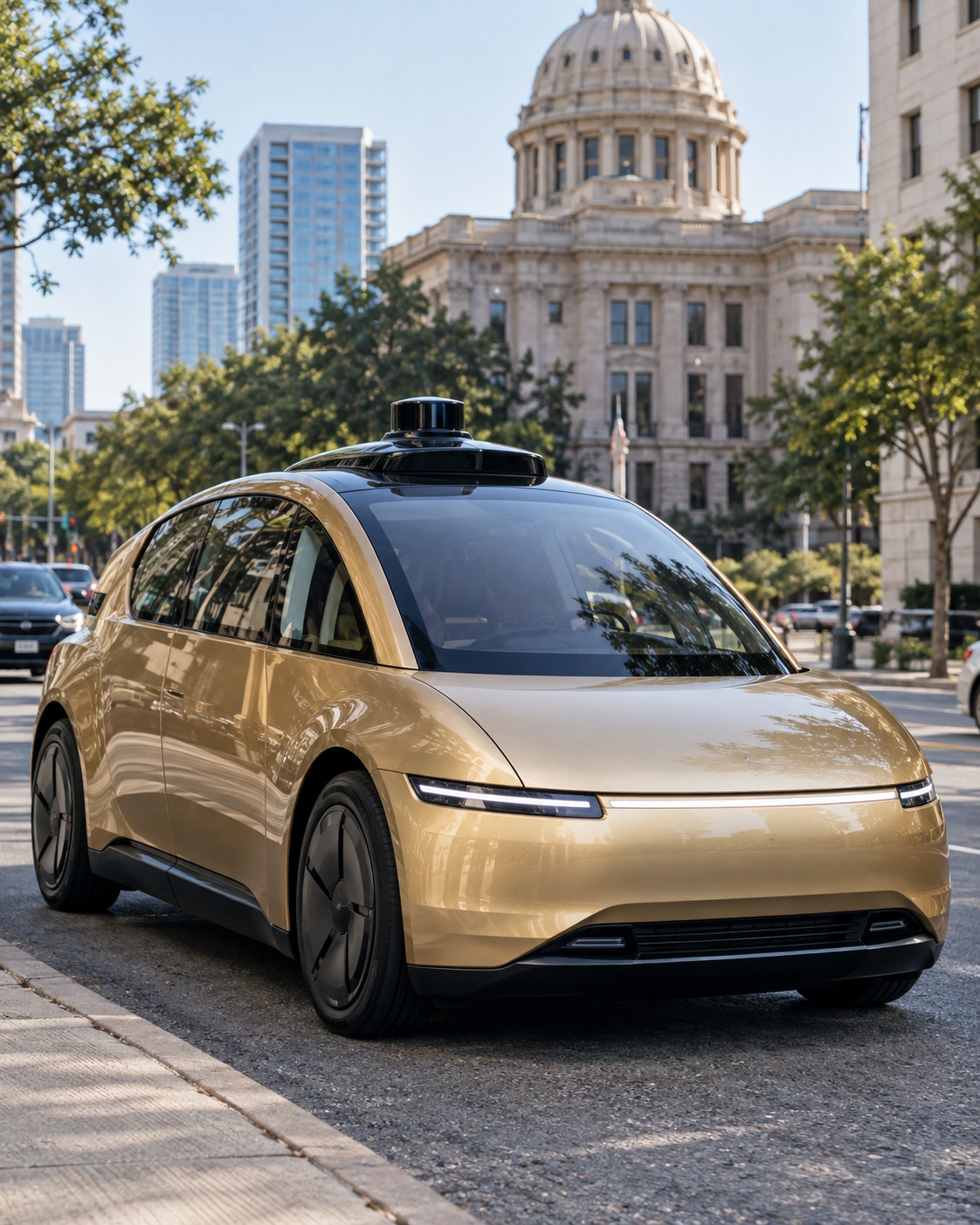
On September 3 (U.S. local time), Tesla deployed a small number of Cybercabs for commercial operation in Austin, Texas. An NHTSA investigation document dated the same day stated that an audit query was initiated in response to this deployment, and the NHTSA announced this publicly the following day.
According to Reuters, on the morning of September 4, Tesla autonomous vehicles registered in Texas were 420sand, among these, Cybercab was 45thIt was. Therefore, The figure of 1,000 vehicles listed in the survey document does not represent the actual number currently in service on the roads, but rather takes into account the potential for future expansion. Estimated survey populationIt's more accurate to view it that way.
Tesla has informed the NHTSA that it plans to gradually expand the number of vehicles and regions. Given that the regulatory agency has begun verifying the basis for certification from the initial deployment phase, this process could affect the pace of future expansion.
| The U.S. Self-Certification System and Audit Query
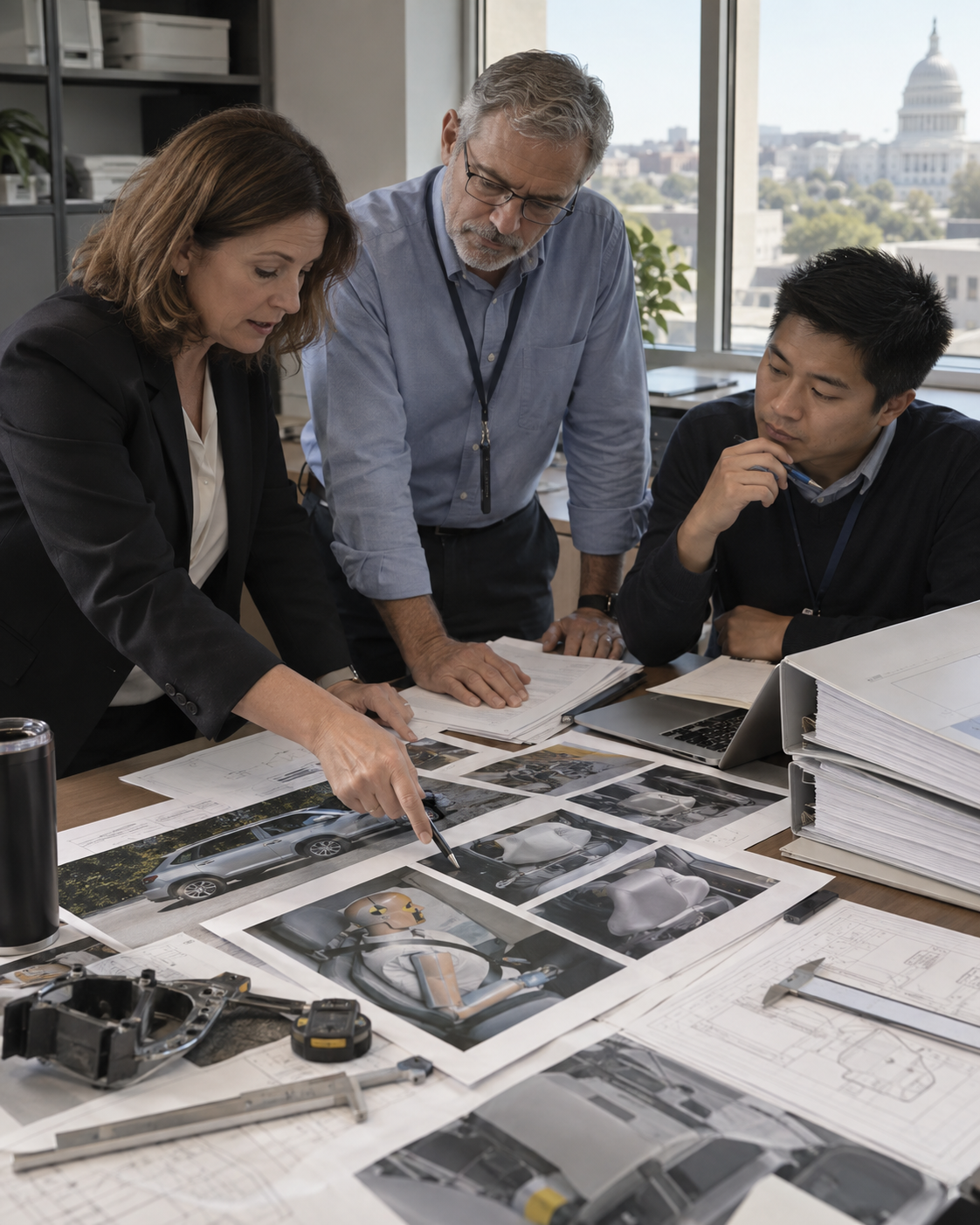
In the United States, rather than requiring automakers to obtain individual government type approvals for each vehicle before launching it, the system allows manufacturers to self-certify that their vehicles comply with the FMVSS. Instead, the NHTSA can request data after the vehicle is launched and conduct tests or investigations to oversee the validity of the certification.
This Audit Query is precisely that oversight process. The NHTSA plans to review the technical data, testing methods, internal decision-making processes, and certification procedures used by Tesla. The central issue is not merely an abstract assessment of whether Cybercab is safe, but rather the basis on which it was determined to have met the specific criteria set forth by law.
Therefore, This survey should not be viewed as merely an assessment of autonomous driving software performance. This can be viewed as a process in which both the vehicle's design and the application of federal safety standards are verified.
| Issues Arising from a Design Without a Steering Wheel, Pedals, or Mirrors
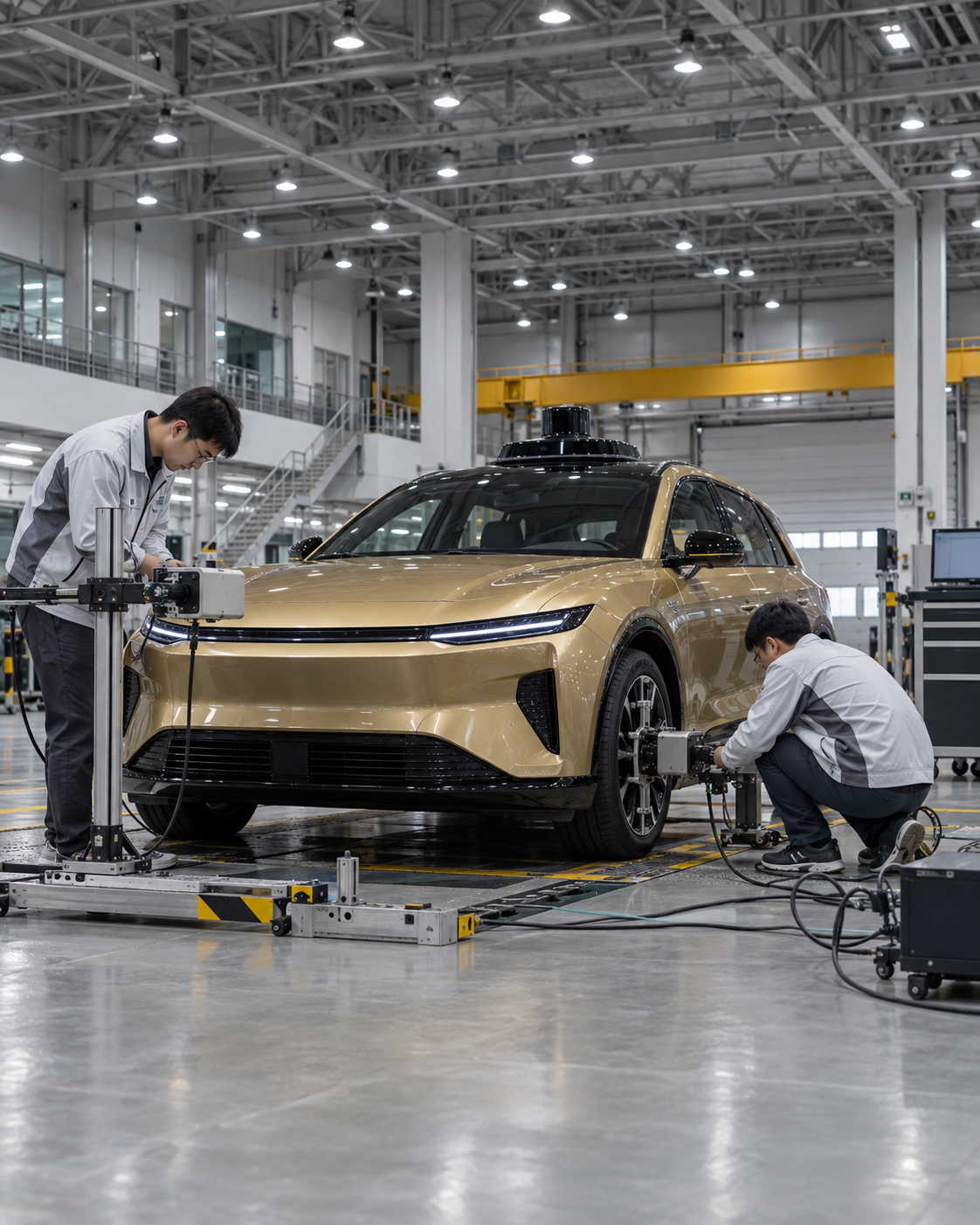
According to NHTSA investigation documents, the conventional type permanently attached to the Cybercab Steering wheel, brake pedal, accelerator pedal, and mirrorsIt says there isn't one. The problem is that many of the current FMVSS standards were developed on the assumption that a person is sitting in the driver's seat and operating the vehicle.
In vehicles without driver-operated controls, First, we need to determine which criteria can be applied as-is and which ones are not applicable due to design constraints. The NHTSA stated that it would determine to what extent Tesla's certification relied on the decision that certain FMVSS standards did not need to be applied to the Cybercab.
This isn't simply a matter of whether or not a part is present. It's about how to interpret the wording of the existing standards in light of the new vehicle structure, and The key question is how far the manufacturer can go in making that interpretation on its own.
| Tesla Opts for Self-Certification Instead of a Separate Exemption
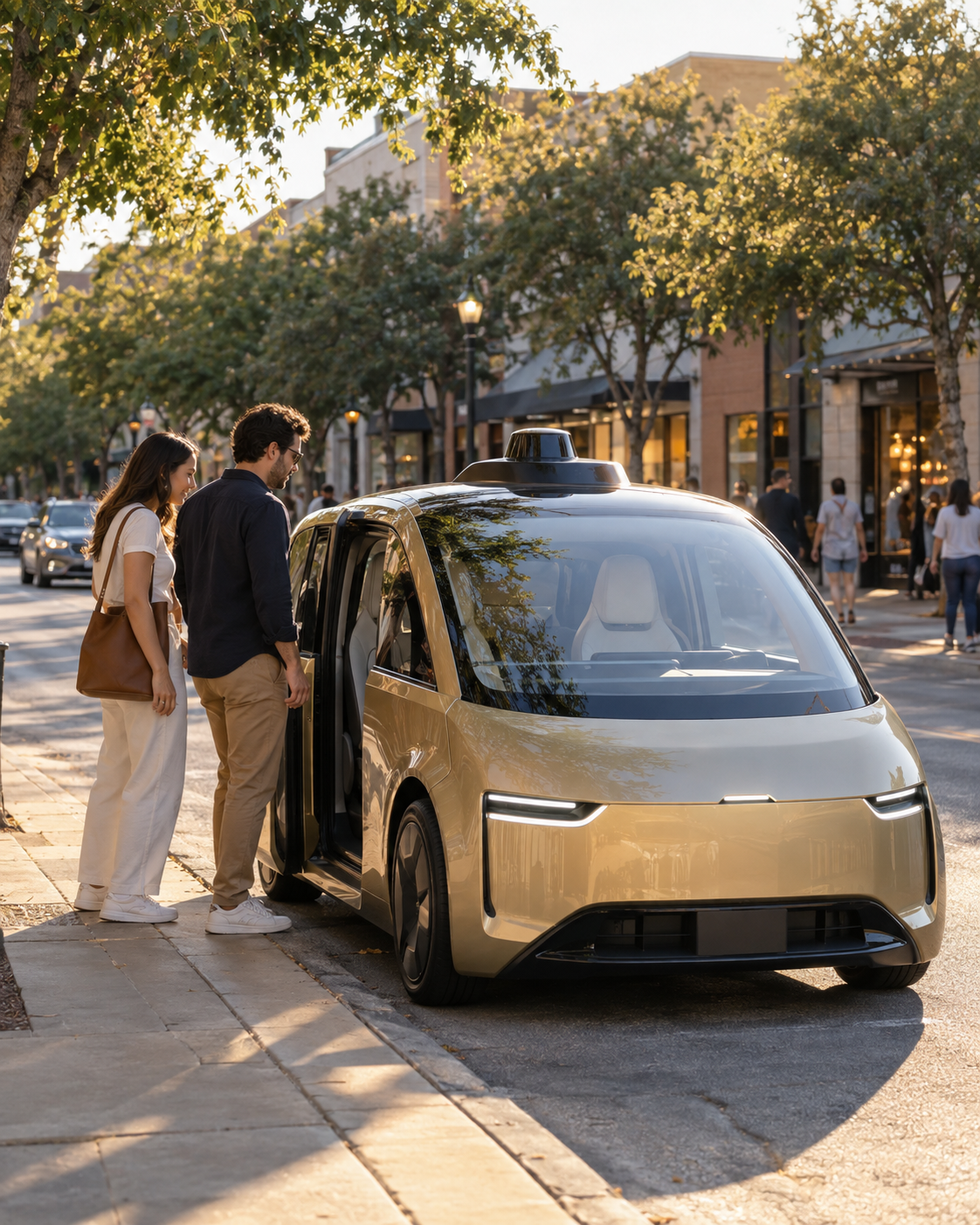
Under current U.S. law, for vehicles without essential controls such as a steering wheel, each manufacturer is limited to a maximum of 2,500 unitsThere is an exemption process that allows for operation up to that point. In July 2026, the NHTSA granted Amazon’s autonomous driving subsidiary ZooxIt has previously allowed the limited commercial deployment of driverless robotaxis.
Reuters reported that the NHTSA had not previously received such a request for an exemption from Tesla. Tesla has essentially chosen the self-certification route, arguing that the Cybercab already meets the current standards to which it is subject.
However, You can't conclude that a violation of the rules occurred simply because an exemption wasn't requested. The key issue to determine in this investigation is whether Tesla had sufficient legal grounds to conclude that it met each criterion or was not subject to it.
| Although the revision of the regulations is underway, the current standards remain in effect.
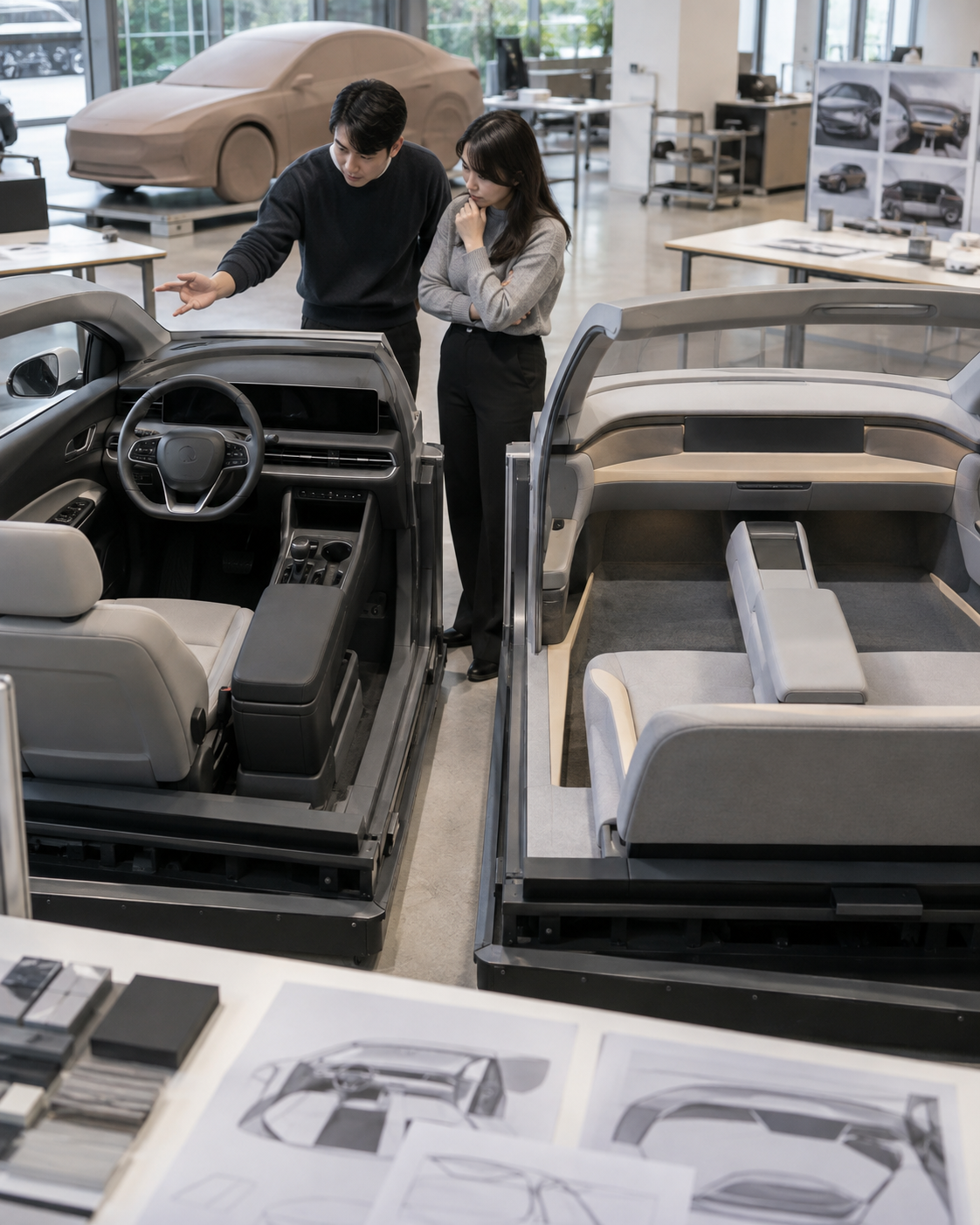
The NHTSA also acknowledges the need to revise safety standards to accommodate autonomous vehicles. The agency is currently working on regulations to revise various standards designed with the driver in mind, including the brake pedal, windshield wipers, lights, and rearview devices.
However, The proposed rules are different from the ones that actually took effect. Until the NHTSA completes the revisions, The existing standards will continue to apply.He made that very clear.
In the end Although the Cybercab was designed with the future in mind, it must undergo certification under currently effective regulations. This incident clearly highlighted the gap that arises when regulatory changes lag behind technological advancements.
| Beyond Tesla: The Impact on the Robotaxi Industry
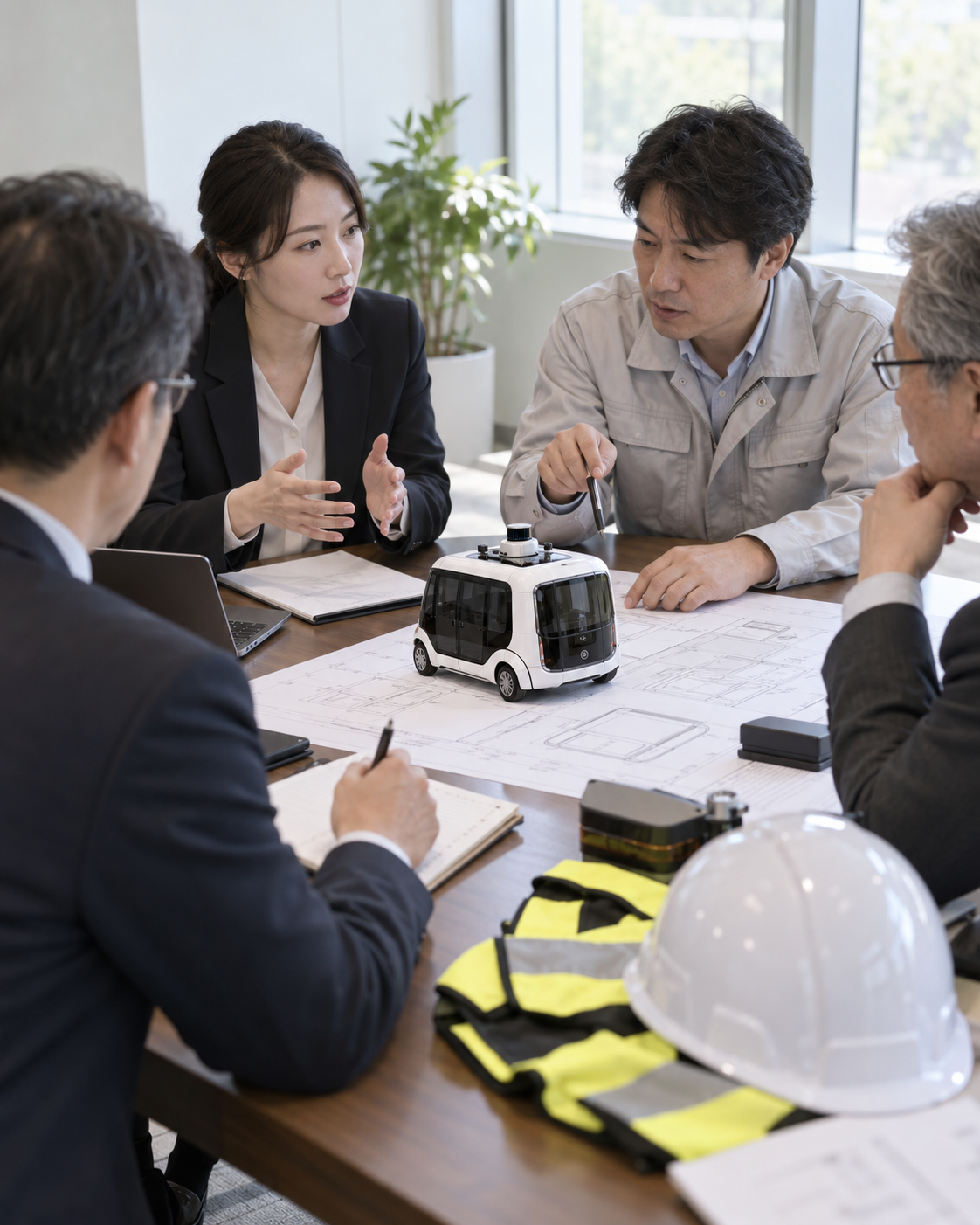
The conclusions of this investigation are unlikely to be limited to Tesla alone. This is because companies developing robotaxis that do not rely on driver intervention as a basic premise will inevitably face similar design challenges and certification issues.
If the NHTSA discloses which standards it considers applicable and what data it requires, other companies will be able to adjust their vehicle designs and launch strategies accordingly. Conversely, if interpretations of existing standards vary from company to company, uncertainty regarding market entry could increase.
It’s also important to note that commercialization isn’t achieved simply by improving the driving capabilities of autonomous driving software. Vehicle hardware, certification protocols, operating region permits, and the accident liability framework must all work in tandem for the actual service to expand reliably.
| Key Issues to Be Examined Going Forward
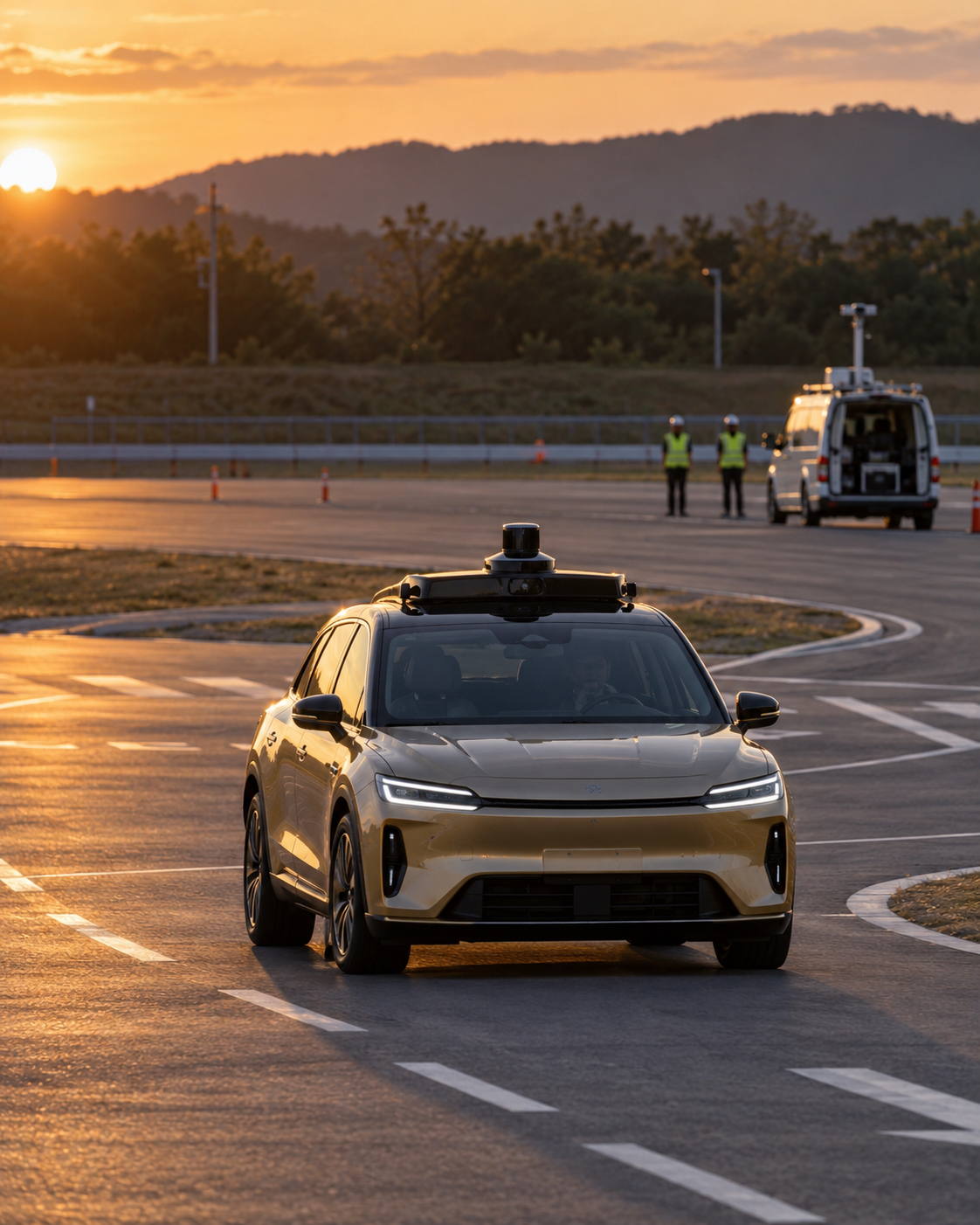
The first thing to look at is the technical documentation Tesla will submit and its assessment of how each FMVSS applies. During the investigation, Whether the NHTSA requests additional data or design changes—or accepts Tesla’s certification basis—could determine the course of action moving forward.
It will also be important to see how much Cybercab’s fleet size and service area expand during the course of the investigation. There is a significant difference between the initial registration of about 45 vehicles and the investigation’s scope, which is set at a maximum of 1,000 vehicles, so it will be necessary to monitor whether the actual deployment pace aligns with regulatory developments.
This audit query isn't a finding of noncompliance—it's just the start of the verification process. Ultimately, it will be not only the results of the investigation but also when and in what form the NHTSA’s revisions to the safety standards for autonomous vehicles are finalized that will determine the common rules for the U.S. robotaxi industry.
Tags
#Tesla #Tesla #Cybercab #CyberCap #NHTSA #Robotaxi #Self-Driving #FMVSS #Automotive Safety Standards #Mobility #Robotics and Future Technology #U.S. Regulations