The U.S. National Highway Traffic Safety Administration (NHTSA) has issued a Special Order to Tesla, requiring the company to submit the basis for its self-certification of the Cybercab’s compliance with federal safety standards by September 30, 2026. The response must be submitted along with an affidavit from a Tesla official.
This order is a follow-up to Audit Query 26002, which the NHTSA initiated on September 3. Moving beyond the initial stage of simply notifying the company of the investigation, the NHTSA has requested, item by item, the technical documentation and decision-making process used for certification.
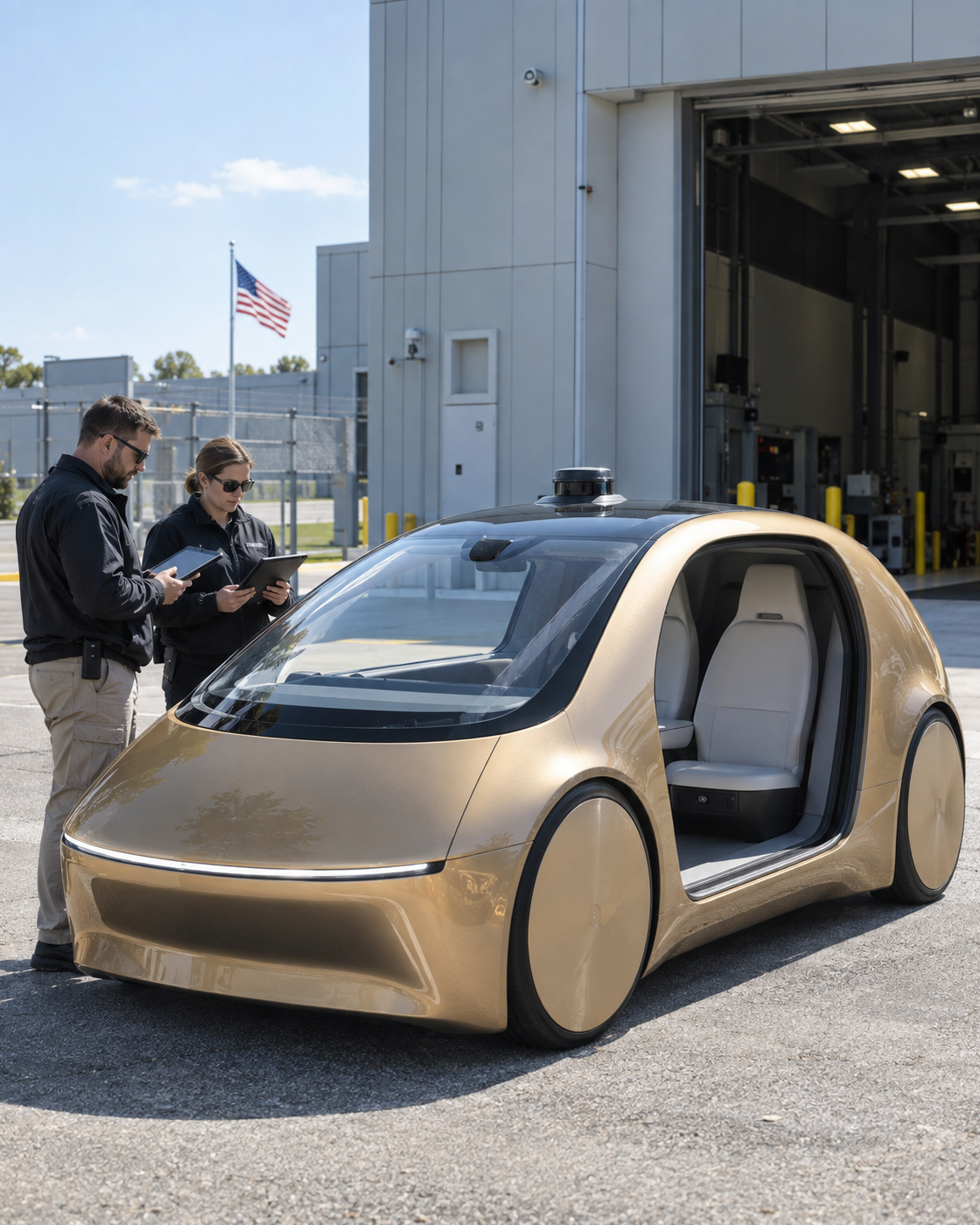
The key issue is how Tesla determined that the Cybercab—which lacks traditional driving controls such as a steering wheel, brake pedal, accelerator pedal, and mirrors—meets current federal motor vehicle safety standards.
| You must submit your sworn response by September 30
An NHTSA Special Order is a more stringent request for information than a standard inquiry. Tesla must submit its response and supporting documents within the specified deadline, accompanied by a statement from the responsible officer certifying that they are complete and accurate.
The agency requested information on the number of vehicles currently in commercial operation or planned for operation, as well as the regions where they operate, the vehicles’ level of automation, certification labels, maximum speed, road types, geographic scope, time zones, and weather conditions—all of which constitute the operational design domain.
Plans to expand Cybercab to include more vehicles and areas are also subject to submission. This can be seen as an effort to verify whether the safety rationale established under the current limited operating conditions can be applied to large-scale services in the future.
| The key issue is whether a temporary operating device was used for certification
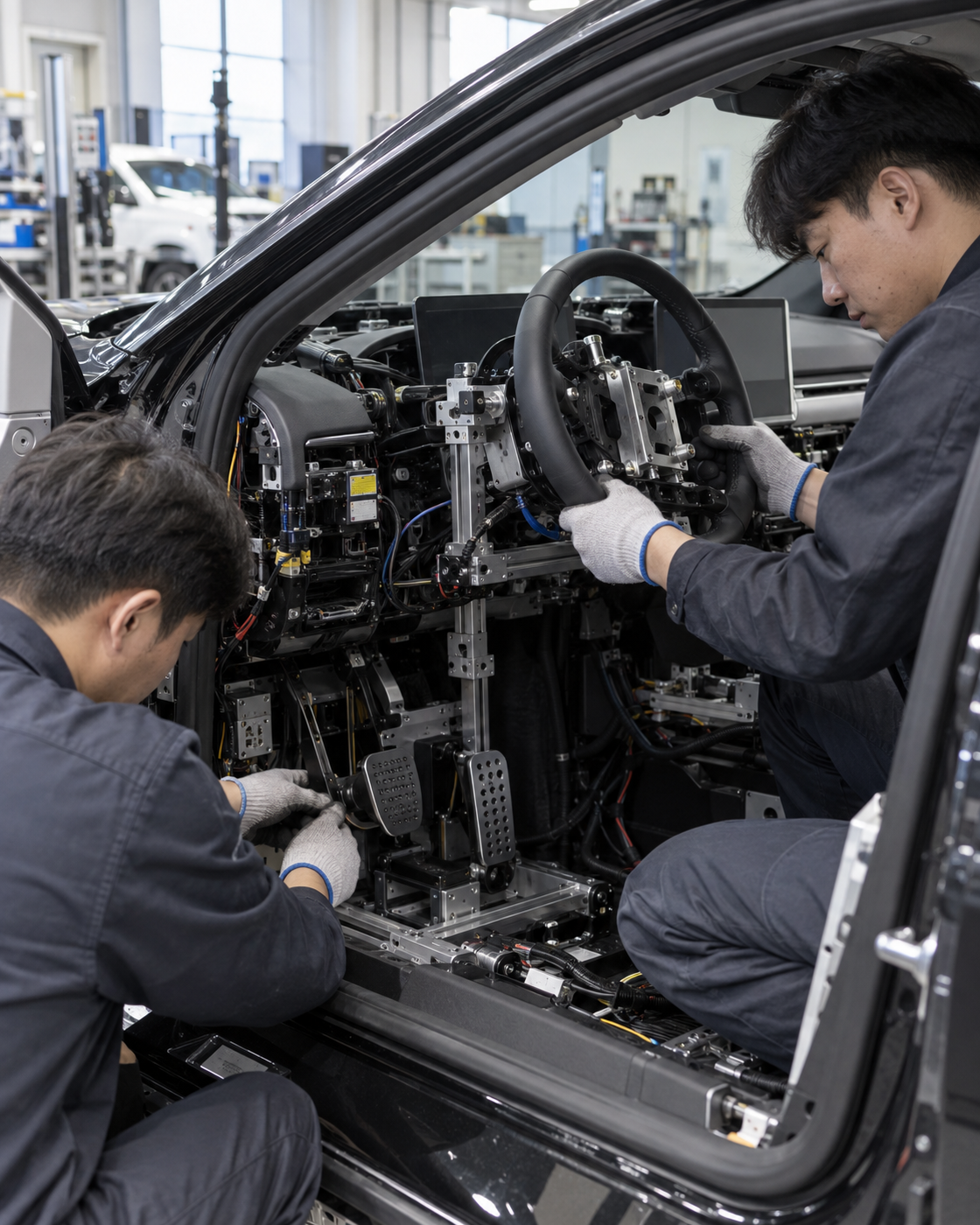
The NHTSA specifically asked whether a temporary device allowing a person to drive could be installed in the Cybercab, and whether such a device or other equipment had been used to demonstrate compliance with safety standards. It is also examining whether passengers can operate the vehicle using a touchscreen.
If the steering wheel or pedals were installed only for the certification test and then removed from the vehicle used for commercial operations, The configuration of the vehicles used in the test may differ from that of the vehicles deployed on actual roads. The agency also demanded an explanation of how this removal is consistent with federal law provisions designed to ensure that safety measures are not rendered ineffective.
The NHTSA has not yet concluded that Tesla's certification was improper. At this stage, the agency is in the process of determining which standards Tesla applied and whether it demonstrated compliance through testing, simulations, or engineering analysis.
| In the U.S., manufacturers are required to certify compliance first
The U.S. automotive safety system does not require the government to approve all new cars before they are released, but rather It's a system where manufacturers self-certify that their products comply with applicable federal motor vehicle safety standards. The NHTSA can subsequently verify the basis for certification through requests for information, testing, and investigations.
For conventional vehicles, the application of standards is relatively straightforward, as they are equipped with devices—such as a steering wheel, pedals, and mirrors—that are covered by existing regulations. In contrast, the Cybercab, which was designed from the outset to operate without a human driver, presents more complex challenges in determining which regulations apply and interpreting the testing procedures.
Manufacturers must meet the applicable standards or, if necessary, obtain an exemption. Even though proposals to amend certain regulations to accommodate autonomous vehicles are underway, The current standards will continue to apply until the final revision is made.
| The scope of the investigation is more focused on the certification process than on vehicle defects
The focus of this audit inquiry is not on identifying specific incidents or component defects, but rather on verifying whether Tesla properly self-certified the Cybercab. Therefore, You shouldn't interpret this to mean that a recall or suspension of operations has been confirmed at this time.
The NHTSA requested a list of all applicable federal safety standards, the rationale for each standard, whether actual testing had been conducted, and data from simulations and engineering analyses. It also required the submission of any internal documents indicating the possibility that the vehicle might not meet the standards.
After reviewing Tesla's response, the agency may request additional information or determine that there are no certification issues. Conversely, if significant discrepancies are identified, this could lead to corrective actions or enforcement proceedings.
| Commercial Rollout Schedule
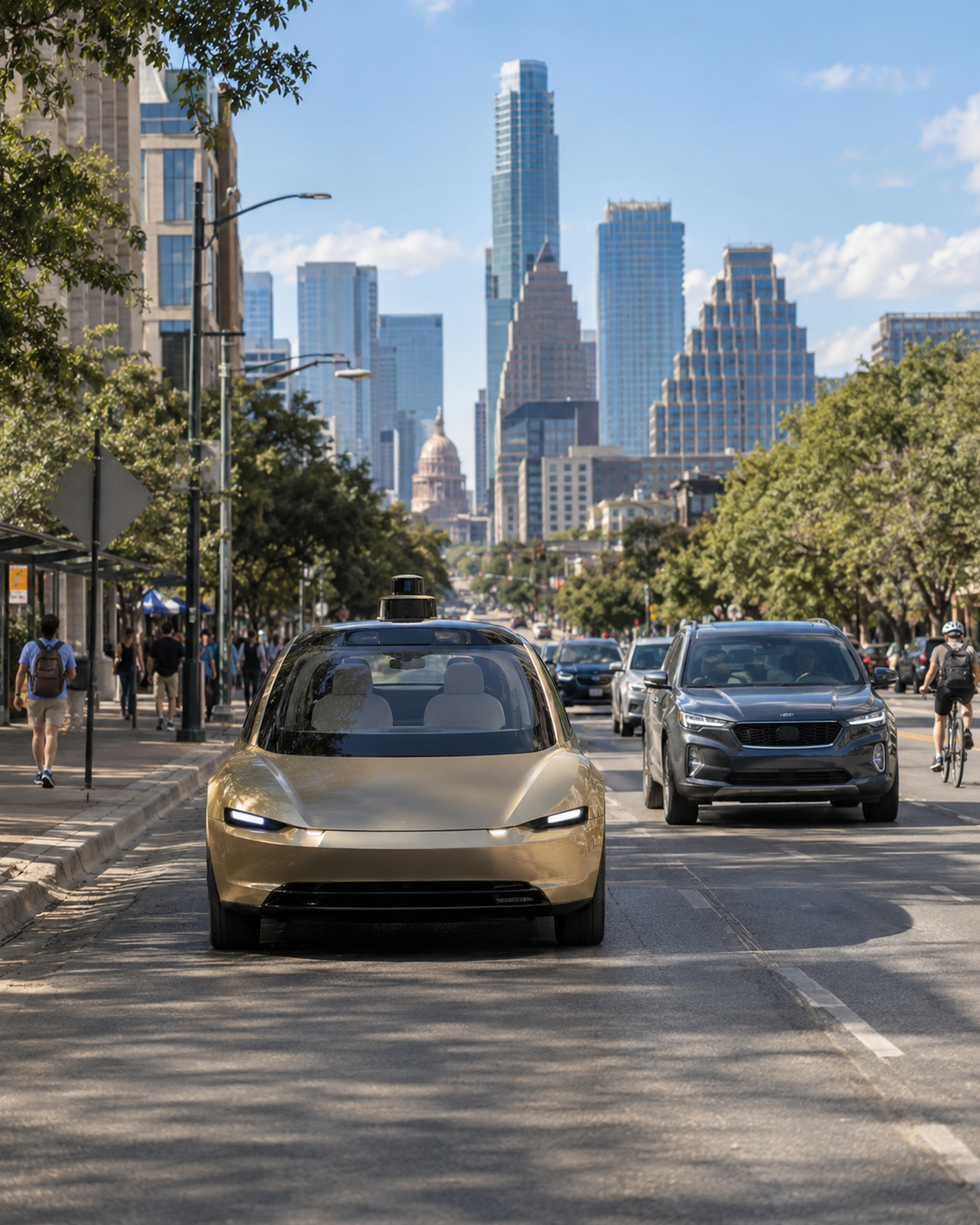
On September 3, Tesla launched a small fleet of two-seater Cybercabs into commercial service in Austin, Texas, and announced plans to gradually increase the number of vehicles and expand the service area. This order came just as the expansion was getting underway.
Dedicated robo-taxis without a driver's seat can optimize interior space and manufacturing costs, but they are likely to conflict with existing regulations. This is why the entire industry—including not only Tesla but also Waymo and Zoox—has been calling for revisions to standards to accommodate dedicated autonomous vehicles.
However, The fact that the regulations are currently being revised does not eliminate the obligations for existing vehicles. The most critical issue in this investigation is how Tesla certified the Cybercab under current standards.
| Tesla's Response and the NHTSA's Subsequent Ruling
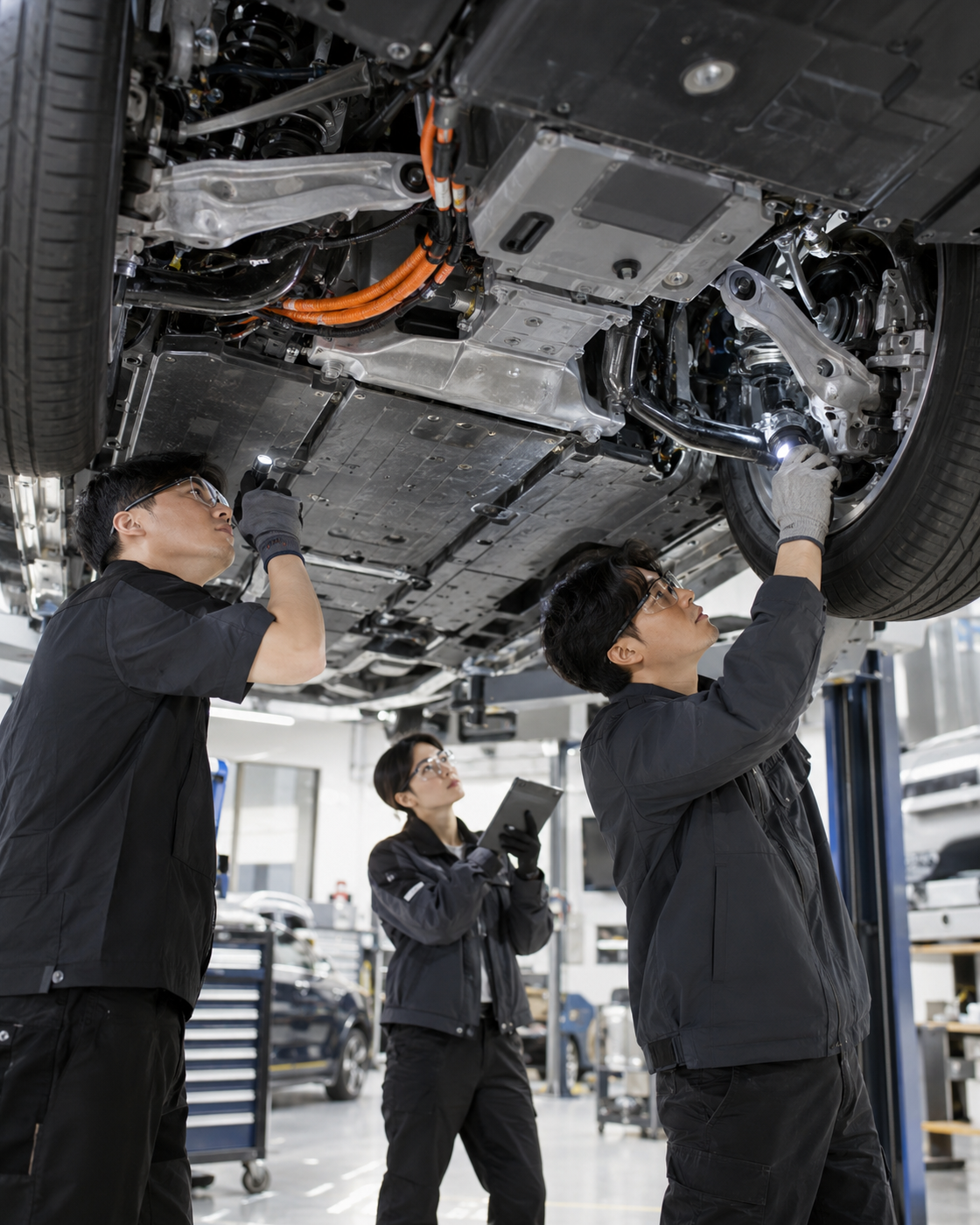
What has been confirmed is that the NHTSA issued a legally binding Special Order to Tesla, requiring a sworn response and supporting documents by September 30. No final conclusion has been reached yet regarding certification violations or the vehicle's safety.
Going forward, we need to verify whether Tesla actually used the temporary driving system, what logic it used to select the application criteria, and whether the configurations of the commercial vehicles and test vehicles were the same. Depending on the scope of the disclosed responses, some key technical data may be redacted as trade secrets.
This matter is It illustrates the gap between the pace of technological advancement in fully autonomous vehicles and existing safety standards designed with human drivers in mind. This is both a study of a specific Cybercab model and a case that offers insight into how quickly the U.S. will finalize its dedicated robotaxi certification rules.
Tags
#Tesla #Cybercab #NHTSA #Robotaxi #Self-Driving #CarSafety #FMVSS #U.S. Regulations #Mobility #Robotics and Future Technology #Self-Certification #Austin