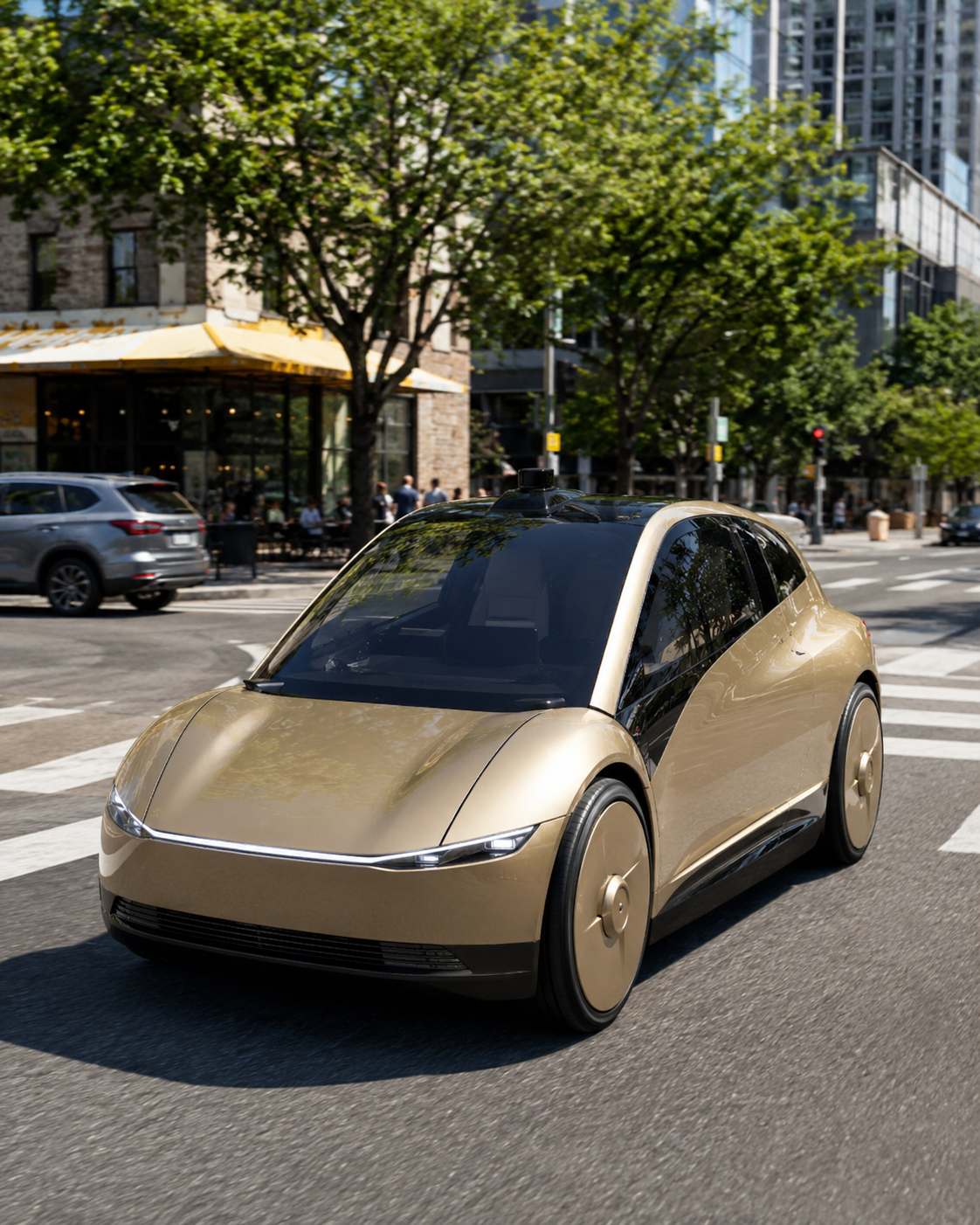
Tesla is testing a two-seater self-driving car without a steering wheel or pedals in certain areas of Austin, Texas CybercabIt has begun carrying the general public. It is significant that the robo-taxi service, which had been operating using modified Model Y vehicles, has now begun carrying actual passengers in vehicles designed specifically for autonomous driving.
However, it hasn't launched full-scale commercial service throughout Austin yet. Tesla has limited the service area to certain zones and hasn't specified exactly when it will start charging fares for Cybercab rides.
U.S. National Highway Traffic Safety Administration NHTSAThey are also in contact with Tesla to assess the situation. Since cars without controls that can be operated manually may conflict with current safety standards, their regulatory status—as well as their technical performance—will determine the pace of their adoption.
| Passengers are now being allowed to board in certain areas
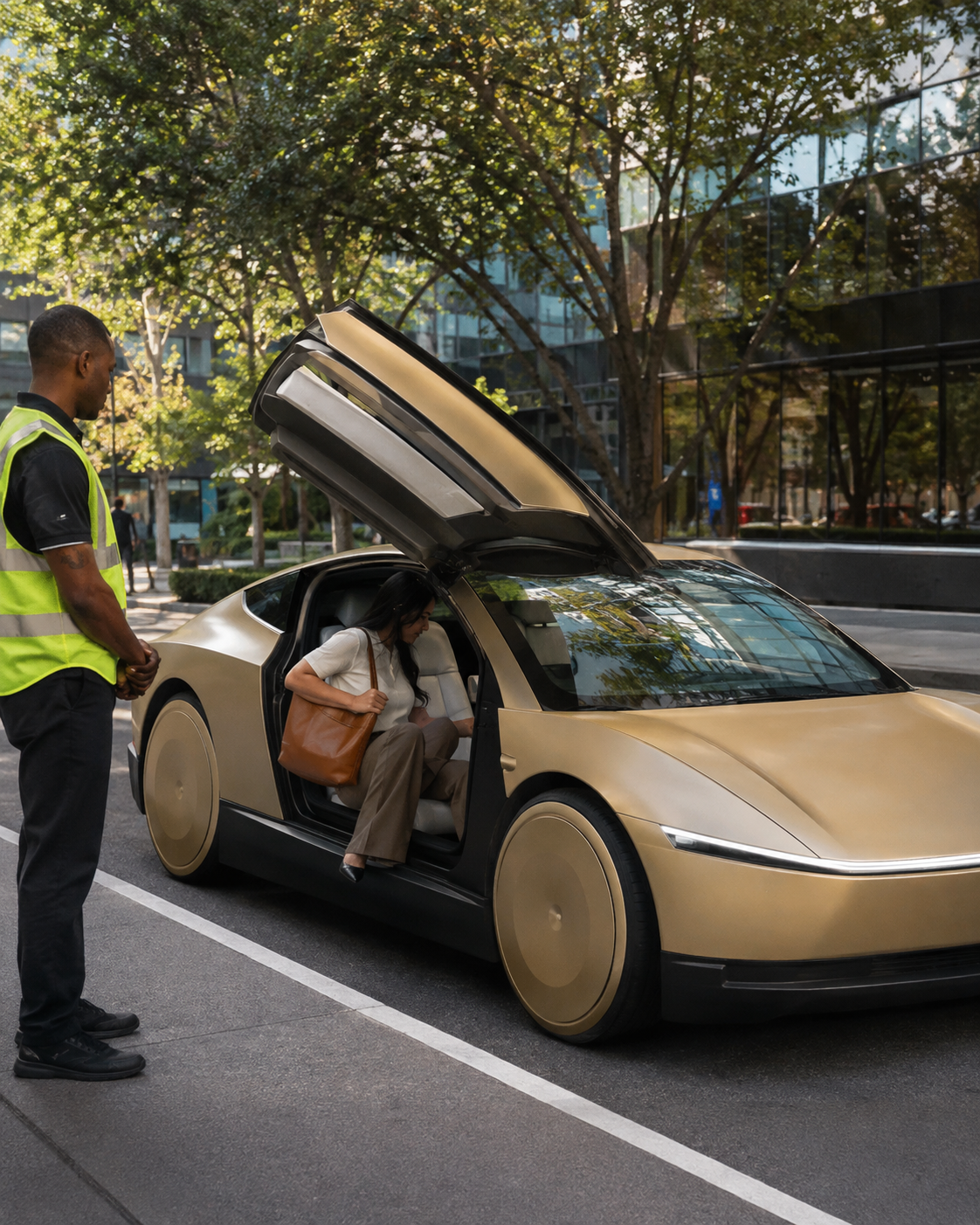
Tesla has announced that rides in the Cybercab are available in a limited area of Austin. Although the event presenter explained that the service is open to the general public, there may be restrictions on vehicle availability, operating hours, and service areas.
Tesla's full Robotaxi service is operating in Austin as well as in some cities in Texas and Florida, but Cybercabs haven't been deployed in all areas yet. Initially, the system assigns either a Model Y or a Cybercab based on the vehicles available in the app and the number of passengers.
| A two-seater design without a steering wheel or pedals
Cybercab is a two-passenger vehicle designed exclusively for autonomous driving; it has no steering wheel or accelerator and brake pedals. This means that, unlike conventional passenger cars—which are built so that a person can take the wheel when necessary—it was designed from the ground up with driverless operation in mind.
While this design can simplify the interior layout and vehicle operation, it also means that passengers cannot take direct control of the vehicle if a system malfunction occurs. Therefore, remote assistance, safe stopping, passenger guidance, and emergency response systems become even more important than in conventional cars.
| Of the 420 vehicles registered in Texas, 45 are Cybercabs
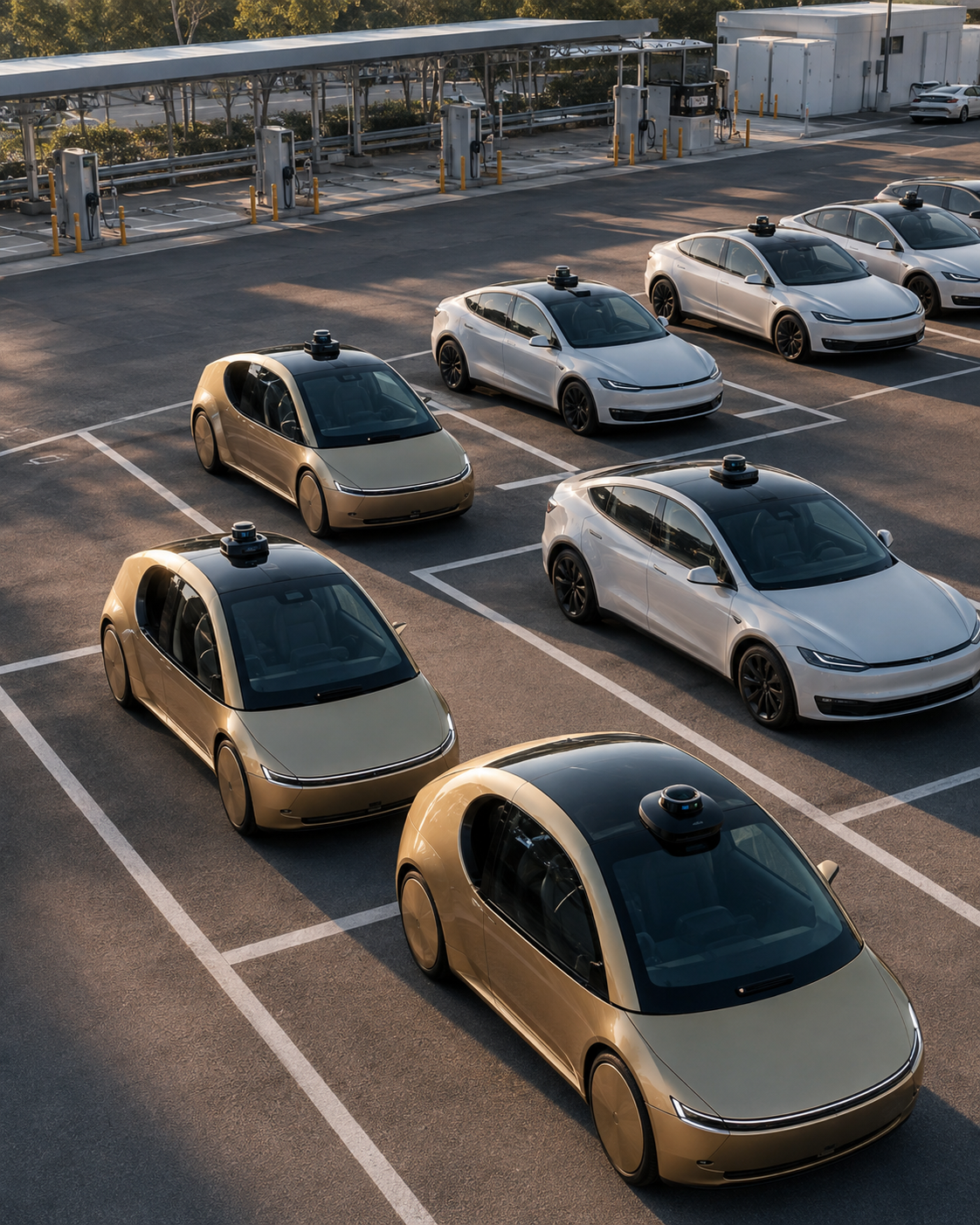
According to Texas registration records reviewed by Reuters, Tesla's self-driving vehicles 420sand, among these, Cybercab was 45thThat's right. According to the same data, Waymo had 988 vehicles registered in Texas.
The number of registered vehicles isn't exactly the same as the number of vehicles actually in operation at any given time. Still, this can be seen as an indicator that Cybercab is still only a small part of Tesla's autonomous vehicle fleet and that its initial operations are on a limited scale.
| NHTSA's Assessment of Compliance with Current Safety Standards
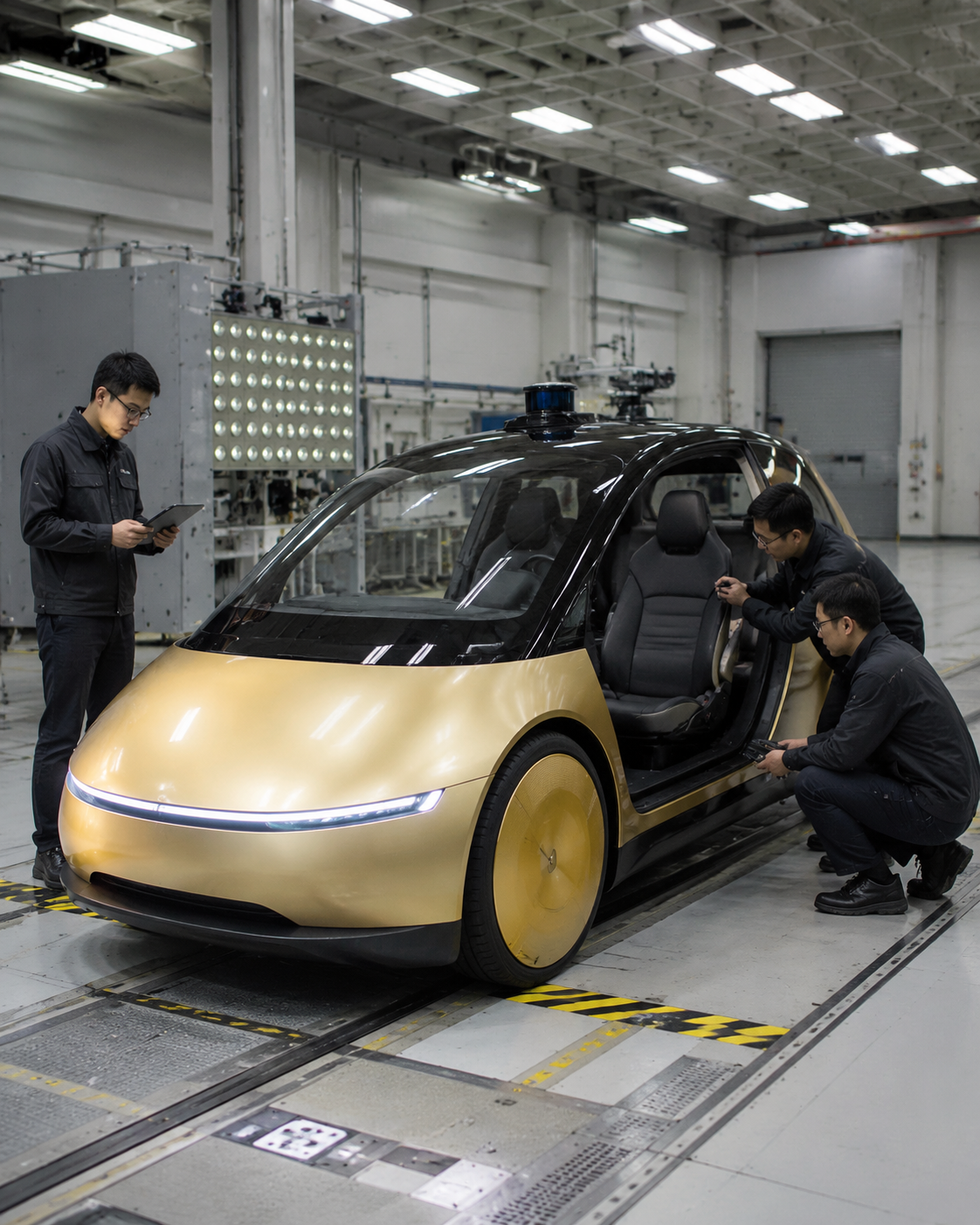
U.S. federal motor vehicle safety standards are generally designed with the assumption that drivers have access to controls. The NHTSA told Reuters that it is in contact with Tesla and is evaluating the circumstances of this incident.
Current regulations limit the number of vehicles without steering wheels or pedals that manufacturers can sell, but they do allow for the operation of test vehicles under certain conditions. It remains to be seen whether Cybercab falls under the pilot program or commercial service, and whether it requires a separate exemption or approval.
| Pricing and service details are still unclear
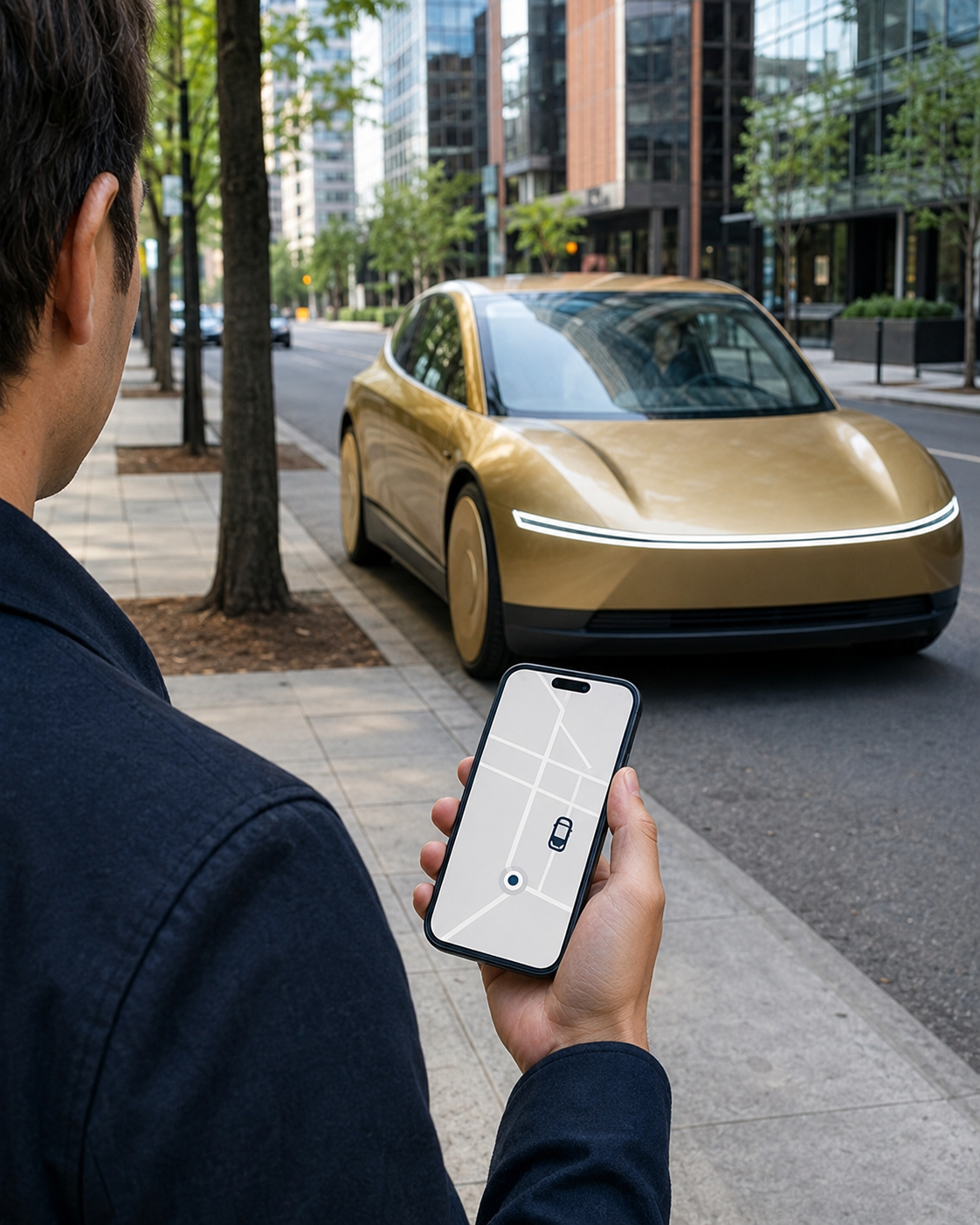
Tesla states that its app will display an estimated fare before the ride begins and that it will use a simple fare structure initially. Although plans for a dynamic pricing system based on demand were mentioned at the event, no specific date has been announced for when fares will be charged for Cybercab rides.
That’s why it’s hard to conclude that it’s fully commercialized just based on the announcement that ordinary people can ride it. To evaluate the service in real-world conditions, we need operational data such as the number of paying passengers, operating hours, pickup success rate, cancellations and wait times, and remote support interventions.
| Tesla's Anticipated Shift to Robotaxis
Tesla began a pilot program for Model Y-based robotaxis in Austin in June 2025 and has since expanded its operations to several cities in Texas and Florida. The company plans to make the driverless Cybercab the main vehicle in its robotaxi network in the long term.
Production of the Cybercab began in April 2026, but Elon Musk said the initial production pace would be very slow. Scaling up operations to a significant level requires not only vehicle production but also a comprehensive operational system that includes charging, maintenance, cleaning, remote support, insurance, and accident response.
| To Turn a Limited Pilot into a Commercial Success
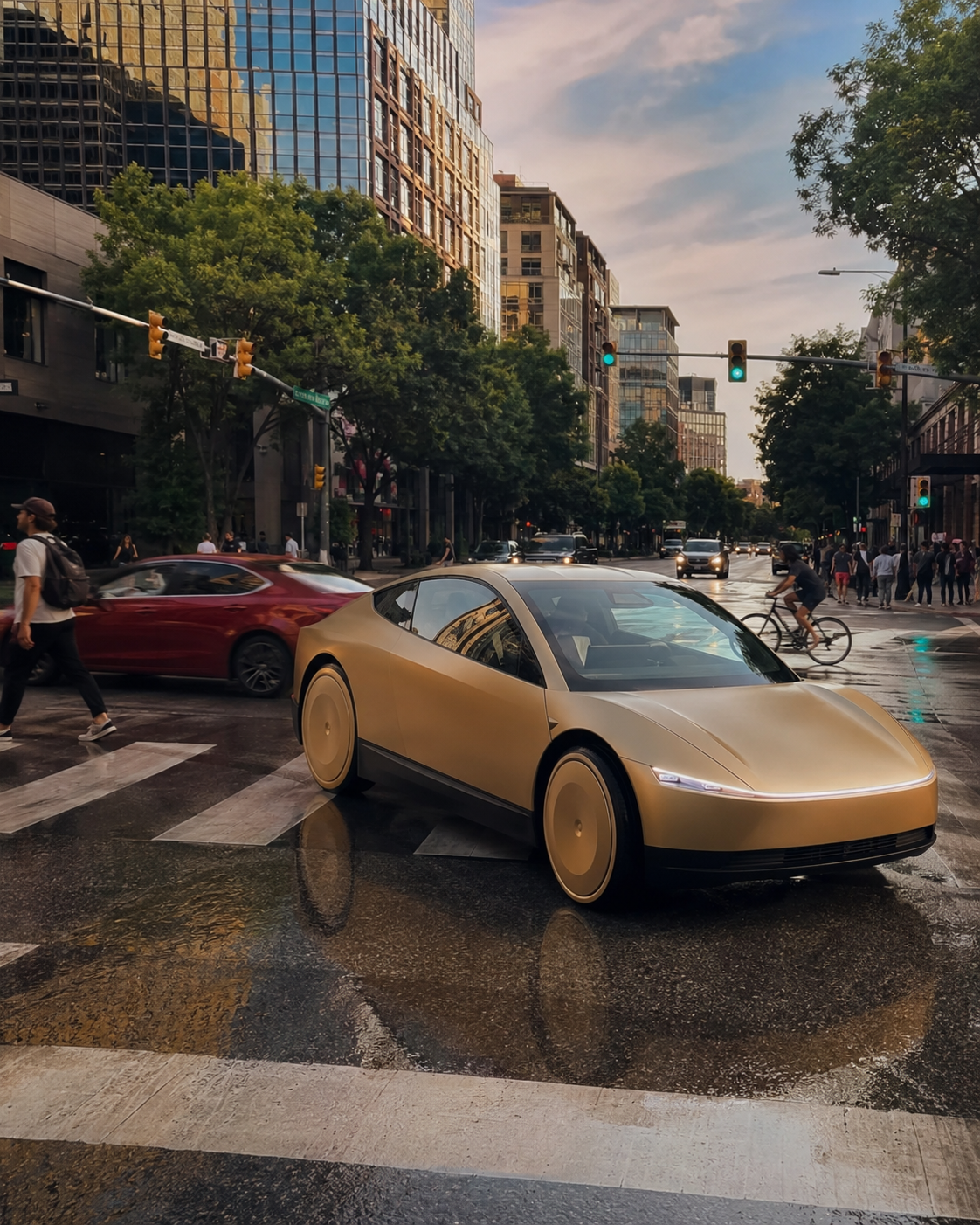
This launch is significant because it marks the first time that a vehicle designed exclusively for autonomous driving has carried passengers on actual city streets, rather than just during demonstrations at the event venue. On the other hand, since it started with only a small number of vehicles in a limited area, it hasn't yet reached the stage where the safety and economic viability of large-scale service have been proven.
Going forward, we'll need to monitor the NHTSA's assessment, data on in-service accidents and interventions, the timing of the transition to a paid service, vehicle utilization rates, and the pace of expansion beyond Austin. Whether Tesla’s long-promised robotaxi service will become a viable transportation option will depend more on a track record of consistent, safe driving than on flashy vehicle designs.
Tags
#Tesla #Tesla #Cybercab #CyberCap #Robotaxi #Robotaxi #Self-Driving #Self-Driving Cars #Austin #NHTSA #FutureTransportation #Electric Vehicles