Hyundai Motor Group has announced plans to launch a mass-produced vehicle equipped with Atria AI, its in-house driver-assistance system, in the second half of 2029. This timeline is about two years later than the previously announced target of late 2027.
To fill that gap, they will first introduce a system developed in collaboration with NVIDIA. According to Hyundai Motor Group’s official roadmap, the company aims to launch mass-produced Level 2+ vehicles based on NVIDIA solutions in the first half of 2028 and Level 2++ vehicles in the second half of 2028.
Hyundai Motor explains this not as a choice to replace in-house development with external technology, but as a dual-track strategy that involves pursuing both paths simultaneously. The plan is to use the real-world driving data collected from NVIDIA-based vehicles for Atria AI's training and validation as well.
| A Roadmap Divided into 2028 and 2029
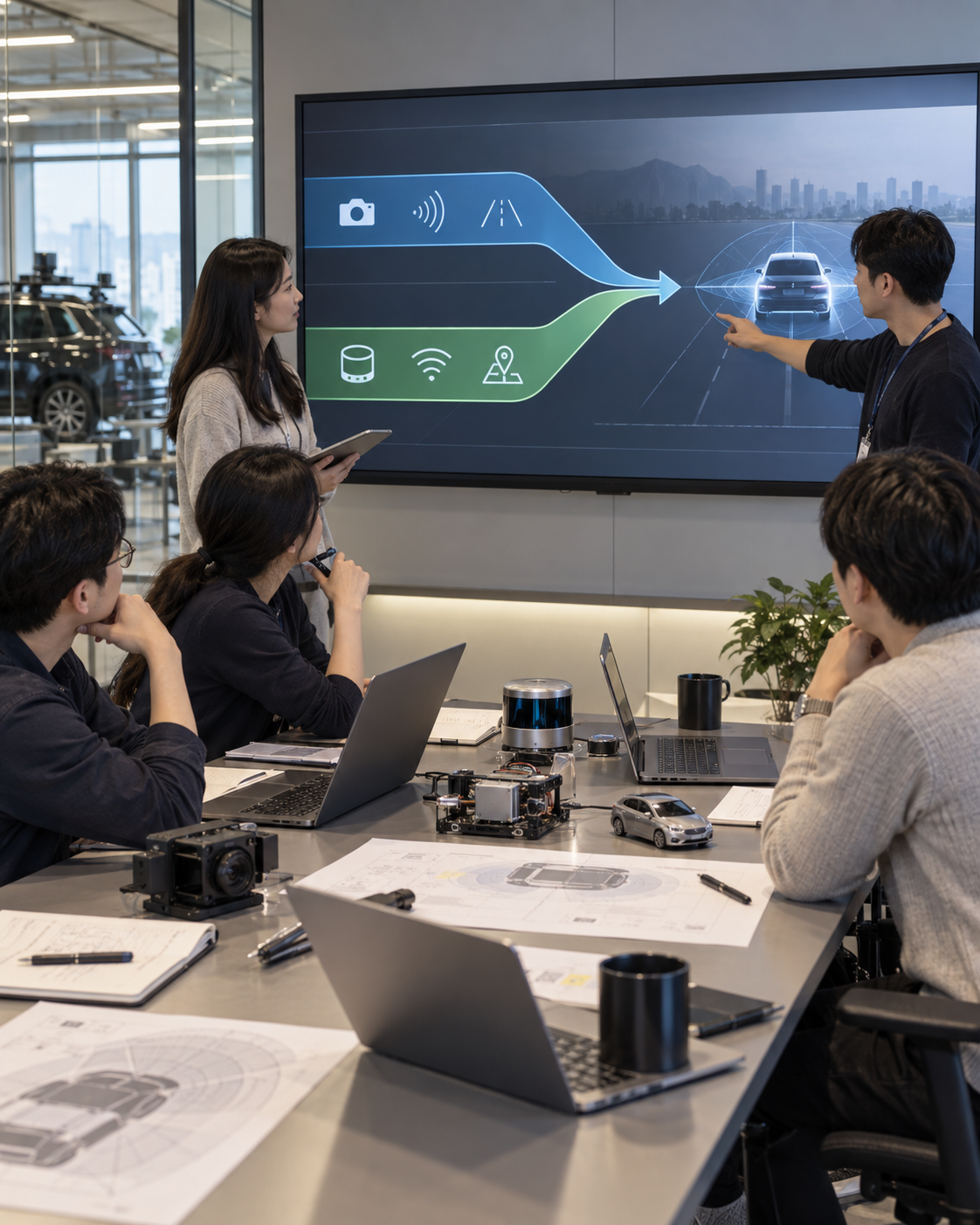
The first approach involves integrating NVIDIA’s automotive AI computing platform and driving software into Hyundai Motor Group’s software-defined vehicle architecture. The focus is on securing a system that can be rapidly brought into mass production to accelerate the launch of driver-assistance features.
The second approach is Atria AI, a proprietary end-to-end driving system being jointly developed by Hyundai Motor Group’s AVP Division and 42dot. The current goal is to further develop a system in which AI integrates and processes everything from sensor inputs to vehicle control, and to apply it to Level 2++ production vehicles in the second half of 2029.
Reuters reported that the original target for its system was the end of 2027. So, while it’s true that there’s a delay based on the schedule alone, Hyundai has essentially adopted a strategy to deploy NVIDIA-based products first in 2028 in order to minimize market gaps and data shortages.
| Why We Chose NVIDIA Hyperion 10
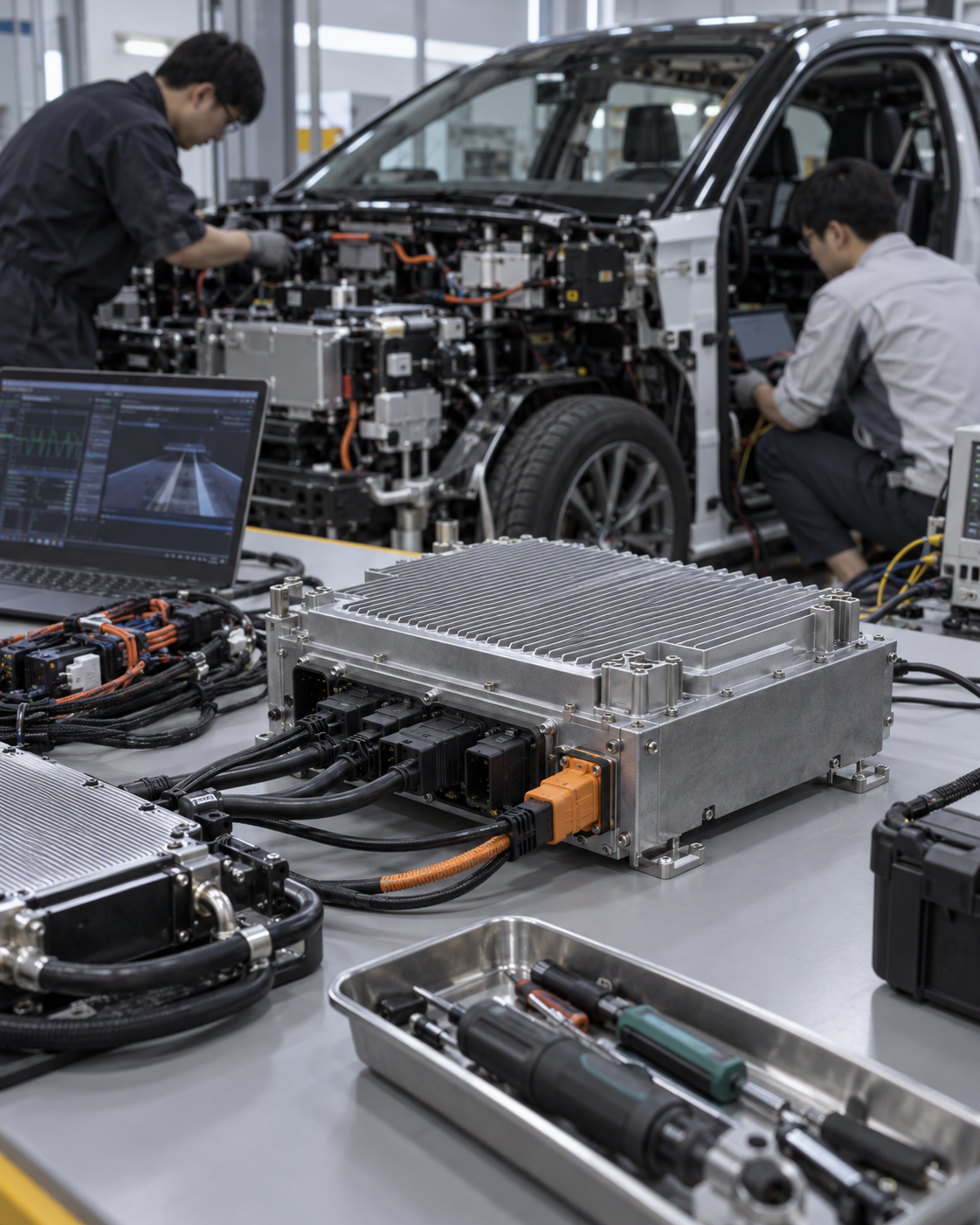
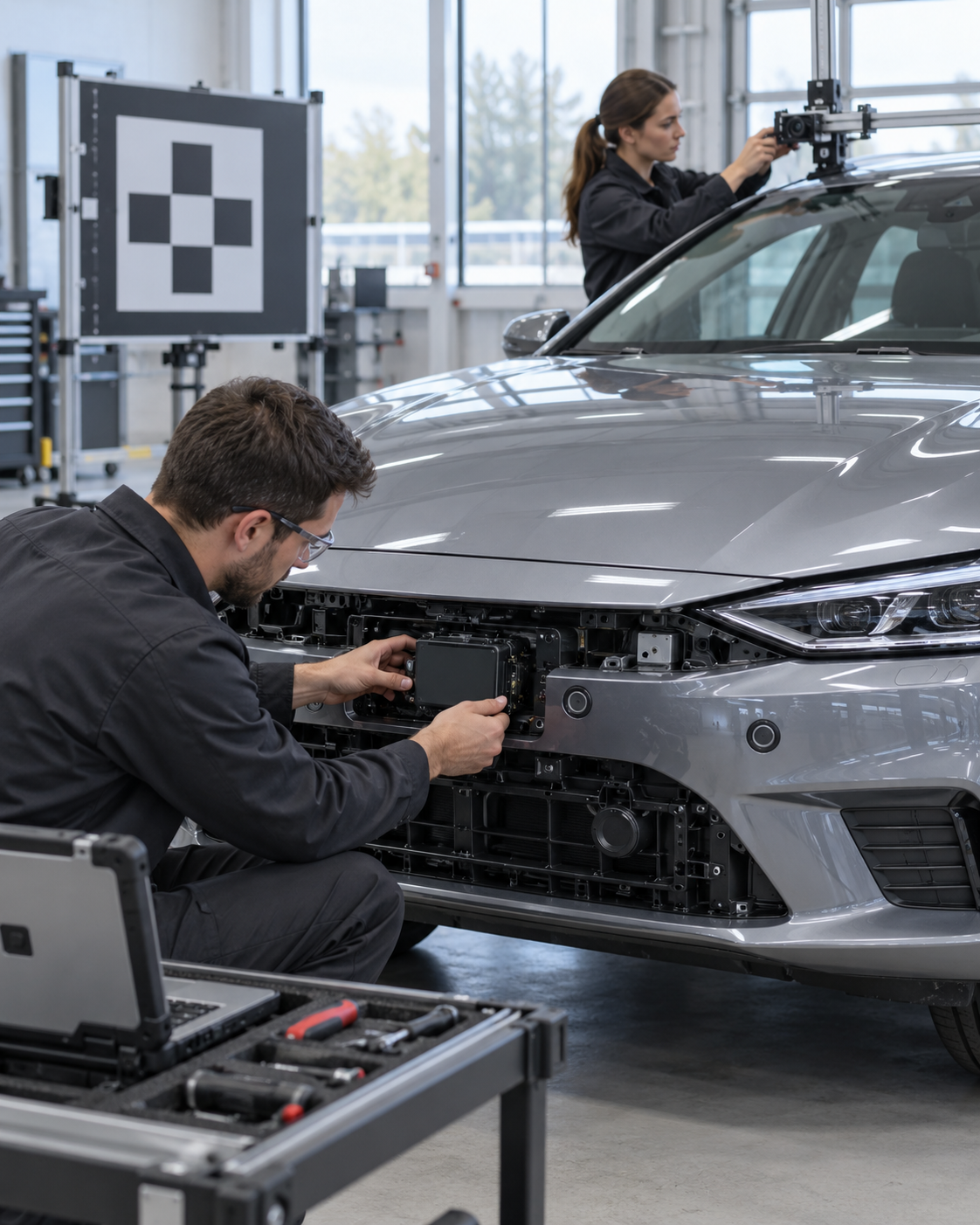
Hyundai Motor Group plans to gradually standardize the sensor systems used by Hyundai Motor, Kia, 42dot, and Motional around the NVIDIA DRIVE Hyperion 10. Aligning hardware and data formats will make it easier to use data collected by various organizations in the same training and validation processes.
Park Min-woo, President and Head of the AVP Division at Hyundai Motor Group, explained that this is not a partnership in which they are entrusting their entire future to NVIDIA, but rather one in which the two companies are jointly designing the technology. This means we'll leverage external platforms for rapid mass production while building up our core data and in-house model development capabilities internally.
Early Hyperion 10-based vehicles are expected to use cameras, radar, and ultrasonic sensors instead of expensive LiDAR. However, for Level 3 driving—where control can be transferred to the system under certain conditions—the company is also considering the use of LiDAR to ensure sensor redundancy.
| The core of Atria AI is its data circulation structure
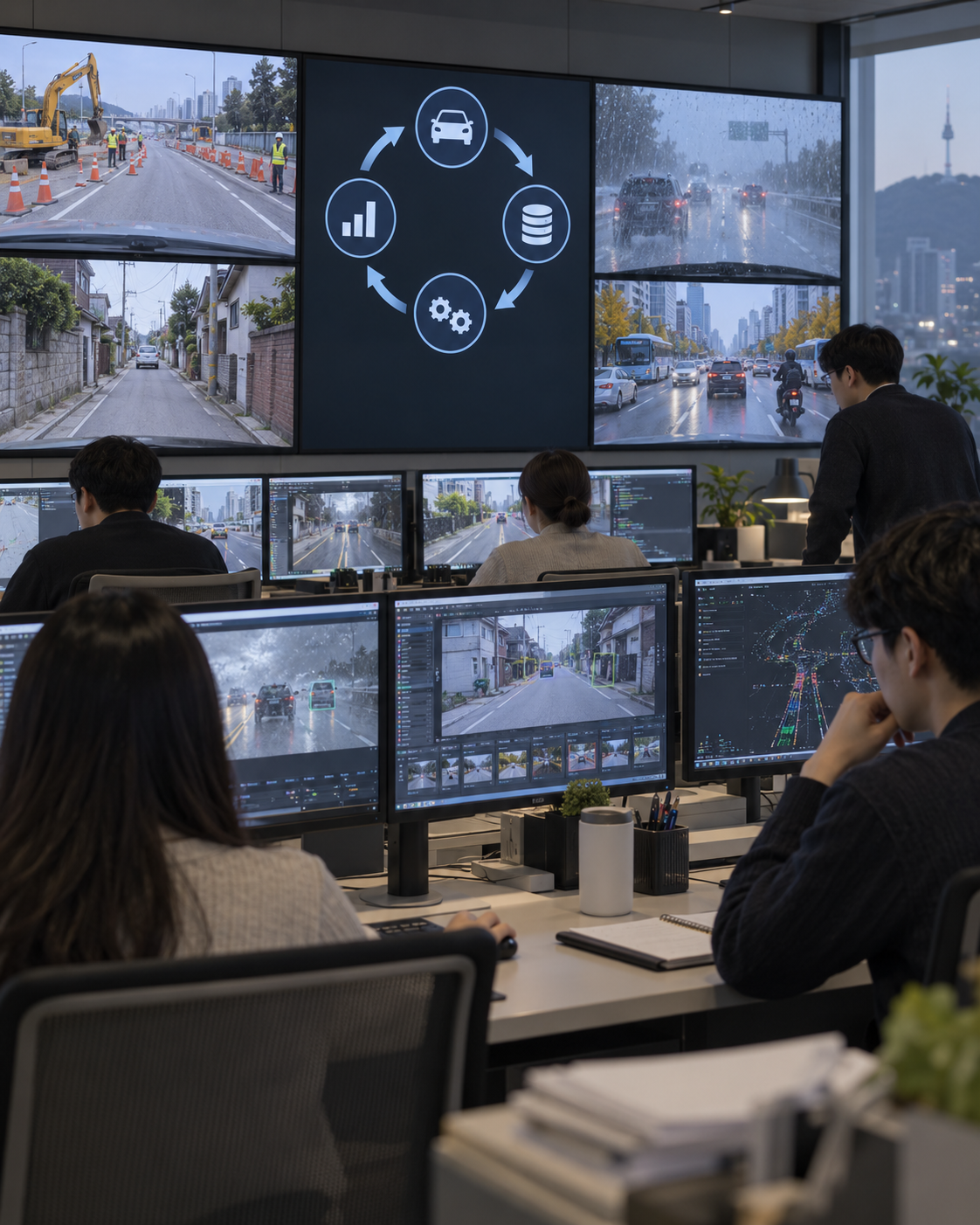
The "Data Flywheel" emphasized by Hyundai Motor Group is a cyclical process in which data is collected from vehicles, used to train and validate AI models, and then the improved models are deployed back to the vehicles. That's how the new model generates data on actual roads, which then leads to the next round of improvements.
Hyundai Motor and Kia sell more than 7 million vehicles annually in approximately 190 countries and regions worldwide. The companies view this scale as the foundation for their data collection efforts and have stated that they currently operate about 40 dedicated data-collection vehicles around the clock to gather data on scenarios such as road construction zones, inclement weather, sudden lane changes, and narrow roads.
In addition to simply increasing the volume of data collected, the company also employs “Hard Example Mining,” which automatically identifies scenarios that AI finds challenging; continuous learning, which repeatedly incorporates new data; and validation technology that recreates real roads in a virtual 3D environment. The company believes that competitiveness lies not in the sheer volume of data, but in how quickly it can identify and correct situations that are prone to failure.
| Level 2++ isn't fully autonomous driving either
"Level 2+" and "Level 2++" are terms used in the industry to distinguish more advanced Level 2 driver-assistance features, rather than being official designations defined by the SAE as separate automation levels. Generally, "Level 2+" refers to systems designed primarily for highway driving, while "Level 2++" refers to systems that have expanded their scope of support to include complex urban driving.
In both systems, the driver must continuously monitor the surrounding conditions and intervene immediately when necessary. You shouldn't assume that "Level 2++" refers to fully autonomous driving, where the vehicle assumes all responsibility, just based on the name alone.
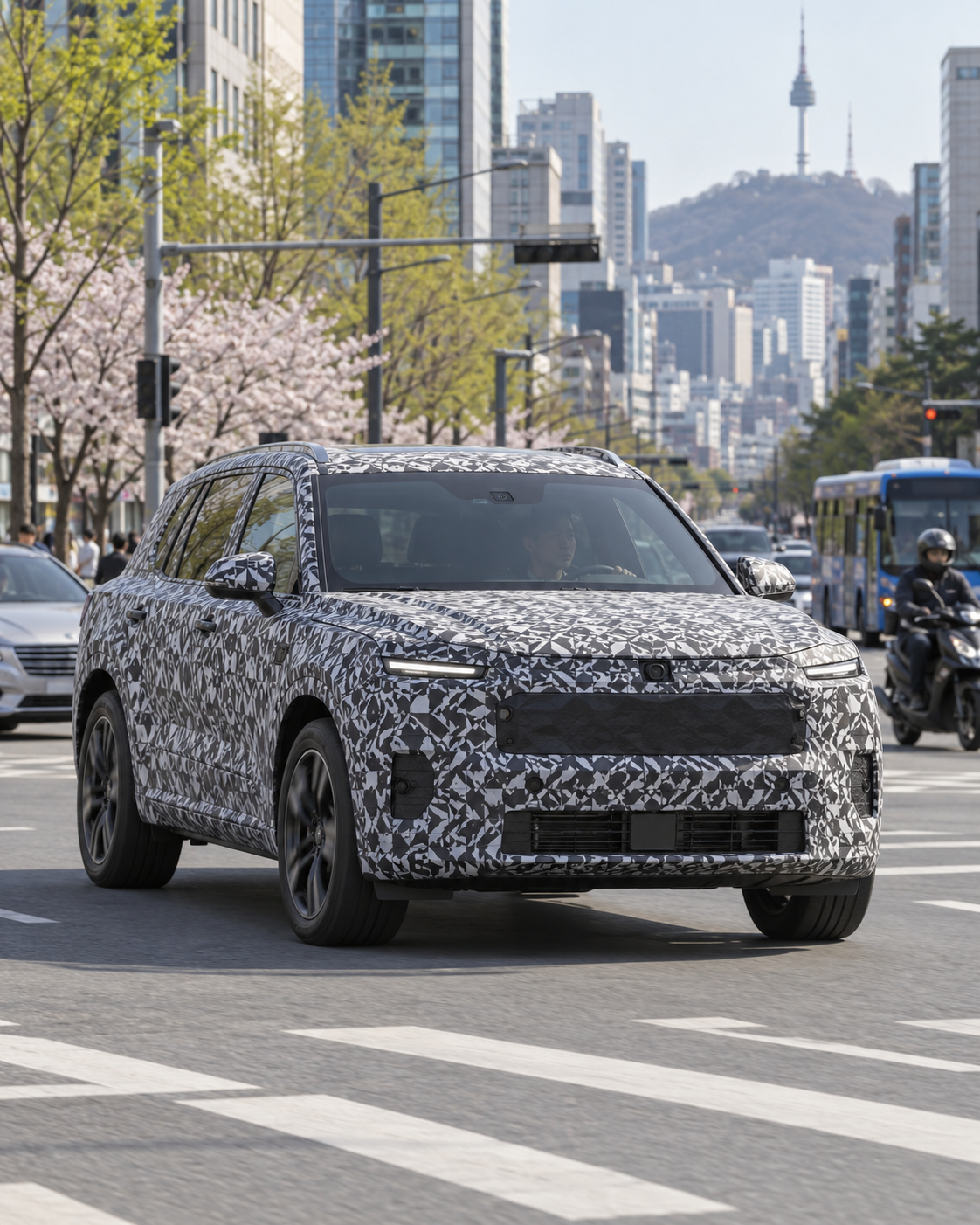
The video of driving in downtown Seoul released by Hyundai Motor Group is merely a demonstration of the development progress and does not constitute independent proof of the safety and performance of the production vehicle. In actual products, driver monitoring, regulatory approvals by region, and validation under various weather and road conditions are also required.
| The Implications of Delays in In-House Development
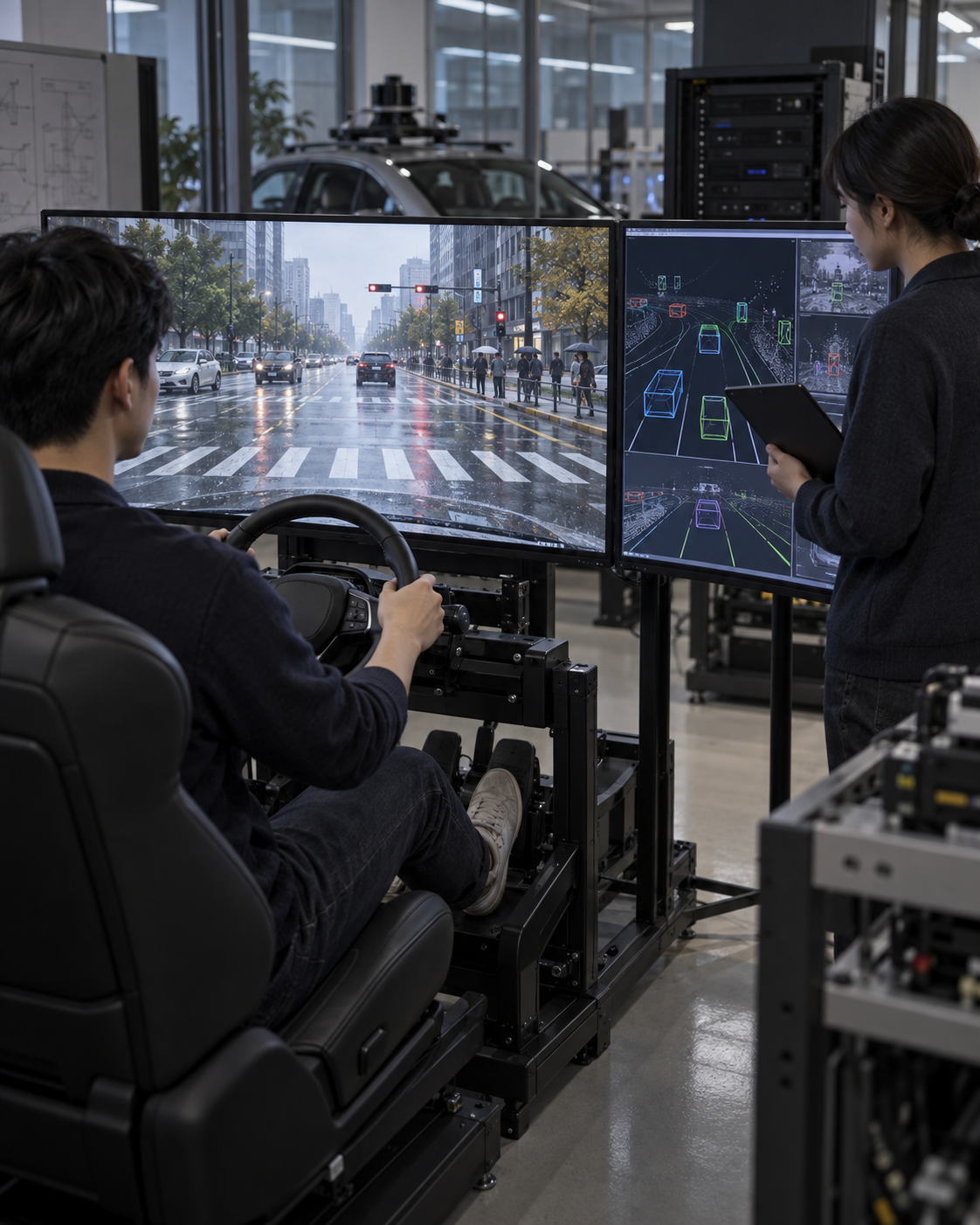
This schedule adjustment reflects the reality that the focus of automotive competition is shifting from mechanical performance to software and training data. This means that even a major manufacturer like Hyundai needs time to independently develop both high-performance computing and driving AI from scratch at the same time.
While collaborating with NVIDIA can speed up the launch process, it may also increase dependence on specific computing platforms and software. Conversely, if they can gather sufficient data from NVIDIA-based production vehicles and integrate it into their own systems, there is a possibility that they could turn this delay into a development asset.
Hyundai Motor Group has also expressed its expectation that it will surpass its competitors in cumulative driving data by 2033. This is the company’s goal, not a guaranteed outcome, and it depends on factors such as actual consent for data collection, data quality, country-specific privacy regulations, and the speed of learning.
| Three Upcoming Events to Look Forward To
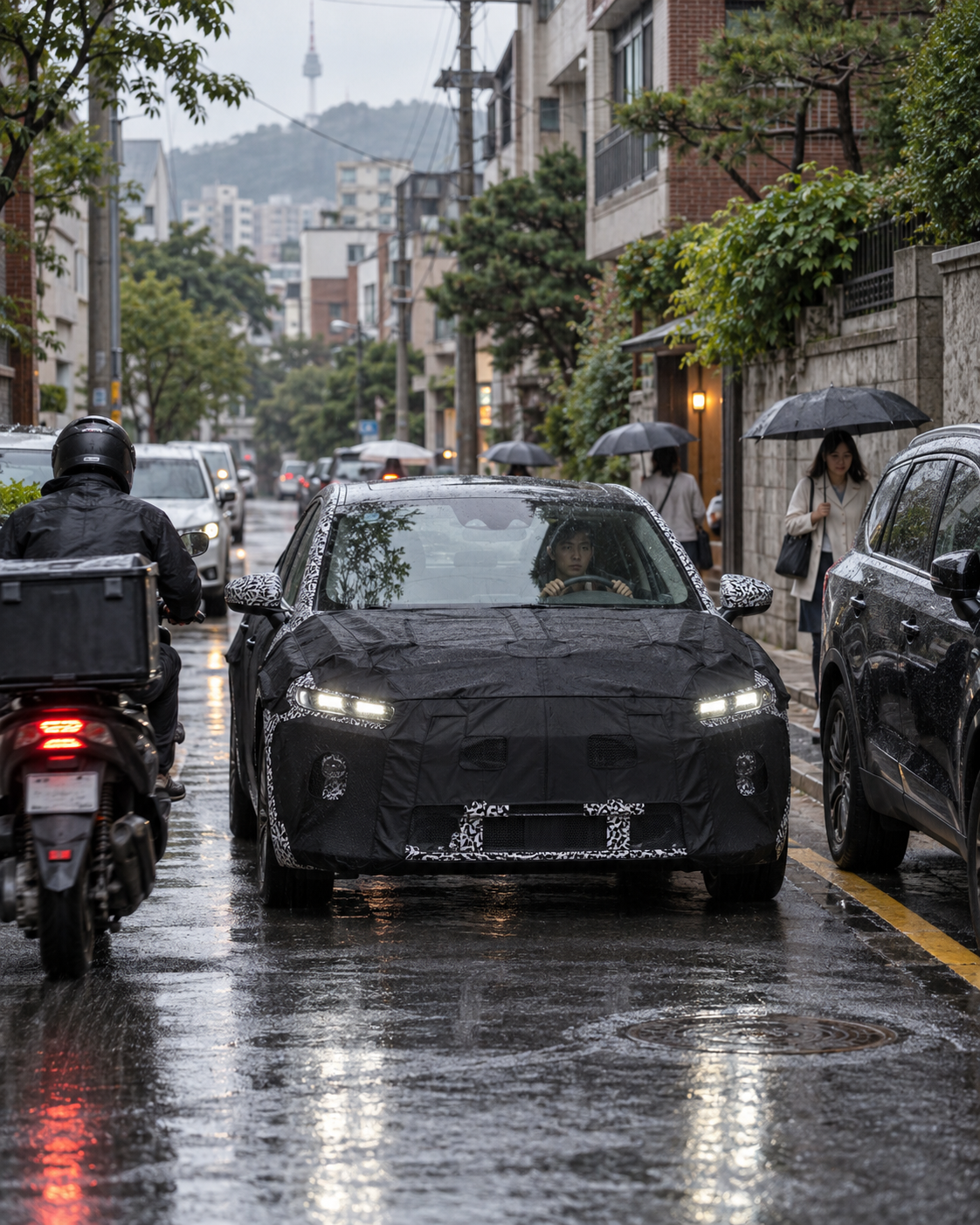
The only things that have been finalized so far are the mass production targets and the dual-track development strategy. Plans call for NVIDIA-based Level 2+ in the first half of 2028, Level 2++ in the second half of the same year, and Atria AI-based Level 2++ in the second half of 2029.
Going forward, we need to verify whether each milestone leads to actual mass production, how effectively data from NVIDIA-based vehicles contributes to improving Atria AI’s performance, and how driver supervision—required for Level 2 features—is designed into the product.
The Gwangju Level 4 pilot program, scheduled for late 2026, and Atria AI’s real-world road tests will also serve as important milestones. Ultimately, the success or failure of this strategy depends not on the year it was announced, but on how reliably features that have passed safety verification can be deployed across a broad range of vehicle models.
Tags
#Hyundai Motor Group #Hyundai Motor #Kia #NVIDIA #AtriaAI #42dot #ADAS #Self-Driving #Hyperion10 #DataFlywheel #Software-Defined Vehicle #Physical AI #FutureMobility