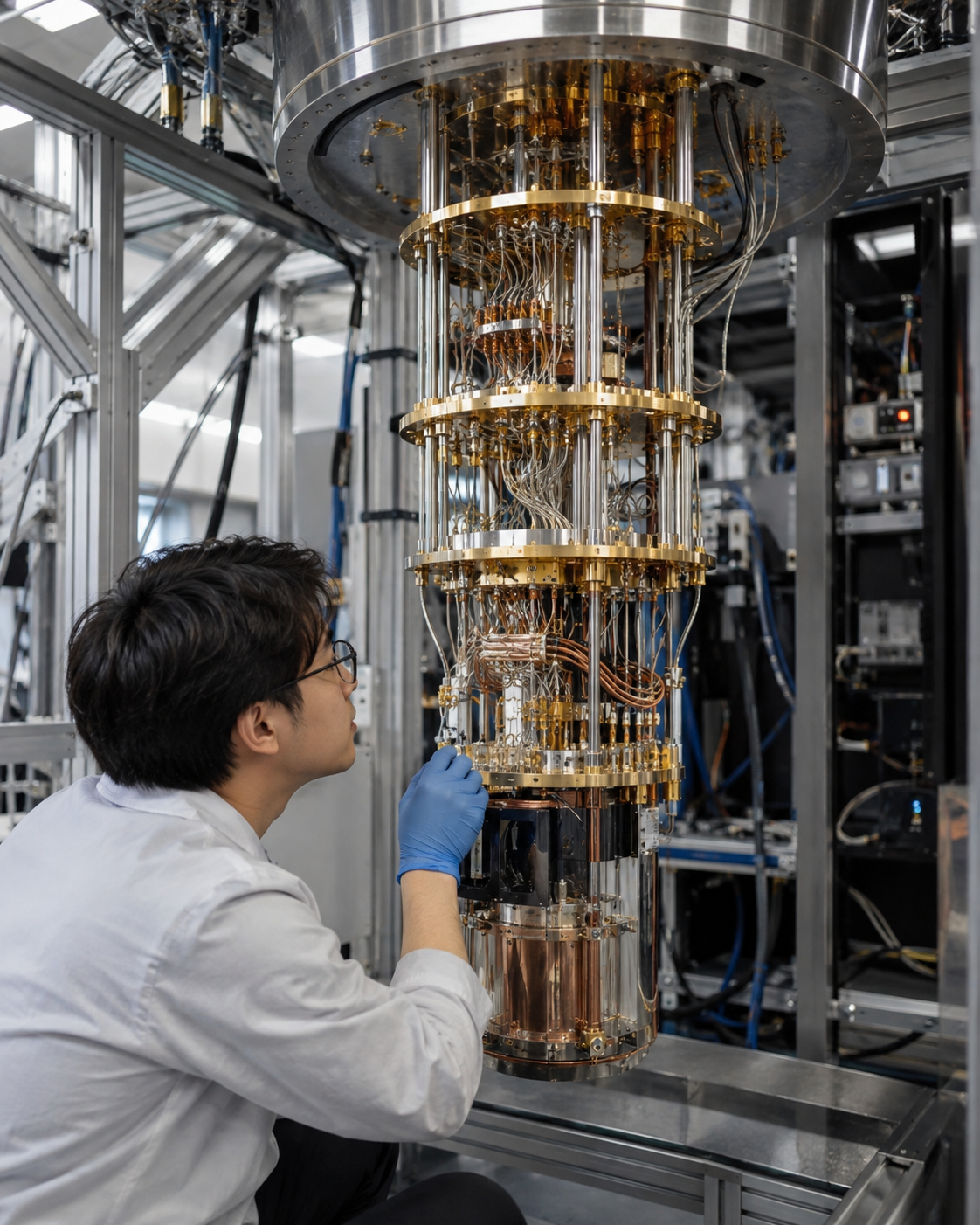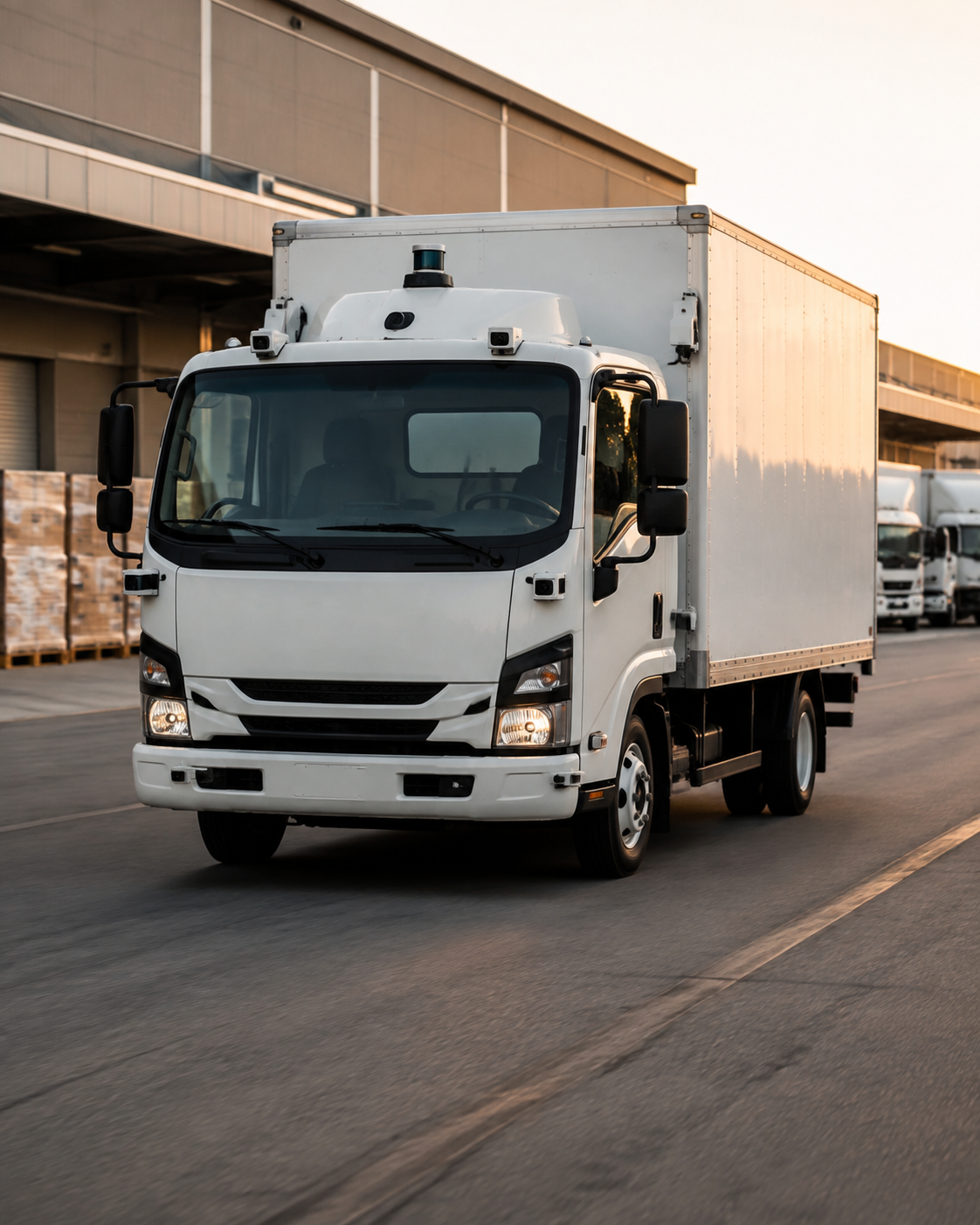
The focus of the competition in the autonomous truck sector is shifting from technology demonstrations to full-scale logistics operations. Autonomous logistics startups GatikThis $200 millionsecureAt the same time, the company has begun preparations to fully expand its fully automated freight transportation between distribution centers and stores.
This Series D funding round was led by the Qatar Investment Authority (QIA) and Koch Disruptive Technologies (KDT). To date, Gatik has received orders for fully autonomous transport vehicles totaling approximately 85,000 casesprocessed, and Contract revenue exceeding $600 million...announced that it had secured [...].
The company plans to use the funds it has raised to expand its commercial transportation network and fleet, while also investing in technology, infrastructure, and personnel. Its immediate goal is to have fully autonomous trucks by the end of 2026. 100 or moreThat's how you zoom in.
| Major institutional investors who participated in the $200 million investment

In addition to the lead investors, QIA and KDT, this investment also included Millennium Management, ARK Invest, Intact Private Capital ...and others participated. Autonomous freight transport is not limited to the research and development stage, but An investment reflecting the expectation that the business can grow into one that generates profits within the actual supply chainThat's one way to look at it.
However, Gatik has not disclosed its valuation following this investment. Therefore, it is difficult to draw definitive conclusions about the company’s current value or business profitability based solely on the $200 million raised.
The company plans to use the investment not only to expand its fleet but also to support commercial operations, technology development, and the expansion of facilities and personnel. Since the autonomous truck business doesn’t scale simply by increasing the number of vehicles, the company must also expand its control systems, maintenance capabilities, and integration with customers’ logistics networks.
| Rather than long-distance transport Middle MileReasons for Focusing on [...].
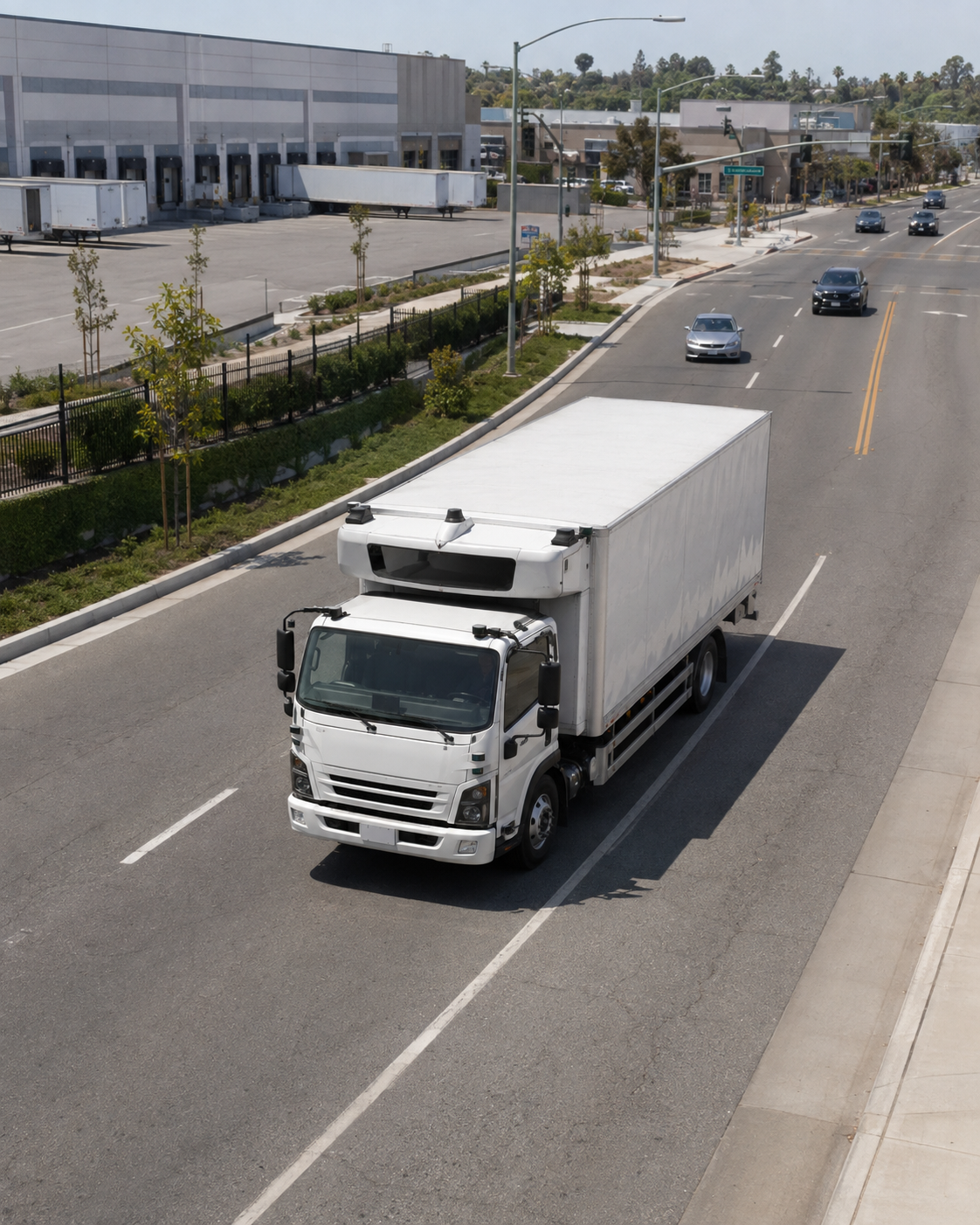
Gatik's focus differs slightly from long-haul transportation, which involves massive trucks traveling long distances between cities. Mainly Between the distribution center and the storeLocal transportation that involves connecting multiple points in succession—so-called "middle-mile" logisticsHey.
Although the route and stops for this section may vary depending on product demand and distribution center conditions, it is characterized by high-frequency trips between specific logistics hubs. Gatik emphasizes dynamic route planning that allows vehicles to travel on both highways and regular roads and connect multiple loading and unloading points.
Distribution networks with frequent repeat routes are relatively well-suited for the phased validation of autonomous driving systems and the measurement of operational efficiency. Rather than attempting to address all road conditions at once, this strategy involves automating specific sections where the business case is clear first.
| The scale of commercial operations, as evidenced by 85,000 cases and a 99% success rate
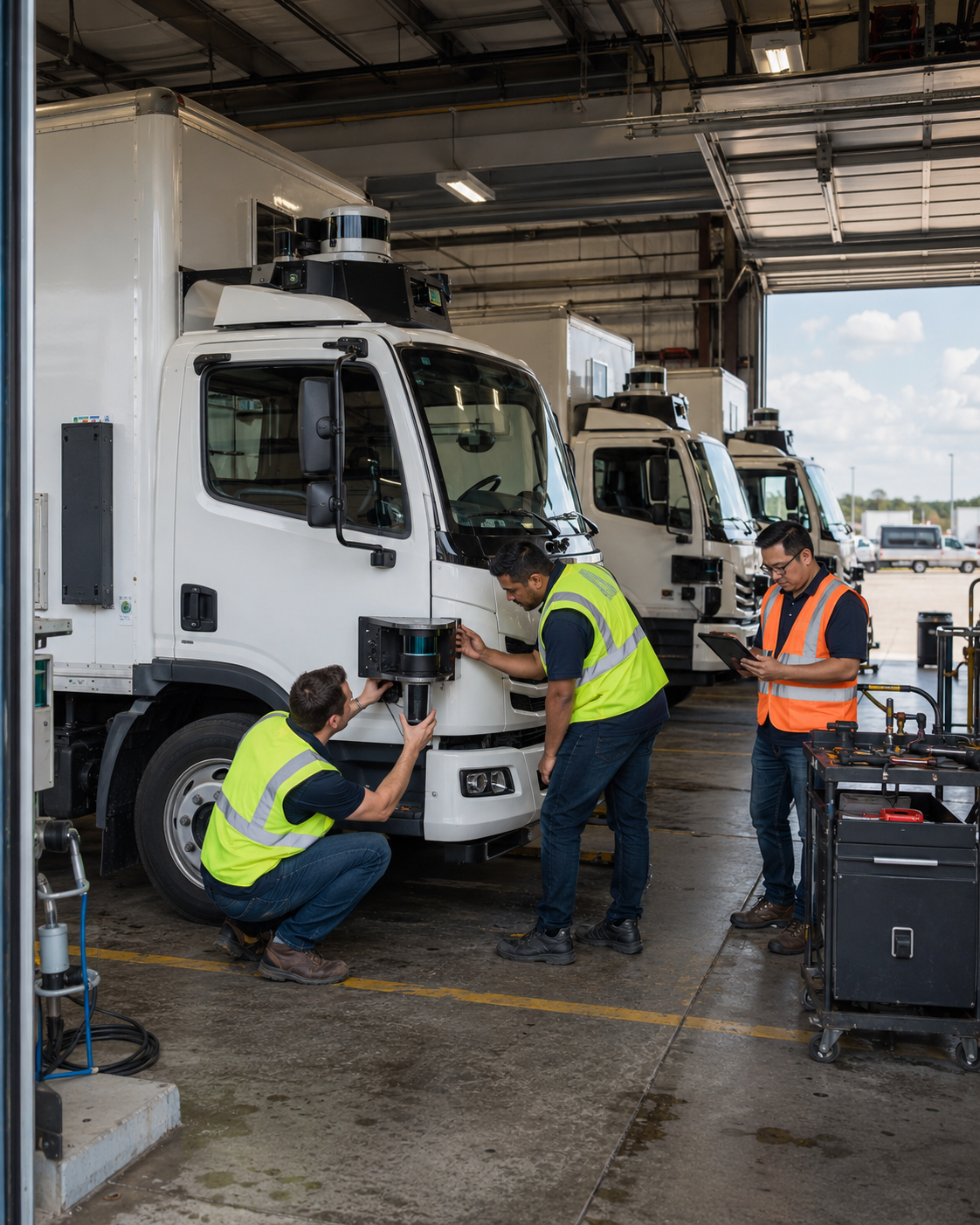
Gatik has, to date, handled fully autonomous transport orders 85,000 caseshas been completed, and the on-time delivery rate for all operations is 99%he said. Considering that there were 60,000 completed orders at the time of the announcement in January 2026, it is clear that actual shipments continued afterward.
As disclosed by the company, Contract revenue of over $600 millionIt’s also an important indicator of customer demand. However, contract revenue is not the same as the amount already recognized as revenue for accounting purposes. Depending on future vehicle deployment and contract terms, the timing and scale at which this revenue is converted into actual revenue may vary.
The figures of 85,000 and 99% are also Gatik’s own operational metrics. To assess the maturity of the business, it will be necessary to also examine independently verified safety statistics, transportation costs per vehicle, and utilization rates.
| Already in operation in the PepsiCo and Loblaw supply chains
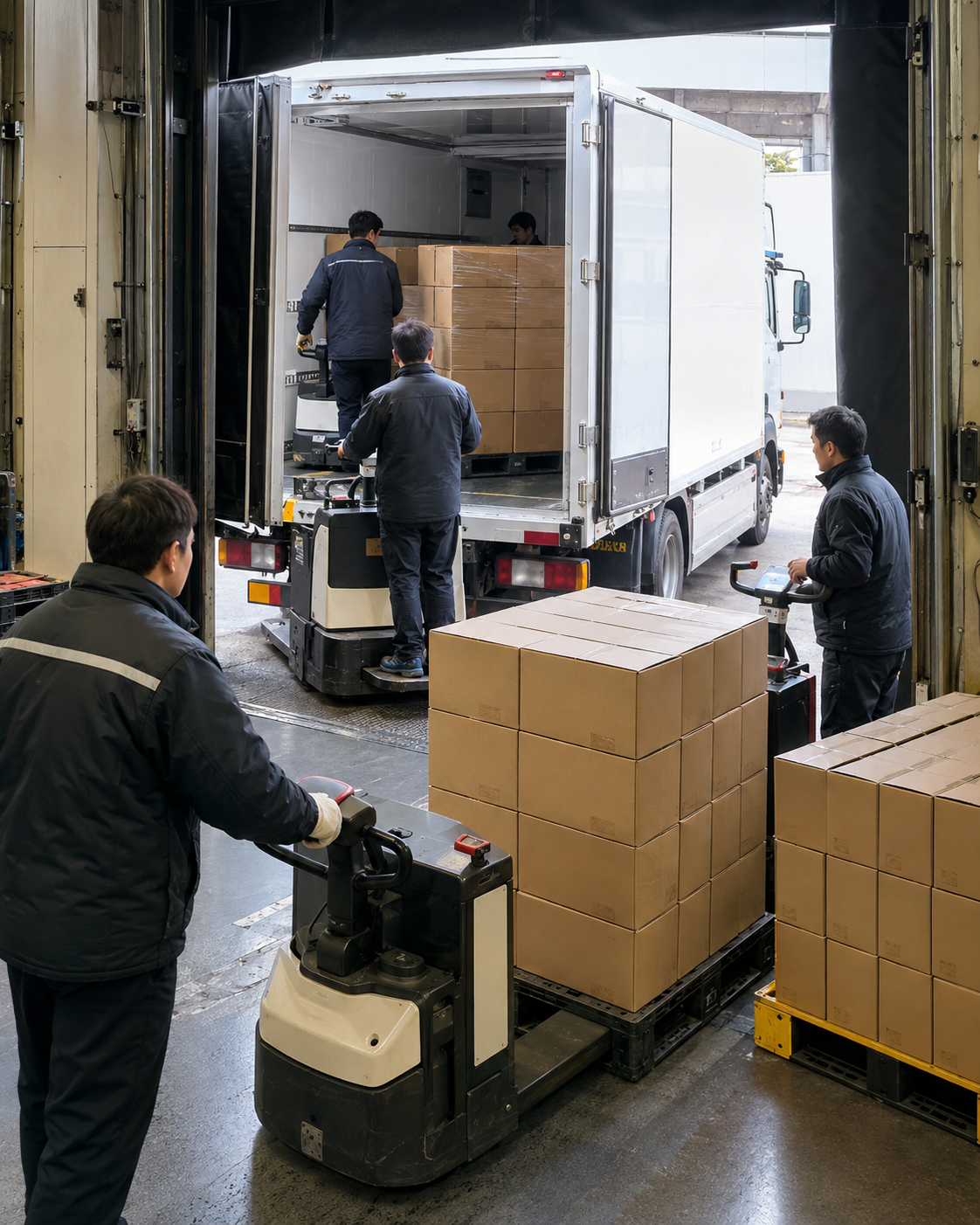
Gatik's autonomous trucks in the United States Texas, Arizona, and ArkansasThey're currently transporting cargo between distribution centers and stores in Canada. Major clients confirmed by Reuters include U.S. PepsiCoA Canadian retail company Loblaw...is included.
Gatik and PepsiCo are Announced a multi-year contract to expand autonomous freight transportation in North America in June 2026They did. At the time, the two companies explained that Gatik's autonomous trucks were already operating within PepsiCo's logistics network in Texas, Arizona, and Arkansas.
This case is significant because it involves not just a short-term pilot project transporting test cargo, but actual daily deliveries within the food and beverage supply chain. Whether the technology can consistently meet the demands of distribution companies—which require goods to be delivered to stores by a set time—has become an evaluation criterion just as important as its technical performance.
| Expanding to 100 units tests operational capabilities more than technology

Gatik plans to expand its fleet of dozens of autonomous trucks currently in operation by the end of 2026 100 or moreWe plan to increase it to [number]. The company's long-term vision is to eventually expand to thousands of units, but this should be viewed as a future goal rather than an actual result.
Once the number of vehicles reaches three digits, not only the performance of sensors and software but also Operational systems—such as maintenance schedules, remote support, integration with logistics centers, and handling of exceptional situations—are even more importantIt's becoming difficult because it's hard to apply the same management approach that worked for a small number of vehicles.
This is also the key to this round of funding. Gatik must convert the customer contracts it has already secured into actual transport vehicles and reliable service, while maintaining both its cost structure and on-time delivery rate throughout the process.
| Safety verification and regulation remain the biggest hurdles
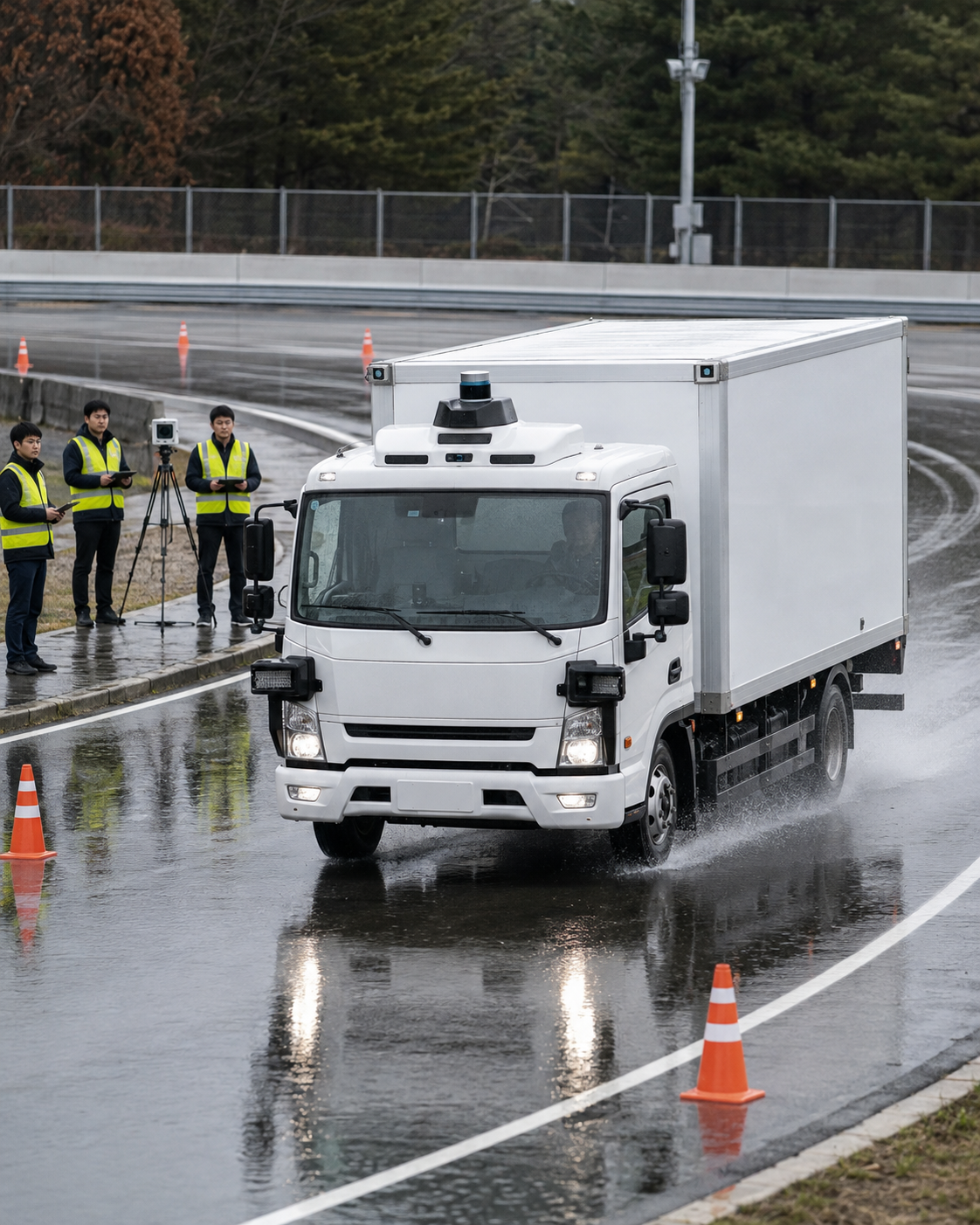
Gatik's Third-Generation Autonomous Driving System Gatik Driveris Designed for freight transportation by combining AI software with automotive hardwareAll right. The company stated that, prior to fully autonomous operation, it underwent an external review of key elements of its safety assessment system and briefed U.S. transportation authorities and state agencies on the matter.
In March 2026, a conference addressing safety verification for autonomous driving and robotic systems will be held NVIDIA Halos AI Systems Inspection Lab I also participated in the ecosystem. This means that as the number of vehicles increases, we need a system to continuously monitor functional safety, cybersecurity, and the reliability of AI decisions.
Still, we can’t assume that all risks have been eliminated based solely on the company’s accident-free record or on-time delivery rate. Regulations vary by service area, and how reliably the company responds to rare situations—such as road construction or severe weather—is a key factor in large-scale expansion.
| The Next Benchmark in the Autonomous Truck Race: Profitability and Scalability
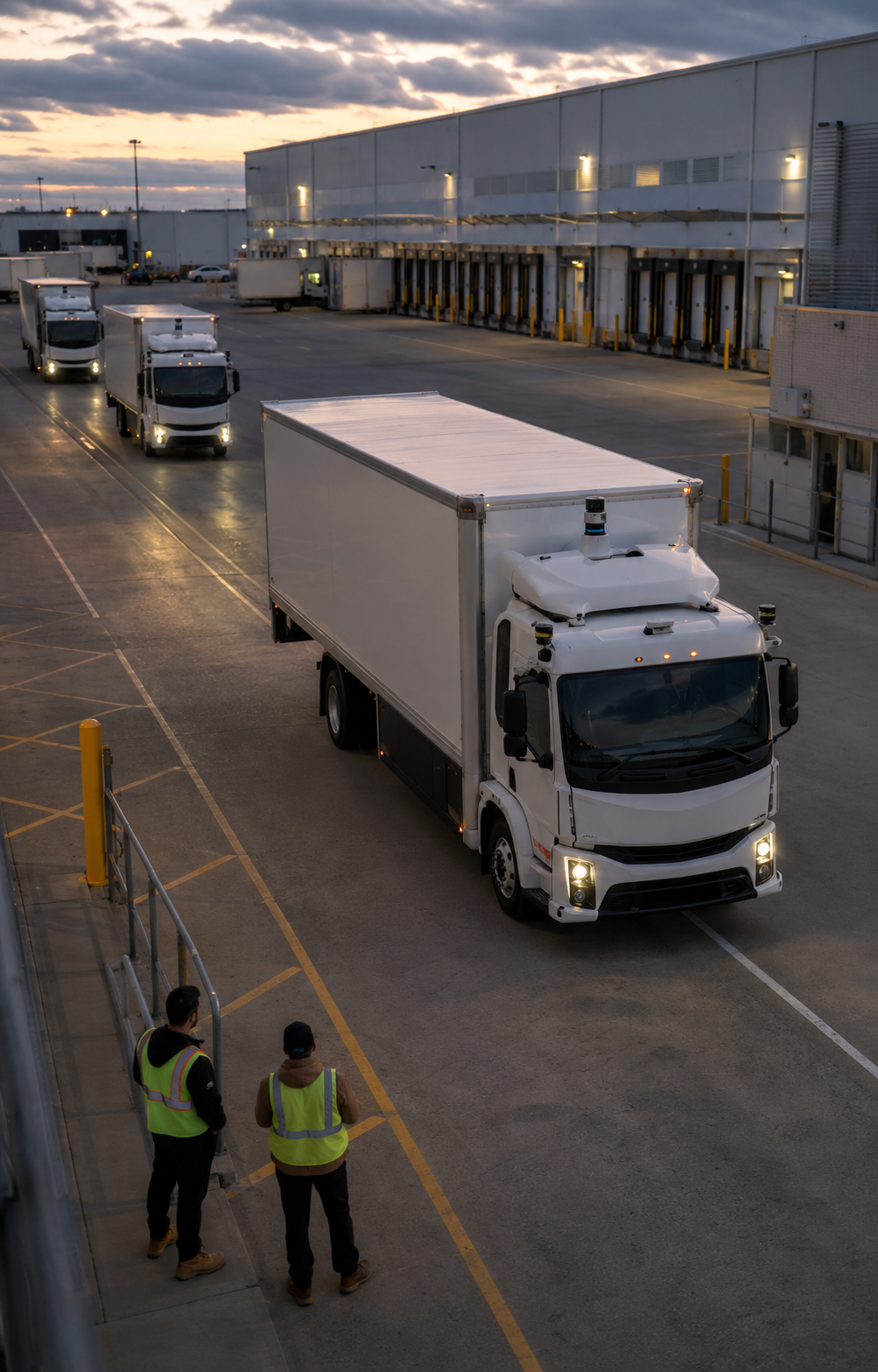
This investment signals that the autonomous freight market is moving beyond mere technological competition and into a race for commercial operations. Gatik is trying to differentiate itself by focusing on specific distribution routes to build up a track record of actual customers, contract revenue, and repeat trips.
However, the amount of investment and the scale of the contract do not automatically guarantee stable profits. The competitiveness of the business model will only be proven if the company can maintain delivery quality and safety while expanding its fleet to over 100 vehicles and reduce costs related to vehicles, maintenance, and operations management.
The key points to watch going forward are clear. Gatik’s next report card will hinge on whether it actually achieves its fleet expansion target by the end of 2026, the pace at which contracts worth over $600 million are converted into revenue, and whether it can replicate the same level of transportation quality in new regions.
Tags
#Gatik #Gatik #Self-Driving Trucks #Autonomous Cargo Trucks #Self-Driving #Logistics Automation #Middle Mile #Robotics #Future Technology #QIA #KochDisruptiveTechnologies #PepsiCo #NVIDIAHalos #Supply Chain #SeriesD